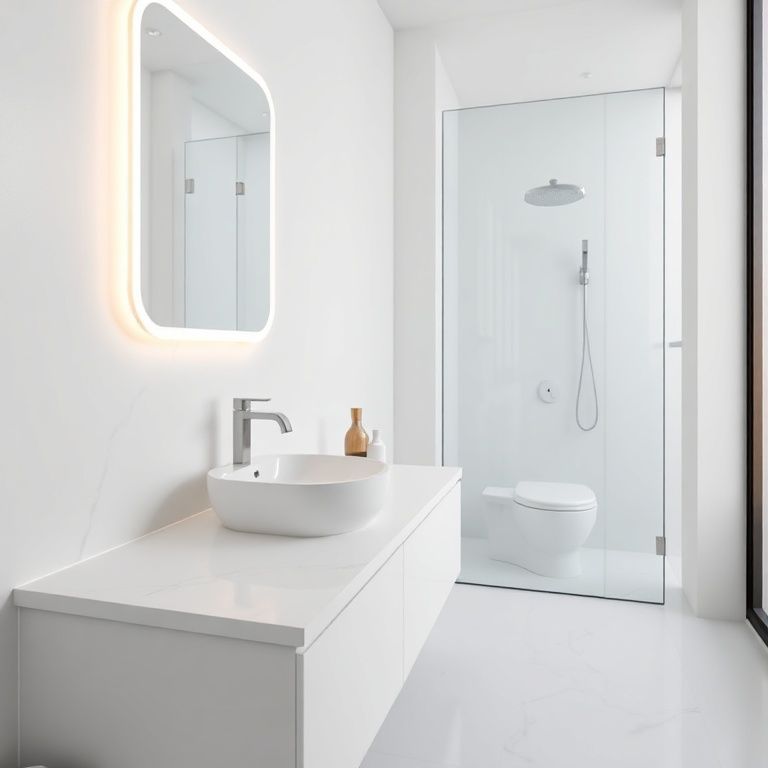
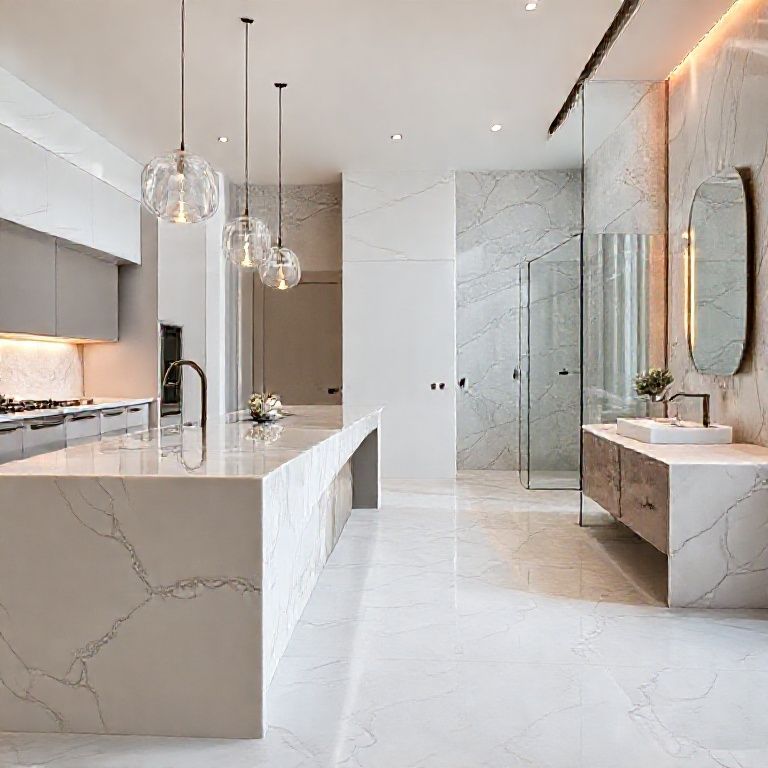
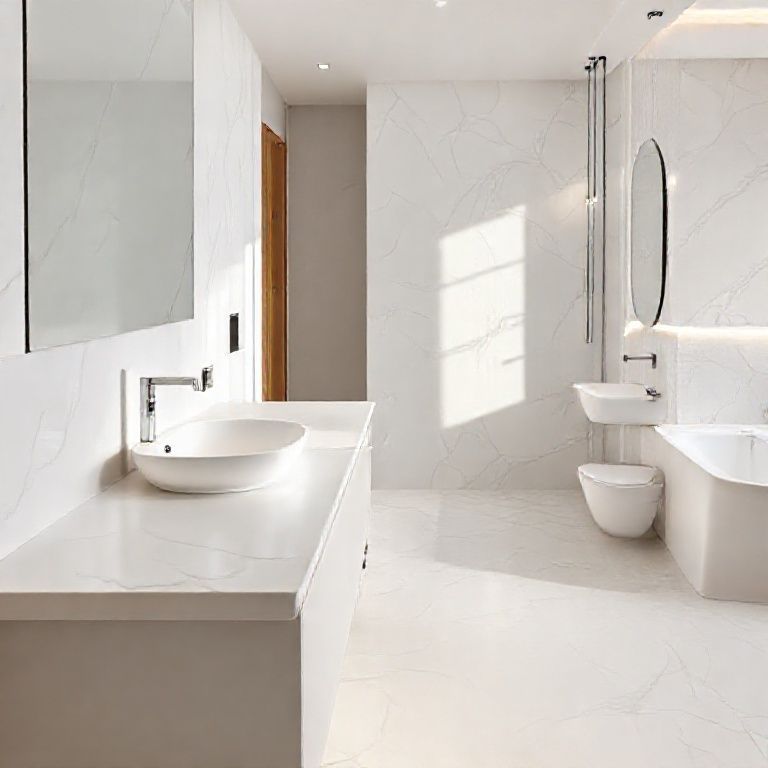
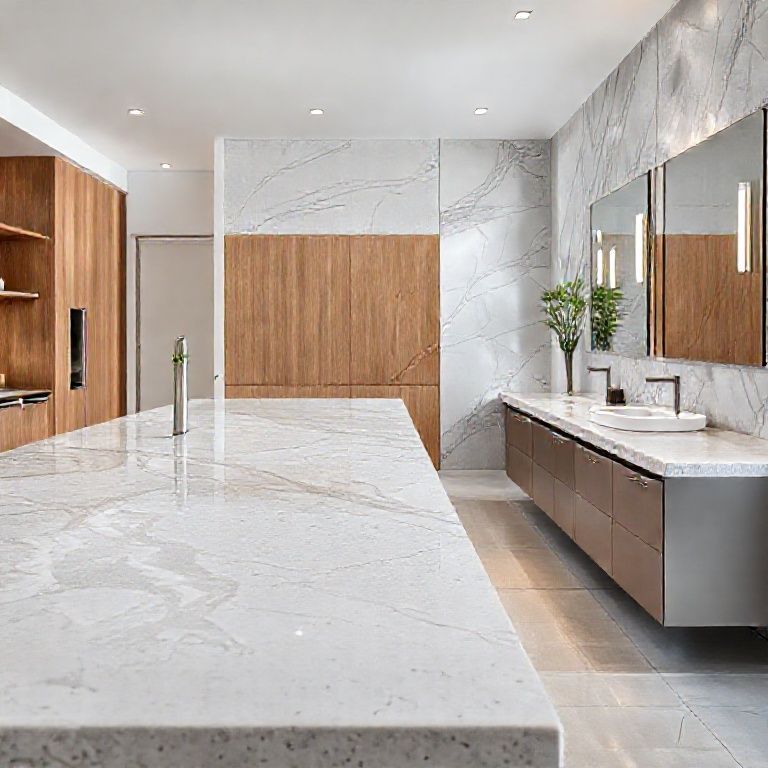
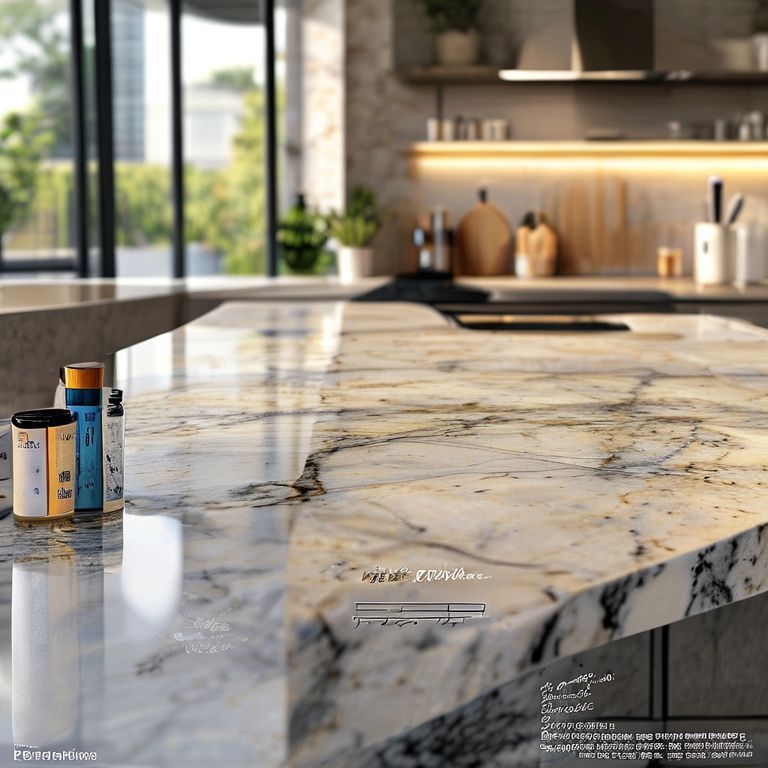
The Basics of Artificial Marble
In recent years, the world of interior design and home renovation has been revolutionized by a material that’s both stunning and functional: artificial marble, also known as engineered stone. This material is not just a trend but a game-changer in the way we think about surfaces and materials used in our homes and commercial spaces. Let’s dive into what artificial marble is, how it’s made, and why it’s gaining popularity.

What Is Artificial Marble?
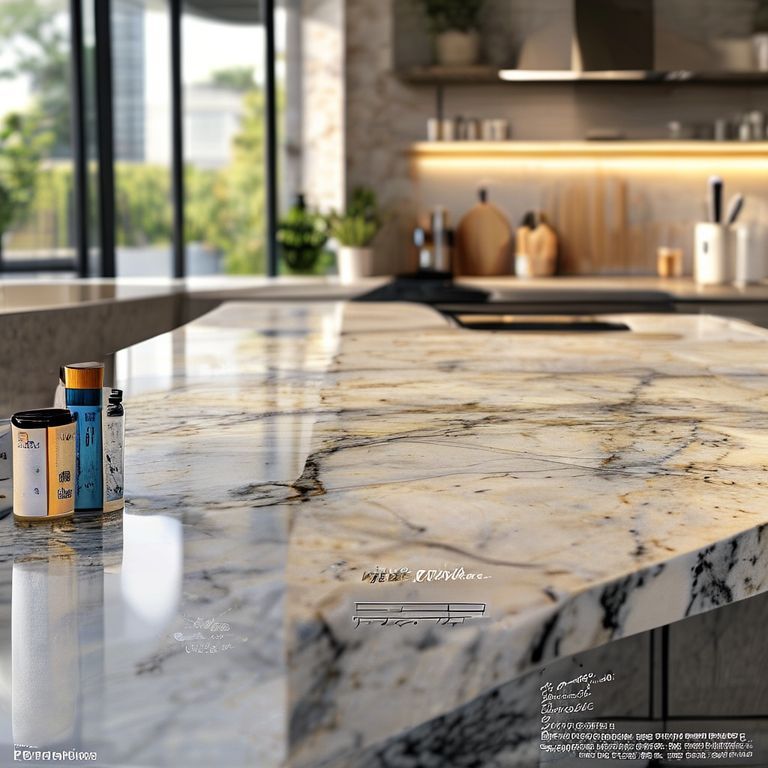
Artificial marble is a composite material that is designed to mimic the appearance and texture of traditional marble. Unlike natural marble, which is a naturally occurring stone, artificial marble is manufactured in a controlled environment using a blend of minerals, pigments, and resins. This process allows for the creation of a stone that not only looks like real marble but also possesses many of its aesthetic qualities without the drawbacks.
The Creation Process
The production of artificial marble begins with a mixture of high-quality minerals such as quartz, calcite, and marble dust, which are finely ground and combined with a resin binder. This mixture is then pressed into molds at high temperatures and pressures, resulting in a stone that is both durable and visually appealing. Once the material is pressed, it is polished to achieve the desired sheen and finish.
One of the most impressive aspects of artificial marble is its ability to be manufactured in virtually any color or design. This flexibility allows designers and homeowners to create custom pieces that can match any aesthetic vision. The material is then cut and finished to be used in various applications, from countertops to tabletops and beyond.
Advantages of Artificial Marble
Artificial marble offers several advantages over traditional natural stone, making it an appealing choice for many applications:
Durability: Unlike natural marble, artificial marble is not prone to staining, scratching, or chipping. This makes it an excellent choice for high-traffic areas where durability is crucial.
Cost-Effective: While natural stone can be quite expensive, artificial marble provides a high-quality alternative at a more affordable price point. This makes it accessible to a wider range of consumers.
Environmentally Friendly: The production of artificial marble involves fewer environmental impacts compared to the extraction and transportation of natural stone. Additionally, it is a recyclable material, which further reduces its ecological footprint.
Customizability: As mentioned, artificial marble can be manufactured in a variety of colors, patterns, and finishes. This allows for a high degree of customization, enabling designers to create unique and bespoke pieces that suit any interior design scheme.
Low Maintenance: Unlike natural stone, which may require sealing or regular maintenance to prevent staining, artificial marble is low maintenance and requires minimal upkeep. This makes it ideal for busy households and commercial spaces.
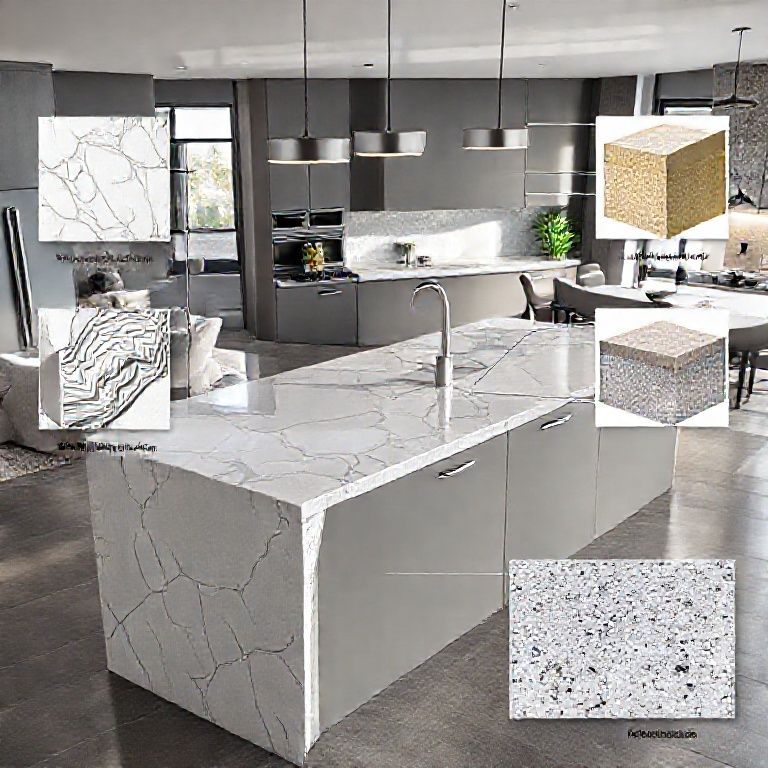
Applications of Artificial Marble
Artificial marble has found a wide range of applications across various industries due to its versatility and aesthetic appeal. Some of the most common uses include:
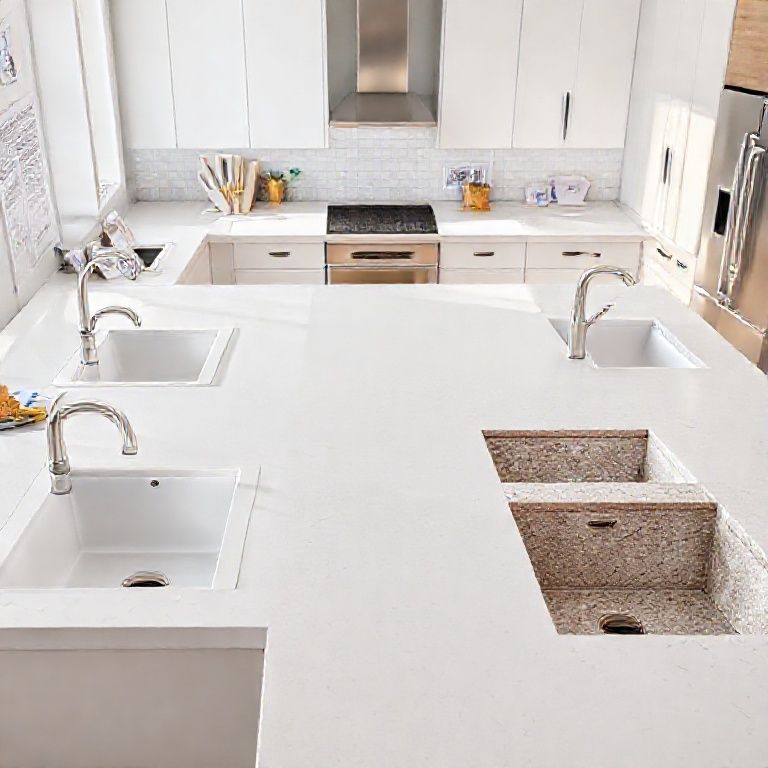
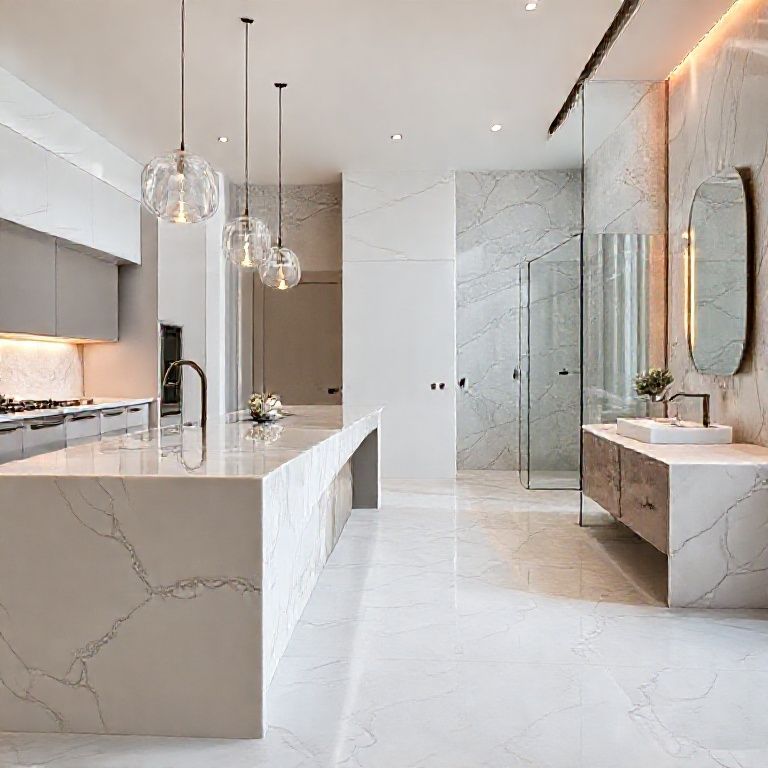
Countertops: One of the primary applications of artificial marble is in kitchen and bathroom countertops. Its durability and resistance to staining make it an excellent choice for areas that are frequently exposed to food, liquids, and cleaning agents.
Tabletops: From dining tables to coffee tables, artificial marble can be used to create beautiful tabletops that are both functional and stylish.
Vanity Tops: In bathroom renovations, artificial marble is often used for vanity tops due to its water resistance and sleek appearance.
Furniture: Beyond countertops, artificial marble is also used in the creation of various types of furniture, including bar stools, side tables, and even furniture frames.
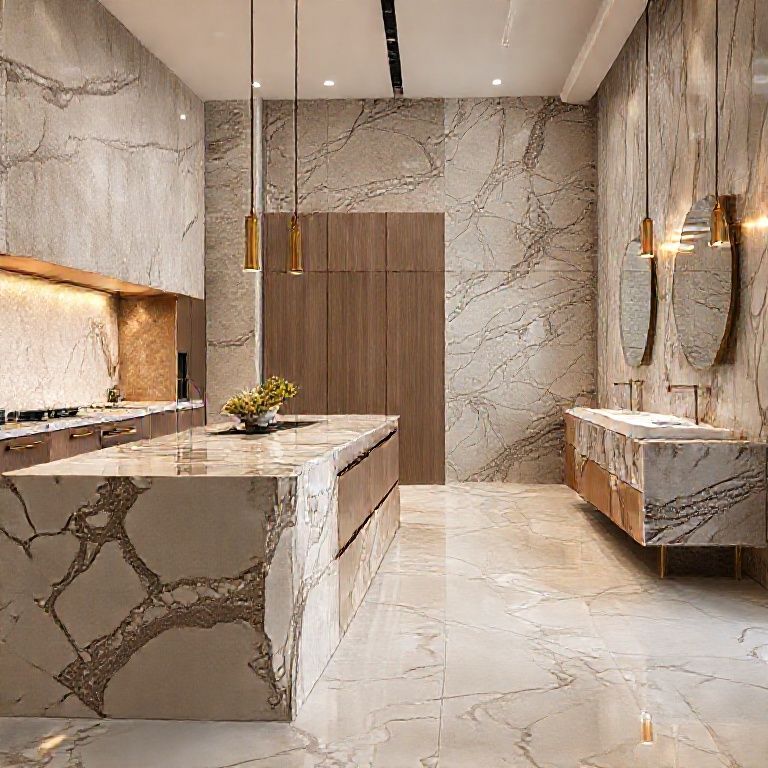
Architectural Elements: In the realm of architecture, artificial marble can be used for decorative elements such as columns, walls, and facades, providing a stunning visual impact without the high maintenance associated with natural stone.
Conclusion
Artificial marble represents a significant advancement in material science, offering a blend of the beauty and luxury of natural marble with the practicality and durability of modern manufacturing techniques. Its versatility, cost-effectiveness, and low maintenance make it an attractive option for a wide range of applications, from residential to commercial spaces.
In the next part of our exploration, we will delve deeper into the specific benefits of artificial marble in various design contexts, as well as its role in shaping the future of interior design and construction. Stay tuned for more insights into this fascinating material!
Innovations and Future Trends in Artificial Marble
As we continue our exploration of artificial marble, it’s essential to look ahead at the innovations and trends that are shaping its future. This material is not just a static product but a dynamic field of development that’s continually evolving to meet the demands of modern design and construction.
Technological Advancements in Artificial Marble
The world of artificial marble is witnessing rapid advancements in technology, driven by a desire to enhance both the aesthetic and functional qualities of the material. Here are some of the key technological developments:
Enhanced Durability: Manufacturers are continually improving the resin binders and composite materials used in artificial marble, resulting in products that offer even greater durability and resistance to wear and tear. This is particularly important in high-traffic areas where surfaces are subject to constant use.
Advanced Pigmentation: The ability to produce artificial marble in a wide range of colors and patterns has been greatly enhanced through advancements in pigmentation technology. These innovations allow for more precise color matching and the creation of intricate designs, bringing a new level of realism to the material.
Smart Integration: With the rise of smart home technology, there is a growing interest in integrating artificial marble with electronic components. This could include embedded sensors for cleaning, heating, or even interactive surfaces that respond to touch or other stimuli.
Eco-Friendly Production: Sustainability is a major focus in the production of artificial marble. Manufacturers are exploring ways to reduce waste, lower carbon emissions, and use recycled materials in the manufacturing process. This includes developing new methods for recycling and repurposing artificial marble, thus making it an even more environmentally friendly option.
Impact on Modern Design
Artificial marble’s versatility and aesthetic appeal have made it a favorite among designers and architects. Here’s how it’s influencing modern design trends:
Minimalism: The sleek, polished surfaces of artificial marble are perfect for minimalist design styles. Their clean lines and neutral tones provide a backdrop for more intricate details and accessories, allowing the focus to remain on the overall simplicity and elegance of the space.
Luxury and Opulence: Despite its cost-effectiveness, artificial marble can mimic the luxurious appearance of natural marble. This makes it a popular choice for high-end interior designs where the goal is to create an atmosphere of luxury and sophistication without the high price tag.
Sustainability: As sustainability becomes a more critical concern in design, artificial marble’s environmental benefits make it an attractive option. Its recyclability and reduced environmental impact align with the growing demand for sustainable materials.
Customization: The ability to create custom designs and colors means that artificial marble can be tailored to fit any specific vision. This is particularly useful for bespoke projects where unique, one-of-a-kind pieces are required.
Future Trends in Artificial Marble
Looking ahead, there are several trends that are likely to shape the future of artificial marble:
Smart Materials: The integration of smart materials into artificial marble is an emerging trend. This could include surfaces that change color based on temperature or respond to touch, creating interactive and dynamic spaces.
Health and Safety: As concerns about health and safety continue to grow, artificial marble that incorporates antimicrobial properties could become more prevalent. This would provide surfaces that resist bacteria and other pathogens, making them ideal for hospitals, schools, and other public spaces.
Biomimicry: Designers and manufacturers are increasingly looking to nature for inspiration. Artificial marble that mimics natural textures and patterns, such as stone, wood, or even organic forms, could become more common as part of a trend toward more organic and nature-inspired design.
Global Adoption: As the benefits of artificial marble become more widely recognized, it’s expected to see greater adoption across different regions and cultures. This global trend will likely lead to even more innovation as different markets bring their unique ideas and preferences to the table.
Conclusion
Artificial marble is not just a static material but a dynamic and evolving field that continues to push the boundaries of design and construction. Its继续探讨人造大理石的未来趋势,我们可以看到一些更深层次的市场和技术动向,以及它对建筑和设计行业的潜在影响。
市场趋势和应用
多功能性: 随着人们对家居和商业空间的期望不断提高,人造大理石在多种功能上的应用将会更加广泛。从简单的台面到复杂的嵌入式设施,人造大理石都可以适应各种需求。例如,它可以用于制作带有内置照明和储物功能的厨房台面。
个性化定制: 随着3D打印和其他先进制造技术的发展,定制化生产变得更加可能。这意味着人造大理石可以根据特定客户的需求进行个性化设计,从而创造独特而独一无二的空间。
全球市场扩展: 随着经济发展和消费水平的提高,人造大理石的需求将在更多的国家和地区增长。特别是在发展中国家,由于其经济性和耐用性,人造大理石将成为家庭装修和商业建筑的首选材料。
技术创新
高级复合材料: 未来的人造大理石可能会采用更先进的复合材料,以进一步提升其强度和耐用性。这些新材料可能包括纳米技术,以提供更强的抗菌和抗污能力。
智能表面: 随着物联网的发展,人造大理石可能会融合智能技术。例如,表面可以集成传感器,监测温度、湿度或其他环境参数,并与智能家居系统互动。
环保制造: 环境保护和可持续发展将继续是制造业的重要议题。未来的人造大理石制造可能会采用更环保的工艺和材料,减少碳足迹和废弃物。
设计影响
现代简约: 随着现代简约设计风格的流行,人造大理石因其光滑、平滑的表面和丰富的颜色选择,成为这一风格的理想材料。其高度的可定制性也使其非常适合于现代简约设计的需求。
可持续设计: 未来的设计趋势将越来越注重可持续性。人造大理石因其可再生和可回收特性,将在绿色建筑和设计中扮演重要角色。
多用途家具: 随着家居设计的不断创新,人造大理石将被应用于更多的家具设计中,不仅仅局限于台面和地板。例如,桌子、椅子、甚至是储物柜都可能采用人造大理石制成,以提升其耐用性和美观性。
结论
人造大理石正在经历一场革命,从传统的台面材料向多功能、高科技、环保和可持续的方向迈进。其持续的技术创新和市场需求的不断增长,使其在建筑和设计行业中拥有广阔的前景。无论是在家庭装修还是在商业建筑中,人造大理石都将继续发挥重要的作用,为我们创造更加美丽、高效和环保的空间。