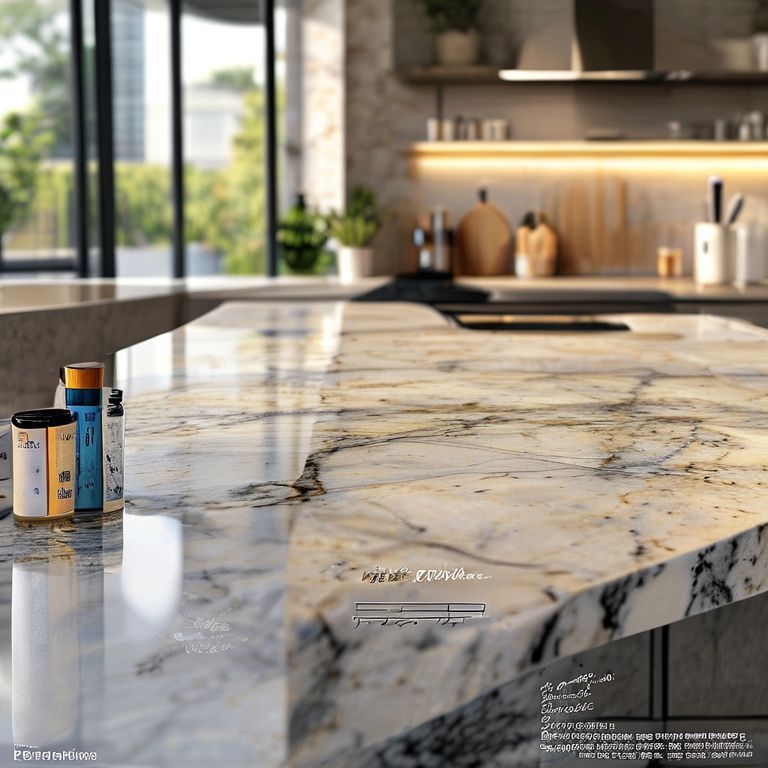
Dive deep into the fascinating world of marble, exploring why this exquisite stone remains a topic of reverence and caution. In this comprehensive guide, we uncover the secrets behind marble’s reserved use, from its mesmerizing beauty to the challenges that make it a material of both awe and apprehension. Join us on this journey as we reveal the hidden truths behind this iconic stone.

Marble, luxury, durability, cost, maintenance, aesthetics, history, craftsmanship, natural stone
The Intricacies and Hidden Truths Behind Marble’s Reserved Use: A Journey Through Its Allure and Challenges
Marble has long been synonymous with luxury, elegance, and timeless beauty. From ancient temples to modern skyscrapers, its captivating presence has left an indelible mark on architecture and interior design. However, despite its undeniable appeal, marble is often reserved for those who can afford its many complexities. What lies beneath the surface of this coveted material? Let’s delve into the reasons why marble generally remains out of reach for many.
The Intrinsic Beauty of Marble
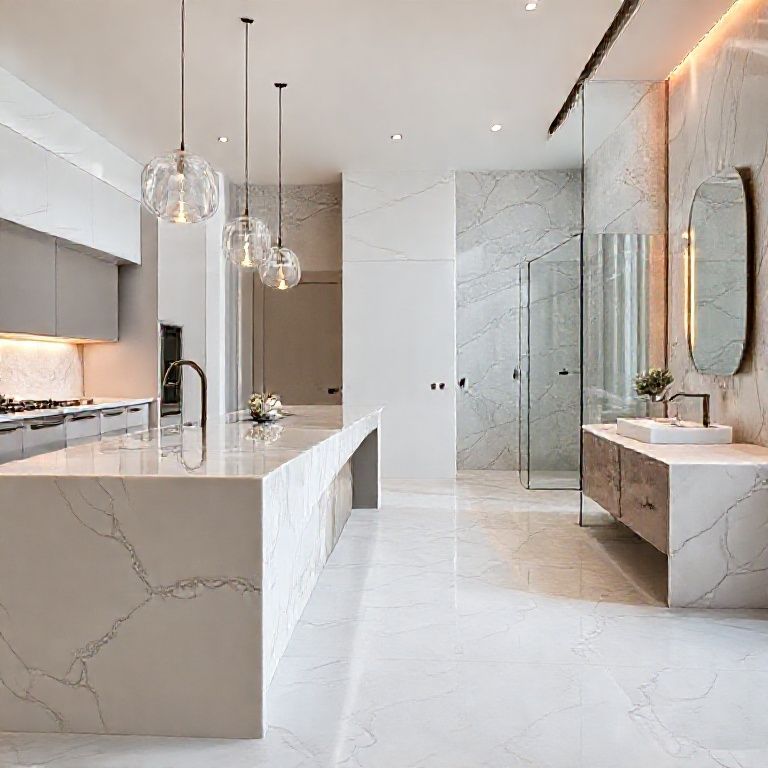
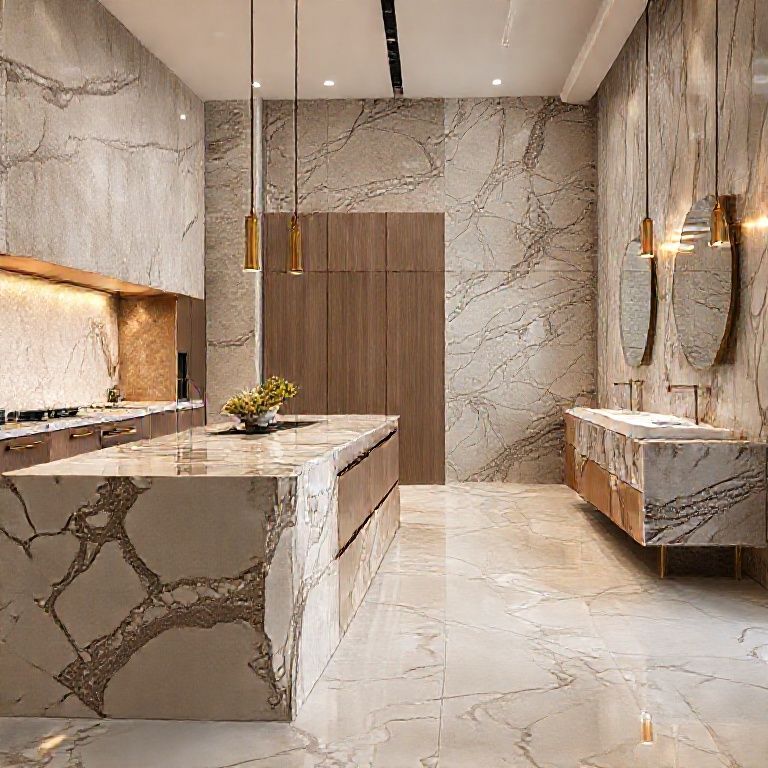
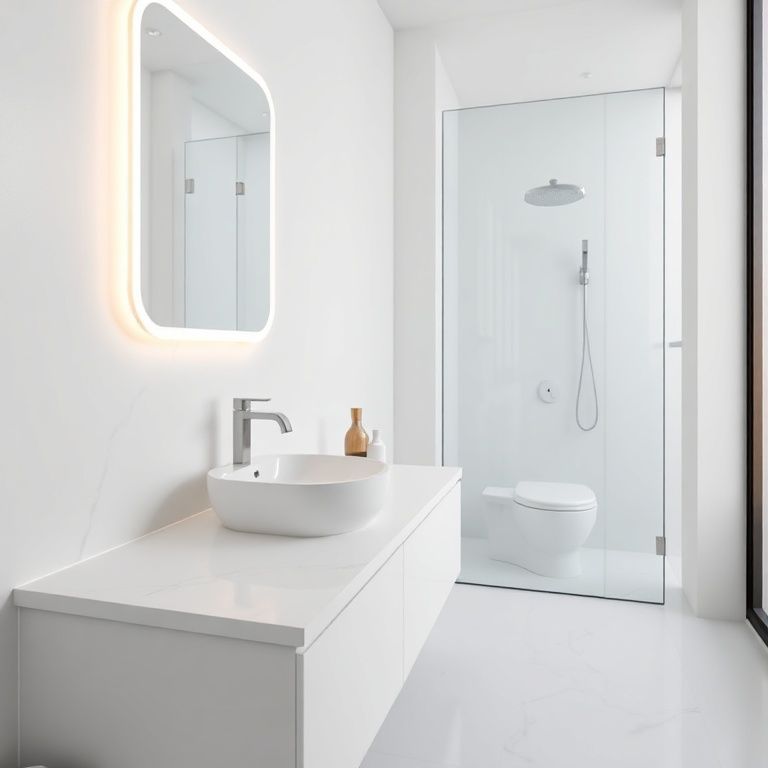
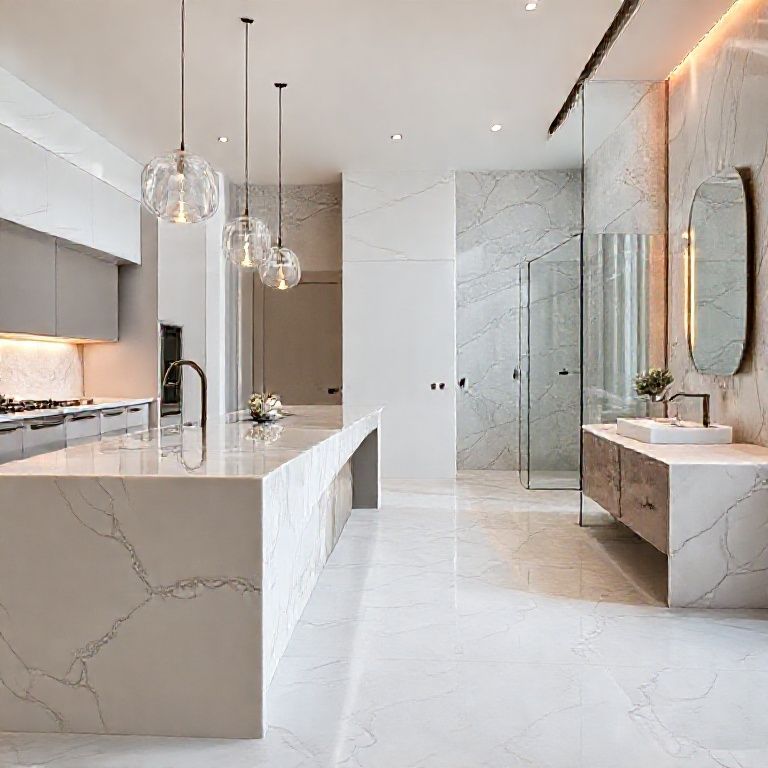
At its core, marble is a testament to nature’s artistry. This metamorphic rock, formed from the transformation of limestone due to heat and pressure, is celebrated for its unique and intricate patterns. Veins and swirls of color create a breathtaking tapestry that varies from piece to piece, making each slab of marble one-of-a-kind. The result is a stone that can elevate any space, adding a touch of opulence and sophistication.
Durability and Hardness
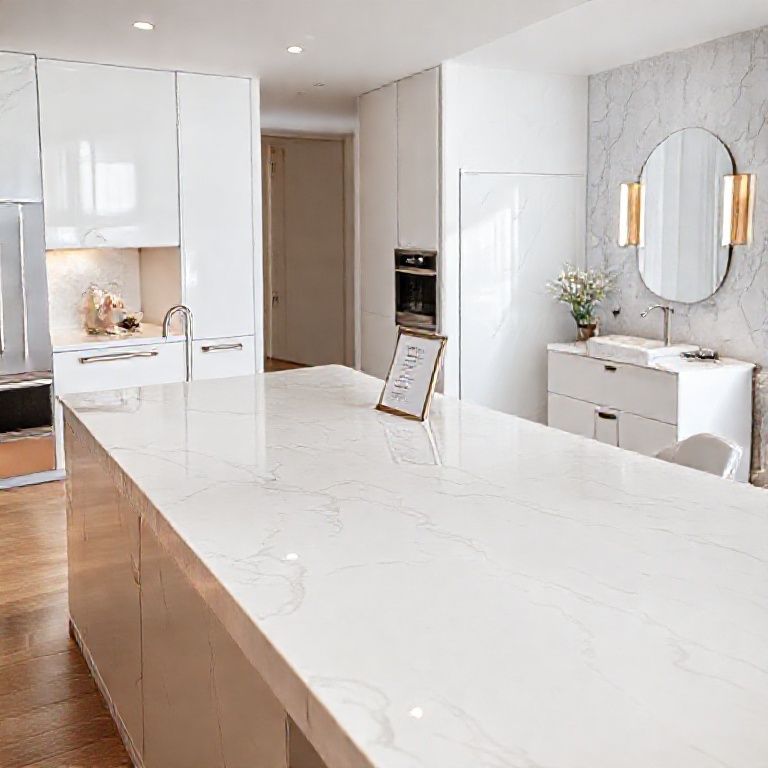
Marble is known for its impressive hardness and durability, qualities that contribute to its longevity. While these traits make marble a popular choice for statues and sculptures, they also pose challenges in its use for flooring and countertops. Unlike granite, which is also a metamorphic rock, marble is relatively soft on the Mohs scale of mineral hardness (typically grading between 3 and 4). This inherent softness means it can be easily scratched, etched, and stained.
Cost and Accessibility
The cost of marble is a significant factor that contributes to its reserved use. High-quality marble, particularly those with the most stunning and unique patterns, can be extremely expensive. The process of quarrying, cutting, and polishing marble is labor-intensive and requires skilled craftsmanship, driving up the cost. Consequently, marble is often out of reach for many homeowners and businesses due to its premium pricing.
Maintenance and Care
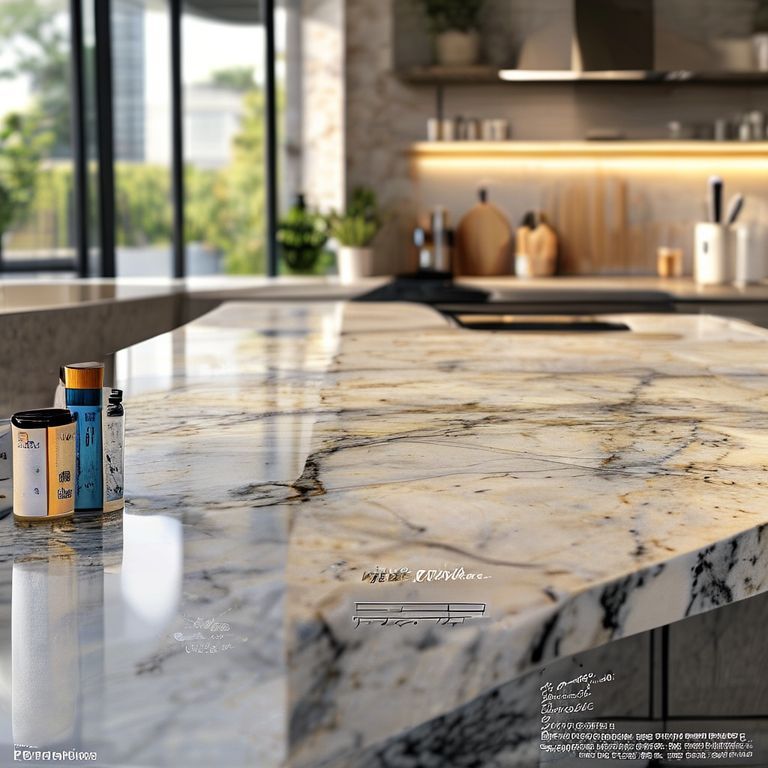
One of the most compelling reasons marble is reserved for those who can manage its upkeep is the extensive care it requires. Unlike more resilient stones, marble needs regular maintenance to maintain its pristine appearance. It is essential to use specialized marble cleaners and sealers to protect against stains and etching from acidic substances like wine, coffee, and even certain cleaning products. Without proper care, marble can quickly lose its luster and develop unsightly marks and stains.
Environmental and Ethical Considerations
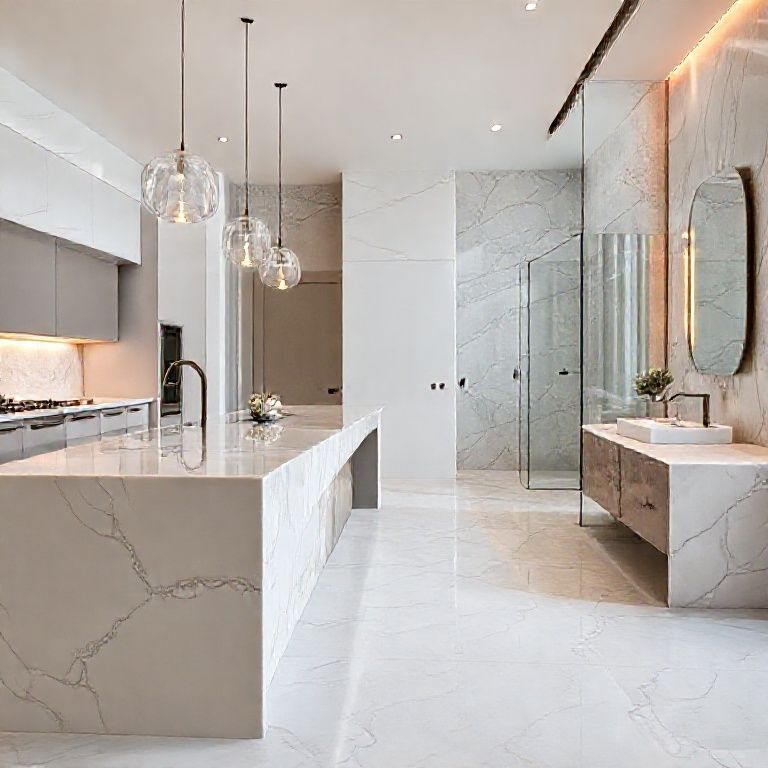
The extraction and transportation of marble also present significant environmental and ethical concerns. The process of quarrying marble can lead to habitat destruction, water pollution, and carbon emissions. Furthermore, the labor conditions in many marble-producing countries have raised ethical questions about the exploitation of workers. These environmental and ethical considerations add another layer of complexity to the use of marble, often steering designers and architects toward more sustainable alternatives.
Historical Context and Cultural Significance
Marble has a storied history, deeply intertwined with some of the world’s most iconic structures and artworks. Ancient civilizations like the Greeks and Romans revered marble for its beauty and used it extensively in temples, statues, and public buildings. The material’s enduring presence in cultural and historical contexts reinforces its reserved use, as it is often seen as a symbol of heritage and grandeur.
The Intricacies and Hidden Truths Behind Marble’s Reserved Use: A Journey Through Its Allure and Challenges
In the previous part, we explored the allure and challenges of marble, from its intrinsic beauty and durability to its cost, maintenance, and ethical considerations. Now, let’s continue our journey by diving deeper into the multifaceted reasons why marble remains a material of both awe and apprehension.
The Chemical Vulnerability of Marble
Marble’s composition, primarily composed of calcium carbonate, makes it chemically vulnerable to acids and other corrosive substances. This chemical reactivity is a significant drawback, particularly in environments where marble is frequently exposed to acidic liquids or cleaning agents. Over time, these interactions can lead to etching, where the surface of the marble becomes dull and pitted, compromising its aesthetic appeal. To combat this, marble often needs to be sealed with protective coatings, which can add to the maintenance burden and cost.
Thermal and Mechanical Stress
Marble’s reaction to thermal and mechanical stress further complicates its use. When subjected to high temperatures, marble can expand and contract unevenly, potentially leading to cracks and fractures. Similarly, heavy objects placed directly on marble surfaces can cause indentations or chips, especially given its relatively soft nature compared to other stones. These vulnerabilities necessitate careful installation and usage practices to prevent damage, adding another layer of complexity to marble’s reserved use.
Artisanal Craftsmanship
The craftsmanship required to work with marble is another reason it remains a reserved material. Marble’s unique patterns and colors mean that each piece must be carefully selected and cut to achieve the desired aesthetic. The process of chiseling, polishing, and finishing marble requires a high level of skill and precision, making it a labor-intensive endeavor. This artisanal craftsmanship not only contributes to marble’s cost but also emphasizes its value as a luxury material.
Alternatives to Marble
Given the challenges associated with marble, many designers and architects are increasingly turning to alternative materials that offer similar aesthetic appeal but with fewer complications. Stone alternatives like quartz, granite, and even certain types of engineered stone provide durability, low maintenance, and a range of colors and patterns that rival marble. These alternatives are often more cost-effective and easier to maintain, making them attractive options for those seeking the beauty of marble without its drawbacks.
Innovations in Marble Care
Advancements in marble care and treatment have introduced new ways to enhance the durability and longevity of marble surfaces. Techniques such as nano-coating and impregnation treatments can provide marble with a protective barrier against stains and etching, significantly reducing the need for frequent sealing and maintenance. While these innovations can make marble more accessible, they also add to the overall cost and complexity of using the material.
The Role of Marble in Modern Architecture
Despite its challenges, marble continues to play a significant role in modern architecture and interior design. Its timeless beauty and versatility make it a popular choice for high-end projects where aesthetic excellence is paramount. From luxury homes and boutique hotels to iconic public buildings, marble’s presence underscores its enduring appeal. However, its reserved use often reflects the need for careful consideration and planning to fully appreciate its beauty and manage its complexities.
Future Trends and Sustainability
Looking ahead, the use of marble is likely to be influenced by trends toward sustainability and ethical sourcing. As awareness of environmental and labor issues grows, there is a greater push for responsible practices in the marble industry. Innovations in sustainable quarrying techniques and ethical labor practices may help make marble more accessible and responsible in the future. Additionally, the development of eco-friendly alternatives and treatments could provide new opportunities for the use of marble in ways that balance beauty with sustainability.
Marble’s reserved use is a testament to its unparalleled beauty and the myriad challenges it presents. From its chemical vulnerability to the complexities of maintenance and ethical sourcing, marble remains a material of both awe and apprehension. However, as innovations in care and sustainability continue to evolve, the future of marble in architecture and design may see a more balanced and responsible use of this timeless stone.