The Allure and Hidden Costs of Marble
Marble has long been a symbol of luxury and sophistication, revered for its timeless beauty and unparalleled elegance. Its smooth, creamy textures and intricate veining patterns create a sense of opulence that few materials can match. However, while marble’s aesthetic appeal is undeniable, there are several factors that contribute to its often-hesitant adoption. In this first part, we will explore the allure of marble and delve into the hidden costs and challenges that accompany its use.

The Aesthetic Appeal of Marble
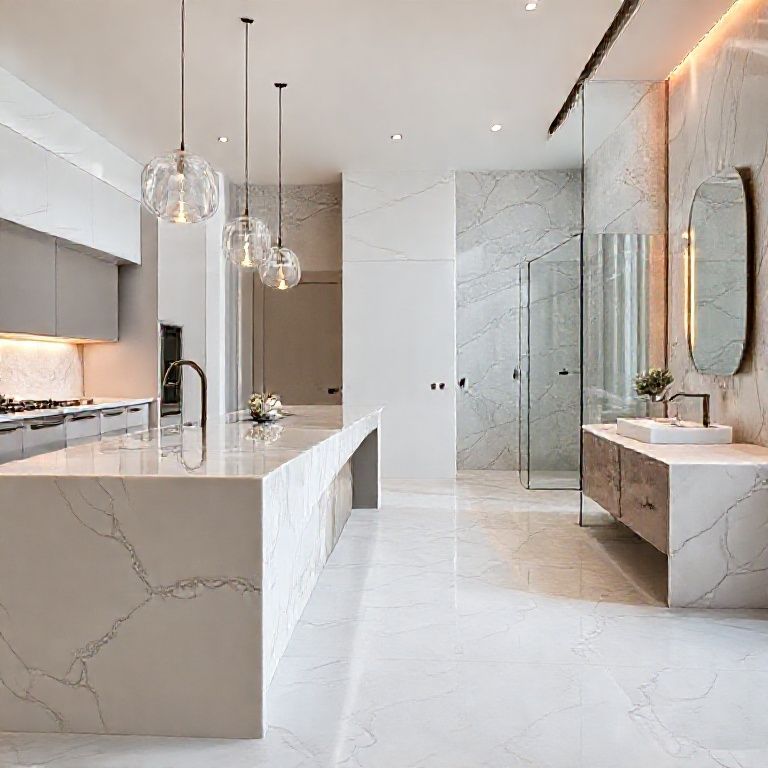
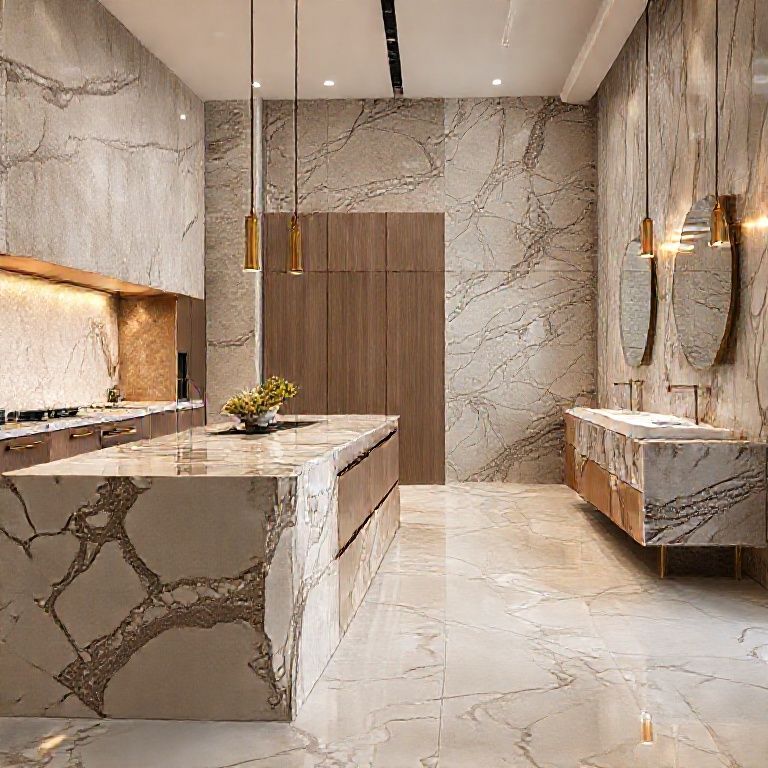
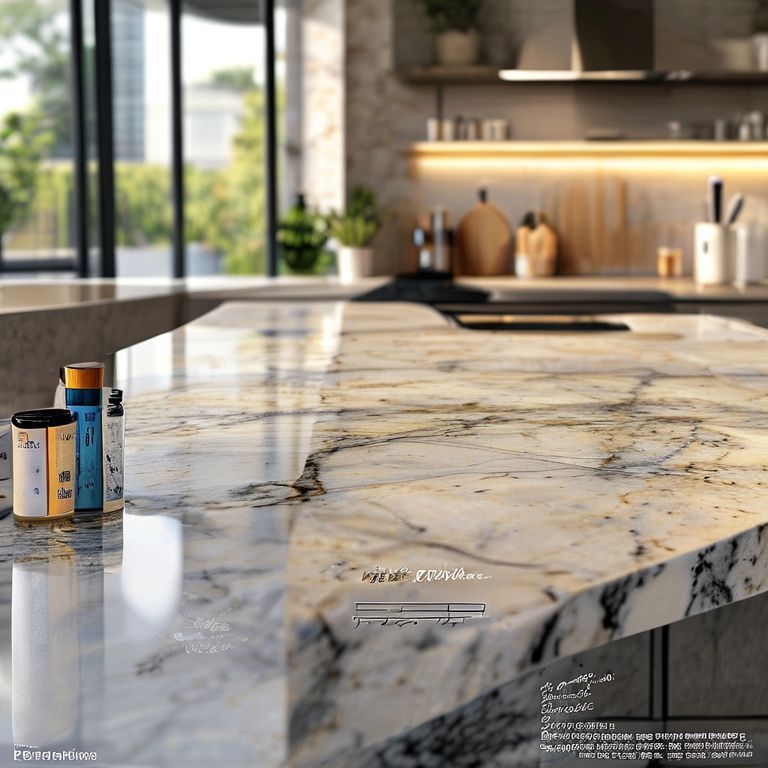
Marble’s allure lies in its natural beauty and the way it can transform any space. The material’s unique patterns and colors are the result of natural processes, making each piece distinct and adding to its charm. Whether it’s the classic white of Carrara marble or the rich, dramatic hues of black slate, marble has the power to elevate the decor of any room.
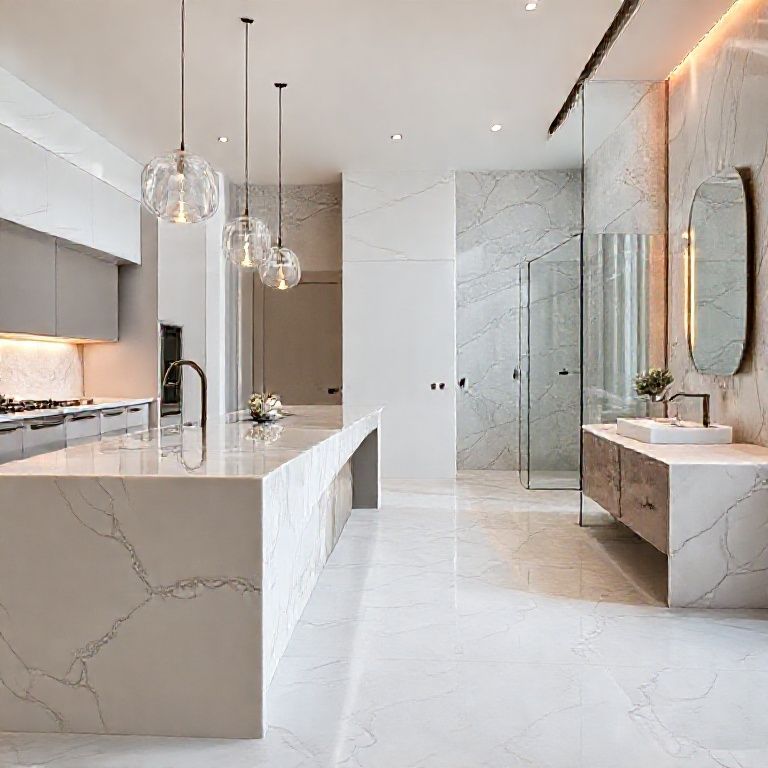
Marble is often used in high-end settings such as luxury homes, upscale restaurants, and prestigious buildings. Its presence conveys a sense of wealth and refinement, making it a popular choice for those looking to make a statement. The material’s versatility allows it to be used in various applications, from flooring and countertops to wall cladding and sculptures, ensuring that it can be tailored to fit any design vision.
Hidden Costs of Marble
Despite its allure, marble comes with a set of hidden costs that many potential users are unaware of. Here are some of the primary financial considerations:
Initial Purchase Price: Marble is a natural stone, and its cost varies based on the type, quality, and intricacy of the patterns. High-quality marble can be significantly more expensive than other materials, making it a more costly upfront investment.
Installation Costs: Installing marble requires specialized skills and equipment. Professional installation ensures durability and longevity, but it adds to the overall expense. The cost of hiring experienced marble installers can be considerable, especially for large-scale projects.
Transportation Costs: Marble is heavy and often needs to be imported, especially for exotic varieties. The transportation costs can be substantial, adding to the overall price tag.
Maintenance Challenges
Marble’s beauty comes with a set of maintenance challenges that many are unprepared for:
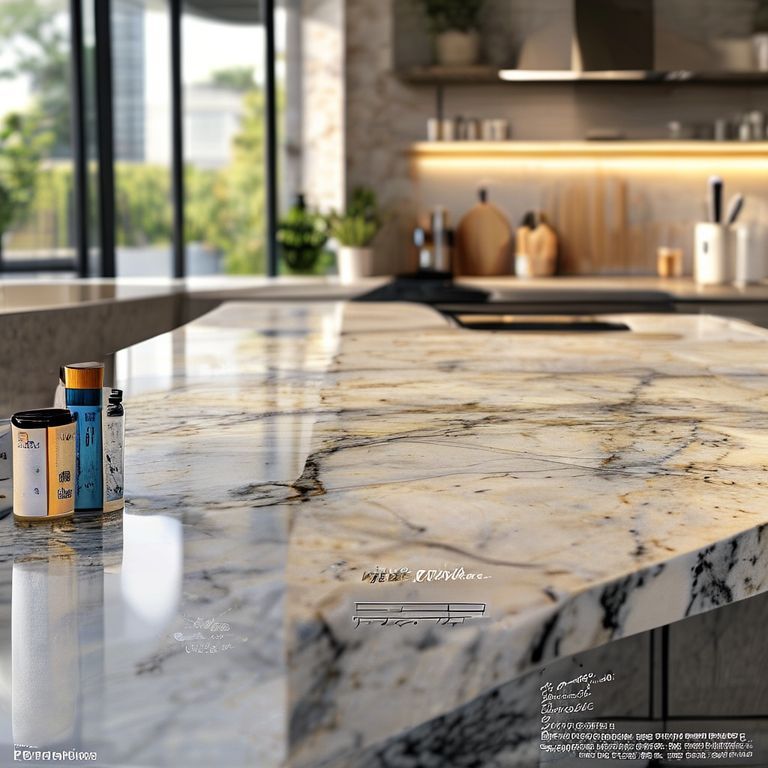
Staining and Scratching: Unlike some other materials, marble is relatively soft and can be prone to staining and scratching. Acidic foods and beverages, such as coffee, red wine, and citrus juices, can easily stain marble surfaces. Scratches, though less common, can be difficult to remove and may require professional restoration.
Sealing Requirements: To protect its surface and maintain its beauty, marble needs regular sealing. Over time, the sealant can wear off, requiring reapplication. This ongoing maintenance is essential to keep the marble looking its best and to prevent damage.
Cleaning Needs: Marble requires gentle cleaning with mild, pH-neutral cleaners to avoid damaging its surface. Aggressive cleaning methods can strip the natural oils and dull the marble’s luster.
Durability Concerns
While marble is a durable material, its durability can be compromised under certain conditions:
Water Absorption: Although marble is resistant to many substances, it does absorb water. This can lead to issues like water spots and staining if not properly sealed and maintained.
Temperature Sensitivity: Marble can be damaged by sudden temperature changes. For example, placing a hot pot or pan directly on a marble countertop can cause thermal shock, leading to cracks.
Chemical Resistance: Marble is not as chemically resistant as some other materials. It can be affected by harsh chemicals, which can cause discoloration and long-term damage.
Environmental and Ethical Considerations
Another aspect to consider is the environmental and ethical impact of using marble. The extraction of marble involves significant environmental disruption, including habitat destruction and greenhouse gas emissions. Additionally, the ethical concerns surrounding the mining and transportation of marble must be taken into account. The industry has faced scrutiny over labor practices in some regions, leading to calls for more sustainable and ethical sourcing.
Conclusion
Marble’s timeless beauty and elegance make it a coveted choice for those looking to add a touch of luxury to their spaces. However, its hidden costs, maintenance challenges, and durability concerns are significant factors that many potential users must weigh carefully. In the next part, we will explore alternative materials and the future of marble in design, offering a comprehensive view of why many hesitate to embrace this stunning yet demanding material.
Alternatives and the Future of Marble in Design
In this second part, we will continue our exploration of the hidden aspects of marble, discussing alternative materials that might offer a more practical solution for those who are deterred by marble’s challenges. We will also look into the future of marble in design, considering advancements in technology and sustainable practices that might make it a more accessible option for a broader range of users.
Alternatives to Marble
Given marble’s high costs and maintenance demands, many seek alternatives that offer similar aesthetics with fewer drawbacks. Here are some popular alternatives:
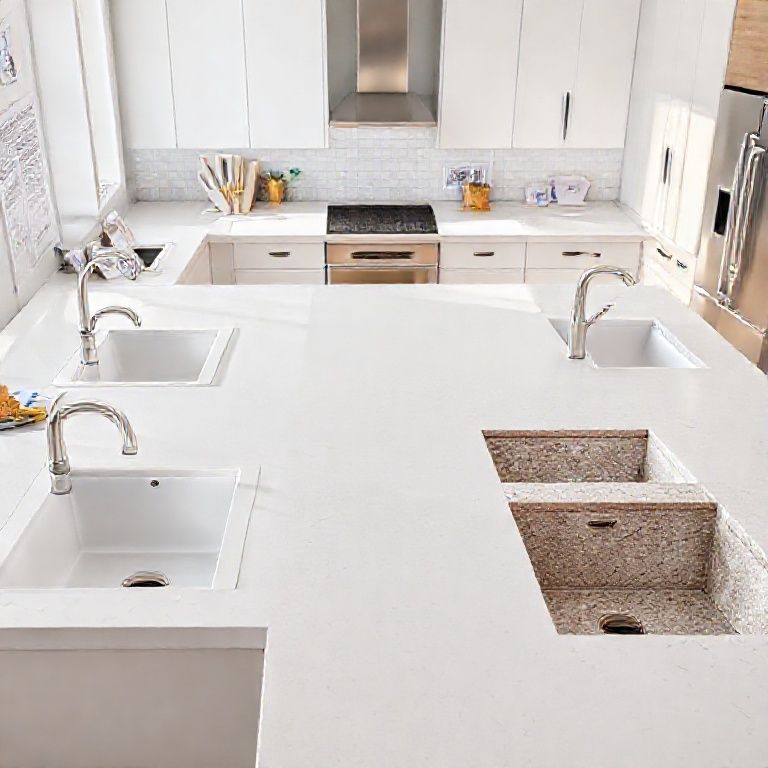
Quartz: Quartz is a synthetic stone made from 93% quartz crystals and 7% resin. It is known for its durability, scratch resistance, and ease of cleaning. Available in a wide range of colors and patterns, quartz offers a cost-effective alternative to marble without compromising on style.
Granite: Granite is another natural stone that is more durable than marble. It is highly resistant to scratches, stains, and heat, making it an excellent choice for countertops and other high-traffic areas. While granite is harder than marble, it still maintains a luxurious look.
Ceramic Tile: Ceramic tiles are a practical and affordable alternative to marble. They come in a vast array of colors and patterns and are highly resistant to stains, scratches, and heat. Ceramic tiles are also easy to clean and maintain, making them a popular choice for kitchens and bathrooms.
Laminate: Laminate flooring is a versatile and cost-effective option. It mimics the look of natural stone and wood without the high maintenance and cost. Laminate can be installed quickly and is available in various designs, including those that resemble marble.
The Future of Marble in Design
Despite its challenges, marble continues to hold a special place in the world of design. Innovations and sustainable practices are emerging that might make marble more accessible and appealing to a wider audience.
Sustainable Sourcing: There is a growing movement towards more sustainable and ethical sourcing of marble. Companies are now focusing on reducing the environmental impact of marble mining and ensuring fair labor practices. This shift could make marble a more responsible choice for environmentally-conscious consumers.
Advanced Sealing Technologies: Technological advancements in sealing and protective coatings are making marble surfaces more durable and easier to maintain. These new products can help prevent staining and scratching, extending the life of marble surfaces.
Recycled Marble: The use of recycled marble in construction is on the rise. Recycled marble is derived from reclaimed building materials and can be used in various applications, reducing the need for new marble extraction and contributing to sustainable building practices.
Hybrid Materials: Researchers are exploring hybrid materials that combine the aesthetic qualities of marble with the durability of other stones. These innovations aim to create materials that offer the best of both worlds, providing luxury without the high maintenance.
Marble in Modern Design Trends
Marble’s timeless elegance continues to influence modern design trends. Here are some ways marble is being incorporated into contemporary spaces:
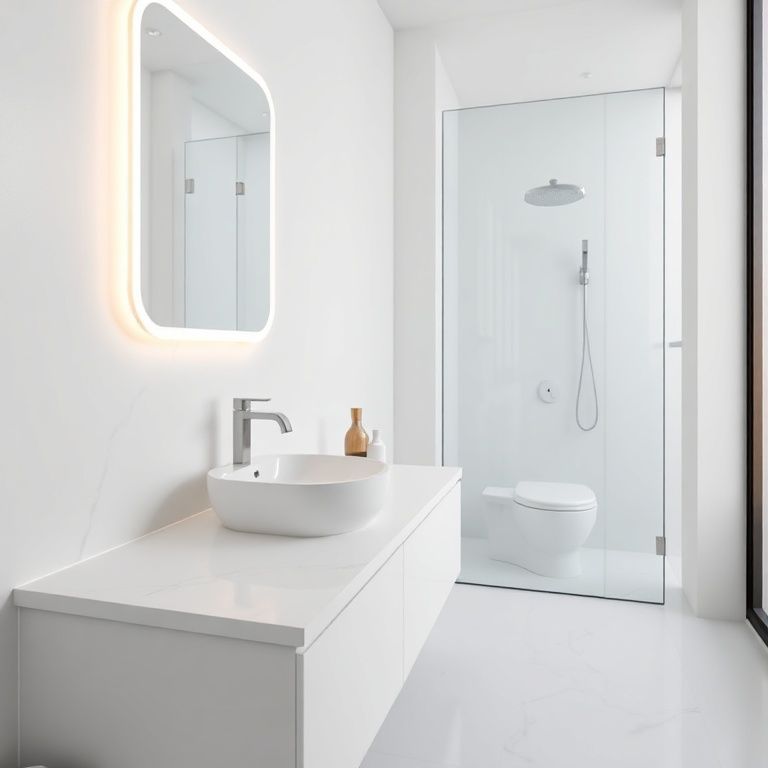
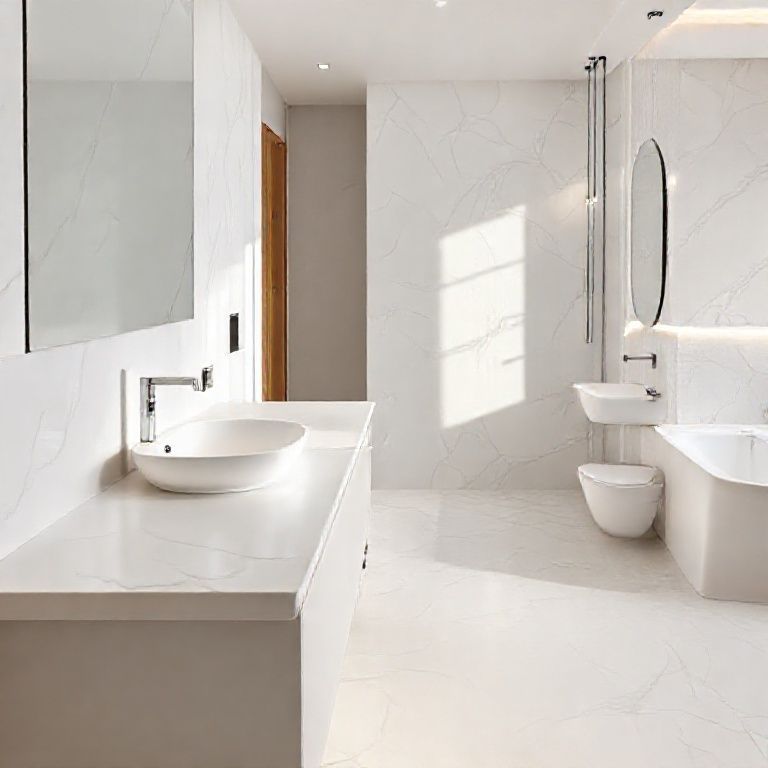
Minimalist Designs: In minimalist design, marble is often used to create clean, uncluttered spaces. Its neutral colors and smooth surfaces provide a serene backdrop for other design elements, allowing them to stand out without distraction.
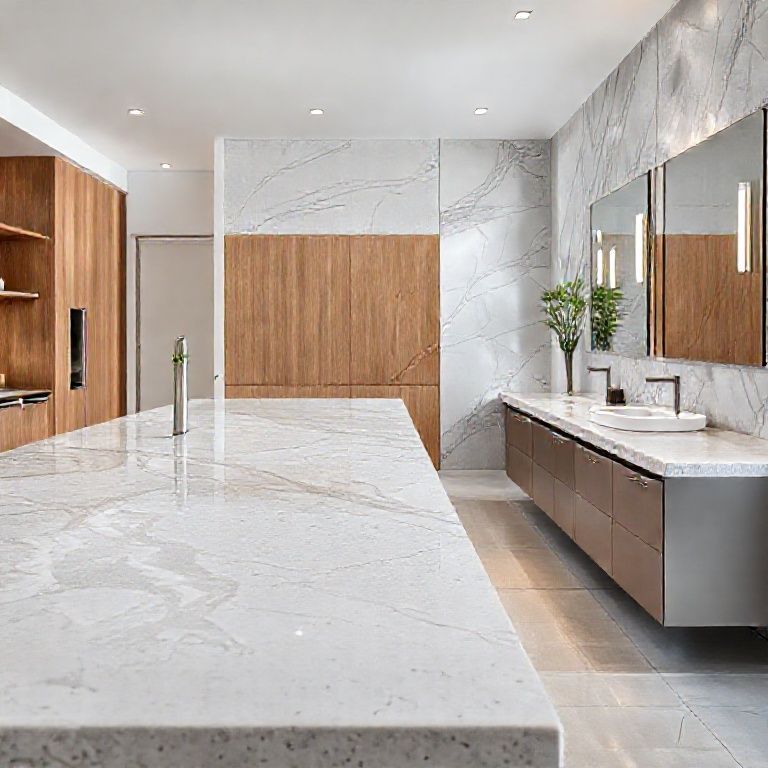
Eclectic Mixes: Designers are increasingly combining marble with other materials to create eclectic, mixed-media designs. For example, marble countertops might be paired with wood or metal elements to create a unique and dynamic look.
Sustainable Design: As sustainability becomes a more pressing concern, designers are exploring ways to use marble more responsibly. This includes using smaller, reclaimed pieces and integrating them into larger, eco-friendly projects.
Innovative Applications: Marble is being used in innovative ways beyond traditional applications. For instance, it’s being used in furniture, art installations, and even in technology devices, showcasing its versatility and enduring appeal.
Conclusion
While marble remains a symbol of luxury and elegance, its hidden costs, maintenance challenges, and durability concerns are significant factors that many potential users must consider. Alternatives like quartz, granite, ceramic tiles, and laminate offer practical solutions for those seeking similar aesthetics without the high maintenance and cost. However, advancements in sustainable sourcing, sealing technologies, and hybrid materials are making marble a more accessible and responsible choice for the future.
As we look to the future, marble’s role in design continues to evolve, with modern trends embracing its timeless beauty in innovative and sustainable ways. Whether you choose marble or an alternative, understanding the full scope of its benefits and challenges will help you make an informed decision that aligns with your design vision and lifestyle.