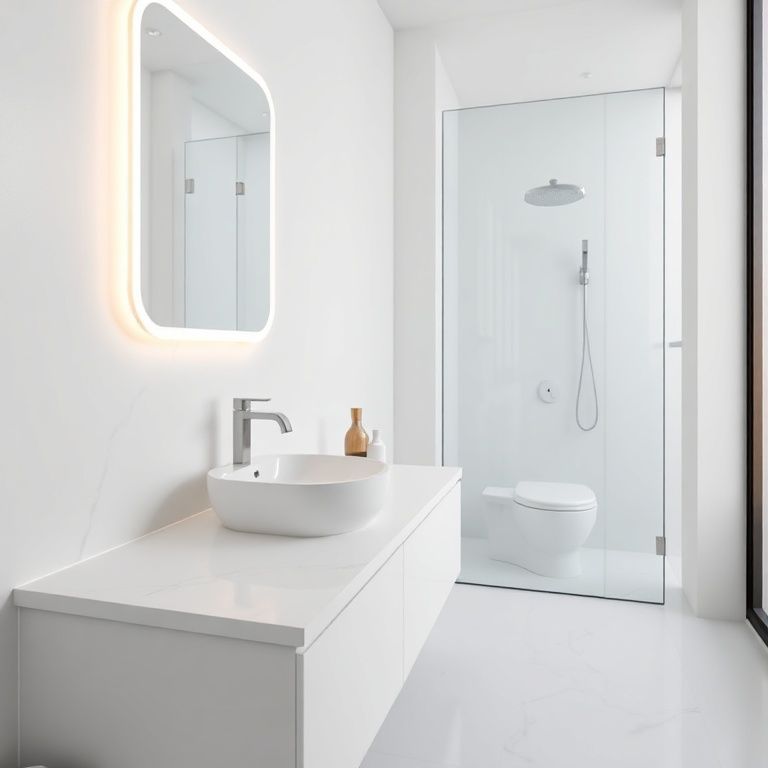
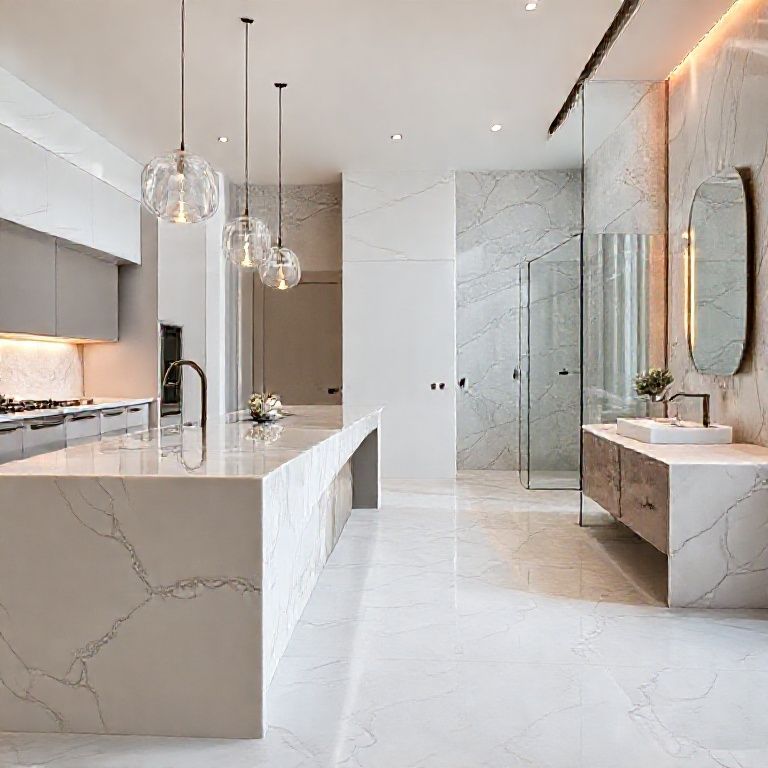
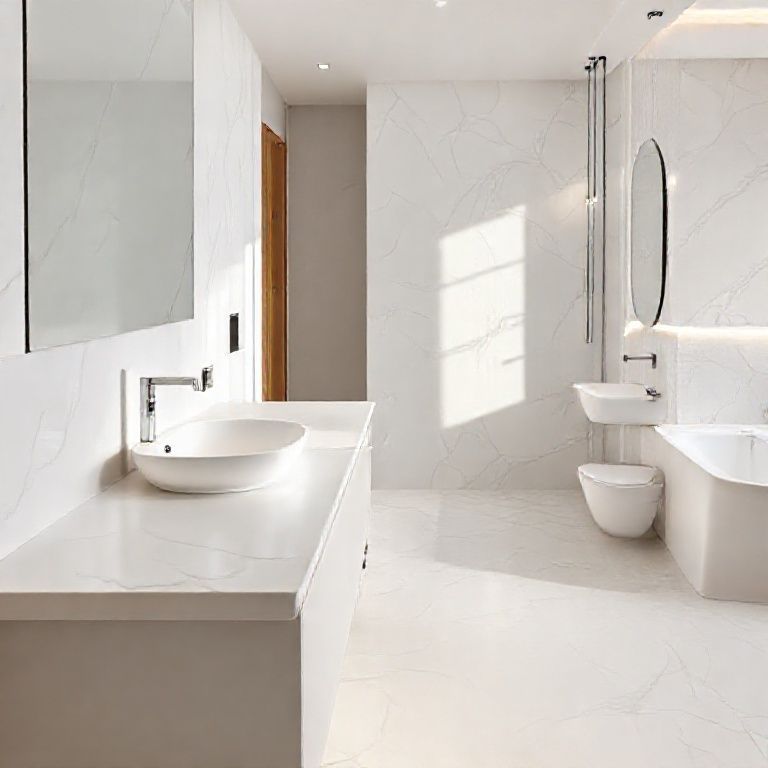
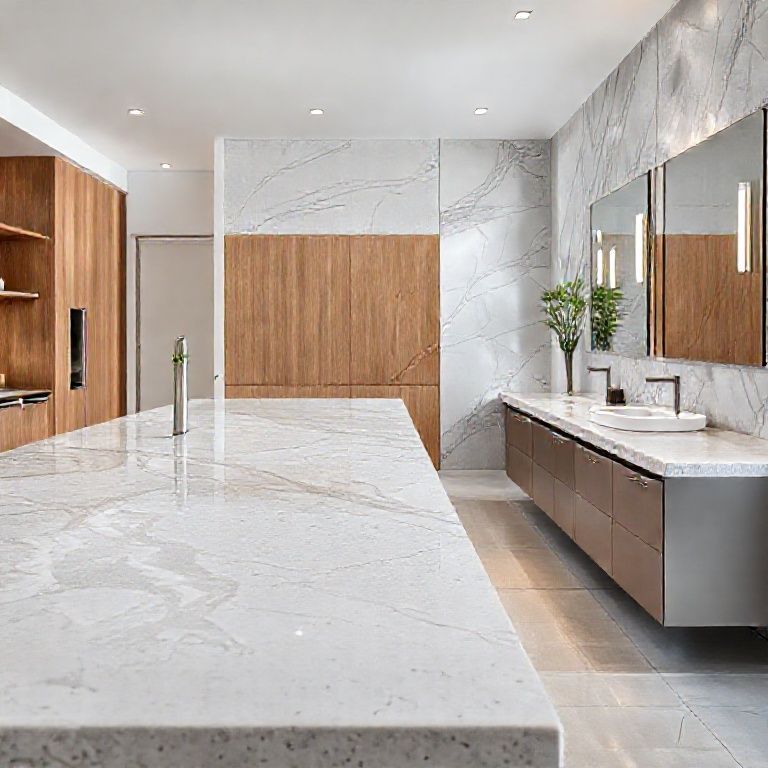
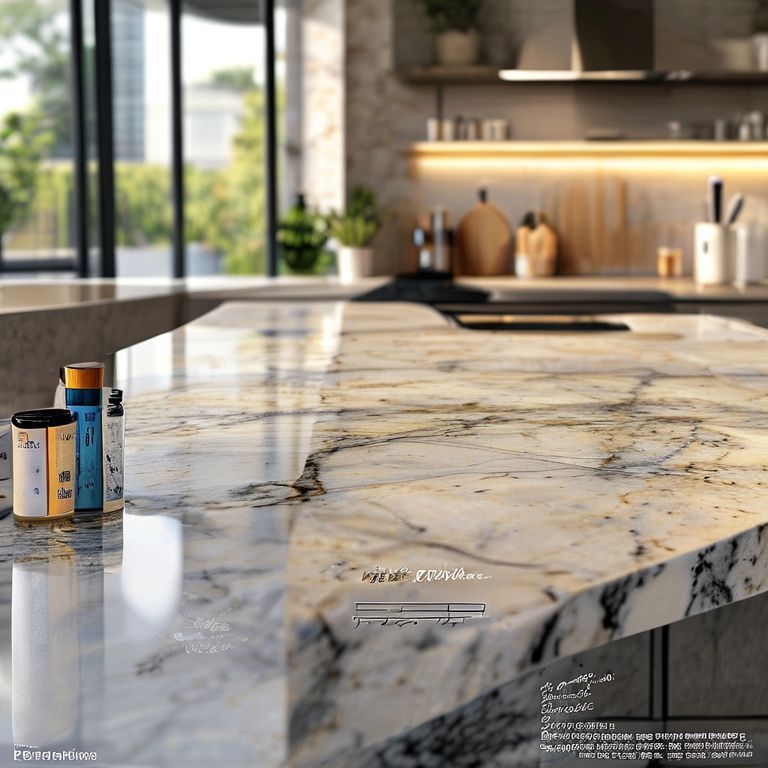
The Intricacies and Hesitations Surrounding Marble Use: Unveiling the Reasons Behind Its Rare Utilization

When it comes to luxury and elegance in interior and exterior design, few materials can rival the splendor of marble. Known for its exquisite beauty and timeless appeal, marble has been a favored choice for centuries, adorning the finest buildings, monuments, and homes around the world. However, despite its undeniable allure, marble is generally avoided by many due to several compelling reasons. In this first part of our exploration, we will delve into the multifaceted intricacies and hesitations that contribute to marble’s rare utilization.
1. Cost and Value: One of the primary reasons marble is rarely used is its cost. Marble is a natural stone that comes with a price tag that is often higher than many alternatives. The extraction process is labor-intensive, and the transportation of marble from its quarry to the construction site can be expensive, particularly for large-scale projects. Additionally, the value of marble can fluctuate due to market conditions, making it a less predictable choice for budgets.
2. Durability Concerns: While marble is undeniably beautiful, it also presents certain durability challenges. Marble is a metamorphic rock composed primarily of calcium carbonate, which makes it susceptible to acid and water damage. This vulnerability means that marble is not the best option for areas prone to high moisture, such as kitchens and bathrooms, where spills and stains are common. Over time, the surface of marble can develop unsightly etchings, requiring regular maintenance to maintain its pristine appearance.
3. Maintenance Requirements: Marble’s susceptibility to stains and etchings means that it requires meticulous care to preserve its beauty. Unlike other materials, marble needs to be sealed regularly to protect its surface from acid and water damage. This sealing process, while relatively simple, necessitates periodic repetition to ensure that the marble remains protected. Additionally, marble floors and countertops must be polished regularly to maintain their shine and prevent dulling. The upkeep required for marble can be daunting for some, leading to hesitation in its use.
4. Environmental and Ethical Concerns: The extraction of marble has significant environmental implications. Quarrying operations can lead to habitat destruction, soil erosion, and pollution. Furthermore, the transportation of marble, which often involves long distances, contributes to carbon emissions and environmental degradation. Many people are increasingly concerned about the environmental footprint of their construction and design choices, which can lead to reluctance in using marble due to its resource-intensive nature.
5. Limited Color Variations: While marble comes in an array of stunning colors and patterns, its natural variations are often limited compared to other materials like granite or quartz. The unique beauty of marble lies in its natural veining and patterns, but this also means that it can be less predictable in appearance. For projects where a specific color or pattern is desired, the limited options can be a deterrent. Moreover, the natural nature of marble means that no two pieces are exactly alike, which can be a challenge for large-scale installations where uniformity is preferred.
6. Installation Complexity: Marble is a relatively soft stone, which can pose challenges during installation. Unlike harder stones, marble can be more prone to scratches and chips if not handled carefully. This necessitates the use of specialized tools and techniques during installation, which can add to the complexity and cost of the project. Additionally, marble tiles and slabs can be difficult to cut and shape, requiring skilled labor to achieve precise cuts and fits.
7. Thermal Sensitivity: Marble’s composition makes it sensitive to temperature changes. Rapid temperature fluctuations can cause the stone to expand and contract unevenly, potentially leading to cracks and structural damage. This sensitivity means that marble is not always suitable for areas where temperature variations are common, such as outdoor patios or areas exposed to direct sunlight.
The Intricacies and Hesitations Surrounding Marble Use: Unveiling the Reasons Behind Its Rare Utilization
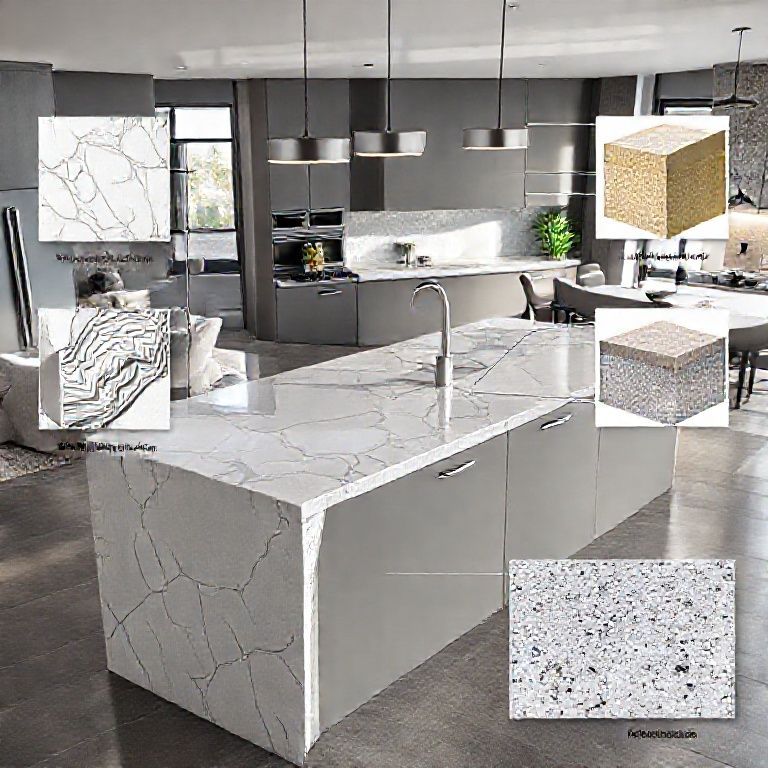
In the second part of our exploration, we will continue to unravel the reasons why marble, despite its timeless allure and luxury appeal, is often avoided by many in construction and design. We will delve into the remaining hesitations that contribute to its rare utilization and understand the alternative choices that often take precedence.
1. Chemical Resistance: One of the critical factors influencing the use of marble is its chemical resistance. Marble’s calcium carbonate composition makes it vulnerable to acids, which are common in various cleaning agents and household products. Even small spills of acidic substances can etch the marble surface, leading to permanent damage. This necessitates the use of specialized cleaning products and careful handling, which can be off-putting for many who prefer a more straightforward maintenance routine.
2. Weight and Handling: Marble is a heavy stone, which poses challenges in terms of handling and installation. Transporting and placing heavy marble slabs and tiles require specialized equipment and skilled labor, adding to the overall cost and complexity of the project. For large installations, the weight of marble can make it difficult to maneuver, especially in areas with limited space or access.
3. Limited Customization Options: While marble’s natural patterns and colors are beautiful, they also limit the customization options available. Unlike synthetic materials like quartz or engineered stone, marble cannot be easily customized to achieve specific designs or patterns. This means that achieving a custom look with marble can be more challenging and costly, as it often requires multiple pieces to be sourced and fitted together to match the desired aesthetic.
4. Incompatibility with Certain Environments: Marble’s susceptibility to water and acid makes it unsuitable for certain environments where exposure to these elements is inevitable. For instance, in commercial kitchens where spills are common, marble countertops are often replaced with more durable materials like granite or stainless steel. Similarly, outdoor patios and exterior walls are typically constructed using more resilient materials to withstand the elements.
5. Aesthetic Variability: Marble’s beauty lies in its natural, unique patterns and colors, but this also means that achieving a cohesive look can be challenging. The natural variations in marble can result in a lack of uniformity, which can be problematic for large-scale projects where consistency is essential. This variability often requires careful selection and arrangement of pieces to create a harmonious design, adding to the complexity and effort required.
6. Historical and Cultural Context: The historical and cultural context of marble can also influence its use. Marble has been used for centuries in grand architectural designs and monumental sculptures, which has led to its association with luxury and prestige. However, this historical context can also contribute to its perceived exclusivity and high cost. Many modern projects seek to balance luxury with accessibility, opting for more affordable and versatile alternatives.
7. Alternatives with Superior Properties: In recent years, alternatives to marble have emerged with properties that surpass its limitations. Materials like quartz, granite, and engineered stone offer superior durability, chemical resistance, and customization options. These alternatives often provide a more consistent and uniform appearance, making them more practical for various applications. The availability of these alternatives has led to a shift in preference for many designers and builders.
8. Safety Concerns: Marble’s softness and susceptibility to scratches and chips can pose safety concerns, especially in high-traffic areas. The potential for marble to crack under pressure or to become slippery when wet can lead to safety hazards. This necessitates the use of additional safety measures and can be a deterrent for its use in certain environments, such as commercial spaces where safety regulations are stringent.
9. Long-Term Sustainability: The long-term sustainability of marble use is another consideration that influences its adoption. The environmental impact of quarrying and the subsequent transportation of marble contribute to its less sustainable profile. As awareness about environmental conservation grows, many are opting for materials that have a lower environmental footprint, further contributing to the decline in marble’s popularity.
In conclusion, while marble’s beauty and elegance are undeniable, the numerous factors that contribute to its infrequent use cannot be overlooked. From cost and maintenance requirements to environmental and safety concerns, the challenges surrounding marble’s use are significant. Understanding these intricacies helps us appreciate why many opt for alternative materials that offer superior properties and practicality. Nonetheless, for those who choose to embrace marble, its timeless appeal and luxury remain unparalleled.