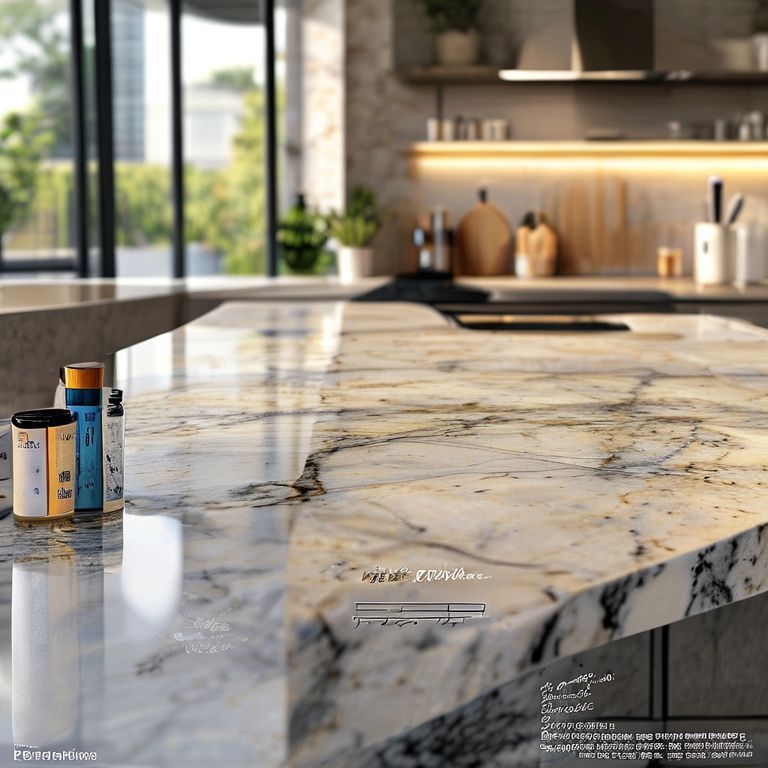
The Long-Lasting Elegance of Synthetic Stone: How Long Does It Really Last?
Synthetic stone has revolutionized the world of interior design and construction, offering a blend of durability, aesthetic appeal, and low maintenance. Its versatility and resilience make it an attractive choice for various applications, from kitchen countertops to bathroom surfaces. But how long does synthetic stone generally last, and what factors influence its longevity? In this part, we will explore the remarkable durability of synthetic stone, its applications, and the advantages it brings to different environments.

The Remarkable Durability of Synthetic Stone
1. Composition and Strength
Synthetic stone, often referred to as quartz or stone composite, is a blend of natural quartz or mineral aggregates and a binder. This combination produces a material that is not only incredibly strong but also resistant to a wide range of environmental factors. Unlike traditional stone, which can be prone to cracking, staining, and weathering, synthetic stone offers a uniform, flawless surface that maintains its integrity over time.
2. Resistance to Wear and Tear
One of the most significant advantages of synthetic stone is its exceptional resistance to wear and tear. The high-pressure manufacturing process used to create synthetic stone results in a material that is five times harder than natural stone, according to the Mohs scale of mineral hardness. This hardness makes synthetic stone ideal for high-traffic areas where durability is paramount. It is also highly resistant to scratches, stains, and impacts, ensuring that it retains its pristine appearance over many years.
3. Chemical and Heat Resistance
Synthetic stone’s composition provides excellent resistance to a variety of chemicals, making it suitable for environments where exposure to acidic or alkaline substances is common. This makes it an excellent choice for commercial kitchens and laboratories where cleaning solutions are frequently used. Moreover, synthetic stone can withstand high temperatures without deforming or cracking, which is a significant advantage in areas where heat is a concern, such as stovetops and backsplashes.
Applications and Benefits in Various Settings
1. Kitchen Countertops
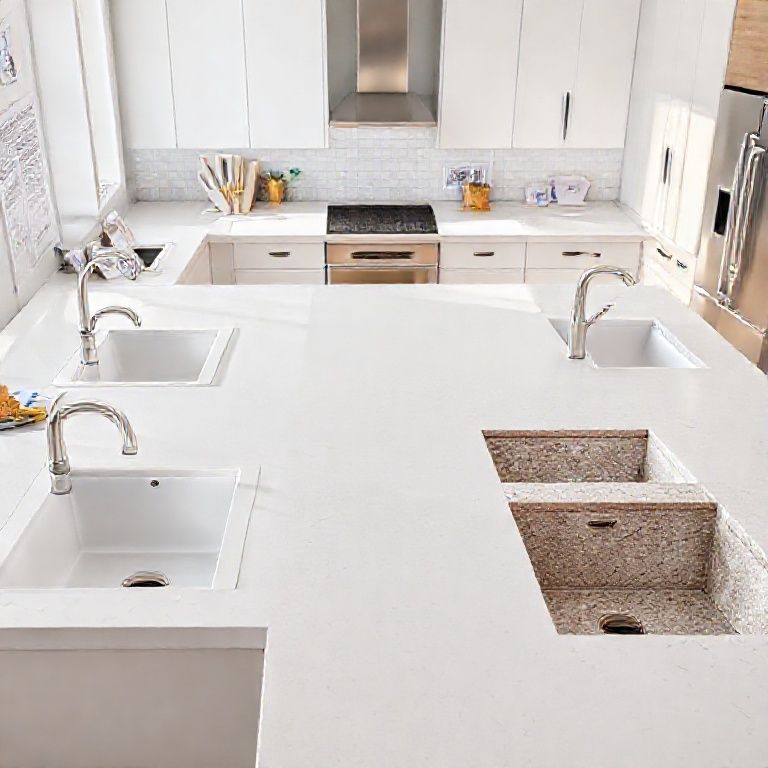
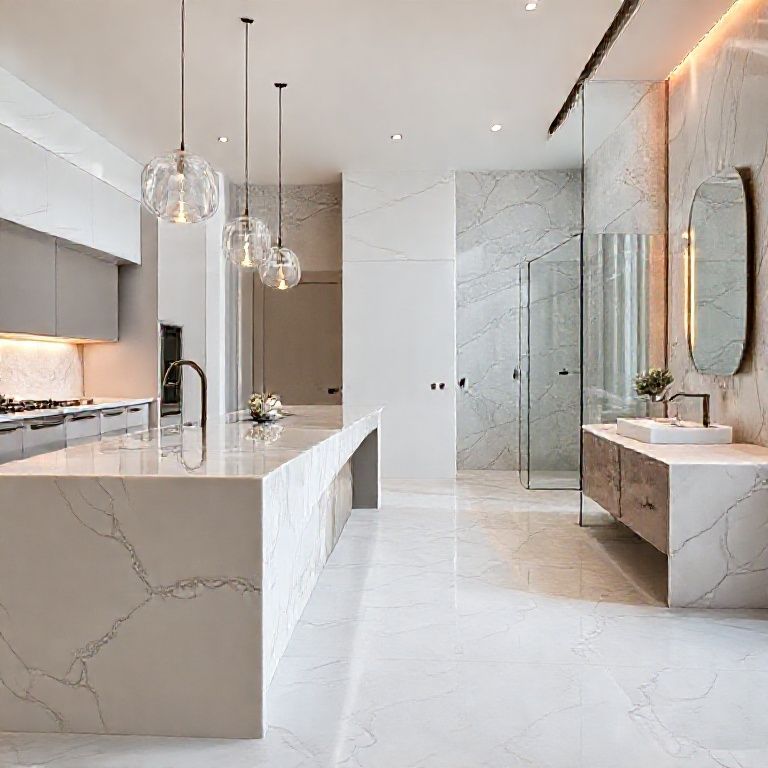
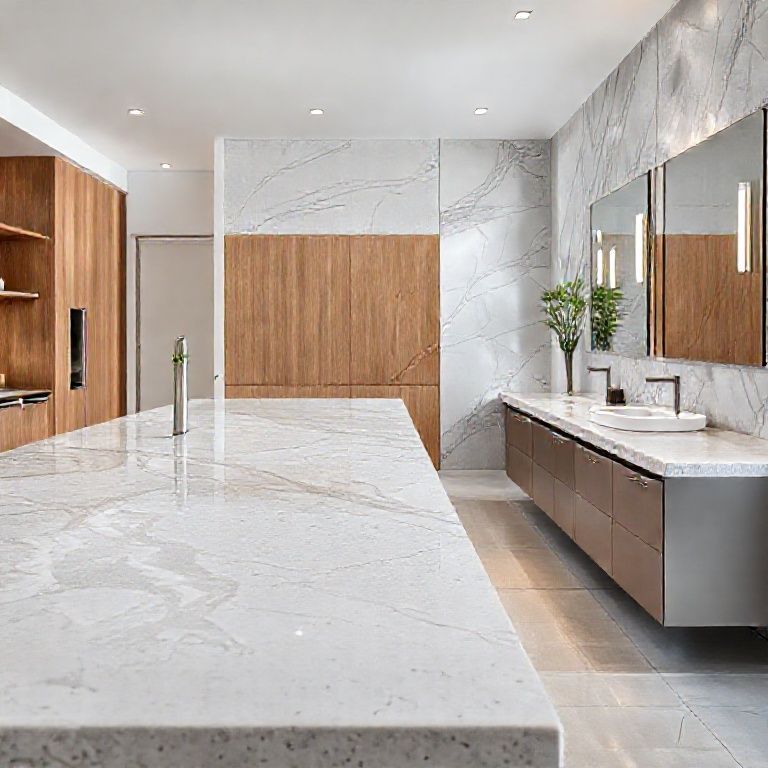
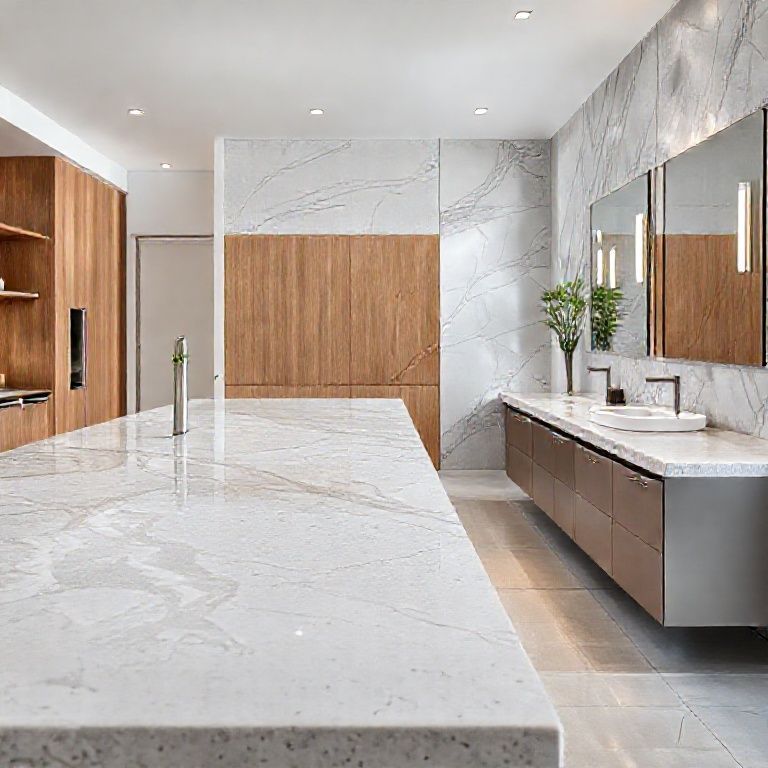
In kitchens, synthetic stone countertops are a popular choice due to their durability and ease of maintenance. Unlike granite or marble, which can be prone to staining and scratching, synthetic stone offers a smooth, seamless surface that is easy to clean and maintain. Its resistance to heat and chemicals makes it ideal for countertops where pots, pans, and cleaning agents are frequently used. Additionally, synthetic stone’s versatility allows it to be crafted into various shapes and sizes, providing endless design possibilities for kitchen aesthetics.
2. Bathroom Surfaces
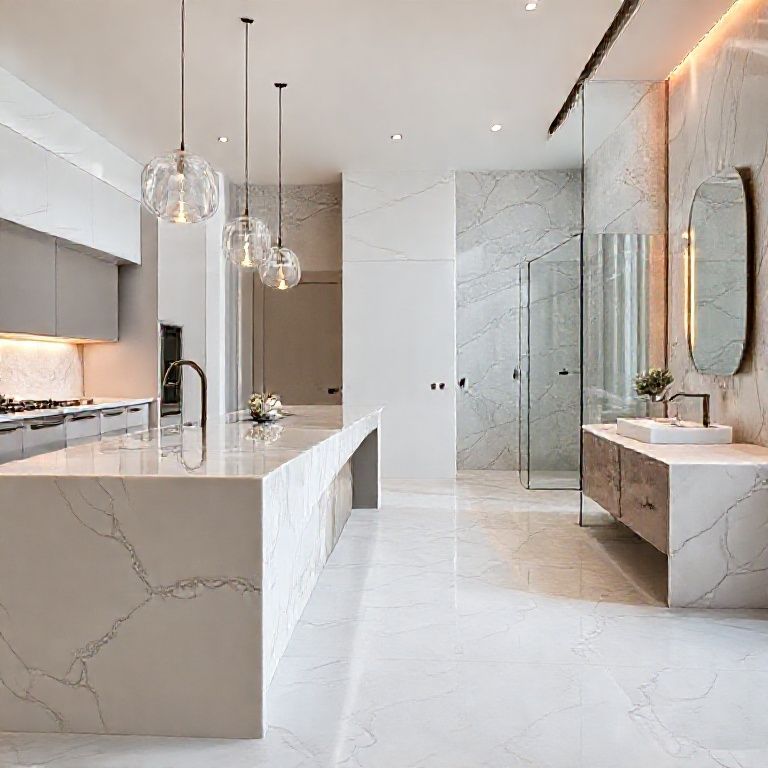
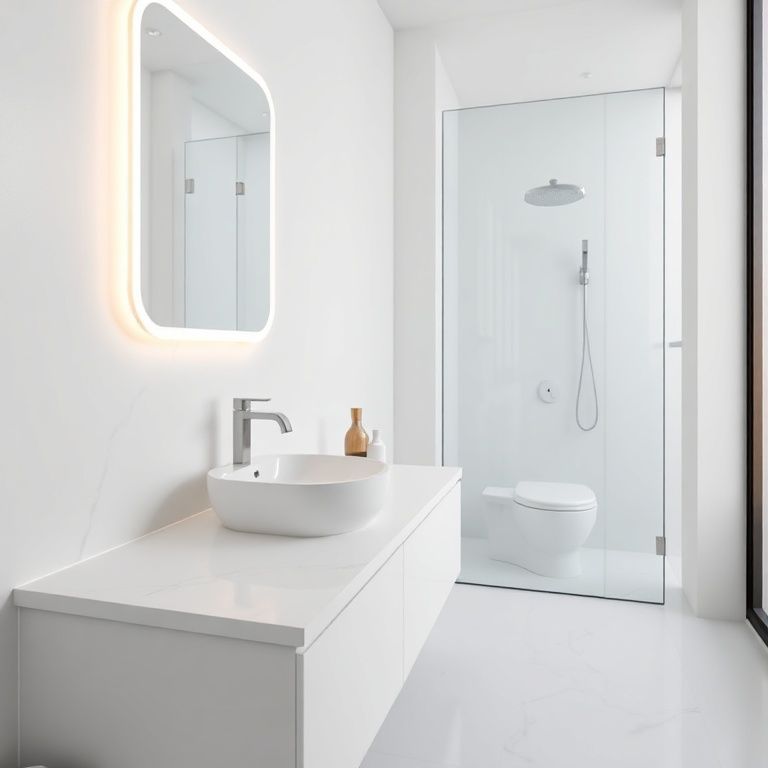
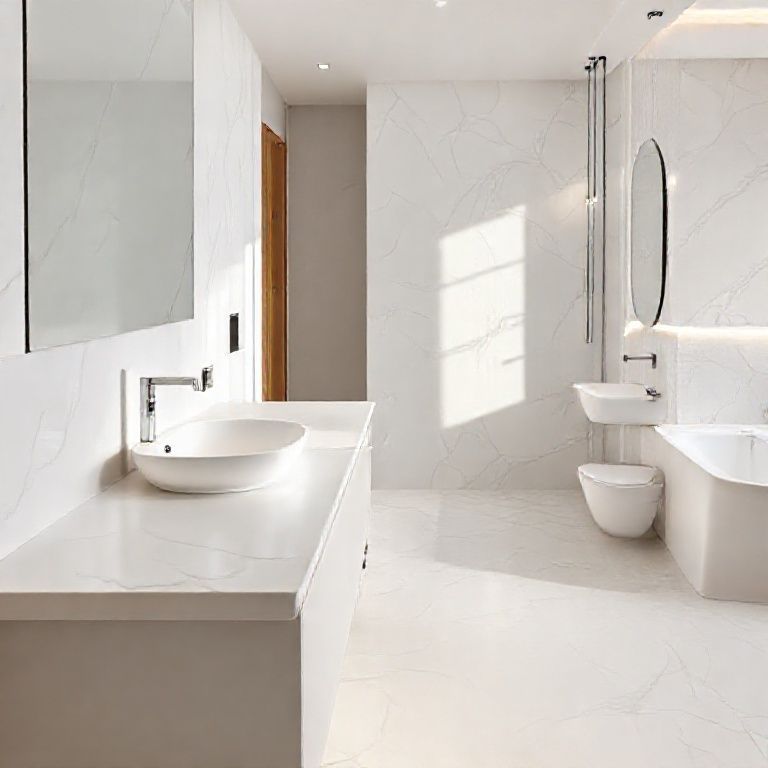
Bathrooms also benefit greatly from the use of synthetic stone. The material’s resistance to water and mold makes it perfect for countertops, sinks, and even shower walls. Unlike natural stone, which can absorb water and become a breeding ground for mold, synthetic stone remains dry and mold-free, ensuring a hygienic and pleasant environment. Its smooth surface is also easy to clean, making it an excellent choice for busy household bathrooms.
3. Commercial Spaces
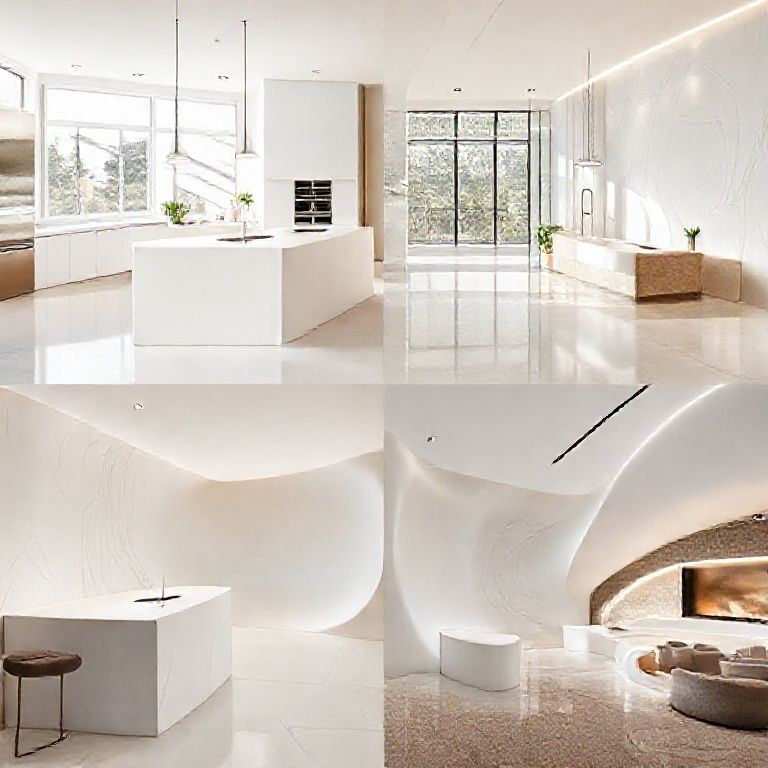
In commercial spaces, synthetic stone is used for its durability and low maintenance. Whether it’s in office buildings, retail stores, or public spaces, synthetic stone’s ability to withstand heavy use and frequent cleaning makes it an ideal choice. Its aesthetic appeal also adds a touch of elegance to commercial interiors, creating a sophisticated and professional environment.
Aesthetic Appeal and Design Versatility
1. Color and Design Options
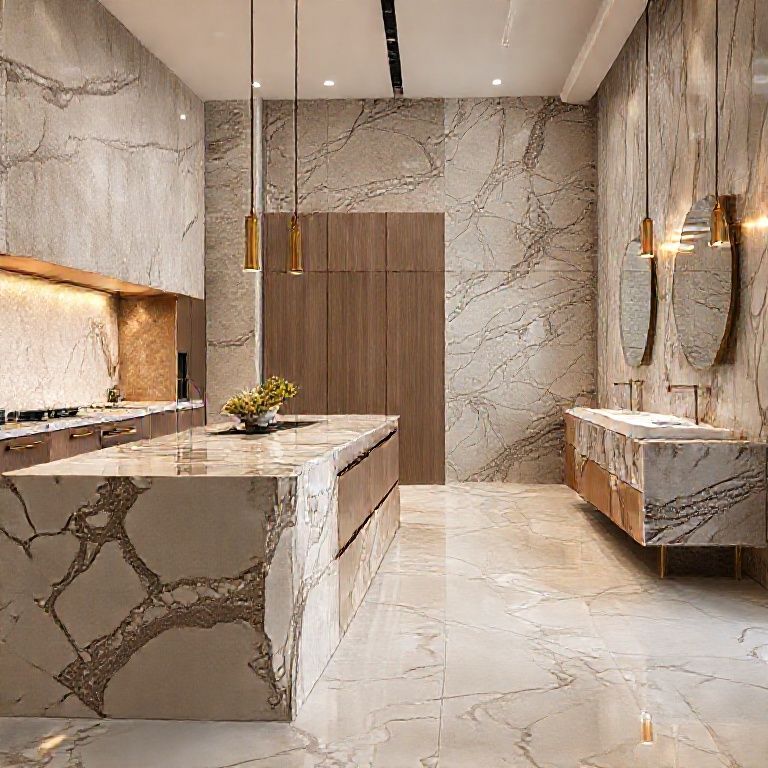
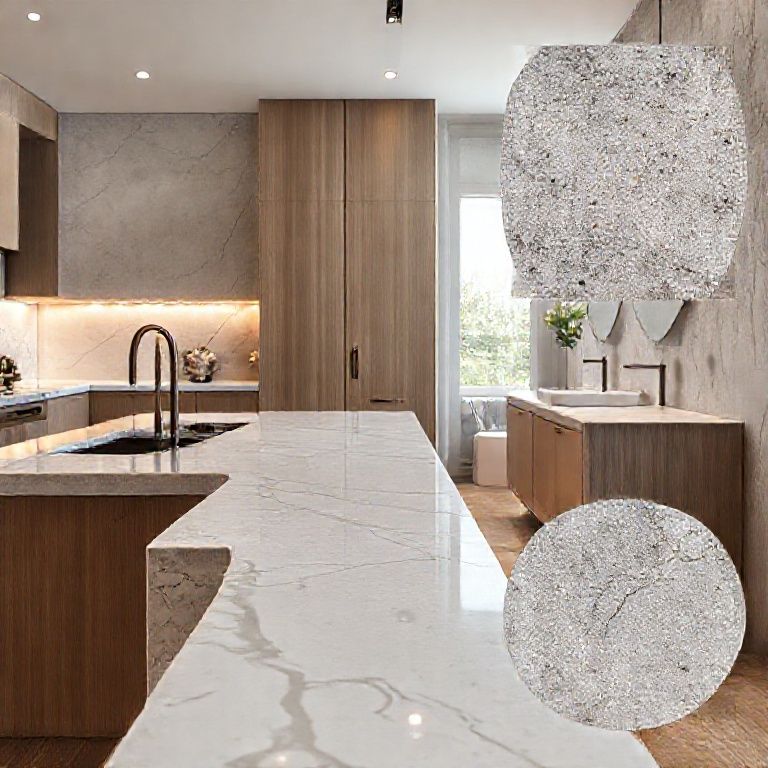
One of the most appealing aspects of synthetic stone is its range of color and design options. Manufacturers can create synthetic stone in virtually any color or pattern, allowing for endless design possibilities. Whether you prefer a classic natural stone look or a bold, modern design, synthetic stone can be crafted to meet your specific aesthetic needs. This versatility makes it suitable for a wide range of design styles, from traditional to contemporary.
2. Seamless Integration
Synthetic stone’s seamless nature allows it to be integrated into various designs without visible seams, creating a unified and polished look. This is particularly advantageous in spaces where a continuous, unbroken surface is desired. For example, in kitchen backsplashes or bathroom vanities, synthetic stone can provide a sleek, modern appearance that enhances the overall design.
3. Customization and Innovation
Advancements in synthetic stone technology have led to new innovations that further enhance its aesthetic appeal. Manufacturers can now create custom designs, textures, and finishes, pushing the boundaries of what synthetic stone can achieve. This level of customization ensures that synthetic stone can be tailored to meet the unique needs and preferences of any project.
Conclusion
In summary, synthetic stone is a remarkable material that offers exceptional durability, resistance to wear and tear, and a wide range of aesthetic possibilities. Its strength, chemical and heat resistance, and ease of maintenance make it an ideal choice for both residential and commercial applications. Whether used in kitchens, bathrooms, or other high-traffic areas, synthetic stone provides a long-lasting, low-maintenance solution that enhances the beauty and functionality of any space.
In the next part of this article, we will delve deeper into the maintenance and long-term care of synthetic stone, providing tips and best practices to ensure its longevity and continued beauty.
The Long-Lasting Elegance of Synthetic Stone: How to Maintain It for Years
While synthetic stone is renowned for its durability and low maintenance requirements, proper care and maintenance are still essential to ensure that it retains its beauty and functionality over many years. In this part of the article, we will provide comprehensive tips and best practices to help you maintain your synthetic stone, preserving its appearance and extending its lifespan.
Cleaning Synthetic Stone: Tips and Techniques
1. Daily Cleaning
Maintaining a clean synthetic stone surface is crucial for its long-term appearance. Here are some daily cleaning tips to keep your synthetic stone looking its best:
– Use a Soft Cloth: For everyday cleaning, use a soft, dry cloth or a microfiber cloth to wipe away spills and dust. Avoid using abrasive materials that can scratch the surface.
– Avoid Harsh Chemicals: When cleaning, avoid using harsh chemicals or cleaners that contain ammonia or bleach, as these can damage the surface of the synthetic stone. Instead, opt for a mild, neutral cleaner.
– Regular Wipe Down: Regularly wipe down surfaces with a damp cloth to remove any residue or buildup. This will prevent stains from setting in and keep the surface looking fresh.
2. Deep Cleaning
For a more thorough clean, especially if there are stubborn stains or heavy buildup, follow these steps:
– Prepare a Cleaning Solution: Mix equal parts of water and white vinegar or use a commercial stone cleaner designed for synthetic stone. Apply the solution with a soft cloth, avoiding excessive scrubbing.
– Scrub Gently: Use a soft-bristled brush to gently scrub away any stains or buildup. Be careful not to use abrasive pads that can scratch the surface.
– Rinse Thoroughly: Rinse the surface with clean water to remove any remaining cleaner and let it dry naturally. Avoid using a towel to dry, as this can leave water spots.
Protective Measures for Synthetic Stone
1. Use Coasters and Trivets
To prevent heat and moisture damage, always use coasters for drinks and trivets for hot dishes. This will protect the surface from heat stains and water spots that can accumulate over time.
2. Avoid Sharp Objects
Avoid placing sharp objects directly on the surface of the synthetic stone, as they can scratch or puncture the material. Use cutting boards and other protective items to safeguard the surface.
3. Seal the Surface
While synthetic stone does not require sealing like natural stone, it’s still a good idea to periodically check the surface for any wear or damage that may need attention. If you notice any chips or cracks, consider having them repaired by a professional to prevent further damage.
Long-Term Care and Maintenance
1. Regular Inspections
Regularly inspect your synthetic stone surfaces for any signs of wear, damage, or stains. Early detection of issues can help prevent them from becoming more serious over time.
2. Professional Cleaning
While daily and occasional deep cleaning are sufficient for most synthetic stone surfaces, it’s also a good idea to have a professional cleaning done annually. A professional cleaner can remove any tough stains and ensure that the surface remains in top condition.
3. Avoid Extreme Temperatures
While synthetic stone can withstand high temperatures, extreme temperature fluctuations can cause damage. Avoid placing hot items directly on the surface. To prevent thermal shock, it’s best to let hot items cool down slightly before placing them on the synthetic stone surface.
4. Use Proper Utensils
Always use proper utensils for cooking and serving. Avoid using metal utensils that can scratch the surface, and use non-stick cookware when possible.
5. Protect from Spills
Be cautious with spills, especially acidic or alkaline substances, as these can damage the surface over time. Clean up spills immediately and thoroughly to prevent stains.
6. Maintain Humidity
Maintaining a consistent humidity level in your space can help prevent warping or cracking of synthetic stone, especially in areas with high humidity or temperature fluctuations.
Conclusion
Synthetic stone is a durable and low-maintenance material that offers a wide range of aesthetic possibilities and practical benefits. By following these maintenance tips and best practices, you can ensure that your synthetic stone surfaces remain beautiful and functional for many years to come. Remember, while synthetic stone is highly durable, proper care and maintenance are essential to maximize its lifespan and keep it looking its best.
In summary, synthetic stone is an excellent choice for both residential and commercial spaces due to its durability, resistance to wear and tear, and ease of maintenance. With the right care and attention, your synthetic stone surfaces can continue to enhance the beauty and functionality of your space for years to come.
If you have any specific questions or need further advice on maintaining your synthetic stone, feel free to ask! Whether it’s about cleaning, protecting, or choosing the right type of synthetic stone for your needs, I’m here to help.