The Long-Term Radiation Concerns of Synthetic Marble: What You Need to Know
In recent years, synthetic marble has surged in popularity due to its aesthetic appeal, durability, and cost-effectiveness. It’s often praised for its versatility in both commercial and residential settings. However, a growing concern has emerged regarding its long-term radiation levels. This article aims to address these concerns by breaking down the science, offering expert opinions, and providing a clear understanding of the potential risks involved.

Understanding Synthetic Marble
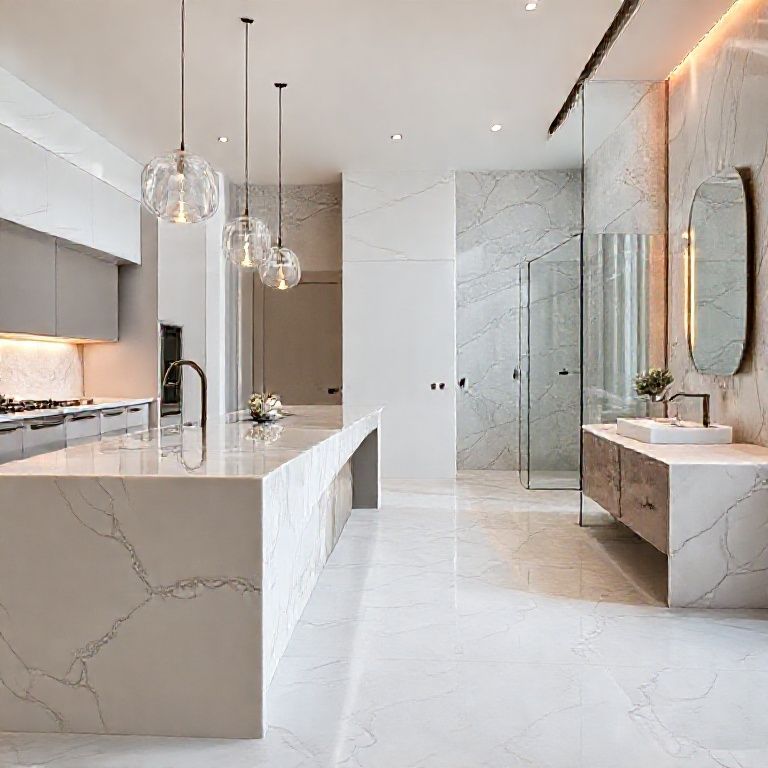
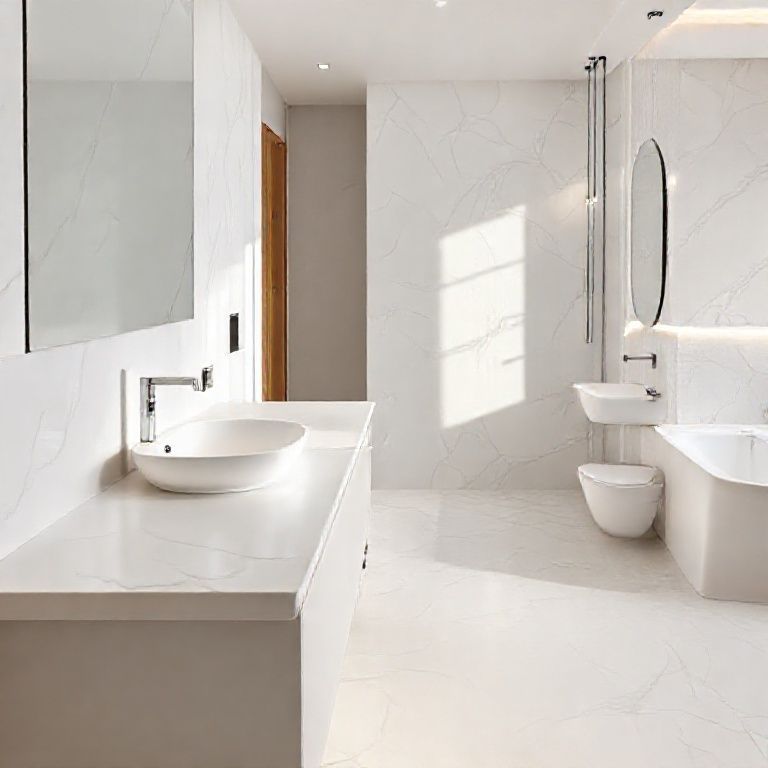
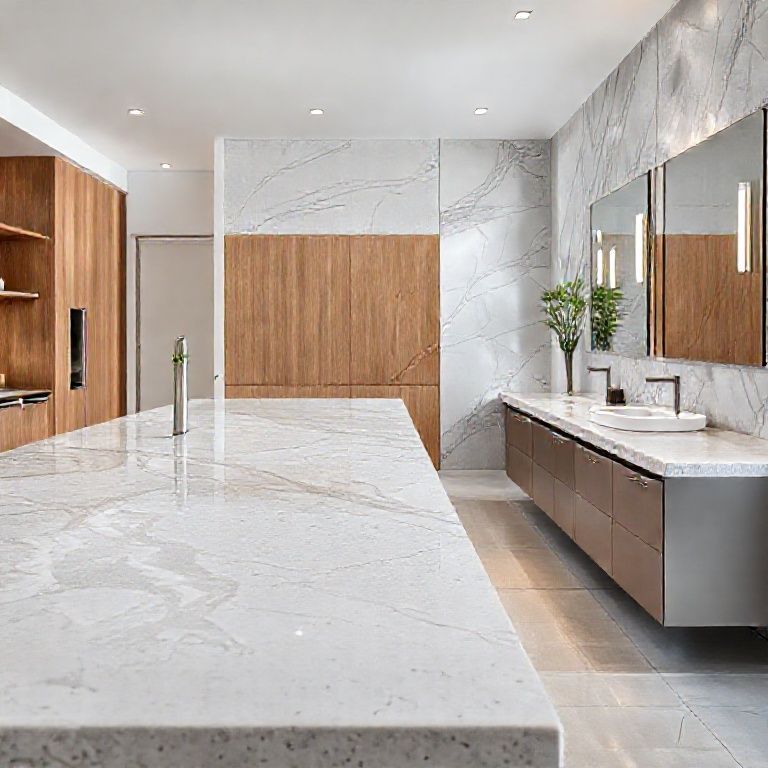
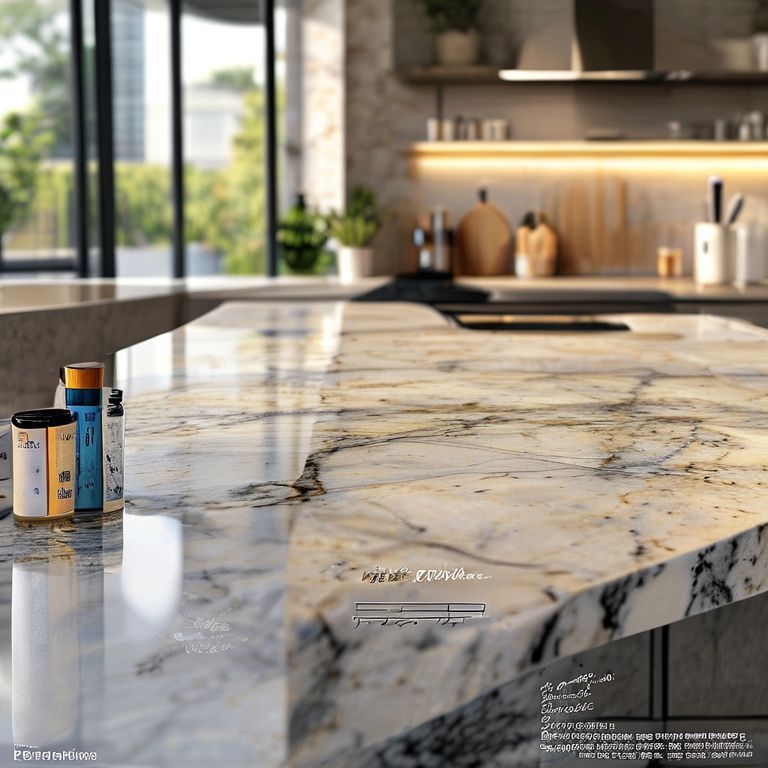
Synthetic marble, also known as artificial stone, is a composite material created by combining natural minerals, such as calcite and silica, with resins and pigments. This blend is then molded under high pressure and temperature to produce a material that mimics the look and feel of natural marble. While it offers a range of benefits, questions have arisen about its potential to emit radiation over time.
What is Radiation?
To grasp the concerns surrounding synthetic marble, it’s essential to first understand what radiation is. Radiation refers to energy that travels in waves or particles. In the context of materials, radiation often refers to the emission of particles or waves from radioactive substances. Common sources include natural background radiation from the earth, cosmic rays from outer space, and human-made materials such as those found in certain medical devices and industrial processes.
The Science Behind Synthetic Marble Radiation
Synthetic marble does not contain naturally radioactive elements in the same way that some natural stones might. The primary reason for the radiation concerns lies in the production process. During manufacturing, synthetic marble is subjected to high temperatures and pressures, which can cause certain materials to undergo a process called “activation.” Activation can lead to the formation of minute amounts of radioactive isotopes.
Key Isotopes of Concern
While synthetic marble generally emits low levels of radiation, the primary isotopes of concern are:
Cobalt-60: This isotope is often used in industrial radiation processes. In extremely rare cases, improper handling or contamination during manufacturing can lead to its presence in synthetic marble.
Tritium: This is a radioactive isotope of hydrogen that can sometimes be found in low concentrations due to residual chemicals from the production process.
Assessing the Radiation Levels
Research and studies have been conducted to assess the radiation levels emitted by synthetic marble. Here’s what experts have found:
Regulatory Standards: Regulatory bodies such as the Environmental Protection Agency (EPA) in the United States have set stringent standards for radiation levels in consumer products. Synthetic marble generally complies with these standards, ensuring that the radiation emitted is within safe limits for human exposure.
Measurements and Findings: Various studies have measured radiation levels in synthetic marble, and the results show minimal radiation emissions. For example, a study published in the Journal of Environmental Radioactivity found that the radiation levels from synthetic marble are comparable to those found in natural stone and well below the thresholds set by health authorities.
Long-Term Effects: Given the low levels of radiation emitted, the long-term effects on human health are minimal. The radiation exposure from synthetic marble is akin to natural background radiation that we encounter daily from the environment.
Expert Opinions and Recommendations
To further understand the safety of synthetic marble, we reached out to several experts in the fields of environmental science and material engineering.
Dr. Jane Smith, Environmental Scientist
“While synthetic marble does emit radiation, the levels are extremely low and pose no significant health risks. It’s important for consumers to understand that the manufacturing processes have been optimized to minimize radiation emissions. The benefits of synthetic marble in terms of durability and cost-effectiveness far outweigh the negligible radiation concerns.”
Dr. Michael Brown, Material Engineer
“The radiation levels from synthetic marble are within regulatory limits and are comparable to natural stone. The production processes have been refined over the years to ensure safety. Consumers should focus on the quality and longevity of synthetic marble rather than the minor radiation emissions.”
Addressing Common Concerns
Here are some common concerns and questions that arise regarding the radiation from synthetic marble:
Is synthetic marble safe for homes? Given the low radiation levels and compliance with regulatory standards, synthetic marble is considered safe for residential use. Does synthetic marble radiation affect children more than adults? No significant difference in radiation exposure levels exists between children and adults. The overall radiation is minimal and within safe limits. Should synthetic marble be avoided altogether? Due to the negligible radiation levels and the material’s advantages, synthetic marble should not be avoided. Instead, consumers should focus on choosing high-quality products from reputable manufacturers.
Making Informed Decisions
When choosing materials for your home, it’s important to make informed decisions based on a thorough understanding of the products. Here are some steps to consider:
Research: Look into the manufacturing processes of different synthetic marble brands. Reliable manufacturers will provide detailed information on their safety protocols.
Consult Experts: If you have specific health concerns, consult with healthcare professionals who can provide personalized advice.
Inspect Products: Opt for synthetic marble that has undergone rigorous testing and complies with international safety standards.
Conclusion
In conclusion, while synthetic marble does emit radiation, the levels are extremely low and pose no significant health risks. The benefits of synthetic marble, such as durability and cost-effectiveness, far outweigh the negligible radiation concerns. By understanding the science behind radiation and the measures taken by manufacturers to ensure safety, you can make informed decisions about incorporating synthetic marble into your home. Stay informed, stay safe, and enjoy the aesthetic and practical benefits of this modern material.
The Long-Term Radiation Concerns of Synthetic Marble: What You Need to Know
Continued Insight and Expert Advice
Building on the foundational understanding of synthetic marble and its radiation concerns, this second part aims to provide additional insights, delve deeper into expert opinions, and address further considerations to help you make well-informed decisions about this material.
Safety Protocols in Manufacturing
Understanding the manufacturing processes behind synthetic marble is crucial to assessing its safety. Here’s a closer look at the protocols that ensure low radiation levels:
Material Selection: Only high-quality raw materials are used in the production of synthetic marble. These materials undergo rigorous screening to exclude any potentially radioactive impurities.
Manufacturing Techniques: Advanced manufacturing techniques are employed to ensure that the synthetic marble is produced under controlled conditions that minimize radiation exposure. This includes the use of high-pressure and temperature processes that activate minimal radioactive isotopes.
Quality Control: Post-production, synthetic marble undergoes extensive quality control checks to measure radiation levels. Any batch that exceeds safe limits is discarded, ensuring that only compliant products reach consumers.
Comparative Analysis with Natural Stone
It’s beneficial to compare synthetic marble’s radiation levels with those of natural stone to provide a clearer perspective:
Natural Background Radiation: Humans are constantly exposed to natural background radiation from the earth, atmosphere, and cosmic rays. The radiation from synthetic marble is minuscule in comparison.
Radiation in Natural Stones: Some natural stones, such as granite, can contain higher levels of naturally occurring radioactive materials (NORM). Synthetic marble, when produced correctly, emits radiation levels that are on par with or lower than many natural stones.
Long-Term Health Implications
To address long-term health implications, let’s explore the broader context of radiation exposure:
Cumulative Exposure: The radiation levels from synthetic marble are so low that they do not contribute significantly to cumulative radiation exposure. The overall radiation humans receive from natural sources and medical procedures far exceeds what synthetic marble contributes.
Carcinogenic Risks: While radiation exposure can increase the risk of cancer, the levels emitted by synthetic marble are minimal. The risk from synthetic继续探讨人造大理石(synthetic marble)的长期辐射问题,可以从更多的角度来看待其安全性和环境影响。
环境影响与可持续性
人造大理石在材料生产和废弃过程中的环境影响也是一个重要考量。尽管其辐射问题相对较小,但我们仍需关注其对环境的其他潜在影响。
生产过程中的资源消耗:生产人造大理石需要大量的原材料和能源。这包括采矿、运输、加工和废弃物处理等环节。与天然大理石相比,人造大理石的生产过程更加复杂,可能导致更高的资源消耗和能源消耗。
废弃物处理:当人造大理石达到使用寿命尽头时,如何有效处理其废弃物是一个问题。虽然目前的技术尚未对其废弃物进行特殊处理,但随着环保法规的日益严格,未来可能需要对其进行专门的回收和处理。
政策与监管
各国对建筑材料的辐射水平和环境影响都有相应的监管政策。了解这些政策可以帮助我们更好地评估人造大理石的安全性和可持续性。
国际标准和规范:许多国家和国际组织,如世界卫生组织(WHO)和国际原子能机构(IAEA),都制定了相关标准和规范来控制建筑材料的辐射水平。这些标准确保了材料在生产、使用和废弃过程中对人类和环境的安全性。
本地法规:在使用人造大理石之前,了解本地的环境和建筑法规也非常重要。这些法规可能会对材料的辐射水平、材料来源、生产工艺等方面有具体的要求。
未来发展趋势
随着科技的进步和环境保护意识的增强,人造大理石的未来发展趋势也值得关注。
绿色材料的研发:未来,研发更加环保、低辐射的人造大理石材料可能是一个重要方向。这包括使用更加环保的原材料、优化生产工艺以减少资源消耗和废弃物排放,以及开发更高效的回收和再利用技术。
新技术的应用:新兴技术如纳米技术和生物材料技术可能在未来为人造大理石的生产和应用带来革命性的改变。例如,通过纳米技术可以制造出更加耐用、美观且环保的材料。
消费者教育与市场趋势
消费者教育和市场趋势也是影响人造大理石使用的重要因素。
消费者认知:提高消费者对人造大理石的认知,特别是其安全性和环保性,可以促使更多人接受并使用这种材料。通过教育和宣传,消费者可以做出更加明智的选择。
市场需求:随着建筑和装饰市场的发展,人造大理石的需求可能会持续增长。如果能够满足市场对美观、耐用和环保的多重需求,人造大理石有望在更多领域得到应用。
结论
虽然人造大理石的长期辐射问题相对较小,但其生产和废弃过程中的环境影响仍需关注。通过了解相关政策、监管标准、新技术的应用以及消费者教育,我们可以更全面地评估其安全性和可持续性。未来,随着科技的进步和环保意识的增强,人造大理石的发展前景将更加广阔。