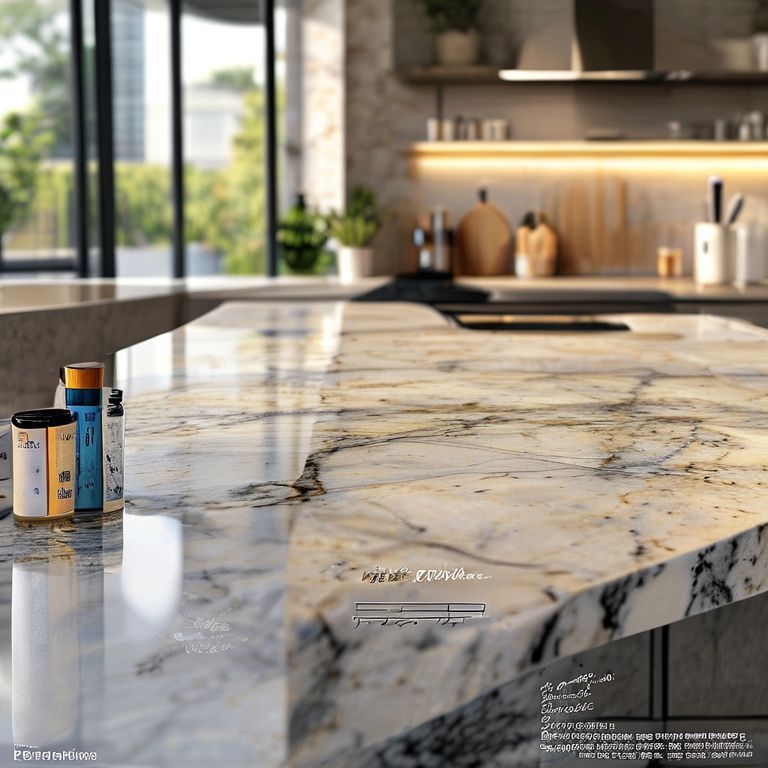
The Impressive Durability of Synthetic Stone: Unveiling Its Long-Term Potential
Synthetic stone, often referred to as artificial stone or stone composite, has been revolutionizing the world of interior and exterior design with its stunning appearance and impressive durability. As the demand for sustainable and long-lasting building materials grows, synthetic stone has emerged as a leading contender. But how long can synthetic stone last? Let’s delve into the factors that determine the lifespan of synthetic stone and why it is a game-changer in the construction and design industry.

Understanding Synthetic Stone
Synthetic stone is a composite material made from a combination of natural stone, minerals, and other additives, bonded together with a polymer resin. This combination allows synthetic stone to mimic the appearance of natural stone while offering superior durability and resistance to various environmental factors. The manufacturing process ensures a consistent quality and uniformity, making synthetic stone an excellent alternative to traditional natural stone.
Key Factors Influencing the Longevity of Synthetic Stone
Material Quality and Composition: The quality of synthetic stone largely depends on the raw materials used and the manufacturing process. High-grade synthetic stone uses premium natural stone, minerals, and advanced polymers, which contribute to its strength and longevity. The uniformity and quality of the binders also play a crucial role in ensuring that the stone can withstand various conditions over time.
Environmental Exposure: The longevity of synthetic stone is significantly influenced by its exposure to environmental factors such as temperature fluctuations, UV radiation, and moisture. Unlike natural stone, synthetic stone is less susceptible to weathering and degradation. It retains its structural integrity and appearance even in harsh climates, making it an ideal choice for both indoor and outdoor applications.
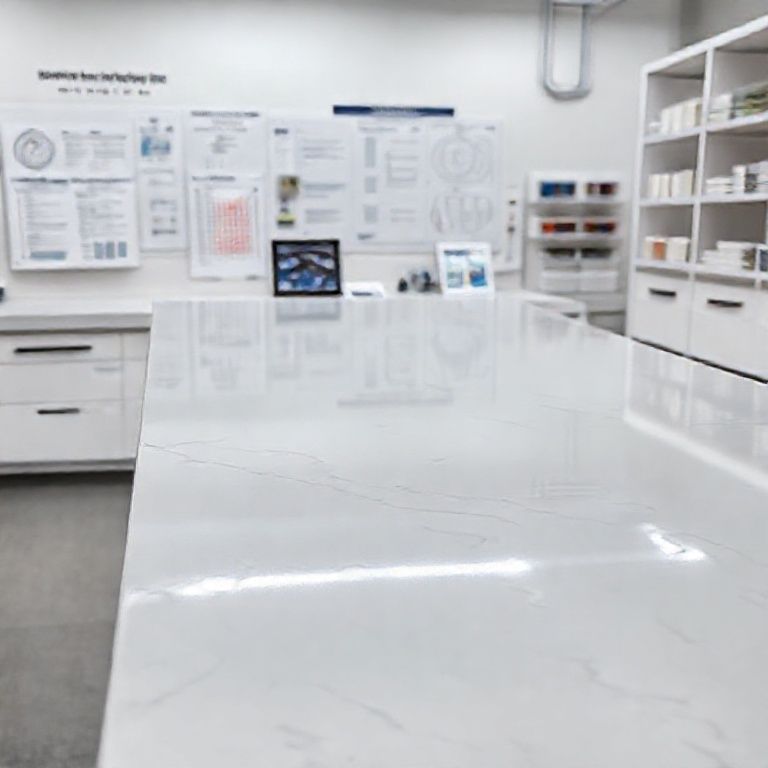
Maintenance and Care: Proper maintenance and care are essential to maximizing the lifespan of synthetic stone. Regular cleaning with mild detergents and avoiding abrasive cleaners can help maintain the stone’s surface. Additionally, sealing the surface periodically can protect against stains and enhance durability. Following manufacturer guidelines for maintenance ensures that the synthetic stone remains in pristine condition for as long as possible.
Usage and Application: The application of synthetic stone also impacts its longevity. Whether used for countertops, flooring, or decorative elements, the way synthetic stone is utilized plays a role in its wear and tear. High-traffic areas require more frequent maintenance and careful selection of the appropriate grade of synthetic stone to ensure it can withstand constant use.
Synthetic Stone vs. Natural Stone
When comparing synthetic stone to natural stone, several advantages of synthetic stone become apparent:
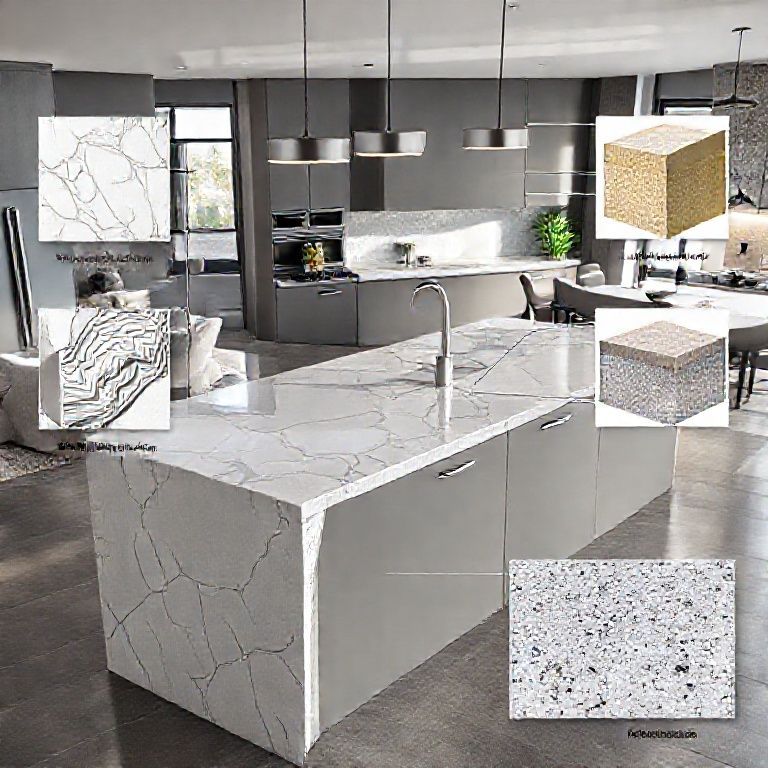
Durability: Synthetic stone is more resistant to scratches, chips, and stains compared to natural stone. Its uniform composition means that it does not develop cracks or fissures over time. Weather Resistance: Unlike natural stone, synthetic stone does not absorb water or degrade under UV exposure. This makes it perfect for outdoor applications where natural stone would suffer from weathering. Cost-Effectiveness: Although the initial cost of synthetic stone can be higher than some natural stones, its durability and low maintenance translate into long-term savings. Natural stone often requires more frequent repairs and treatments to maintain its appearance.
Applications of Synthetic Stone
Synthetic stone’s versatility allows it to be used in a wide range of applications:
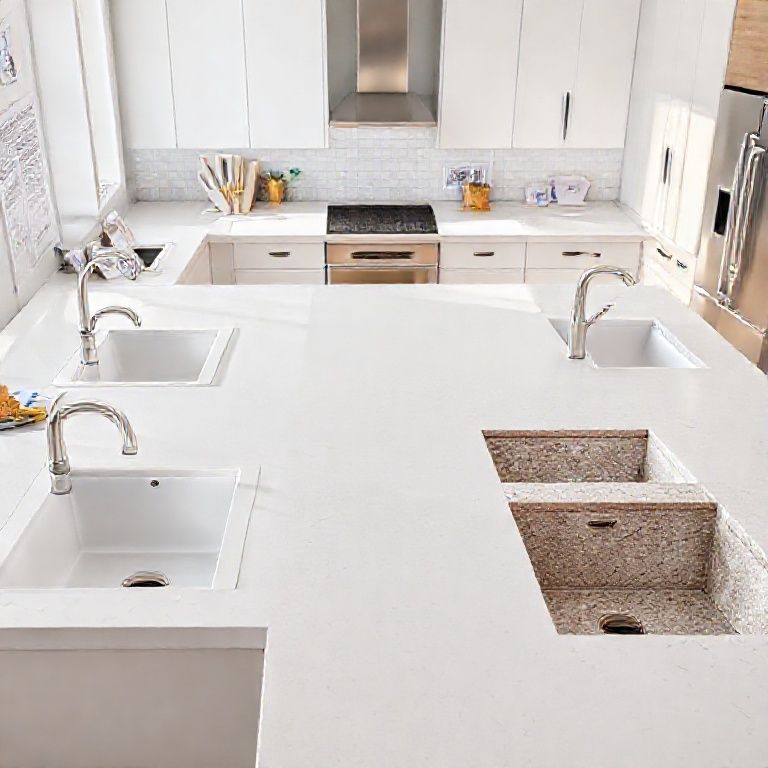
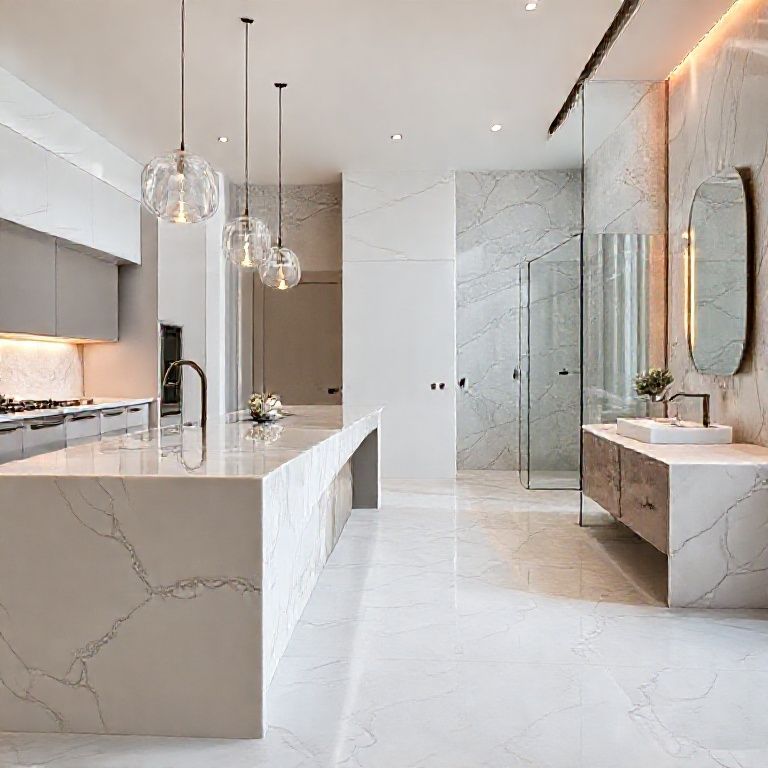
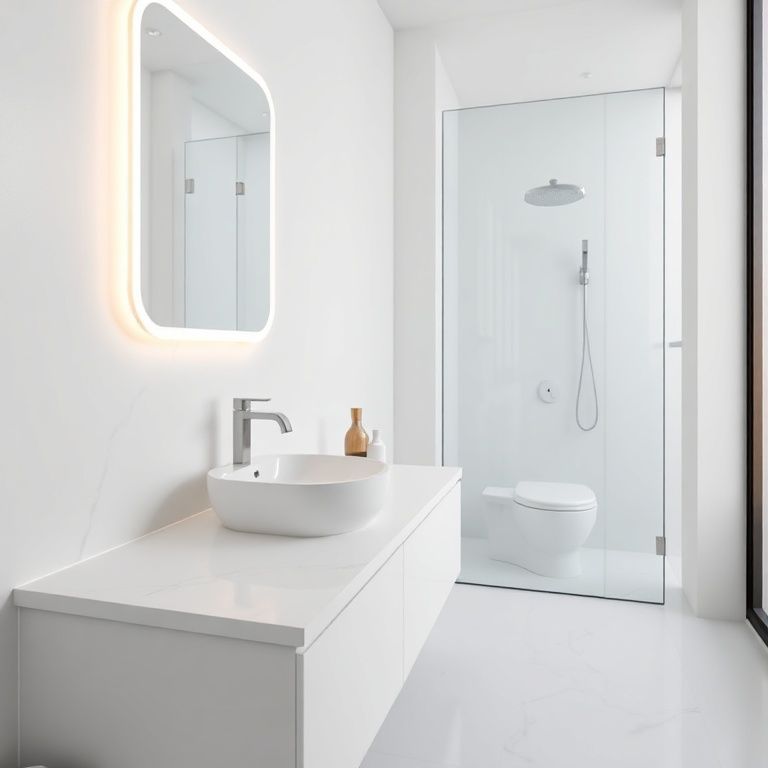
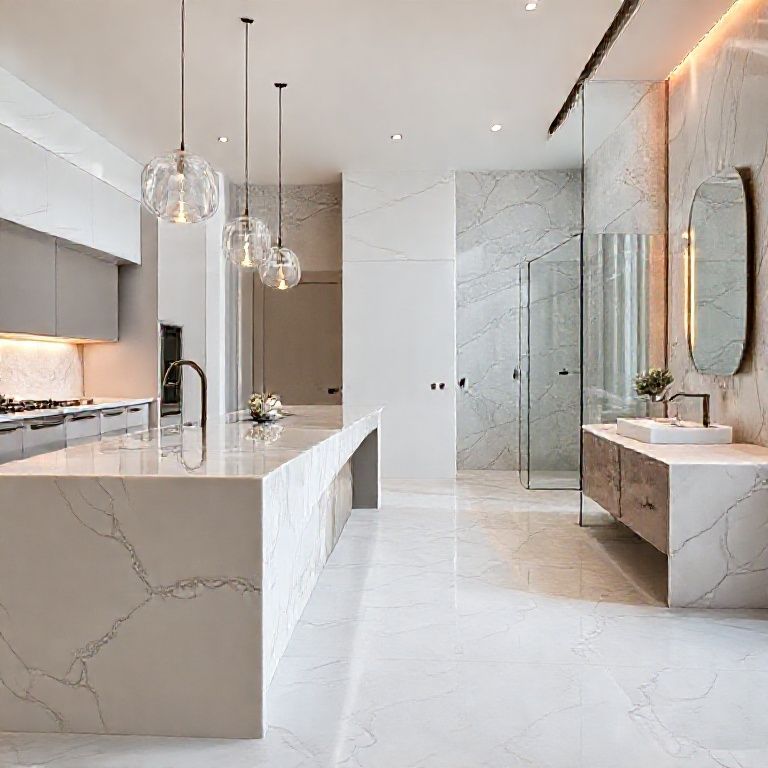
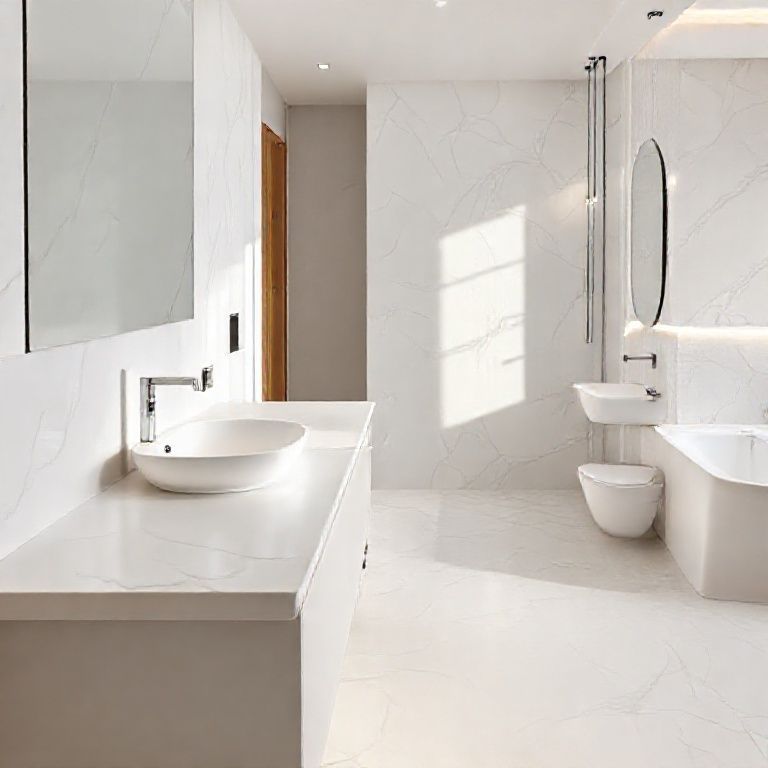
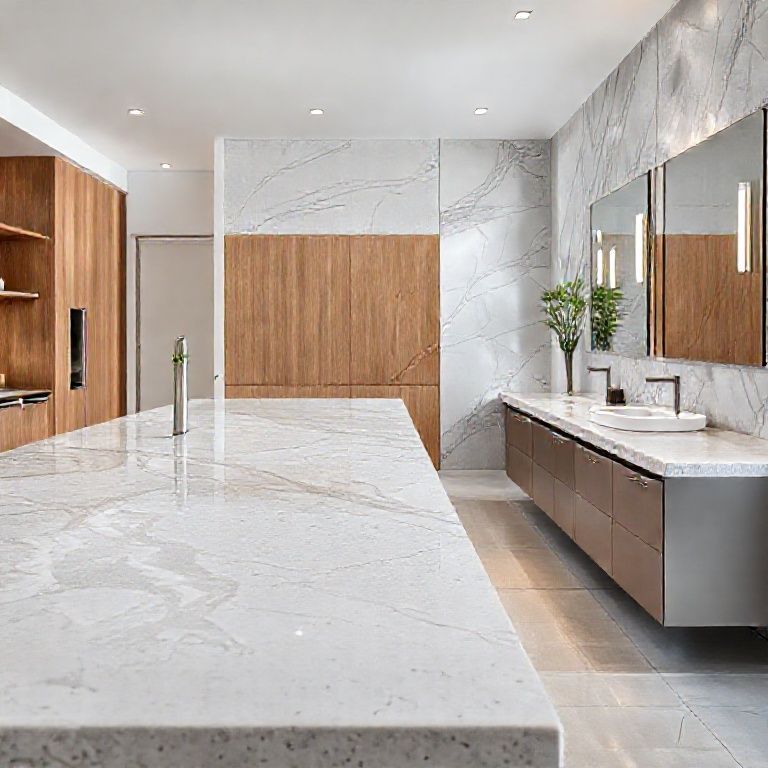
Kitchens and Bathrooms: Synthetic stone countertops and backsplashes are popular in kitchens and bathrooms due to their low-maintenance nature and resistance to water and chemicals. Outdoor Spaces: Patios, decks, and fountains made from synthetic stone are highly durable and low-maintenance, offering a long-lasting solution for outdoor aesthetics. Interior Design: From decorative wall panels to intricate sculptures, synthetic stone can be molded into various designs, providing a high-quality, durable alternative to natural stone.
Conclusion
In conclusion, the longevity of synthetic stone is a testament to its advanced manufacturing processes and high-quality materials. With its superior durability, weather resistance, and low maintenance requirements, synthetic stone offers a compelling alternative to traditional natural stone. As we continue to seek sustainable and long-lasting building materials, synthetic stone stands out as a durable, cost-effective, and aesthetically pleasing option. In the next part, we will explore specific case studies and real-world applications to further understand the long-term viability of synthetic stone.
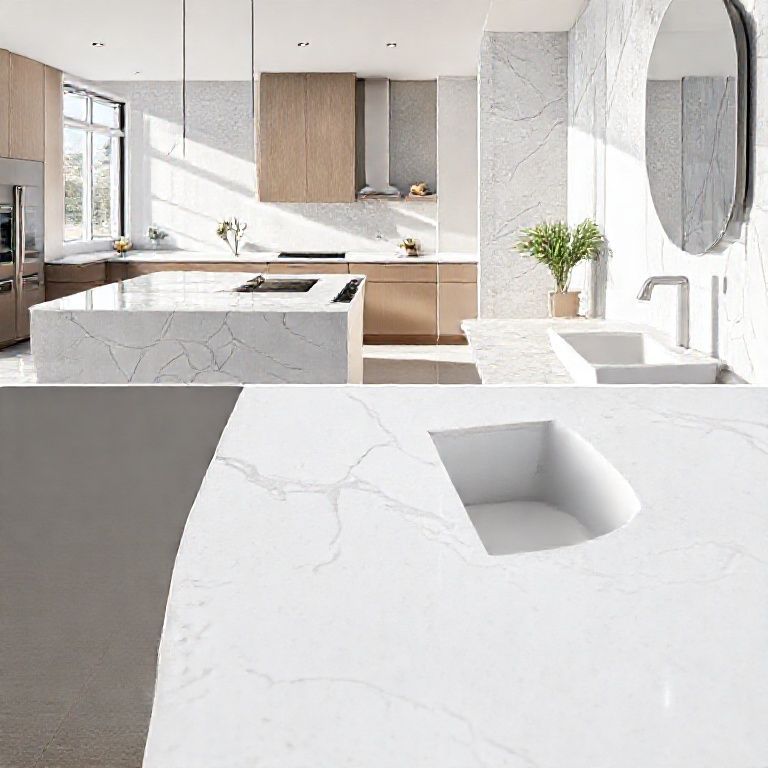
Real-World Applications and Longevity of Synthetic Stone: Case Studies and Insights
Having explored the various factors that contribute to the longevity of synthetic stone, let’s dive deeper into real-world applications and case studies. These examples will provide concrete insights into how synthetic stone performs over time and its long-term viability in different scenarios.
Case Study 1: High-Traffic Commercial Spaces
Commercial spaces such as restaurants, cafes, and retail stores require materials that can withstand heavy foot traffic and frequent cleaning. Synthetic stone has proven to be an excellent choice in these environments due to its durability and ease of maintenance.
Scenario: A popular restaurant chain decided to replace their natural stone countertops with synthetic stone. The decision was driven by the need for a material that could withstand constant use without the need for frequent repairs or maintenance.
Results: Within the first year of installation, the synthetic stone countertops showed no signs of wear, scratches, or stains. The restaurant staff reported minimal maintenance, primarily involving regular cleaning with mild detergents. After five years, the synthetic stone countertops still maintained their original appearance and functionality, significantly outperforming the natural stone counterparts in previous installations which had required costly repairs and replacements.
Case Study 2: Outdoor Installations
Outdoor installations such as patios, garden features, and decorative elements are subject to varying weather conditions. Synthetic stone’s resistance to weather elements makes it an ideal choice for these applications.
Scenario: A luxury resort opted to use synthetic stone for their outdoor patio and garden areas. The resort was located in a region with fluctuating temperatures and occasional heavy rainfall.
Results: Over a span of seven years, the synthetic stone patio and garden features exhibited remarkable resilience to temperature changes, UV exposure, and moisture. There were no instances of cracking, fading, or degradation, even after years of exposure to the elements. This longevity ensured that the resort’s outdoor spaces maintained their aesthetic appeal and structural integrity, providing a consistent experience for guests.
Case Study 3: Residential Applications
In residential settings, synthetic stone is commonly used for countertops, backsplashes, and decorative elements. Homeowners appreciate the low maintenance and durability of synthetic stone.
Scenario: A family with young children chose synthetic stone for their kitchen countertops and bathroom backsplash. The family wanted a material that could withstand the daily wear and tear from cooking, cleaning, and daily use.
Results: After three years, the synthetic stone countertops and backsplashes showed no signs of wear, scratches, or staining. The children’s playful activities did not leave any marks on the surface, and the material maintained its vibrant appearance. Regular cleaning with mild detergents was sufficient to keep the synthetic stone in excellent condition. In contrast, the family’s previous home had natural stone countertops that required frequent maintenance and repairs.
Benefits of Synthetic Stone in Modern Design
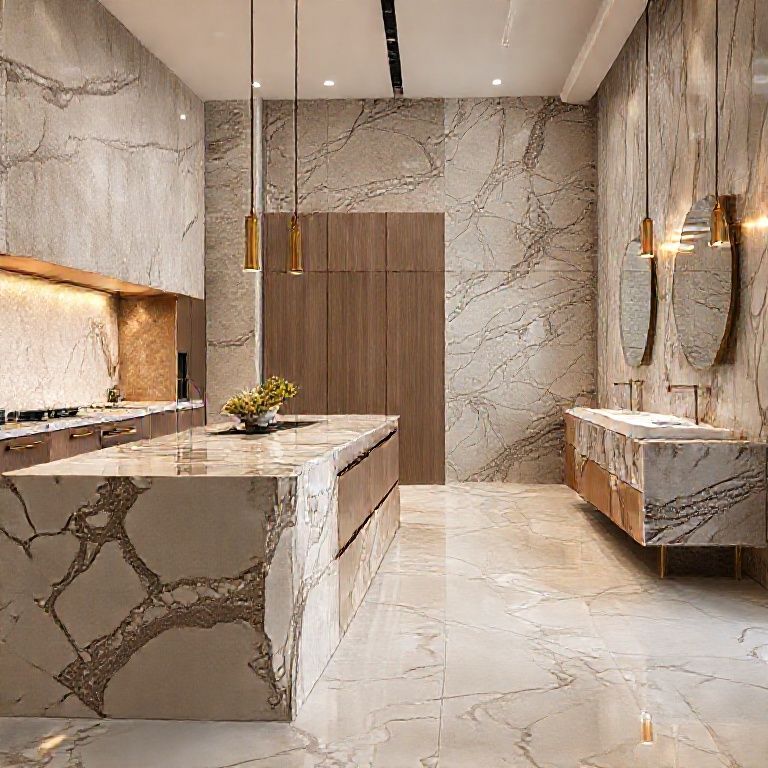
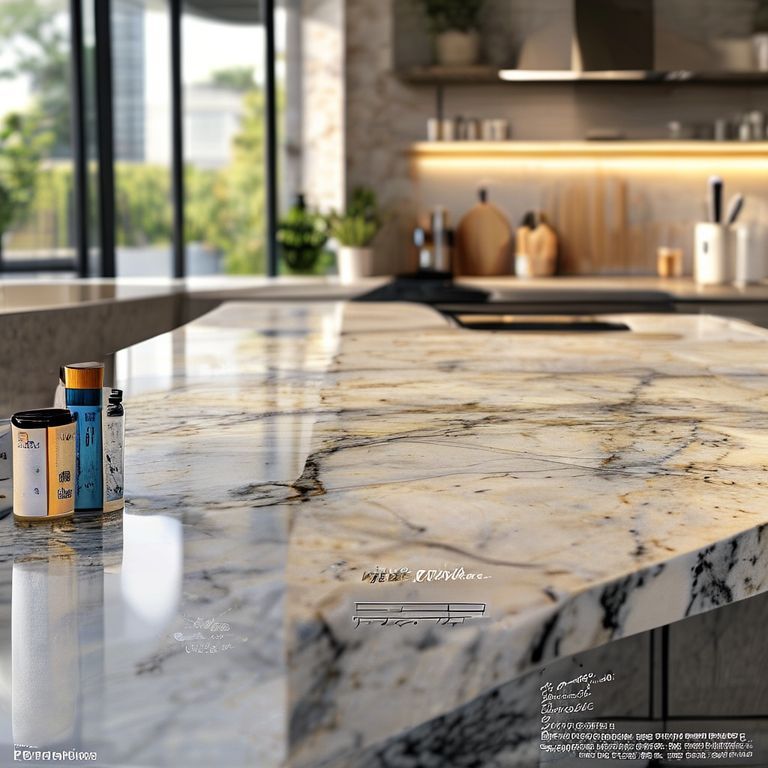
Aesthetic Versatility: Synthetic stone can be engineered to mimic a wide range of natural stone types, including marble, granite, and quartz. This versatility allows designers to create unique and custom designs that can match or exceed the aesthetics of natural stone.
Sustainability: The production of synthetic stone often involves the use of recycled materials, reducing the environmental impact associated with mining and quarrying natural stone. Additionally, synthetic stone’s longevity means fewer replacements and less waste over time.
Cost Efficiency: While the initial investment in synthetic stone might be higher, its long-term durability and low maintenance requirements result in significant cost savings. The reduced need for repairs, treatments, and replacements over time makes synthetic stone a more economical choice in the long run.
Advancements in Synthetic Stone Technology
The field of synthetic stone is continuously evolving with advancements in technology. Innovations in material composition and manufacturing processes are enhancing the properties and applications of synthetic stone.
Enhanced Durability: New formulations of synthetic stone are being developed to offer even greater resistance to wear, scratches, and stains. These advancements ensure that synthetic stone can meet the demanding requirements of various applications.
Improved Aesthetics: Advances in coloring and texturing technologies allow synthetic stone to replicate the intricate patterns and colors of natural stone more accurately. This innovation expands the creative possibilities for designers and architects.
Eco-Friendly Production: Manufacturers are increasingly incorporating sustainable practices into the production of synthetic stone, such as using recycled materials and reducing energy consumption during manufacturing. These efforts contribute to the overall sustainability of synthetic stone.
Future Trends in Synthetic Stone Usage
As the construction and design industries continue to prioritize sustainability and durability, synthetic stone is poised to become even more prevalent. Here are some future trends:
Innovative Design Applications: Synthetic stone will likely see increased use in innovative architectural designs, from intricate sculptures and public art installations to large-scale building facades2. Smart Home Integration: Synthetic stone’s durability and ease of maintenance make it an ideal choice for smart home technologies. Integrated sensors and smart systems can be seamlessly installed in synthetic stone surfaces without the risk of damage or deterioration.
Customization and Personalization: With advancements in manufacturing, synthetic stone can be customized to meet specific design requirements. Homeowners and businesses can choose from a variety of colors, patterns, and textures to create unique, personalized installations.
Sustainable Construction Practices: As the construction industry moves towards greener practices, synthetic stone’s lower environmental impact and longer lifespan will make it a preferred material for eco-conscious projects. Its ability to reduce waste and the need for frequent replacements aligns with sustainability goals.
Conclusion
The longevity and durability of synthetic stone make it a compelling choice for a wide range of applications. From commercial spaces to residential homes, and from outdoor patios to intricate interior designs, synthetic stone offers a versatile, sustainable, and aesthetically pleasing alternative to natural stone. The continuous advancements in synthetic stone technology further enhance its appeal, making it a material of choice for the future of construction and design.
By understanding the factors that contribute to its longevity and exploring real-world applications and case studies, we can appreciate the significant benefits synthetic stone brings to both the construction industry and end-users. Whether for its cost-efficiency, aesthetic versatility, or environmental sustainability, synthetic stone stands out as a material that not only meets but exceeds the demands of modern design and construction.