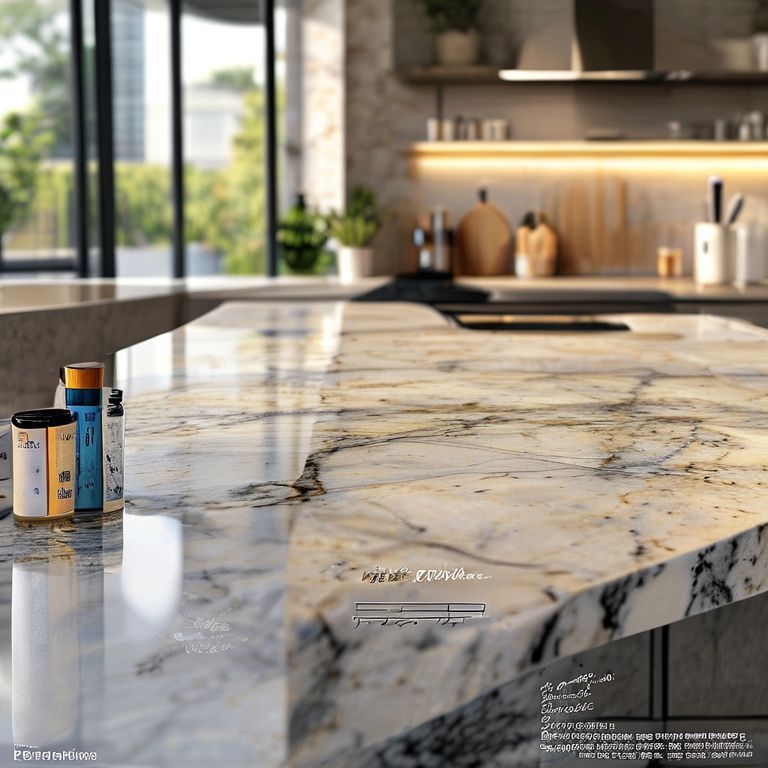
The Longevity of Artificial Stone: Unveiling Its Durability
Artificial stone, also known as cultured stone, has revolutionized the world of interior and exterior design due to its remarkable durability and aesthetic appeal. Often mistaken for natural stone, artificial stone is a high-quality composite material made from a blend of minerals, resins, and pigments. The result is a material that mimics the look of natural stone while offering superior longevity and maintenance-free benefits.

What Makes Artificial Stone Last Longer?
Material Composition and Quality
The primary reason artificial stone boasts an impressive lifespan is its exceptional material composition. It’s composed of a fine mix of minerals such as calcite, dolomite, and marble dust, combined with a polymer resin binder. This blend ensures that the artificial stone is incredibly hard, scratch-resistant, and capable of withstanding high levels of wear and tear. The meticulous manufacturing process, which includes controlled curing and polymerization, further enhances its durability.
Manufacturing Process
The manufacturing process of artificial stone is highly controlled to ensure uniform quality. The raw materials are finely ground and mixed, then subjected to high pressure and temperature during the curing process. This results in a dense, homogenous structure that’s far more resilient than natural stone. The curing process also eliminates air bubbles and other imperfections, ensuring a flawless surface that is less prone to damage.
Comparative Longevity: Artificial Stone vs. Natural Stone
Natural Stone Challenges
Natural stone, despite its timeless beauty, comes with its own set of challenges when it comes to longevity. It’s inherently porous, which means it’s susceptible to staining, etching, and chipping. Over time, natural stone surfaces require frequent sealing to maintain their appearance and integrity. Additionally, natural stone can be uneven, leading to areas that are more prone to damage.
Artificial Stone Advantages
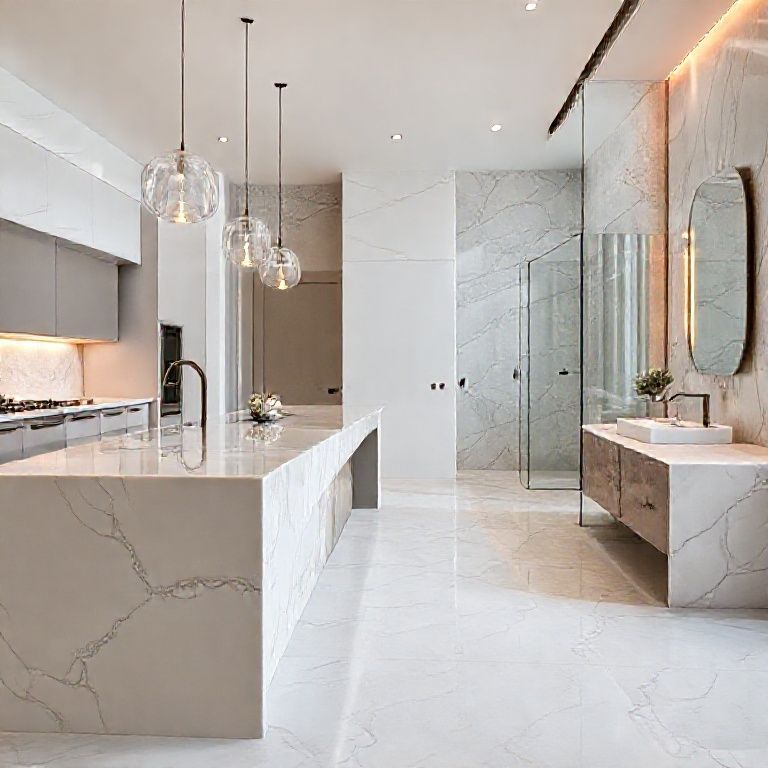
In contrast, artificial stone offers a uniform, non-porous surface that’s far more resilient to stains and etching. Its synthetic nature allows it to be manufactured with a consistent density and hardness, eliminating the variability found in natural stone. Because it’s non-porous, artificial stone doesn’t absorb liquids, meaning spills and stains are easily wiped away without any risk of damage. This makes artificial stone an ideal choice for high-traffic areas where durability and low maintenance are paramount.
Real-World Applications and Longevity
Commercial and Residential Use
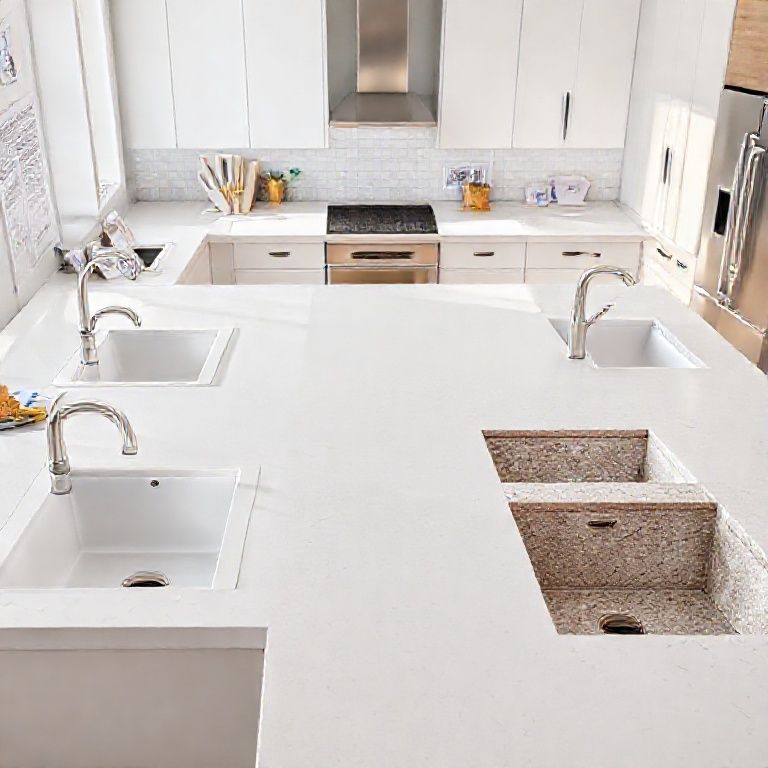
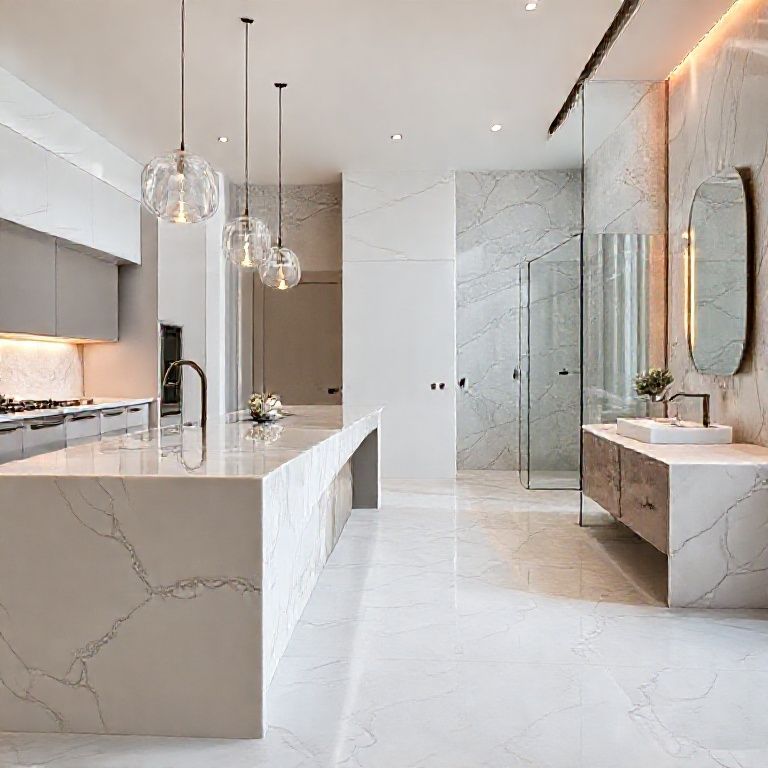
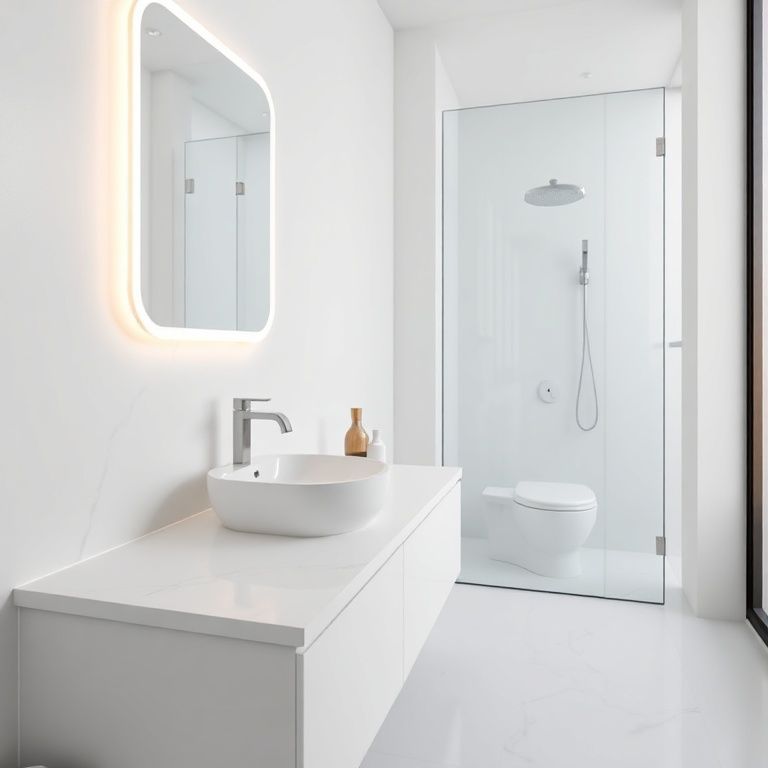
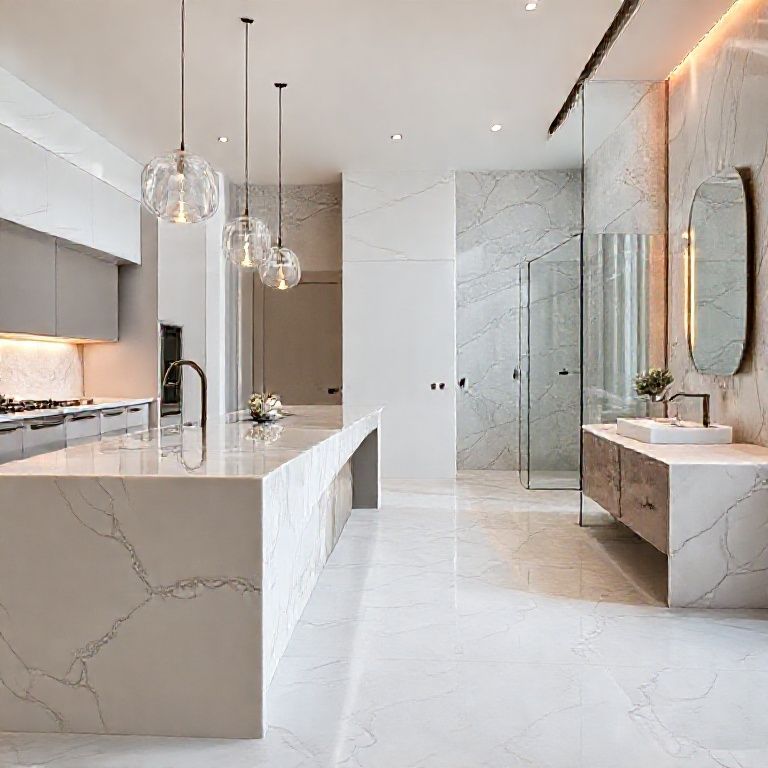
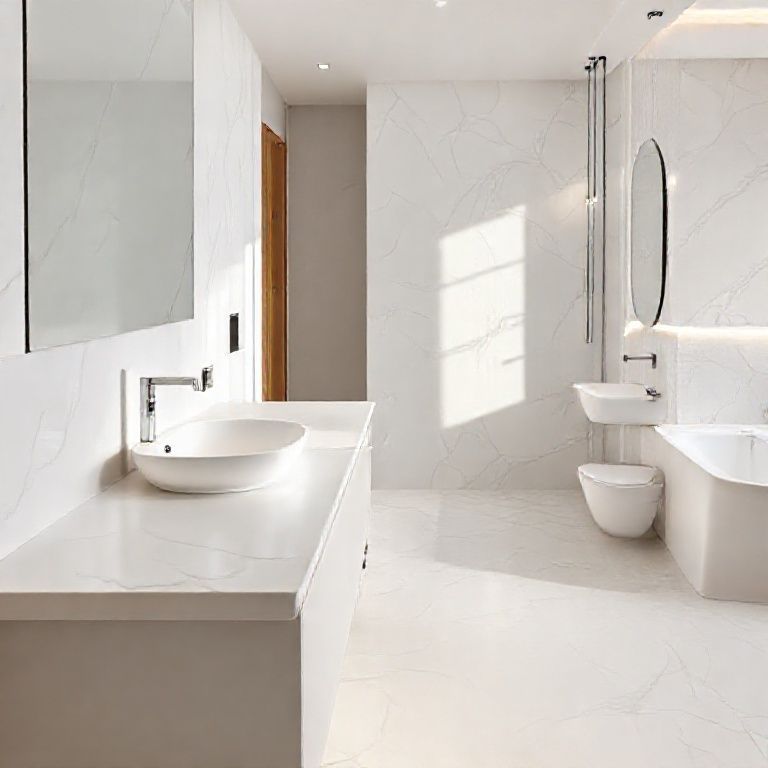
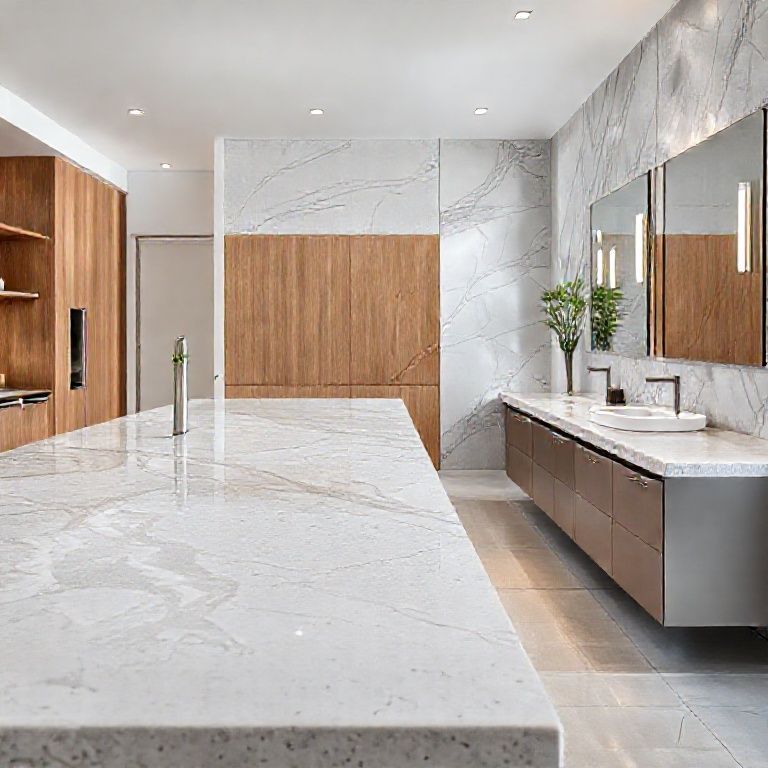
Artificial stone is widely used in both commercial and residential settings. In commercial spaces like restaurants, hotels, and offices, artificial stone is preferred for countertops, sinks, and backsplashes due to its durability and ease of cleaning. In residential settings, it’s often used for kitchen and bathroom countertops, providing a luxurious look without the upkeep required by natural stone.
Long-Term Performance
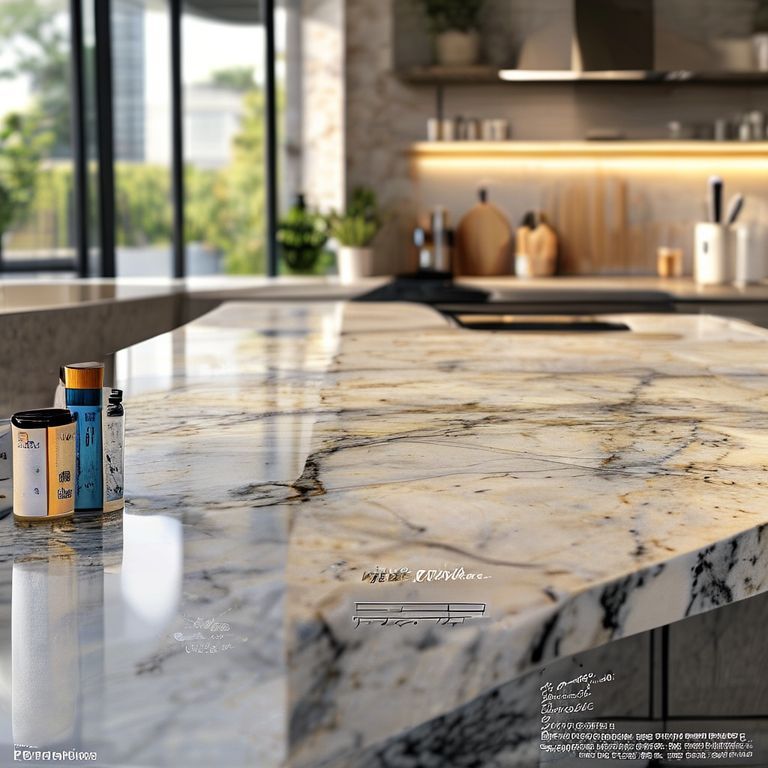
One of the most compelling reasons for the longevity of artificial stone is its consistent performance over time. Unlike natural stone, which can change color and develop surface imperfections over the years, artificial stone maintains its pristine appearance. There are no seasonal or environmental factors that can affect its quality, ensuring that it remains a stunning addition to any space for many years to come.
Case Studies and Testimonials
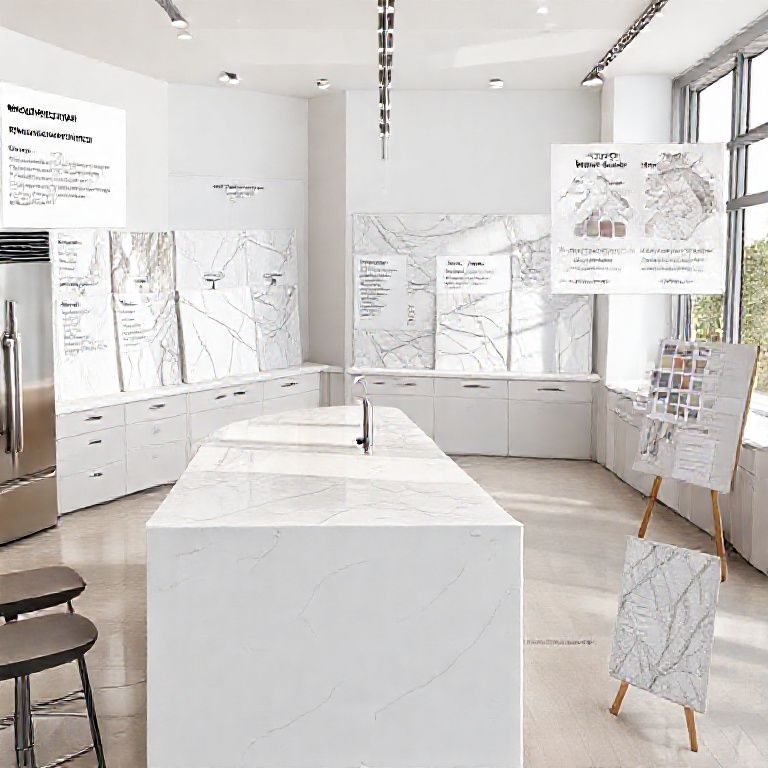
Several case studies highlight the impressive longevity of artificial stone. For example, a luxury hotel that installed artificial stone countertops reported zero maintenance issues over a decade, attributing the durability and aesthetic appeal to the material’s superior quality. Similarly, homeowners who opted for artificial stone for their kitchen and bathroom renovations have praised its low-maintenance nature and ability to withstand daily wear and tear.
Maintenance and Care for Artificial Stone
Minimal Maintenance Requirements
One of the most significant advantages of artificial stone is its minimal maintenance requirements. Unlike natural stone, which needs regular sealing to prevent staining and etching, artificial stone only requires basic cleaning. A simple wipe-down with a mild detergent and water is usually sufficient to maintain its pristine appearance. For tougher spots, a soft-bristle brush and a gentle cleaner can be used to ensure a spotless surface.
Cleaning Tips
To maximize the longevity of artificial stone, it’s essential to follow proper cleaning practices. Avoid using abrasive cleaners or tools that can scratch the surface. Always test any new cleaner on a small, inconspicuous area first to ensure it won’t cause damage. Regular cleaning and prompt treatment of spills will help maintain the material’s integrity and appearance over time.
Conclusion
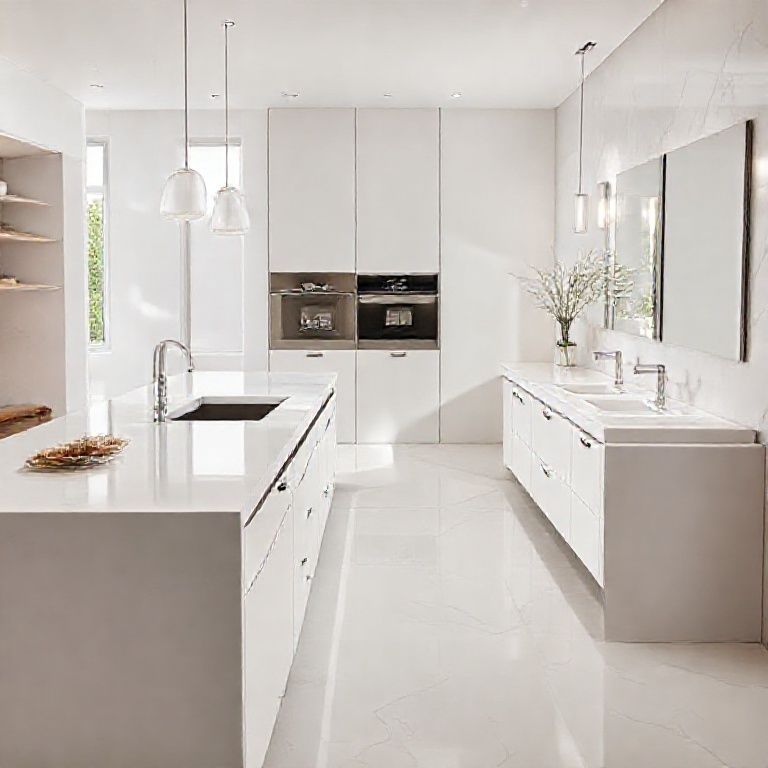
The longevity of artificial stone is a testament to its superior material composition and manufacturing process. Its durability, resistance to stains and etching, and minimal maintenance requirements make it an outstanding choice for both commercial and residential applications. As artificial stone continues to gain popularity, its impressive performance and longevity ensure it will remain a top choice for many years to come.
The Longevity of Artificial Stone: Exploring Long-Term Benefits and Considerations
Artificial stone, or cultured stone, has undoubtedly transformed the landscape of modern design, offering a blend of beauty, durability, and practicality. Its longevity is not just a matter of material and manufacturing but also of the myriad benefits it provides over time. In this second part of our exploration, we delve deeper into the long-term advantages of artificial stone and the considerations that can further enhance its lifespan.
Economic Benefits Over Time
Cost-Effectiveness
One of the most compelling reasons to choose artificial stone is its cost-effectiveness over time. While the initial investment in artificial stone might be higher compared to some other materials, its long-term benefits make it a financially sound choice. The durability of artificial stone means fewer replacements and repairs, leading to significant savings in maintenance and replacement costs. This is particularly evident in high-traffic areas like commercial kitchens and public spaces, where the wear and tear on surfaces can be substantial.
Reduced Maintenance Costs
The minimal maintenance required for artificial stone translates into substantial savings on cleaning and upkeep. Unlike natural stone, which needs regular sealing to prevent staining and etching, artificial stone only requires basic cleaning. This means fewer professional cleaning services and reduced expenses for cleaning supplies. Over time, these savings can add up, making artificial stone a more economical choice in the long run.
Environmental and Sustainability Benefits
Sustainable Manufacturing
Artificial stone is a more sustainable choice compared to natural stone. The manufacturing process of artificial stone involves fewer environmental impacts. Unlike the extraction and transportation of natural stone, which can be resource-intensive and environmentally damaging, the production of artificial stone can be localized, reducing the carbon footprint associated with transportation. Additionally, artificial stone can be made from recycled materials, further enhancing its sustainability profile.
Long-Term Environmental Impact
The longevity of artificial stone also contributes to its environmental benefits. Its durability means that it will not need to be replaced as frequently as natural stone, reducing the need for ongoing extraction and processing of natural stone resources. Over time, this leads to a lower overall environmental impact, making artificial stone a more responsible choice for environmentally-conscious consumers.
Aesthetic and Design Flexibility
Versatile Appearance
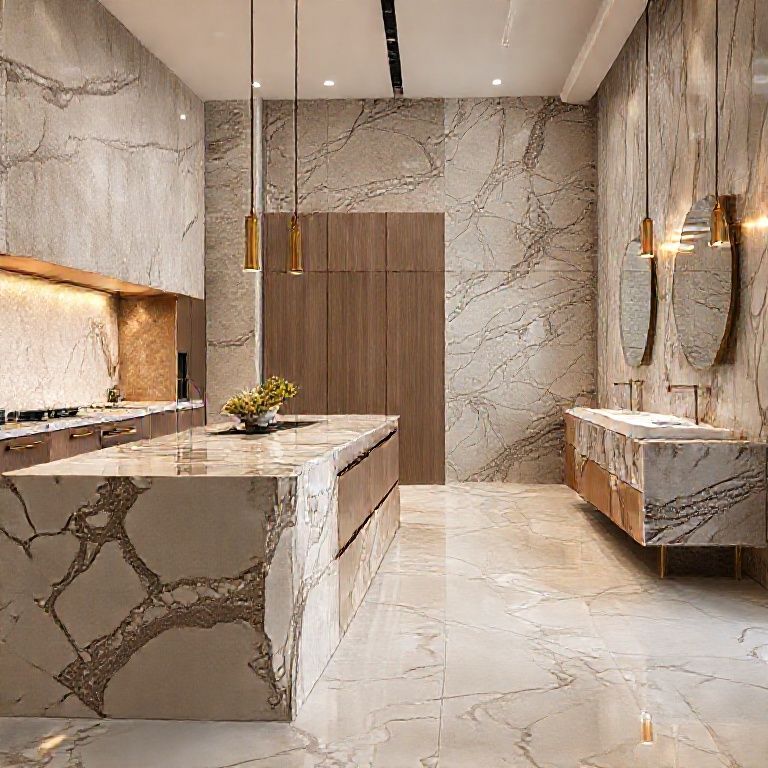
Artificial stone offers a wide range of colors, patterns, and textures that can be customized to match any design aesthetic. Whether you’re looking for the look of marble, granite, or even unique custom designs, artificial stone can be tailored to meet your specific needs. This versatility makes it an ideal choice for both traditional and contemporary designs.
Long-Lasting Aesthetics
The durability of artificial stone ensures that its aesthetic appeal remains intact over time. Unlike natural stone, which can change color and develop surface imperfections due to environmental factors, artificial stone maintains its appearance. This means you can enjoy a consistent, high-quality look in your space for many years without the need for costly touch-ups or replacements.
Considerations for Longevity
Installation Quality
The longevity of artificial stone is heavily influenced by the quality of its installation. It’s essential to work with experienced professionals who understand the nuances of installing artificial stone. Proper installation ensures that the material is securely anchored, reducing the risk of damage and extending its lifespan.
Exposure to Harsh Conditions
While artificial stone is incredibly durable, it’s not indestructible. Extreme exposure to harsh conditions, such as high heat or intense chemical exposure, can affect its integrity. It’s important to consider these factors when placing artificial stone in areas prone to such conditions. For instance, while it’s excellent for countertops and backsplashes, it might not be the best choice for outdoor patios exposed to constant UV radiation and fluctuating temperatures.
Proper Maintenance
To maximize the longevity of artificial stone, regular maintenance is crucial. This includes regular cleaning to prevent the buildup of grime and spills that could potentially damage the surface. While artificial stone is low-maintenance, occasional deep cleaning and prompt treatment of spills can help maintain its appearance and integrity.
Future Trends in Artificial Stone
Innovations in Material Science
The field of material science is continually evolving, and artificial stone is no exception. Ongoing innovations aim to further enhance the durability, aesthetic appeal, and sustainability of artificial stone. Researchers are exploring new formulations that offer even greater resistance to stains, scratches, and environmental factors, ensuring that artificial stone remains at the forefront of design materials.
Emerging Applications
As artificial stone continues to gain popularity, its applications are expanding beyond traditional uses. Emerging trends include its use in architectural features, decorative elements, and even in outdoor applications where durability and low maintenance are critical. These new applications are driven by the material’继续探讨人造石的长寿命及其未来发展,我们可以深入了解这种材料在不同领域的创新应用以及其对环境和建筑行业的积极影响。
创新的未来前景
高级表面处理技术
随着技术的进步,人造石在表面处理方面也在不断创新。先进的涂层和抛光技术可以进一步增强人造石的耐用性和美观性。例如,通过添加特殊的抗菌涂层,人造石可以在医疗和食品加工等高要求环境中得到更广泛的应用。
智能化材料
未来,人造石可能会进一步融合智能材料技术。这包括通过添加传感器和其他智能元件,使人造石不仅具备传统的美观和耐用性,还能够实现一些智能功能,比如温度监测、污染检测等。这些创新将使人造石在智能家居和智慧城市中发挥更大的作用。
环境和建筑行业的积极影响
减少建筑废弃物
由于人造石的长寿命和耐用性,建筑过程中的废弃物减少。这不仅有助于减少建筑垃圾填埋量,还能降低建筑废弃物处理的成本和环境影响。人造石的长寿命还减少了建筑物在其使用寿命周期内的维修和更换频率,从而进一步减少了建筑废弃物。
碳足迹的降低
人造石的可再生性和可回收性有助于降低建筑行业的碳足迹。由于人造石可以利用再生材料和回收的矿物质,其生产过程中的碳排放大大降低。由于其长寿命,减少了建筑物的频繁更换和重建,从而进一步减少了建筑行业的碳排放。
可持续设计的推动
人造石的广泛应用推动了可持续设计的发展。设计师和建筑师可以利用人造石的多样化特性,创造出更环保、更耐用、更美观的建筑。这种材料的灵活性和耐用性使得建筑设计更加注重长期的环境效益和经济效益。
市场趋势和经济效益
市场增长
随着人们对环保和可持续发展意识的增强,人造石的市场需求正在快速增长。全球范围内,人造石在厨房台面、浴室台面、地板、墙面装饰等多个领域的应用越来越广泛,市场前景非常广阔。
经济效益
从经济角度看,人造石的长寿命和低维护成本为建筑主人和业主带来了显著的经济效益。其耐用性和美观性使得建筑物在市场中的价值更加稳定,同时减少了长期的维护和修缮成本。这不仅提升了建筑物的整体价值,也为投资者和开发商带来了更多的经济回报。
结论
人造石作为一种高性能、耐用且环保的建筑材料,其长寿命和广泛的应用前景使其在建筑和装修行业中占据重要地位。通过不断的技术创新和应用扩展,人造石将在推动建筑可持续发展和实现环保目标方面发挥更大的作用。无论是从环境保护、经济效益还是设计美学的角度,人造石都展现出其无可替代的优势。