The Longevity of Artificial Stone: Understanding Its Durability
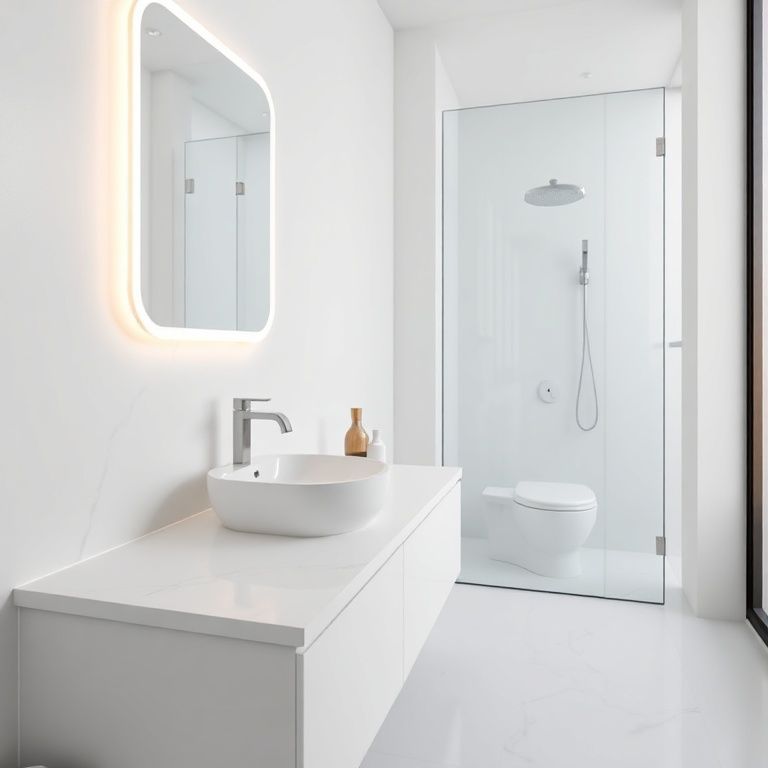
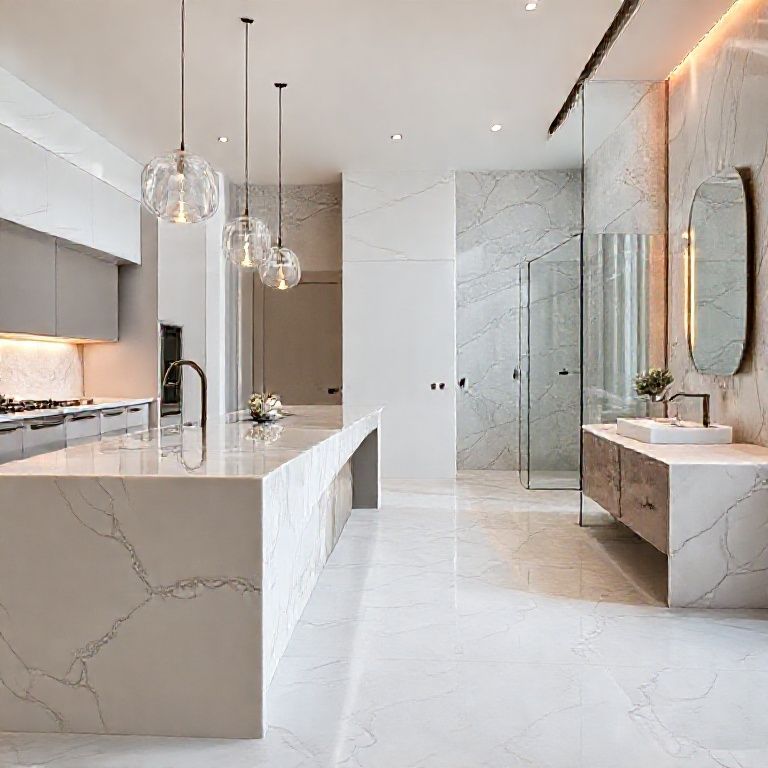
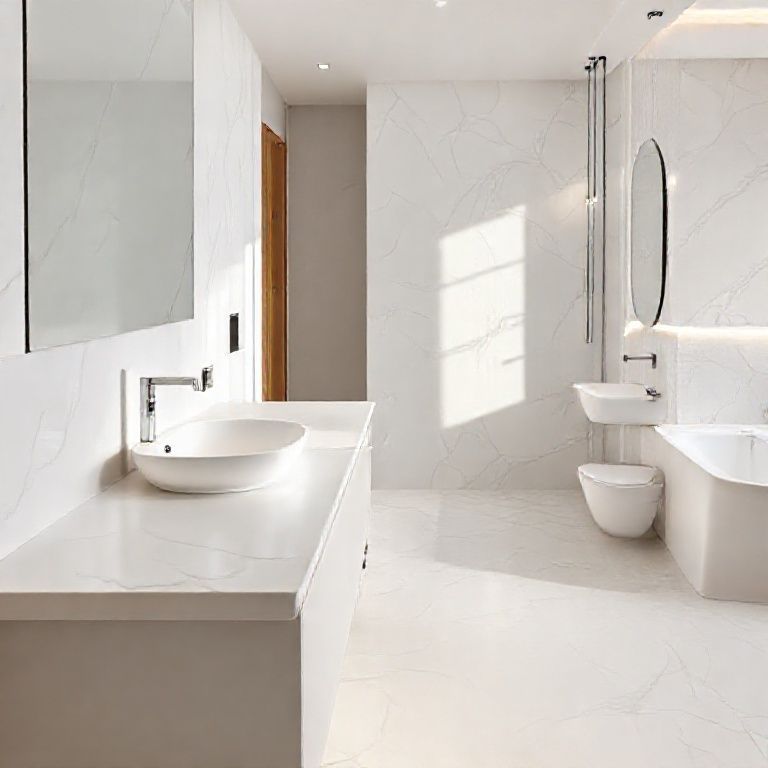
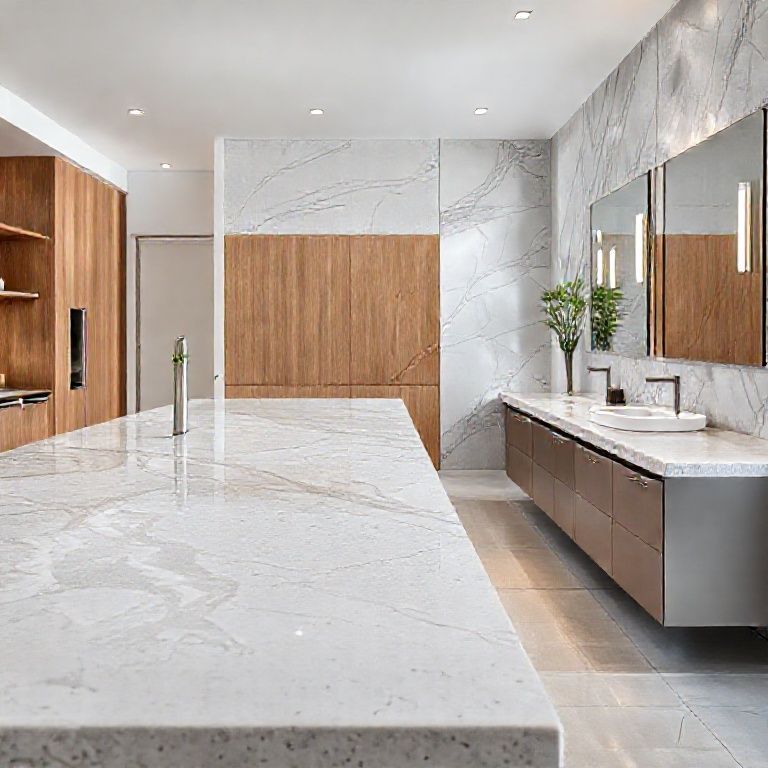
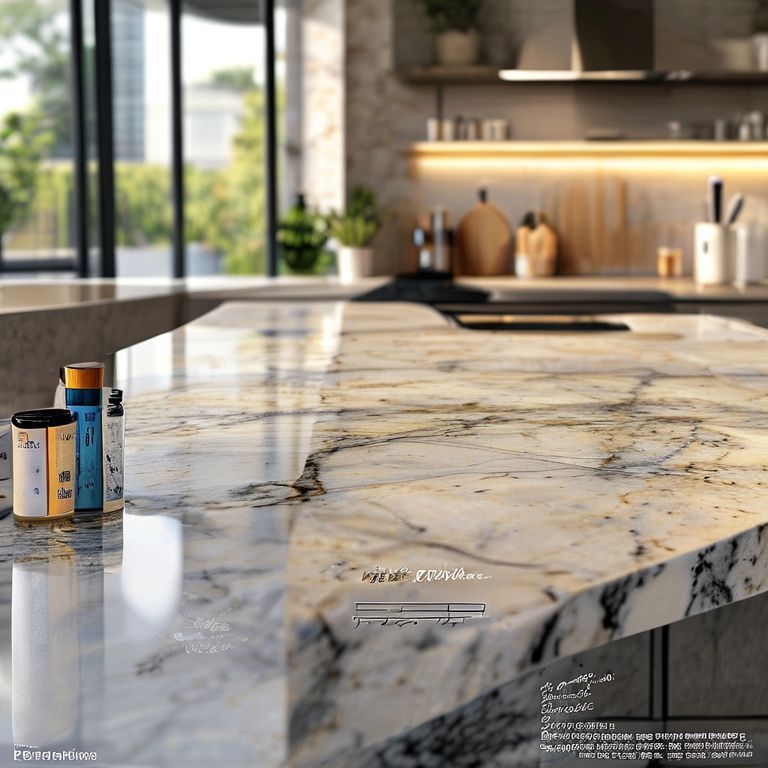
Artificial stone, also known as synthetic stone or engineered stone, has revolutionized the world of interior and exterior design. Its appearance and texture closely mimic natural stone, offering an array of benefits including durability, low maintenance, and versatility. But how long does artificial stone actually last? Let’s dive into the factors that determine the longevity of artificial stone.

Material Composition and Quality
One of the most critical factors in the lifespan of artificial stone is its material composition. Unlike natural stone, which varies greatly depending on its source, artificial stone is made from a consistent mix of quartz, resins, and pigments. High-quality artificial stone typically contains a higher percentage of natural quartz, which enhances its durability and resistance to wear and tear. The manufacturing process also plays a crucial role; advanced techniques ensure uniformity and strength, contributing to a longer lifespan.
Types of Artificial Stone
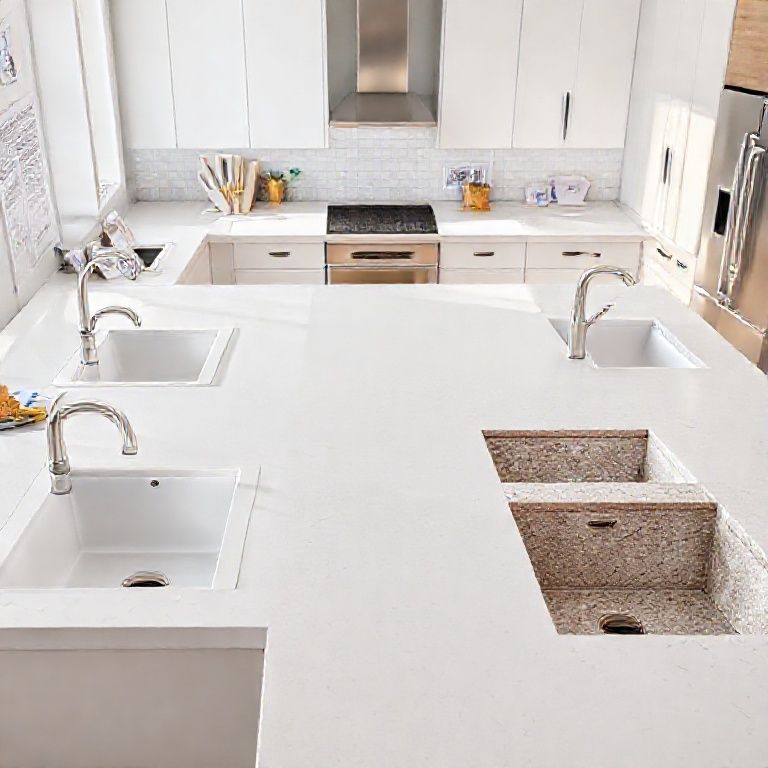
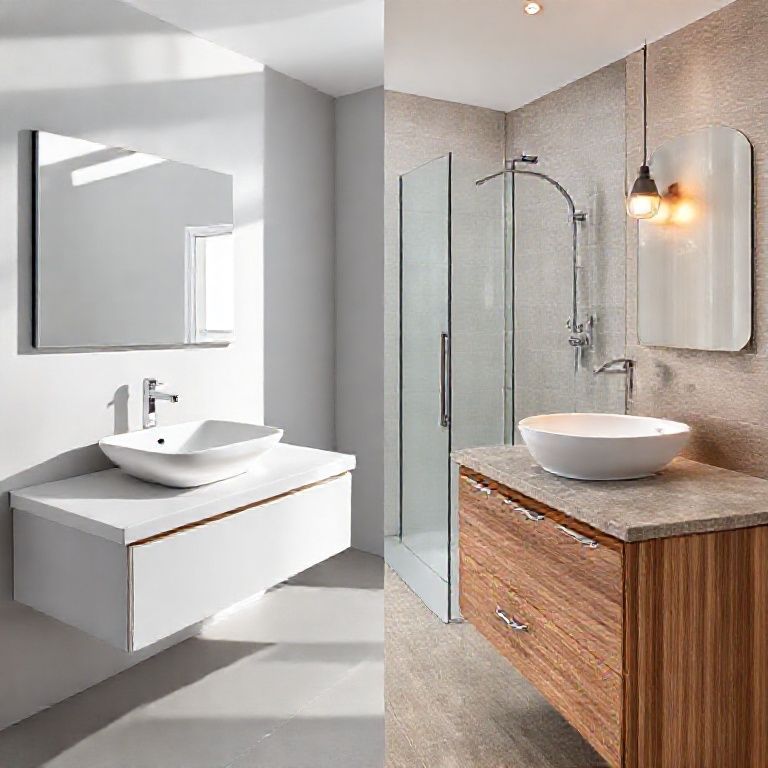
There are various types of artificial stone available, each with its unique properties. For instance, Corian, a popular brand of artificial stone, is known for its durability and resistance to chemicals and bacteria. It is commonly used in countertops, sinks, and other high-traffic areas. On the other hand, other brands like Silestone offer different variations that cater to specific needs, such as kitchen countertops or bathroom vanities. The type of artificial stone chosen can significantly impact its longevity.
Environmental Factors
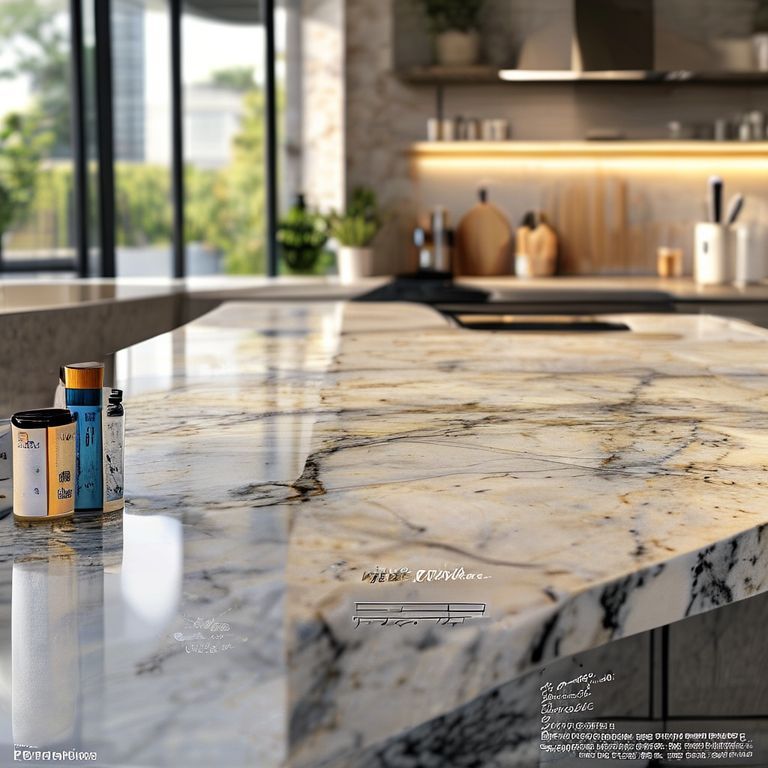
Environmental factors also play a vital role in determining the lifespan of artificial stone. Exposure to extreme temperatures, direct sunlight, and harsh chemicals can affect its durability. For instance, while artificial stone is highly resistant to stains and scratches, prolonged exposure to acidic substances like vinegar or lemon juice can cause damage over time. It’s important to use appropriate cleaning agents and avoid placing hot pots or pans directly on the surface to maintain its integrity.
Installation and Maintenance
Proper installation by skilled professionals is essential to ensure the longevity of artificial stone. Using the correct adhesive and sealing the edges during installation can prevent water damage and enhance durability. Regular maintenance is equally important. Cleaning artificial stone with mild detergents and avoiding abrasive cleaners can prolong its lifespan. Regularly inspecting for chips, cracks, or other damages and repairing them promptly can also extend the life of the material.
Comparative Durability: Artificial Stone vs. Natural Stone
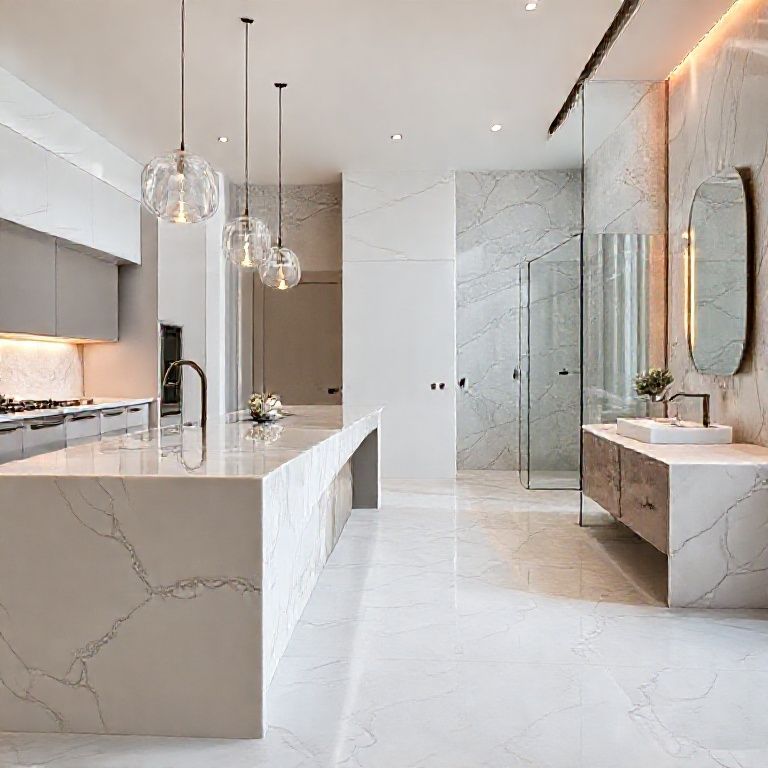
To better understand the longevity of artificial stone, it’s helpful to compare it with natural stone. Natural stone, while beautiful and timeless, is prone to stains, scratches, and weathering. It also requires regular sealing to maintain its appearance and protect against moisture. Artificial stone, on the other hand, offers a more durable and low-maintenance alternative. Its resistance to chips, scratches, and stains makes it ideal for high-traffic areas, where natural stone would wear out more quickly.
Benefits of Artificial Stone
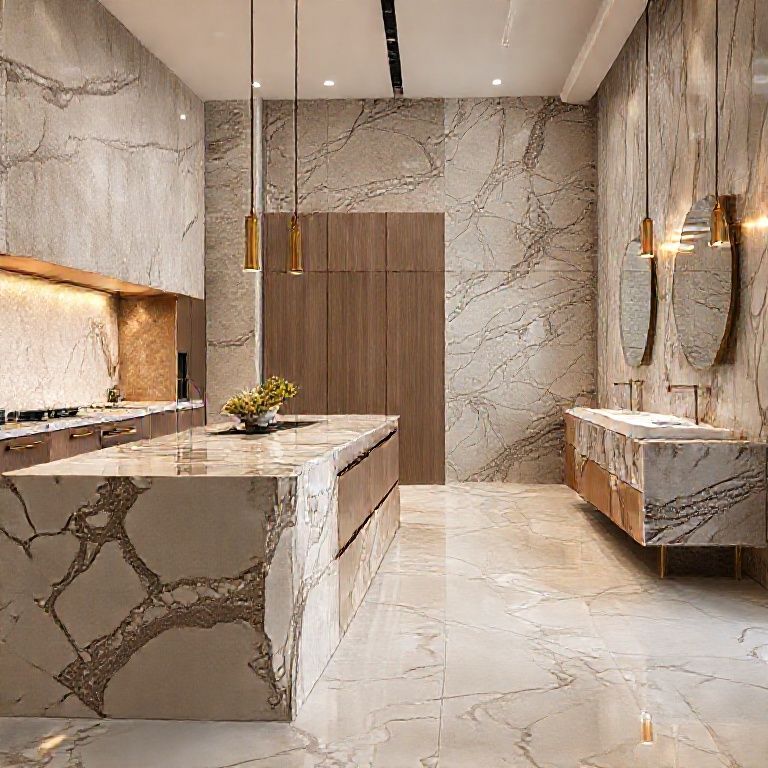
The benefits of artificial stone extend beyond its durability. It offers a wide range of colors and designs, allowing for unlimited customization. Unlike natural stone, which can be expensive due to the variability in price and availability, artificial stone provides a more cost-effective solution. It’s also easier to maintain and repair, reducing the need for professional intervention and associated costs.
In conclusion, the longevity of artificial stone depends on several factors, including its material composition, type, environmental exposure, and maintenance practices. By choosing high-quality artificial stone and following proper installation and maintenance guidelines, you can ensure a long-lasting, low-maintenance surface that enhances the beauty and functionality of your space.
Maximizing the Lifespan of Artificial Stone: Practical Tips and Insights
Artificial stone is an excellent choice for those looking to combine beauty, durability, and low maintenance in their design projects. To make the most out of this versatile material, it’s essential to understand how to maximize its lifespan through practical tips and insights. In this second part, we’ll delve deeper into specific strategies to ensure your artificial stone remains in pristine condition for years to come.
Understanding Surface Treatments
One of the key aspects of maintaining artificial stone is understanding its surface treatments. Most artificial stone surfaces are sealed to enhance their durability and resistance to stains and scratches. However, over time, the sealant can wear off, especially in high-traffic areas. To address this, regular re-sealing is often necessary. Many manufacturers provide guidelines on how often to re-seal their products, typically every few years. It’s important to use the recommended products and methods to ensure the surface remains protected.
Choosing the Right Cleaning Products
The type of cleaning products used on artificial stone can significantly impact its longevity. Harsh chemicals, abrasive cleaners, and steel wool should be avoided as they can scratch and damage the surface. Instead, opt for mild detergents and non-abrasive sponges. For tougher stains, specialized stone cleaners designed for artificial stone can be used sparingly. Always follow the manufacturer’s recommendations for cleaning to prevent damage.
Preventing and Repairing Damage
Preventative measures are crucial in maintaining the integrity of artificial stone. Avoid placing hot pots or pans directly on the surface, as this can cause thermal shock and damage. Use trivets or pot holders to protect the surface from heat. Additionally, sharp objects should be avoided, as they can easily scratch the surface. If a scratch does occur, there are repair kits available specifically for artificial stone that can restore the surface’s appearance.
Handling Spills and Stains
Immediate action is necessary to handle spills and stains effectively. Water should be wiped up promptly to prevent water damage, especially in areas prone to moisture like bathrooms. For stains, act quickly with appropriate cleaning agents. Blot, rather than rub, to avoid spreading the stain. For tougher stains, use a gentle stone cleaner and follow up with a rinse. Regular cleaning routines will help prevent stains from setting in and causing permanent damage.
Avoiding Extreme Conditions
Artificial stone is durable, but it’s not invulnerable to extreme conditions. Prolonged exposure to direct sunlight can cause fading over time, especially if the surface is not sealed properly. To prevent this, consider using window treatments or ensuring adequate shading. Extreme temperatures, both hot and cold, should also be avoided. In areas where temperature fluctuations are common, such as near heating vents or in outdoor settings, extra care should be taken to protect the surface.
Professional Maintenance Services
While regular maintenance at home is essential, professional maintenance services can provide an extra layer of protection and care. Professionals have the expertise and tools to properly clean, seal, and repair artificial stone surfaces. They can also identify and address any issues that may not be visible to the untrained eye. Regular professional maintenance can significantly extend the lifespan of your artificial stone.
Customizing and Upgrading
Artificial stone offers a wide range of colors and designs, allowing for endless customization possibilities. If you’re considering upgrading your existing artificial stone, consult with a professional to explore new options that best suit your aesthetic and functional needs. Customizing with high-quality materials and advanced techniques can further enhance the durability and appearance of your artificial stone surfaces.
Long-term Considerations
When planning for the long-term use of artificial stone, it’s important to consider the entire lifecycle of the material. From installation to maintenance, each step plays a crucial role in ensuring longevity. Investing in high-quality products, following best practices for maintenance, and being proactive about repairs will maximize the lifespan of your artificial stone. By understanding the material’s properties and taking the necessary steps to care for it, you can enjoy the beauty and functionality of artificial stone for many years.
In conclusion, maximizing the lifespan of artificial stone involves a combination of understanding its material properties, choosing the right cleaning products, preventing and repairing damage promptly, and seeking professional maintenance when needed. By following these practical tips and insights, you can ensure that your artificial stone remains a beautiful and durable part of your home or business for years to come.
By understanding and implementing these guidelines, you can ensure that your artificial stone remains a stunning and long-lasting feature in your space. Whether you’re renovating or designing a new space, artificial stone offers a versatile and durable solution that stands the test of time.