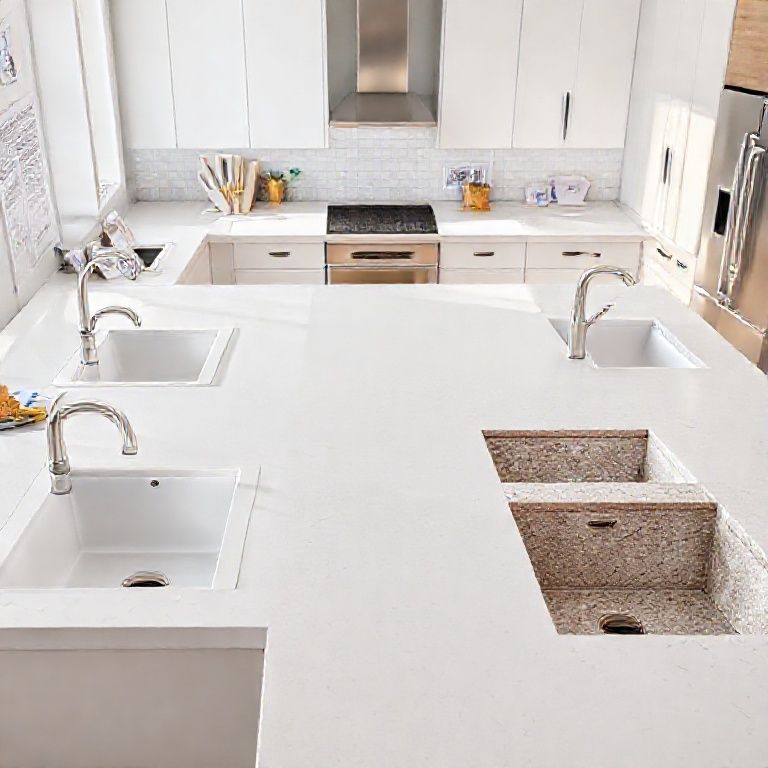
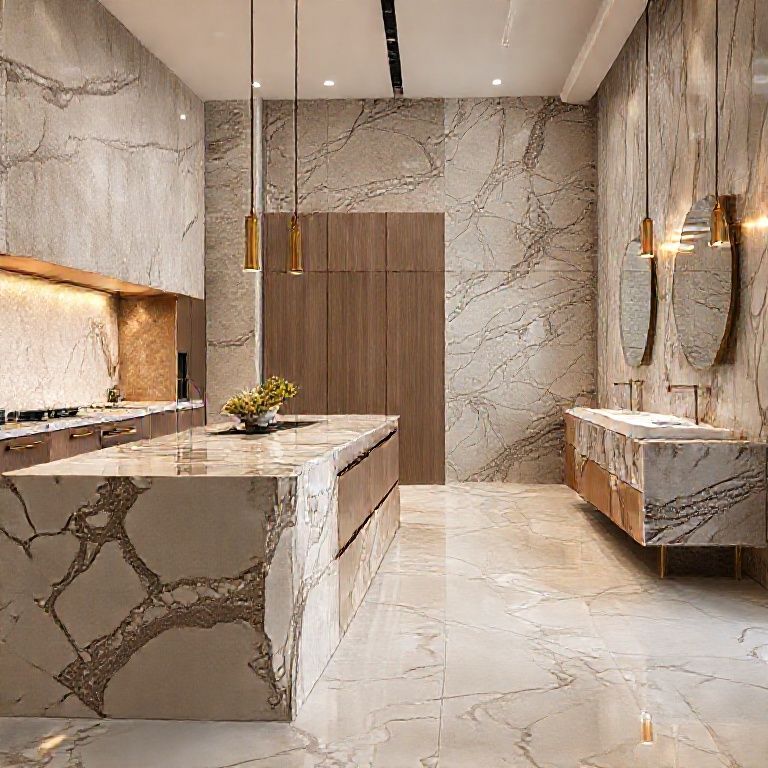
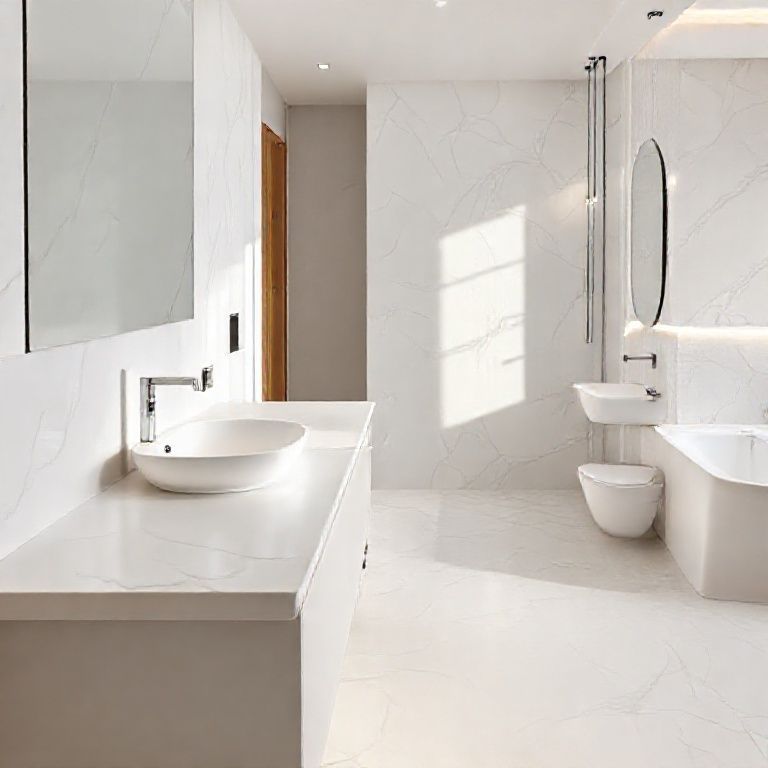
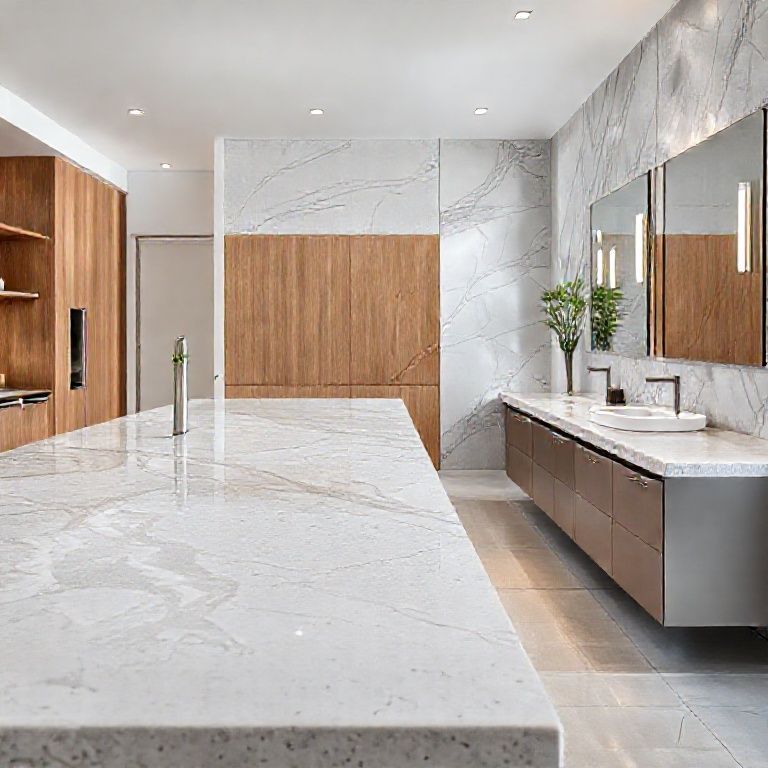
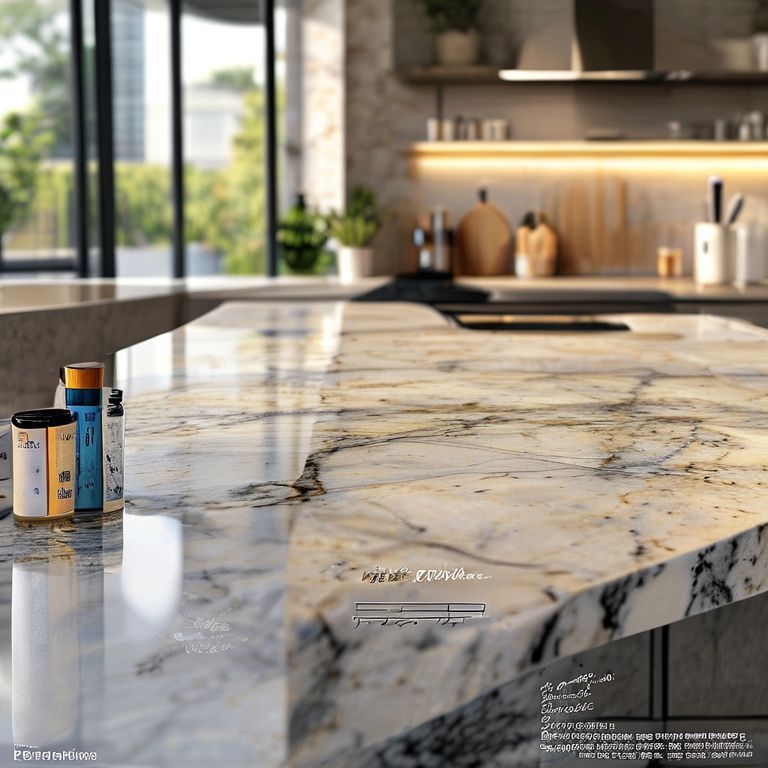
In today’s world, where material safety and health considerations are paramount, the longevity of radiation in synthetic marble has become a topic of considerable interest. The term “synthetic marble” often conjures images of a modern, durable, and aesthetically pleasing material used in countless applications, from kitchen countertops to high-end interior designs. But how long does the radiation in synthetic marble persist, and what does that mean for our safety and well-being?

Understanding Synthetic Marble
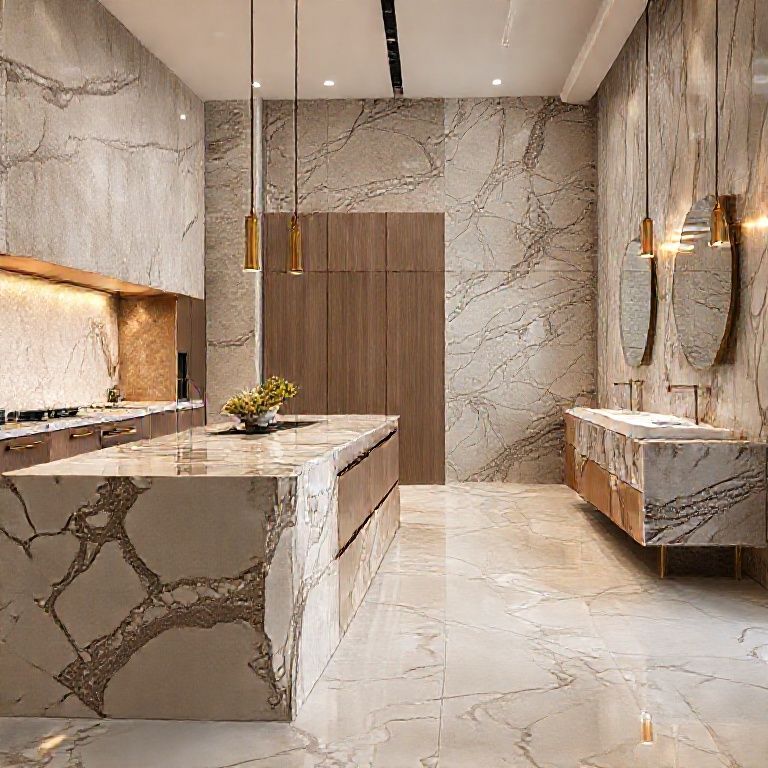
Synthetic marble, also known as engineered stone, is a composite material made from natural minerals like quartz, calcite, and feldspar, bonded together with resins and pigments to mimic the look and feel of traditional marble. This modern material boasts impressive durability, resistance to stains, and a variety of colors, making it a popular choice for many. However, when it comes to radiation, understanding the material’s composition and the nature of its production is crucial.
Radiation in Synthetic Marble: What You Need to Know
The primary concern regarding radiation in synthetic marble revolves around its raw materials—the natural minerals used in its creation. Natural stones, including quartz, often contain trace amounts of radioactive elements like uranium, thorium, and potassium. These elements emit radiation in the form of alpha, beta, and gamma particles, which can pose potential health risks if not properly managed.
However, the production process of synthetic marble significantly reduces the levels of radiation. The high-pressure and temperature conditions during the manufacturing process reduce the concentration of radioactive elements to levels that are considered safe for everyday use. Nonetheless, understanding how long this radiation persists in synthetic marble is essential for ensuring long-term safety.
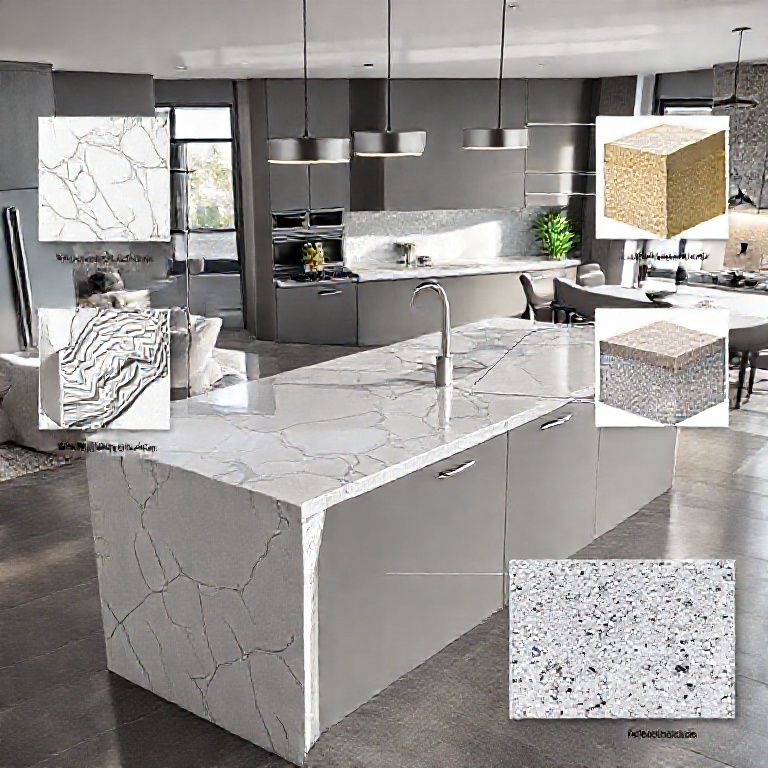
The Science Behind Radiation Persistence
To comprehend how long radiation persists in synthetic marble, it’s vital to delve into the science of radioactive decay. Radioactive elements have a characteristic half-life, which is the time it takes for half of a given quantity of these elements to decay. For example, uranium-238 has a half-life of approximately 4.5 billion years. This means that even after thousands of years, a significant portion of the uranium remains, albeit at a much lower concentration.
In synthetic marble, the radioactive elements present are typically in such minute quantities that their half-lives do not pose an immediate concern. The manufacturing process itself further dilutes these concentrations, ensuring that the radiation emitted from synthetic marble is within safe limits set by regulatory bodies like the International Commission on Radiological Protection (ICRP) and the United States Environmental Protection Agency (EPA).
Comparative Safety: Natural Stone vs. Synthetic Marble
When comparing synthetic marble to natural stone, the latter often contains higher levels of radioactive elements due to its unaltered state. Natural stones like granite can have significant concentrations of uranium, thorium, and potassium, leading to higher levels of radiation. In contrast, synthetic marble undergoes a rigorous process that minimizes these elements, making it a safer option for everyday use.
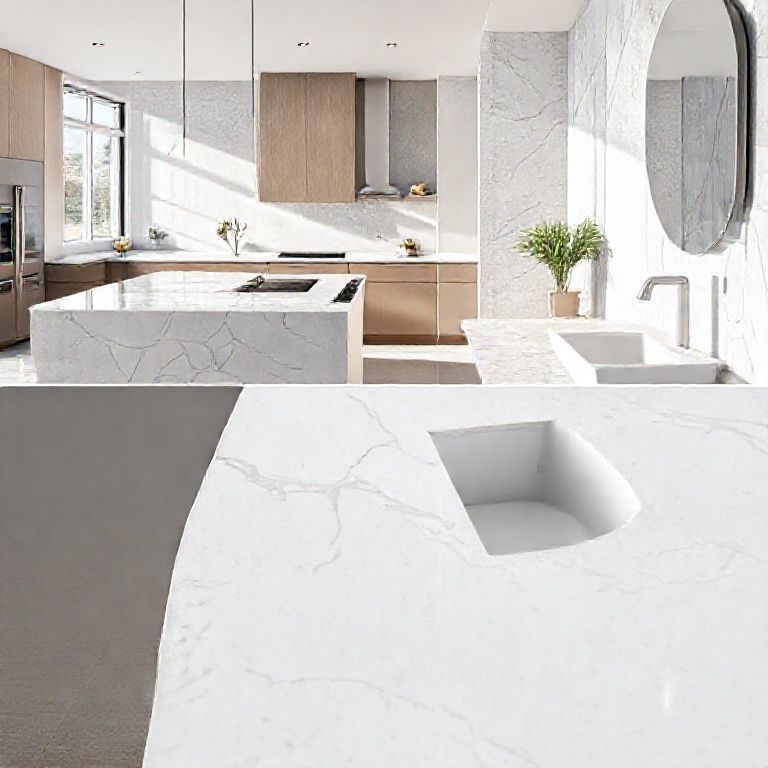
Real-World Implications and Safety Measures
For those concerned about radiation in synthetic marble, it’s essential to understand that the levels emitted are extremely low and are well within the safety thresholds established by health and safety organizations. Nevertheless, certain safety measures can further mitigate any potential risks:
Proper Ventilation: Ensuring adequate ventilation in spaces where synthetic marble is used can help disperse any minute traces of radiation and maintain indoor air quality. Regular Cleaning: Regular cleaning of synthetic marble surfaces can help remove any surface contaminants that might contribute to radiation exposure. Awareness and Education: Staying informed about the latest research and guidelines related to synthetic marble can help individuals make well-informed decisions regarding its use in their homes and workplaces.
Conclusion
The longevity of radiation in synthetic marble is a topic that blends material science with health considerations. While synthetic marble does contain trace amounts of radioactive elements, the manufacturing process significantly reduces these levels, ensuring that the radiation emitted is within safe limits. By understanding the science behind radiation persistence and taking appropriate safety measures, we can confidently use synthetic marble in our everyday lives, knowing that it poses minimal health risks over the long term.
The Longevity of Radiation in Synthetic Marble: A Detailed Analysis
As we continue our exploration into the intriguing world of synthetic marble, it’s essential to delve deeper into the science and technology that govern its production, radiation levels, and long-term safety. In this part, we’ll uncover the nuances of how synthetic marble’s radiation persists, the role of modern manufacturing processes, and the broader implications for public health and safety.
Manufacturing Process and Radiation Reduction
The production of synthetic marble involves several critical steps that contribute to the reduction of radiation levels. The raw materials—quartz, calcite, feldspar, and other minerals—are subjected to high-pressure and high-temperature conditions, which play a pivotal role in minimizing radioactive elements. Here’s a detailed look at the manufacturing process:
Material Preparation: The first step involves grinding and pulverizing the raw minerals to a fine powder. This process ensures that the minerals are uniformly mixed and ready for bonding. Addition of Resins and Pigments: Resins and pigments are added to the mineral powder to create the desired color and bonding strength. The resins used in synthetic marble manufacturing are typically low in volatile organic compounds (VOCs) and do not contribute significantly to radiation levels. High-Pressure and High-Temperature Bonding: The mixture is then subjected to high pressure and temperature, which bond the minerals together. This process not only creates a solid, monolithic structure but also reduces the concentration of radioactive elements. The high-temperature environment causes the radioactive elements to disperse more evenly throughout the material, lowering their concentration in any given area. Cooling and Shaping: After the bonding process, the material is cooled and shaped into the desired form, such as countertops, tiles, or decorative panels.
Scientific Studies and Regulatory Standards
Scientific research and regulatory standards play a crucial role in ensuring that synthetic marble meets safety requirements. Several studies have been conducted to measure radiation levels in synthetic marble and compare them to natural stone and other materials. These studies consistently show that synthetic marble has significantly lower radiation levels than natural stone.
Regulatory bodies like the International Commission on Radiological Protection (ICRP) and the United States Environmental Protection Agency (EPA) have established guidelines for acceptable radiation levels in materials used in everyday life. Synthetic marble consistently meets or exceeds these guidelines, providing reassurance about its safety.
Radiation Levels Over Time
One of the key aspects of understanding radiation in synthetic marble is its behavior over time. Radioactive elements have a characteristic half-life, but the process of manufacturing synthetic marble further reduces their concentration. Here’s how radiation levels change over time:
Initial Radiation Levels: At the point of manufacture, synthetic marble has been processed to reduce its radiation levels to safe limits. The initial radiation levels are thus low, even before any long-term effects are considered. Decay Over Time: Once installed, synthetic marble continues to emit radiation, but due to its low initial concentration and the dilution effect of the manufacturing process, this radiation diminishes over time. The half-lives of the radioactive elements present are so long that the reduction in radiation levels is negligible over the lifespan of the material. Long-Term Safety: Over extended periods, the radiation emitted from synthetic marble remains within safe limits. The cumulative effect of radiation over decades is minimal, given the low initial concentrations and the natural decay process of the radioactive elements.
Public Health and Safety Considerations
Ensuring public health and safety is paramount when it comes to materials used in homes and workplaces. Synthetic marble, with its stringent manufacturing processes and low radiation levels, is a material that aligns well with these goals. Here are some key considerations:
Indoor Air Quality: Proper ventilation in spaces where synthetic marble is used can help disperse any trace amounts of radiation and other potential contaminants, maintaining high indoor air quality. Surface Contamination: Regular cleaning of synthetic marble surfaces can help remove any surface contaminants that might pose a minor risk, although this is generally minimal given the material’s properties. Regulatory Compliance: Synthetic marble manufacturers adhere to strict regulatory standards, ensuring that their products meet or exceed safety guidelines set by health and safety organizations. This compliance provides an additional layer of assurance regarding the material’s safety.
Comparative Analysis: Synthetic vs. Natural Stone
To further understand the radiation levels in synthetic marble, it’s beneficial to compare it with natural stone. Natural stone, such as granite, contains higher concentrations of radioactive elements due to its unaltered state. The levels of radiation in natural stone can vary widely depending on the specific type of stone and its geological origins.
For instance, granite can contain significant amounts of uranium, thorium, and potassium, leading to higher radiation levels. In contrast, synthetic marble undergoes a rigorous manufacturing process that minimizes these elements, making it a safer option for everyday use. Studies have consistently shown that synthetic marble emits radiation at levels comparable to or lower than those found in many other building materials.
Conclusion
The longevity of radiation in synthetic marble is a topic that underscores the balance between material science and health considerations. Through a meticulous manufacturing process, synthetic marble achieves significantly lower radiation继续我们对于人造大理石辐射能维持多久的探讨,我们可以深入了解其在长期使用中的行为,以及如何在实际生活中最大限度地保证其安全性。
长期行为与环境影响
尽管人造大理石在制造过程中经过处理以减少辐射水平,其长期行为仍然值得关注。这主要是因为在使用过程中,材料可能会受到磨损、切割或破损,这些过程可能会释放出微量的辐射。这种辐射在安全范围内,不会对人体健康构成威胁。
实际应用中的安全措施
专业安装与维护: 确保人造大理石的专业安装和定期维护,可以有效减少材料破损和可能的辐射释放。专业人员在安装和维护过程中,会遵循最佳实践,以最大限度地保护材料的完整性。
防护措施: 在进行需要切割或加工的操作时,使用适当的防护措施,如防护眼镜和口罩,可以进一步降低辐射暴露风险。
环境监测: 在大型项目或长期使用环境中,定期进行环境辐射监测,可以及时发现和处理任何可能的异常情况,确保环境和人体健康安全。
环境友好与可持续性
随着环境保护意识的增强,人造大理石的生产和使用也在向更加环境友好和可持续的方向发展。许多生产商正在努力减少材料采购中的环境影响,并改进生产工艺以减少废弃物和能源消耗。这不仅有助于降低对环境的负面影响,也在一定程度上改善了材料的整体安全性。
结论
人造大理石的辐射能维持时间虽然短,但其制造过程中的处理使得其在日常使用中的辐射水平非常低,不会对健康造成威胁。通过专业安装、定期维护和适当的防护措施,可以进一步确保其长期安全使用。随着技术和环保意识的进步,人造大理石的生产和使用将更加安全和可持续。
因此,在选择和使用人造大理石时,结合科学知识和实际需求,可以更好地享受其优越的性能和美观。
这就是关于人造大理石辐射能维持多久的详细探讨。希望这些信息能帮助您更全面地了解人造大理石的安全性和使用方法。如果您有更多问题或需要进一步的信息,随时欢迎提问。