Unveiling the Composition and Production of Artificial Marble
Artificial marble, often lauded for its durability and aesthetic appeal, has become a favored choice in many construction and interior design projects. However, beneath its polished surface lie questions that demand thorough scrutiny. This first part will explore the composition, production process, and the inherent risks that come with this synthetic material.

The Composition of Artificial Marble
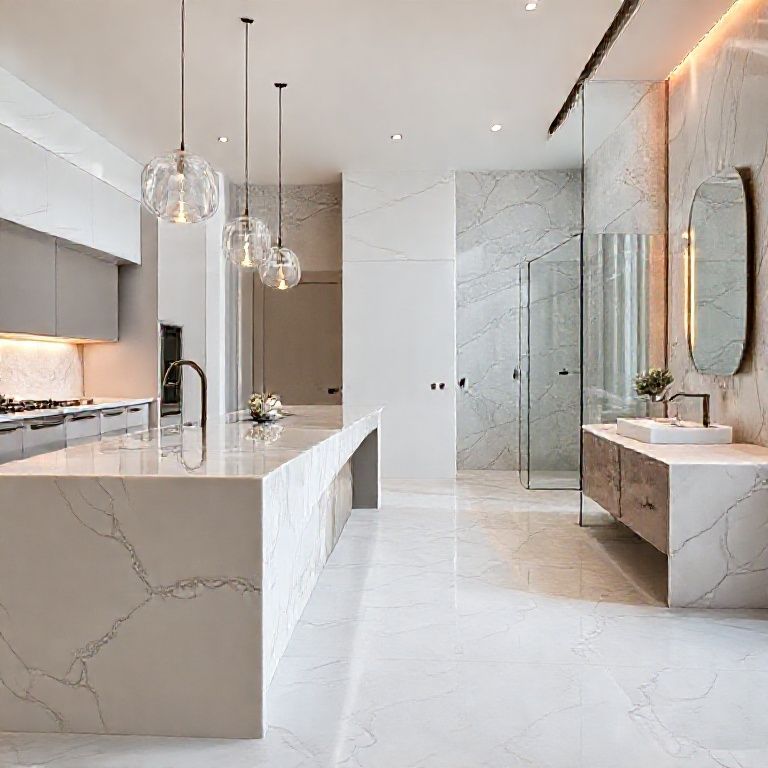
Artificial marble, also known as engineered stone, is primarily composed of a mixture of minerals such as quartz, resins, and pigments. The production process involves the meticulous layering of these materials under high pressure and temperature. This combination is engineered to mimic the natural beauty of marble, but it also raises significant questions about the safety and sustainability of the materials used.
Quartz, a key component, is responsible for the stone’s hardness and resistance to scratches. However, when processed into artificial marble, it is often in a powdered form which can release fine particles during production and use. These particles can pose respiratory hazards, especially in manufacturing plants and during installation.
The Production Process
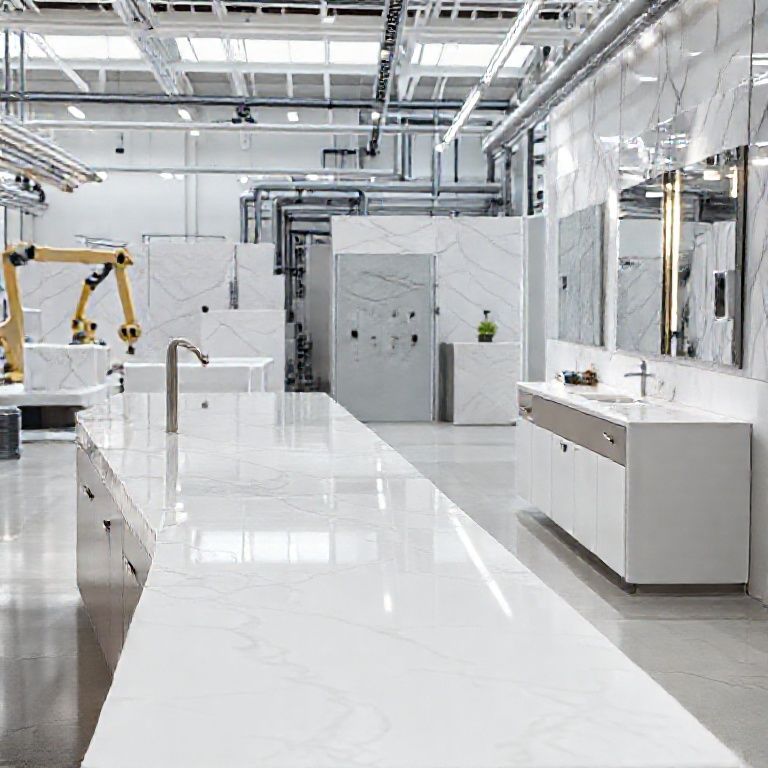
The creation of artificial marble is a complex procedure that involves several stages. Initially, raw materials like quartz are crushed into a fine powder and mixed with resins and colorants. This mixture is then poured into molds and subjected to high pressure and temperature in a process called hot pressing. The result is a solid, stone-like material that can be cut and shaped to fit various design requirements.
While the process itself is highly controlled, it is not without its risks. The use of resins and other chemicals during production can release volatile organic compounds (VOCs). VOCs are known to contribute to air pollution and can have adverse health effects, including respiratory problems and irritation of the eyes and skin.
Health Risks Associated with Artificial Marble
One of the primary concerns with artificial marble is the potential health risks associated with its components. The fine particles of quartz that are an integral part of the material can become airborne during cutting, polishing, and other handling processes. Inhalation of these particles can lead to silicosis, a serious lung disease caused by the inhalation of silica dust.
Moreover, the resins and other binding agents used in artificial marble production can off-gas harmful chemicals. These off-gassed chemicals can contribute to indoor air pollution, posing risks to people who spend extended periods in environments where artificial marble is used.

Environmental Impact
The environmental impact of artificial marble extends beyond immediate health concerns. The production process involves the use of non-renewable resources, primarily quartz, which is extracted from the earth. This mining process can lead to habitat destruction and environmental degradation in the areas where it occurs.
Additionally, the production of artificial marble generates waste. Although manufacturers strive to minimize waste, the process does produce by-products that require careful management to prevent environmental contamination. The use of resins and other chemicals also raises concerns about the potential for chemical spills and leaks during production and transportation.
Conclusion
While artificial marble offers significant advantages in terms of durability and design flexibility, the questions surrounding its composition, production process, and potential health and environmental risks cannot be ignored. In the next part of this article, we will delve deeper into these concerns and explore whether the hazards associated with artificial marble are truly permanent.
Long-Term Effects and Alternatives to Artificial Marble
Having explored the composition, production process, and initial concerns surrounding artificial marble, we now turn our attention to the long-term effects and potential alternatives to this synthetic material. This part will address the lasting impacts of artificial marble on health, the environment, and structural integrity, as well as explore sustainable alternatives.
Long-Term Health Effects
The long-term health effects of artificial marble are a subject of ongoing research and debate. While the immediate risks of inhaling quartz particles and exposure to VOCs are well-documented, the long-term consequences are less clear. Chronic exposure to silica dust can lead to various respiratory conditions, including chronic obstructive pulmonary disease (COPD) and lung cancer. Although artificial marble is engineered to be less dusty than natural marble, the fine particles that do escape can still pose a risk over time.
Furthermore, the long-term exposure to chemicals used in the production of artificial marble, such as resins and bonding agents, remains a concern. These chemicals can leach into the environment and potentially contaminate water supplies. The long-term health effects of such exposure are still being studied, but early findings suggest potential links to various chronic health conditions.
Environmental Sustainability
The environmental sustainability of artificial marble is another critical concern. The production process relies heavily on non-renewable resources, particularly quartz. The extraction of quartz involves significant environmental impact, including habitat destruction and the release of greenhouse gases.
Additionally, the manufacturing process generates waste, which must be managed to prevent environmental contamination. The use of resins and other chemicals also raises concerns about the potential for chemical spills and leaks during production, transportation, and use. The long-term environmental impact of these processes is a growing area of concern and research.
Structural Integrity and Durability
One of the primary selling points of artificial marble is its durability and resistance to scratches and stains. While artificial marble does offer impressive durability, its long-term structural integrity is still a subject of debate. Over time, artificial marble can experience surface degradation, especially when exposed to extreme temperatures and harsh chemicals.
Moreover, the bonding agents used in artificial marble can degrade over time, leading to structural weaknesses. This degradation can manifest as surface cracking or even complete structural failure in severe cases. While artificial marble is designed to be long-lasting, its performance can be influenced by factors such as quality of production, maintenance, and exposure to environmental elements.
Alternatives to Artificial Marble
Given the concerns surrounding artificial marble, many are exploring alternatives that offer similar aesthetic appeal while minimizing health and environmental risks. Natural stone, such as real marble, granite, and travertine, remains a popular choice for those seeking a more sustainable option.
Natural stone offers timeless beauty and durability, but it also comes with its own set of considerations. For instance, natural stone can be more expensive and requires careful maintenance to prevent damage. However, it does not pose the same long-term health and environmental risks as artificial marble.
Another alternative is the use of sustainably sourced materials, such as bamboo and other renewable resources. These materials offer a low-impact option for those looking to reduce their environmental footprint. While they may not have the same durability as artificial or natural stone, advancements in material science are making these alternatives increasingly viable.
Conclusion
The hazards associated with artificial marble are complex and multifaceted, involving health, environmental, and structural concerns that may persist over time. While artificial marble offers undeniable benefits in terms of design and durability, the long-term effects of its use are still being studied. As awareness of these risks grows, many are turning to alternatives that offer a more sustainable and safer option.
In the ever-evolving landscape of construction and interior design, it is essential to weigh the benefits and risks of materials like artificial marble carefully. By understanding the full scope of its hazards and exploring sustainable alternatives, we can make more informed decisions that protect both our health and the environment for generations to come.