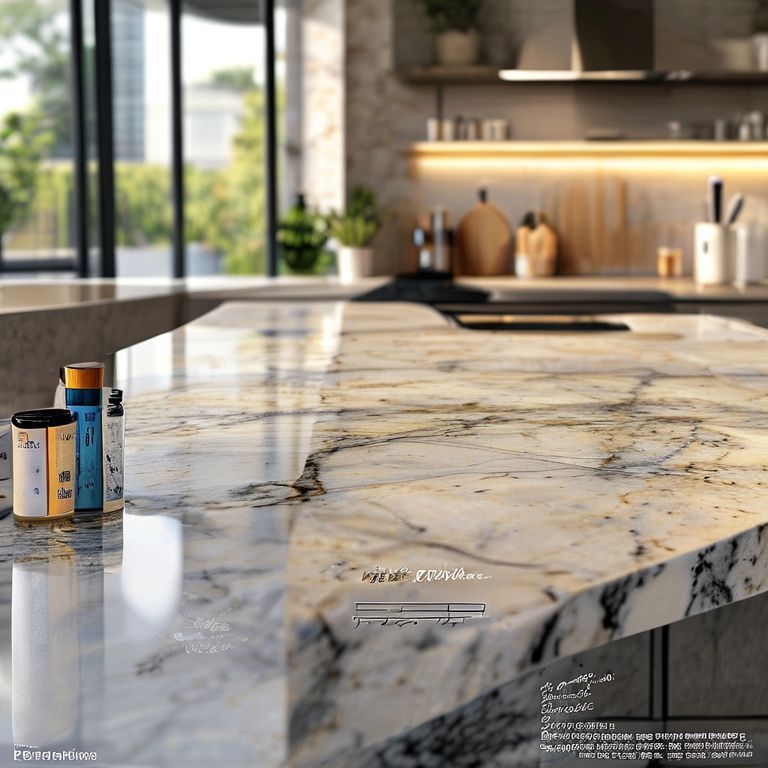
The Pros of Artificial Marble: A Modern Marvel in Interior Design
In the world of contemporary design, artificial marble has emerged as a stunning alternative to traditional materials. This synthetic stone, often crafted from a mixture of resins, pigments, and minerals, offers a myriad of benefits that make it a popular choice for homeowners and designers alike. Here, we explore the remarkable advantages of artificial marble that have captured the hearts of many.

1. Aesthetic Appeal and Versatility
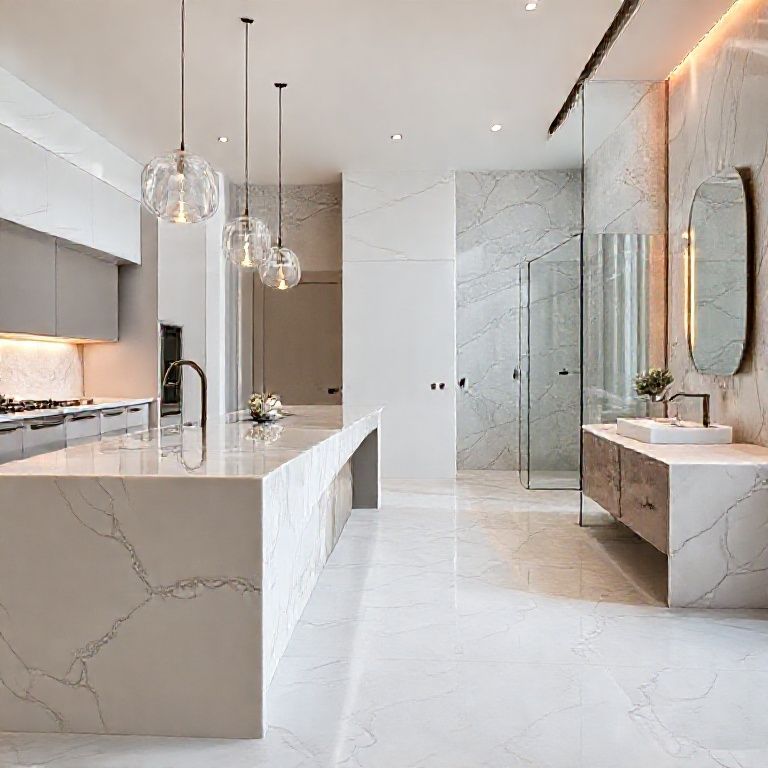
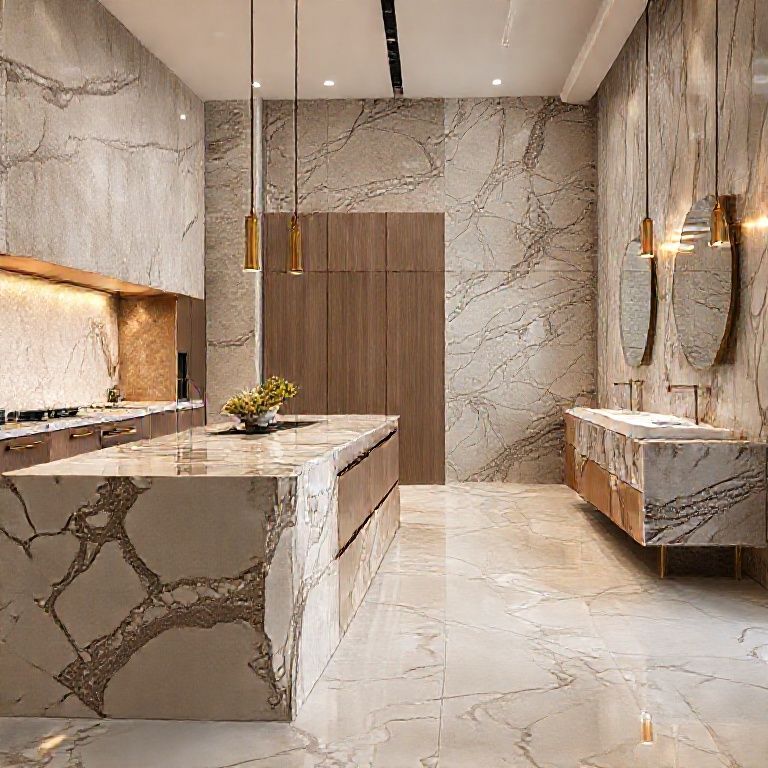
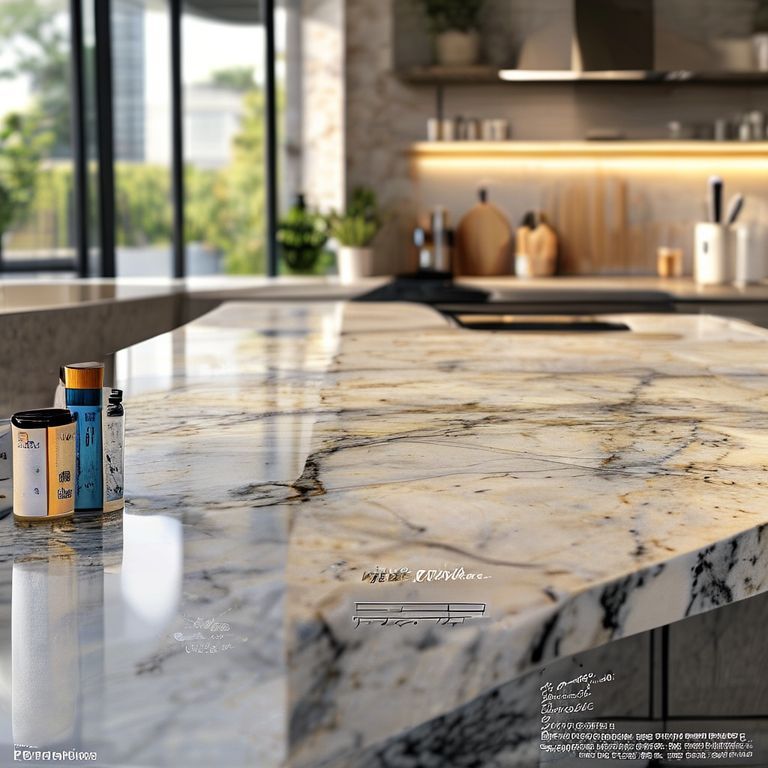
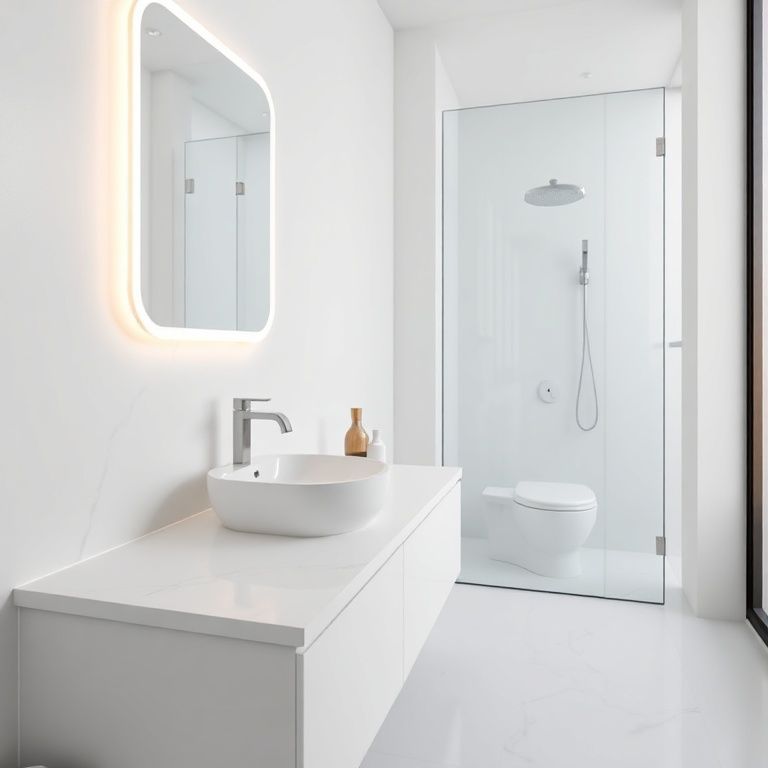
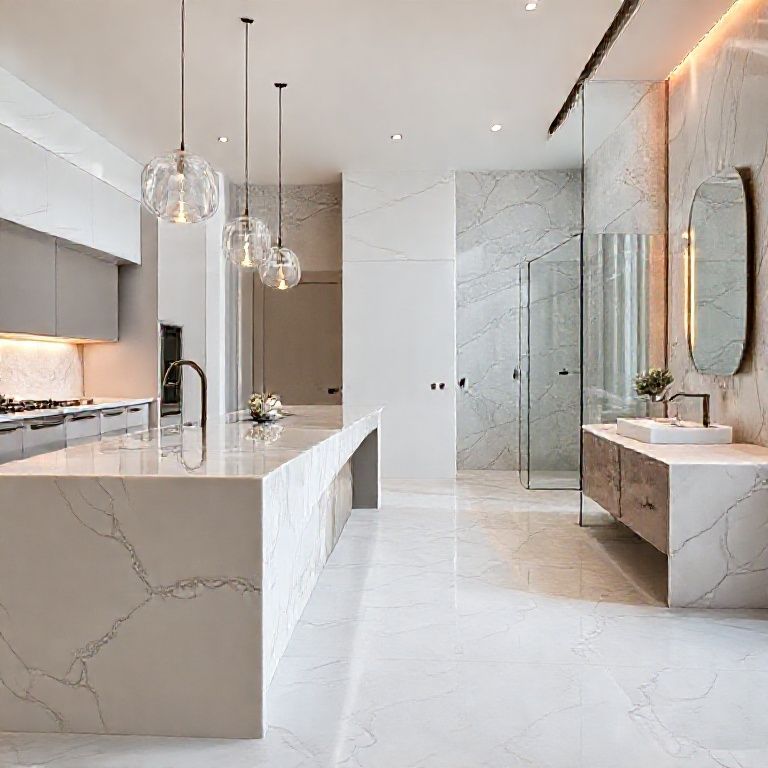
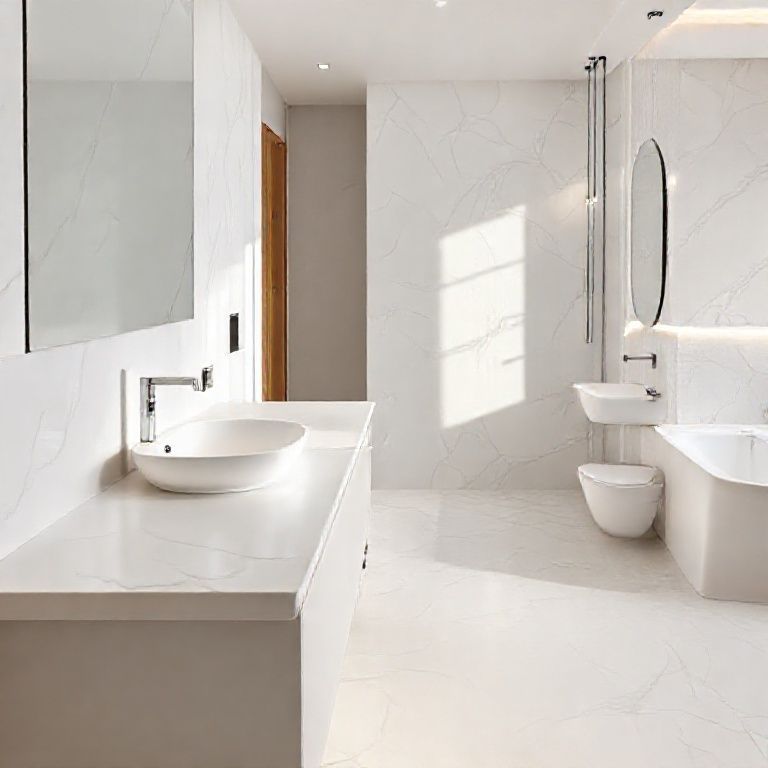
One of the most compelling reasons for choosing artificial marble is its aesthetic appeal. This material replicates the exquisite look of natural marble with an unmatched level of detail and consistency. The ability to create intricate designs and patterns that mirror the natural beauty of marble makes it an attractive option for those looking to enhance their interior spaces without the price tag of genuine marble.
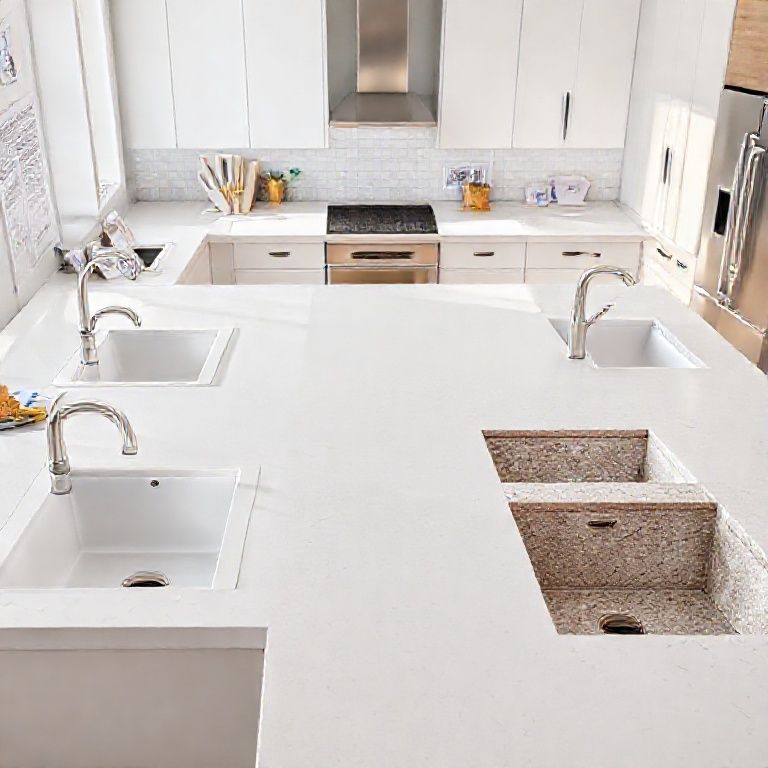
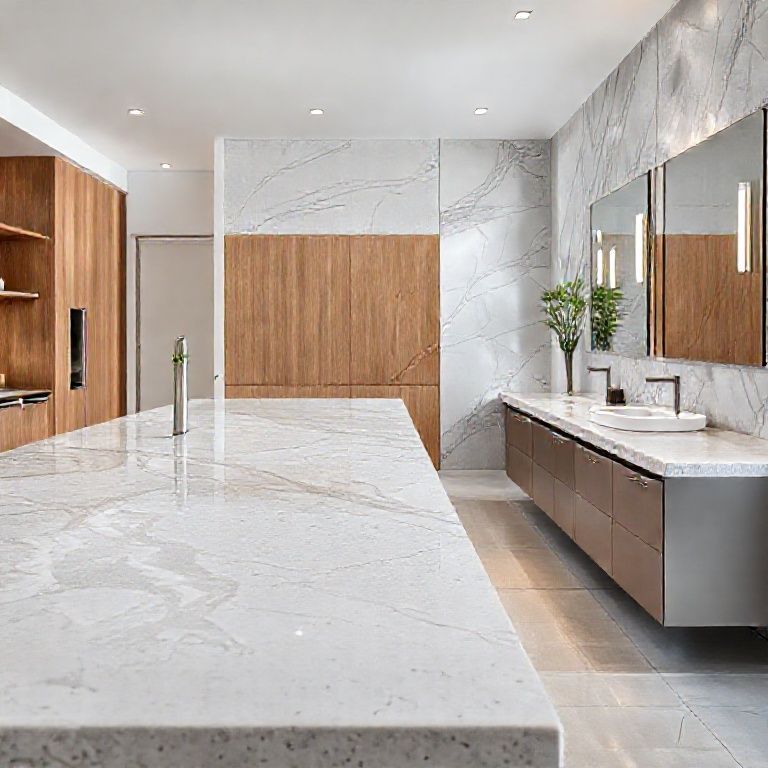
Artificial marble also offers incredible versatility. Designers can mold it into various shapes and sizes to fit any space, from sleek countertops to elegant tabletops and stylish flooring. This flexibility allows for a wide range of applications, making it suitable for both commercial and residential projects. Whether you’re looking to add a touch of luxury to your kitchen or create a stunning focal point in your living room, artificial marble can be customized to meet your aesthetic needs.
2. Durability and Longevity
Artificial marble is renowned for its durability. Unlike natural stone, which can be prone to scratches, chips, and stains, this synthetic material is highly resistant to these issues. It maintains its pristine appearance over time, providing a long-lasting solution for your interior design needs.
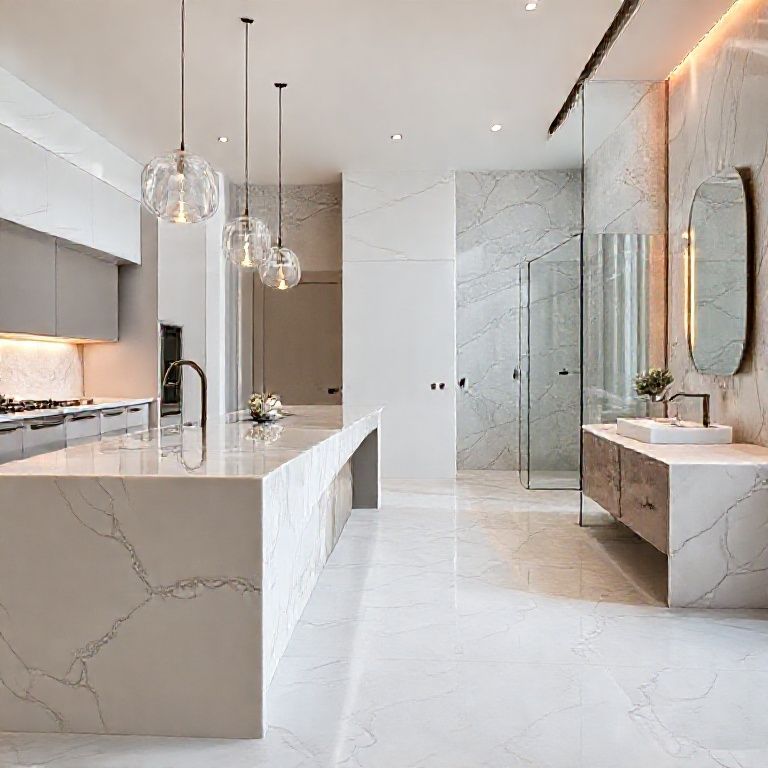
The durability of artificial marble also means it requires less maintenance compared to other materials. It doesn’t need sealing as often, and minor scratches can usually be buffed out with a simple polish, making it an ideal choice for high-traffic areas where wear and tear are common.
3. Cost-Effectiveness
One of the most significant advantages of artificial marble is its cost-effectiveness. Producing artificial marble is generally cheaper than sourcing and processing natural marble, leading to more affordable pricing for consumers. This cost-effective nature makes it accessible to a broader range of people who want the look of marble without the hefty price tag.
Additionally, because artificial marble is less prone to damage, it also reduces the need for frequent repairs and replacements, which can be costly. This longevity contributes to its overall cost-effectiveness, ensuring that you get the best value for your investment.
4. Eco-Friendly Production
In an era where sustainability is paramount, artificial marble stands out as an eco-friendly option. The production of artificial marble typically involves fewer resources compared to natural stone quarrying. There’s less waste generated, and the environmental impact is significantly lower.
Moreover, the synthetic material is often made from recycled materials, which adds another layer of eco-consciousness to its profile. This makes artificial marble an attractive choice for environmentally-conscious consumers who still want to enjoy the beauty of marble without compromising on their green values.
5. Customization and Innovation
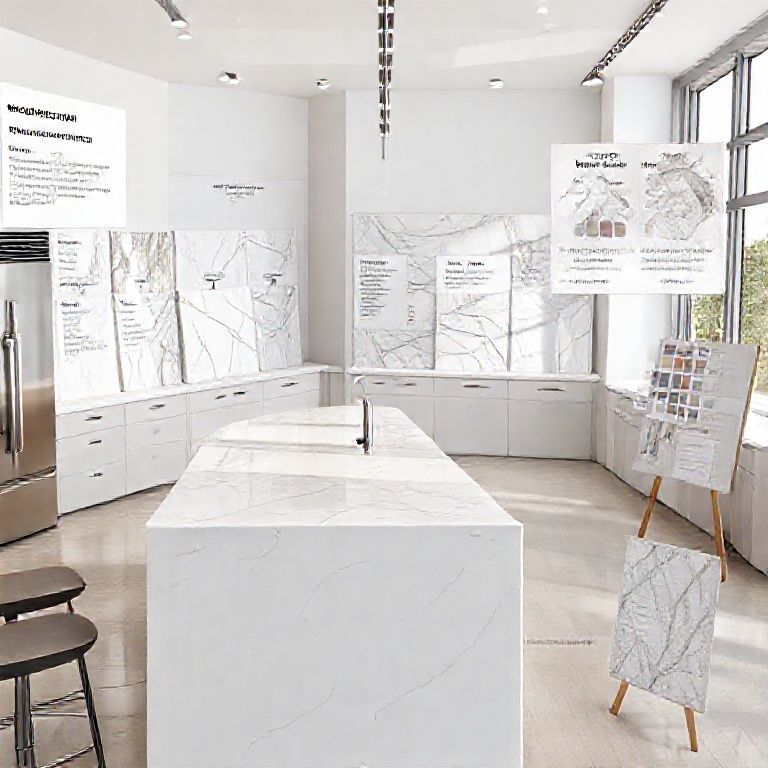
Artificial marble offers endless possibilities for customization and innovation. The manufacturers can create a wide array of colors, textures, and finishes to suit specific design requirements. This flexibility allows for unique and bespoke creations that can be tailored to meet individual preferences and needs.
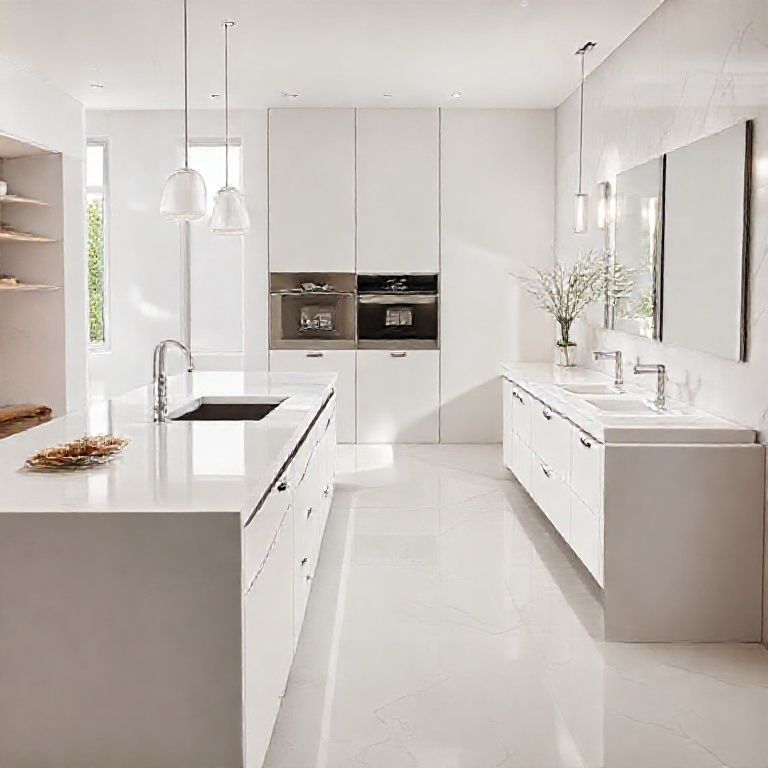
Innovations in artificial marble technology continue to evolve, pushing the boundaries of what this material can achieve. From enhanced scratch resistance to innovative designs and finishes, the possibilities are virtually limitless. This constant evolution ensures that artificial marble remains at the forefront of design trends and technological advancements.
The Cons of Artificial Marble: Navigating the Challenges
While artificial marble boasts a plethora of benefits, it’s essential to weigh these against its potential drawbacks to make an informed decision. Understanding the limitations of this material can help you determine if it’s the right fit for your specific needs and preferences.
1. Limited Natural Look
Despite its sophisticated replication of natural marble, artificial marble may not entirely capture the unique beauty of natural stone. While it can mimic the appearance of marble to a remarkable degree, there are subtle differences that some may notice upon close inspection.
The natural variations found in genuine marble, such as veining and color gradients, are often challenging to replicate perfectly in synthetic materials. For those who seek the authentic, organic beauty of natural stone, this might be a significant drawback. However, advancements in technology continue to push the boundaries, making the differences increasingly hard to detect.
2. Heat Sensitivity
One of the notable drawbacks of artificial marble is its sensitivity to heat. Unlike natural stone, which can withstand high temperatures, artificial marble can melt or deform when exposed to excessive heat. This makes it unsuitable for areas where hot pots or pans are frequently placed, such as over open flames or direct heat sources.
To avoid potential damage, it’s crucial to use heat-resistant pads or trivets when placing hot items on surfaces made of artificial marble. While this is a manageable precaution, it’s something to consider when planning the use of this material in your home or commercial space.
3. Potential for Allergens
Although artificial marble is typically crafted from non-toxic materials, some components might release low levels of volatile organic compounds (VOCs) during the curing process. These compounds can potentially trigger allergies or respiratory issues for some individuals.
To mitigate this risk, it’s advisable to choose high-quality products from reputable manufacturers that prioritize low VOC emissions. Proper ventilation during installation and curing is also essential to minimize any potential health concerns.
4. Installation and Maintenance Challenges
While artificial marble is highly durable, its installation can sometimes be more complex than other materials. The process may require specialized tools and expertise, which can add to the overall cost and time of installation. It’s essential to work with experienced professionals who understand the nuances of working with this material to ensure a flawless finish.
In terms of maintenance, while artificial marble is relatively low-maintenance, it still requires regular care to keep its surface looking its best. Cleaning with appropriate products and avoiding abrasive materials can help maintain its pristine appearance. However, the need for regular upkeep can be seen as a minor inconvenience compared to the benefits it offers.
5. Limited Availability of Custom Designs
While artificial marble offers extensive customization, the availability of truly bespoke designs might be limited compared to natural stone. Natural marble, with its unique patterns and colors, allows for more tailored and one-of-a-kind creations. For those seeking highly personalized designs that reflect their unique style, natural marble might still hold an edge.
However, the gap between artificial and natural marble in terms of design possibilities is narrowing, thanks to advancements in manufacturing technology. As the industry continues to innovate, more custom designs are becoming feasible with artificial marble, bridging the gap with natural stone.
Conclusion: Making an Informed Decision
Artificial marble presents a compelling case with its aesthetic appeal, durability, cost-effectiveness, eco-friendliness, and innovative potential. However, it’s not without its challenges, including its limited natural look, heat sensitivity, potential for allergens, installation complexities, and limited availability of custom designs.
When considering whether artificial marble is the right choice for your space, it’s important to weigh these pros and cons carefully. Evaluate your specific needs, preferences, and the intended use of the material. Consult with professionals who can provide expert advice tailored to your unique situation.
In the end, whether you choose artificial marble or another material, the goal is to create a space that reflects your style and meets your functional requirements. With thoughtful consideration and informed decision-making, you can enjoy the beauty and benefits of artificial marble while navigating its limitations effectively.