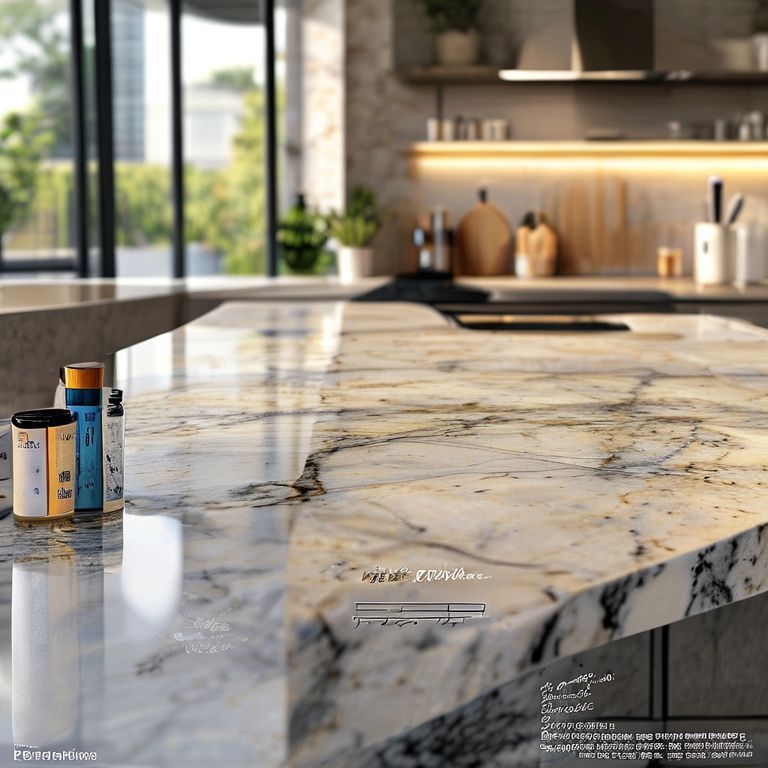
The Pros and Cons of Artificial Marble: A Comprehensive Exploration
Artificial marble, often known as engineered stone, has revolutionized the world of interior design and home improvement. With its stunning appearance and versatile applications, it has become a popular choice for many homeowners and designers. However, like any material, it has its own set of advantages and disadvantages. This article will delve into the myriad benefits and potential drawbacks of artificial marble, helping you make an informed decision about whether it’s the right choice for your space.

Durability and Longevity
One of the most significant advantages of artificial marble is its durability. Unlike natural stone, which can be prone to chipping, cracking, and staining, artificial marble is engineered to be highly resistant to these issues. The materials used in its production, such as quartz and other minerals, are bound together in a way that creates a solid, monolithic surface. This not only makes it highly durable but also long-lasting, often outlasting many other types of countertops.
Cost-Effectiveness
Another major benefit of artificial marble is its cost-effectiveness. While the initial price of artificial marble may be higher than some cheaper alternatives like laminate or vinyl, it is generally more affordable than natural stone options such as granite or marble. This makes it an excellent choice for those who want the appearance of high-end stone without the premium price tag. Additionally, its lower maintenance requirements can save you money in the long run, as you won’t need to spend as much on repairs or professional cleaning services.
Versatility and Design Flexibility
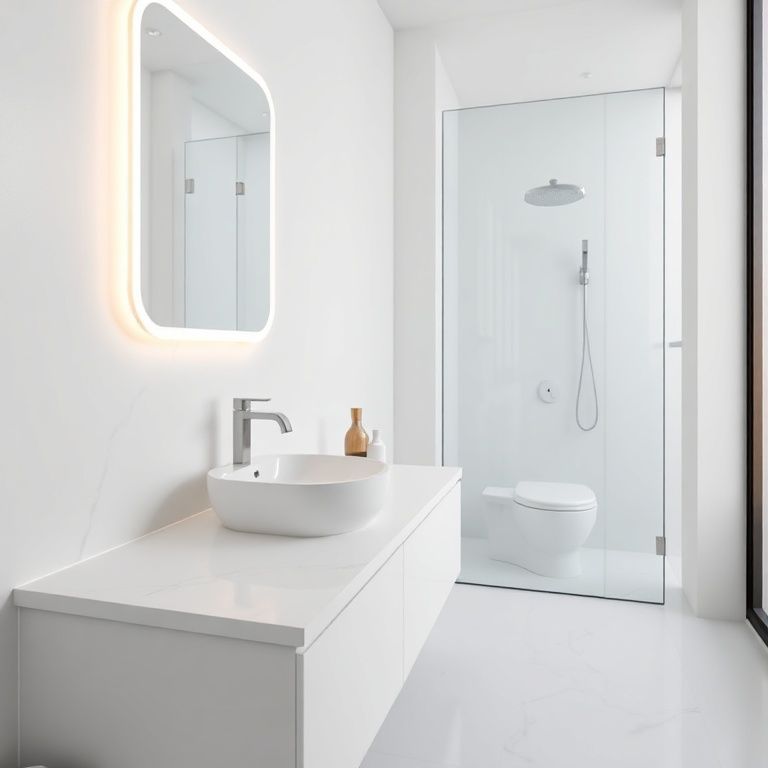
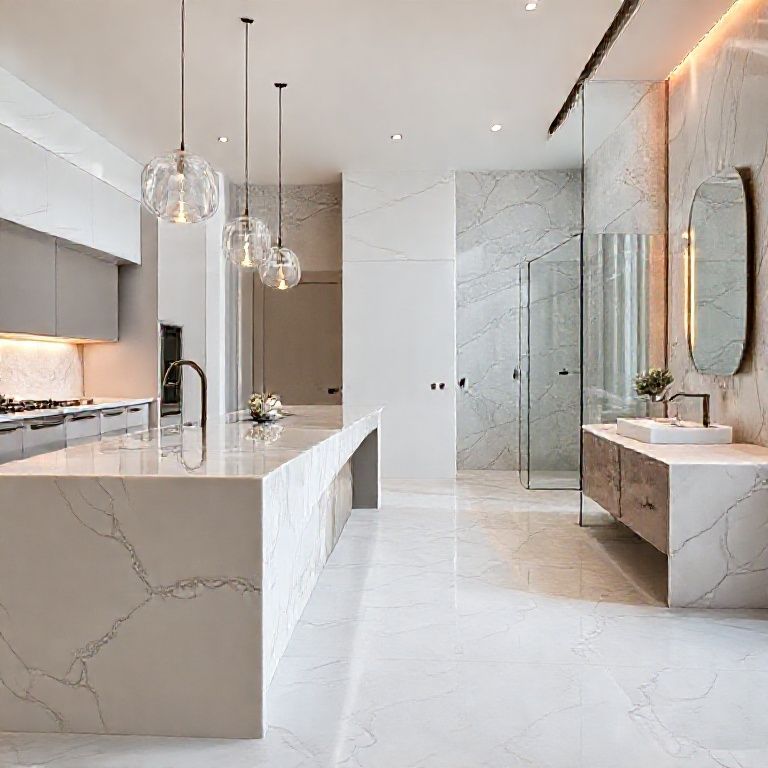
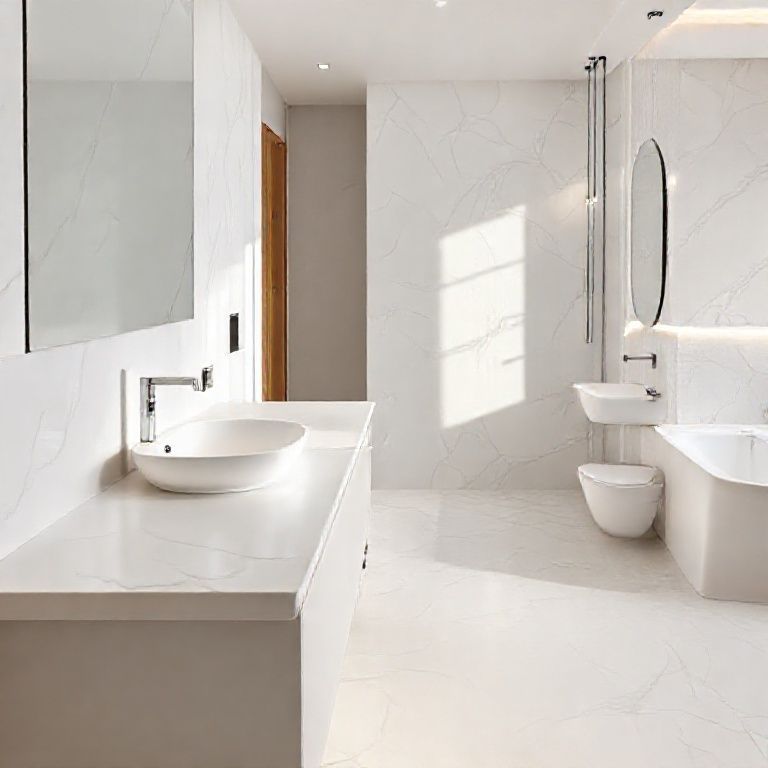
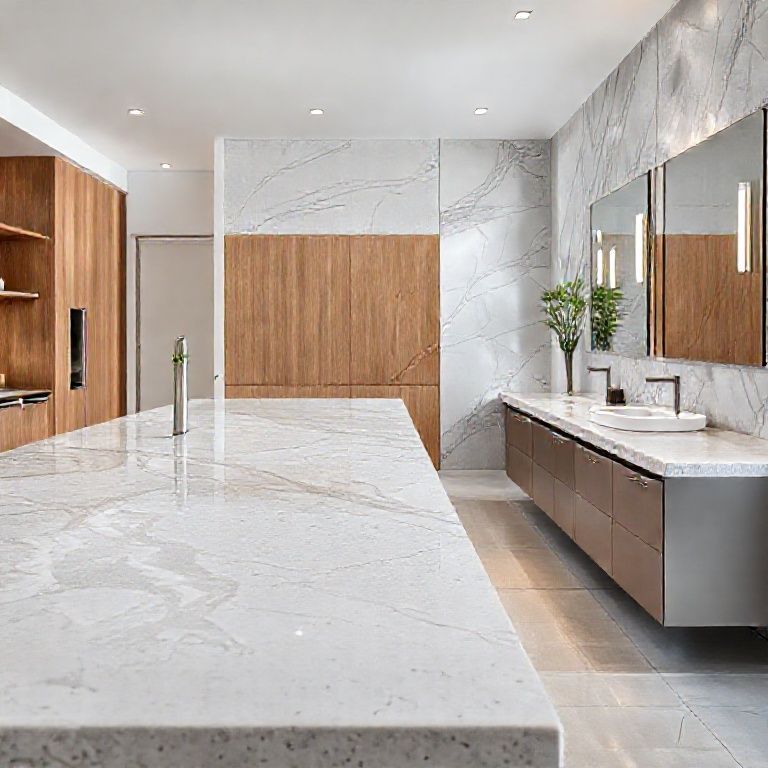
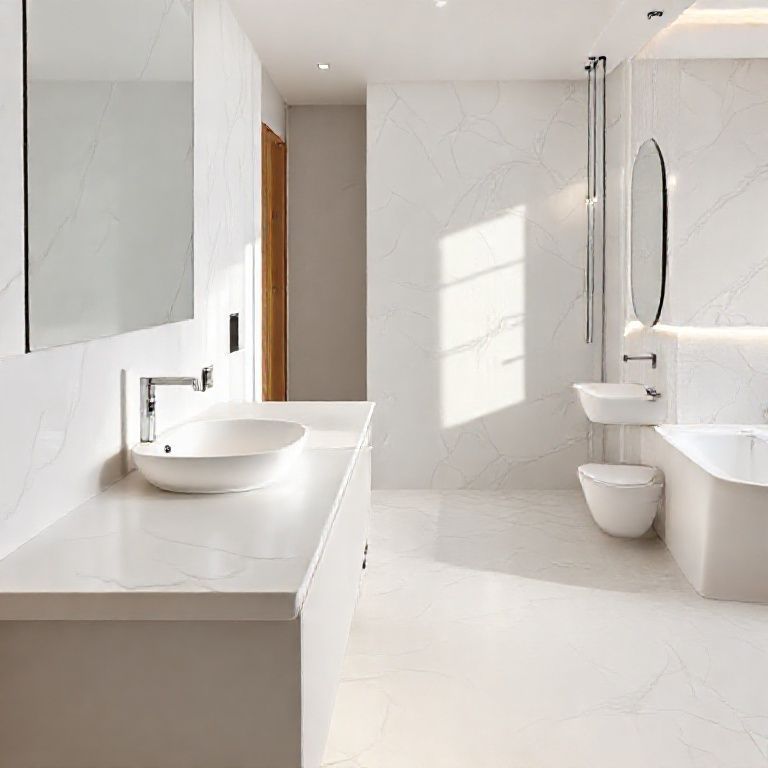
Artificial marble offers an impressive range of colors, patterns, and finishes, making it incredibly versatile for various design applications. You can mimic the look of natural stone or choose from a wide array of modern and contemporary designs. Whether you want a classic marble look or a unique, one-of-a-kind finish, artificial marble can be tailored to suit your specific aesthetic needs. This flexibility makes it an ideal choice for both residential and commercial spaces, from kitchen countertops to bathroom vanities and beyond.
Ease of Installation
The installation process for artificial marble is relatively straightforward and can often be completed by a professional in a few hours. Unlike natural stone, which may require specialized cutting and fitting, artificial marble can be cut to size using standard tools and installed without the need for grout or additional adhesives. This simplicity not only speeds up the installation process but also reduces the risk of errors, ensuring a clean and professional finish.
Environmental Considerations
Artificial marble is also a more environmentally friendly option compared to natural stone. The production of natural stone often involves significant environmental impact, including habitat destruction and water usage. In contrast, artificial marble can be manufactured using recycled materials and is generally more sustainable. Additionally, it does not require the extensive quarrying processes associated with natural stone, reducing its carbon footprint.
Chemical Resistance
One of the standout benefits of artificial marble is its chemical resistance. It is highly resistant to acids, alkalis, and other chemicals that can damage other types of surfaces. This makes it an excellent choice for high-traffic areas such as kitchens and bathrooms, where it is exposed to cleaning agents and other harsh chemicals on a regular basis. Its resistance to staining and etching also means it will maintain its appearance over time, even with frequent use.
Aesthetic Appeal
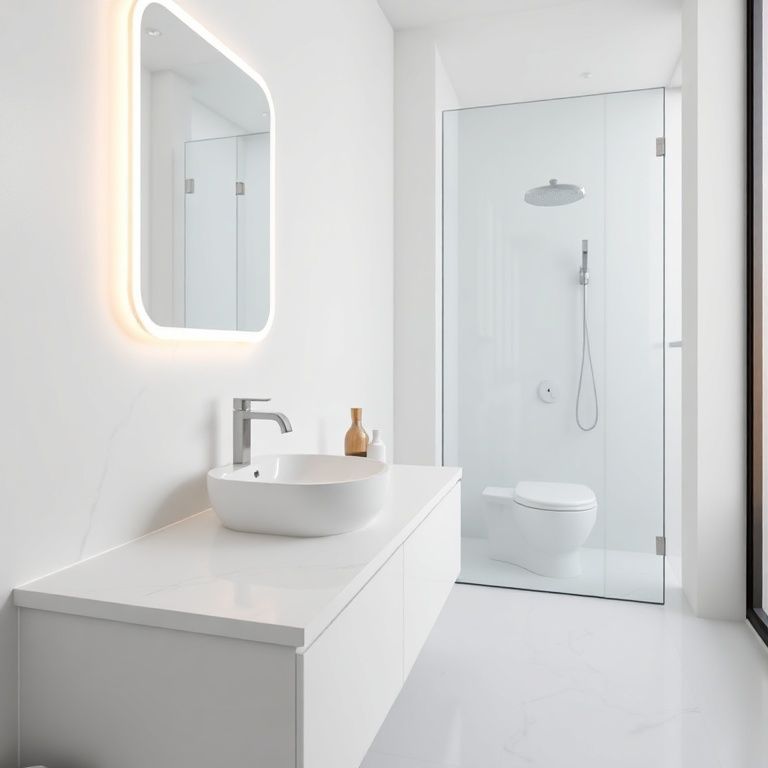
The aesthetic appeal of artificial marble cannot be understated. Its polished, smooth surface provides a sleek and modern look that can complement a wide range of design styles. The ability to create custom colors and patterns means that artificial marble can be tailored to match any decor, from traditional to ultra-modern. This flexibility in design makes it a popular choice for those looking to update their space with a high-end finish without breaking the bank.
Conclusion
Artificial marble offers numerous benefits that make it an attractive option for both residential and commercial projects. Its durability, cost-effectiveness, versatility, ease of installation, environmental sustainability, chemical resistance, and aesthetic appeal are significant factors that contribute to its growing popularity. While it does have some drawbacks, the advantages often outweigh the cons, making it a worthy consideration for your next home improvement project.
The Pros and Cons of Artificial Marble: A Comprehensive Exploration
Continuing our exploration of artificial marble, we delve deeper into its potential disadvantages to provide a balanced view of this versatile material. While artificial marble has many advantages, it is essential to understand its limitations to make an informed decision about its suitability for your specific needs.
Weight and Installation Complexity
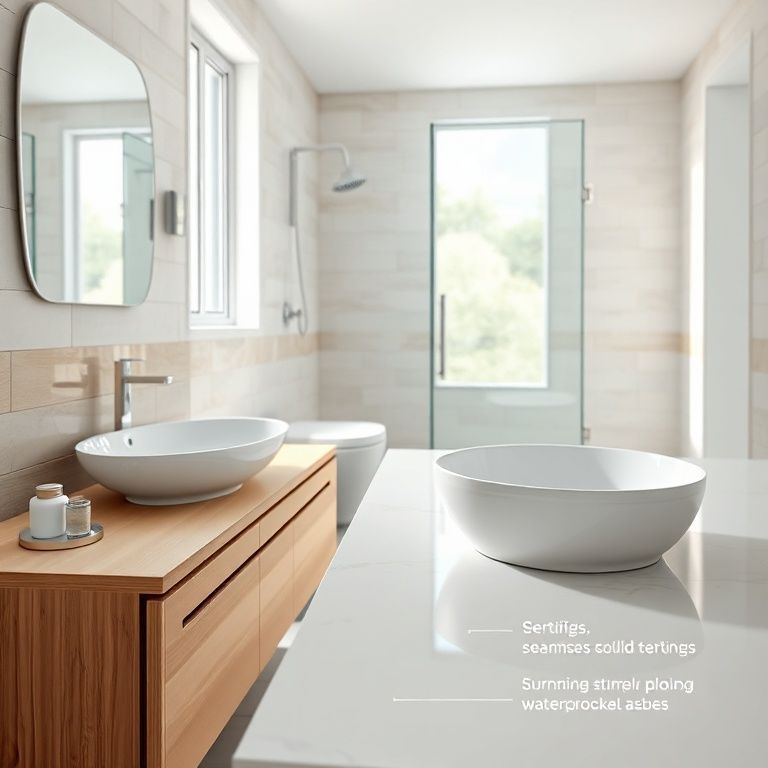
One of the primary disadvantages of artificial marble is its weight. Unlike lighter materials such as laminate or vinyl, artificial marble is relatively heavy. This can pose challenges during installation, particularly in areas where the substrate is not particularly strong or if the installation requires significant structural support. The weight can also make it difficult to install on certain types of surfaces, such as those with uneven or delicate flooring.
Potential for Damage
Although artificial marble is highly durable, it is not indestructible. While it is resistant to chips and cracks, it can still be damaged by extreme impacts or the use of abrasive cleaning tools. This means that while it is less likely to show signs of wear compared to natural stone, it is not entirely immune to damage. Ensuring proper care and maintenance is essential to preserve its appearance and longevity.
Heat Resistance
While artificial marble is resistant to many chemicals and stains, its heat resistance is somewhat limited compared to natural stone. Although it can withstand moderate heat, prolonged exposure to high temperatures can cause it to discolor or warp. This makes it less suitable for areas where it will be exposed to direct heat sources, such as over a stove or grill. It is important to consider the placement and usage patterns of artificial marble to avoid potential heat damage.
Aging and Fading
Another potential drawback of artificial marble is its susceptibility to fading over time. While it is generally more resistant to fading than natural stone, prolonged exposure to direct sunlight can still cause the surface to lose its vibrant color. This is less of an issue with artificial marble compared to natural stone, but it is something to consider if your space receives a lot of sunlight. Regular cleaning and maintenance can help mitigate this effect and keep the surface looking fresh.
Maintenance Requirements
While artificial marble is generally low maintenance, it does require some care to maintain its appearance and longevity. Regular cleaning with mild soap and water can help keep the surface clean, but it is important to avoid using abrasive cleaners or scrubbing pads that can scratch the surface. Additionally, it is advisable to use a cutting pad when working with artificial marble to prevent damage to both the countertop and the cutting tool. Regular maintenance can help prevent issues such as staining, etching, and dulling.
Environmental Impact
While artificial marble is generally more sustainable than natural stone, it is not entirely without environmental impact. The manufacturing process can still produce waste and emissions, although typically to a lesser extent than the extraction and processing of natural stone. Additionally, the production of artificial marble involves the use of various chemicals and materials, which can have environmental implications if not managed properly. It is important to consider the entire lifecycle of the material, including its production, transportation, and eventual disposal, to fully understand its environmental impact.
Cost Considerations
While artificial marble is generally more cost-effective than natural stone, the initial investment can still be significant. The cost of artificial marble can vary widely depending on the type, color, and design. While it may be more affordable than some high-end natural stones, it can still be more expensive than other alternatives like laminate or vinyl. Budgeting for the full cost of installation and potential maintenance can help ensure that you make a well-informed decision.
Aesthetic Limitations
Despite its versatility, artificial marble does have some aesthetic limitations. While it can mimic the look of natural stone quite convincingly, it may not perfectly replicate the unique characteristics of natural materials. The surface may lack the subtle imperfections and variations found in natural stone, which some people find desirable. Additionally, while artificial marble can be customized in many ways, it may not offer the same level of uniqueness as a one-of-a-kind natural stone piece.
Conclusion
Artificial marble offers a range of benefits that make it a compelling choice for many home improvement projects. However, it is important to consider its potential drawbacks to ensure it meets your specific needs and expectations. Understanding the weight, potential for damage, heat resistance, fading, maintenance requirements, environmental impact, cost considerations, and aesthetic limitations can help you make a well-informed decision. While artificial marble is not without its downsides, its advantages often make it a worthy consideration for those seeking a durable, cost-effective, and versatile material for their space.