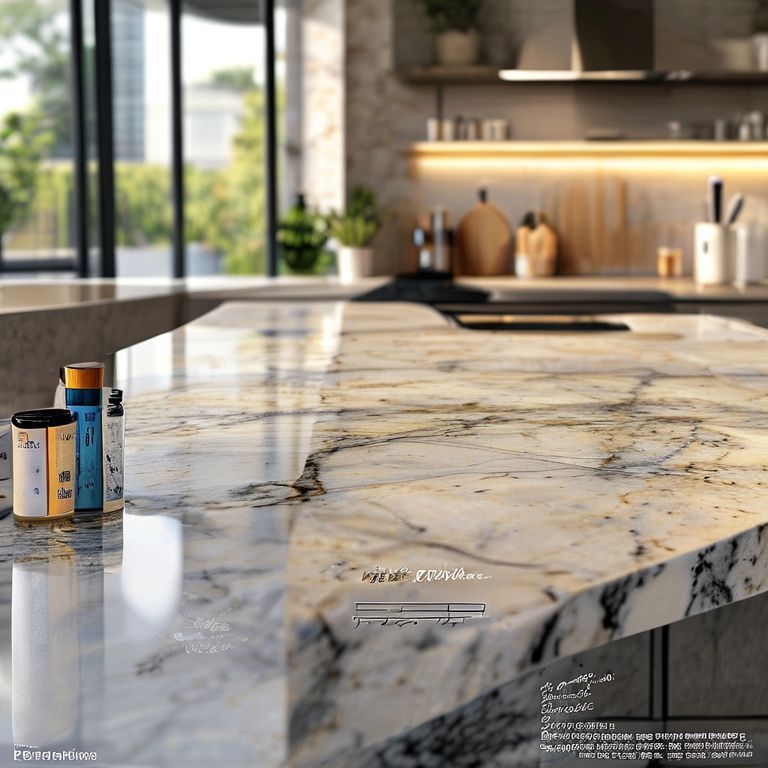
The Pros and Cons of Artificial Quartz: An In-Depth Look into Modern Countertops
Artificial quartz, a popular choice in modern home renovation, has taken the design world by storm. Renowned for its combination of aesthetics, durability, and versatility, it has quickly become a favorite among homeowners and designers. However, like any material, it has its set of advantages and disadvantages. In this first part of our comprehensive guide, we will delve into the myriad benefits of artificial quartz, exploring why it’s becoming the countertop of choice for many.

1. Unmatched Durability
One of the most compelling reasons for the popularity of artificial quartz is its exceptional durability. Unlike traditional countertops, which can easily be scratched, stained, or even damaged by heat, quartz is a non-porous material that is incredibly resistant to scratches, stains, and heat. This makes it perfect for high-traffic areas like kitchens where spills and heavy cookware are common.
2. Aesthetic Versatility
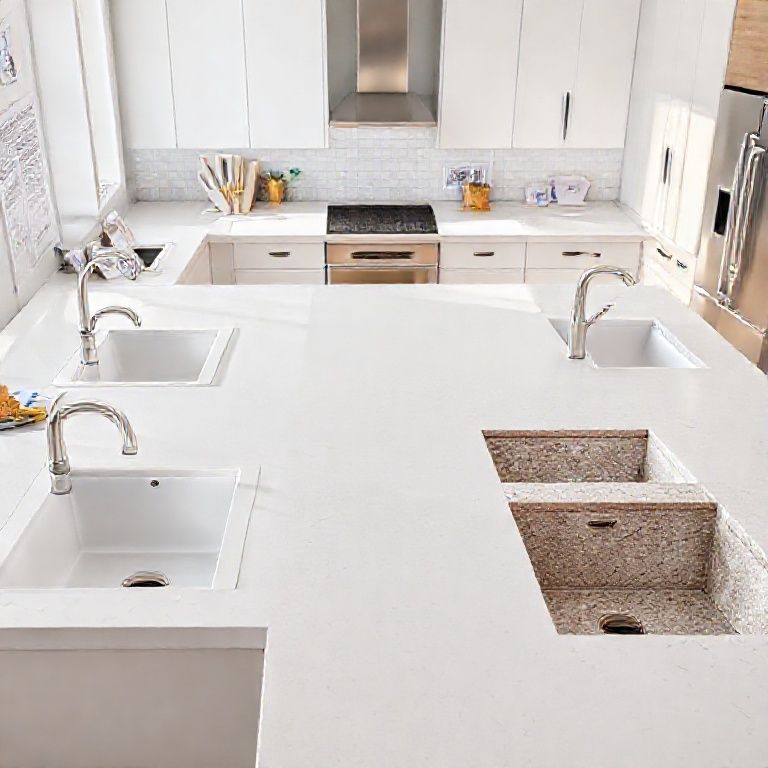
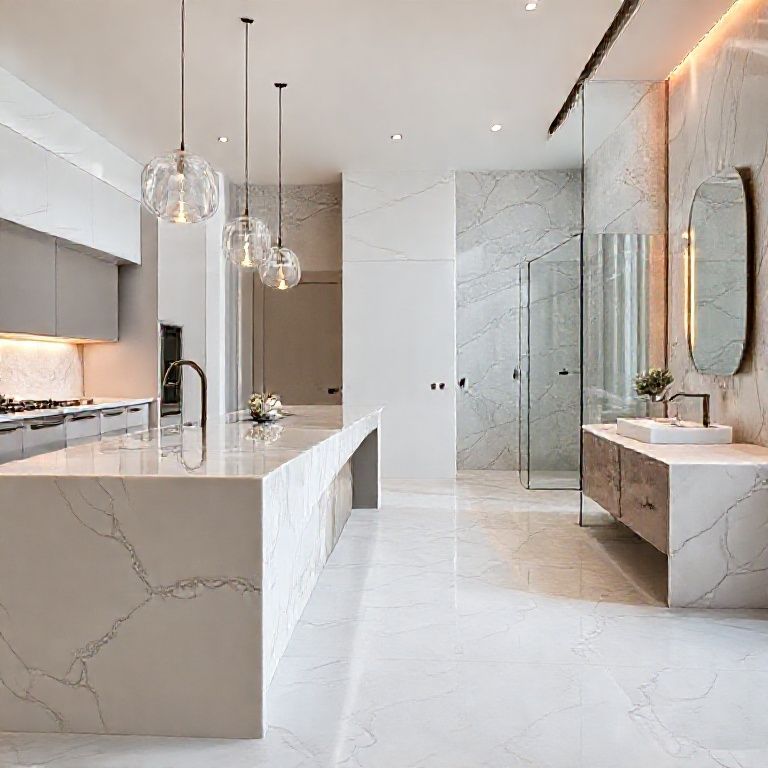
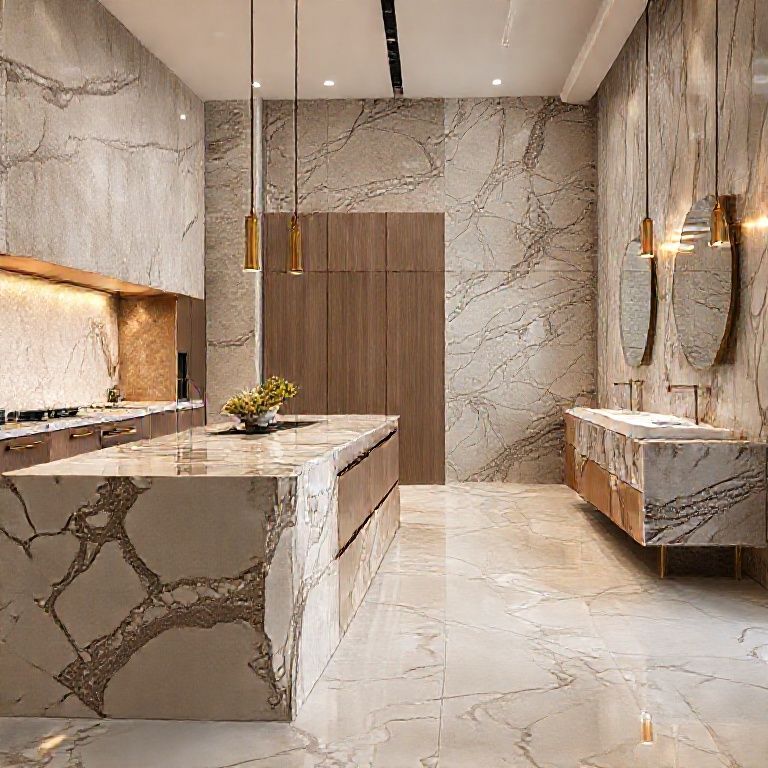
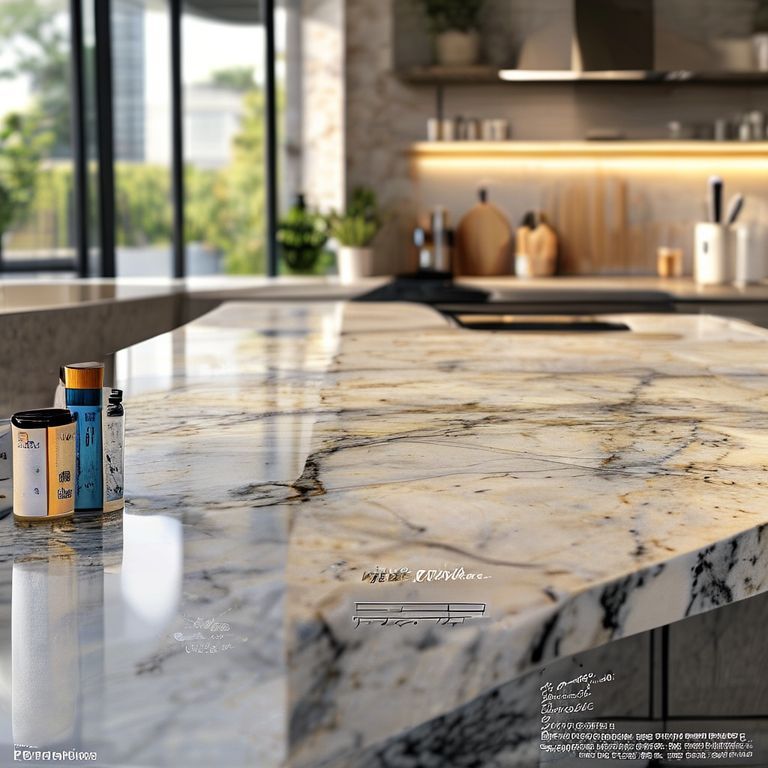
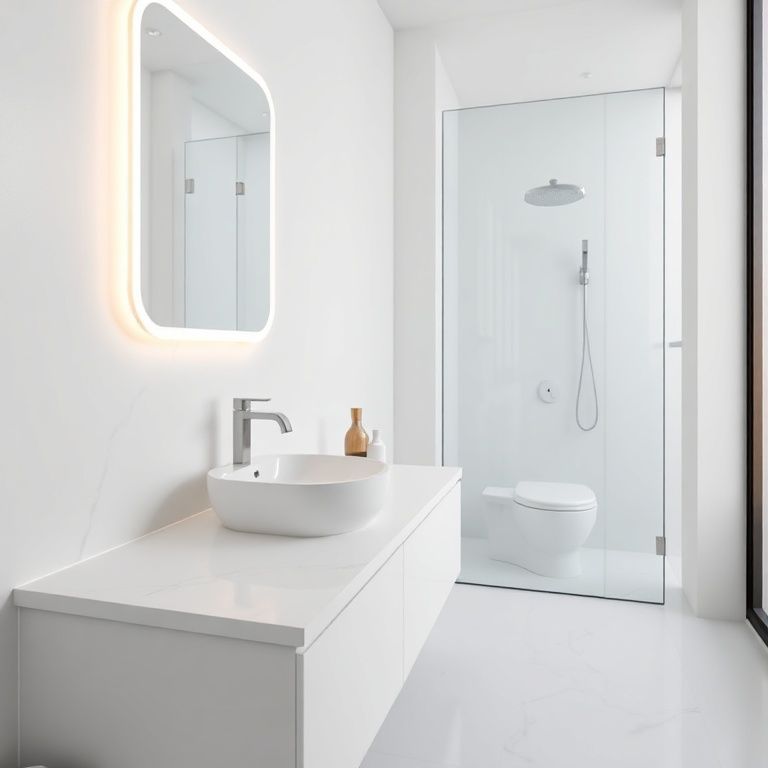
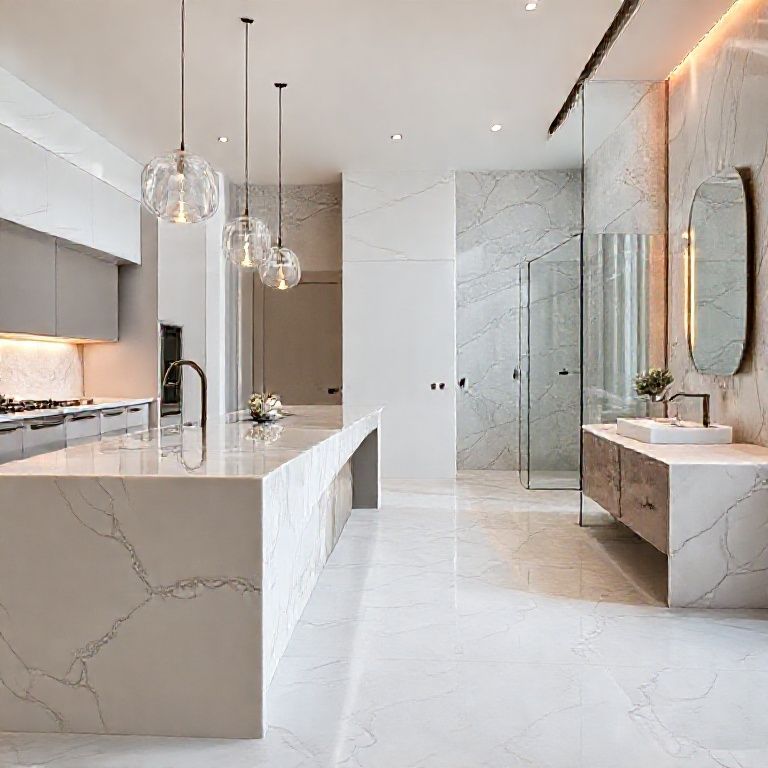
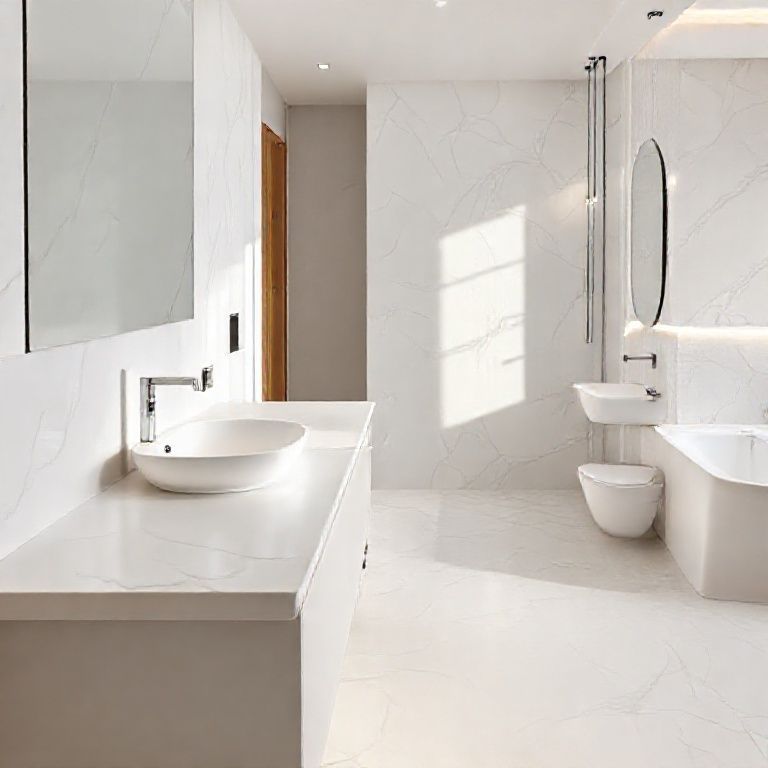
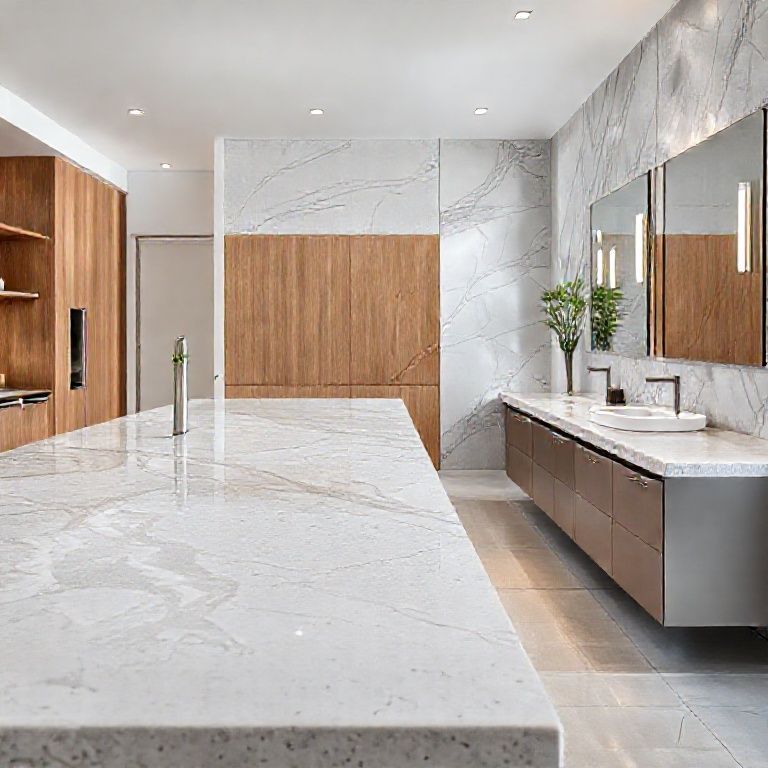
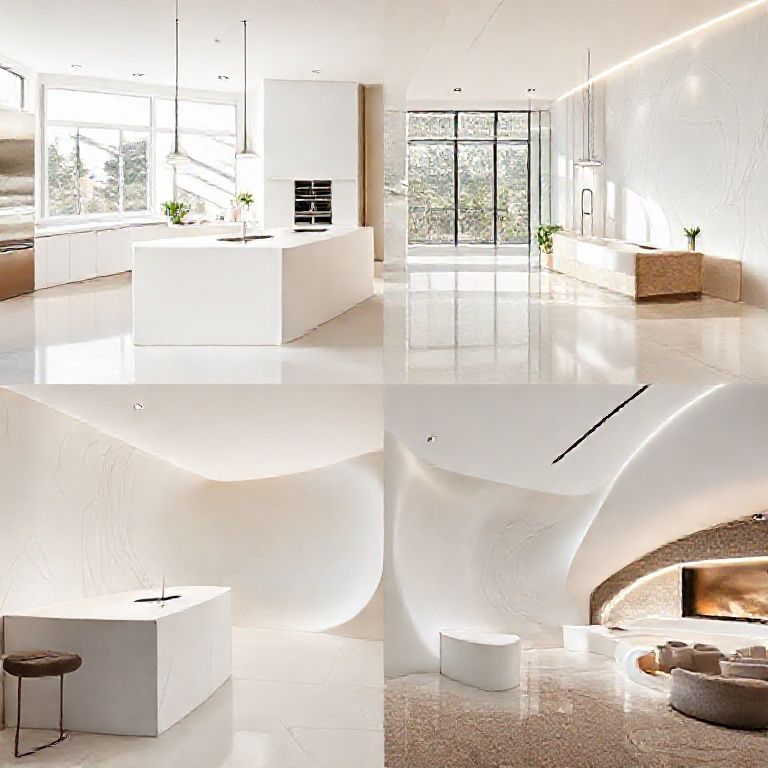
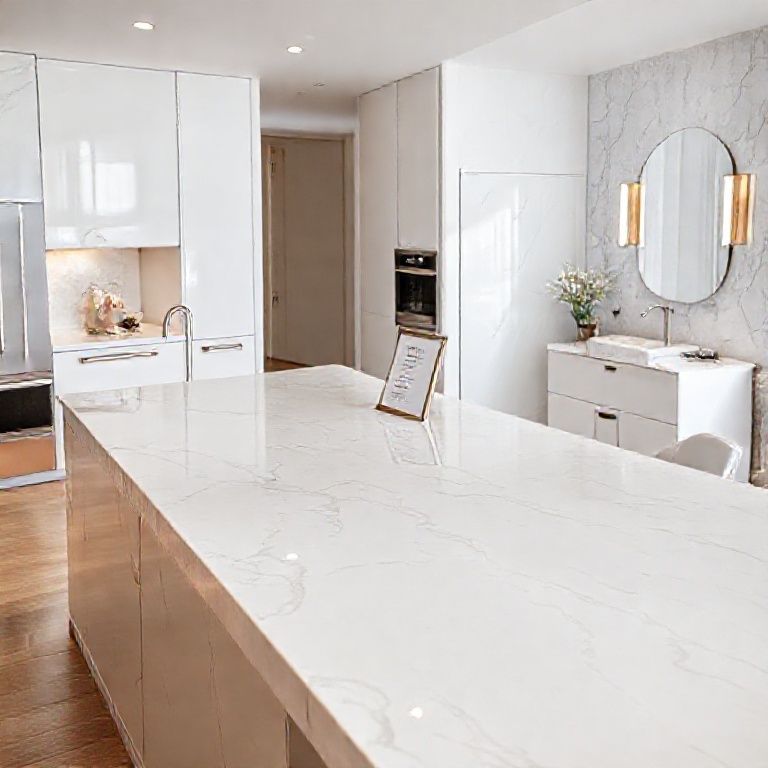
Artificial quartz offers an unparalleled range of colors and patterns, allowing for endless design possibilities. From sleek, monochromatic slabs to intricate, marble-like designs, quartz can mimic almost any material, giving you the freedom to create any look you desire. Whether you’re aiming for a modern, minimalist aesthetic or a more ornate, traditional style, quartz can accommodate your vision.
3. Easy Maintenance
Maintaining artificial quartz countertops is incredibly straightforward. Unlike granite, which requires sealing every few months to maintain its protective qualities, quartz does not need regular sealing. To clean a quartz surface, simply use a damp cloth with mild soap and water. For tougher stains, a few drops of dish soap or a specialized quartz cleaner will do the trick. This low-maintenance nature makes quartz an excellent choice for busy households.
4. Affordability
While premium quartz countertops can be more expensive than some other materials, they often offer better value for money when considering their durability and low maintenance requirements. In the long run, the low upkeep costs and minimal need for replacement make quartz a cost-effective choice.
5. Eco-Friendly
Artificial quartz is an environmentally friendly option compared to natural stone countertops. It does not require the extraction of natural resources, thus reducing the environmental impact associated with quarrying and mining. Additionally, the manufacturing process for quartz is more sustainable, making it a greener choice for eco-conscious consumers.
6. Installation Flexibility
Quartz countertops can be installed over a variety of subfloors, including concrete, plywood, or other solid surfaces, making it a versatile option for different types of home renovations. The installation process is relatively straightforward and can often be completed by professionals in a single day.
Conclusion
The advantages of artificial quartz make it an attractive choice for many homeowners and designers. Its durability, aesthetic versatility, ease of maintenance, affordability, eco-friendliness, and installation flexibility contribute to its growing popularity. However, it’s essential to consider the potential downsides as well, which we will explore in the second part of this article.
The Pros and Cons of Artificial Quartz: An In-Depth Look into Modern Countertops
In the previous part of our comprehensive guide, we explored the numerous benefits of artificial quartz countertops. Now, let’s delve into the disadvantages, providing a balanced view of this popular material. Understanding both the pros and cons will help you make an informed decision about whether artificial quartz is the right choice for your home renovation project.
1. Higher Initial Cost
While quartz offers long-term savings due to its durability and low maintenance, it does come with a higher initial cost compared to some other countertop materials. High-quality quartz slabs can be significantly more expensive than options like laminate or even some types of granite. However, it’s essential to weigh this upfront cost against the material’s lifespan and reduced maintenance expenses over time.
2. Potential for Damage
Although quartz is highly resistant to scratches and stains, it is not completely invulnerable. Extreme impacts, such as dropping heavy objects, can cause chips or cracks. While this is less likely than with natural stone, it’s something to consider, especially if you have children or pets in the home.
3. Weight and Installation Complexity
Quartz slabs are generally heavier than other countertop materials, which can make installation more complex and labor-intensive. The weight may also make it difficult to cut and shape the material to fit smaller spaces. Additionally, because of the weight, it may require a stronger support structure beneath it to prevent sagging.
4. Limited Customization
While quartz offers a vast array of colors and patterns, the options are still somewhat limited compared to natural stone, which can have unique and naturally occurring variations. For those seeking highly customized designs, natural stone might offer more unique options, although this comes at the cost of durability and maintenance.
5. Heat Resistance Limitations
Although quartz is highly resistant to heat, it is not completely immune to prolonged exposure to high temperatures. Extended contact with very hot pots, pans, or cooking appliances can sometimes cause the surface to discolor or warp over time. This is less of an issue if you follow basic safety guidelines, like using pot holders and avoiding placing hot items directly on the surface.
6. Environmental Impact of Manufacturing
While the extraction of natural resources for traditional countertops is more environmentally damaging, the manufacturing process for artificial quartz is not without its environmental impact. The production of quartz involves energy-intensive processes, and while it is more sustainable than natural stone, it still contributes to greenhouse gas emissions and resource use.
7. Warranty Concerns
The warranty provided by different manufacturers can vary widely. While many high-quality quartz brands offer robust warranties that cover scratches, stains, and other defects, it’s important to carefully review the terms. Some lower-cost options may come with shorter or less comprehensive warranties, which could leave you responsible for repairs and maintenance issues down the line.
Conclusion
While artificial quartz countertops offer numerous benefits, including durability, aesthetic versatility, and low maintenance, they are not without their drawbacks. Higher initial costs, potential for damage under extreme conditions, installation complexity, limited customization, heat resistance limitations, environmental impact of manufacturing, and varying warranty terms are all factors to consider.
By weighing these pros and cons, you can make an informed decision that aligns with your design vision, budget, and maintenance preferences. Whether you choose artificial quartz or another material, understanding both sides will help ensure a successful and satisfying renovation project.