${part1}
Introduction to Engineered Marble
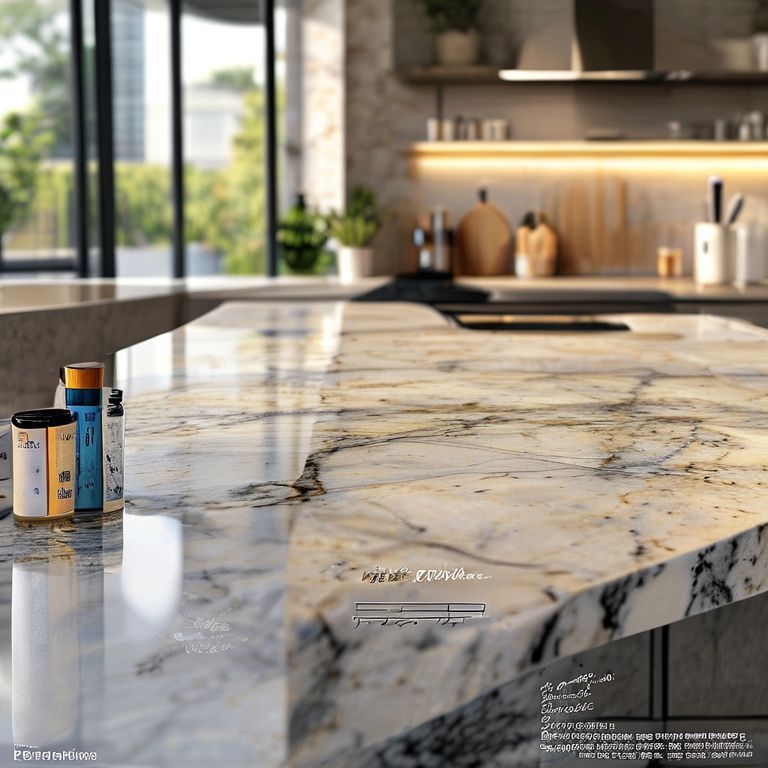
Engineered marble has revolutionized the world of interior design and construction. This advanced material combines the aesthetic appeal of natural marble with the practicality of modern manufacturing techniques. Engineered marble is a composite material composed of a layer of real marble dust bonded to a core of wood or plastic. The top layer is polished to achieve the look and feel of natural marble, offering a versatile option for various applications.

The Advantages of Engineered Marble
1. Durability and Strength
Engineered marble is known for its impressive durability. The core material, which can be wood, plastic, or other composite substances, provides a sturdy foundation. This stability makes engineered marble a superior choice for high-traffic areas like kitchens and bathrooms. The top layer, made from real marble dust, adds a degree of scratch and stain resistance that rivals natural marble, making it a long-lasting choice.
2. Design Versatility
One of the most significant advantages of engineered marble is its design flexibility. The polished top layer allows for a variety of colors and finishes, enabling designers to create unique and personalized designs. Unlike natural stone, which comes in limited natural hues, engineered marble can be manufactured in virtually any color or pattern, providing endless creative possibilities.
3. Cost-Effectiveness
Compared to natural marble, engineered marble is considerably more affordable. The production process is less labor-intensive and doesn’t require the same extensive quarrying processes as natural marble. This cost efficiency makes it an attractive option for both large-scale commercial projects and smaller home renovations.
4. Lightweight and Easy to Install
Engineered marble is significantly lighter than natural marble, making it easier to handle and install. This ease of installation reduces the need for specialized equipment and labor, further contributing to its cost-effectiveness. The lightweight nature also means that it can be used on floors, countertops, and other surfaces without requiring extensive structural modifications.
5. Water Resistance
Engineered marble’s core material often provides a high degree of water resistance, making it an excellent choice for wet areas such as kitchens and bathrooms. This characteristic reduces the likelihood of damage from spills and water exposure, contributing to its longevity and ease of maintenance.
The Disadvantages of Engineered Marble
1. Limited Longevity
While engineered marble is durable, it is not as long-lasting as natural marble. Over time, the top layer can wear off, especially in high-traffic areas. This wear can lead to a dull appearance and may require periodic resurfacing to restore its original shine and aesthetic appeal.
2. Surface Sensitivity
Although engineered marble is more resistant to scratches and stains than natural stone, it is not entirely immune. Heavy impacts or abrasive objects can cause damage to the surface layer. This sensitivity means that engineered marble may not be the best choice for areas where heavy use and potential damage are likely.
3. Environmental Concerns
The production process for engineered marble involves the use of chemicals and synthetic materials. Some of these substances can emit volatile organic compounds (VOCs), which can contribute to indoor air pollution. Although advancements in manufacturing have reduced these emissions, it is still something to consider for environmentally-conscious consumers.
4. Installation Challenges
While engineered marble is easier to install than natural marble, it can still pose challenges. The lightweight nature also means that it requires careful handling to avoid damage during installation. Additionally, the adhesive used to bond the top layer to the core can sometimes fail, leading to a less secure installation.
5. Cost Variability
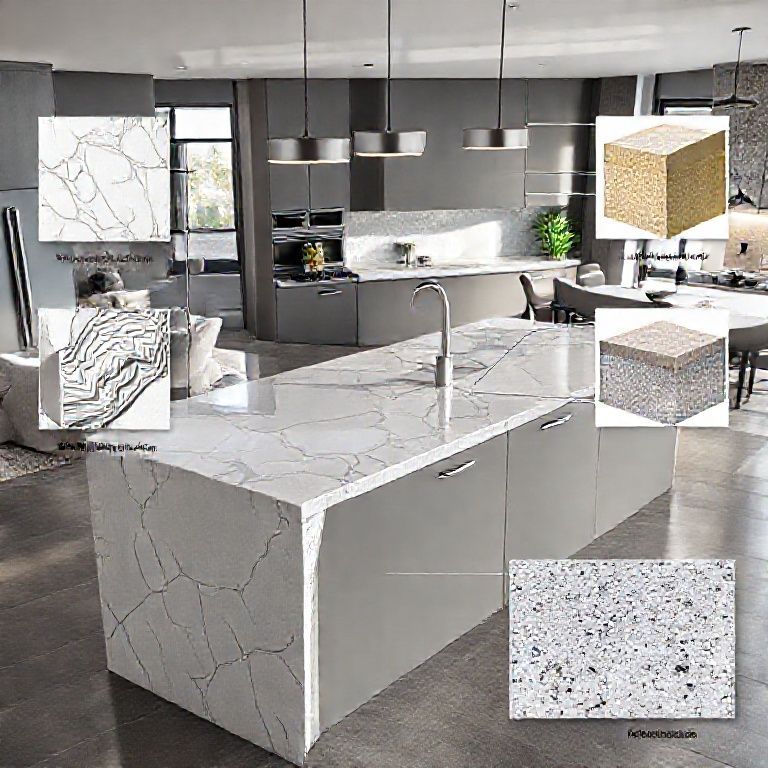
Although engineered marble is generally more affordable than natural marble, its cost can vary widely depending on the quality of the materials used and the complexity of the design. High-end engineered marble with premium finishes can be quite expensive, sometimes approaching the cost of natural marble.
Conclusion
Engineered marble offers a compelling blend of durability, design flexibility, and cost-effectiveness. While it may not match the timeless beauty of natural marble, it provides a practical and versatile alternative for many design applications. Understanding its pros and cons will help you make informed decisions when choosing materials for your next renovation or design project.
${part2}
The Pros and Cons of Engineered Marble: A Comprehensive Analysis
Comparative Analysis: Engineered vs. Natural Marble
To fully understand the advantages and disadvantages of engineered marble, it’s essential to compare it with natural marble, the gold standard in luxury flooring and countertops.
1. Aesthetic Appeal
Pros of Engineered Marble:
Customization: Engineered marble can be manufactured in almost any color, pattern, or finish, allowing for highly customized designs. Realistic Appearance: The polished surface of engineered marble closely mimics the look of natural marble, providing a luxurious appearance without the cost.
Cons of Engineered Marble:
Surface Wear: Over time, the polished surface can wear off, leading to a less appealing appearance. Limited Natural Patterns: Engineered marble cannot replicate the unique and natural patterns found in genuine marble.
2. Durability and Maintenance
Pros of Engineered Marble:
Scratch and Stain Resistance: The top layer of real marble dust provides a degree of scratch and stain resistance. Water Resistance: The core material often provides good water resistance, making it suitable for wet areas.
Cons of Engineered Marble:
Surface Sensitivity: While more resistant than natural stone, engineered marble can still be damaged by heavy impacts or abrasive objects. Maintenance Needs: Over time, the surface layer may need periodic resurfacing to maintain its appearance.
3. Cost Efficiency
Pros of Engineered Marble:
Affordability: Engineered marble is significantly less expensive than natural marble, making it accessible for a wide range of budgets. Installation Cost: The lightweight nature and ease of installation reduce labor and material costs.
Cons of Engineered Marble:
Cost Variability: Depending on the quality and complexity, engineered marble can vary widely in price, sometimes approaching natural marble in cost.
4. Environmental Impact
Pros of Engineered Marble:
Recyclability: The materials used in engineered marble are often recyclable, reducing environmental impact.
Cons of Engineered Marble:
VOC Emissions: The production process can emit volatile organic compounds, contributing to indoor air pollution.
5. Installation and Handling
Pros of Engineered Marble:
Ease of Installation: The lightweight nature makes installation easier and less labor-intensive. Versatility: Engineered marble can be used on various surfaces without requiring significant structural modifications.
Cons of Engineered Marble:
Handling Challenges: Care must be taken during installation to avoid damage to the surface layer. Adhesion Issues: The adhesive used to bond the top layer to the core can sometimes fail, leading to installation issues.
Applications of Engineered Marble
Kitchens and Bathrooms
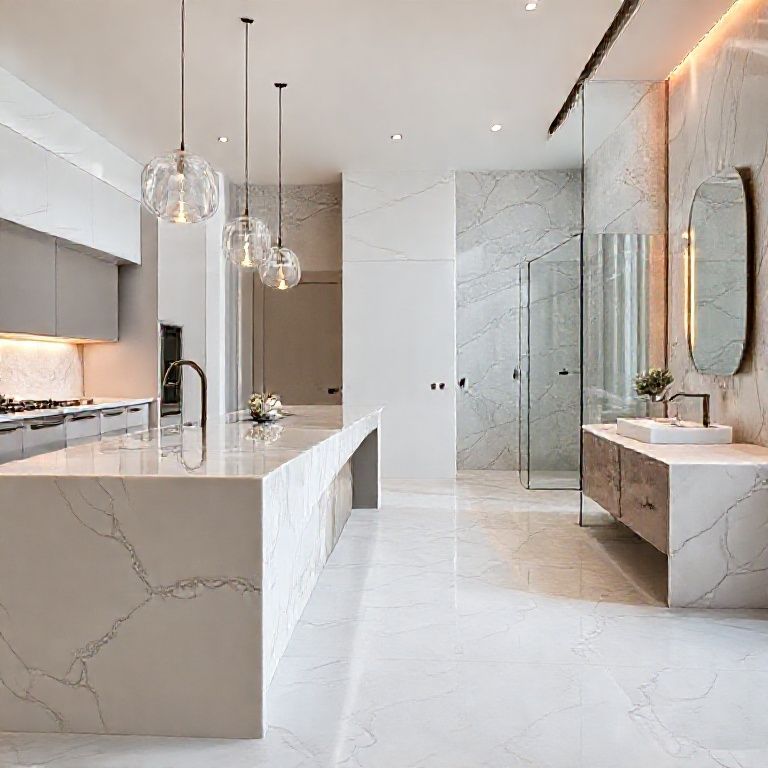
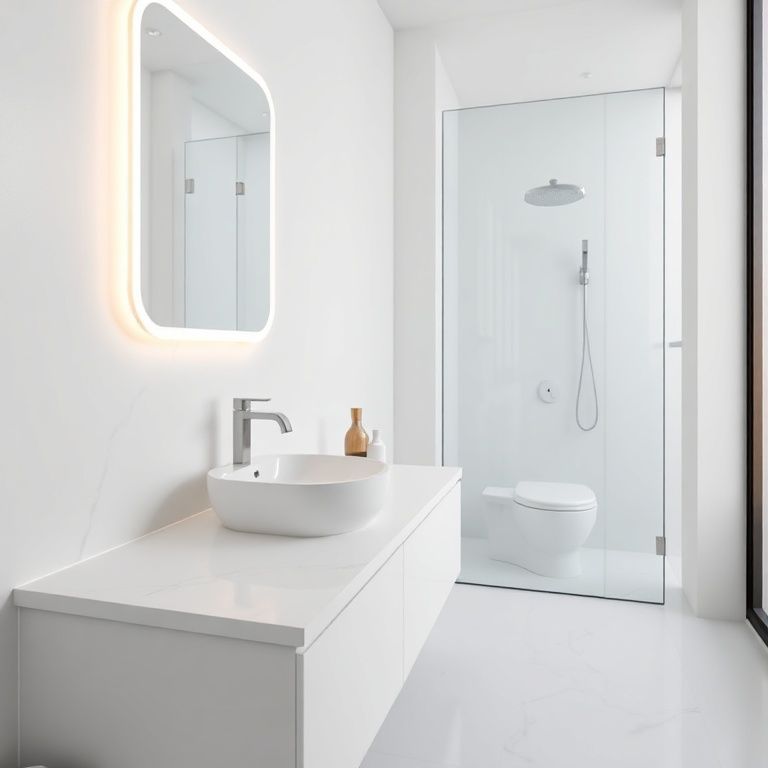
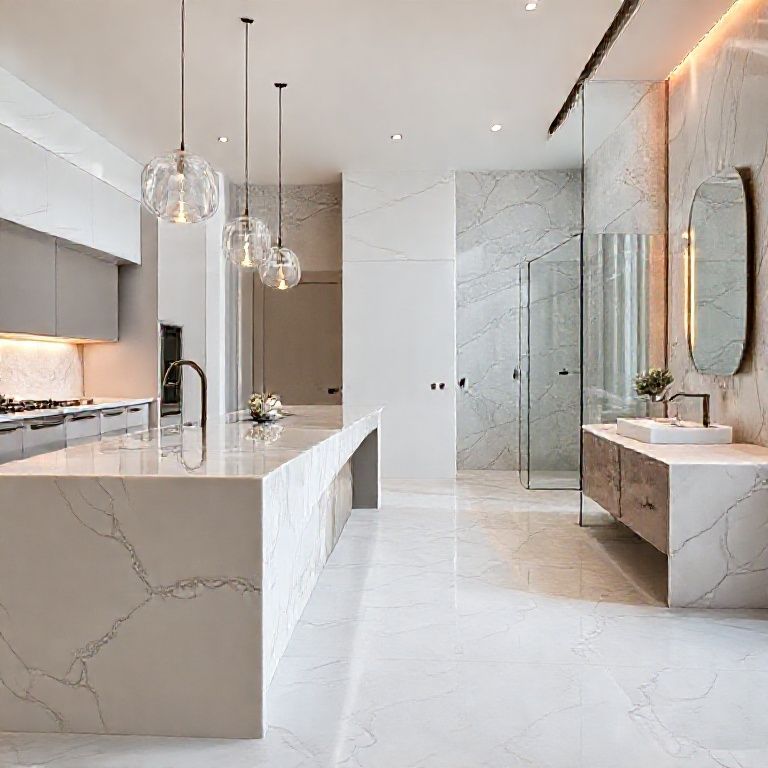
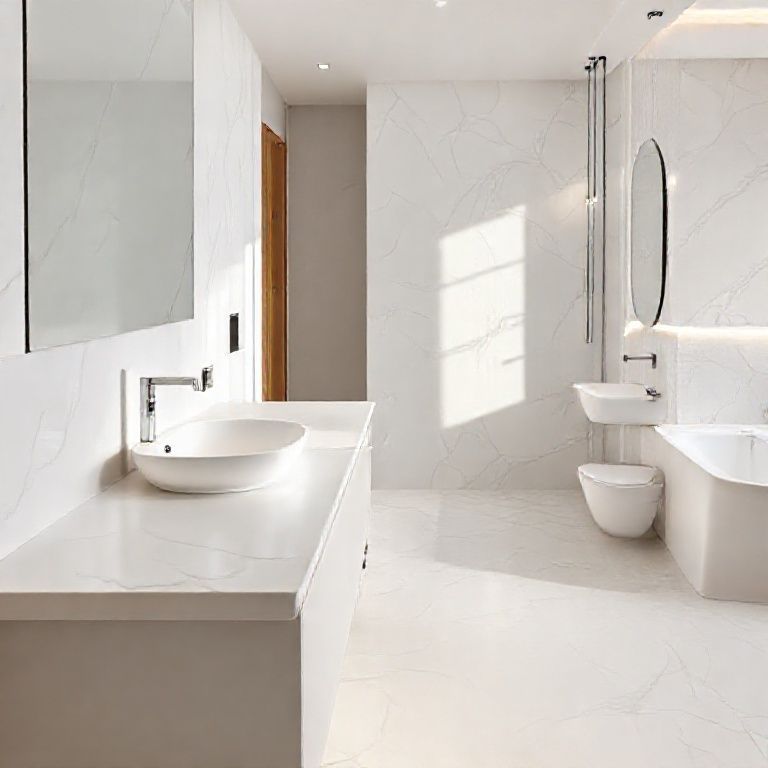
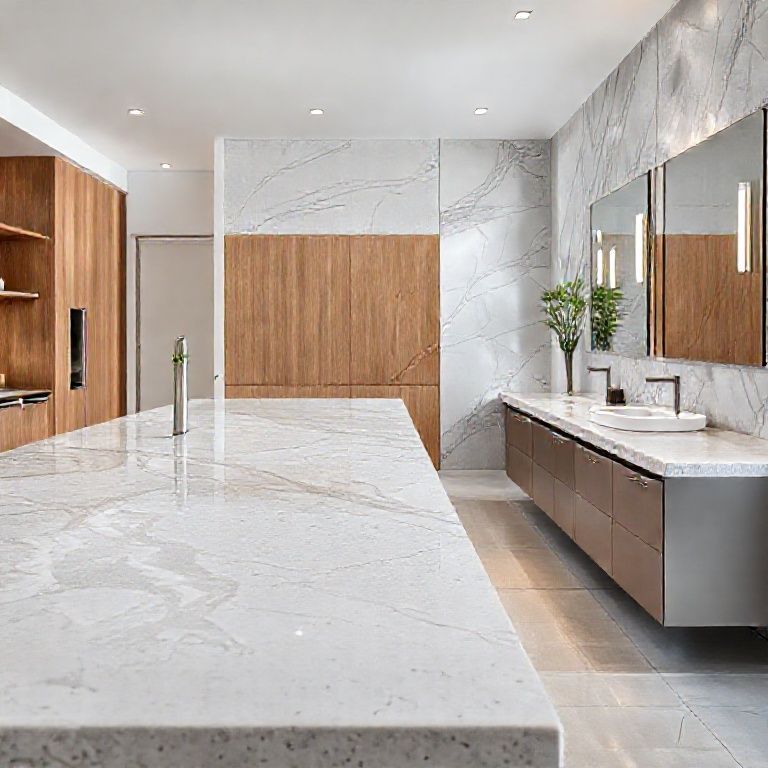
Engineered marble is an excellent choice for kitchens and bathrooms due to its water resistance and durability. It can be used for countertops, backsplashes, and even flooring, providing a stylish and functional solution for wet areas. Its resistance to water and stains makes it easier to maintain, ensuring that spills and splashes don’t cause long-term damage.
Interior Design
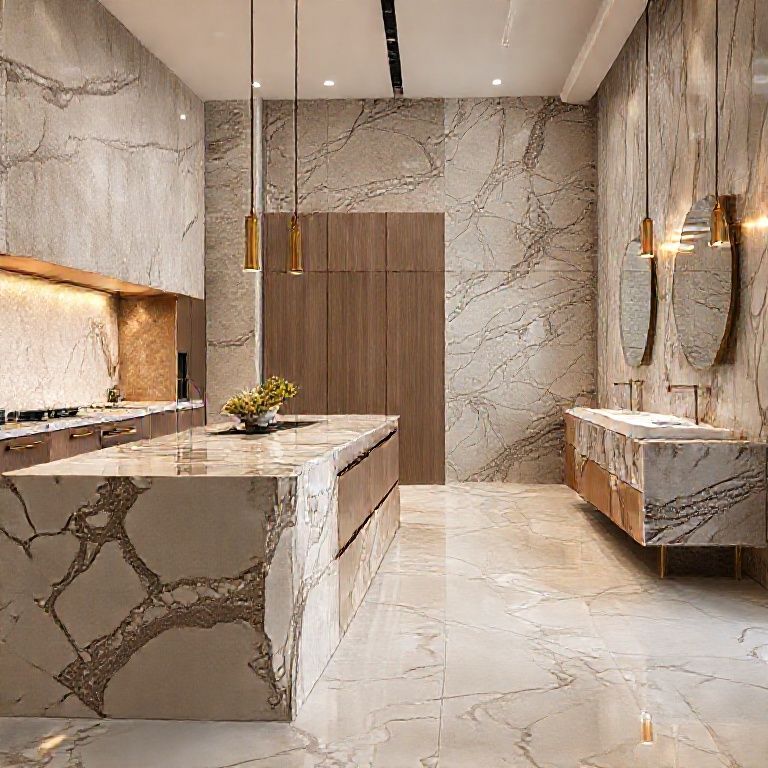
In interior design, engineered marble offers endless possibilities for creativity. Its customizable colors and finishes allow designers to create unique and personalized designs that fit the aesthetic of any space. Whether used for walls, flooring, or decorative elements, engineered marble can add a touch of luxury and elegance to any room.
Commercial Spaces
For commercial spaces such as offices, restaurants, and hotels, engineered marble is a practical and cost-effective option. Its durability and ease of maintenance make it suitable for high-traffic areas where durability is crucial. The ability to customize the design allows for a cohesive and stylish appearance that can enhance the brand image of a business.
Conclusion
Engineered marble is a versatile and practical material that offers numerous benefits for various design applications. While it may not have the timeless beauty and unique patterns of natural marble, its affordability, durability, and design flexibility make it an excellent choice for many projects. Understanding its pros and cons will help you make informed decisions when selecting materials for your next renovation or design project. Whether you choose engineered marble or opt for natural marble, the key is to consider your specific needs, budget, and design preferences to achieve the best possible outcome.
Final Thoughts
The choice between engineered and natural marble ultimately depends on your priorities and specific project requirements. Engineered marble offers a practical, cost-effective, and customizable alternative that can meet many design needs. However, if you are looking for the authentic beauty and unique characteristics of natural marble, it remains the ultimate choice. By carefully weighing the pros and cons of each option, you can make a well-informed decision that enhances the beauty and functionality of your space.