The Pros of Engineered Marble
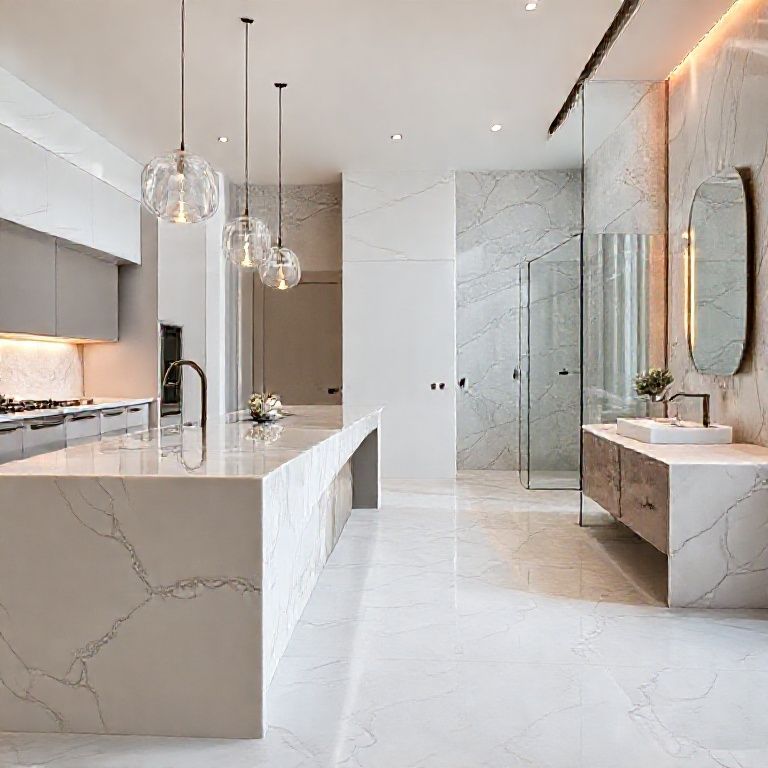
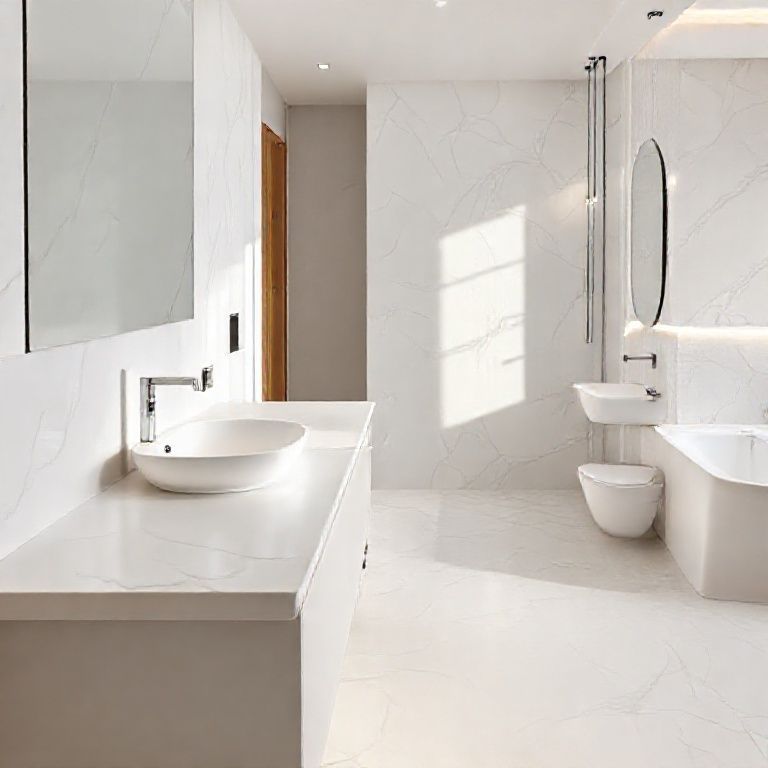
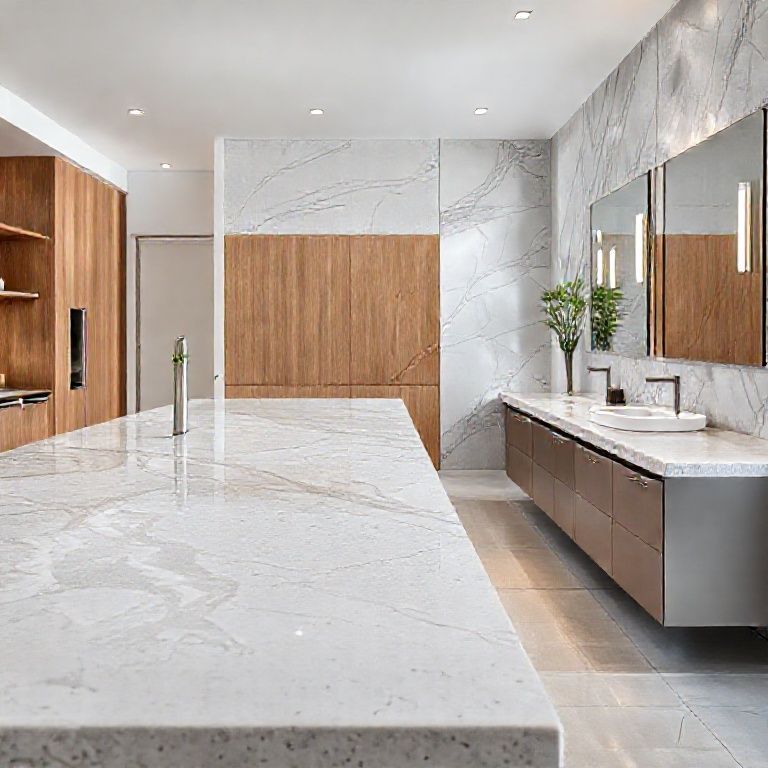
In the world of modern home and commercial design, engineered marble has emerged as a favored choice for many reasons. Its combination of aesthetics, durability, and versatility makes it a compelling option for various applications. Here, we delve into the myriad benefits that engineered marble offers.

1. Design Flexibility
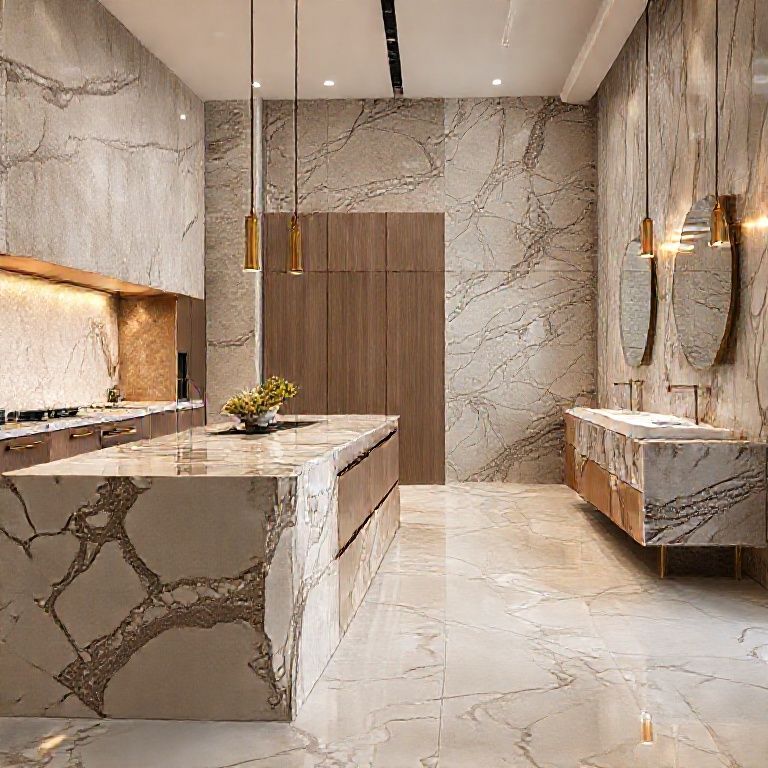
Engineered marble provides unparalleled design flexibility. Unlike natural marble, which comes in a limited range of colors and patterns, engineered marble allows designers and homeowners to create unique and customized designs. Manufacturers can mix and match colors and patterns to achieve specific aesthetic goals. This flexibility means you can create countertops, flooring, or even decorative pieces that perfectly match your vision.
2. Durability
One of the standout advantages of engineered marble is its exceptional durability. The top layer of engineered marble is made from natural stone, which is then bonded to a core made of resin or another synthetic material. This combination ensures that the surface is highly resistant to scratches, chips, and stains. Even heavy use and frequent cleaning do not significantly impact the appearance of engineered marble, making it an ideal choice for high-traffic areas like kitchens and bathrooms.
3. Cost-Effectiveness
Engineered marble is generally more affordable than natural marble. The manufacturing process for engineered marble is less labor-intensive, allowing for lower production costs. This translates to a more economical option for homeowners and businesses looking to invest in high-quality stone without breaking the bank. Additionally, because engineered marble is more durable, you may find that it requires less maintenance and fewer replacements over time, further adding to its cost-effectiveness.
4. Weight and Installation
Engineered marble is significantly lighter than natural marble, making it easier to transport and install. The thinner slabs can be easily cut to fit specific spaces without requiring heavy machinery. This ease of installation is particularly beneficial for DIY enthusiasts or those who may not have access to professional installation services. Additionally, the lightweight nature of engineered marble slabs means that they can be installed on various substrates, including plywood, concrete, or even over existing countertops.
5. Environmental Sustainability
Engineered marble can be produced with a reduced environmental footprint compared to natural marble. The manufacturing process can be optimized to minimize waste, and the use of synthetic materials can reduce the reliance on natural stone quarries. Many manufacturers also focus on sustainable practices, such as using recycled materials and reducing energy consumption during production. This makes engineered marble an eco-friendly option for those conscious of their environmental impact.
6. Variety of Applications
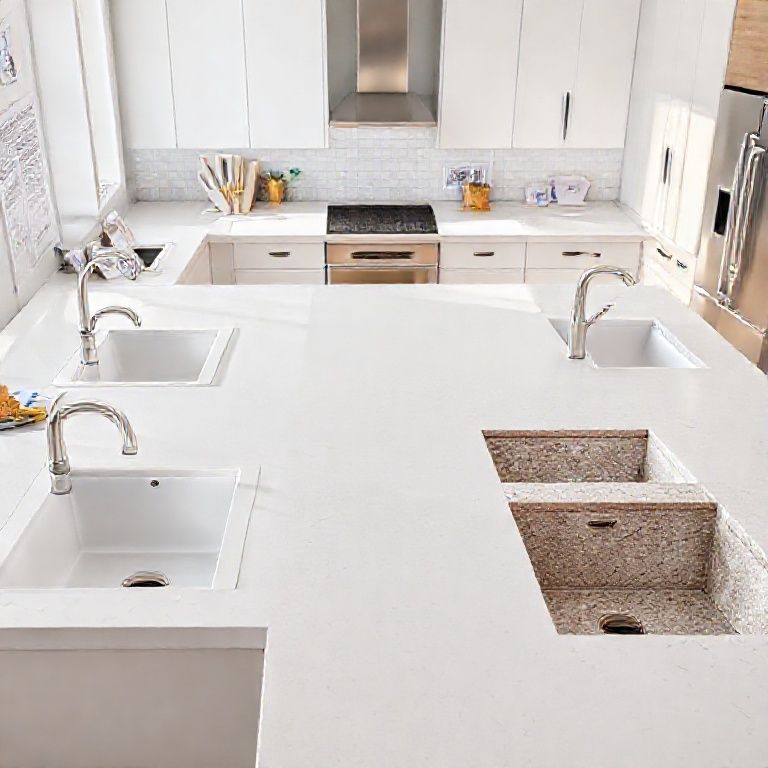
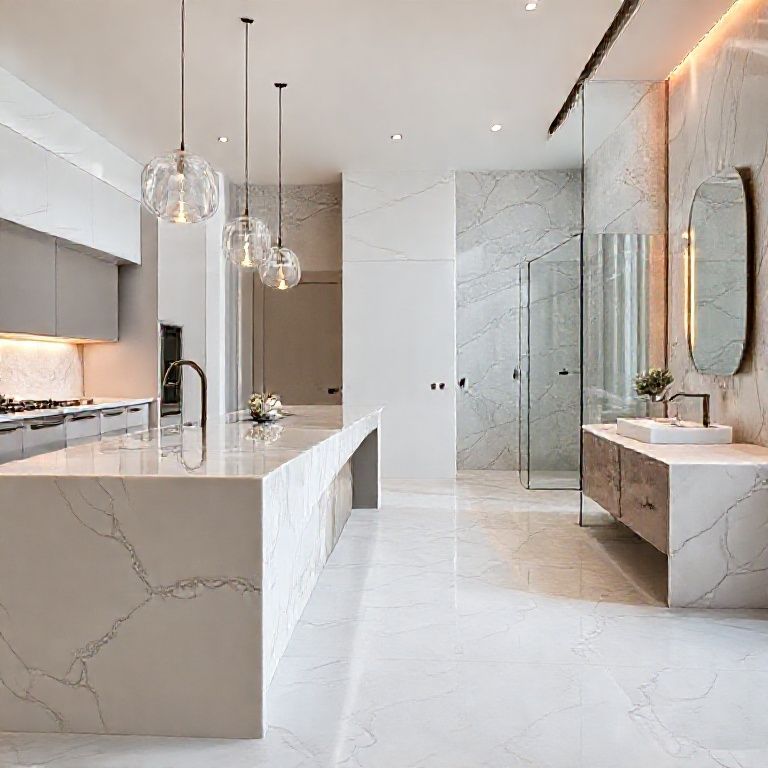
Engineered marble is incredibly versatile and can be used for a wide range of applications. It is perfect for countertops, backsplashes, flooring, and even decorative elements like tabletops and bar tops. Its adaptability means that it can be integrated into various styles and settings, from contemporary to traditional designs. Moreover, engineered marble can be used in both indoor and outdoor projects, adding to its appeal as a multifaceted material.

7. Easy Maintenance
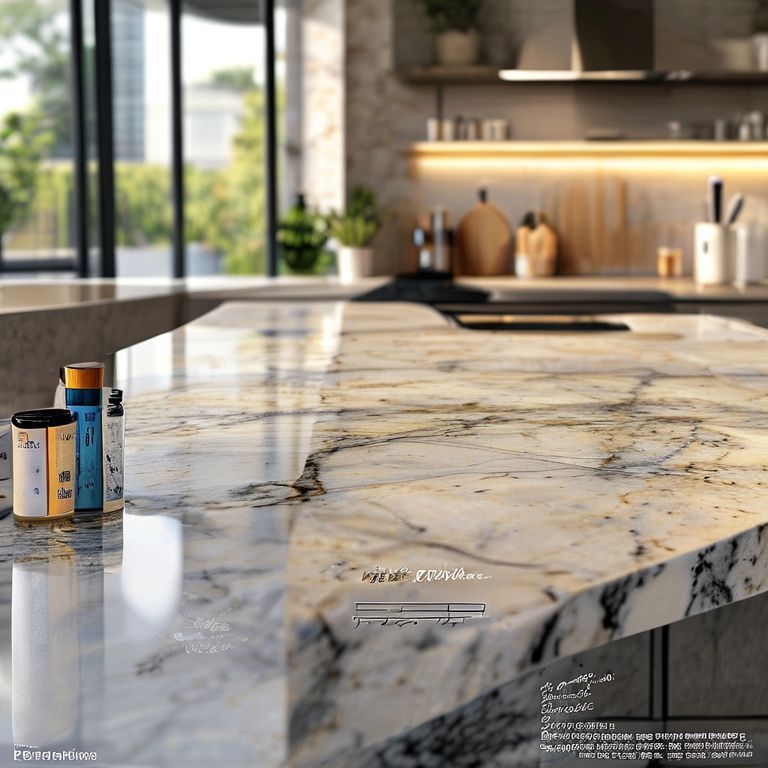
One of the most significant benefits of engineered marble is its ease of maintenance. The surface is smooth and non-porous, which means that spills and stains do not penetrate the material. Cleaning engineered marble is straightforward; a simple wipe-down with a damp cloth and mild soap is usually sufficient to keep it looking pristine. This low-maintenance nature makes engineered marble ideal for busy households and commercial spaces where cleanliness is paramount.
8. Customization Options
Engineered marble offers extensive customization options. Designers can choose from a wide range of colors, patterns, and finishes to create a unique look that fits the desired aesthetic. This level of customization allows for creative freedom and the ability to match or exceed the appearance of natural marble, all while enjoying the practical benefits of engineered materials.
9. Longevity and Stability
Engineered marble is known for its longevity and stability. The core material provides structural integrity, ensuring that the surface maintains its shape and appearance over time. This makes engineered marble a long-lasting option that can withstand the test of time without significant wear and tear.
The Cons of Engineered Marble
While engineered marble offers numerous benefits, it is also important to consider its drawbacks. Understanding the limitations can help you make an informed decision when choosing this material for your design project. Here, we explore the various cons associated with engineered marble.
1. Limited Natural Look
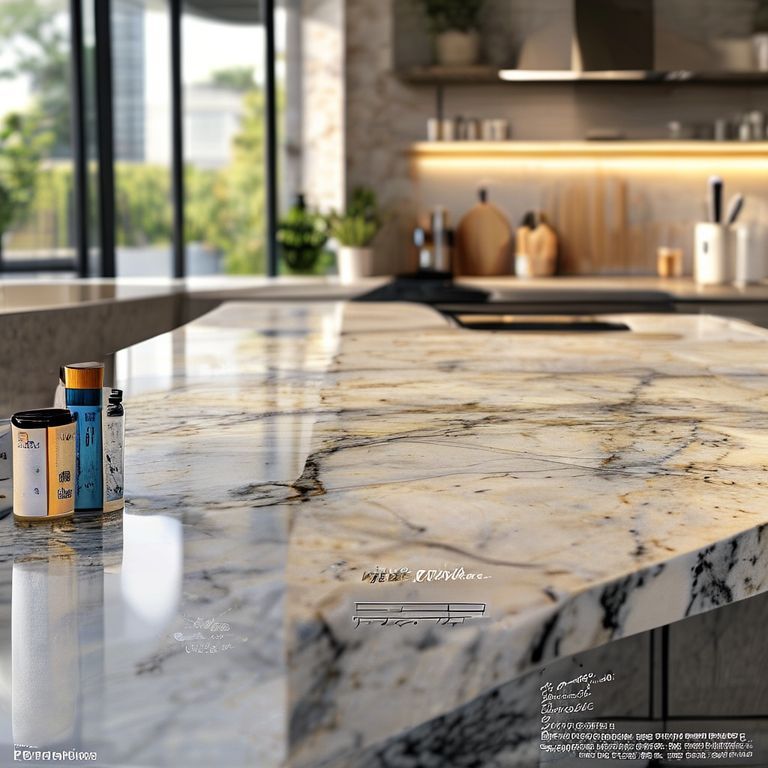
While engineered marble can closely mimic the appearance of natural marble, it is not an exact replica. The manufacturing process introduces some differences in texture and color variation that can be noticeable to keen observers. For projects where the authentic look of natural marble is a priority, engineered marble may not fully meet these expectations. However, for most applications, the difference is minimal and easily overlooked.
2. Heat Sensitivity
One of the significant cons of engineered marble is its sensitivity to heat. The top layer of natural stone is bonded to a synthetic core, which can cause the surface to discolor or crack if exposed to high temperatures. This makes engineered marble unsuitable for areas where hot pots, pans, or other heat sources are frequently placed directly on the surface. To avoid damage, it is essential to use heat-resistant pads or trivets when placing hot items on engineered marble surfaces.
3. Cost Variability
Although engineered marble is generally more affordable than natural marble, its cost can vary significantly depending on the quality of the materials used and the complexity of the design. High-end engineered marble with intricate patterns and finishes can be quite expensive, sometimes approaching the cost of natural marble. It is important to consider the overall budget when choosing between engineered and natural marble to avoid unexpected costs.
4. Installation Challenges
Despite being lighter than natural marble, engineered marble slabs can still be heavy and cumbersome to handle during installation. While they are easier to cut and install than natural marble, the process can still be challenging for DIY enthusiasts who are not experienced in stonework. Professional installation is often recommended to ensure that the slabs are cut accurately and secured properly to prevent future issues.
5. Limited Availability of Custom Colors
While engineered marble offers extensive design flexibility, the availability of custom colors and patterns is somewhat limited compared to natural marble. Manufacturers typically produce a standard range of colors and designs, which may not always align with unique or highly specific aesthetic requirements. While it is possible to create custom designs, the process can be more complex and costly.
6. Potential for Surface Damage
Although the top layer of engineered marble is made from natural stone, the underlying synthetic core can still be damaged. Impacts, such as dropping heavy objects or using sharp tools on the surface, can cause the core to crack or the layers to separate. While the top layer may remain visually intact, the structural integrity of the slab can be compromised, leading to potential issues over time.
7. Environmental Concerns
Although engineered marble can be produced with a reduced environmental footprint, there are still some concerns related to its manufacturing process. The use of synthetic materials and resins can introduce pollutants into the environment, especially if not managed properly. Additionally, the production process can consume significant amounts of energy, contributing to the overall carbon footprint. It is essential to consider these factors when evaluating the environmental impact of engineered marble.
8. Difficulty in Repair
Repairing damaged engineered marble can be challenging. Unlike natural marble, which can often be resurfaced or repaired with specialized techniques, damaged engineered marble may require complete replacement of the slab. The synthetic core does not typically allow for straightforward repairs, making it necessary to replace the entire piece if the surface is significantly damaged.
9. Potential for Surface Imperfections
Despite its durability, engineered marble can still develop surface imperfections over time. While the top layer is resistant to scratches and stains, the surface can be affected by prolonged exposure to harsh chemicals or abrasive cleaners. It is essential to use gentle cleaning products and avoid abrasive tools to maintain the appearance of engineered marble. In some cases, the surface may develop a dull or cloudy appearance, which can be difficult to restore.
Conclusion
Engineered marble is a remarkable material that offers numerous advantages, including design flexibility, durability, cost-effectiveness, and ease of maintenance. However, it also has some drawbacks, such as heat sensitivity, installation challenges, and potential for surface damage. By carefully considering these pros and cons, you can make an informed decision that best suits your design needs and budget. Whether you choose engineered marble for your next project, keep these factors in mind to ensure a successful and satisfying outcome.