Discover the magic of transforming your kitchen with a fresh new countertop. This comprehensive guide explores everything you need to know about kitchen countertop replacement, from selecting the perfect material to ensuring a seamless installation process. Learn how a new countertop can elevate your kitchen’s aesthetics and functionality, making it a more enjoyable and efficient space for cooking and entertaining.
The Ultimate Guide to Kitchen Countertop Replacement: Part 1
When it comes to kitchen renovation, the countertop is one of the most impactful elements you can change. The kitchen is often the heart of the home, a place where family and friends gather to share meals and memories. Therefore, it’s essential to make it a space that is both functional and aesthetically pleasing. One of the most transformative upgrades you can make is replacing your kitchen countertop. Here’s everything you need to know to ensure a successful kitchen countertop replacement.
Understanding the Importance of Kitchen Countertops
The kitchen countertop is more than just a surface for food preparation; it’s a central hub for cooking, dining, and entertaining. The right countertop can enhance the beauty of your kitchen while also providing durability and functionality. Whether you’re dealing with outdated materials, a damaged surface, or simply seeking a fresh look, updating your kitchen countertops can make a significant difference in your overall kitchen experience.
Choosing the Right Countertop Material
Selecting the right material for your kitchen countertop is crucial. Each material has its unique set of benefits and drawbacks, so it’s essential to consider your lifestyle, kitchen usage, and budget when making your choice. Here are some popular options:
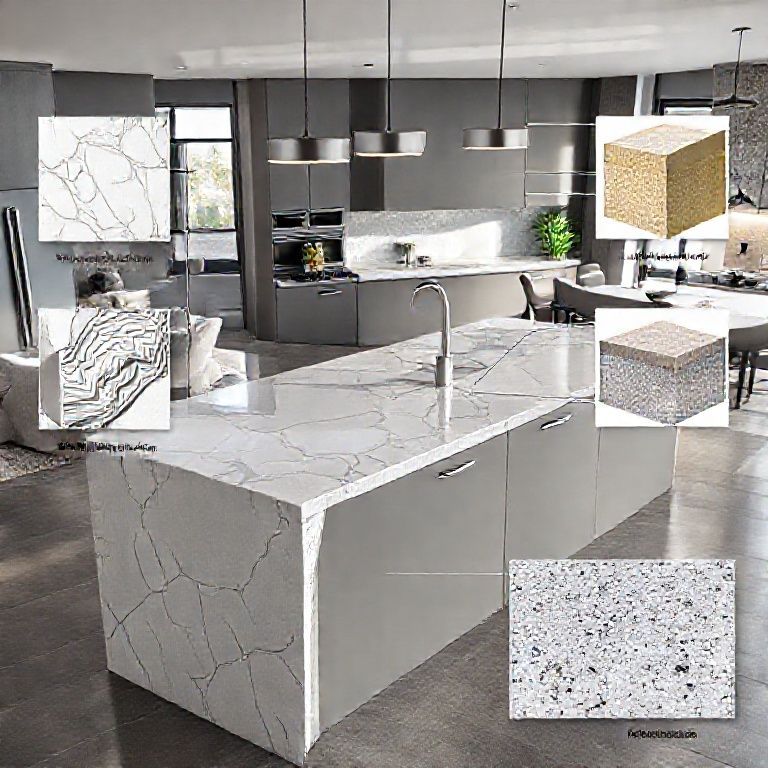
Granite: Known for its durability and strength, granite countertops are resistant to scratches and stains. They come in a wide range of colors and patterns, allowing for a personalized touch. However, granite is relatively expensive and requires sealing to maintain its appearance.
Quartz: Quartz countertops are a blend of natural stone and resin, offering a scratch-resistant, stain-resistant surface. They are available in nearly any color and pattern, and they maintain their appearance without needing frequent sealing. Quartz is a popular choice for those seeking durability and low maintenance.
Marble: Marble countertops are luxurious and elegant, offering a timeless appeal. They are highly aesthetic but require regular sealing and care to prevent staining. Marble is also quite expensive and can be prone to scratches and chips.
Slate: Slate countertops provide a rustic, natural look and are known for their durability and strength. They are relatively affordable compared to marble and granite and offer a unique, textured appearance. However, they can be slippery when wet.
Corian: Corian is a synthetic material known for its strength and durability. It is resistant to stains, bacteria, and scratches, making it an excellent choice for high-traffic areas. Corian countertops come in a wide range of colors and patterns.
Concrete: Concrete countertops are highly customizable and can mimic the look of natural stone. They are durable, affordable, and can be polished to a high gloss. However, concrete requires regular sealing and maintenance.
Wood: For those who prefer a natural, warm look, wood countertops offer a unique aesthetic. They are relatively affordable but require regular maintenance, including sealing and refinishing, to prevent warping and staining.
Planning Your Kitchen Countertop Replacement
Before embarking on your kitchen countertop replacement project, thorough planning is essential to ensure a smooth process. Here are some steps to guide you:
Define Your Goals: Determine what you want to achieve with your new countertop. Are you looking to modernize your kitchen, improve functionality, or enhance the overall aesthetics? Defining your goals will help you choose the right material and design.
Budgeting: Establish a budget for your countertop replacement project. This should include the cost of the countertop material, installation, and any additional expenses such as tools, labor, or design consultation.
Design Considerations: Consider the style, color, and pattern that will complement your kitchen’s existing decor. If you’re unsure, consult a professional designer for guidance.
Measure Your Space: Accurate measurements of your kitchen and countertops are crucial for selecting the right size and fit. Measure the dimensions of the area where the new countertop will be installed to ensure a proper fit.
Choose a Contractor: Depending on your budget and skill level, you might choose to handle the installation yourself or hire a professional contractor. If hiring a contractor, look for someone with experience in kitchen remodeling and positive reviews.
Plan for Waste: Be prepared for some waste during the installation process. This is especially important if you’re working with hard materials like stone or concrete.
Check for Hazards: Before starting the project, inspect the area for any hazards such as plumbing lines or electrical wires that might interfere with the installation.
DIY vs. Professional Installation
Deciding between DIY installation and hiring a professional can be a significant factor in your kitchen countertop replacement project. Both options have their advantages and disadvantages:
DIY Installation:
Pros:
Cost-effective: DIY installation can save you a considerable amount of money.
Flexibility: You can choose the time and pace of the project.
Learning experience: It’s an excellent opportunity to learn new skills.
Cons:
Time-consuming: DIY projects can take much longer than expected.
Complexity: Some materials and installation techniques can be complex and challenging for beginners.
Risk of mistakes: Improper installation can lead to issues such as uneven surfaces, cracks, or leaks.
Professional Installation:
Pros:
Expertise: Professionals have the skills and experience to ensure a perfect installation.
Efficiency: Professionals can complete the project faster and more efficiently.
Quality assurance: Professional installation often comes with a warranty or guarantee.
Cons:
Cost: Hiring a professional can be expensive, especially for complex installations.
Limited control: You have less control over the process and the final outcome.
Scheduling: Professional contractors may have busy schedules and may not be able to start the project immediately.
Conclusion
Replacing your kitchen countertop is a significant decision that can dramatically enhance your kitchen’s functionality and aesthetics. By understanding the different materials, planning meticulously, and deciding whether to go DIY or hire a professional, you can ensure a successful and rewarding kitchen countertop replacement project. In the next part of this guide, we will delve deeper into the installation process, maintenance tips, and additional considerations for a flawless kitchen makeover.
The Ultimate Guide to Kitchen Countertop Replacement: Part 2
In the first part of this guide, we explored the importance of kitchen countertops, the various materials available, and the planning phase for a kitchen countertop replacement. Now, let’s dive deeper into the installation process, maintenance tips, and additional considerations to ensure a flawless kitchen makeover.
Installation Process
Once you have selected your countertop material and decided on a DIY or professional installation, it’s time to move on to the installation process. Here’s a step-by-step guide to help you through the process:
Preparation: Clear the Area: Remove all items from the countertop area, including appliances and cabinetry. Ensure the workspace is clean and free of any obstacles. Protect Surrounding Areas: Use drop cloths and plastic sheeting to protect floors, walls, and other surfaces from debris and dust. Check for Obstacles: Inspect the area for any plumbing lines, electrical wires, or other obstacles that may interfere with the installation. Cutting the Countertop: If your countertop is too large to fit in the kitchen, you may need to cut it to size. Use a wet saw for stone or concrete countertops, or a circular saw for wood or Corian. Make sure to wear safety goggles and follow manufacturer instructions for the best results. Installing the Backsplash: If you’re installing a backsplash, start with this step. Measure and cut the backsplash tiles to fit the area behind the countertop. Use a tile adhesive and follow the manufacturer’s instructions for proper installation. Countertop Installation:
For Glued Countertops: Apply a high-quality adhesive to the back of the countertop, starting from the center and working outward. Smooth the adhesive with a trowel to ensure an even application.
For Screwed-down Countertops: Use screws to secure the countertop to the cabinets or frame. Ensure that the screws are evenly spaced and that the countertop is level.
Support the Countertop: Use temporary supports to hold the countertop in place while the adhesive sets. Follow the manufacturer’s instructions for the recommended time to wait before handling the countertop.
Finishing Touches: Seal the Countertop: Depending on the material, you may need to seal the countertop to protect it from stains and spills. Follow the manufacturer’s instructions for sealing. Install Trim: If you have installed a backsplash or baseboard trim, attach it to complete the look. Clean Up: Remove all protective coverings and clean up the workspace. Make sure to dispose of any waste materials properly.
Maintenance Tips
1. 花岗岩(Granite):
清洁:使用温和的中性清洁剂和软布擦拭台面。避免使用酸性清洁剂,因为它们会对花岗岩表面造成损害。 抛光:定期使用专门的花岗岩抛光剂来保持光泽。通常建议每隔几个月进行一次。 防护:应用专用的花岗岩密封剂,以保护表面免受污渍和划痕。
2. 石英(Quartz):
清洁:用中性清洁剂和软布擦拭。不建议使用磨砂材料或硬刷子,以免划伤表面。 防护:通常石英石不需要密封,但建议每隔几个月使用专门的石英石保护剂,以维持其光泽。
3. 大理石(Marble):
清洁:使用专用的大理石清洁剂,避免使用酸性物质。软布擦拭即可。 防护:定期使用大理石保护剂,并避免在表面放置硬质物品或热源。 修复:对于大理石表面的划痕和污渍,可以使用专门的修复剂进行修复。
4. 人造石(Slate):
清洁:用温和的中性清洁剂和软布擦拭。避免使用磨砂清洁剂。 防护:不需要密封,但可以使用专用的人造石保护剂来增强耐用性和防污性。
5. 科伦石(Corian):
清洁:用温和的中性清洁剂和软布擦拭。避免使用酒精或溶剂清洁剂。 防护:科伦石耐刮耐污,一般不需要密封,但可以使用保护剂以延长其美观和耐用性。
6. 混凝土(Concrete):
清洁:用温和的中性清洁剂和软布擦拭。混凝土表面可能需要抛光。 防护:定期使用混凝土保护剂,以防止表面磨损和污渍。可以涂上一层透明的保护漆。
7. 木质台面(Wood):
清洁:用温和的中性清洁剂和干布擦拭。避免使用酒精或溶剂清洁剂,因为它们会干燥木材。 防护:使用专用的木材保护油或漆,每隔几个月进行一次。避免直接将热锅或餐具放在木质台面上。
总结:
无论选择哪种材质的台面,保持清洁和定期维护都是非常重要的。避免使用过多的热源和硬物直接接触台面,以延长其使用寿命。如果遇到严重污渍或划痕,可以考虑寻找专业的维修服务。通过正确的保养和维护,您的厨房台面将长久保持美观和功能性。