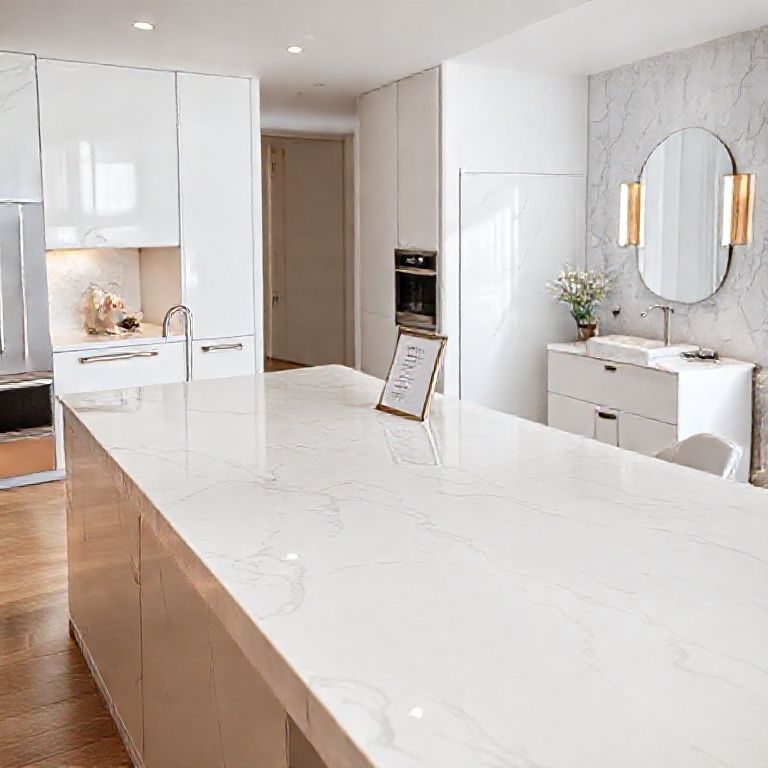
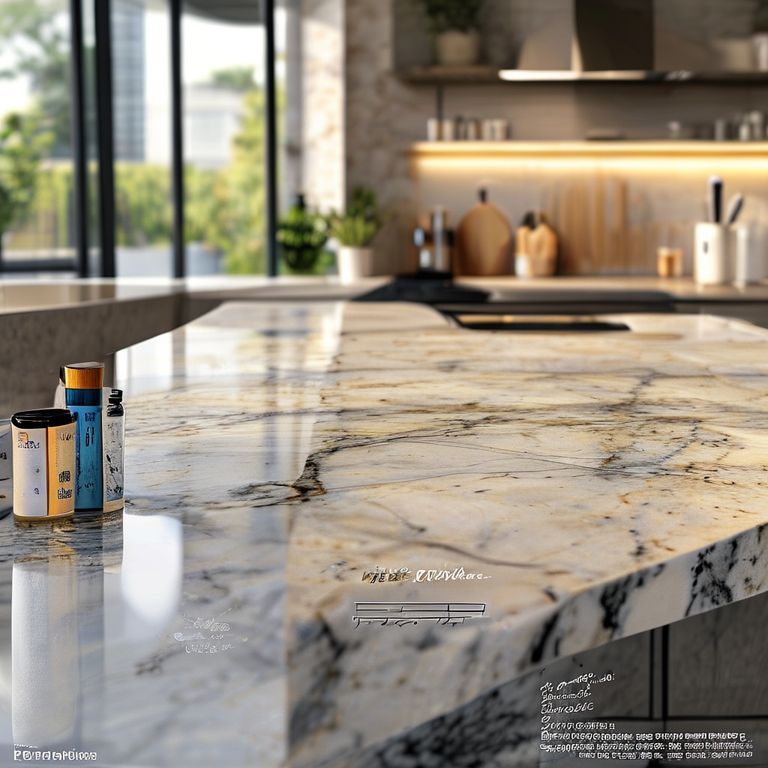
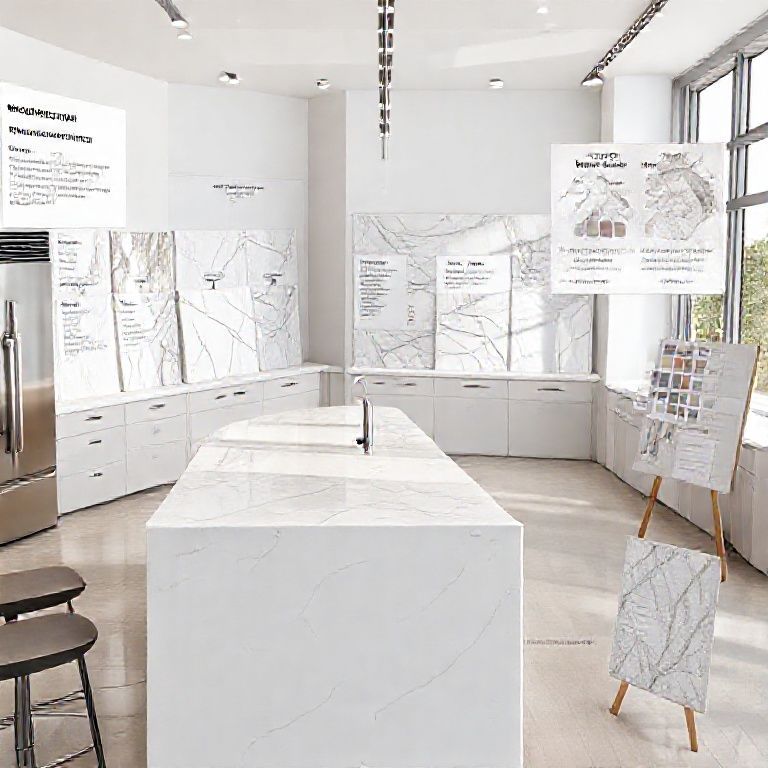
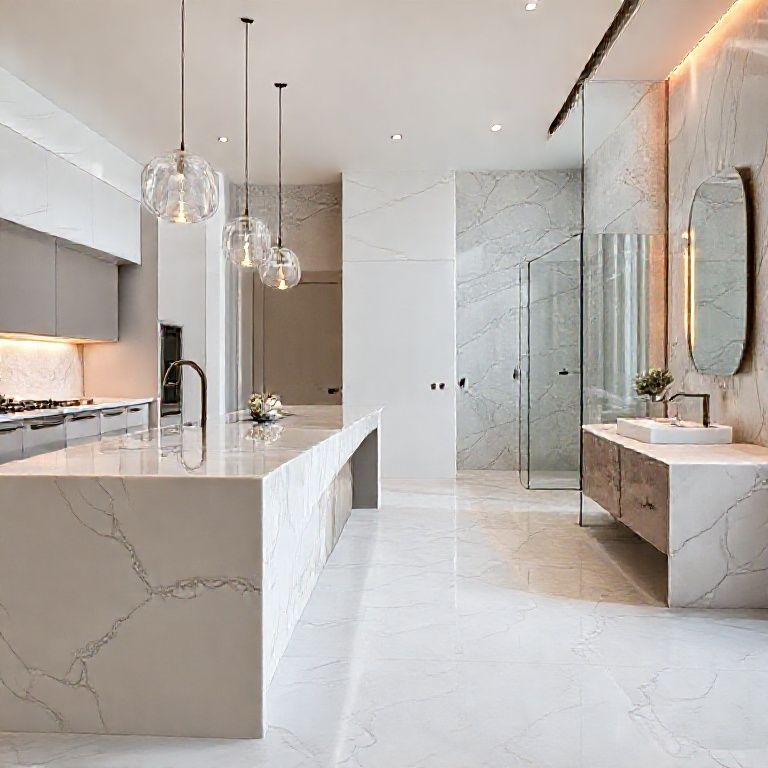
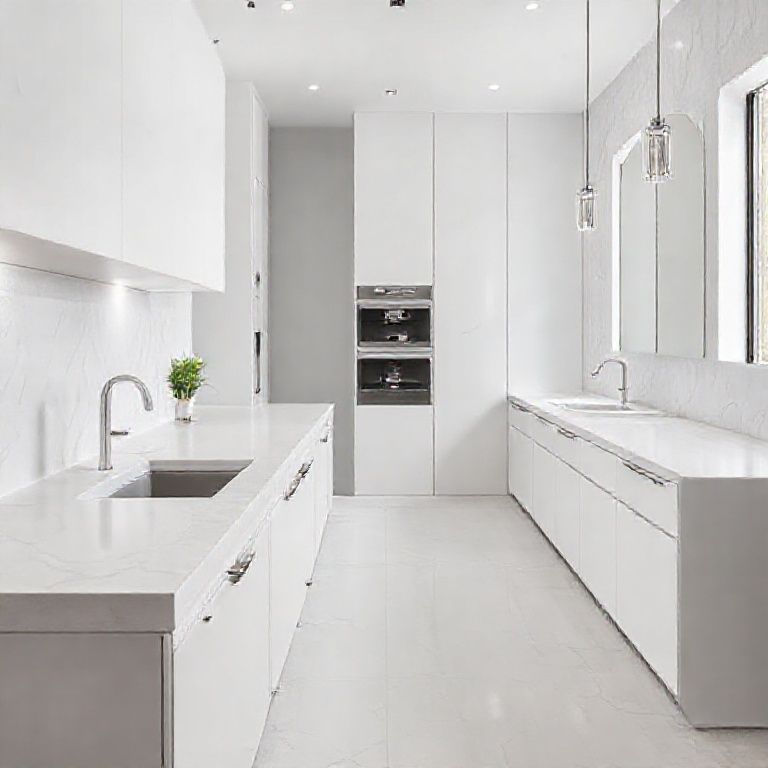
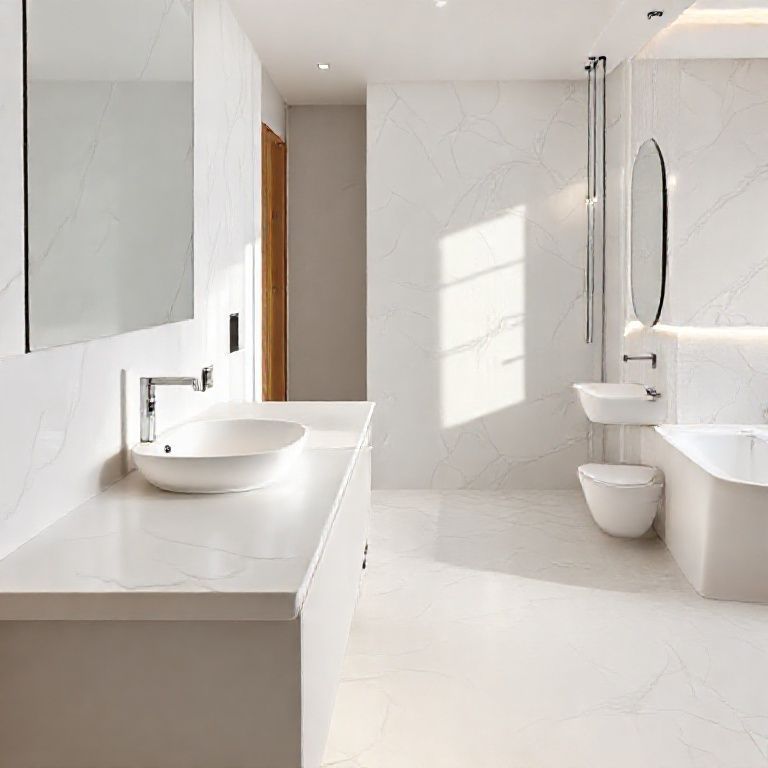
Discover the art of enhancing your kitchen’s aesthetics with our premium artificial stone countertop polishing services. From initial consultation to the final shine, we offer a comprehensive guide to achieve the perfect look for your kitchen. Explore the cost factors, benefits, and process of polishing and buffing your artificial stone countertops to elevate your kitchen’s style.
artificial stone countertop polishing, kitchen countertop polishing, stone countertop polishing price, countertop buffing services, kitchen renovation, countertop maintenance, stone countertop care, professional polishing services, high-gloss finish
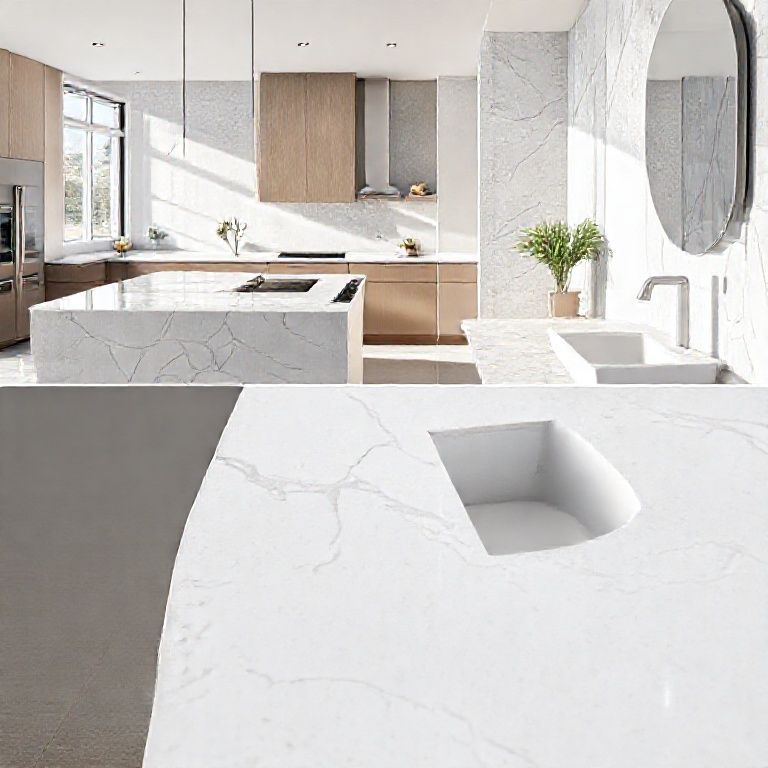
In today’s fast-paced world, the kitchen often serves as the heart of the home. Whether it’s a place for family gatherings, culinary experiments, or a casual meal, the kitchen’s design and functionality are crucial. One of the most significant elements in any kitchen is the countertop. Artificial stone countertops are increasingly popular due to their durability, versatility, and aesthetic appeal. However, maintaining their pristine look over time requires regular care and maintenance. Enter the world of professional artificial stone countertop polishing and buffing services.
Understanding Artificial Stone Countertops
Artificial stone, also known as quartz, is a composite material made from natural stone powder bonded together with resin. This material boasts a host of advantages including a seamless appearance, resistance to stains, scratches, and heat, and a wide range of color options. While these countertops are inherently robust, they still require periodic polishing to maintain their sleek, polished look.
Why Polish Your Artificial Stone Countertops?
Polishing an artificial stone countertop is not just about aesthetics; it’s also a preventive measure. Regular polishing removes surface imperfections such as scratches, chips, and dull spots, which can accumulate over time due to everyday use. Here are some compelling reasons to consider professional polishing services:
Enhanced Aesthetics: Polishing brings out the natural beauty of the stone, providing a high-gloss finish that makes your kitchen look more modern and elegant. Longevity: Regular polishing can extend the life of your countertops by preventing deeper scratches and maintaining their structural integrity. Ease of Maintenance: Polished surfaces are easier to clean and maintain, as they resist stains and fingerprints. Value Addition: A well-polished countertop can increase the resale value of your home, making it an attractive feature for potential buyers.
The Polishing Process
Professional polishing involves several steps to ensure the countertop looks its best. Here’s a breakdown of what to expect:
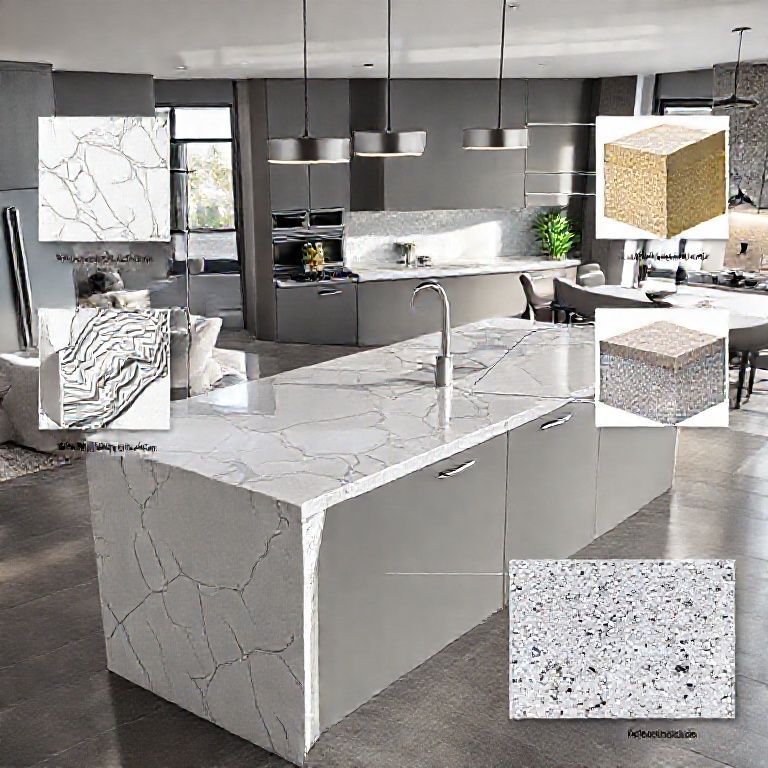
Initial Assessment: The first step is a thorough inspection of the countertop to determine its current condition and any areas that need special attention. Surface Preparation: The surface is cleaned thoroughly to remove any dirt, grease, or residues that could interfere with the polishing process. Grinding and Buffing: Using specialized equipment, the surface is ground and buffed to remove scratches and create a smooth surface. This step may involve multiple passes with progressively finer abrasives. Polishing: Once the surface is smooth, a polishing compound is applied to enhance the shine and bring out the natural beauty of the stone. Final Inspection: The final step involves a careful inspection to ensure that the polishing process has achieved the desired level of shine and that the surface is free of imperfections.
Cost Factors Influencing Polishing Services
The cost of artificial stone countertop polishing can vary based on several factors. Here are the main cost determinants:
Size and Complexity: Larger countertops or those with intricate designs will generally cost more to polish due to the increased time and effort required. Current Condition: Countertops that are heavily scratched or dull will require more extensive work and hence, higher costs. Material Quality: Higher-quality artificial stones may require more sophisticated polishing techniques, which can affect the cost. Labor Costs: The experience and reputation of the polishing service provider can influence labor costs. Highly skilled professionals often charge more. Additional Services: If the polishing service includes cleaning, sealing, or any additional treatments, these will add to the overall cost.
Finding the Right Service Provider
Choosing the right service provider for your artificial stone countertop polishing is crucial. Here are some tips to ensure you select a reliable and professional service:
Research and Reviews: Look for reviews and testimonials from previous customers to gauge the reputation of the service provider. Experience: Opt for a company with significant experience in polishing artificial stone countertops. Certifications: Check if the service provider is certified and uses high-quality equipment. Consultation: A free consultation can provide insight into the provider’s expertise and the expected outcome of the polishing process.
Conclusion
Polishing your artificial stone countertop is a fantastic way to maintain its beauty and extend its lifespan. By understanding the process, cost factors, and benefits, you can make an informed decision to enhance your kitchen’s aesthetics. In the next part, we will delve deeper into the specific pricing models and offer insights into budgeting for your countertop polishing project.
Explore the art of elevating your kitchen’s elegance with our premium artificial stone countertop polishing services. Learn about detailed pricing structures, budgeting tips, and the long-term benefits of professional polishing services. Discover how to make the most of your investment in kitchen countertop maintenance.
artificial stone countertop polishing, kitchen countertop polishing cost, countertop polishing pricing, professional polishing services, kitchen renovation, countertop maintenance, stone countertop care, polishing services near me, high-gloss finish
In the previous part, we delved into the process and benefits of polishing artificial stone countertops. Now, let’s dive deeper into the specifics of pricing and budgeting for these services. Understanding the various cost factors and how to navigate them will help you make an informed decision that maximizes the value of your investment.
Detailed Pricing Structures
The cost of artificial stone countertop polishing can be influenced by various factors, each contributing to the overall price. Here’s a closer look at the detailed pricing structures:
Material Costs: While artificial stone countertops themselves are durable and cost-effective, the polishing compounds and abrasives used in the process can vary in price. High-quality materials will naturally cost more, but they offer better results.
Labor Costs: The expertise and skill level of the polishing technician significantly impact labor costs. Highly experienced professionals who use advanced techniques will charge more. However, their expertise often results in superior finishes and longer-lasting results.
Equipment Costs: Professional polishing services use specialized equipment such as diamond-tipped grinders and buffing machines. The quality and type of equipment used can affect the pricing structure. Advanced equipment often provides better results but may come at a higher cost.
Additional Services: If you opt for additional services such as cleaning, sealing, or applying a protective coating, these will add to the overall cost. It’s important to discuss these services with your service provider to understand the additional charges involved.
Budgeting for Polishing Services
When budgeting for artificial stone countertop polishing, it’s essential to consider both immediate and long-term costs. Here are some tips to help you plan effectively:
Estimate the Scope of Work: Determine the size and complexity of your countertops. Larger, more intricate designs will require more time and effort, which translates to higher costs.
Get Multiple Quotes: Obtain quotes from several reputable service providers to compare prices and services. This will help you identify a fair price range and potentially discover hidden costs.
Understand the Value: Remember that the cost of professional polishing is an investment in the longevity and aesthetics of your kitchen. While it may seem like an additional expense, the benefits of a high-gloss finish and prolonged durability often justify the cost.
Consider Maintenance: Factor in the cost of regular maintenance polishing. Establishing a routine for periodic polishing can help maintain the finish and save on major re-polishing costs in the future.
Long-Term Benefits of Professional Polishing
Investing in professional artificial stone countertop polishing offers numerous long-term benefits:
Enhanced Durability: Regular polishing can prevent minor scratches and chips from developing into larger issues, thereby extending the lifespan of your countertops.
Aesthetic Appeal: A polished surface brings out the natural beauty of the stone, giving your kitchen a modern and elegant look that enhances its overall aesthetic appeal.
Ease of Maintenance: Polished surfaces are easier to clean and maintain, making daily upkeep more manageable and reducing the risk of stains and fingerprints.
Increased Resale Value: A well-maintained, polished countertop is a significant selling point for potential buyers, potentially increasing the resale value of your home.
Choosing the Right Time for Polishing
Timing can also play a crucial role in the effectiveness of your polishing investment. Here are some factors to consider when deciding the best time to polish your countertops:
High-Traffic Areas: Areas of the kitchen that experience high traffic or frequent use should be polished regularly to maintain their appearance and functionality.
Seasonal Maintenance: Consider scheduling regular polishing sessions during off-peak times, such as the beginning of a new season, to ensure your countertops look their best throughout the year.
Special Occasions: If you’re planning a major kitchen renovation or hosting a special event, polishing your countertops before the event can make a significant difference in their appearance.
Final Thoughts
日常维护
及时清理:避免污渍和食物残渣在台面上停留太久,这会导致顽固污渍。用湿布或者专用清洁剂迅速擦拭干净。
使用适当的清洁剂:人造石台面通常耐酸碱,但仍需小心选择清洁剂。建议使用中性清洁剂或专用的人造石清洁剂,避免使用强酸、强碱或腐蚀性清洁剂。
避免尖锐物品:切记不要在台面上使用刀具或其他尖锐物品进行切割,以免划伤台面。最好使用专门的人造石切割板。
防护措施
防护罩:对于厨房台面,可以在炉灶和烤箱附近安装防护罩,避免热量和油烟直接接触台面。
使用台面垫:在烹饪时,使用砧板或烹饪垫来保护台面,特别是在加热或烹饪食物时。
避免暴露在强光下:长时间暴露在强光或紫外线下可能导致台面颜色褪色。可以在台面上方安装遮光罩或使用厨房窗帘。
特殊护理
定期打蜡:虽然人造石台面不需要频繁打蜡,但在特殊情况下,可以使用专门的人造石打蜡产品来增加光泽和保护效果。
处理污渍:对于顽固污渍,可以使用专用的人造石清洁剂进行深层清洁。如果污渍严重,建议咨询专业人士进行处理。
紧急处理
划痕修复:如果台面出现划痕,可以使用专业的修复膏或研磨工具进行修复。修复效果需根据划痕的深度和台面材质而定。
污渍处理:对于顽固污渍,可以尝试使用温和的清洁剂和少量的牙粉(不是针对敏感牙齿的牙膏)进行清洁,但需小心操作,以免损伤台面。
专业维护
定期专业清洁:每隔几个月可以请专业人员进行深度清洁和维护,尤其是在出现大量污渍或者需要重新打蜡时。
重新抛光:对于长期使用后的台面,可能需要进行重新抛光以恢复光泽。这通常需要专业设备和技术,建议咨询专业人士。
预防措施
使用保护垫:在台面上放置餐具、烹饪器具时,使用保护垫或垫子,以避免长时间的物理接触。
避免直接接触热源:确保烹饪时不将热锅直接放在台面上,以防热损伤。
通过以上的日常维护和防护措施,可以有效延长人造石台面的使用寿命,保持其美观和功能。如果有任何不确定的情况,最好咨询专业人员的建议。