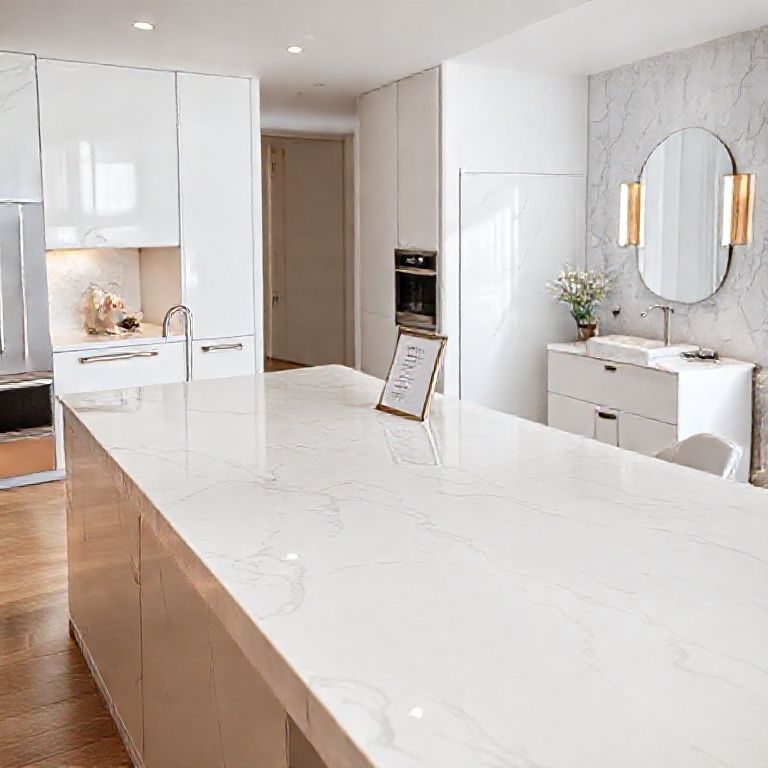
Discover everything you need to know about the cost of kitchen countertop replacement. From understanding materials to expert tips, this comprehensive guide will help you plan your kitchen transformation. Learn how to get the best value and ensure a stunning new look for your home.
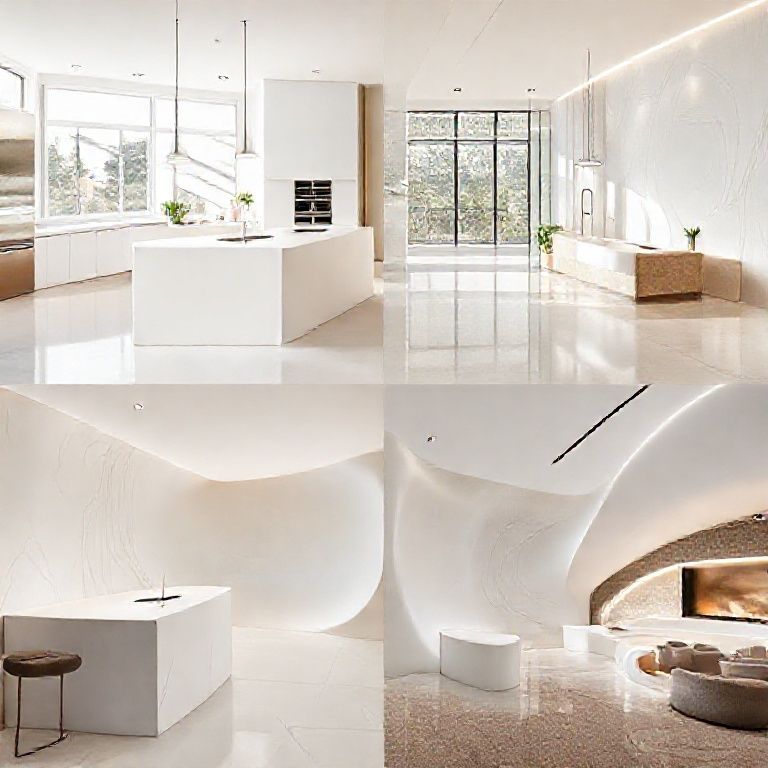
kitchen countertop replacement, countertop cost, kitchen renovation, granite countertops, quartz countertops, marble countertops, cost of kitchen remodeling, DIY countertop replacement, countertop installation
Transform Your Kitchen with a Stunning New Countertop: What Does It Really Cost?
Transforming your kitchen is one of the most impactful home improvement projects you can undertake. Among the various elements that contribute to a kitchen’s aesthetic and functionality, the countertop stands out as a focal point. Replacing your kitchen countertop is not just about aesthetics; it can significantly enhance your kitchen’s value and usability. But how much does it cost to replace a kitchen countertop? Let’s delve into the factors that influence the cost and what you can expect in this comprehensive guide.
Understanding the Costs of Kitchen Countertop Replacement
When it comes to kitchen countertop replacement, several factors come into play that determine the overall cost. These factors include the type of material, the size and complexity of the countertop, the labor involved, and additional costs such as disposal and design considerations.
Materials: The Heart of Your Countertop
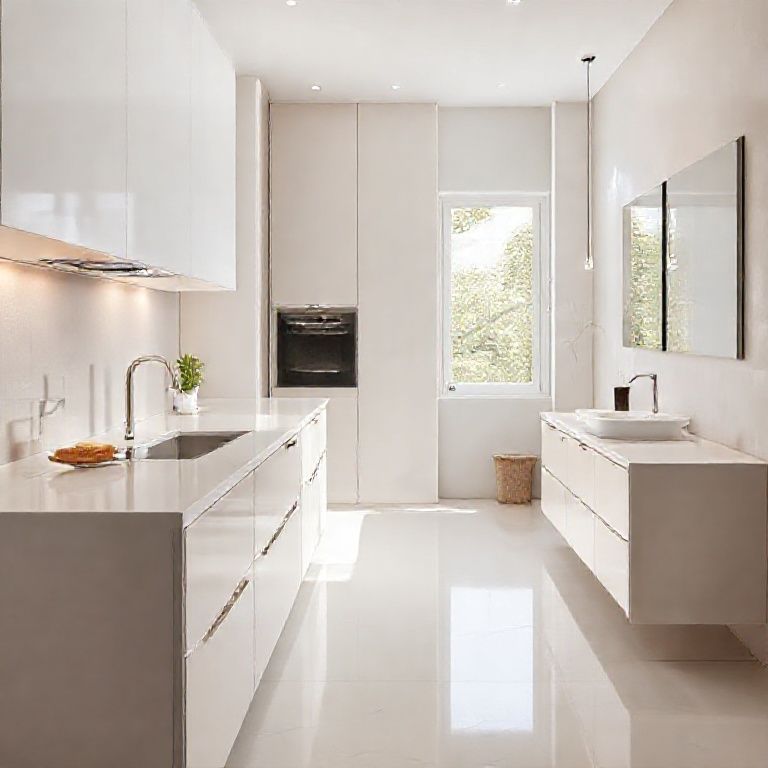
The material of the countertop is one of the most significant factors influencing the cost. Here’s a breakdown of the various types of materials and their price ranges:
Granite: Known for its durability and elegance, granite countertops typically range from $100 to $300 per square foot. High-end granite can cost even more, making it a premium choice. Quartz: Quartz countertops are popular for their low maintenance and durability. Prices range from $60 to $190 per square foot, making them a cost-effective option without compromising on quality. Marble: While marble is beautiful, it requires more maintenance. Costs range from $150 to $400 per square foot due to its beauty and susceptibility to staining. Stainless Steel: A popular choice for its durability and modern look, stainless steel countertops range from $30 to $100 per square foot. Composite: Composite countertops offer a blend of different materials and are affordable, ranging from $20 to $70 per square foot. They are also easy to maintain. Concrete: For a unique and durable option, concrete countertops range from $50 to $150 per square foot. They are perfect for a rustic or industrial look. Size and Complexity
The size and complexity of your kitchen countertop also impact the cost. Larger countertops and those with intricate designs or multiple sinks and islands will naturally cost more. Standard kitchen countertops usually range from 5 to 10 feet in length, but custom sizes can vary significantly.
Labor Costs
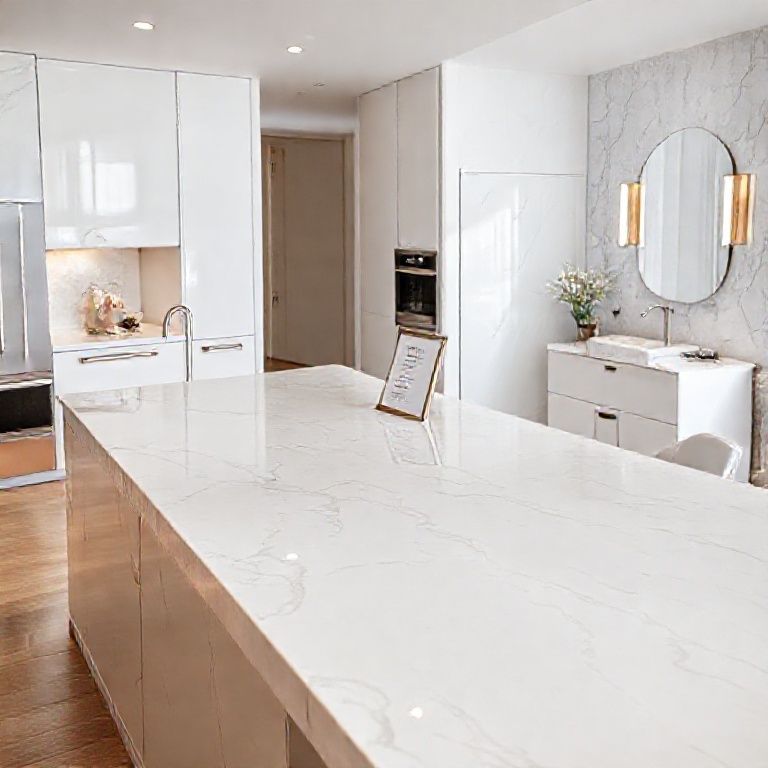
Labor costs for installing a countertop can vary widely depending on your location and the complexity of the installation. On average, labor costs can range from $500 to $2,000. This includes the removal of the old countertop, the installation of the new one, and any additional tasks like sealing or grouting.
Additional Costs
There are additional costs to consider beyond the material and labor, such as disposal fees for the old countertop and any design or consultation fees. These can add an extra $100 to $500 to your total project cost.
DIY vs. Professional Installation
When it comes to installing your new countertop, you have two options: DIY or professional installation. Each option has its pros and cons.
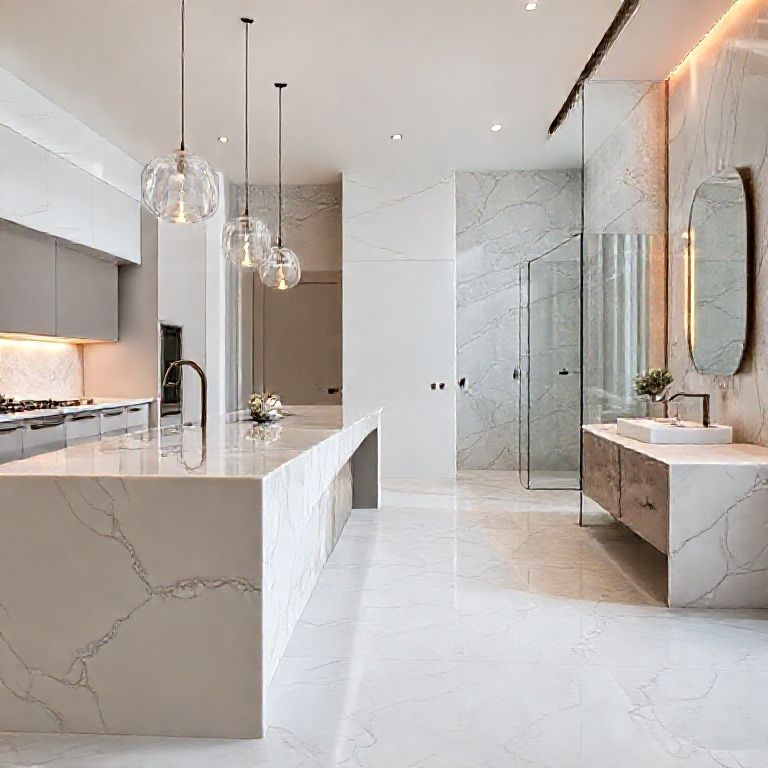
DIY Installation: If you’re handy and have the right tools, you might consider a DIY installation to save on labor costs. However, this can be a challenging project, especially if you’re replacing a countertop for the first time. Mistakes can lead to costly repairs and may void any warranties.
Professional Installation: Hiring a professional ensures a high-quality installation and reduces the risk of errors. It also allows you to focus on other aspects of your kitchen renovation. However, it does come at an additional cost.
Budgeting for Your Kitchen Countertop Replacement
To get a realistic idea of how much your kitchen countertop replacement will cost, it’s essential to create a detailed budget. Here’s a step-by-step guide:
Choose Your Material: Based on your preferences and budget, select the countertop material. Consider the long-term benefits and maintenance requirements of each material.
Measure Your Space: Accurately measure the area that needs a new countertop to determine the size and quantity of material needed.
Research Labor Costs: Look up local labor rates to get an estimate of installation costs. Consider whether you want to DIY or hire professionals.
Factor in Additional Costs: Don’t forget to include disposal fees, design consultation fees, and any other miscellaneous costs.
Create a Detailed Budget: Combine all these factors to create a comprehensive budget for your kitchen countertop replacement project.
Conclusion
Replacing your kitchen countertop is an investment in both the functionality and aesthetic of your home. Understanding the various factors that influence the cost, from materials to labor, will help you make an informed decision. Whether you opt for a DIY installation or hire professionals, a stunning new countertop can transform your kitchen and enhance your home’s value.
Stay tuned for the second part of our guide, where we will explore more in-depth design considerations, maintenance tips, and additional factors to keep in mind when planning your kitchen countertop replacement.
Transform Your Kitchen with a Stunning New Countertop: What Does It Really Cost? (Continued)
In the previous part, we explored the factors that influence the cost of replacing your kitchen countertop, from materials and size to labor and additional expenses. Now, let’s dive deeper into design considerations, maintenance tips, and additional factors to help you make the most out of your kitchen renovation project.
Design Considerations for Your New Countertop
Choosing the right design for your kitchen countertop involves balancing aesthetics, functionality, and durability. Here are some design considerations to keep in mind:
Color and Style
The color and style of your countertop should complement your kitchen’s existing decor. Light colors tend to make a kitchen appear larger and more open, while dark colors can create a cozy, intimate atmosphere. Consider your kitchen’s overall style – modern, rustic, traditional, or industrial – and choose a countertop that matches or enhances this aesthetic.
Patterns and Textures
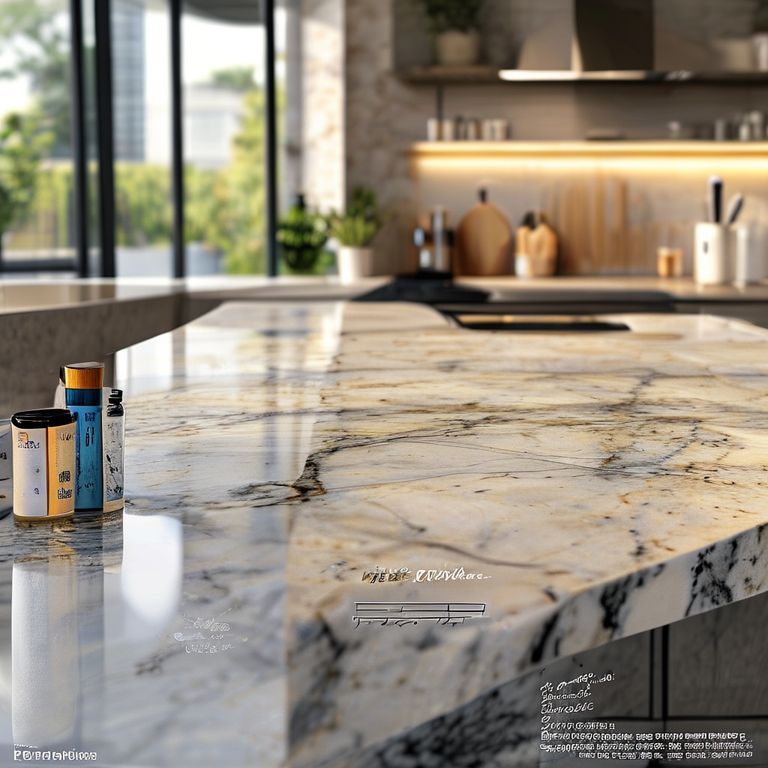
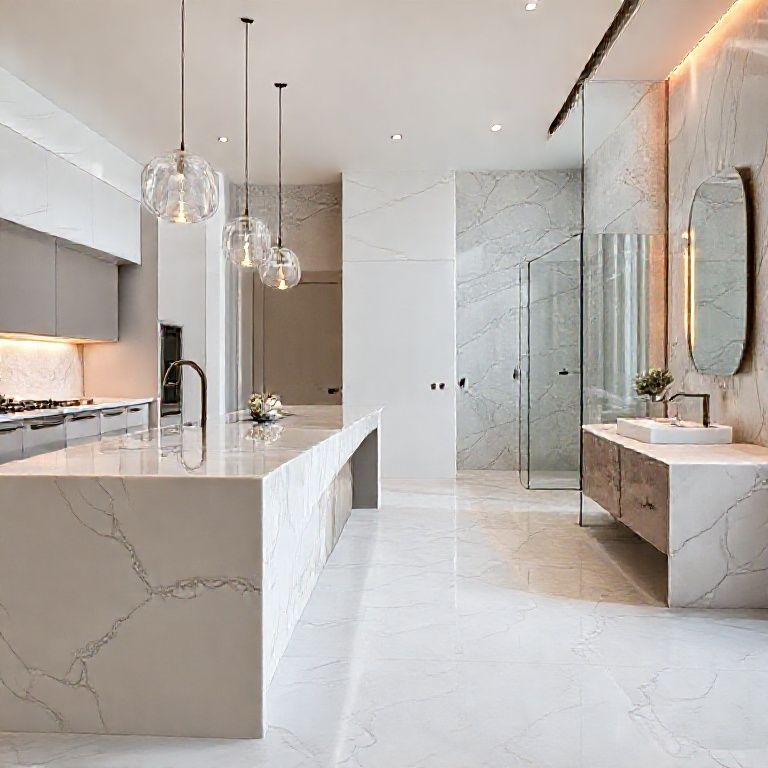
Patterns and textures can add visual interest to your countertop. For instance, a marble countertop with a unique vein pattern can create a statement piece, while a sleek, smooth quartz surface offers a clean and modern look. Don’t forget to consider how these patterns and textures will hold up over time, especially in high-traffic areas.
Customization Options
Many materials offer customization options, such as engravings, built-in sinks, or unique shapes. These features can add a personal touch to your kitchen and make it more functional. However, custom features often come at an additional cost, so factor these into your budget.
Compatibility with Existing Fixtures
Ensure that your new countertop is compatible with existing kitchen fixtures, such as sinks, islands, and appliances. Custom-sized countertops or those with integrated features will require precise measurements to fit seamlessly with these elements.
Maintenance Tips for Your New Countertop
Proper maintenance is crucial to keeping your new countertop looking beautiful and extending its lifespan. Here are some tips for different types of countertops:
Granite Sealing: Granite countertops require periodic sealing to protect the stone from stains and scratches. Follow the manufacturer’s instructions for sealing frequency and products. Cleaning: Use a mild soap and water solution to clean granite countertops. Avoid using abrasive cleaners or steel wool. Quartz Cleaning: Quartz countertops are low-maintenance and easy to clean. Use a mild dish soap and a soft cloth to wipe them down. Avoiding Damage: Avoid using metal utensils or sharp objects on the surface to prevent scratches. Marble Acid-Free Cleaners: Use acid-free, pH-neutral cleaners to avoid damaging the marble. Immediate Cleaning: Clean up spills immediately to prevent stains. Marble is susceptible to staining from coffee, wine, and other acidic substances. Stainless Steel Wipe Down: Stainless steel countertops are easy to maintain. Simply wipe them down with a damp cloth and a mild detergent. Avoiding Scratches: Use non-abrasive cleaners and avoid placing hot pots or pans directly on the surface to prevent scratches. Composite Gentle Cleaning: Use a mild soap and water solution to clean composite countertops. Avoid using abrasive cleaners that can scratch the surface. Avoiding Heat: Keep hot pots and pans off the surface to prevent discoloration from heat.
Additional Factors to Consider
When planning your kitchen countertop replacement, several additional factors can impact the overall project:
Warranties and Guarantees
Check the warranties and guarantees offered by different countertop materials and suppliers. A good warranty can provide peace of mind and cover potential future repairs or replacements.
Environmental Impact
Consider the environmental impact of your countertop choice. Some materials, like granite and marble, are natural stone and may have a higher environmental footprint1. Energy Efficiency: Look for countertops made from materials that are energy-efficient. Stainless steel and certain types of composite materials are more durable and require less maintenance, thus reducing long-term energy costs.
Safety Features: Modern countertops often come with safety features like non-slip surfaces and heat-resistant materials. Stainless steel, for instance, is inherently resistant to heat, which can prevent accidents in the kitchen.
Future Trends: Consider the longevity and future trends in kitchen design. Materials that are currently popular may become less trendy in the future. However, natural stone like granite and quartz have timeless appeal.
Budgeting for the Future: While it’s tempting to choose the most affordable option initially, consider the long-term costs. Higher-quality materials might have a higher upfront cost but can save money in the long run through lower maintenance and longer lifespan.
Customization and Design Flexibility: With advancements in materials and technology, many countertop options now offer high levels of customization in terms of design, color, and texture. This can allow you to create a unique look that fits perfectly with your kitchen design.
Installation and Removal of Old Countertop: Plan for the costs associated with removing the old countertop. Some materials are easier to remove than others, and this can affect the overall project cost. Also, consider how easy it will be to reinstall your old countertop if you decide to revert to it in the future.
Final Thoughts
Replacing your kitchen countertop is a significant investment, both financially and in terms of time and effort. By understanding the various factors that influence cost and considering long-term benefits, you can make an informed decision that enhances both the functionality and aesthetic of your kitchen. Whether you choose a durable granite, a low-maintenance quartz, or a sleek stainless steel, each option brings its own set of advantages that can elevate your kitchen to new heights.
For a comprehensive kitchen makeover, always consult with professionals who can provide expert advice tailored to your specific needs and preferences. This will ensure that you get the best value and enjoy your new countertop for years to come.