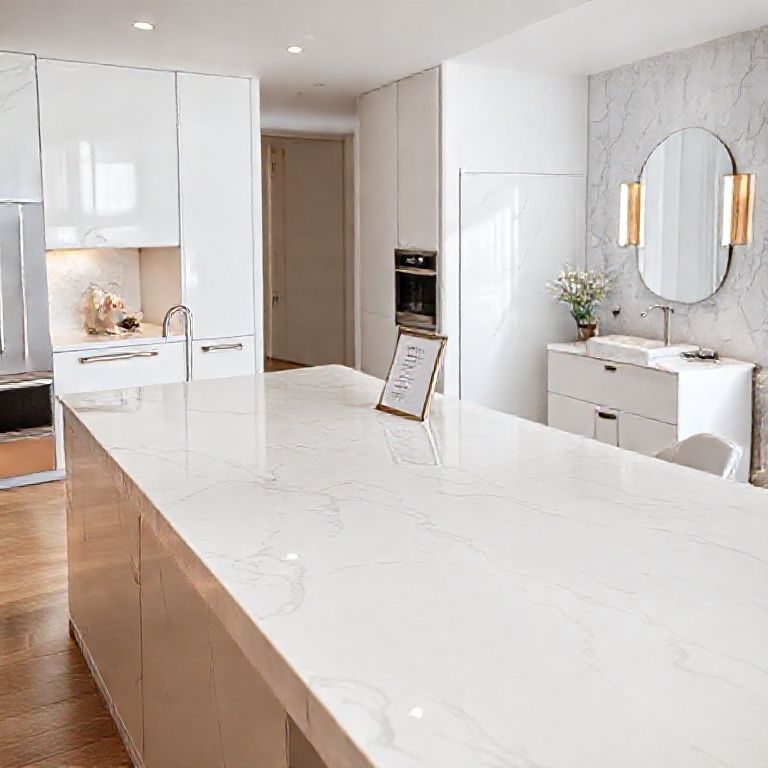
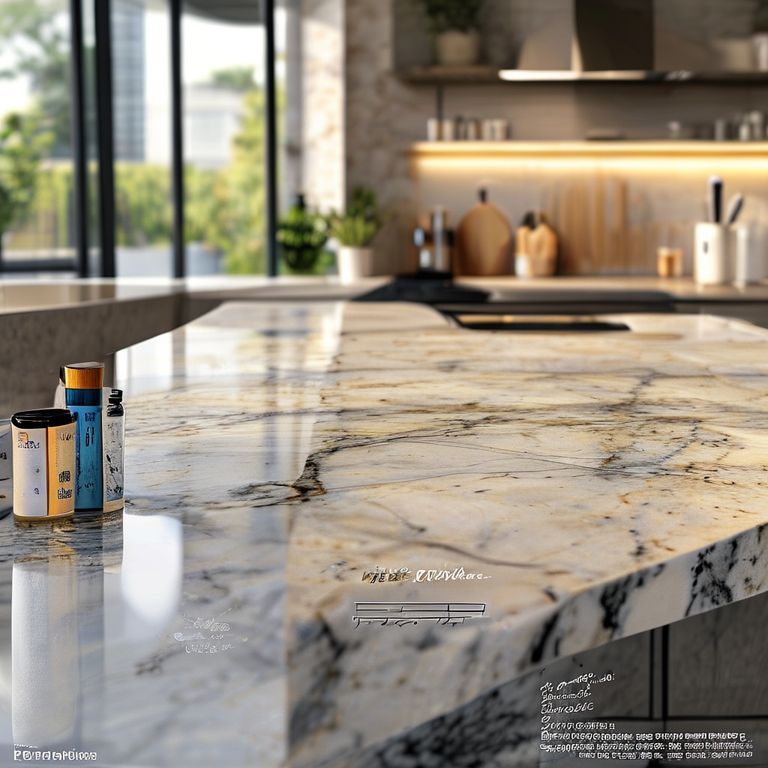
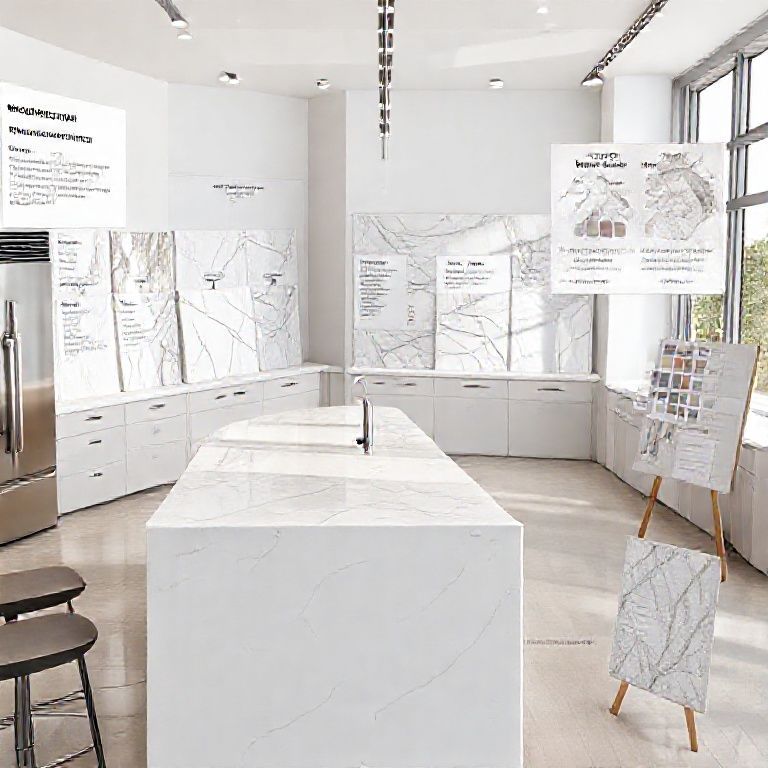
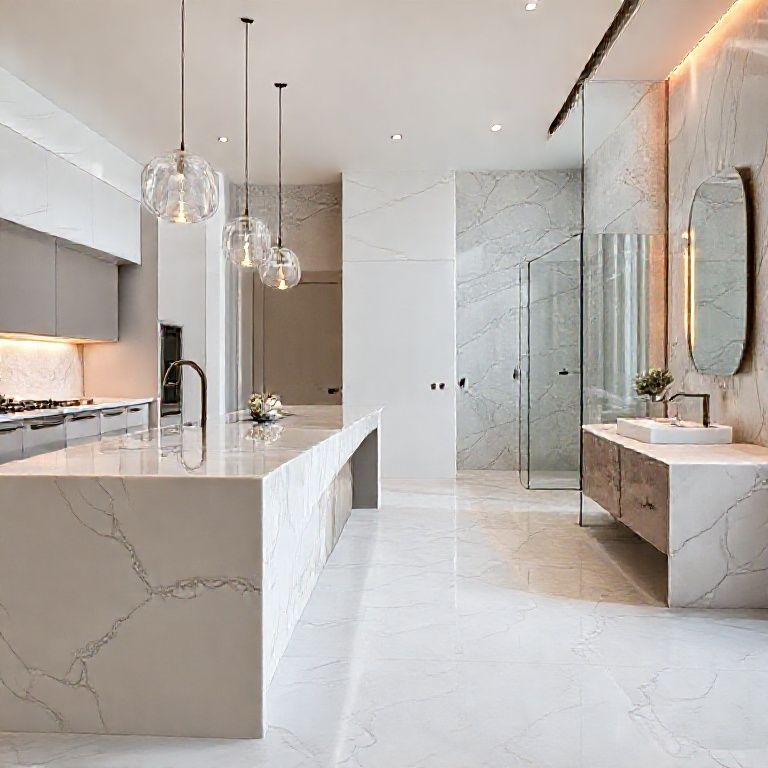
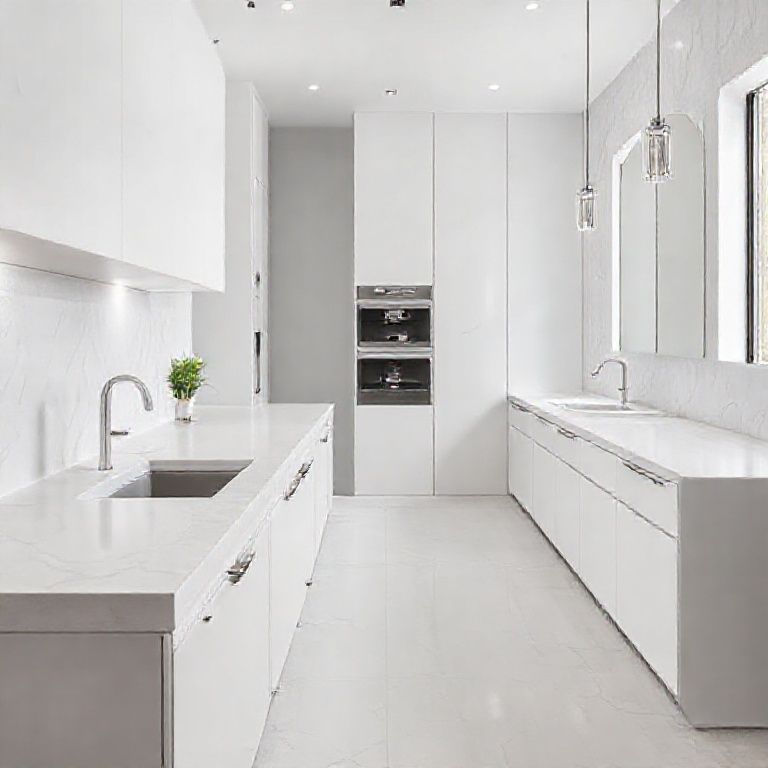
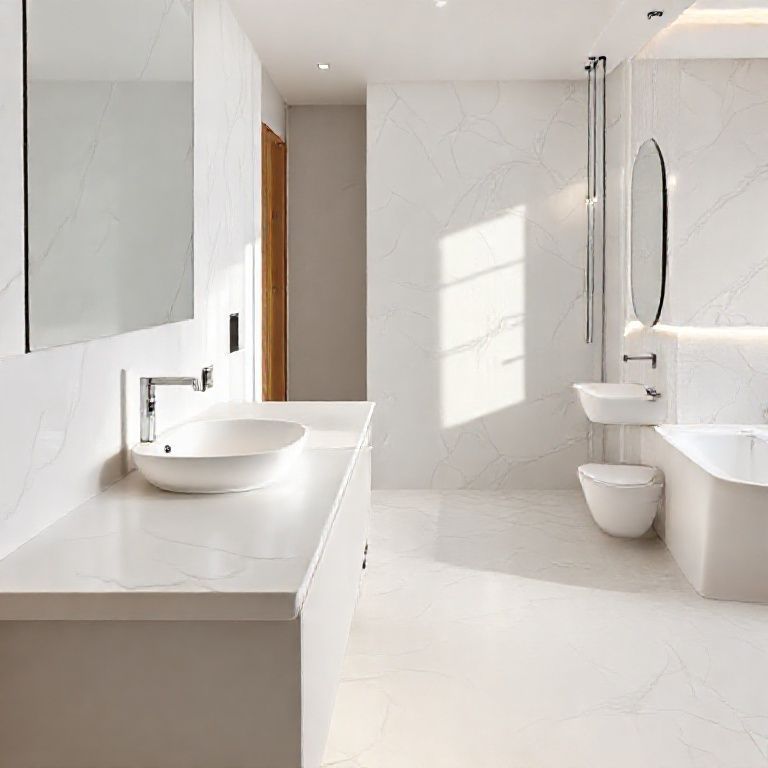
Artificial stone countertops have surged in popularity due to their aesthetic appeal, durability, and versatility. They mimic the look of natural stone but come with a variety of underlying disadvantages that need to be weighed carefully. In this part of our exploration, we’ll focus on the primary concerns surrounding the use of artificial stone in kitchen and bathroom renovations.

Durability Concerns
While artificial stone countertops are known for their robustness, they are not invulnerable. The material, although designed to mimic the durability of natural stone, can still suffer from scratches and chips under certain conditions. Unlike natural stone, which can often be polished to restore its luster, artificial stone may require more specialized repair methods. In some cases, significant damage may necessitate full replacement of the countertop, which can be both costly and time-consuming.
Maintenance Requirements
Artificial stone countertops require regular maintenance to maintain their pristine appearance. Over time, the surface can accumulate grease, stains, and grime, which can be challenging to clean without specialized cleaning agents. Regular cleaning is essential to prevent the build-up of substances that can scratch or discolor the surface. Unlike other kitchen and bathroom surfaces that may be easier to clean, artificial stone requires a more vigilant cleaning routine to keep it looking its best.
Temperature Sensitivity
One often overlooked aspect of artificial stone is its sensitivity to temperature changes. While it is generally more heat-resistant than many other countertop materials, extreme heat can still cause discoloration or cracking. This is particularly relevant in kitchens where pots and pans may become very hot. To mitigate this risk, it’s important to use heat-resistant pads or trivets when placing hot items on the countertop. Failure to do so can lead to long-term damage.
Environmental Concerns
The production of artificial stone involves the use of various chemicals and synthetic materials. Although manufacturers often claim that these materials are non-toxic, there is still concern about the environmental impact of their production and disposal. The manufacturing process can release pollutants that contribute to environmental degradation. Additionally, disposing of artificial stone at the end of its lifespan can pose challenges, as it is not biodegradable and may require specialized disposal methods.
Cost Considerations
While the initial cost of artificial stone countertops might be comparable to or even lower than natural stone, the long-term financial implications can be surprising. Maintenance, potential repairs, and eventual replacement all add to the overall cost. Moreover, if damage occurs that necessitates a full replacement, the expense can be significant. It’s crucial to factor in these additional costs when budgeting for kitchen and bathroom renovations.
Aesthetics and Versatility Limitations
While artificial stone can be molded into various shapes and sizes to mimic natural stone, its aesthetic versatility has its limitations. The patterns and colors may not perfectly replicate the natural beauty found in real stone. Moreover, the uniformity of artificial stone can sometimes lack the unique, natural variations that make each piece of natural stone one-of-a-kind. This can be a significant drawback for those who appreciate the distinct beauty of natural stone.
Installation Challenges
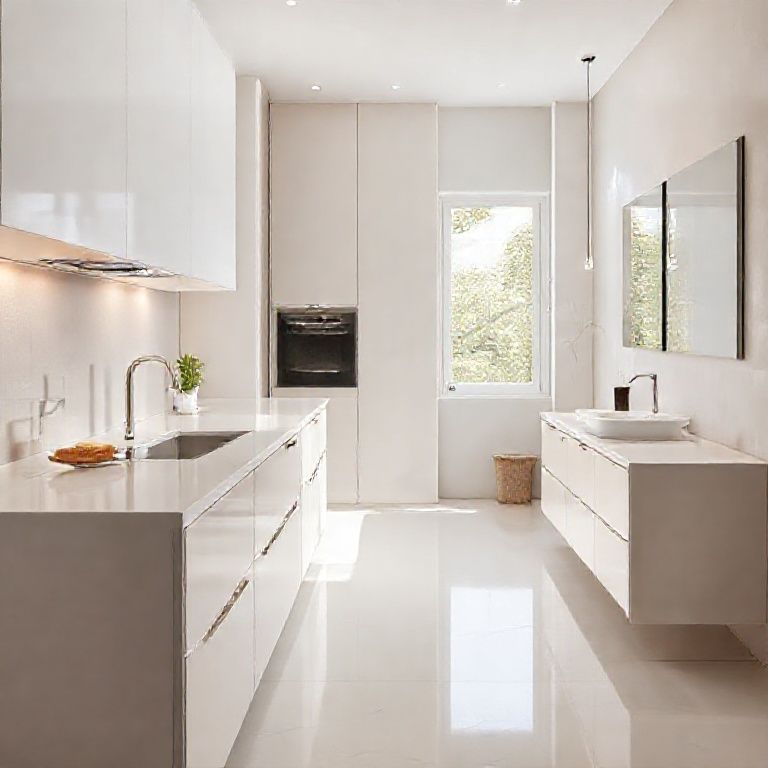
Installing artificial stone countertops can be more complex than installing other materials. The surface requires a precise cut to fit the space, and the edges need to be polished to prevent chipping. This process can be time-consuming and may require professional installation to ensure a flawless finish. DIY installation can often lead to uneven edges and a less professional appearance.
Health Implications
Although manufacturers claim that artificial stone is non-toxic, there are still concerns regarding the health implications of prolonged exposure to the materials used in its production. Some individuals may be sensitive to the chemicals used in the manufacturing process, leading to skin irritation or other health issues. While these risks are generally low, it’s important to consider the potential health implications for those with sensitivities or allergies.
Alternatives to Artificial Stone
Given these drawbacks, it’s worth considering alternative materials for kitchen and bathroom countertops. Granite, marble, quartz, and solid wood each offer unique benefits that may be more suitable depending on individual needs. Each of these materials has its own set of advantages and disadvantages, but they often provide more straightforward maintenance, durability, and aesthetic options compared to artificial stone.
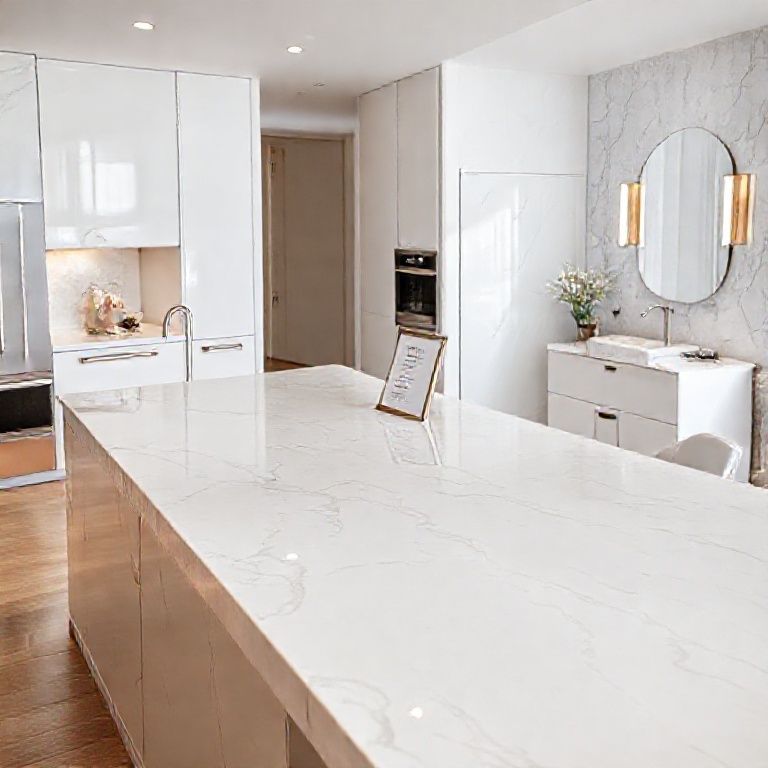
In the next part of our exploration, we will delve deeper into specific use cases, alternative materials, and expert recommendations to help you make an informed decision for your kitchen and bathroom renovations. Stay tuned for an in-depth look at what might be the best choice for your space.
In the second part of our detailed examination, we will further dissect the disadvantages of artificial stone countertops and explore alternative materials that may offer better long-term benefits for kitchen and bathroom renovations. By the end of this part, you’ll have a clearer understanding of the pros and cons to make an informed decision.
Specific Use Case Considerations
When evaluating artificial stone countertops, it’s essential to consider the specific use cases and environments in which they will be installed. For instance, in high-traffic kitchen areas where heavy pots and pans are frequently used, the durability and heat resistance of artificial stone may not hold up as well as in lower-traffic areas. This is where understanding the limitations of artificial stone becomes crucial.
Comparison with Alternative Materials
Granite
Granite offers unparalleled durability and a unique aesthetic that can enhance the beauty of any kitchen or bathroom. While granite requires regular sealing to maintain its surface, it is generally more resistant to scratches and stains than artificial stone. Moreover, its natural appearance can be a significant advantage for those who value the beauty of real stone.
Marble
Marble is known for its exquisite beauty and elegant appearance. However, it is also highly porous and can be more susceptible to staining compared to artificial stone. Regular maintenance, including sealing and proper cleaning, is essential to keep marble looking its best. Despite its maintenance needs, marble’s timeless appeal often outweighs these drawbacks for many homeowners.
Quartz
Quartz countertops are highly durable and resistant to scratches, stains, and heat. They also do not require sealing, making them low-maintenance compared to other natural stones. Quartz offers a variety of colors and patterns, allowing for a high degree of customization. However, the cost can be higher than artificial stone, and installation may require professional expertise.
Solid Wood
Solid wood countertops provide a warm, natural aesthetic that can add character to any space. They are generally less prone to scratches and staining compared to many other materials, though they do require regular maintenance to prevent warping, cracking, and insect infestation. Solid wood can offer a unique, organic look that is hard to replicate with synthetic materials.
Expert Recommendations
When choosing between artificial stone and alternative materials, it’s important to consult with professionals who can provide tailored advice based on your specific needs. Here are some expert recommendations:
Assess Traffic and Usage Patterns: Consider how frequently the countertop will be used and the types of activities it will endure. High-traffic areas may benefit more from the durability of materials like granite or quartz.
Evaluate Budget: While artificial stone may offer a lower upfront cost, consider the long-term financial implications, including maintenance, potential repairs, and eventual replacement.
Consider Aesthetics: Think about the visual appeal you desire. Natural stone materials like granite and marble offer unique beauty that may be more appealing than artificial stone, though they come with specific maintenance requirements.
Look at Longevity: Evaluate how long you plan to stay in the space. If you’re planning a long-term investment, consider the durability and maintenance needs of each material.
Consult with Experts: Speak with professionals who can provide insights into the best materials for your specific needs. They can offer advice on installation, maintenance, and potential long-term issues.
Making an Informed Decision
Ultimately, the choice between artificial stone and alternative materials will depend on a variety of factors including budget, aesthetics, maintenance requirements, and long-term durability. While artificial stone offers a versatile and cost-effective option, its drawbacks in terms of durability, maintenance, and environmental impact may not make it the best choice for every situation.
By weighing these factors and considering expert advice, you can make an informed decision that best suits your kitchen and bathroom renovation needs. Whether you opt for the synthetic convenience of artificial stone or the natural beauty of granite, marble, quartz, or solid wood, the goal is to create a space that meets your functional and aesthetic requirements.
In conclusion, while artificial stone countertops have many advantages, it’s crucial to be aware of their potential downsides. By understanding these limitations and exploring alternative materials, you can make a well-informed decision that will stand the test of time and enhance the beauty and functionality of your kitchen and bathroom.