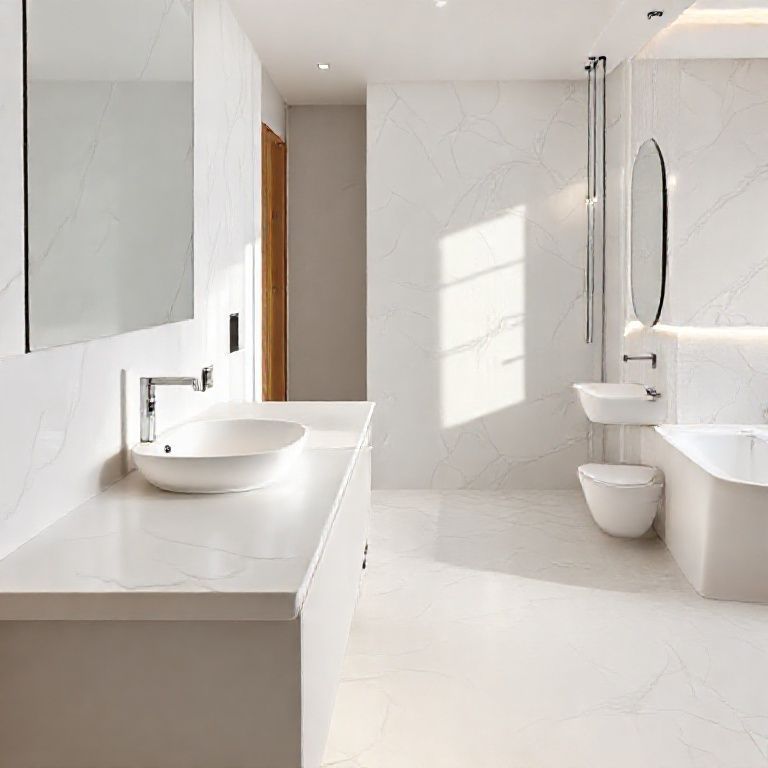
This detailed article explores the pros and cons of artificial marble, a popular choice for countertops and decorative elements. It provides a comprehensive comparison, helping you make an informed decision on whether artificial marble is the right choice for your needs.
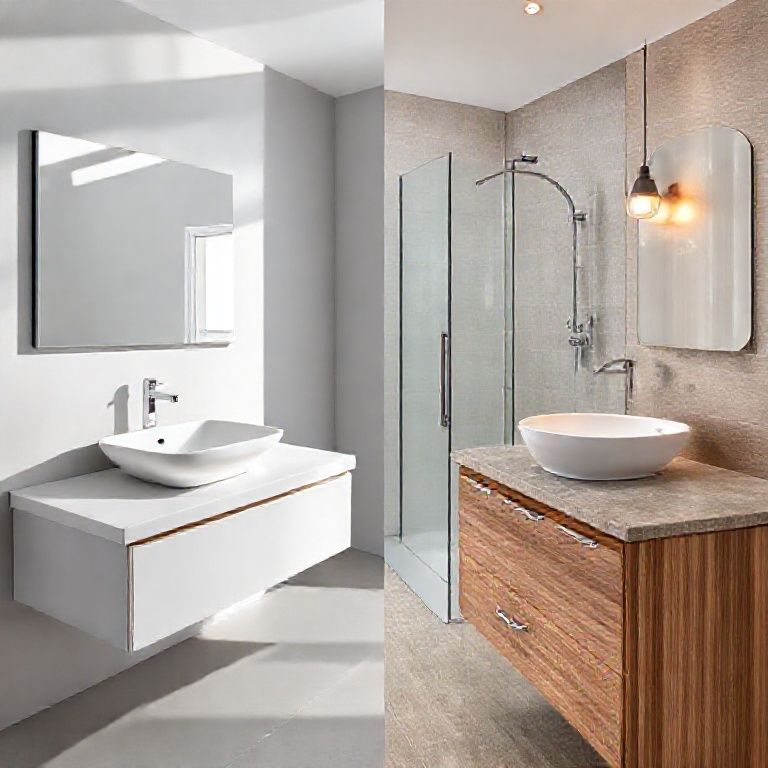
artificial marble, pros and cons, countertop material, durability, maintenance, cost, aesthetics, alternatives, comparison, renovation
The Advantages of Artificial Marble
Artificial marble, also known as engineered stone, has emerged as a popular choice for many homeowners and businesses seeking a luxurious yet cost-effective material for countertops, backsplashes, and other decorative elements. This innovative material combines the best features of natural stone with modern technology to create a stunning, durable surface. Here, we delve into the myriad advantages that make artificial marble a compelling option.
Unmatched Aesthetics
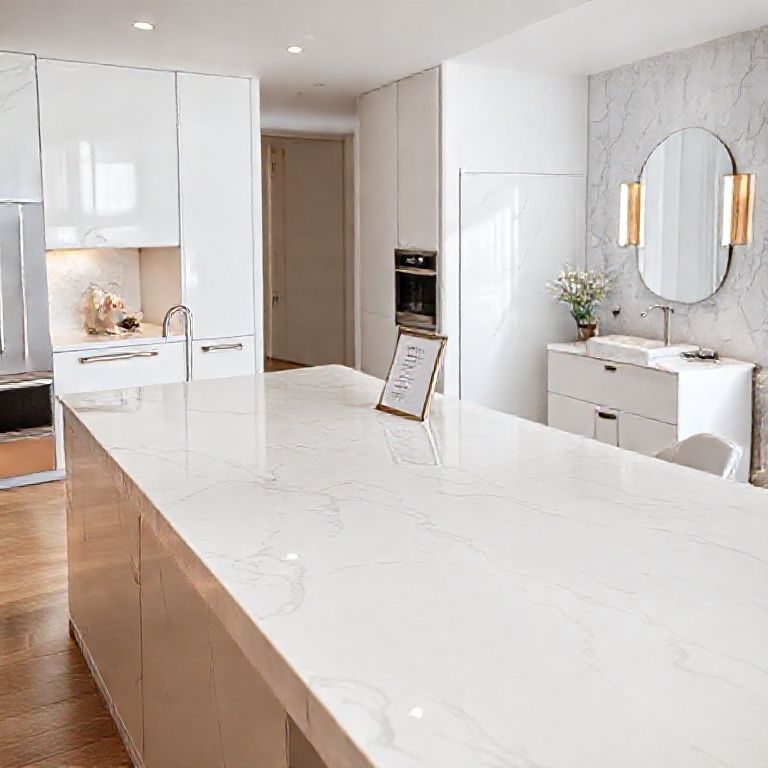
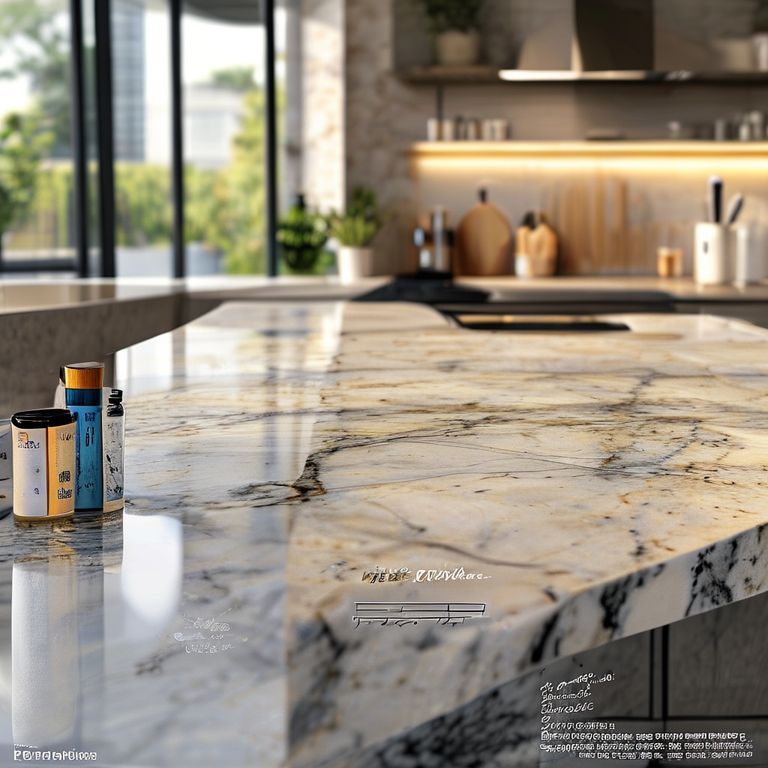
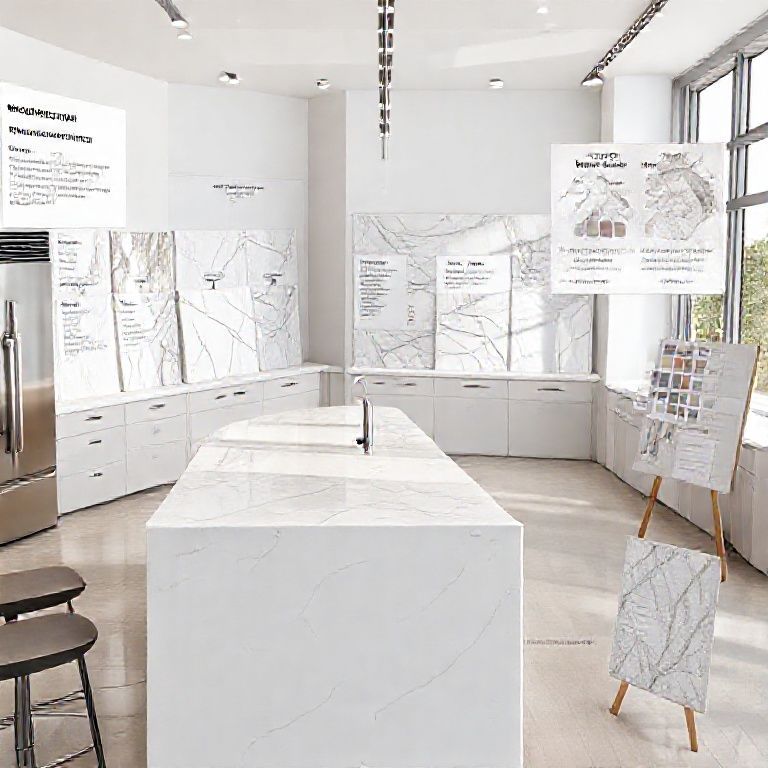
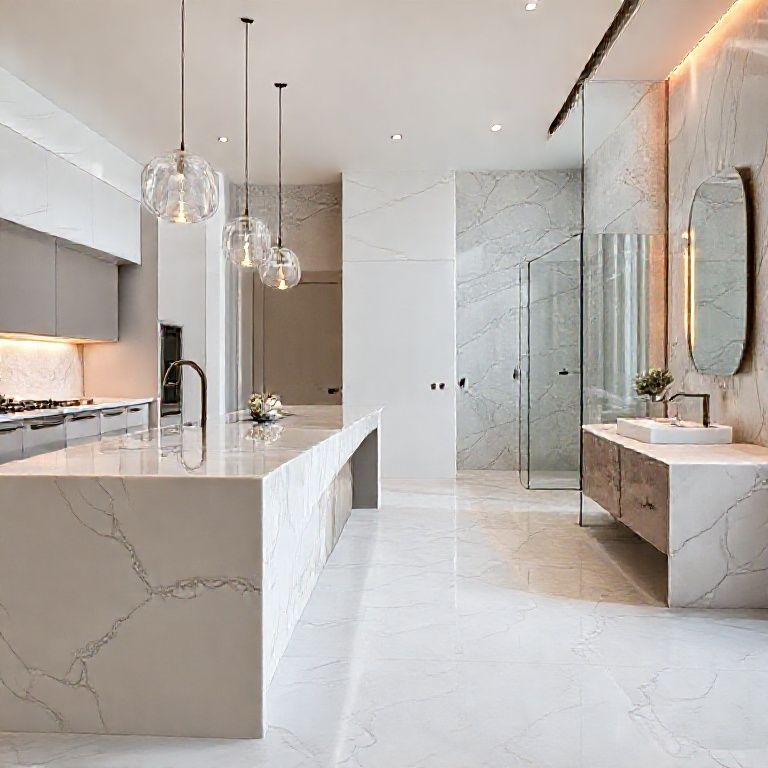
Artificial marble is renowned for its exceptional visual appeal. It offers a wide range of colors, patterns, and textures that can mimic the appearance of natural marble, granite, and even wood. The versatility in design allows for endless customization, enabling designers and homeowners to create unique and sophisticated looks. The high-quality finish ensures that artificial marble pieces look polished and elegant, making them suitable for both high-end and contemporary spaces.
Durability and Strength
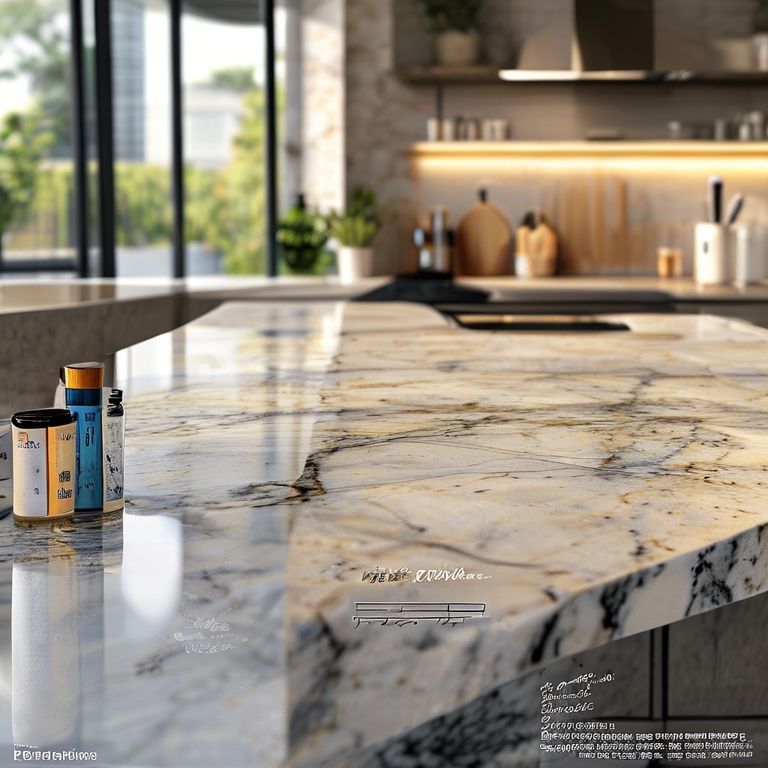
One of the standout features of artificial marble is its impressive durability. Unlike natural stone, which can be prone to scratches, chips, and stains, artificial marble is engineered to withstand these issues. It is made from a combination of quartz, resin, and pigments that create a solid surface that is both scratch-resistant and stain-proof. This makes artificial marble an excellent choice for high-traffic areas where wear and tear are common.
Low Maintenance
Artificial marble is a low-maintenance material that requires minimal upkeep. Unlike natural stone, which needs regular sealing to protect against stains and water damage, artificial marble does not require such treatments. Cleaning is straightforward; a simple wipe with a damp cloth and mild soap is often sufficient to keep the surface looking pristine. This ease of maintenance makes artificial marble an attractive option for those who prefer a hassle-free material.
Cost-Effectiveness
The cost of artificial marble is often more affordable than natural stone, making it an accessible option for a wide range of budgets. While the initial investment might be lower, the long-term savings come from reduced maintenance and repair costs. Artificial marble also offers the advantage of being more readily available in various sizes and shapes, eliminating the need for custom cutting that can add to the expense of natural stone.
Environmental Friendliness
Artificial marble is an eco-friendly alternative to natural stone. The production process does not require the extensive quarrying and transportation associated with natural stone, reducing the environmental footprint. Additionally, artificial marble does not deplete natural resources, making it a sustainable choice for environmentally conscious consumers.
Versatility in Applications
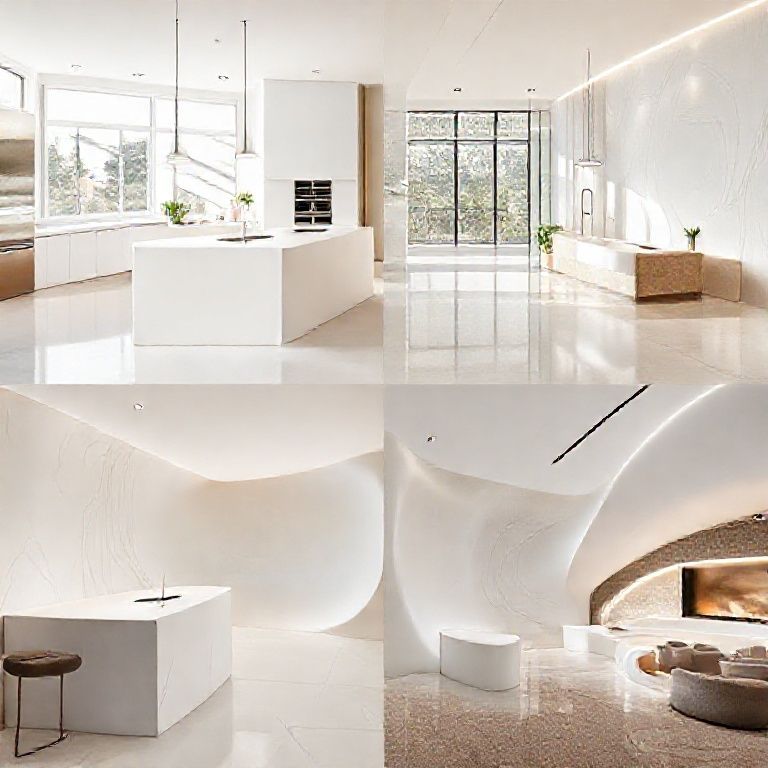
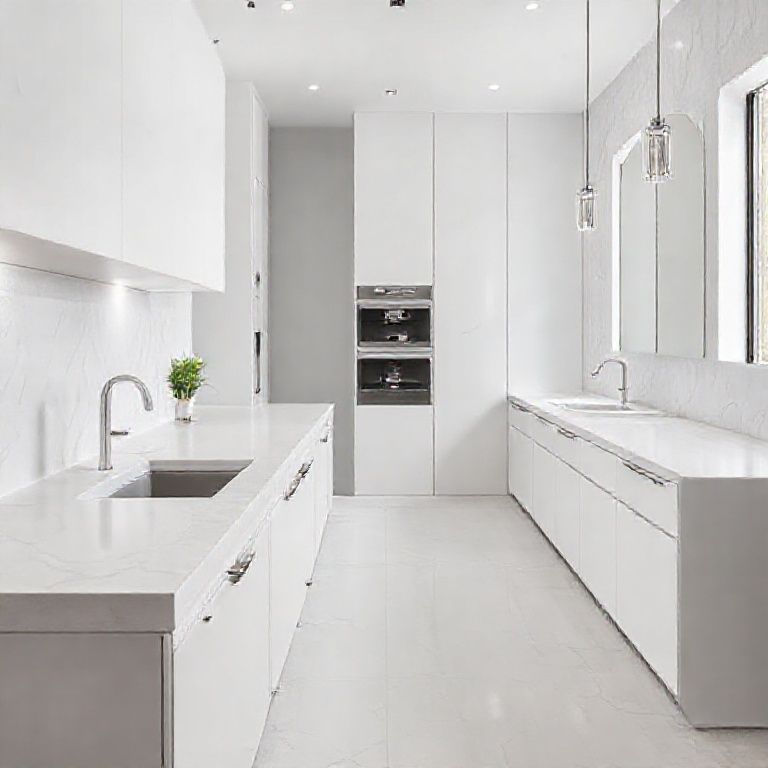
Artificial marble’s versatility extends beyond countertops and backsplashes. It can be used for a variety of applications, including kitchen islands, bathroom vanities, tabletops, and decorative features. The material’s ability to be molded into various forms allows designers to create unique and innovative designs that can complement any architectural style.
Safety
Artificial marble does not contain any harmful substances that can be found in some natural stones, such as heavy metals. This makes it a safer option for indoor spaces where it will be in close contact with food and daily activities. The absence of volatile organic compounds (VOCs) ensures a healthier indoor environment.
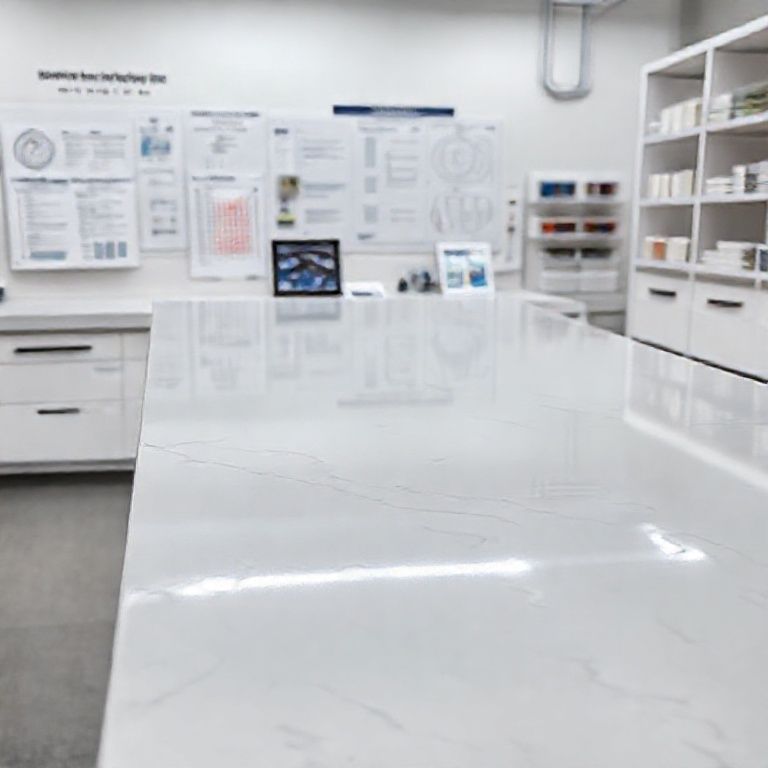
The Disadvantages of Artificial Marble
While artificial marble offers numerous advantages, it is essential to consider its disadvantages to make a well-rounded decision. This section explores the potential drawbacks that might influence your choice, providing a balanced perspective on this modern material.
Thermal Conductivity
One of the primary disadvantages of artificial marble is its thermal conductivity. Unlike natural stone, which can provide a cool touch, artificial marble can become hot quickly when exposed to direct sunlight or heat sources. This can be a concern for those who prefer the cool sensation of natural stone countertops. However, this issue can often be mitigated by placing trivets or heat-resistant pads on the surface.
Limited Customization
While artificial marble offers a wide range of colors and patterns, the level of customization is limited compared to natural stone. Natural stone provides a unique, one-of-a-kind appearance due to its natural formation process, which results in no two pieces being exactly alike. Artificial marble, on the other hand, offers a more uniform look, which can be a drawback for those seeking a highly personalized design.
Installation Challenges
Although artificial marble is durable and easy to maintain, it can present challenges during installation. Unlike natural stone, which can often be cut and shaped on-site, artificial marble requires more precise pre-fabrication. This can make on-site adjustments more difficult and may require the assistance of a professional installer to ensure a perfect fit. Additionally, the cutting and shaping of artificial marble can be more intricate than with natural stone, potentially increasing installation costs.
Higher Initial Cost Per Square Foot
While artificial marble is generally more affordable than natural stone in terms of long-term costs due to lower maintenance, the initial cost per square foot can be higher. The premium quality and advanced manufacturing processes involved in creating artificial marble contribute to this higher price point. However, this cost can often be offset by the material’s durability and reduced need for future repairs or maintenance.
Reduced Value Retention
Natural stone, particularly high-end varieties like marble and granite, often retains or even appreciates in value over time due to their rarity and classic appeal. Artificial marble, while durable and practical, does not typically offer the same level of value retention. This can be a consideration for those who prioritize long-term investment and property value.
Potential for Surface Damage
Despite its durability, artificial marble is not indestructible. While it is highly resistant to scratches and stains, it can still be susceptible to certain types of damage, such as deep cuts or punctures from sharp objects. While this risk is relatively low compared to natural stone, it is something to be aware of, especially in high-traffic areas.
Limited Heat Resistance
While artificial marble does not conduct heat well, it is not completely impervious to heat damage. Prolonged exposure to high temperatures can cause the material to warp or lose its color integrity. It is important to ensure that artificial marble is not subjected to excessive heat over extended periods to maintain its appearance and structural integrity.
Aesthetic Limitations
While artificial marble offers a wide range of visual options, it may not fully capture the unique beauty of natural stone. The appeal of natural stone lies in its natural imperfections, veining, and texture, which can add character and uniqueness to a space. Artificial marble, while impressive, lacks these natural characteristics and may not appeal to those who value the authenticity of natural stone.
In conclusion, artificial marble is a remarkable material with many advantages, including its durability, low maintenance, and aesthetic versatility. However, it is essential to weigh these benefits against its limitations, such as thermal conductivity, limited customization, and potential for surface damage. By understanding both the pros and cons, you can make an informed decision that best suits your needs and preferences.