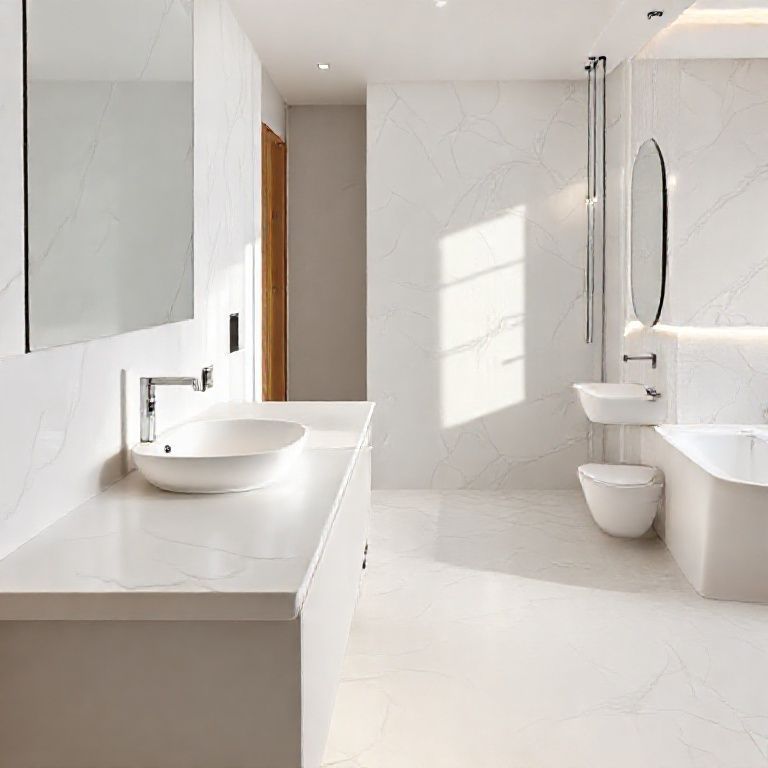
Durability, Maintenance, and Aesthetics
When you’re choosing between granite and quartzite for your dining table, durability, maintenance, and aesthetics are some of the primary factors you should consider. Both materials are renowned for their impressive durability and strength, making them excellent choices for high-traffic areas such as dining rooms. However, they also differ in some crucial aspects that may influence your decision.
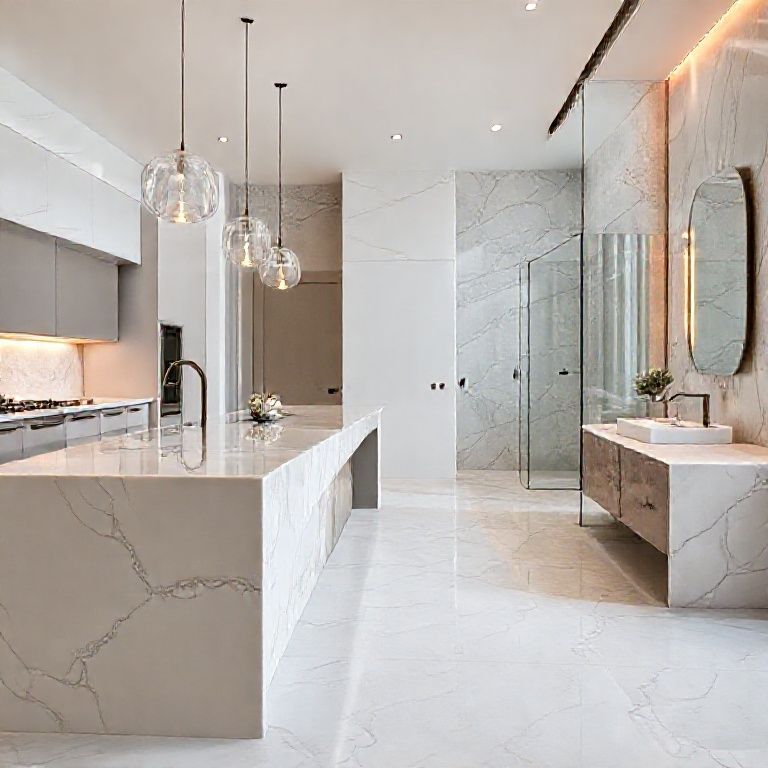
Durability
Granite is an igneous rock composed mainly of quartz, feldspar, and mica, which gives it exceptional hardness and durability. It is one of the hardest natural stone materials available, ranking 6 to 7 on the Mohs scale. This inherent hardness makes granite highly resistant to scratches, dents, and impacts, making it a long-lasting choice for your dining table. It can withstand heavy use and abuse without showing significant wear or damage.
Quartzite, on the other hand, is a metamorphosed form of sandstone that contains a high percentage of quartz. While it is also incredibly durable, it tends to be slightly less hard than granite, ranking around 7 on the Mohs scale. However, quartzite’s durability is still impressive and it can certainly withstand the rigors of daily use in a dining room. Its resistance to scratches and stains makes it a durable option as well.
Maintenance
Both granite and quartzite are relatively low-maintenance materials, but they do require some care to maintain their pristine condition. Granite, for instance, is not entirely non-porous, which means that it can absorb some liquids. While this does not usually lead to staining, it is important to clean up spills promptly to avoid etching. A good quality granite sealant can be applied periodically to enhance its non-porous qualities and protect the surface from potential stains and scratches.
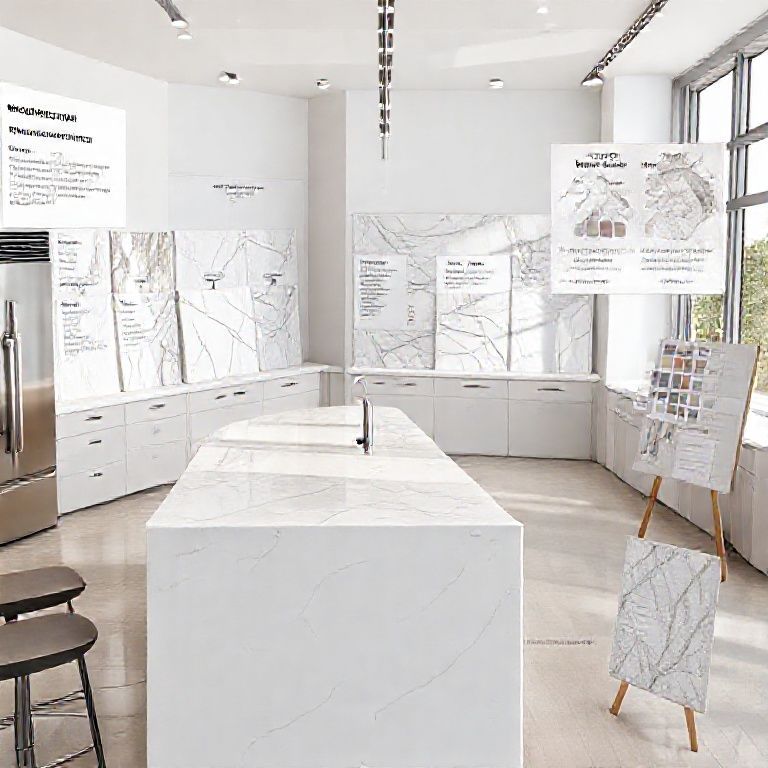
Quartzite is more resistant to staining and etching than granite because it is nearly non-porous. This makes it easier to maintain, as spills can typically be wiped up without concern for permanent damage. However, both materials should be regularly cleaned with mild soap and water to remove grime and food particles, and occasionally polished to maintain their luster.
Aesthetics
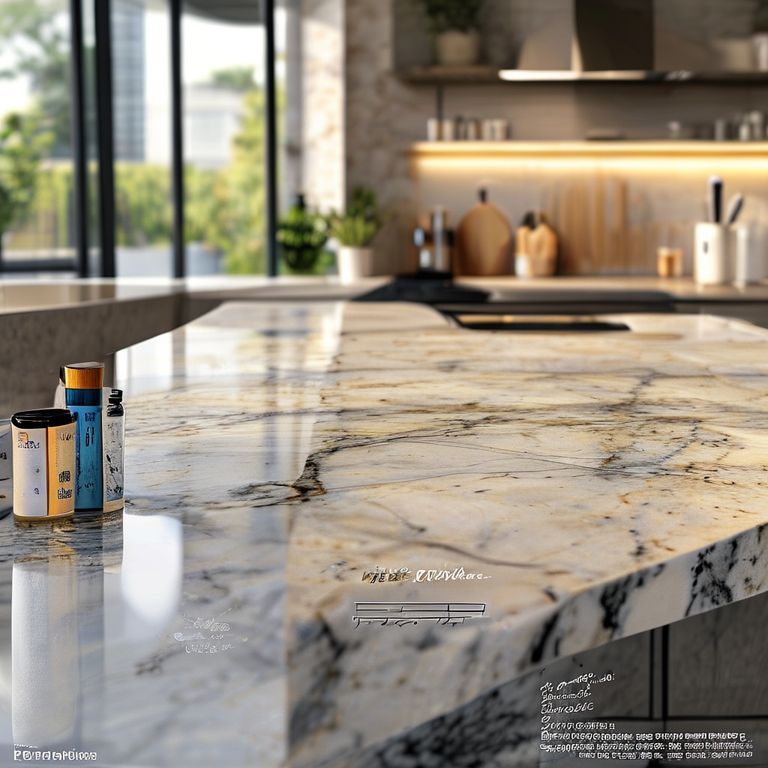
When it comes to aesthetics, both granite and quartzite offer a wide range of colors and patterns, allowing for a high degree of customization to suit your personal style and interior decor. Granite comes in a vast array of colors and patterns, from classic black to vibrant reds and greens. Its unique, natural veins and patterns add a touch of elegance and sophistication to any dining space.
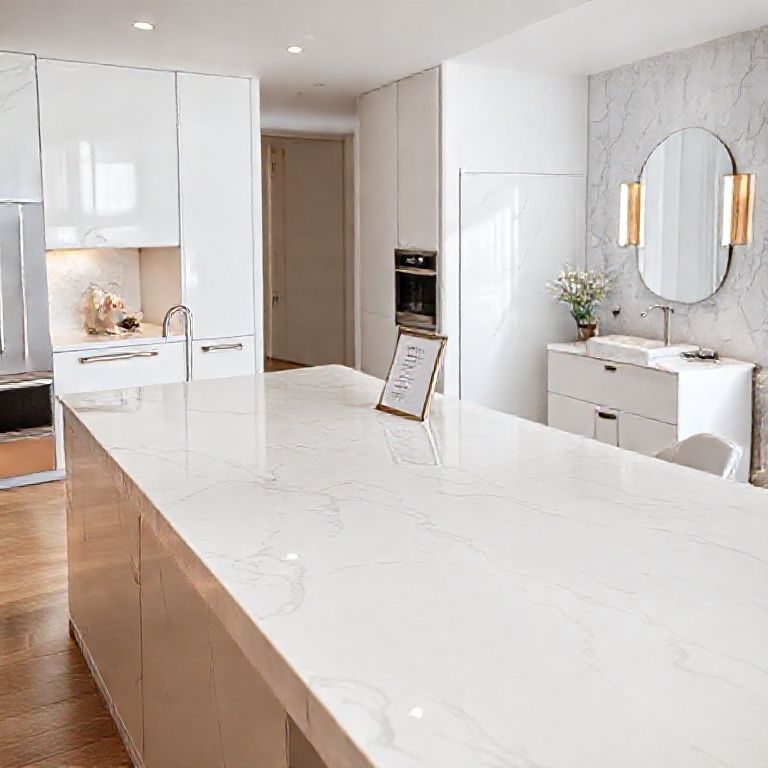
Quartzite, while also offering a variety of colors, tends to have a more uniform look compared to the intricate patterns found in many granites. This can be appealing if you prefer a sleek, modern look with less emphasis on unique natural patterns. Quartzite colors range from creamy whites to deep grays, and its polished surface can give a glass-like finish that adds a contemporary touch to any dining room.
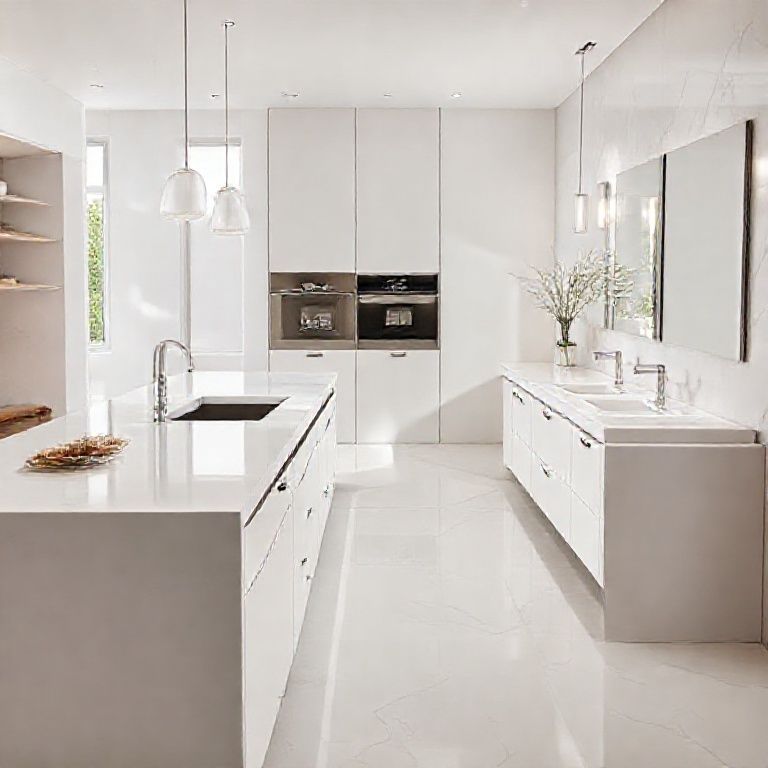
Both materials can be cut to various shapes and sizes to fit your specific needs, whether you’re looking for a traditional rectangular table or a more unconventional design.
Price, Installation, and Long-term Considerations
When considering the cost and long-term value of granite versus quartzite for your dining table, there are several factors to keep in mind. Both materials offer excellent value, but they differ in price, installation, and overall long-term benefits.
Price
The cost of granite and quartzite countertops can vary widely based on factors such as color, pattern, quality, and the complexity of the design. Generally, granite tends to be more expensive than quartzite due to its wider range of colors and patterns and the higher cost of the raw material. Premium granites, such as those with unique veining or rare colors, can cost significantly more than standard varieties.
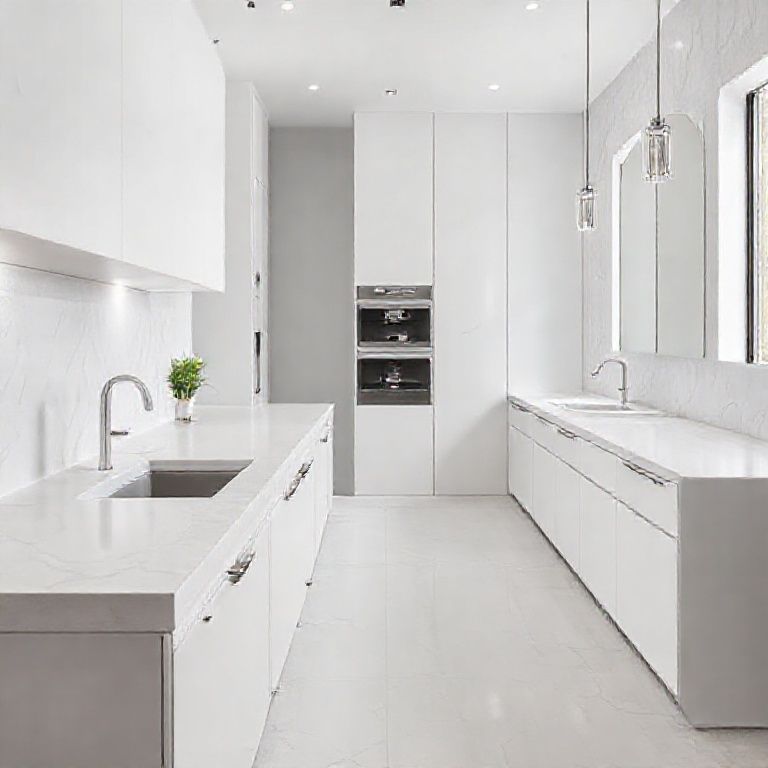
Quartzite, while still a premium material, typically falls at a lower price point compared to top-tier granites. Its more uniform appearance and less intricate patterns make it less costly to source and work with. However, high-end quartzites with unique colors and finishes can also command a premium price.
Installation
The installation process for both granite and quartzite is similar, as both materials require professional installation to ensure a smooth and secure finish. However, due to its slightly lower hardness, quartzite might be easier to cut and shape, which can sometimes lead to quicker installation times.
Granite, with its harder nature, might require more precise cutting and fitting, which can affect installation time and cost. Nevertheless, both materials are durable and can be installed by skilled professionals to achieve a seamless and professional finish.
Long-term Considerations
When it comes to long-term value and benefits, both granite and quartzite offer significant advantages. Granite’s natural beauty and durability make it a timeless choice that can enhance the aesthetic appeal of your dining room for years to come. Its classic and versatile look can complement various interior design styles, from traditional to modern.
Quartzite, with its modern and sleek appearance, can also provide long-term value and aesthetic appeal. Its nearly non-porous surface makes it an excellent choice for kitchens and dining areas that are frequently exposed to food and liquids. The modern look of quartzite can also add a contemporary touch to your home decor, making it a stylish and functional option for years.
Both materials are known for their longevity and ability to withstand the test of time. With proper care and maintenance, a granite or quartzite dining table can remain in excellent condition and continue to look beautiful for decades.
Environmental and Ethical Considerations
Another important aspect to consider is the environmental and ethical impact of your material choice. Granite mining can sometimes have a significant environmental footprint due to the extraction process, and not all granite quarries adhere to sustainable practices. It is essential to choose granite from suppliers who use ethical mining practices and prioritize sustainability.
Quartzite also involves mining, but it generally has a lower environmental impact compared to granite due to its slightly lower hardness and the associated reduction in energy required for processing. However, it is still important to research the environmental practices of quartzite suppliers to ensure that your choice is as sustainable as possible.
In conclusion, both granite and quartzite offer excellent options for a dining table countertop, each with its unique benefits and considerations. When it comes to durability, maintenance, aesthetics, price, installation, and long-term value, both materials provide outstanding performance and style. By carefully considering these factors and researching reputable suppliers, you can make an informed decision that will enhance the beauty and functionality of your dining area for years to come.