Origins, Aesthetics, and Durability
When it comes to selecting materials for your home, understanding the origins, aesthetics, and durability of each option is crucial. This is especially true when comparing man-made marble to natural marble. Let’s delve into the details to see how these two types of marble stack up against each other.
Origins:
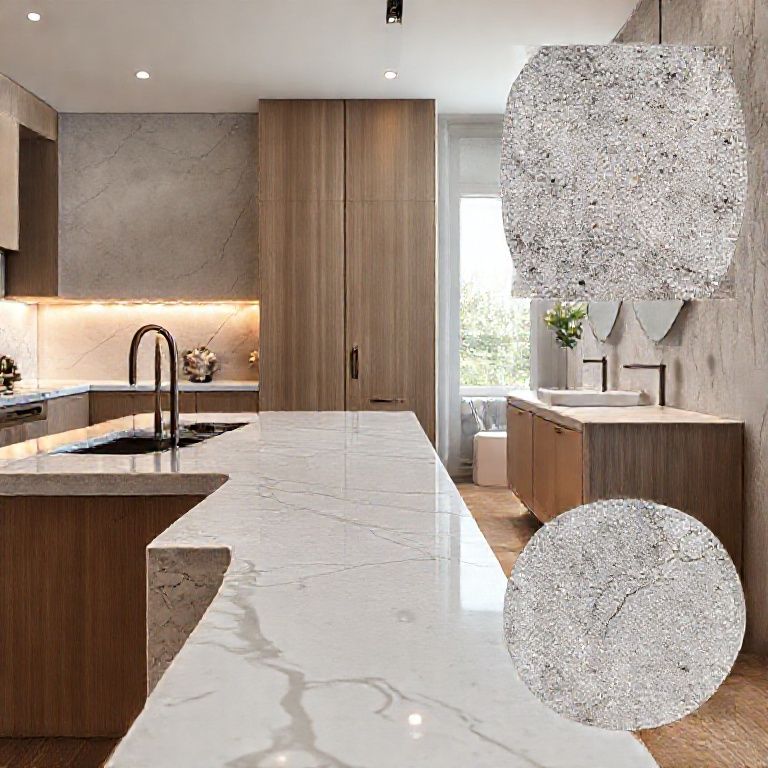
Natural marble is a metamorphic rock formed from limestone or dolomite through a process of heat and pressure over millions of years. This transformation gives natural marble its unique and often intricate patterns, colors, and textures. The most famous natural marbles come from regions like Italy, Greece, and India, where the geological conditions are ideal for marble formation.
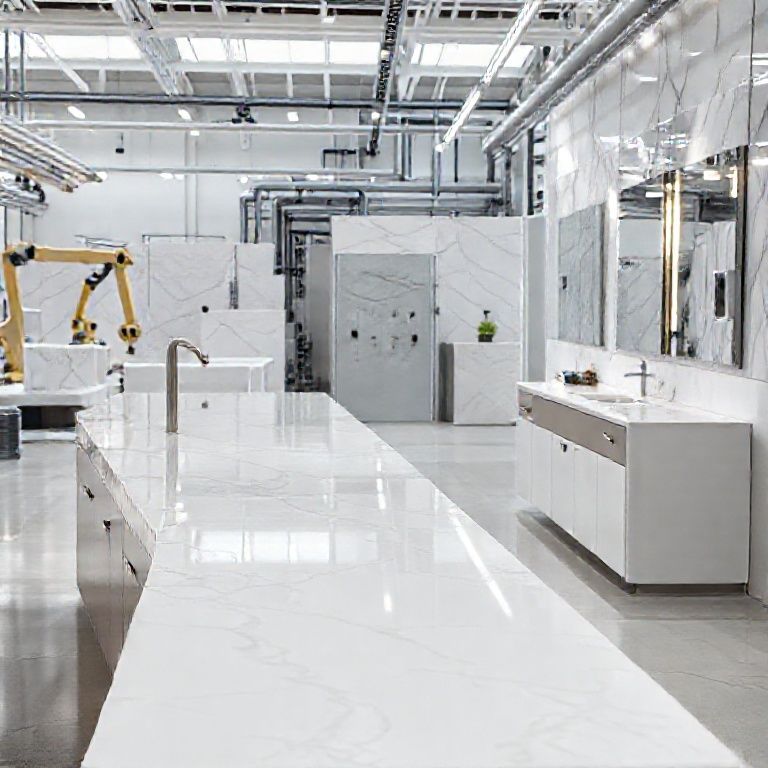
Man-made marble, also known as cultured marble or artificial marble, is a composite material created in a factory. It combines various substances, such as calcium carbonate, acrylic resin, and pigments, to mimic the appearance of natural marble. The process involves mixing these components and then curing them under high pressure and temperature to form a solid, homogeneous product.
Aesthetics:
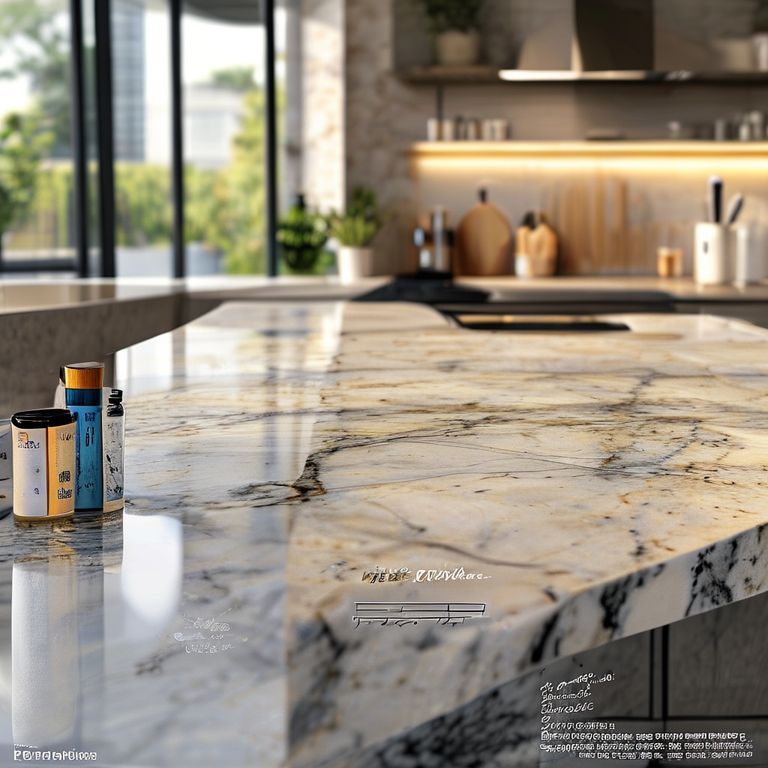
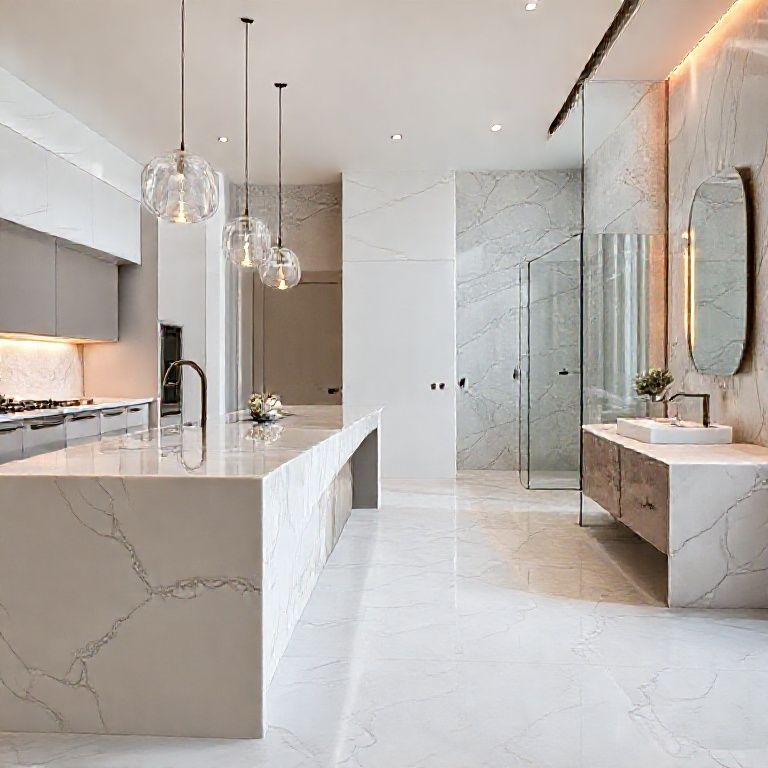
One of the most apparent differences between natural marble and man-made marble lies in their aesthetics. Natural marble boasts a unique pattern and color that can vary significantly from one piece to another. This variability contributes to its timeless appeal, as each piece is a one-of-a-kind creation. The beauty of natural marble comes from its natural veins and swirls, which can range from subtle to highly dramatic, depending on the specific type of marble.
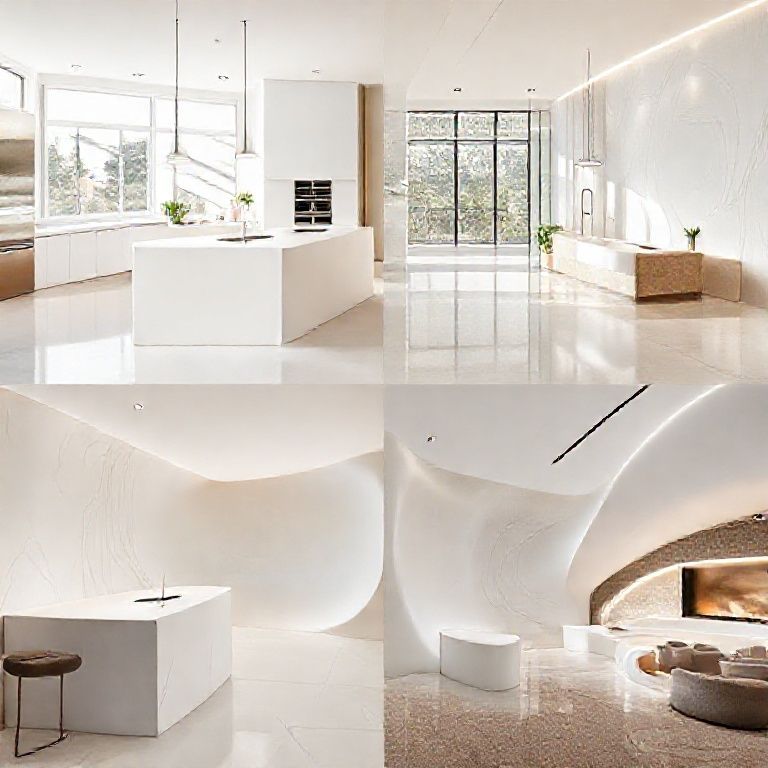
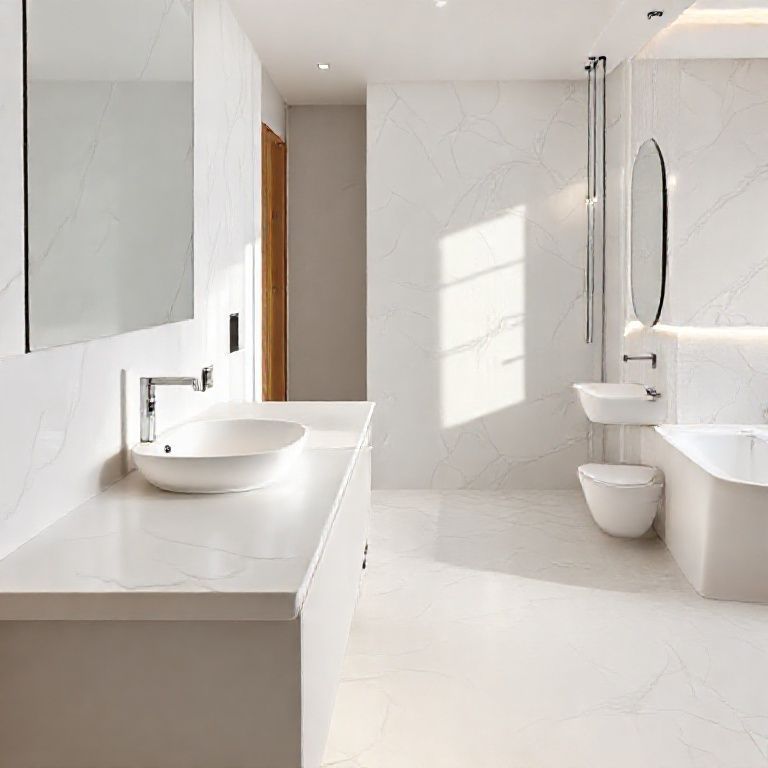
Man-made marble, on the other hand, offers a high degree of uniformity and consistency. Since it’s manufactured, each piece can be precisely designed to replicate the appearance of natural marble. Manufacturers can control the color, pattern, and texture, allowing for a more predictable and consistent finish. While this may seem like a disadvantage compared to natural marble’s uniqueness, it does offer the advantage of replicating specific designs and patterns with high fidelity.
Durability:
Durability is a critical factor when selecting a material for your home. Natural marble is a relatively soft stone, with a Mohs hardness of 3 to 4. This softness makes it susceptible to scratches, stains, and etching, which can mar its appearance over time. While natural marble can be polished to maintain its sheen, it does require regular maintenance and protection to avoid damage. For instance, natural marble countertops often need to be sealed with a marble-specific sealant to prevent staining and etching from acidic substances like lemon juice or vinegar.
Man-made marble, in contrast, is much harder and more durable than natural marble. It typically has a Mohs hardness of around 6 to 7, making it more resistant to scratches, stains, and etching. This increased durability means that man-made marble requires less maintenance than natural marble. It doesn’t need to be sealed with special sealants and can withstand daily wear and tear better, making it a practical choice for high-traffic areas.

Maintenance, Cost, and Environmental Impact
In the previous part, we explored the origins, aesthetics, and durability of man-made marble versus natural marble. Now, let’s delve deeper into their maintenance requirements, cost considerations, and environmental impact to provide a comprehensive comparison.
Maintenance:
The maintenance requirements of man-made marble and natural marble differ significantly due to their material properties.
Natural marble requires regular maintenance to keep its beauty and integrity. Because it’s a natural stone, it can be susceptible to scratches, stains, and etching. To maintain its appearance, natural marble surfaces often need to be polished and sealed regularly. Polishing helps to remove scratches and restore the marble’s shine, while sealing protects the stone from stains and etching caused by acidic substances. This regular upkeep can be time-consuming and may require professional help to ensure the best results.

Man-made marble, being a composite material, requires less maintenance. Its durability means it’s less prone to scratches, stains, and etching. Daily cleaning with mild soap and water is usually sufficient to keep man-made marble looking its best. Unlike natural marble, man-made marble does not need to be sealed with special sealants, making it a low-maintenance option for homeowners and designers.
Cost:
When it comes to cost, natural marble and man-made marble offer different price points and value propositions.
Natural marble is generally more expensive than man-made marble. The cost of natural marble can vary widely depending on the type, quality, and origin of the stone. High-end marbles from renowned quarries can cost thousands of dollars per square foot. The additional cost of regular maintenance and potential repairs also contributes to the overall expense of using natural marble in your home.
Man-made marble, on the other hand, is typically more affordable. Its production process allows for more economical manufacturing, resulting in lower prices. While man-made marble may not replicate the exact look of every type of natural marble, it can closely mimic the appearance of high-end natural marbles at a fraction of the cost. Additionally, the lower maintenance requirements and durability of man-made marble contribute to its cost-effectiveness over time.
Environmental Impact:
The environmental impact of man-made marble versus natural marble is another important consideration, especially in today’s eco-conscious world.
Natural marble extraction involves significant environmental impacts. The process of mining and quarrying natural marble can lead to habitat destruction, soil erosion, and water pollution. Additionally, transporting natural marble from its source to the point of use can result in high carbon emissions, contributing to environmental degradation.
Man-made marble has a more favorable environmental profile. Its manufacturing process is controlled in a factory setting, which allows for better resource management and reduced environmental impact compared to natural marble mining. Moreover, man-made marble can be made from recycled materials, further reducing its environmental footprint. The production of man-made marble also generates fewer emissions compared to the extraction and transportation of natural marble.
Conclusion:
In conclusion, the choice between man-made marble and natural marble depends on various factors, including aesthetics, durability, maintenance, cost, and environmental impact. Natural marble offers a unique and timeless beauty with its natural veins and patterns, but it requires regular maintenance and can be expensive. Man-made marble provides a practical and cost-effective alternative, with its durability, low maintenance requirements, and more favorable environmental impact.
When making your choice, consider your specific needs and preferences. If you value the natural beauty and uniqueness of marble and are willing to invest in regular maintenance and higher costs, natural marble may be the best choice for you. However, if you prioritize durability, low maintenance, and cost-effectiveness, man-made marble is likely the superior option.
By understanding the differences between man-made marble and natural marble, you can make an informed decision that aligns with your design vision and lifestyle.