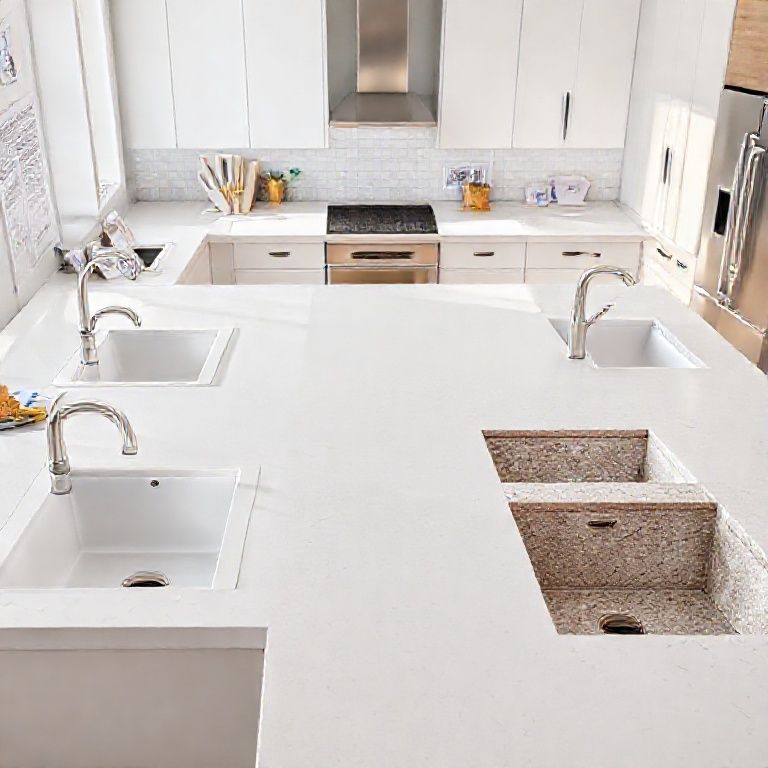
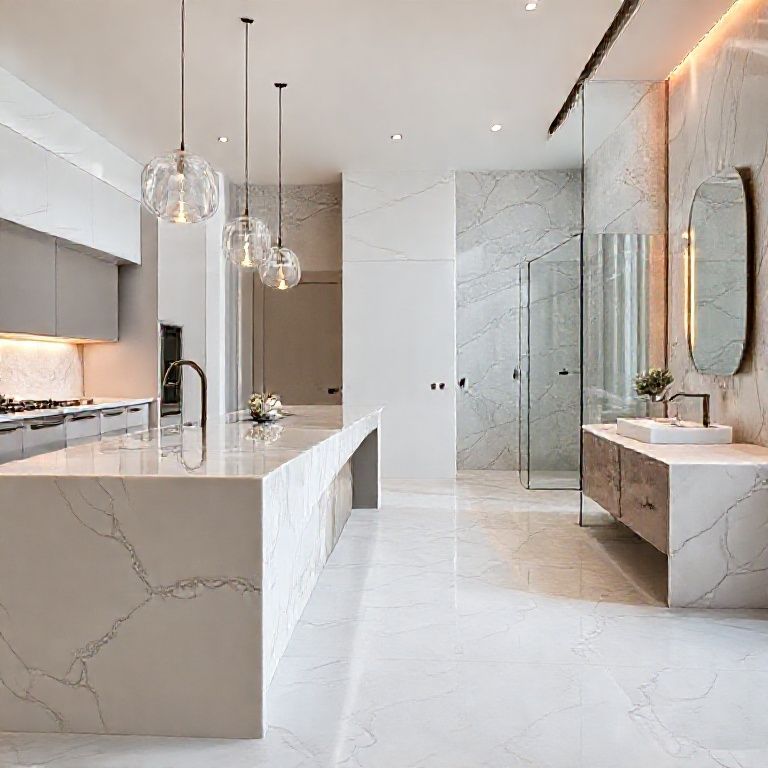
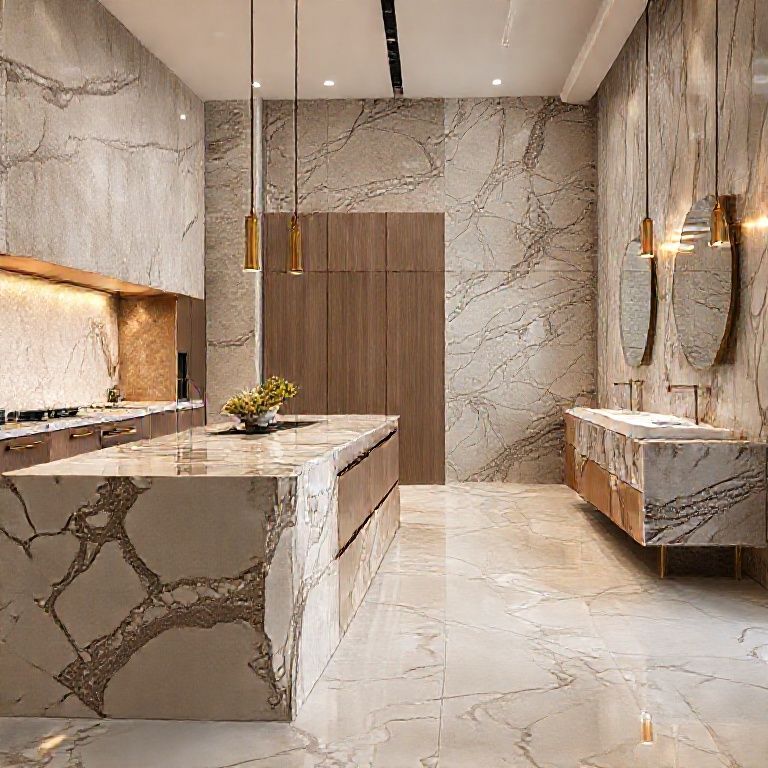
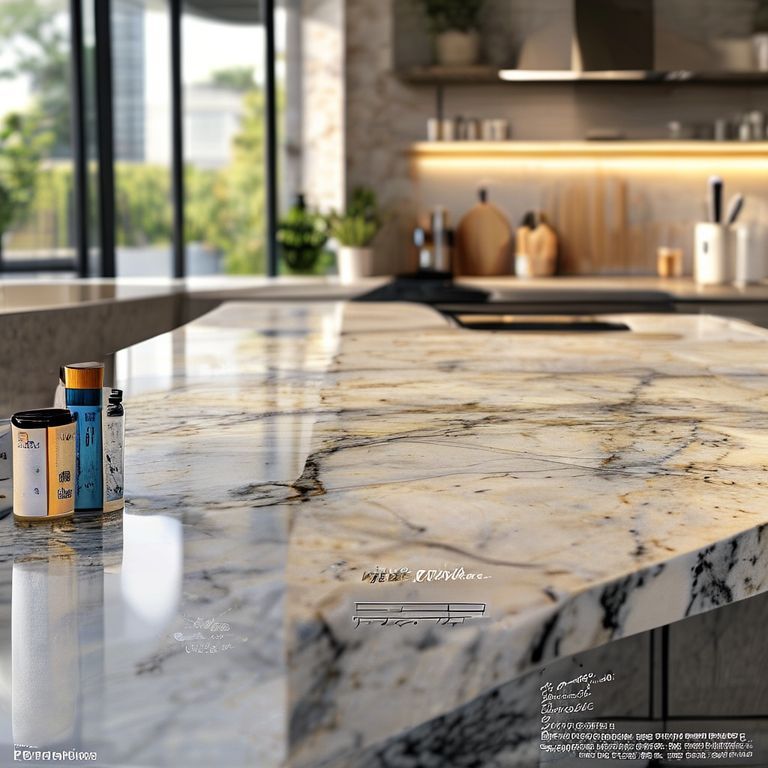
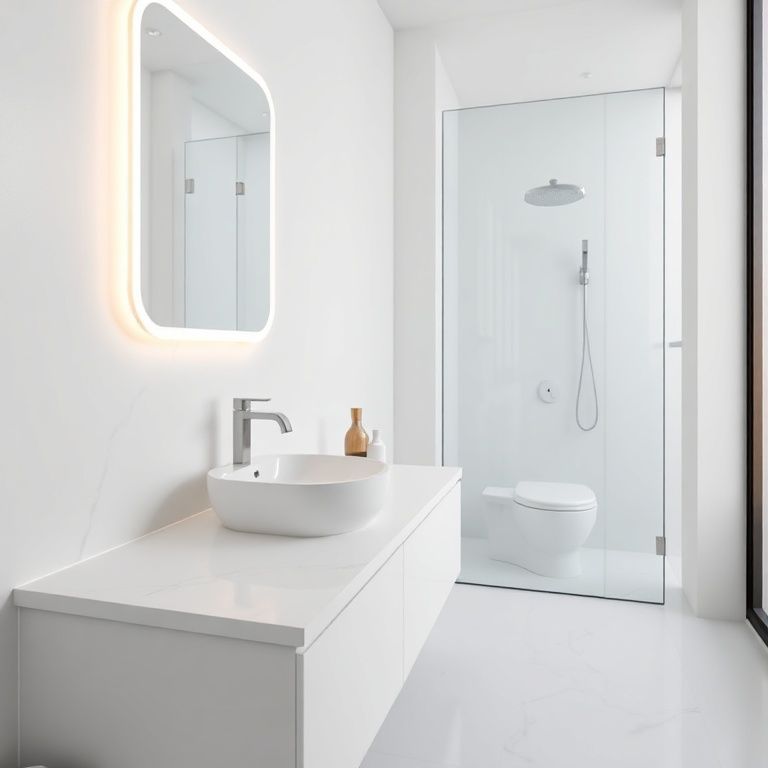
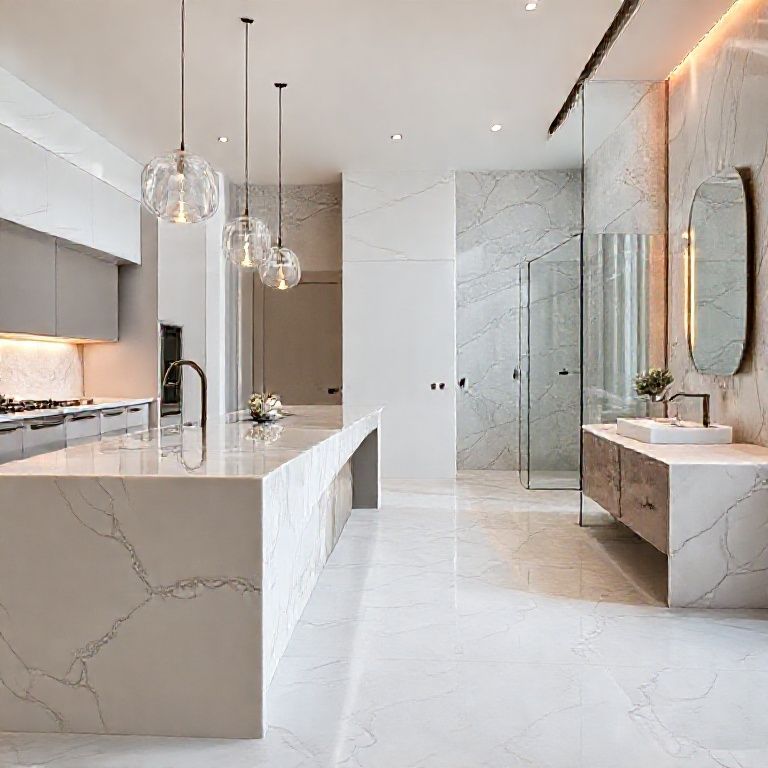
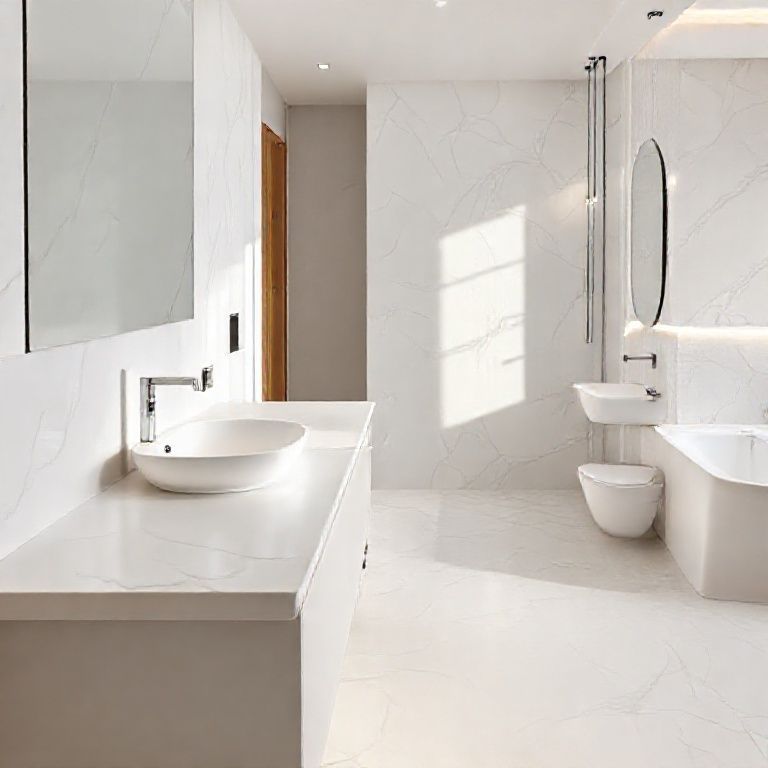
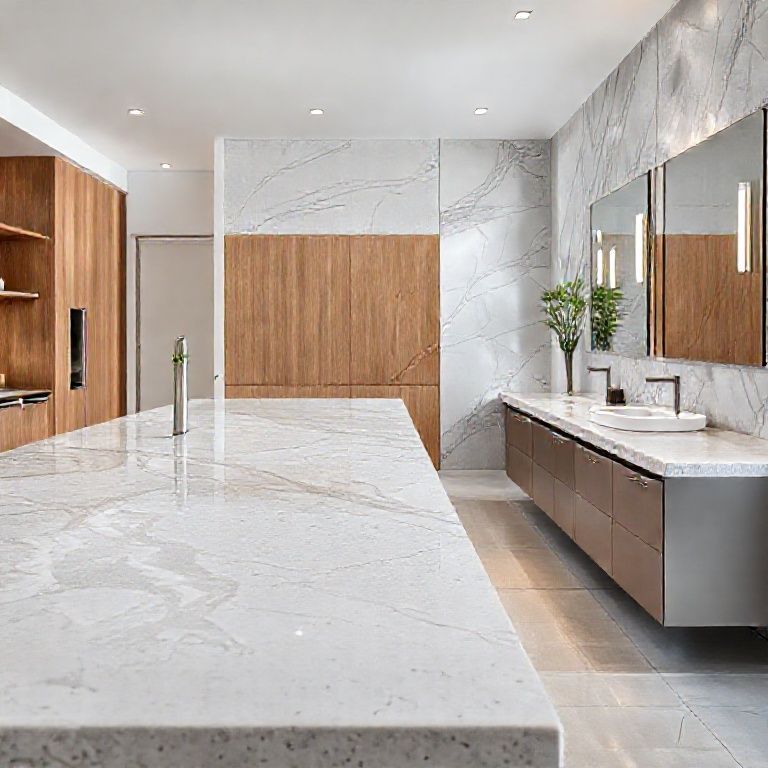
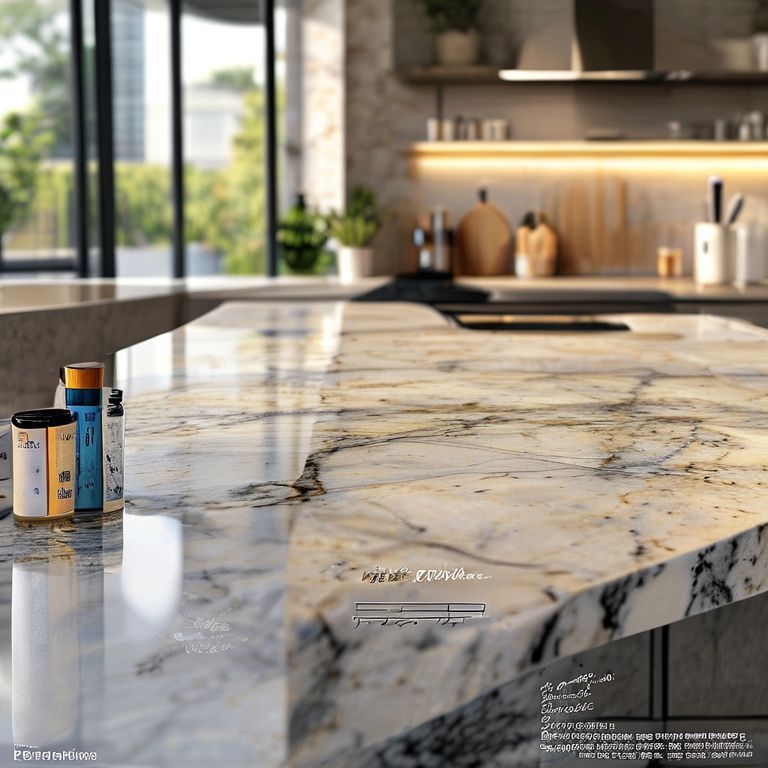
Artificial marble, often lauded for its durability and aesthetic appeal, has become a popular choice for countertops, kitchen tables, and other surfaces in both commercial and residential spaces. However, beneath this sleek surface lies a complex concoction of chemicals and materials that can pose significant health and environmental risks. Understanding the components of artificial marble is essential for making informed decisions about its use.
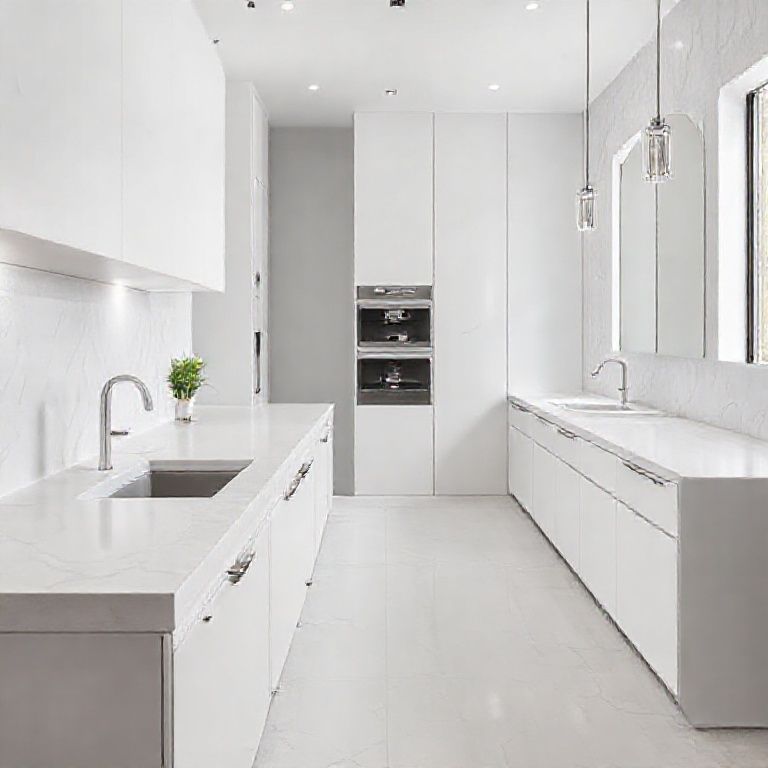
What is Artificial Marble?
Artificial marble, also known as cultured stone, is a composite material made from a combination of natural marble dust, resin, and other additives. This material is designed to mimic the appearance of natural marble while offering enhanced durability and resistance to stains and scratches. Despite its advantages, the creation process involves several chemicals that can have adverse effects on health and the environment.
Key Components and Their Origins
Artificial marble is composed of several key ingredients, each serving a specific purpose in the manufacturing process. Here’s a closer look at some of the primary components:
1. Marble Dust
Marble dust, a finely ground powder derived from natural marble, is the primary ingredient in artificial marble. While it gives the material its characteristic look, the process of producing marble dust involves significant environmental impact, including quarrying and the use of water and energy resources. The extraction of marble dust also raises concerns about the depletion of natural marble resources.
2. Polymer Resins
Polymer resins, typically made from acrylic or polyester, are crucial for binding the marble dust particles together. These resins can include various additives that enhance the material’s durability and finish. However, some of these resins contain volatile organic compounds (VOCs), which can off-gas harmful chemicals into the air. VOCs are known to contribute to indoor air pollution and can cause respiratory issues, headaches, and other health problems.
3. Additives and Fillers
Artificial marble often includes a variety of additives and fillers to improve its physical properties, such as color, texture, and strength. Some common additives include pigments, stabilizers, and plasticizers. While these substances can enhance the material’s appearance and longevity, many are synthetic chemicals that may pose health risks. For example, phthalates, a type of plasticizer, have been linked to developmental and reproductive issues.
4. Hardeners and Catalysts
To achieve the desired hardness and chemical resistance, artificial marble incorporates hardeners and catalysts during its production. These substances can include formaldehyde, a known carcinogen, and other hazardous chemicals that can off-gas over time. The release of formaldehyde and other volatile compounds can lead to long-term health problems, especially in enclosed spaces with poor ventilation.
Health Risks Associated with Artificial Marble
The health risks associated with artificial marble primarily stem from the off-gassing of harmful chemicals. When these materials are freshly installed, they release significant amounts of VOCs, which can lead to various acute and chronic health issues. Some of the most common health risks include:
1. Respiratory Problems
Exposure to VOCs can irritate the respiratory system, leading to symptoms such as coughing, wheezing, and shortness of breath. Prolonged exposure can exacerbate pre-existing respiratory conditions like asthma and chronic obstructive pulmonary disease (COPD).
2. Headaches and Dizziness
High levels of VOCs can cause headaches, dizziness, and fatigue. These symptoms are often referred to as “sick building syndrome” and can significantly impact the well-being of occupants in spaces where artificial marble is used extensively.
3. Skin Irritation
Direct contact with artificial marble surfaces can cause skin irritation and allergic reactions, particularly in individuals with sensitive skin or existing skin conditions. Chemicals in the resin and additives can lead to redness, itching, and even dermatitis.
4. Long-term Health Issues
Some of the chemicals used in artificial marble, such as formaldehyde and phthalates, have been linked to more severe health problems over time. These include hormonal disruptions, developmental issues in children, and increased cancer risks.
Environmental Impact
Beyond health risks, the production and use of artificial marble have significant environmental implications:
1. Resource Depletion
The extraction of marble dust for artificial marble production contributes to the depletion of natural marble resources. Quarrying for marble dust is resource-intensive, requiring substantial amounts of water, energy, and labor. This process can lead to habitat destruction and contribute to environmental degradation.
2. Chemical Pollution
The manufacturing process of artificial marble involves the use of various chemicals that can pollute water sources and soil. Improper disposal of these chemicals can lead to long-term environmental damage, affecting ecosystems and biodiversity.
3. Waste Generation
Artificial marble, like many composite materials, is not biodegradable and contributes to landfill waste. The disposal of artificial marble products at the end of their life cycle poses challenges for recycling and waste management systems.
Safer Alternatives and Best Practices
While artificial marble offers certain advantages, it is essential to consider safer alternatives and best practices to mitigate its potential risks:
1. Natural Stone
Opting for natural stone, such as granite or quartz, can be a safer alternative. Natural stone is a sustainable option that does not involve the same chemical processes as artificial marble. However, it is crucial to ensure that the natural stone is responsibly sourced to minimize environmental impact.
2. Low-VOC Materials
When choosing artificial marble, look for products labeled as low-VOC or VOC-free. These materials are designed to minimize the release of harmful chemicals into the air, reducing health risks for occupants.
3. Proper Ventilation
Ensuring proper ventilation during and after the installation of artificial marble is essential. Adequate airflow can help disperse VOCs and improve indoor air quality. Using exhaust fans, opening windows, and ensuring good circulation can mitigate the concentration of harmful chemicals.
4. Regular Maintenance
Regular maintenance of artificial marble surfaces can help prevent the buildup of dust, grime, and chemical residues. Using appropriate cleaning products and techniques can maintain the material’s integrity while minimizing exposure to harmful substances.
Conclusion
While artificial marble offers aesthetic and practical benefits, it is crucial to understand the potential health and environmental risks associated with its components. By being informed about the chemicals involved in its production and taking steps to mitigate these risks, individuals can make safer choices for their homes and businesses. Opting for low-VOC materials, ensuring proper ventilation, and considering sustainable alternatives are key steps in promoting a healthier and more environmentally friendly interior design.
Continuing our exploration of the components in artificial marble, it is crucial to understand not just the individual substances but also the broader implications they have on health and the environment. In this second part, we will delve deeper into the specific chemicals involved, their sources, and the ways in which they can impact our well-being and the planet.
In-depth Analysis of Harmful Chemicals
Artificial marble is a complex mixture of various chemicals, each playing a role in the final product’s appearance, durability, and functionality. However, many of these chemicals have been linked to significant health and environmental risks.
1. Volatile Organic Compounds (VOCs)
As previously mentioned, polymer resins used in artificial marble are a major source of VOCs. These compounds include:
a. Formaldehyde
Formaldehyde is a colorless gas with a strong, pungent odor. It is used in the production of resins and as a preservative in various industries. Formaldehyde is classified as a carcinogen by several health organizations, including the International Agency for Research on Cancer (IARC). Long-term exposure to formaldehyde has been linked to an increased risk of nasopharyngeal cancer, leukemia, and other respiratory cancers.
b. Toluene
Toluene is a common solvent used in the production of resins and coatings. It is a known neurotoxin and can cause central nervous system effects, such as dizziness, headaches, and fatigue. Prolonged exposure can lead to more severe health issues, including liver and kidney damage.
c. Benzene
Benzene is another VOC often found in the production of resins and other additives. It is a known human carcinogen and is associated with an increased risk of leukemia. Benzene exposure can继续我们的深入探讨,关于人造大理石中的有害化学成分及其对健康和环境的影响,下面我们将更加具体地分析这些化学物质的来源、对人体健康和环境的具体影响,以及如何采取措施来减少这些风险。
具体化学物质及其影响
人造大理石中的化学成分多种多样,每一种都有其独特的作用和潜在的风险。
1. 挥发性有机化合物(VOCs)
人造大理石中的聚合物树脂是挥发性有机化合物的主要来源。这些化合物包括:
a. 甲醛
甲醛是一种无色、具有强烈气味的气体。它在人造大理石生产中被用作树脂的固化剂和防腐剂。甲醛被多个国际和国内机构列为致癌物,长期或反复接触甲醛会增加患鼻咽癌、白血病等疾病的风险。
b. 甲苯
甲苯是一种常用于树脂和涂料的溶剂。它是一种中枢神经系统毒素,短期暴露会导致头晕、头痛、疲劳等症状。长期接触甲苯可能导致肝肾损伤等严重健康问题。
c. 苯
苯是一种常见的溶剂,在人造大理石的生产过程中也被使用。苯是已知的致癌物,长期暴露在苯中会增加白血病等血液疾病的风险。
化学物质对健康的影响
这些在人造大理石中使用的化学物质对健康的影响是多方面的,从短期的急性症状到长期的慢性疾病。
1. 呼吸系统问题
高浓度的VOCs会刺激呼吸道,导致咳嗽、呼吸急促、喉咙痛等症状。长期暴露可能会加重或引发慢性支气管炎、肺功能减退等问题。
2. 神经系统损害
许多VOCs,如甲苯和苯,具有神经毒性。它们可以通过血脑屏障进入大脑,导致头晕、头痛、记忆力减退、注意力不集中等神经系统症状。
3. 皮肤问题
人造大理石的化学成分还可能导致皮肤直接接触后的刺激和过敏反应,表现为红肿、瘙痒、起疹等皮肤问题。
4. 长期健康风险
一些化学物质如甲醛和苯,长期暴露可能会增加癌症、肝肾损伤等严重健康风险。
环境影响
除了对人类健康的潜在威胁,人造大理石的制造和使用对环境也有显著的影响。
1. 资源消耗
人造大理石的生产需要大量的天然大理石粉,这种资源的开采对自然生态系统造成了破坏,包括栖息地破坏、水土流失等问题。
2. 化学污染
在生产过程中使用的多种化学品如果处理不当,可能会污染水源和土壤。这些化学污染物还可能通过食物链进入动植物体内,对整个生态系统造成长期影响。
3. 废弃物管理
人造大理石的使用寿命虽然较长,但在报废或更换时,处理这些材料的废弃物仍然是一个巨大的环境挑战。由于这些材料中含有多种有害化学物质,其处理需要特殊的环保技术。
采取措施减少风险
为了减少人造大理石对健康和环境的负面影响,可以采取以下措施:
1. 选择低VOC或无VOC产品
在购买人造大理石时,选择标有低VOC或无VOC的产品。这些产品在生产过程中减少了有害化学物质的使用,从源头上降低了健康风险。
2. 提高室内通风
在装修或使用人造大理石产品的过程中,确保室内良好的通风条件。开窗通风、使用排气扇等措施可以有效减少室内VOCs的浓度。
3. 使用环保清洁剂
在清洁人造大理石表面时,使用环保型清洁剂,避免使用含有强烈化学成分的清洁剂,以减少化学物质的二次释放。
4. 定期维护和检查
定期对人造大理石表面进行维护和检查,及时清理表面的污垢和污渍,可以延长其使用寿命并减少对健康的潜在威胁。
结论
人造大理石虽然在外观和耐用性上具有诸多优点,但其制造和使用过程中涉及的多种化学物质,对健康和环境带来了不容忽视的风险。通过了解这些风险,选择更安全的产品,以及采取适当的防护和维护措施,可以有效减少这些风险,保护我们的健康和环境。