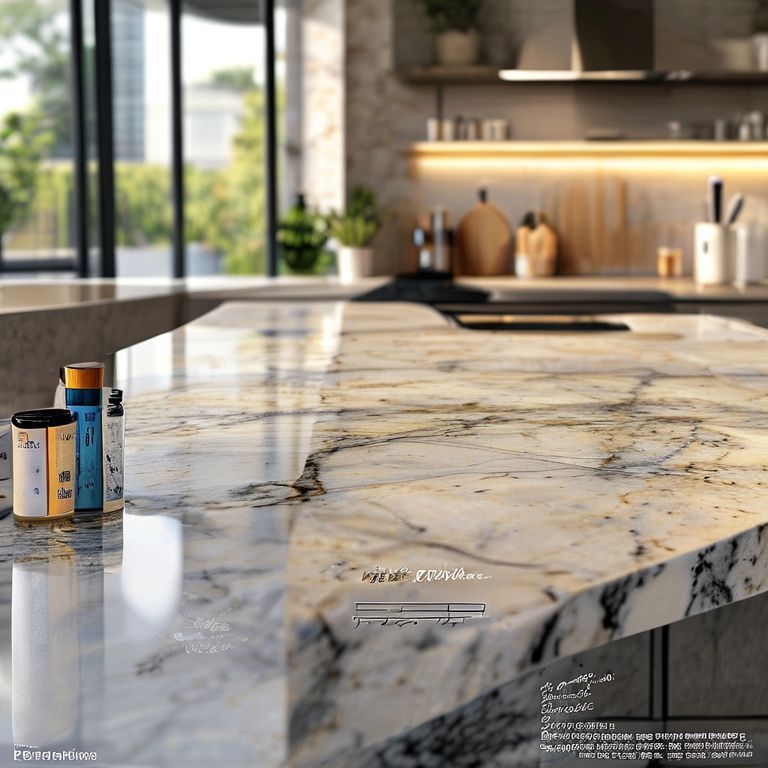
The Allure and Risks of Artificial Marble
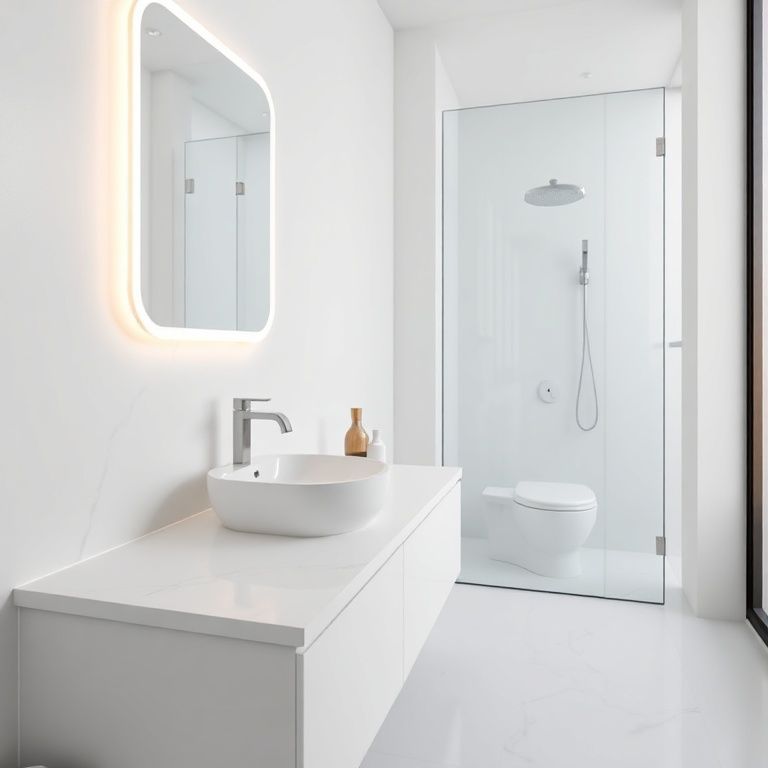
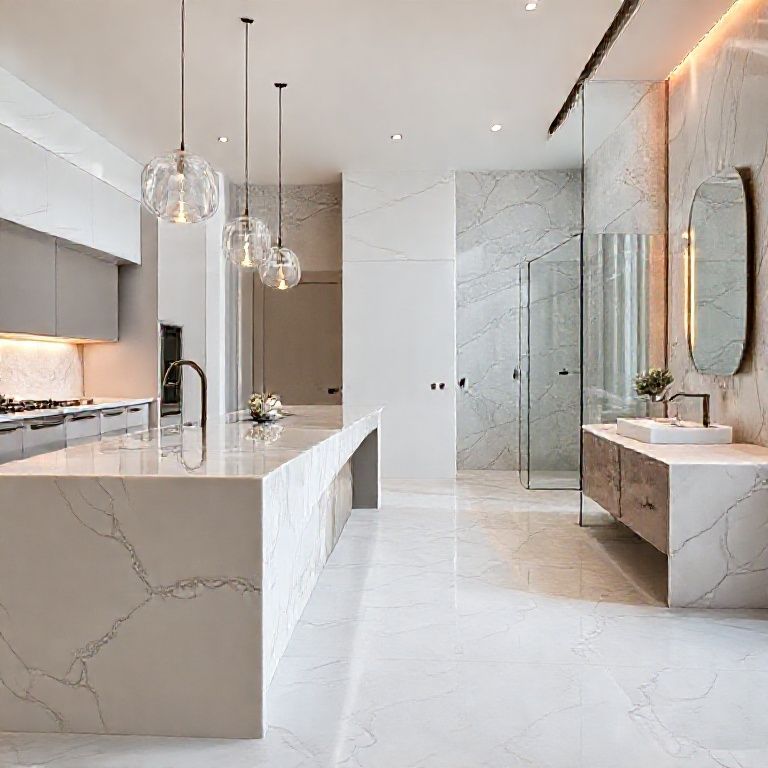
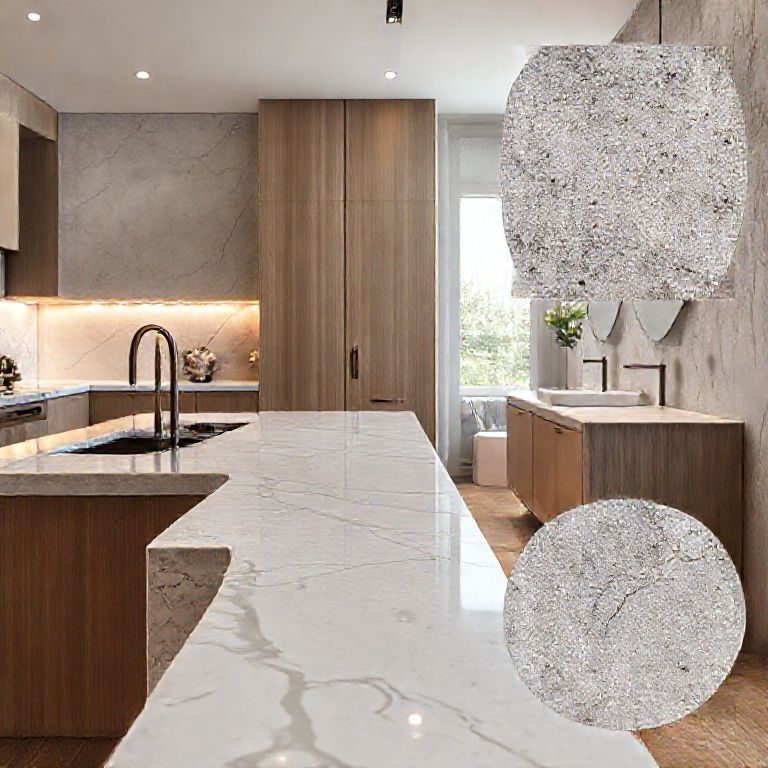
Artificial marble, also known as artificial stone or cultured stone, has surged in popularity over the past decade due to its stunning appearance and durability. This material, which is a blend of resin, pigments, and minerals, mimics the beauty of natural marble while offering a more cost-effective and maintenance-free alternative. However, beneath its glossy surface lies a complex web of potential dangers that warrant close examination.
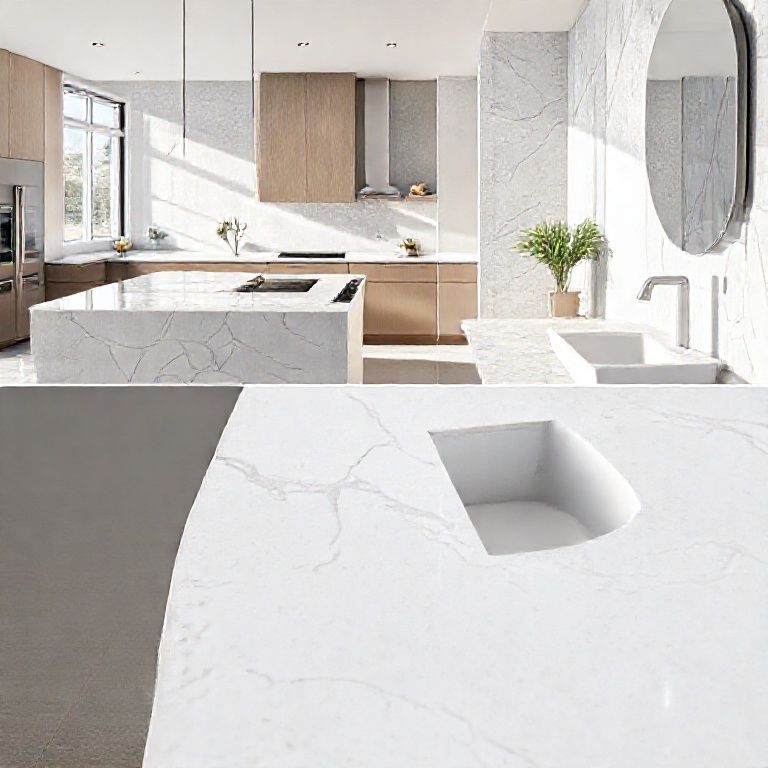
The Promise of Artificial Marble
Artificial marble boasts several advantages that have made it a favorite among homeowners and designers:
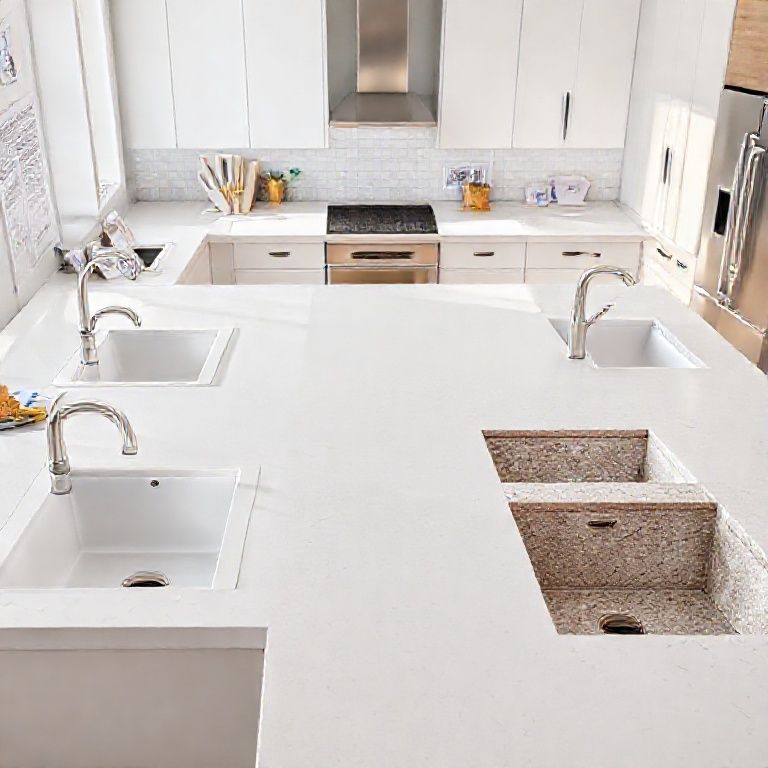
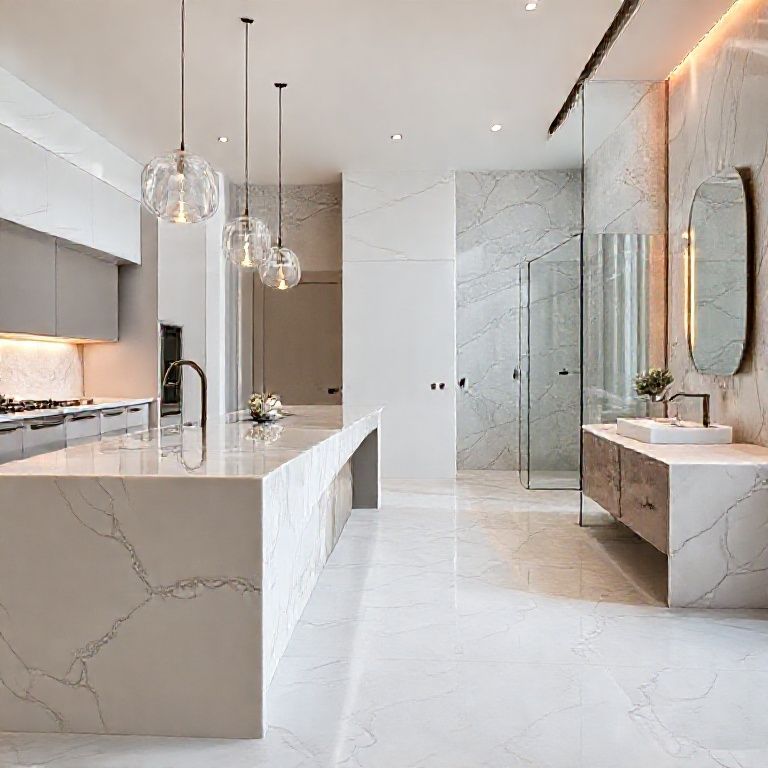
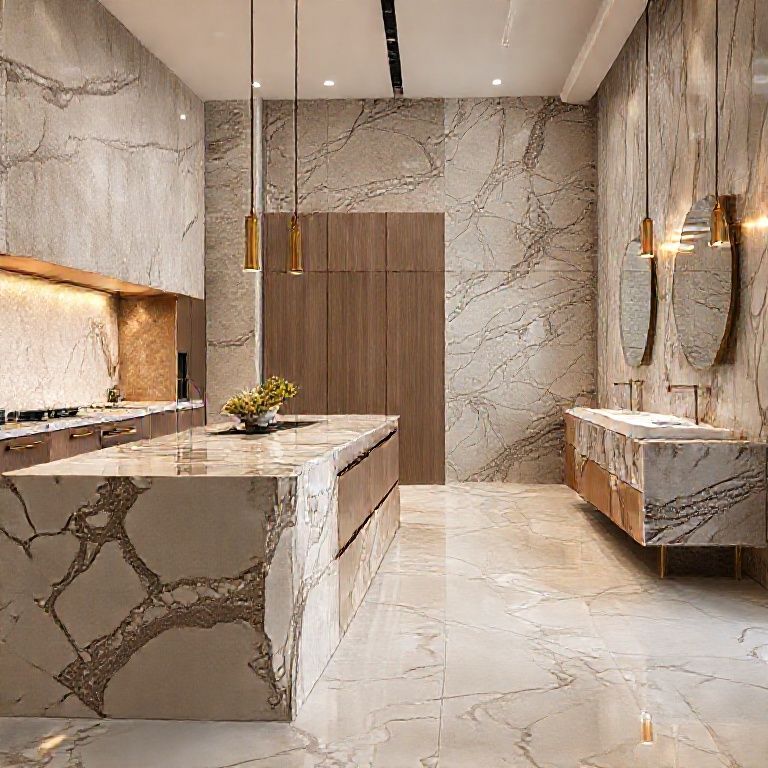
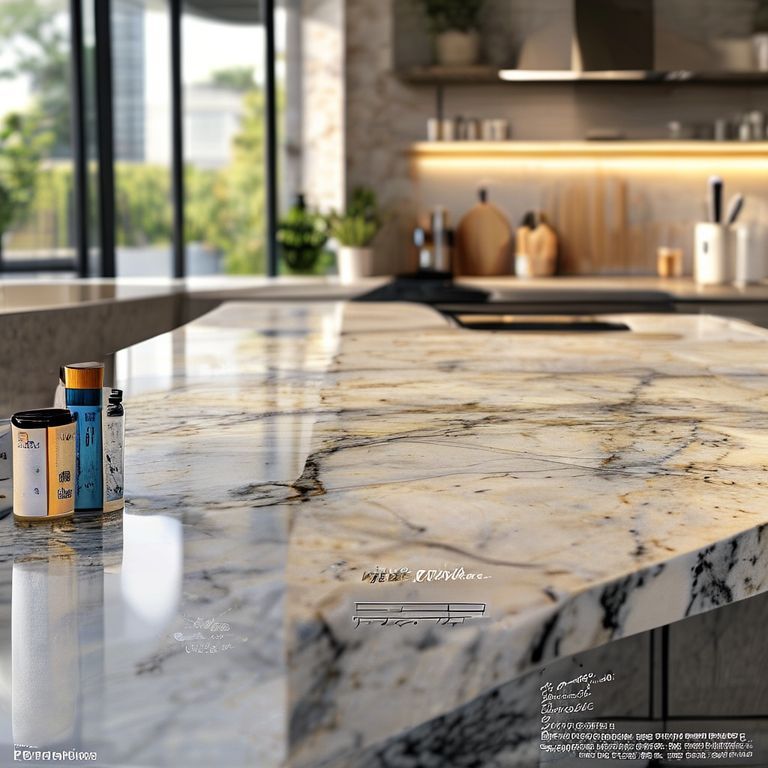
Aesthetic Versatility: With a range of colors and finishes, artificial marble can replicate the look of almost any natural stone, allowing for a high degree of customization in interior design.
Durability: Unlike natural marble, artificial marble is resistant to stains, scratches, and thermal damage, making it ideal for high-traffic areas like kitchens and bathrooms.
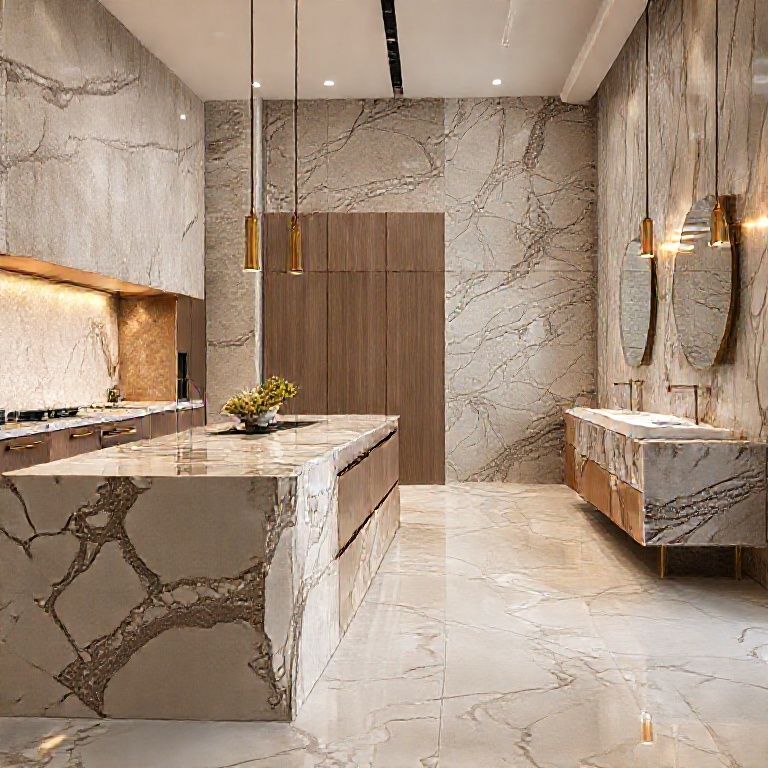
Cost-Effectiveness: Being a synthetic product, artificial marble is generally more affordable than its natural counterpart, making it accessible to a broader audience.
The Hidden Health Risks
Despite its many benefits, artificial marble has come under scrutiny for several health and environmental concerns. Here are some of the primary risks associated with its use:
Chemical Emissions: Artificial marble is typically composed of resins and other chemical compounds. During the manufacturing process and even after installation, these materials can emit volatile organic compounds (VOCs). Prolonged exposure to VOCs can lead to various health issues, including respiratory problems, headaches, and skin irritation.
Formaldehyde Release: Some artificial marble products contain formaldehyde, a known carcinogen. Formaldehyde is released as a gas and can accumulate in indoor environments, posing long-term health risks, especially for individuals with pre-existing respiratory conditions or allergies.
Heavy Metal Contamination: Although the risk is relatively low, there is a possibility of heavy metal contamination in artificial marble. Elements such as lead, chromium, and cadmium can leach into water and surfaces, potentially leading to toxic exposure over time.
Environmental Concerns
Beyond health implications, artificial marble also raises environmental questions:
Resource Utilization: The production of artificial marble requires significant energy and resources, including resins, pigments, and other synthetic materials. The environmental footprint of these materials can be considerable, contributing to resource depletion and pollution.
Waste Generation: Disposal of artificial marble products can be challenging. Unlike natural stone, which can often be recycled or repurposed, artificial marble typically cannot be easily recycled, leading to increased waste and landfill contributions.
Expert Opinions and Research Findings
Several studies and expert opinions have highlighted the potential dangers of artificial marble. For instance, a study conducted by the Environmental Working Group (EWG) revealed that many artificial marble products contain formaldehyde levels exceeding safe limits. Furthermore, experts in occupational health have pointed out that prolonged exposure to VOCs in indoor environments can lead to chronic health issues.
Conclusion to Part 1
In summary, while artificial marble offers undeniable benefits in terms of aesthetics and durability, it also poses significant health and environmental risks. Understanding these dangers is crucial for making informed decisions about its use in home and commercial spaces. In the next part, we will delve deeper into specific case studies, regulatory guidelines, and alternative materials that may offer safer, more sustainable options.
Regulatory Guidelines and Safer Alternatives to Artificial Marble
Having explored the potential dangers of artificial marble in Part 1, it’s essential to address how these risks can be mitigated and what safer alternatives are available. This second part will focus on regulatory guidelines, expert recommendations, and eco-friendly alternatives to artificial marble.
Regulatory Guidelines and Safety Standards
To address the health risks associated with artificial marble, various regulatory bodies have established safety standards and guidelines. These regulations aim to limit the emission of harmful substances and ensure that manufacturers adhere to safe production practices.
European Union Regulations: In Europe, the European Chemicals Agency (ECHA) enforces strict regulations on the use of VOCs and formaldehyde in construction materials. Products must comply with standards such as the EU’s REACH (Registration, Evaluation, Authorization, and Restriction of Chemicals) regulation to ensure that they do not pose significant health risks.
United States Standards: In the U.S., the Environmental Protection Agency (EPA) regulates the emission of VOCs under the Clean Air Act. The EPA also provides guidelines for formaldehyde exposure limits, which manufacturers must adhere to when producing artificial marble products.
International Standards: Organizations such as the International Organization for Standardization (ISO) have developed global standards for the production and safety of building materials, including artificial marble. Compliance with these standards can help ensure that products meet international safety criteria.
Expert Recommendations
Several experts in environmental health and safety have offered recommendations to minimize the risks associated with artificial marble:
Proper Ventilation: Ensuring adequate ventilation in rooms where artificial marble is installed can help reduce the concentration of VOCs and other harmful emissions. Opening windows and using exhaust fans are simple yet effective measures.
Quality Products: Choosing high-quality artificial marble products from reputable manufacturers can help minimize exposure to harmful chemicals. Look for products that have been certified by recognized safety standards and that disclose their chemical composition.
Regular Monitoring: Regular monitoring of indoor air quality can help detect any potential health risks early on. This can involve using air quality testing kits or consulting with environmental health professionals.
Safer Alternatives to Artificial Marble
For those looking to avoid the potential dangers of artificial marble altogether, several safer alternatives are available:
Natural Stone: Natural stone, such as granite, quartzite, and limestone, offers a durable and aesthetically pleasing option that does not pose the same chemical risks as artificial marble. While natural stone may require more maintenance, it is generally safer and more sustainable.
Sustainable Alternatives: Materials such as bamboo, recycled glass, and cork are emerging as sustainable alternatives to both natural and artificial stone. These materials are not only eco-friendly but also offer unique aesthetic qualities.
Low-VOC Products: Some manufacturers produce low-VOC versions of artificial marble, which emit fewer harmful chemicals. These products can be a safer alternative for those who still prefer the look and feel of artificial stone.
Case Studies and Real-World Applications
To provide a more comprehensive understanding of the risks and alternatives associated with artificial marble, let’s examine some real-world case studies:
Case Study: Office Building Renovation: In a recent office building renovation project, the use of high-quality artificial marble led to elevated levels of VOCs and formaldehyde in the indoor air. After switching to low-VOC natural stone, the office reported significant improvements in air quality and occupant health.
Case Study: Residential Kitchen Installation: In a residential kitchen project, homeowners initially chose artificial marble for its cost-effectiveness and durability. However, they later experienced respiratory issues and skin irritation, prompting them to switch to bamboo, which not only improved indoor air quality but also provided a unique aesthetic.
Conclusion to Part 2
In conclusion, while artificial marble offers undeniable benefits in terms of aesthetics and durability, it is important to be aware of the potential health and environmental risks associated with its use. By understanding regulatory guidelines, following expert recommendations, and exploring safer alternatives, homeowners and businesses can make informed decisions that prioritize both safety and sustainability. With a growing emphasis on eco-friendly and health-conscious materials, the future of interior design is increasingly leaning towards safer, more responsible choices.