The Composition and Initial Exposure Risks
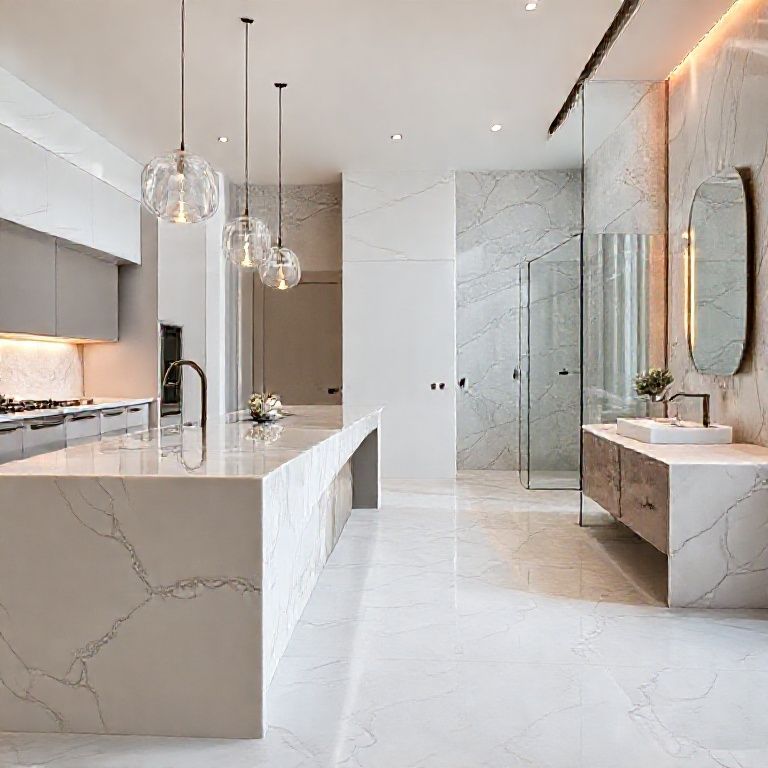
Artificial marble, often celebrated for its beauty and durability, has become a favored choice for countertops, sinks, and decorative elements in homes and commercial spaces. However, beneath its appealing surface lies a complex composition that may pose significant health risks.
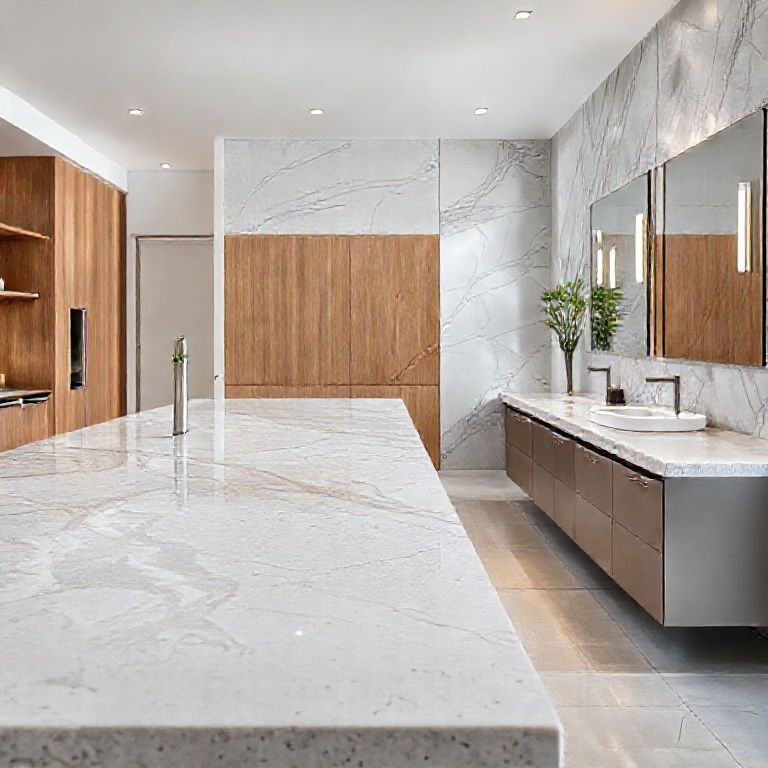
Composition Breakdown
Artificial marble, also known as composite stone, is primarily made from a mixture of fine marble or limestone dust, resins, and pigments. This combination is engineered to mimic the appearance of natural marble while providing enhanced resistance to scratches and stains. The production process involves high-pressure and high-temperature treatments to achieve a solid, monolithic structure.
While this manufacturing process results in a material that is aesthetically pleasing and low-maintenance, it also introduces a range of chemicals into the mix. The resins used, often made from polymers like melamine, formaldehyde, and urea, are central to the material’s strength but can be hazardous when they leach into the environment.
Respiratory Hazards
One of the most pressing concerns associated with artificial marble is its potential to affect respiratory health. During the manufacturing process, fine dust particles are inevitably produced, which can become airborne. If inhaled, these particles can cause respiratory irritation, especially in individuals with pre-existing conditions like asthma or chronic obstructive pulmonary disease (COPD).
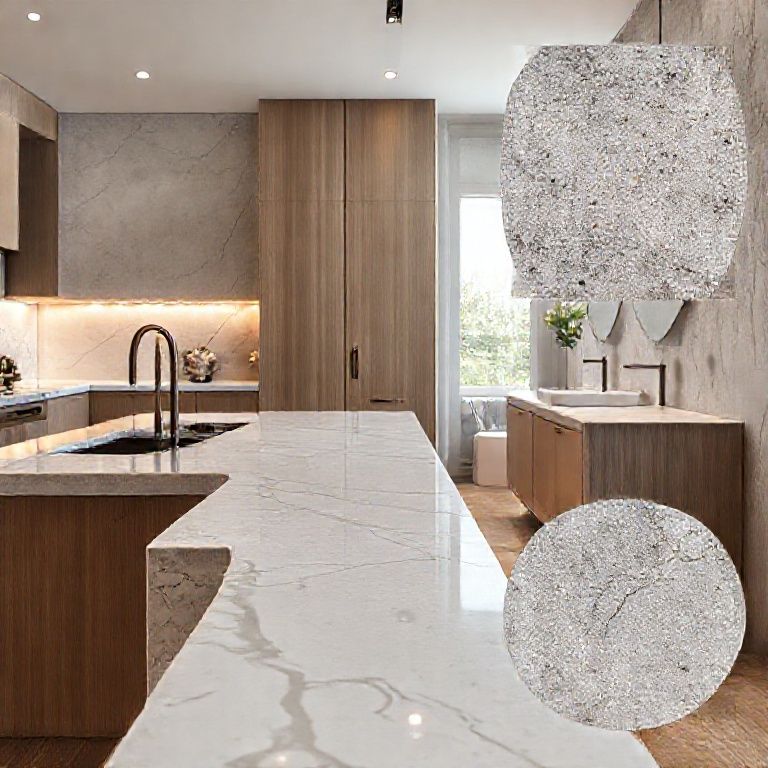
Moreover, the resins used in the production of artificial marble release volatile organic compounds (VOCs) such as formaldehyde. These compounds are known to contribute to respiratory problems and have been classified by the International Agency for Research on Cancer (IARC) as a probable human carcinogen. Prolonged exposure to VOCs can lead to symptoms like headaches, dizziness, and respiratory distress, further emphasizing the need for caution in handling and installation.
Skin Irritation and Allergic Reactions
Another critical aspect of the health risks posed by artificial marble is its potential to cause skin irritation and allergic reactions. The fine particles embedded within the material can cause abrasive skin injuries upon contact, leading to cuts, abrasions, and infections.
Additionally, the chemicals used in the resin and pigment formulations can trigger allergic responses in sensitive individuals. Symptoms may include redness, itching, and swelling, which can escalate to more severe dermatitis if exposure is prolonged. It’s essential to handle artificial marble with appropriate protective gear to minimize the risk of skin contact and subsequent irritation.
Indoor Air Quality Concerns
The impact of artificial marble on indoor air quality cannot be overlooked. During installation and even after it is set, the material releases VOCs into the surrounding environment. These chemicals can contribute to poor indoor air quality, leading to a range of health issues. The concentration of these compounds can be particularly high in newly installed spaces where the material is freshly cut and polished, posing a significant risk to occupants.
To mitigate these risks, it is advisable to ensure proper ventilation during the installation and initial exposure periods. Using air purifiers and opening windows to allow fresh air to circulate can help reduce the concentration of VOCs in indoor environments.
Conclusion to Part 1
In summary, while artificial marble offers aesthetic and practical benefits, it is imperative to recognize the health risks associated with its composition and use. From respiratory hazards due to fine dust and VOCs to potential skin irritations and allergic reactions, the risks are multi-faceted and significant. Understanding these dangers is crucial for making informed decisions about the use of artificial marble in living and working spaces.

Stay tuned for Part 2, where we will delve deeper into long-term health implications, environmental impact, and preventive measures to safeguard against the hazards of artificial marble.
Long-Term Health Implications, Environmental Impact, and Preventive Measures
Having explored the immediate health risks associated with artificial marble in Part 1, we now turn our attention to the long-term health implications, environmental impact, and preventive measures that can help mitigate these risks.
Long-Term Health Implications
The long-term health implications of exposure to artificial marble are still an area of ongoing research. However, preliminary studies suggest potential links to chronic respiratory diseases, carcinogenic effects due to prolonged exposure to formaldehyde, and endocrine-disrupting effects from certain resins.
Respiratory Diseases
Long-term exposure to the fine dust particles and VOCs emitted by artificial marble can lead to chronic respiratory conditions. These include chronic bronchitis, emphysema, and other forms of chronic obstructive pulmonary disease (COPD). The fine particles can lodge in the lungs, causing inflammation and long-term damage to lung tissue.
Regular monitoring of indoor air quality and minimizing exposure to dust and VOCs are essential steps in preventing these chronic conditions. Moreover, individuals with pre-existing respiratory issues should be particularly cautious when working with or living in environments containing artificial marble.
Carcinogenic Risks
Formaldehyde, a common VOC emitted by artificial marble, has been classified by the IARC as a probable human carcinogen. While the levels of formaldehyde released from artificial marble are typically lower than those from other sources like household cleaners and pressed wood products, prolonged and repeated exposure can still pose a carcinogenic risk.
Research indicates that long-term exposure to low levels of formaldehyde may increase the risk of certain cancers, including nasopharyngeal cancer, leukemia, and cancers of the respiratory tract. It is vital to limit exposure and ensure that installation and maintenance are conducted in well-ventilated areas.
Endocrine Disruption
Certain chemicals used in the production of artificial marble, such as phthalates and bisphenol A (BPA), are known endocrine disruptors. These chemicals can interfere with hormone functions in the body, potentially leading to reproductive, developmental, and other health issues. While the direct impact of these chemicals from artificial marble is still being studied, it is prudent to reduce exposure to minimize any potential risks.
Environmental Impact
The environmental impact of artificial marble extends beyond its direct health risks to humans. The production and disposal of this material contribute to environmental degradation in several ways.
Resource Depletion
The raw materials used in artificial marble, such as marble dust and limestone, are finite resources. Mining these materials can lead to habitat destruction, loss of biodiversity, and soil erosion. The extraction process also generates significant waste, contributing to environmental pollution.
Chemical Pollution
The resins and other chemicals used in the production of artificial marble can leach into water sources, causing pollution. This can have detrimental effects on aquatic ecosystems, leading to the death of fish and other marine organisms. Proper waste management and disposal practices are essential to mitigate these impacts.
Waste Generation
The disposal of artificial marble at the end of its life cycle poses a challenge. Unlike natural stone, which can often be recycled or repurposed, artificial marble is more difficult to recycle due to its composite nature. Improper disposal can lead to landfill overflow and increased environmental contamination.
Preventive Measures
To safeguard against the health risks and environmental impact associated with artificial marble, several preventive measures can be implemented.
Proper Ventilation
Ensuring adequate ventilation during installation and maintenance is crucial. This helps to disperse dust and VOCs, reducing the concentration of harmful chemicals in indoor environments. Using exhaust fans and opening windows can significantly improve air quality.
Personal Protective Equipment (PPE)
When handling artificial marble, it is essential to wear appropriate personal protective equipment. This includes gloves, masks, and goggles to protect against skin contact, inhalation of dust, and eye irritation. Proper PPE can minimize direct exposure to hazardous substances.
Regular Cleaning
Regular cleaning of surfaces containing artificial marble can help reduce dust accumulation and the release of VOCs. Using damp cloths to wipe surfaces can minimize the spread of fine particles and maintain a healthier indoor environment.
Choosing Safer Alternatives
For those concerned about the health risks associated with artificial marble, exploring safer alternatives is a viable option. Natural stone, although more expensive, offers durability without the associated chemical hazards. Additionally, there are newer composite materials designed with health and environmental safety in mind.
Conclusion to Part 2
In conclusion, while artificial marble provides aesthetic and practical benefits, it is essential to be aware of the long-term health implications, environmental impact, and the preventive measures necessary to mitigate these risks. By understanding the potential dangers and taking appropriate precautions, we can enjoy the beauty of artificial marble while protecting our health and the environment.
Stay informed, stay safe, and make conscious choices in your home and workplace to ensure a healthier and more sustainable living environment.