The Composition of Synthetic Marble and Immediate Health Risks
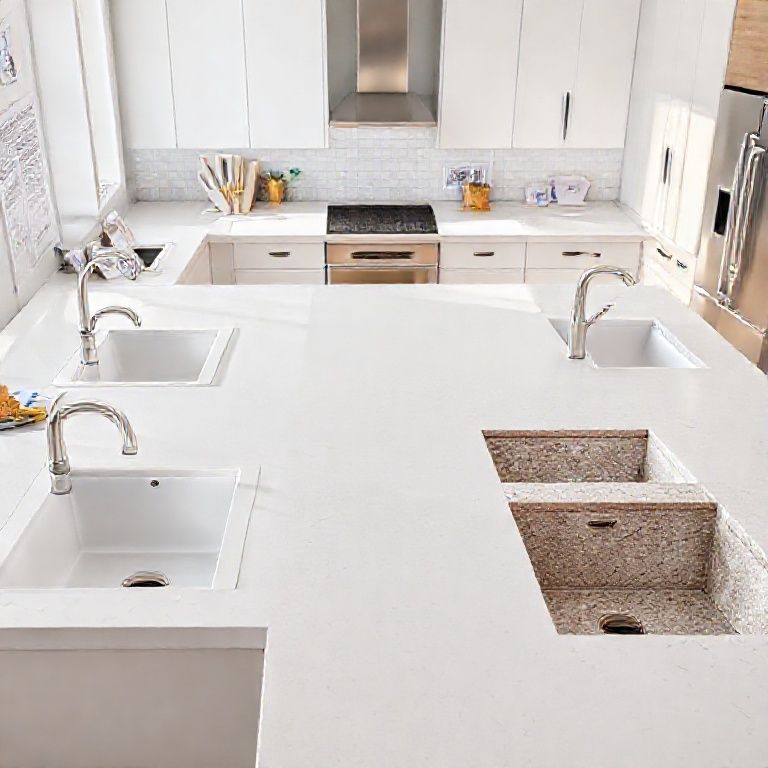
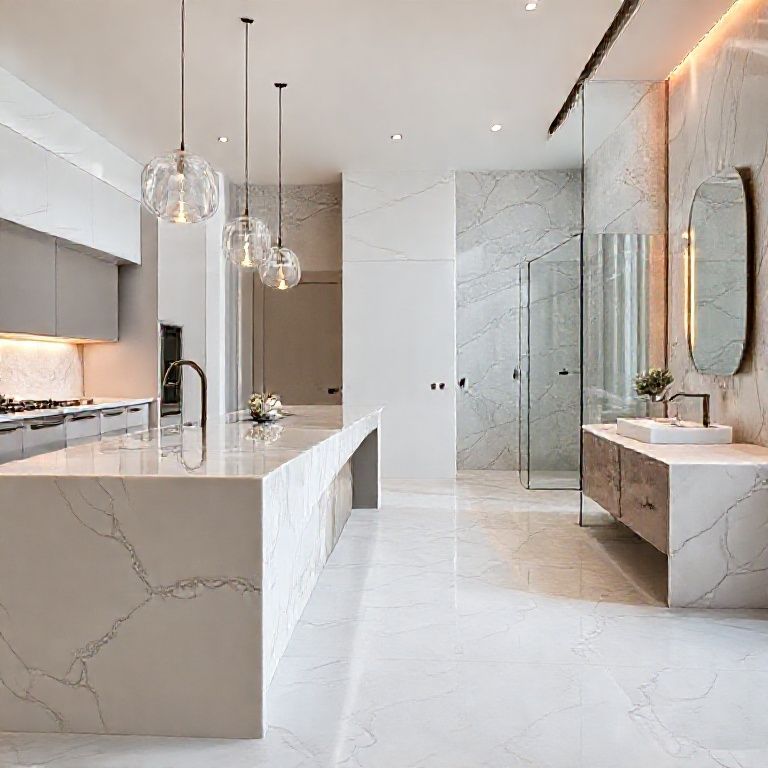
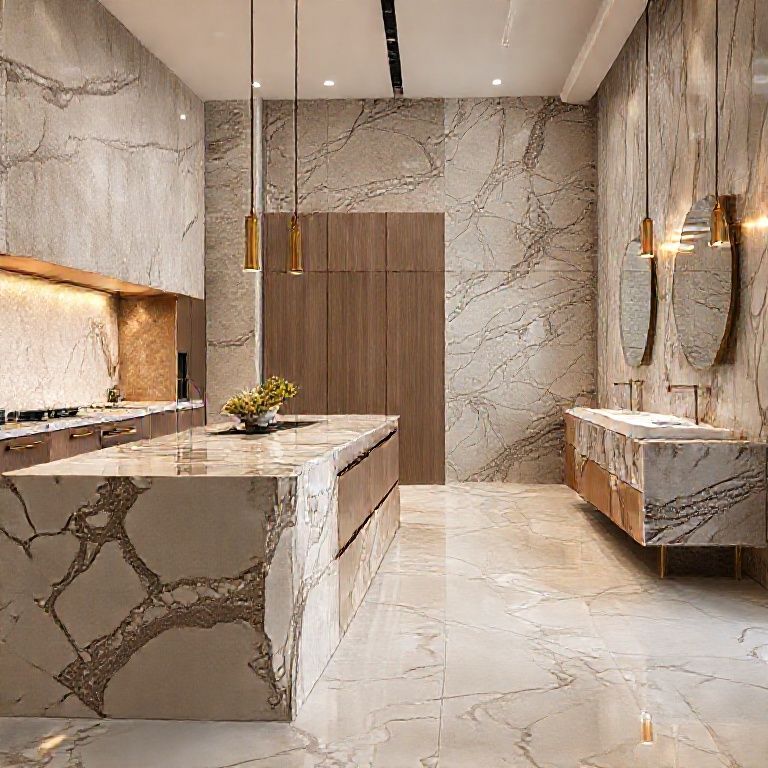
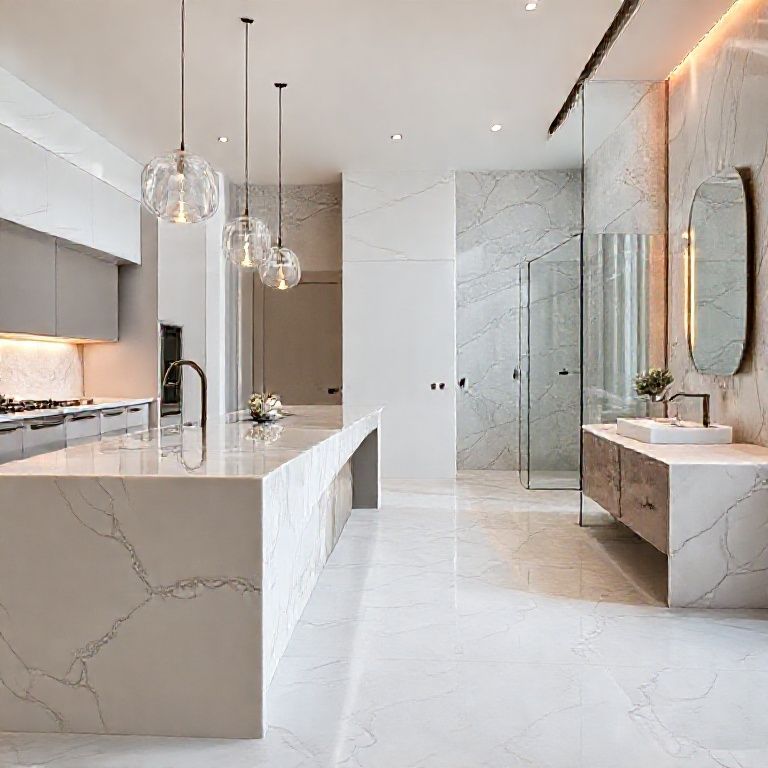
In recent years, synthetic marble has surged in popularity due to its aesthetic appeal and cost-effectiveness. Often used in countertops, sinks, and other decorative surfaces, synthetic marble is a composite material made primarily from limestone, marble chips, and resin. While it replicates the appearance of natural marble, its composition poses potential health risks that are worth scrutinizing.
Understanding Synthetic Marble’s Ingredients
Synthetic marble, also known as cultured marble, is a blend of several components:
Limestone: The primary ingredient, limestone provides the base material that mimics the appearance of natural marble. However, limestone dust can become airborne during installation and handling, leading to respiratory issues.
Marble Chips: These are added to enhance the texture and appearance, further contributing to dust particles that may become a health hazard.
Resins: Polymeric resins are used to bind the mixture together, creating a solid, durable surface. These resins often contain volatile organic compounds (VOCs) that emit harmful fumes during the curing process.
Colorants and Dyes: To achieve the desired marble look, synthetic marble contains various colorants and dyes. These can include heavy metals like lead and cadmium, which are known to be toxic.
Immediate Health Risks
The chemical ingredients in synthetic marble can lead to several immediate health risks:
Respiratory Issues: During installation and maintenance, particles from limestone and marble chips can become airborne. Inhalation of these particles can lead to respiratory problems, including asthma and chronic obstructive pulmonary disease (COPD).
Exposure to VOCs: The resins used in synthetic marble contain VOCs such as formaldehyde and phthalates. These compounds can cause short-term effects like headaches, dizziness, and irritation of the eyes, nose, and throat.
Toxic Dyes: Some synthetic marbles contain dyes and colorants that include heavy metals. Inhalation or direct contact with these substances can lead to poisoning, which may manifest as symptoms such as nausea, vomiting, and neurological damage.
Environmental Impact
In addition to health concerns, the production and disposal of synthetic marble have significant environmental impacts:
Resource Depletion: The extraction of limestone and marble chips contributes to the depletion of natural resources, leading to environmental degradation and loss of biodiversity.
Chemical Pollution: The manufacturing process of synthetic marble involves the use of various chemicals, which can leach into the environment if not properly managed. This can result in soil and water contamination.
Waste Management: The disposal of synthetic marble at the end of its life cycle poses challenges, as it does not decompose easily. This can lead to landfill accumulation and associated environmental issues.
Preventive Measures
To mitigate the health risks associated with synthetic marble, certain preventive measures can be adopted:
Proper Ventilation: Ensuring adequate ventilation during installation and handling can help reduce the inhalation of dust and fumes.
Personal Protective Equipment (PPE): Workers should use appropriate PPE, including masks, gloves, and goggles, to minimize exposure to harmful chemicals and particles.
Professional Installation: Hiring certified professionals for installation can ensure that the process is carried out safely, reducing the risk of exposure to hazardous materials.
Conclusion
While synthetic marble offers an affordable and visually appealing alternative to natural marble, its composition and production process present several health and environmental hazards. Understanding the ingredients and risks associated with synthetic marble is crucial for making informed decisions about its use in home and commercial spaces. In the next part of this series, we will explore the long-term health impacts and delve into safer alternatives that can provide similar aesthetic benefits without compromising safety.
Long-term Health Risks and Safer Alternatives
Continuing from where we left off, this second part delves deeper into the long-term health risks associated with synthetic marble. We will also explore safer alternatives that provide the same aesthetic appeal without compromising on health and environmental safety.
Long-term Health Risks
While the immediate health risks of synthetic marble have been discussed, its long-term exposure can lead to more severe health issues:
Chronic Respiratory Diseases: Prolonged exposure to dust particles from synthetic marble can lead to chronic respiratory conditions. These may include chronic bronchitis, persistent coughing, and reduced lung function.
Cancer Risks: Some studies suggest that long-term exposure to VOCs such as formaldehyde, which are commonly used in synthetic marble, may increase the risk of certain cancers, including nasopharyngeal cancer and leukemia.
Endocrine Disruption: Phthalates, a type of VOC often used in synthetic marble, have been linked to endocrine disruption. This can lead to hormonal imbalances, which may affect reproductive health and development in children.
Neurological Damage: Prolonged exposure to toxic dyes and chemicals can lead to neurological damage. Symptoms may include cognitive decline, memory loss, and other neurological disorders.
Environmental Impact and Sustainability
The environmental impact of synthetic marble extends beyond the immediate production phase:
Resource Depletion: The extraction of limestone and marble chips for synthetic marble production leads to significant resource depletion. This can result in habitat destruction and loss of biodiversity.
Chemical Pollution: The manufacturing process of synthetic marble involves the use of various chemicals that can lead to soil and water contamination if not properly managed.
Waste Management: The end-of-life disposal of synthetic marble poses challenges due to its non-biodegradable nature. Improper disposal can contribute to landfill accumulation and associated environmental issues.
Safer Alternatives
Given the potential health and environmental risks associated with synthetic marble, exploring safer alternatives becomes essential:
Natural Stone Countertops
Marble and Granite: These natural stones offer durability and aesthetic appeal without the associated health risks of synthetic marble. However, proper maintenance is required to ensure longevity.
Quartz: A relatively newer entrant in the market, quartz is a composite material made from 93% natural stone and only 7% bonding agent. It is highly durable, low-maintenance, and free from the harmful chemicals found in synthetic marble.
Eco-Friendly Composites
Bamboo Composites: Bamboo is a rapidly renewable resource that grows quickly and requires minimal water and no pesticides. Bamboo composites offer a sustainable and durable alternative to synthetic marble.
Recycled Glass Countertops: Made from recycled glass, these countertops are not only durable but also offer a unique aesthetic. They pose no health risks and are an eco-friendly option.
Wood Composites
Engineered Wood: Engineered wood countertops are made from wood fibers bonded together with resins. They provide a natural look and feel while being safe and low-maintenance. Additionally, they are biodegradable, reducing their environmental impact.
Health and Safety Standards
When choosing a countertop material, it’s essential to consider health and safety standards:
VOC Emissions: Look for materials that have low or no VOC emissions. Certifications such as GREENGUARD Gold indicate low chemical emissions.
CPSC Compliance: The Consumer Product Safety Commission (CPSC) provides guidelines to ensure that products are safe for use. Checking for compliance with these standards can help mitigate health risks.
Certified Installation: Ensure that the installation is carried out by certified professionals who follow safety protocols to minimize exposure to harmful materials.
Conclusion
Synthetic marble, while popular for its cost-effectiveness and aesthetic appeal, poses significant long-term health risks and environmental impacts. By understanding these risks and exploring safer alternatives, we can make informed choices that prioritize both our health and the well-being of the planet. In the era of increasing awareness about sustainability and health, opting for natural stone countertops or eco-friendly composites can provide the same beauty and durability without compromising on safety.
In conclusion, while synthetic marble remains a viable option for many, being informed about its hazards and considering safer alternatives is crucial for a healthier, more sustainable future.