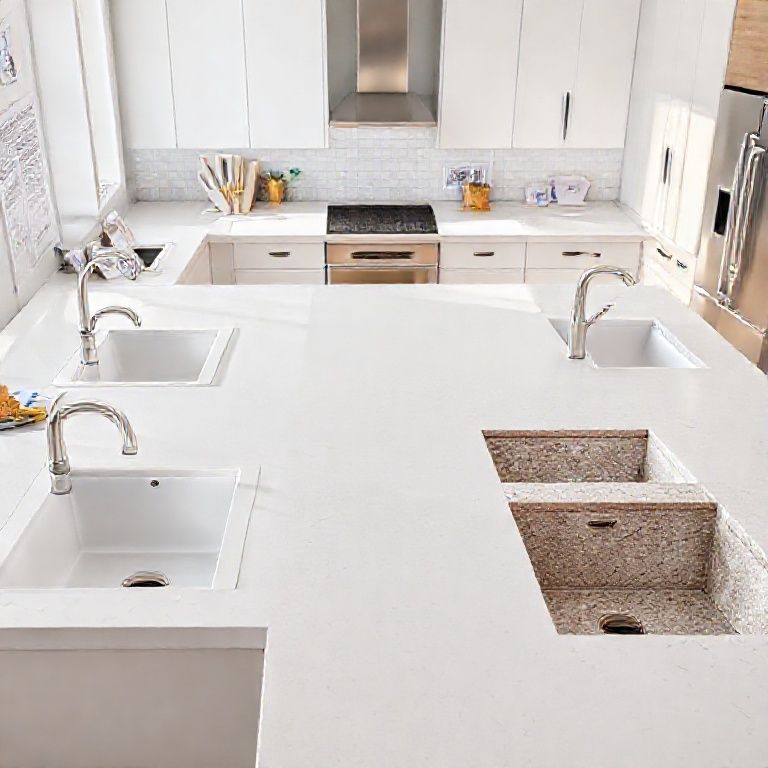
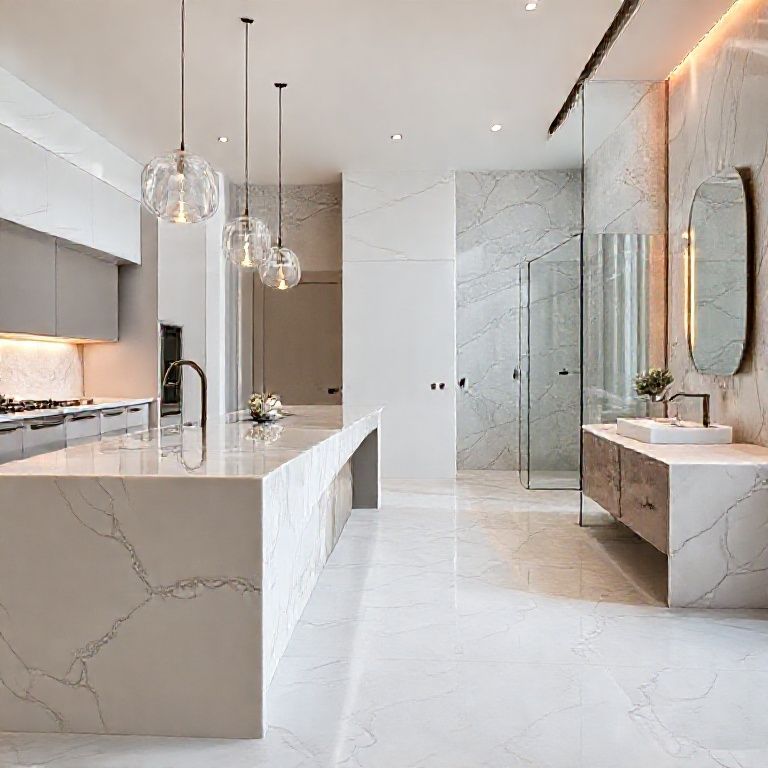
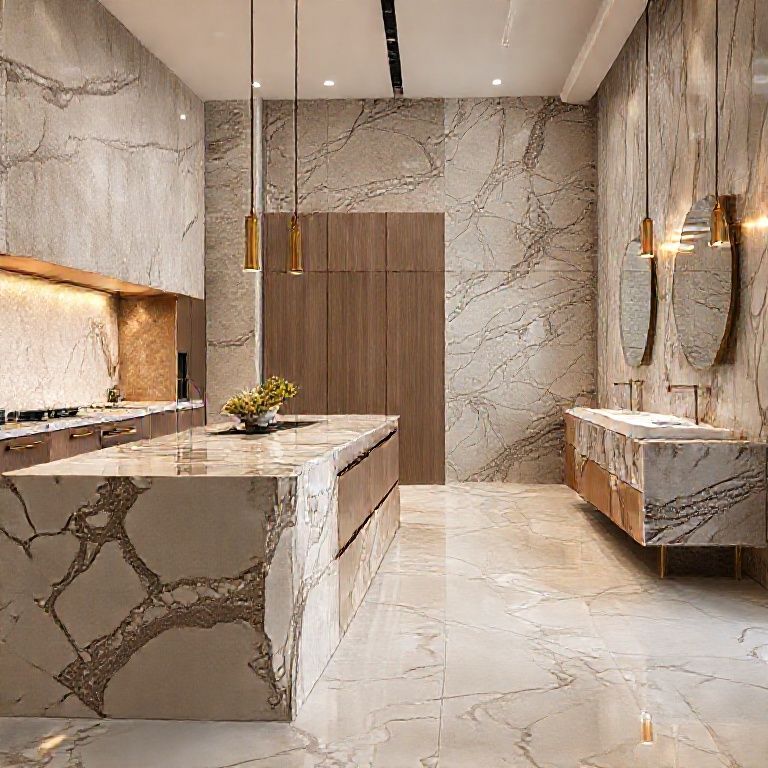
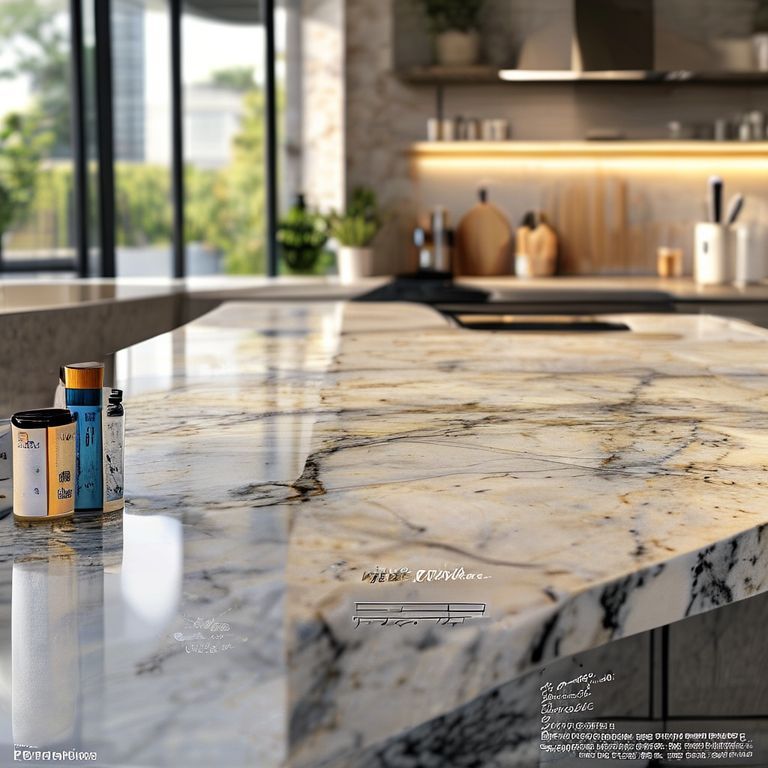
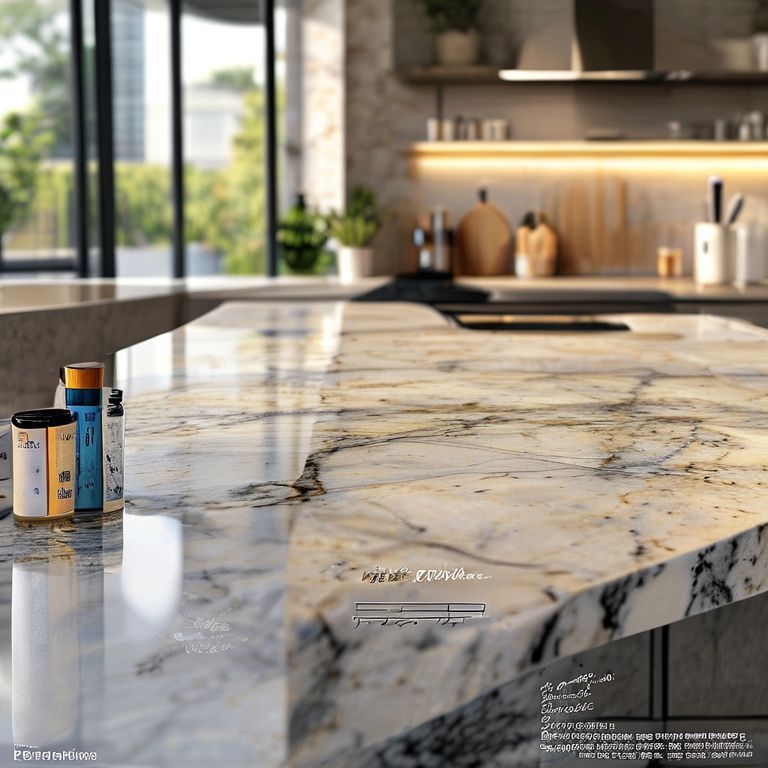
In the world of modern home design and renovation, engineered marble has emerged as a popular choice for countertops, tiles, and other interior surfaces. Its sleek appearance and durability seem almost too good to be true. However, beneath this polished exterior lies a series of hidden drawbacks that you should be aware of before committing to its use in your home. Here, we explore the ten major disadvantages of engineered marble, ensuring you are fully informed before making your choice.
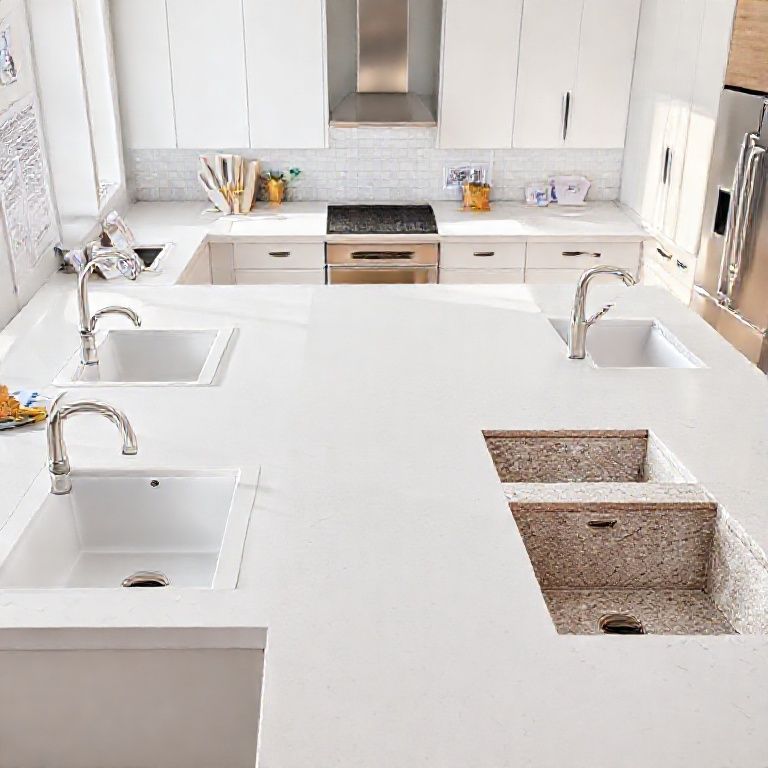
Surface Scratches and Stains Engineered marble, unlike natural marble, is made from a composite material that can be susceptible to scratches and stains. Although it is designed to be more durable than its natural counterpart, it still lacks the resilience to resist everyday wear and tear. Over time, minor scratches and stains can accumulate, leading to an unsightly appearance that can be challenging to clean or remove.
Limited Color Options While engineered marble can mimic the appearance of natural marble, it often falls short in replicating the full spectrum of colors and patterns found in natural stone. This limitation can make it harder to find a perfect match for your design vision, especially if you desire a specific hue or intricate pattern.
Fragility Under Heat One of the significant drawbacks of engineered marble is its inability to withstand high temperatures. Unlike natural marble, which can endure cooking and heating processes without issue, engineered marble can crack or warp when exposed to excessive heat. This makes it unsuitable for use in areas where appliances or cooking frequently occur.
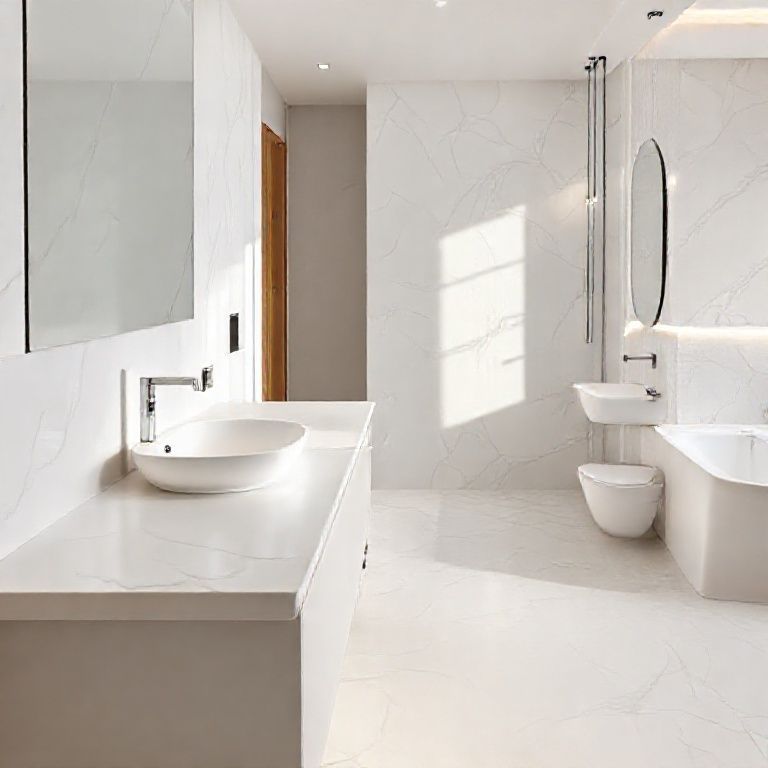
Maintenance Challenges Maintaining engineered marble can be more challenging than you might expect. While it is less porous than natural marble, it still requires regular cleaning to prevent stains and scratches. Additionally, some types of engineered marble can be sensitive to certain cleaning agents, necessitating the use of specific products that may not always be readily available.
Aesthetic Limitations Although engineered marble can imitate the look of natural marble, it often lacks the unique beauty of natural stone. The uniformity in color and pattern can make it appear less organic and more manufactured, which may not align with certain design aesthetics that prioritize natural textures and irregularities.
Cost Implications Despite being more affordable than natural marble, engineered marble can still be pricey, especially when considering the cost of professional installation and potential repairs. Over time, the maintenance and potential replacement costs can add up, making it a less economical choice in the long run.
Environmental Concerns The production of engineered marble involves various synthetic materials and processes that can have environmental impacts. From the extraction of raw materials to the manufacturing processes, these can contribute to pollution and resource depletion. For environmentally conscious consumers, these factors may be a significant deterrent.
Limited Longevity While engineered marble is designed to be durable, its longevity can be compromised by its susceptibility to scratches, stains, and heat damage. Over time, the surface can wear down, leading to a need for repairs or replacement that may not be economically feasible.
Installation Issues The installation process for engineered marble can be more complex than it initially appears. Due to its composite nature, it may not always adhere well to surfaces, requiring additional adhesives or securing methods. This can lead to installation challenges and may necessitate professional expertise to ensure a seamless finish.
Health and Safety Risks Some engineered marble products may contain chemicals and additives that could pose health risks. Although manufacturers often claim their products are safe, the long-term effects of exposure to certain chemicals used in the manufacturing process can be a concern for some consumers.
In conclusion, while engineered marble offers certain advantages, it is essential to consider these ten significant drawbacks before making a decision. From maintenance challenges and aesthetic limitations to environmental concerns and cost implications, understanding these factors can help you make an informed choice that best suits your home and design needs.
Continuing our comprehensive exploration into the hidden drawbacks of engineered marble, this second part focuses on additional critical aspects that often go unnoticed. Understanding these lesser-known issues can significantly influence your decision-making process when considering engineered marble for your home renovation or design project.
Inconsistent Quality The quality of engineered marble can vary significantly between different manufacturers and even within batches from the same manufacturer. This inconsistency can lead to variations in color, texture, and durability, making it difficult to find a product that meets your specific standards. Inconsistent quality can also affect the longevity and appearance of the material over time.
Smell and Odor Issues Some engineered marble products may emit unpleasant odors due to the synthetic materials and adhesives used in their production. These odors can linger for an extended period, especially in poorly ventilated spaces. For those with sensitivities to strong smells or who prioritize a fresh, clean environment, this can be a significant drawback.
Potential for Mold and Mildew Although engineered marble is generally resistant to mold and mildew, certain formulations can still be susceptible to these issues if not properly maintained. Mold and mildew can grow in the tiny crevices and gaps in the composite material, leading to unsightly stains and health risks. Regular cleaning and maintenance are essential to prevent these problems.
Recycling and Disposal Challenges The disposal of engineered marble can present challenges due to its composite nature. Unlike natural marble, which can be easily recycled, engineered marble often contains a mix of materials that can complicate the recycling process. Improper disposal can lead to environmental harm, making it crucial to find responsible recycling options when disposing of this material.
Limited Customization Customization options for engineered marble are often more limited compared to natural stone. While it is possible to create custom shapes and sizes, the range of available colors and patterns is typically more restricted. This limitation can make it harder to achieve a unique design that perfectly matches your vision.
Installation and Repair Complexity Installing engineered marble can be more complex than installing natural stone due to its composite nature. Additional steps may be required to ensure proper adhesion and sealing, which can increase the time and cost of installation. Moreover, repairing damaged engineered marble can be challenging, often requiring replacement of entire sections rather than just the damaged piece.
Temperature Sensitivity Engineered marble can be sensitive to extreme temperature changes. While it may handle moderate heat, sudden temperature fluctuations can cause the material to crack or warp. This sensitivity can be particularly problematic in environments where temperature changes are frequent, such as near heating or cooling systems.
Unpredictable Reactions to Cleaning Products Because engineered marble is made from a combination of synthetic materials, it can react unpredictably to various cleaning products. Some cleaners may cause discoloration, etching, or other damage, making it crucial to use only recommended products. This can add an extra layer of maintenance complexity and expense.
Potential for Warping and Deformation Although engineered marble is designed to be more stable than natural marble, it is still susceptible to warping and deformation, especially when exposed to moisture or excessive heat over long periods. This can lead to a compromised appearance and structural integrity of the material.
Alternative Material Considerations Finally, it’s essential to consider alternative materials that may offer better durability, aesthetics, and sustainability. Alternatives such as natural stone, quartz, and other synthetic composites can provide superior qualities in terms of longevity, design flexibility, and environmental impact. Exploring these options can lead to a more informed and ultimately better choice for your home.
In conclusion, engineered marble, while popular and often affordable, comes with a range of hidden drawbacks that are essential to consider. From inconsistent quality and environmental concerns to installation and maintenance challenges, these factors play a crucial role in determining whether it is the right choice for your home. By understanding these issues, you can make a more informed decision that aligns with your design preferences and long-term goals.
By exploring these comprehensive drawbacks, we hope to provide you with the detailed information needed to make an educated choice regarding engineered marble. Whether you choose this material or explore alternatives, understanding its limitations and benefits is key to achieving a successful and satisfying home renovation or design project.