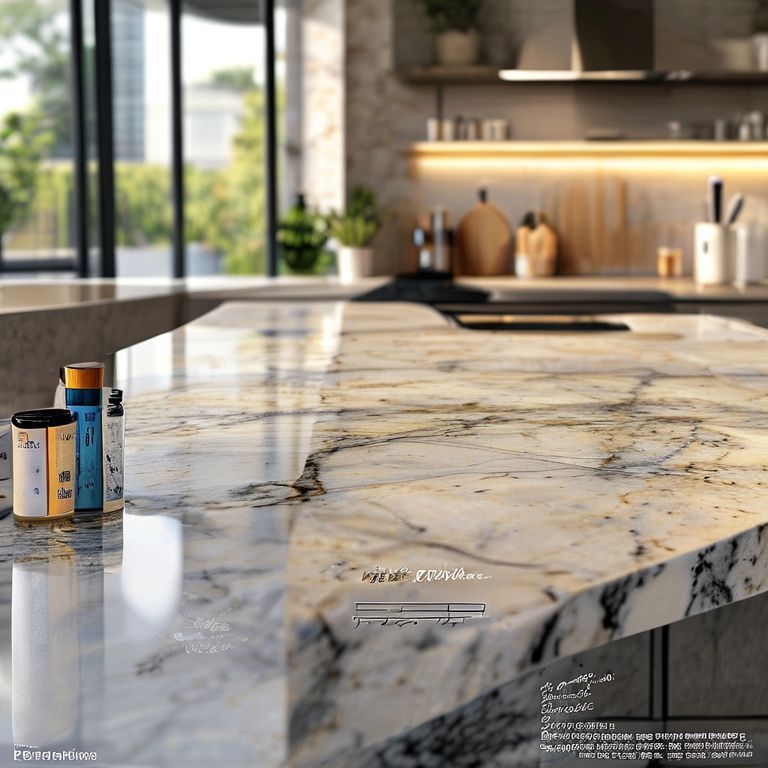
Understanding Artificial Marble: Benefits and Initial Concerns
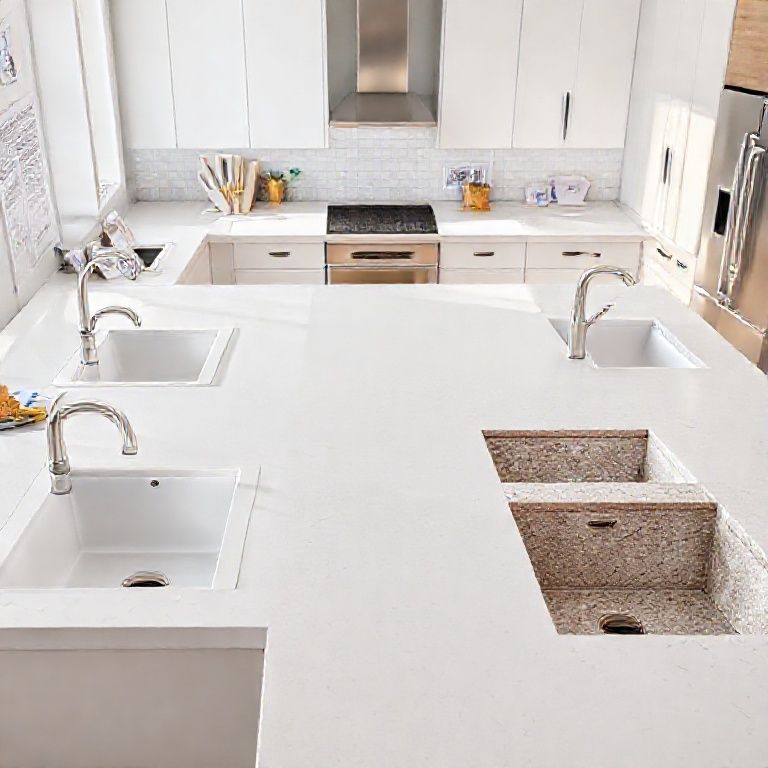
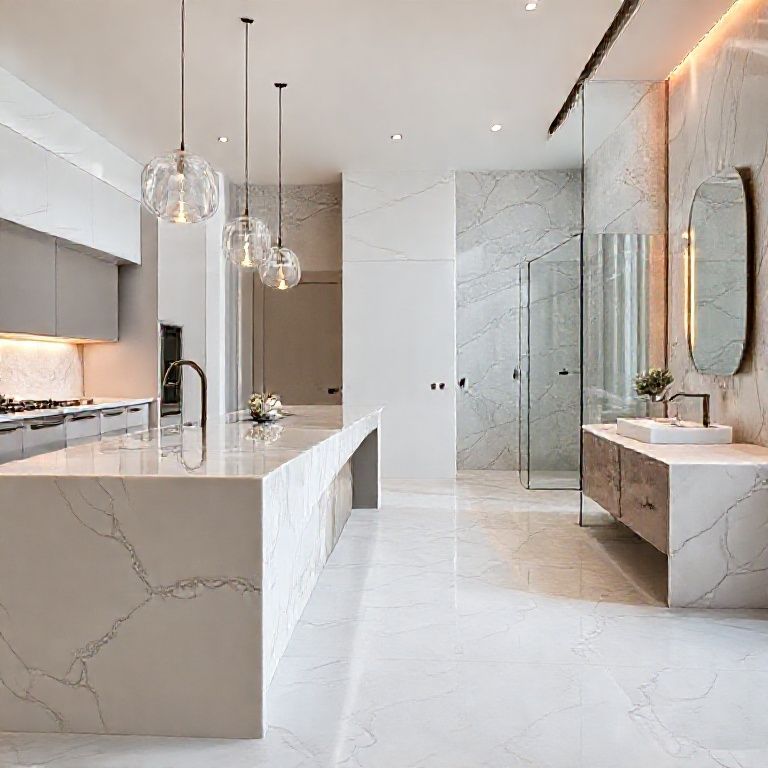
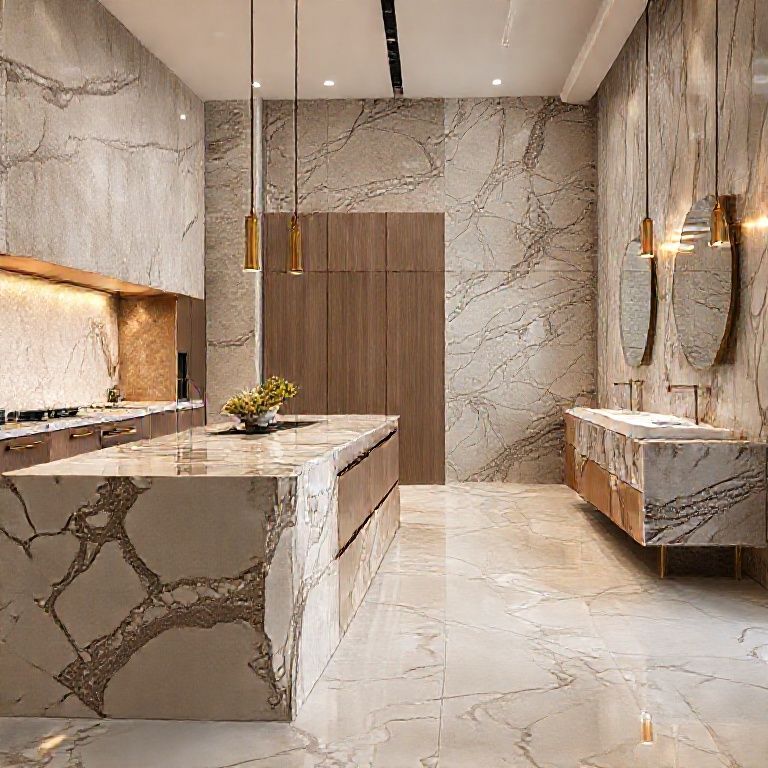
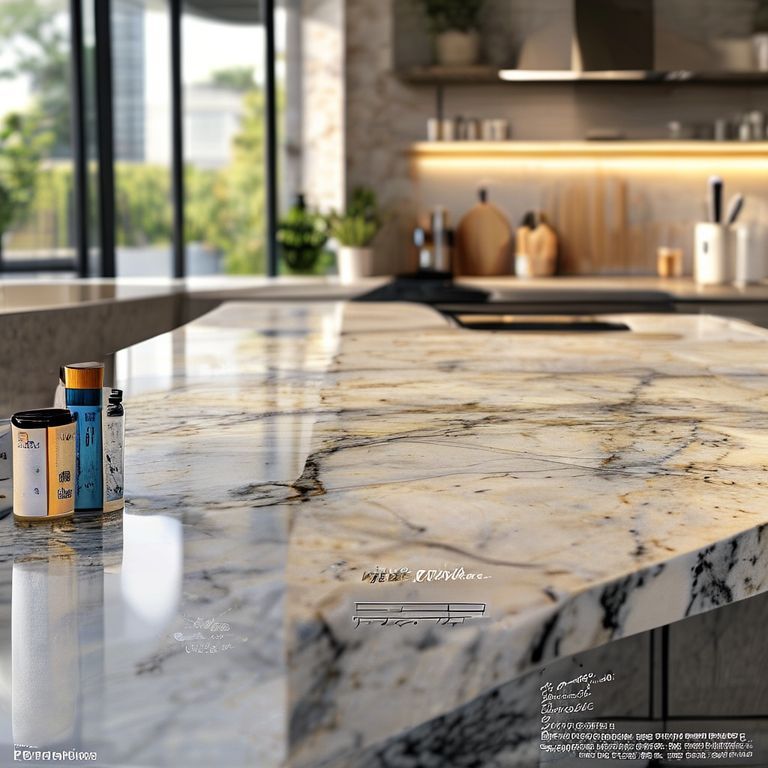
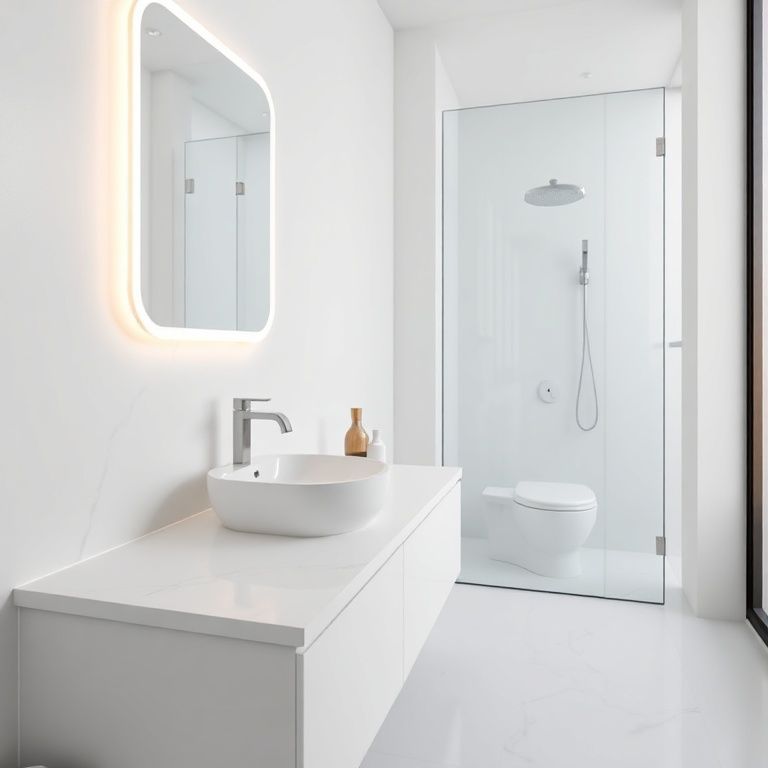
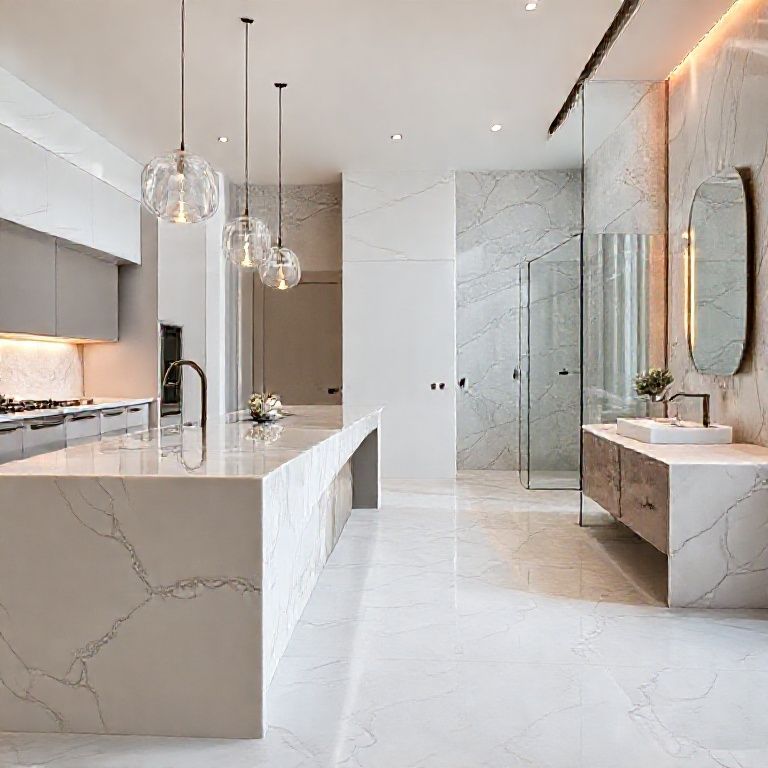
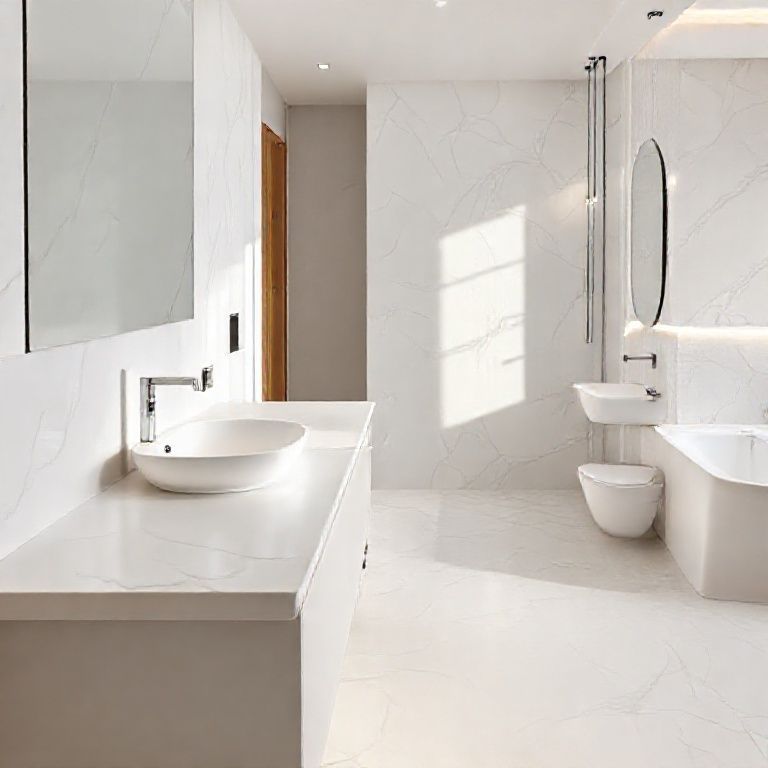
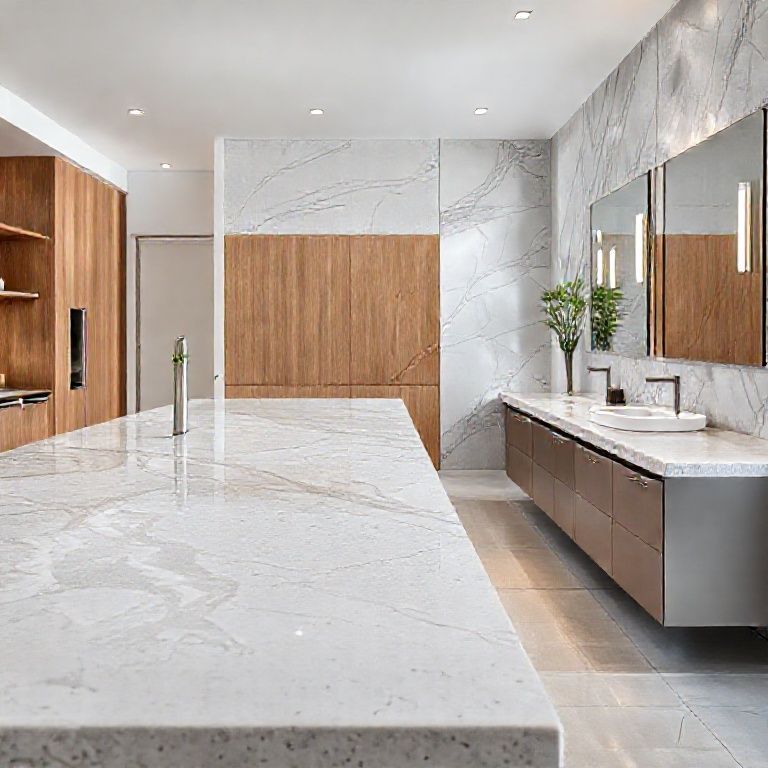
Artificial marble, also known as synthetic or engineered marble, has become a popular choice for countertops, flooring, and other interior design elements due to its aesthetic appeal and cost-effectiveness. Crafted from a blend of minerals, resins, and pigments, artificial marble offers a stunning marble-like appearance at a fraction of the cost of natural marble. Let’s explore the benefits and initial concerns surrounding this material.
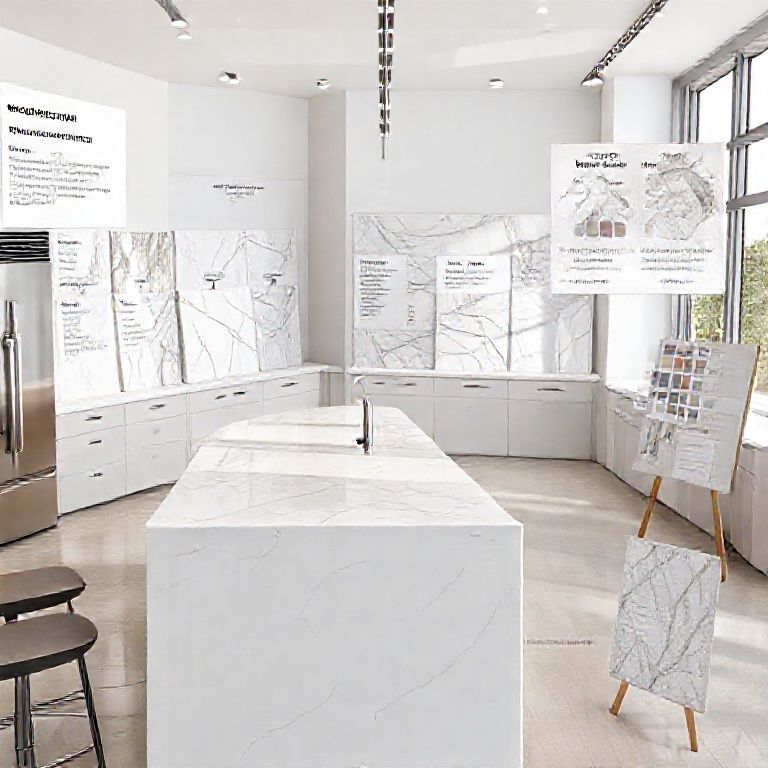
The Benefits of Artificial Marble
1. Cost-Effectiveness: Artificial marble is significantly more affordable than natural marble. It provides a luxurious look without the hefty price tag, making it an attractive option for budget-conscious homeowners and businesses.
2. Durability: While natural marble is beautiful, it can be prone to scratches, stains, and etching from acidic substances. Artificial marble, however, is more resistant to these issues, offering a longer-lasting option that maintains its appearance over time.
3. Variety and Customization: Manufacturers can produce artificial marble in a wide range of colors, patterns, and finishes. This allows designers and homeowners to create custom designs that precisely match their vision.
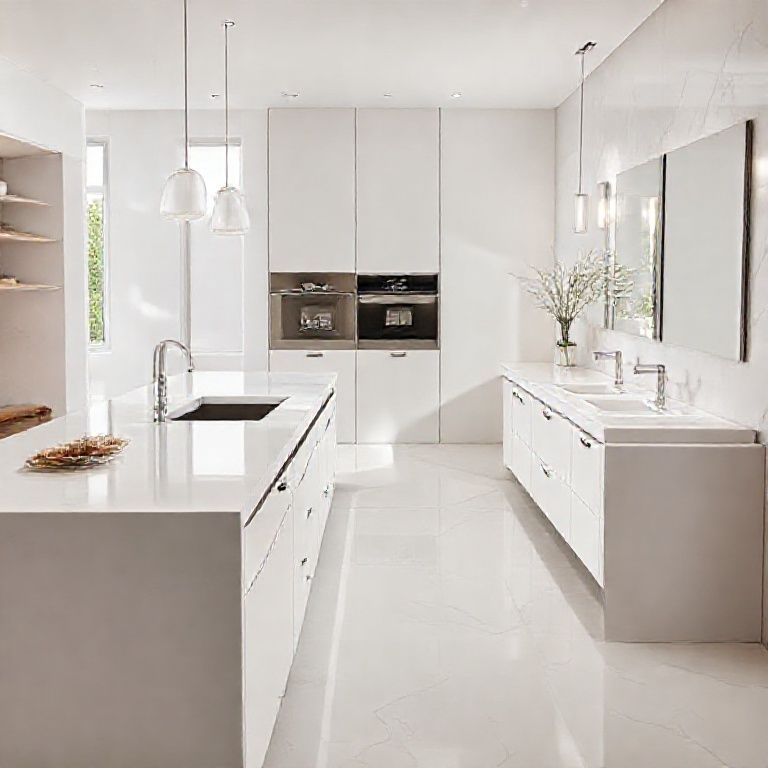
4. Low Maintenance: Artificial marble requires less maintenance than natural marble. It is generally easier to clean and care for, requiring only mild soap and water for routine cleaning.
5. Environmentally Friendly: The production of artificial marble can be more sustainable than that of natural marble. It often involves fewer resources and less environmental impact, as it does not require the extensive quarrying processes associated with natural stone.
Initial Concerns and Hidden Hazards
While artificial marble offers many advantages, there are some initial concerns and potential hazards to be aware of:
1. Chemical Composition: Artificial marble is made from a mixture of minerals, resins, and pigments. Some of these components can release volatile organic compounds (VOCs) during manufacturing and when exposed to heat. VOCs can contribute to indoor air pollution, posing potential health risks.
2. Formaldehyde Emissions: Some artificial marble products can emit formaldehyde, a known carcinogen, during the curing process. Although the levels are generally low, prolonged exposure can still be a concern for indoor air quality.
3. Thermal Conductivity: Artificial marble can conduct heat more than natural marble. This means that hot surfaces can cause burns or discomfort, especially if proper precautions are not taken.
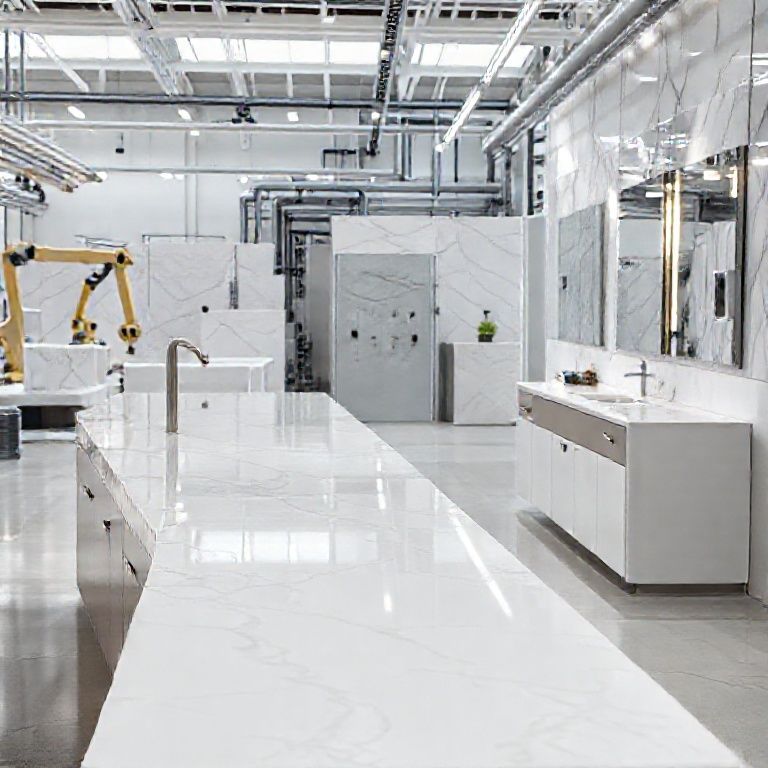
4. Potential Allergens: The resins and pigments used in artificial marble might contain allergens. Individuals with sensitivities to specific chemicals or resins may experience allergic reactions upon prolonged exposure.
5. Environmental Impact: While the production process can be more sustainable compared to natural marble, the overall environmental impact depends on the specific manufacturing process and the lifecycle of the product.
Mitigating the Risks
To mitigate the potential risks associated with artificial marble, consider the following:
1. Choose High-Quality Products: Opt for reputable manufacturers that prioritize safety and environmental responsibility. High-quality products often have lower VOC emissions and are safer for indoor use.
2. Proper Installation: Ensure that artificial marble is installed by professionals who understand its properties. Proper installation can prevent issues such as improper curing and excessive heat conduction.
3. Ventilation: Adequate ventilation during installation and after can help minimize the release of VOCs and other harmful compounds.
4. Use Heat Resistant Pads: To prevent burns, use heat-resistant pads or mats under appliances and on surfaces where hot items are placed.
5. Regular Maintenance: Follow the manufacturer’s guidelines for cleaning and maintaining artificial marble to ensure its longevity and minimize potential health risks.
Detailed Examination of Artificial Marble Risks and Alternatives
In the first part of our exploration into artificial marble, we highlighted its benefits and initial concerns. Now, we will dive deeper into the potential hazards of artificial marble, examining specific health and environmental risks, and explore alternative materials that might offer safer and more sustainable options.
Detailed Examination of Artificial Marble Hazards
1. Volatile Organic Compounds (VOCs): The production and curing of artificial marble can release VOCs, including phenol, formaldehyde, and urea. These compounds can evaporate into the air and contribute to indoor air pollution. Prolonged exposure to VOCs has been linked to respiratory issues, headaches, and other health problems.
2. Formaldehyde Emissions: As mentioned earlier, some artificial marble products can emit formaldehyde. Formaldehyde is a known carcinogen and can cause respiratory irritation, allergic reactions, and other health issues. The emission levels vary depending on the product and manufacturing process, but it’s essential to choose products with low or no formaldehyde emissions.
3. Thermal Conductivity: Artificial marble can conduct heat more efficiently than natural marble. This means that hot surfaces can cause burns or discomfort, especially if proper precautions are not taken. It’s crucial to use heat-resistant pads or mats to protect surfaces and to educate users on the potential risks.
4. Potential Allergens: The resins and pigments used in artificial marble can contain allergens. Individuals with sensitivities to specific chemicals, resins, or pigments may experience allergic reactions such as skin irritation, respiratory issues, or other allergic responses.
5. Environmental Impact: While the production process of artificial marble can be more sustainable than that of natural marble, the overall environmental impact depends on the specific manufacturing process and the lifecycle of the product. The use of certain chemicals and resins in the production process can lead to environmental pollution if not managed properly.
Health and Safety Precautions
To ensure the safe use of artificial marble, consider the following precautions:
1. Choose Low-VOC Products: Select artificial marble products with low or no VOC emissions. Look for certifications such as EPA Safer Choice or other reputable safety labels that indicate low emissions.
2. Proper Installation and Curing: Ensure that artificial marble is installed by professionals who follow best practices for curing and installation. Proper curing reduces the release of harmful compounds and improves the product’s durability.
3. Ventilation: Maintain good ventilation during and after the installation of artificial marble. Proper airflow can help dissipate VOCs and other emissions, reducing indoor air pollution.
4. Use Heat Resistant Pads: To prevent burns, always use heat-resistant pads or mats under appliances and on surfaces where hot items are placed. This is especially important in kitchens and other high-heat areas.
5. Regular Maintenance: Follow the manufacturer’s guidelines for cleaning and maintaining artificial marble to ensure its longevity and to minimize potential health risks. Regular maintenance can also help in reducing the emission of any residual chemicals.
Alternatives to Artificial Marble
While artificial marble offers many benefits, exploring alternative materials can provide safer and more sustainable options. Here are some alternatives:
1. Natural Stone: Natural stone such as granite, quartzite, and slate offers a timeless and durable option. While natural stone is more expensive and requires more maintenance, it does not pose the chemical and thermal risks associated with artificial marble. Additionally, natural stone is a renewable resource when sourced responsibly.
2. Engineered Stone: Engineered stone combines the best of both worlds by offering the aesthetic appeal of natural stone with the durability and low maintenance of artificial marble. Engineered stone is made from natural stone powder and resin, providing a high-quality, sustainable alternative.
3. Bamboo: Bamboo is a rapidly renewable resource that offers a sustainable and stylish alternative to both artificial and natural stone. Bamboo countertops are durable, scratch-resistant, and do not pose the chemical or thermal risks associated with artificial marble.
4. Recycled Materials: Some manufacturers create countertops from recycled materials, combining the aesthetic appeal of stone with sustainability. These products are often made from recycled glass, plastic, or other materials, offering an eco-friendly alternative.
Conclusion
Artificial marble is a popular choice for many due to its cost-effectiveness, durability, and aesthetic appeal. However, it is essential to be aware of the potential hazards associated with its use. By choosing high-quality products, ensuring proper installation and ventilation, and taking necessary precautions, the risks associated with artificial marble can be mitigated. Additionally, exploring alternative materials such as natural stone, engineered stone, bamboo, and recycled materials can provide safer and more sustainable options for interior design.
In the next part of this series, we will provide a detailed comparison between artificial marble and its alternatives, helping you make an informed decision based on your specific needs and priorities. Stay tuned for more insights on achieving a safe and beautiful interior design.
Detailed Comparison of Artificial Marble and Sustainable Alternatives
In the previous part, we explored the potential hazards associated with artificial marble and provided guidelines on how to mitigate these risks. Now, we will conduct a detailed comparison between artificial marble and various sustainable alternatives. This will help you make an informed decision based on your specific needs, priorities, and values.
Artificial Marble vs. Natural Stone
Artificial Marble:
Pros:
Cost-Effectiveness: Significantly more affordable than natural marble, offering luxury at a lower price. Durability: More resistant to scratches, stains, and etching compared to natural marble. Variety and Customization: Wide range of colors, patterns, and finishes available. Low Maintenance: Requires minimal upkeep, just mild soap and water for cleaning. Environmentally Friendly: Production process can be more sustainable than natural stone.
Cons:
VOC Emissions: Can release volatile organic compounds (VOCs) and formaldehyde. Thermal Conductivity: Conducts heat more efficiently, posing burn risks. Potential Allergens: Some components may contain allergens. Health Risks: Potential for indoor air pollution and respiratory issues from VOCs and formaldehyde.
Natural Stone:
Pros:
Aesthetic Appeal: Timeless and natural beauty, available in granite, quartzite, slate, and more. Durability: Highly durable and long-lasting, withstanding scratches, stains, and etching. Low Maintenance: Requires regular sealing to maintain its appearance but is otherwise easy to clean. Eco-Friendly: Renewable resource when sourced responsibly.
Cons:
Cost: More expensive compared to artificial marble. Maintenance: Requires regular sealing to prevent staining and etching. Fragility: Some natural stones are prone to chips and cracks. Environmental Impact: Quarrying processes can have significant environmental impact.
Artificial Marble vs. Engineered Stone
Engineered Stone:
Pros:
Aesthetic Appeal: Offers the look of natural stone with the durability of engineered materials. Durability: Highly resistant to scratches, stains, and etching. Customization: Wide range of colors, patterns, and finishes available. Low Maintenance: Requires minimal upkeep, similar to natural stone. Sustainable: Made from natural stone powder and resin, offering a sustainable alternative.
Cons:
Cost: More expensive than artificial marble but less than natural stone. Thermal Conductivity: Can conduct heat, so heat-resistant pads are recommended. Allergens: Some components may contain allergens.
Artificial Marble vs. Bamboo
Bamboo:
Pros:
Sustainable: Rapidly renewable resource, making it a highly eco-friendly option. Durability: Scratch-resistant and long-lasting. Aesthetic Appeal: Offers a unique and modern look. Low Maintenance: Requires minimal upkeep. Health-Friendly: Does not pose chemical or thermal risks.
Cons:
Cost: More expensive than artificial marble. Maintenance: Requires regular sealing to prevent water damage. Fragility: More prone to warping and cracking compared to stone.
Artificial Marble vs. Recycled Materials
Recycled Materials:
Pros:
Sustainable: Made from recycled glass, plastic, or other materials. Aesthetic Appeal: Offers a unique and modern look. Durability: Often highly durable and scratch-resistant. Low Maintenance: Requires minimal upkeep. Health-Friendly: Typically free from chemical and thermal risks.
Cons:
Cost: More expensive than artificial marble. Maintenance: Requires regular sealing to prevent water damage. Allergens: Some components may contain allergens.
Conclusion
Choosing the right material for your interior design involves balancing aesthetics, durability, cost, and sustainability. Artificial marble offers cost-effectiveness and customization but comes with potential health and environmental risks. Natural stone provides timeless beauty and durability but at a higher cost and with some maintenance requirements. Engineered stone combines the best of both worlds, offering durability and customization with a sustainable approach. Bamboo and recycled materials provide eco-friendly and stylish alternatives, though they may come at a higher price and require specific maintenance.
By understanding the pros and cons of each material, you can make an informed decision that aligns with your design goals and values. Consider consulting with professionals to ensure the best choice for your specific needs.
In the next part of this series, we will provide tips on selecting and maintaining your chosen material to ensure longevity and optimal performance in your interior design.
By exploring these detailed comparisons and precautions, you are better equipped to make a well-informed decision about the materials you choose for your interior design, balancing both aesthetics and sustainability.