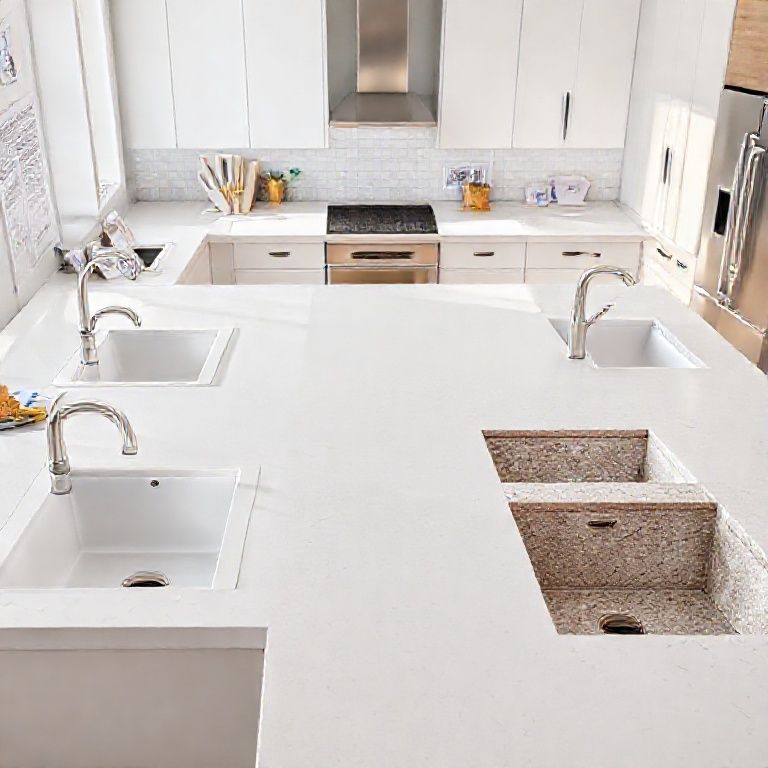
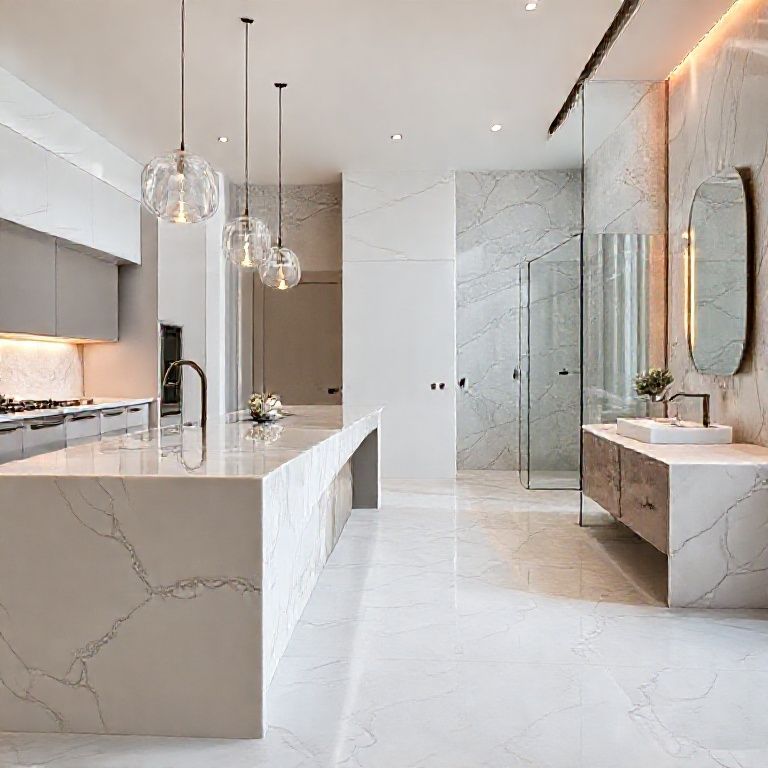
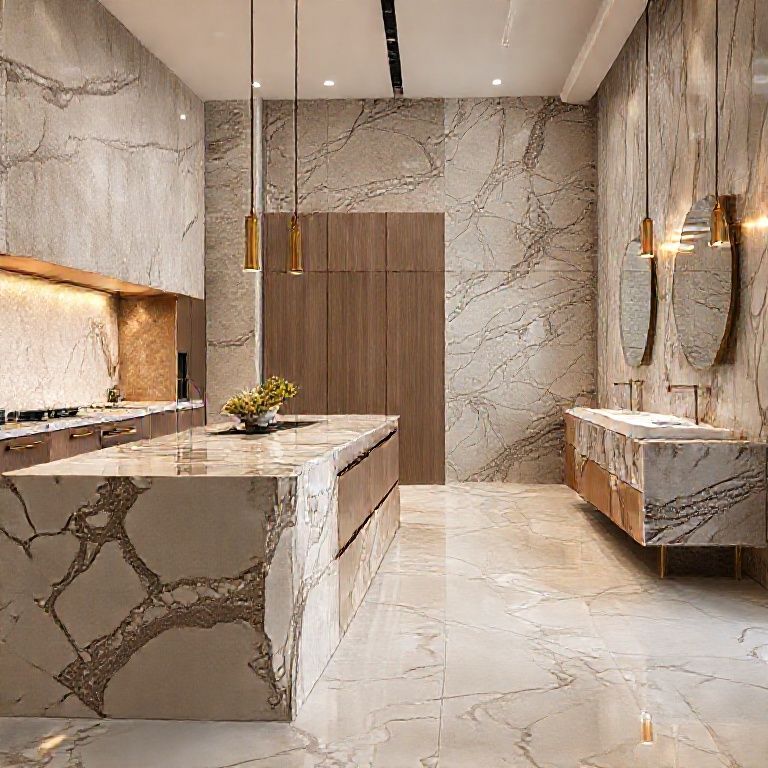
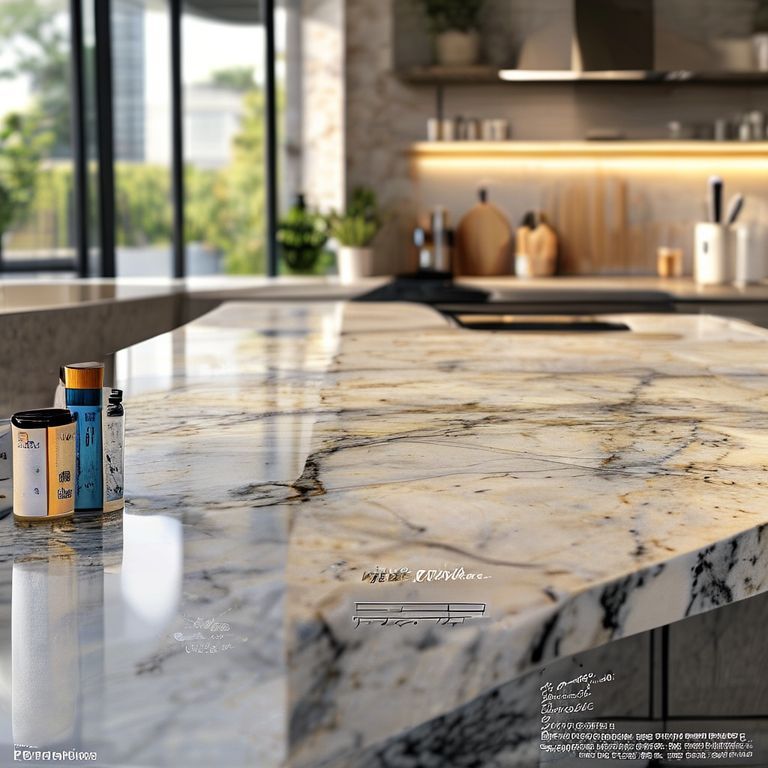
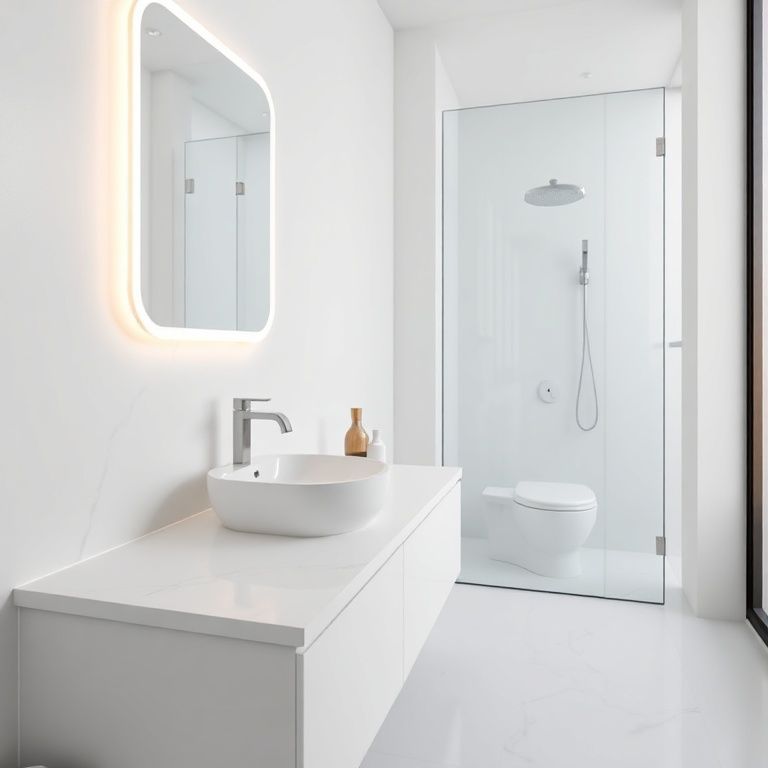
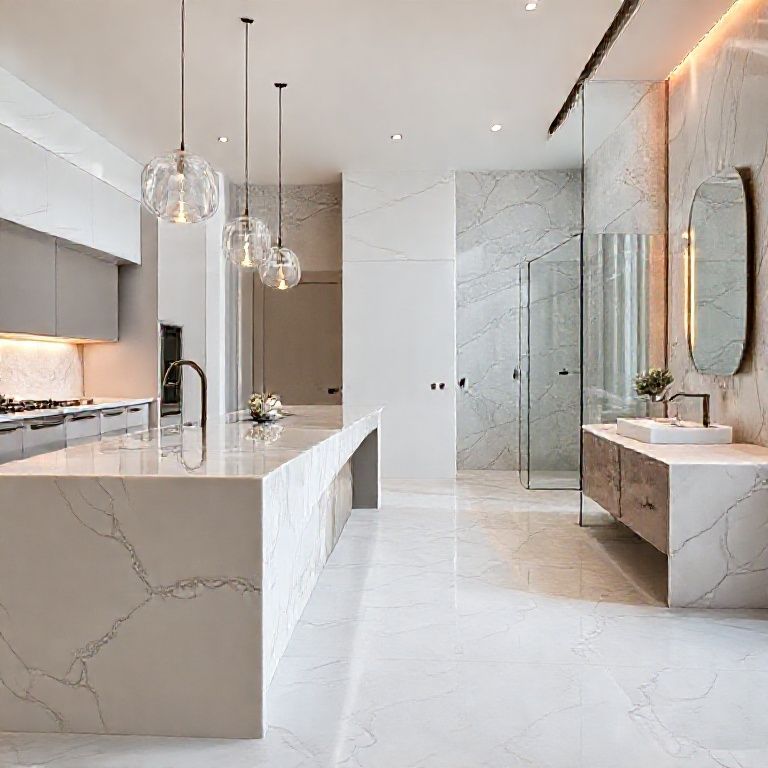
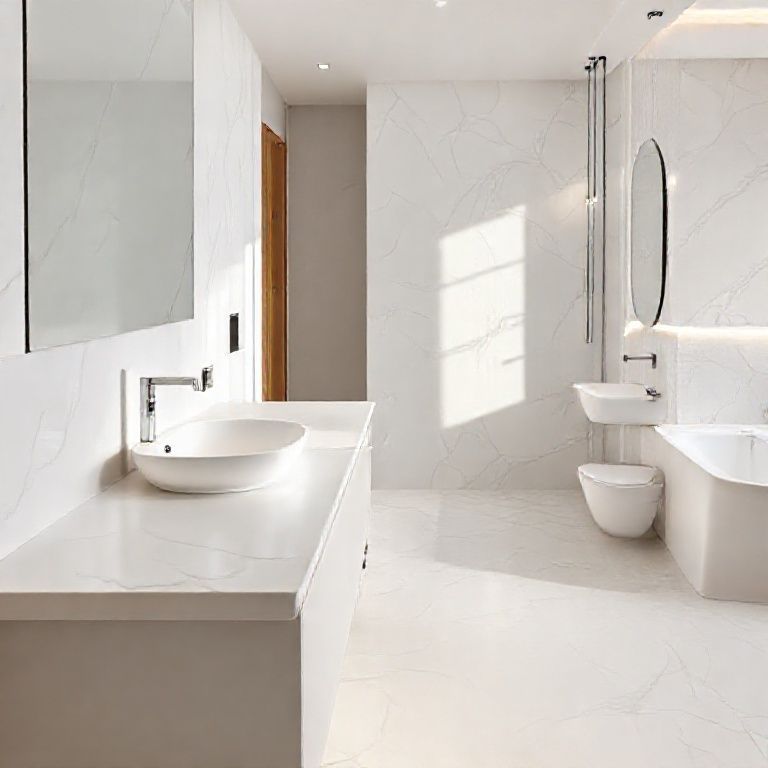
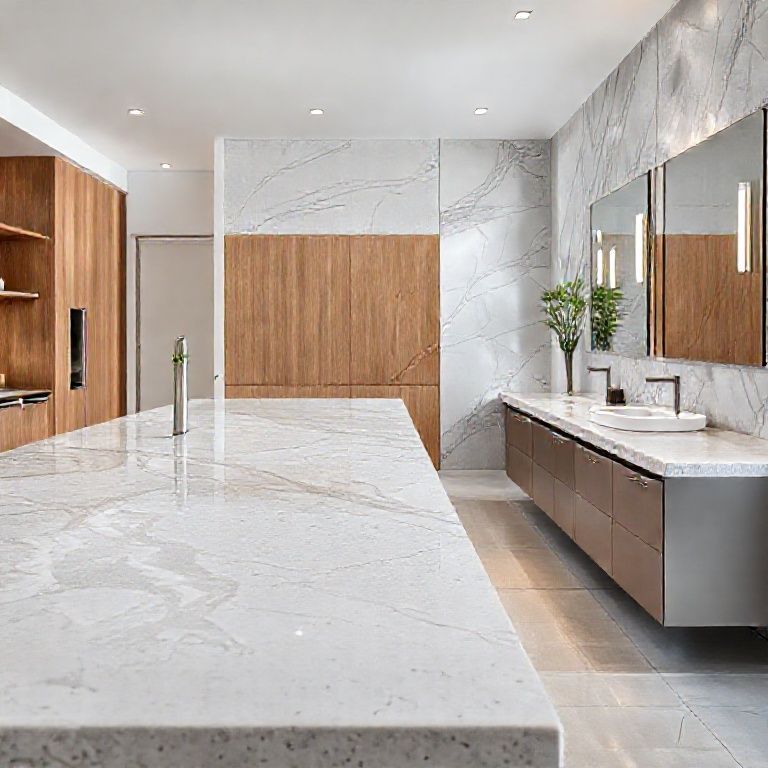
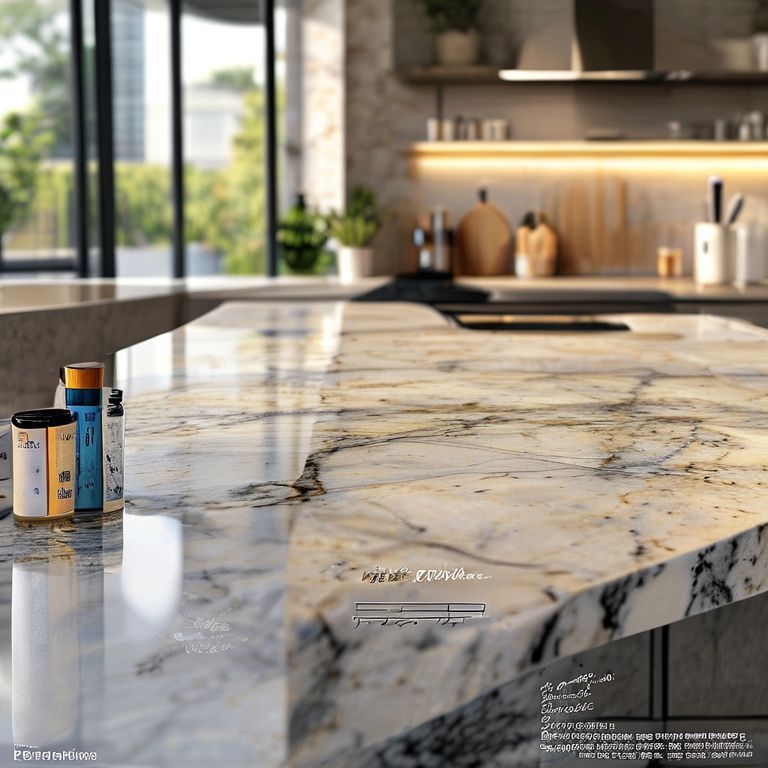
Artificial marble has revolutionized the way we approach interior design, offering a cost-effective alternative to natural stone that maintains the aesthetic appeal of marble without the hefty price tag. However, beneath this veneer of sophistication lies a range of drawbacks that warrant careful consideration. This first part of our comprehensive exploration will focus on the maintenance, durability, and installation issues associated with artificial marble.
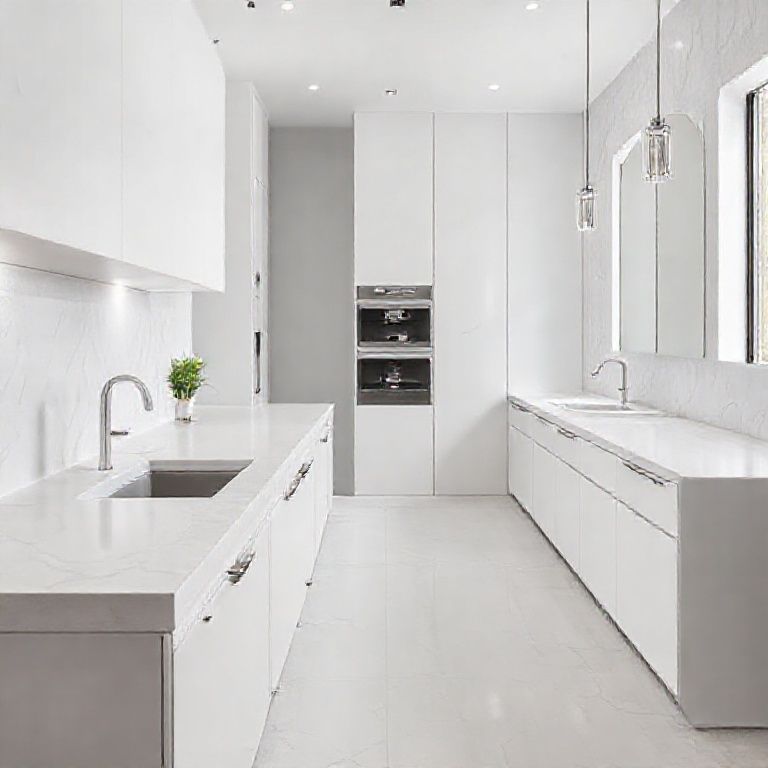
Maintenance Issues
Artificial marble, despite its high-quality appearance, is not as low-maintenance as one might initially assume. One of the most significant issues is its susceptibility to staining. Although manufacturers often claim that artificial marble is stain-resistant, it can still be marred by certain liquids, including coffee, wine, and even citrus juices. Unlike natural stone, which can sometimes be cleaned with a simple acid-based solution, artificial marble often requires special cleaners and meticulous care to maintain its pristine look.
Moreover, scratches are another common issue. Although artificial marble is more scratch-resistant than many other types of countertops, it is not invincible. Sharp objects, such as knives, can easily leave scratches, which can be difficult to remove. This means that regular cleaning and careful use are essential to keep artificial marble looking its best.
Durability Concerns
When it comes to durability, artificial marble falls short in several areas compared to natural stone. Firstly, its strength and longevity can vary significantly depending on the specific type of artificial marble and the manufacturing process used. Some formulations are more prone to cracking under heavy use or impact than others. While advancements in synthetic materials have improved durability, it’s still not on par with the resilience of natural marble or granite.
Another aspect of durability to consider is thermal resistance. Artificial marble can warp or crack if exposed to extreme temperatures, such as a hot pot or pan being placed directly on the surface. This necessitates the use of heat-resistant pads or mats to protect the countertop, adding an extra layer of maintenance.
Installation Challenges
The installation process for artificial marble can also be fraught with challenges. Unlike natural stone, which can often be installed by a professional with relative ease, artificial marble requires more specialized skills. The installation process involves cutting the material to size, which can be tricky due to its brittle nature. Additionally, it often requires the use of specialized adhesives and sealants that need to cure properly to ensure a secure bond.
One of the most significant installation challenges is the need for precise measurements and planning. Since artificial marble can be more prone to cracking and breaking than natural stone, it’s essential to ensure that cuts and joints are made with utmost precision. Any miscalculation can lead to gaps or weak points that compromise the integrity of the countertop.
Aesthetic Limitations
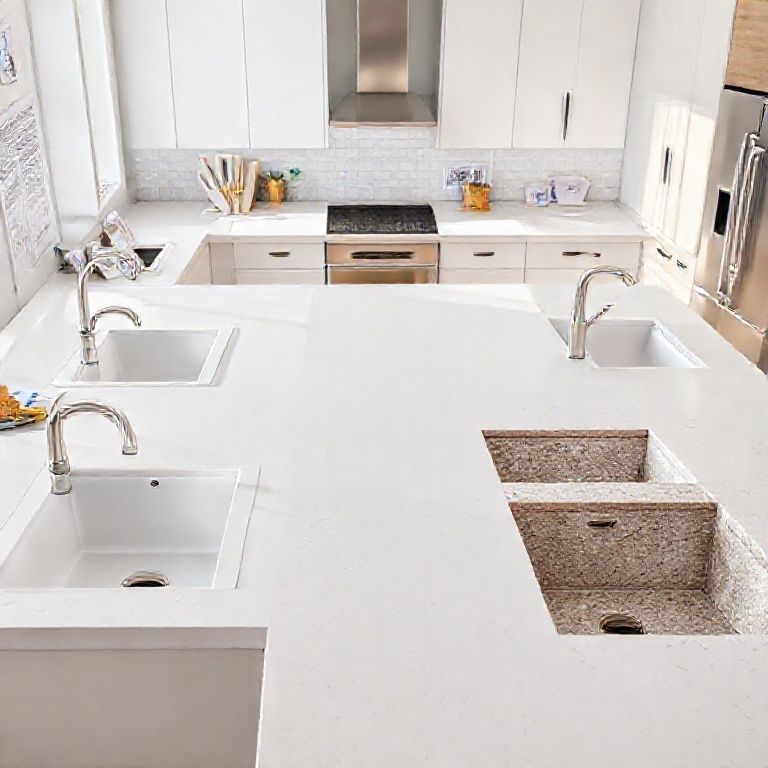
While artificial marble can mimic the look of natural stone to a remarkable extent, it still has aesthetic limitations. The patterns and colors, though often indistinguishable from natural marble at first glance, can sometimes appear less vibrant over time. Furthermore, the natural grain of real marble adds a unique beauty that artificial marble struggles to replicate perfectly. This can be particularly noticeable under certain lighting conditions.
In summary, while artificial marble offers an attractive and cost-effective alternative to natural stone, it is not without its drawbacks. From maintenance issues and durability concerns to installation challenges and aesthetic limitations, there are several factors to consider before making a decision. In the next part of this article, we will delve deeper into the environmental impact, cost implications, and overall long-term value of artificial marble, providing a holistic view of this popular material.
In the first part of our exploration, we highlighted several significant drawbacks associated with artificial marble, including maintenance issues, durability concerns, installation challenges, and aesthetic limitations. Now, we will continue our comprehensive look at the hidden side of artificial marble by focusing on its environmental impact, cost implications, and overall long-term value.
Environmental Impact
One of the most pressing concerns with artificial marble is its environmental impact. The production process for synthetic stone often involves the use of various chemicals and materials that can be harmful to the environment. For instance, the creation of resin-based artificial marble frequently involves formaldehyde, a known carcinogen that can off-gas over time, posing health risks to users.
Moreover, the manufacturing process can be energy-intensive, contributing to higher carbon emissions. Unlike natural stone, which is a naturally occurring resource that requires minimal processing, the production of artificial marble can be more resource-intensive.
Disposal is another environmental issue. When artificial marble needs to be disposed of, it can be challenging to find appropriate recycling or disposal methods. Many components of the material are not easily recyclable, leading to potential landfill contributions and further environmental strain.
Cost Implications
While artificial marble is often more affordable than natural stone, it is not without its cost implications. The initial savings can be overshadowed by the long-term costs associated with maintenance, potential replacements, and hidden fees.
For instance, the specialized cleaners and maintenance products required for artificial marble can add up over time. Additionally, if the countertop does get damaged, the cost of repair or replacement can be significant. Many manufacturers do not offer warranties that cover all potential issues, leaving homeowners to bear the cost of unexpected damages.
Furthermore, the installation costs can sometimes be higher than expected. Since artificial marble requires specialized skills for cutting, installation, and sealing, the cost of professional installation can be a considerable expense. This adds another layer of cost that might not be immediately apparent when comparing prices.
Long-Term Value
When considering the long-term value of artificial marble, it’s essential to weigh both the pros and cons. While the upfront cost might be lower, the ongoing maintenance and potential for damage can lead to higher total ownership costs over time. The durability of artificial marble can vary significantly based on the specific product and manufacturing process, affecting its longevity and overall value.
In comparison to natural stone, which often has a longer lifespan and can appreciate in value over time, artificial marble might not offer the same long-term benefits. Natural stone countertops, despite their higher initial cost, often provide a more enduring and aesthetically superior option that stands the test of time.
Health and Safety Concerns
Health and safety are paramount when considering any material for home use. Artificial marble, while generally safe, can pose hidden health risks. As mentioned earlier, the production process often involves chemicals like formaldehyde. Although modern formulations have reduced these risks, off-gassing of harmful chemicals can still occur, particularly in new installations.
This off-gassing can lead to indoor air quality issues, making it crucial to ensure proper ventilation during installation and for some time afterward. Additionally, if the artificial marble is made from materials that include heavy metals or other toxins, these could potentially leach into the environment or be absorbed by the body over prolonged exposure.
Comparison with Natural Alternatives
When comparing artificial marble to natural alternatives like granite or travertine, it’s clear that natural stone often offers superior durability, longevity, and aesthetic appeal. Natural stone countertops are known for their resistance to scratches, stains, and thermal damage. They also offer a unique, natural beauty that artificial marble can only mimic imperfectly.
Moreover, natural stone typically comes with longer warranties and often requires less maintenance over time. The natural grain and color variations in stone add a touch of individuality and character that artificial marble struggles to replicate.
Conclusion
Artificial marble is undeniably a versatile and attractive option for those looking to emulate the look of natural stone without the high cost. However, it is not without its drawbacks. From maintenance challenges and durability concerns to environmental impact and health risks, there are several factors to consider.
While it might offer an appealing aesthetic and initial cost savings, the long-term implications in terms of maintenance, potential replacements, and environmental footprint cannot be ignored. For those prioritizing durability, longevity, and minimal environmental impact, natural stone might still be the superior choice.
In the end, the decision between artificial marble and natural alternatives should be based on a careful evaluation of your specific needs, lifestyle, and priorities. By understanding the full spectrum of pros and cons, you can make an informed choice that best suits your home and your values.
By understanding both the benefits and drawbacks of artificial marble, you can make a well-informed decision that balances cost, aesthetics, and practicality for your home.