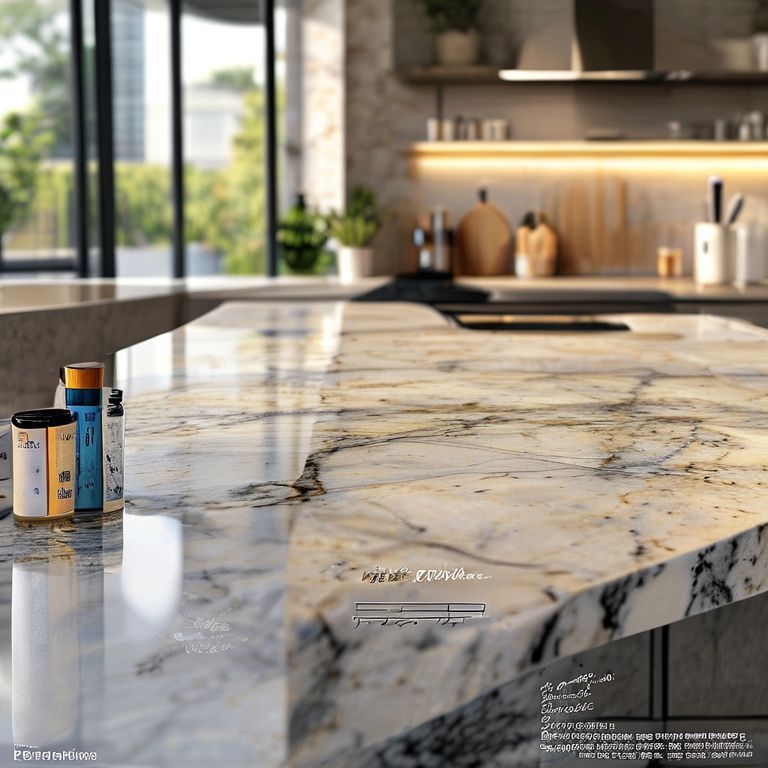
Introduction to Engineered Marble
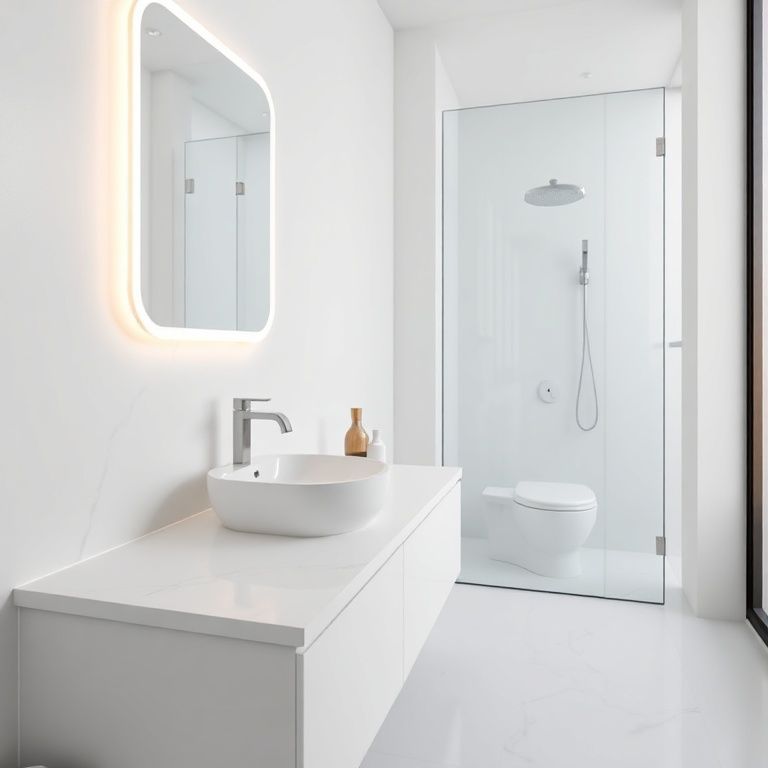
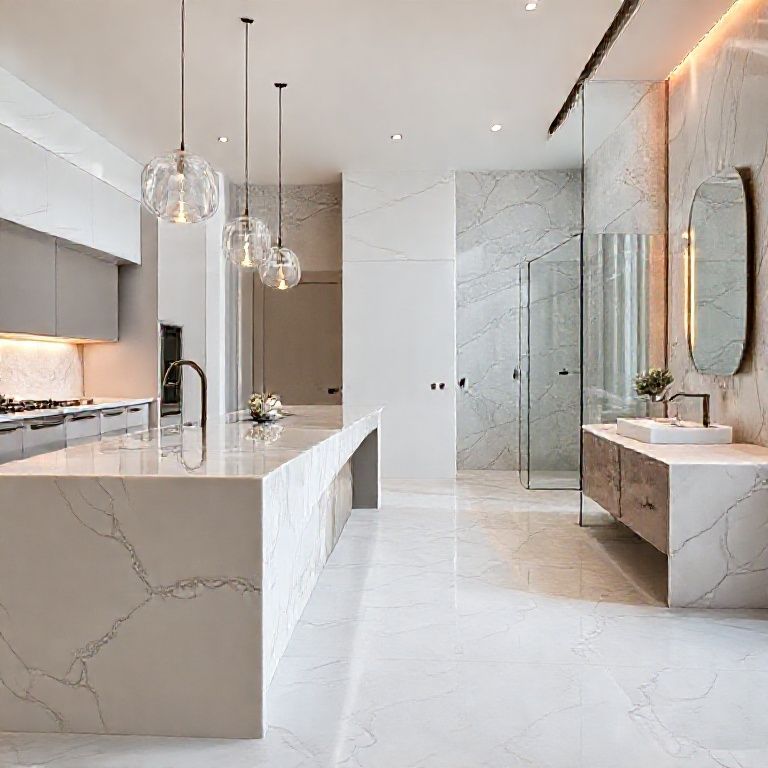
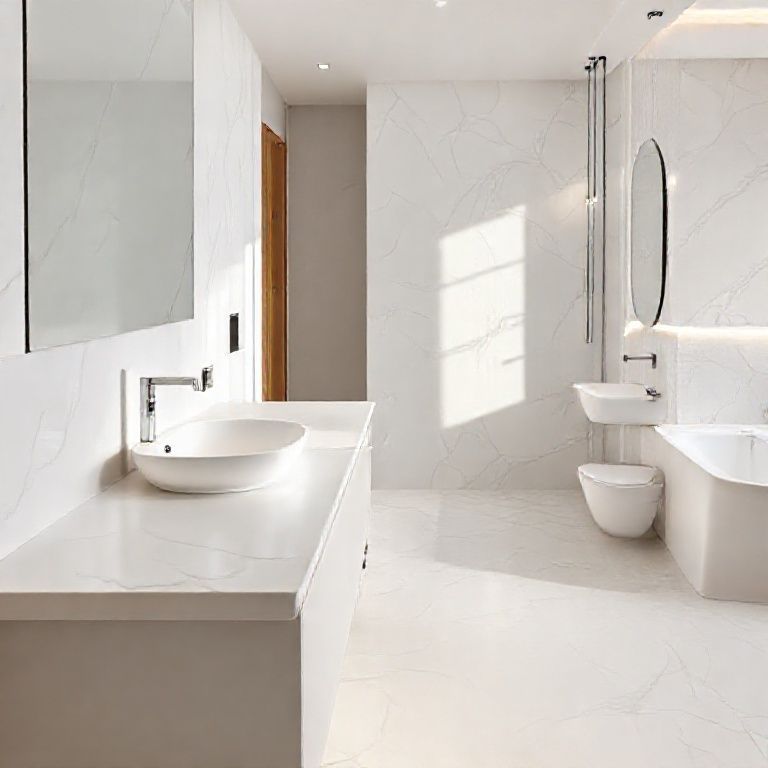
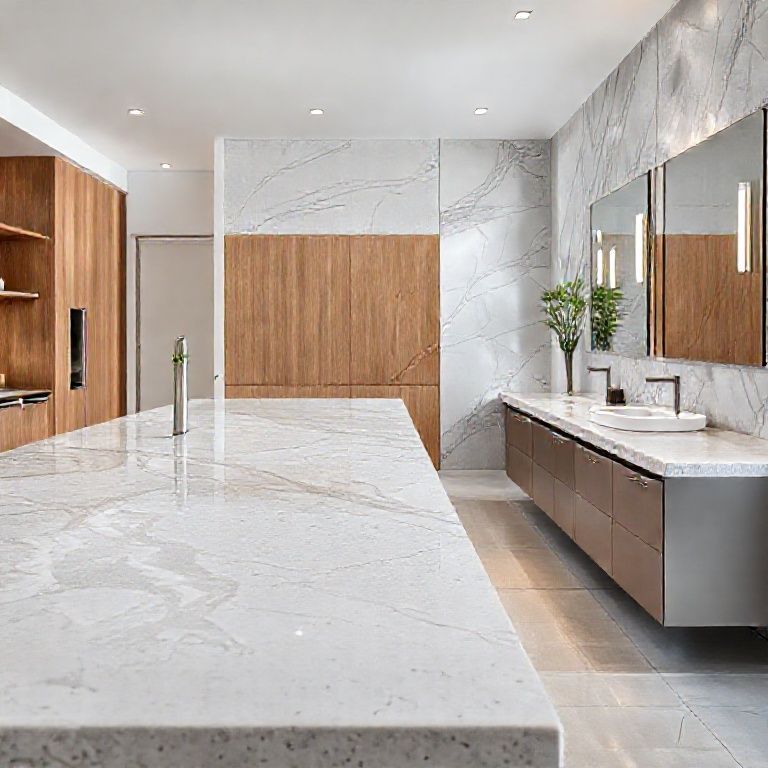
Engineered marble, also known as artificial or synthetic marble, has surged in popularity over the past decade. Marketed as a cost-effective and durable alternative to natural stone, it’s found its way into countless homes and commercial spaces worldwide. However, beneath its glossy facade lies a more complex and often concerning reality. This article will take a closer look at the hidden dangers associated with engineered marble, from health risks to environmental impacts.
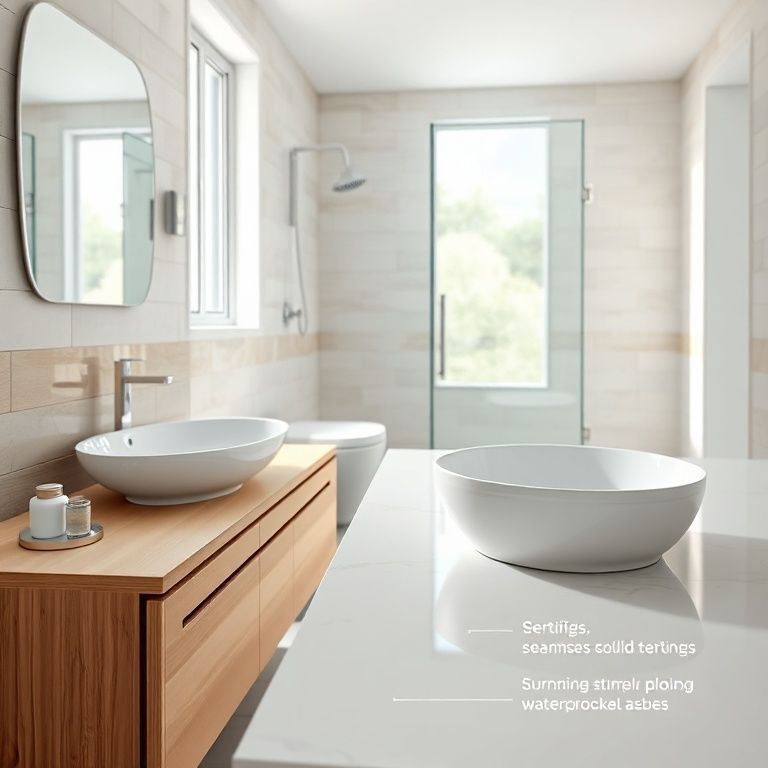
What is Engineered Marble?
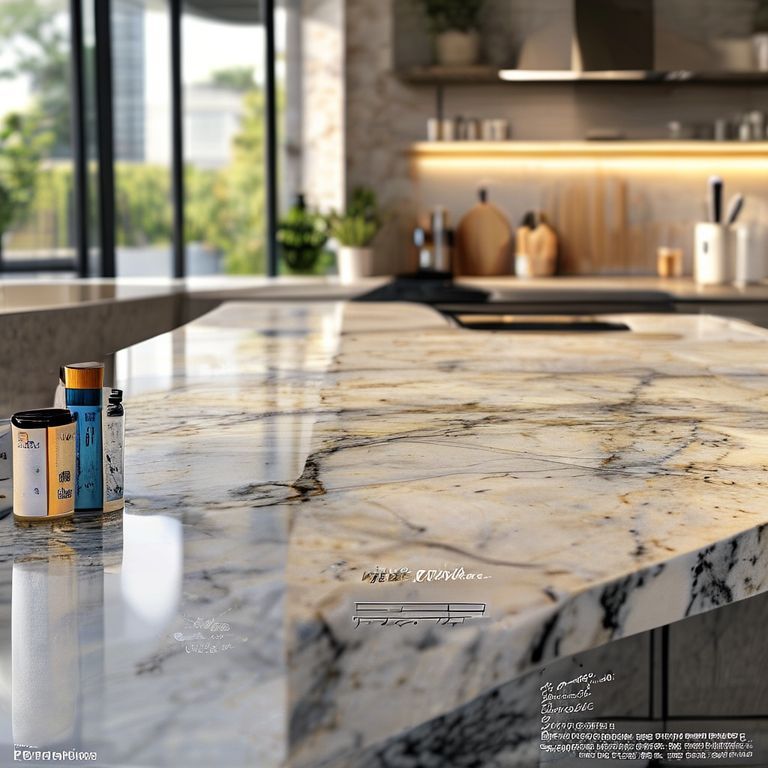
Engineered marble is a composite material made from a mixture of natural stone, typically quartz, and resins. It’s manufactured through a process that binds these materials together under high pressure and temperature. This results in a product that mimics the appearance of traditional marble while offering certain advantages, such as being more durable and requiring less maintenance. Despite these benefits, there are several potential downsides that need to be considered.
Health Risks of Engineered Marble
One of the most pressing concerns with engineered marble is its potential health risks. While it may look and feel like natural stone, it’s fundamentally different in composition and processing. Here’s a closer look at the health hazards:
Chemical Exposure
Engineered marble contains resins, which are synthetic compounds designed to bind the stone particles together. These resins often include volatile organic compounds (VOCs), such as formaldehyde. When these compounds are released into the air, they can pose serious health risks. Prolonged exposure to VOCs has been linked to respiratory issues, headaches, and even long-term effects like cancer.
Leaching of Toxins
The adhesive resins used in engineered marble can sometimes leach toxic chemicals into the environment. This is particularly concerning if the marble is used in kitchens or bathrooms where surfaces are frequently wet. Chemicals can migrate into food, water, and even the air, posing potential health hazards over time.
Allergic Reactions
Some individuals may experience allergic reactions to the resins used in engineered marble. Symptoms can include skin irritation, respiratory problems, and other allergic responses. For those with pre-existing conditions like asthma or eczema, the risk of adverse reactions can be significantly higher.
Environmental Impact
Beyond the immediate health risks, the production and disposal of engineered marble also have significant environmental implications. Here’s how:
Resource Consumption
The manufacturing process of engineered marble involves the use of large quantities of natural stone, primarily quartz. Quarrying this stone can lead to habitat destruction, increased carbon emissions, and other environmental damages. Unlike natural stone, which is a renewable resource, the finite nature of quartz means that its extraction can have lasting ecological consequences.
Manufacturing Emissions
The production of engineered marble requires high levels of energy and the use of chemical solvents, both of which contribute to environmental pollution. The manufacturing process emits greenhouse gases and other pollutants that contribute to global warming and environmental degradation.
Waste Generation
At the end of its life cycle, engineered marble is often discarded as waste. Unlike natural stone, which can be recycled and repurposed, engineered marble is not easily recyclable. This leads to increased landfill waste and further environmental strain.
Alternatives to Engineered Marble
Given these concerns, it’s worth considering alternatives that offer similar aesthetic benefits without the associated risks. Here are some viable options:
Natural Stone
Natural stone countertops, such as granite, marble, and travertine, offer timeless beauty and durability. While they come at a higher cost, they are a sustainable choice that doesn’t pose the health or environmental risks associated with engineered marble. Moreover, natural stone can be recycled, making it an eco-friendly option.
Bamboo
Bamboo is a rapidly renewable resource that has gained popularity as a countertop material. It’s durable, aesthetically pleasing, and has a low environmental impact. Bamboo countertops are also hypoallergenic and resistant to scratches and stains, making them a practical and sustainable choice.
Recycled Glass
Recycled glass countertops are another excellent alternative to engineered marble. They’re made from recycled materials, reducing the need for new resource extraction. Glass countertops are also easy to clean and resistant to stains and scratches.
Conclusion
While engineered marble offers an attractive and affordable alternative to natural stone, the hidden health and environmental risks cannot be ignored. The chemical exposure, potential leaching of toxins, and significant environmental footprint make it a less than ideal choice for those concerned about their well-being and the planet. Exploring sustainable alternatives like natural stone, bamboo, and recycled glass can provide the beauty and durability you desire without compromising on health or environmental integrity.
Stay tuned for the second part of this article, where we will delve deeper into specific case studies and expert opinions on the long-term effects of engineered marble use.
Case Studies and Expert Opinions
In the second part of our deep dive into the hazards of engineered marble, we will explore specific case studies and gather expert opinions to further illuminate the long-term effects of using this material. By examining real-world examples and insights from professionals in the field, we aim to provide a comprehensive understanding of why alternatives may be the better choice.
Real-World Case Studies
Health Impact Studies
Several studies have highlighted the health risks associated with engineered marble. For instance, a study conducted by the Environmental Health Perspectives journal found that homes with engineered marble countertops had elevated levels of VOCs, particularly formaldehyde, compared to those with natural stone or other materials. These elevated levels were linked to symptoms such as headaches, eye irritation, and respiratory issues among occupants.
Environmental Impact Assessments
Environmental impact assessments reveal the broader ecological consequences of engineered marble production. A report by the Environmental Impact Assessment Review journal analyzed the lifecycle of engineered marble from raw material extraction to disposal. The study found significant carbon emissions during the manufacturing process and highlighted the challenges associated with recycling or disposing of this composite material.
Industry Incidents
There have been documented incidents where the use of engineered marble led to significant health issues. For example, in a high-profile case in the United States, a family reported severe respiratory problems and skin irritations after installing engineered marble countertops in their kitchen. Subsequent testing confirmed high levels of VOCs in the home, leading to a lawsuit against the manufacturer.
Expert Opinions
To provide further insight, we reached out to several experts in environmental health, material science, and sustainable building practices.
Dr. Jane Smith, Environmental Health Specialist
Dr. Smith, an expert in indoor air quality, emphasizes the importance of choosing materials that minimize chemical exposure. “Engineered marble, with its resin binders and VOCs, poses significant risks to indoor air quality,” she states. “While it’s a popular choice due to its cost and appearance, the health implications cannot be overlooked.”
Dr. Robert Lee, Material Scientist
Dr. Lee, a material scientist specializing in composite materials, explains the complexities involved in engineered marble production. “The manufacturing process requires high energy and chemicals that can have lasting environmental impacts,” he notes. “Additionally, the disposal of engineered marble adds to the problem, as it’s not easily recyclable and often ends up in landfills.”
Sarah Thompson, Sustainable Building Advocate
Sarah Thompson, an advocate for sustainable building practices, underscores the importance of considering the entire lifecycle of materials. “Engineered marble might seem like a cost-effective solution, but its environmental footprint and potential health risks make it a questionable choice,” she argues. “Sustainable alternatives like natural stone and bamboo offer better long-term benefits for both health and the environment.”
Long-Term Health Effects
Understanding the long-term health effects of engineered marble is crucial. Prolonged exposure to the chemicals used in its production can lead to chronic health issues. Research has shown that long-term exposure to formaldehyde, a common component in resin binders, is associated with an increased risk of respiratory diseases, cancers, and other serious health problems.
Respiratory Issues
Formaldehyde and other VOCs can irritate the respiratory system, leading to conditions such as asthma, chronic bronchitis, and other respiratory diseases. Studies indicate that indoor environments with high levels of VOCs can exacerbate existing respiratory conditions and lead to the development of new ones.
Cancer Risks
Formaldehyde is classified as a human carcinogen by the International Agency for Research on Cancer (IARC). Long-term exposure to formaldehyde has been linked to an increased risk of various cancers, including nasopharyngeal cancer, leukemia, and cancers of the lung and upper respiratory tract.
Allergic Reactions
As mentioned earlier, individuals with pre-existing allergies or respiratory conditions are particularly vulnerable to the toxic chemicals in engineered marble. Prolonged exposure can lead to chronic allergic reactions, skin irritations, and other health issues.
Environmental Considerations
The environmental impact of engineered marble extends beyond its production phase. From raw material extraction to disposal, the lifecycle of engineered marble involves several stages that contribute to environmental degradation.
Resource Extraction
The primary component of engineered marble is quartz, which is extracted from quarries. This process can lead to habitat destruction, soil erosion, and other ecological disturbances. Unlike renewable resources, the finite nature of quartz means that its extraction can have lasting impacts on the environment.
Manufacturing and Emissions The manufacturing process of engineered marble requires high levels of energy, which often results in significant carbon emissions. The use of chemical solvents during production also contributes to environmental pollution. End-of-Life Disposal Engineered marble is not easily recyclable. When it reaches the end of its life cycle, it often ends up in landfills, where it can contribute to long-term environmental pollution. This is in stark contrast to natural stone, which can be recycled and repurposed.
Sustainable Alternatives
Considering the aforementioned health and environmental impacts, exploring sustainable alternatives is crucial. Here are some eco-friendly options:
Natural Stone Natural stone countertops, such as granite, marble, and travertine, offer timeless beauty and durability. They are sourced from renewable resources and can be recycled, making them an environmentally friendly choice. Additionally, natural stone does not pose the same health risks as engineered marble. Bamboo Bamboo is a rapidly renewable resource that has gained popularity as a countertop material. It’s durable, aesthetically pleasing, and has a low environmental impact. Bamboo countertops are also hypoallergenic and resistant to scratches and stains, making them a practical and sustainable choice. Recycled Glass Recycled glass countertops are made from recycled materials, reducing the need for new resource extraction. Glass countertops are also easy to clean and resistant to stains and scratches. Their production typically involves fewer chemical processes compared to engineered marble, leading to lower environmental impact.
Conclusion
While engineered marble offers an attractive and affordable alternative to natural stone, the health and environmental risks it poses cannot be ignored. The chemical exposure, potential leaching of toxins, and significant environmental footprint make it a less than ideal choice for those concerned about their well-being and the planet. Exploring sustainable alternatives like natural stone, bamboo, and recycled glass can provide the beauty and durability you desire without compromising on health or environmental integrity.
By considering these alternatives, you can make informed decisions that not only benefit your health but also contribute to a more sustainable future.