${part1}
Introduction to Marble and its Value
Marble, a timeless and luxurious material, has been coveted for centuries for its aesthetic appeal and durability. From classical architecture to modern interior design, marble has always been a preferred choice for its beauty and versatility. However, understanding “marble price” is crucial for anyone looking to incorporate this exquisite material into their projects. This first part of our guide will delve into the factors influencing marble prices, the various types of marble available, and their applications.
Factors Influencing Marble Prices
The price of marble can vary significantly based on several factors. Here are some of the most important ones:
Geological Source: Marble originates from different geological locations around the world, each contributing unique characteristics. The most renowned marble comes from Italy, particularly from Carrara, which is known for its high-quality white marble. Marble from other regions like India, China, and the United States also commands respect but often at different price points.
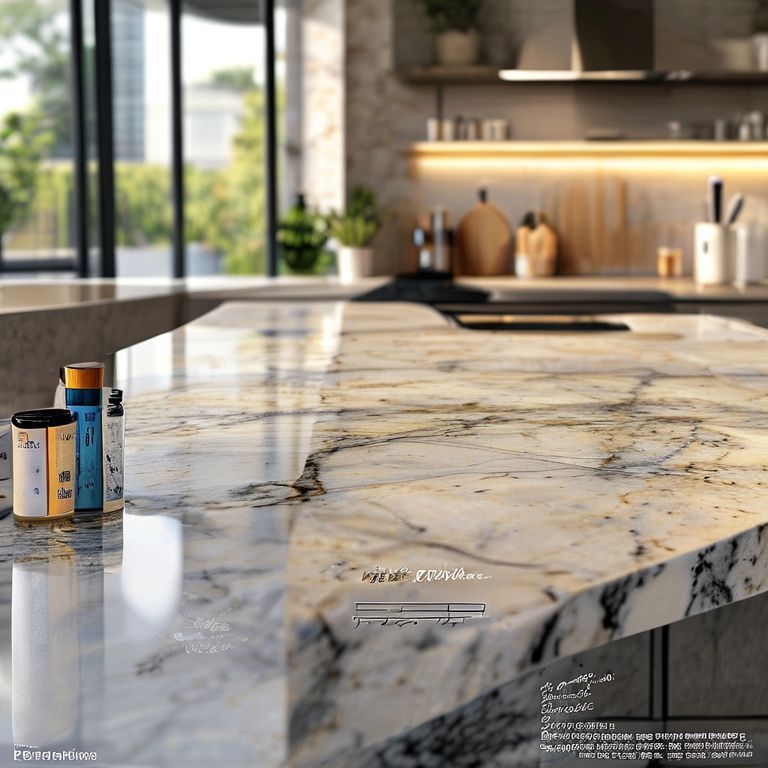
Color and Veining: Marble’s beauty lies in its natural color patterns and veining. Marbles with rare and vibrant colors or intricate veining tend to be more expensive. For example, Botticino marble from Italy is famous for its creamy white color with distinct veining, making it a sought-after choice.
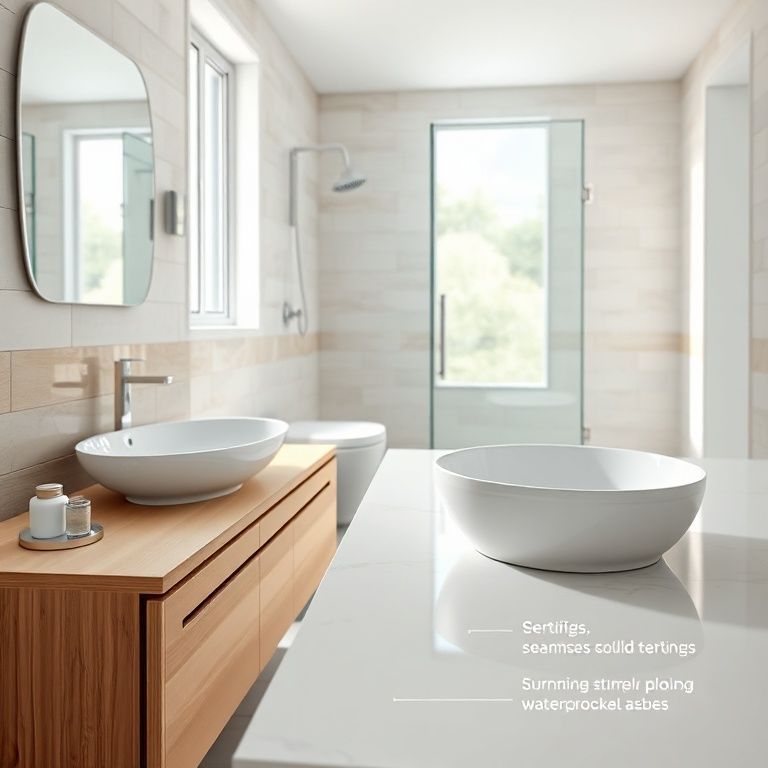
Quality and Purity: The purity and quality of marble are essential determinants of its price. High-quality marble with minimal impurities and less noticeable veins is more expensive. The purity of marble is often assessed based on its density and the presence of inclusions.
Finish and Treatment: The final finish of marble can also influence its price. Polished marble, which has a high shine and smooth surface, is more expensive than honed or matte finishes. Additionally, marble that has undergone special treatments like acid etching or epoxy coating for enhanced durability and aesthetics will cost more.
Workmanship: The craftsmanship involved in cutting, shaping, and installing marble also adds to its cost. High-quality craftsmanship ensures longevity and aesthetic appeal, justifying the higher price.
Types of Marble and Their Applications
Understanding the different types of marble available can help you make an informed decision based on your project’s needs. Here are some of the most popular types of marble and their applications:
Carrara Marble: Known for its pure white color and fine grain, Carrara marble is a classic choice for high-end projects. It is widely used in sculptures, countertops, flooring, and wall cladding.
Botticino Marble: Famous for its creamy white color with distinctive veining, Botticino marble is a popular choice for luxury interiors. It is often used in flooring, countertops, and decorative elements.
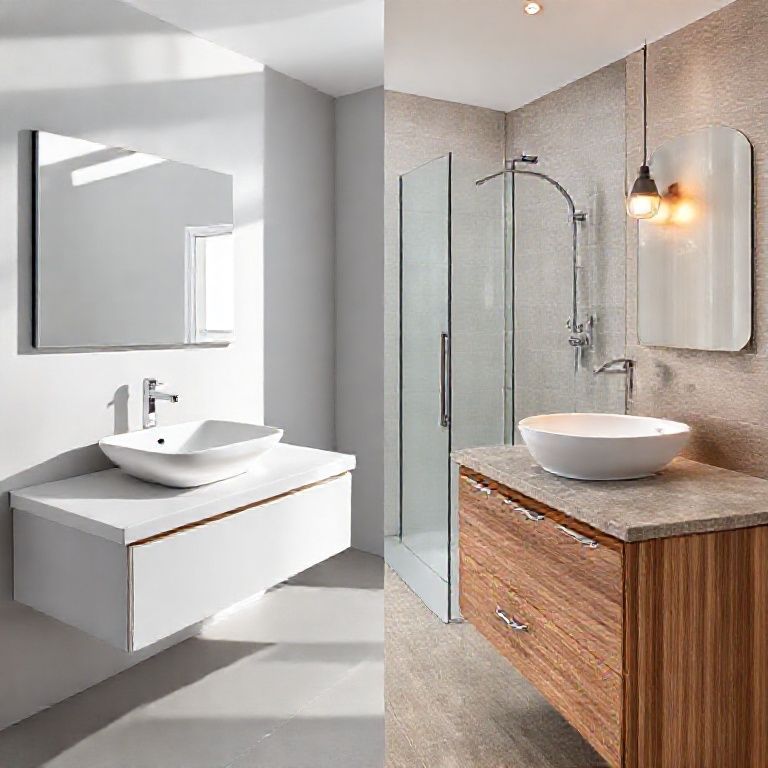
Venetian Marble: Characterized by its soft pink color and fine veining, Venetian marble is a versatile option for various applications. It is commonly used in flooring, walls, and decorative pieces.
Indian Marble: India offers a variety of marbles, each with unique colors and veining. Makrana marble, for instance, is known for its creamy white color with pink veins, and it is often used in flooring and wall cladding.
Egyptian Marble: Ancient Egypt’s architectural marvels used marble extensively. Egyptian marbles like Aswan and Thebes are known for their durability and aesthetic appeal. They are used in both historical restorations and modern projects.
Applications of Marble
Marble’s versatility makes it suitable for a wide range of applications. Here are some of the most common uses:
Architecture and Construction: Marble is a popular choice for both interior and exterior architectural elements. It is used in building facades, columns, stairs, and terraces.
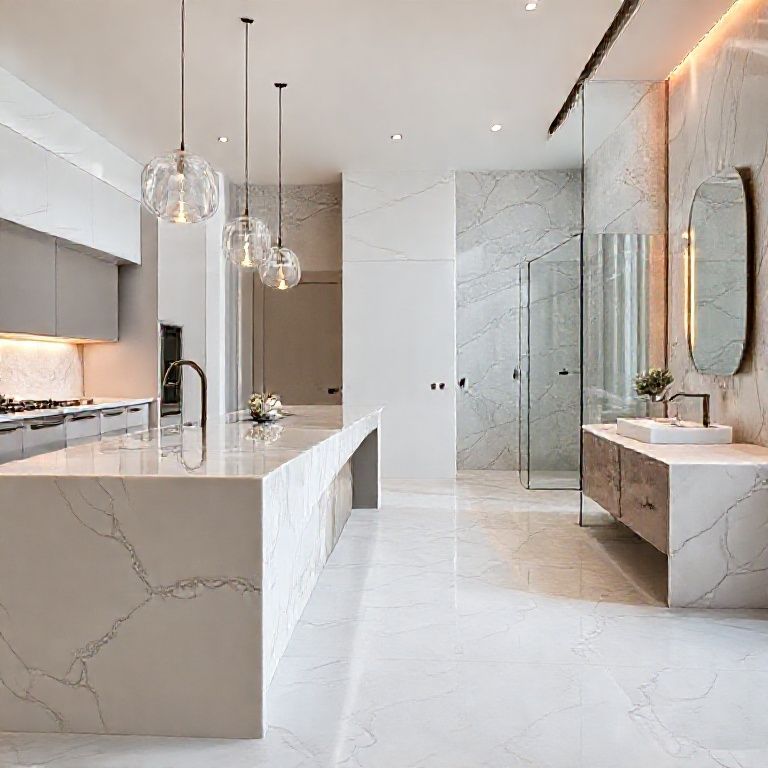
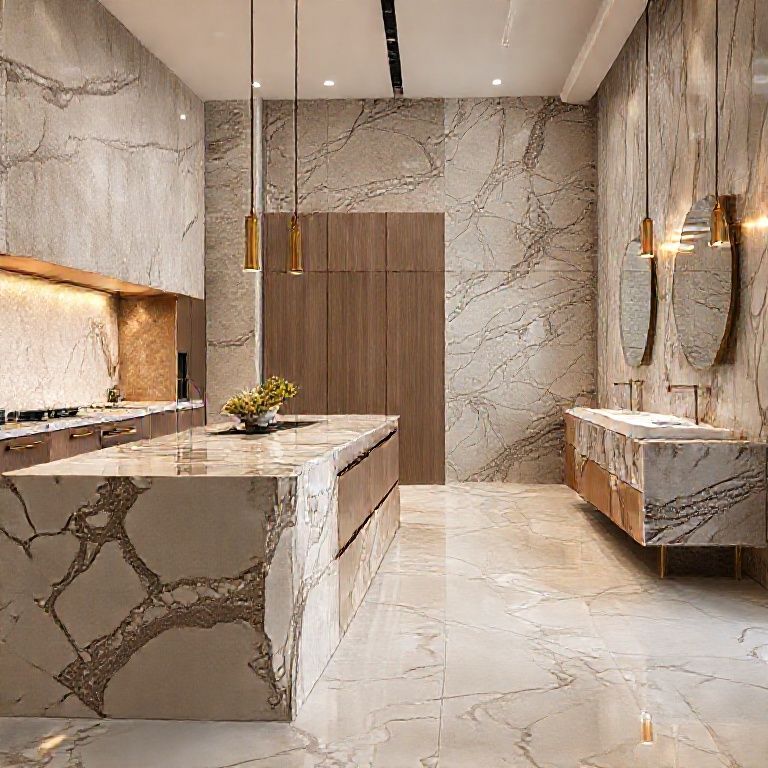
Interior Design: Marble is frequently used in interior design for countertops, flooring, wall cladding, and decorative elements like fireplaces and columns. Its timeless elegance enhances the aesthetic appeal of any space.
Furniture: Marble is used in the creation of high-end furniture pieces, including tables, desks, and cabinets. Its durability and beauty make it an excellent choice for furniture.
Monuments and Sculptures: Marble’s historical significance is evident in its use for sculptures and monuments. Its ability to capture fine details makes it ideal for artistic expressions.
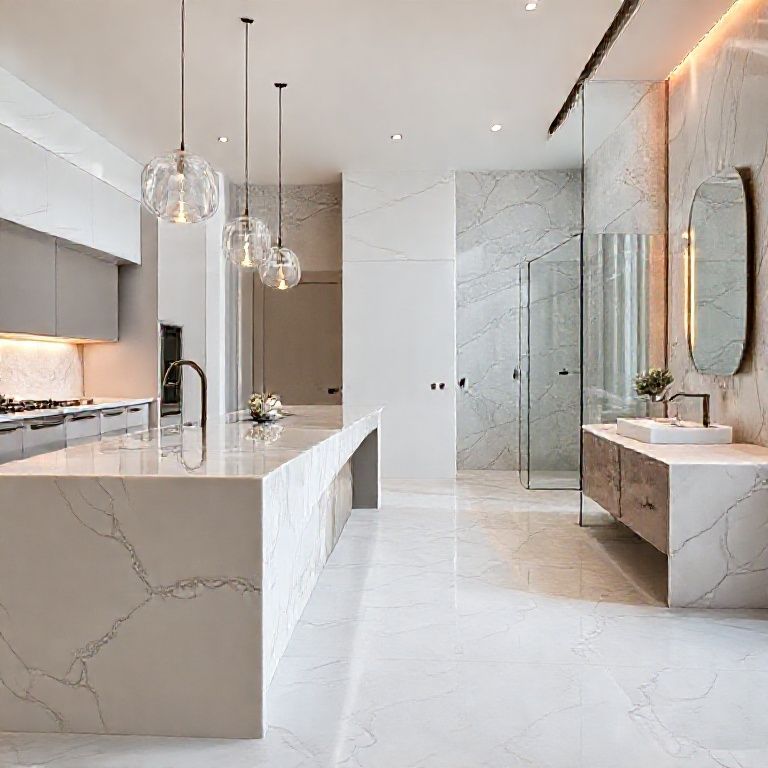
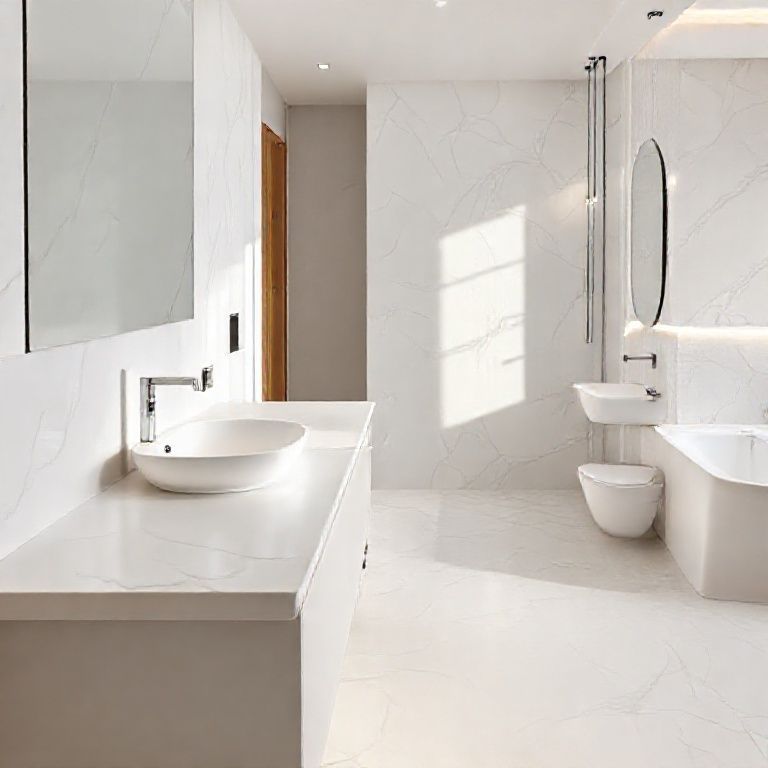
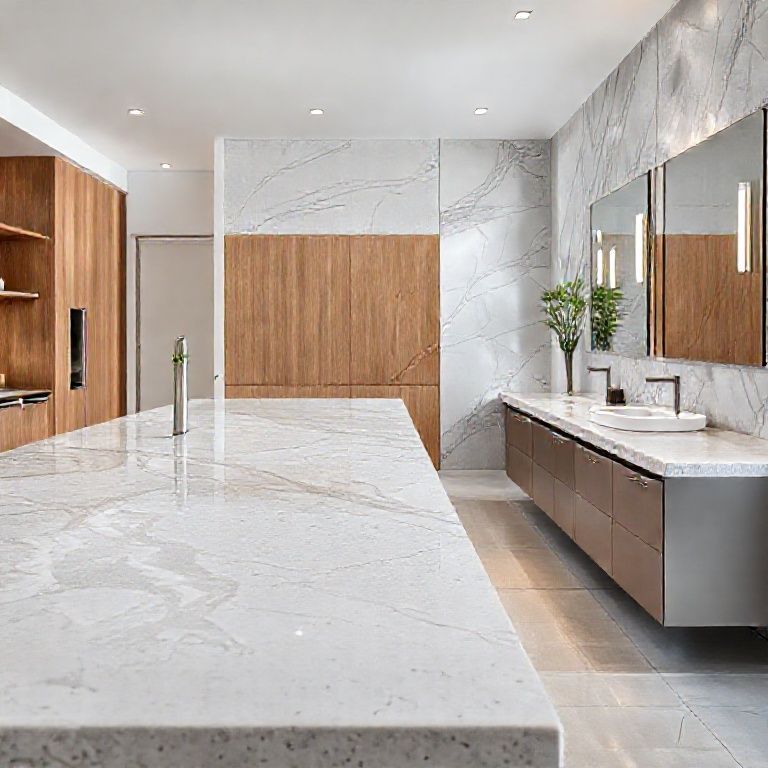
Bathrooms and Kitchens: In modern homes, marble is a favored choice for kitchen countertops and bathroom vanities due to its durability, easy maintenance, and luxurious appearance.
Conclusion
Understanding the factors influencing “marble price” and the different types of marble available can help you make informed decisions when selecting marble for your projects. In the next part of this guide, we will explore current trends in the marble market, the impact of sustainability on marble prices, and tips for buying marble to ensure you get the best value for your investment. Stay tuned for a comprehensive look at the world of marble!
${part2}
Current Trends in the Marble Market and Sustainability
Introduction
As we continue our exploration of marble prices, it is essential to understand the current trends shaping the marble market and how sustainability is influencing these trends. This part of our guide will delve into the latest trends, the impact of sustainability on marble prices, and provide tips for making the most of your marble investment.
Current Trends in the Marble Market
Revival of Natural Materials: There is a growing trend towards the use of natural materials in construction and interior design. Marble, with its natural beauty and timeless elegance, is experiencing a resurgence in popularity. The demand for high-quality, natural marble is on the rise, particularly in high-end residential and commercial projects.
Customization and Innovation: Modern marble buyers are increasingly looking for customization and innovative uses of marble. Designers and architects are exploring new ways to incorporate marble into their projects, from unique patterns to advanced finishing techniques. This trend is driving up demand for specialized marble products.
Global Market Dynamics: The global market for marble is dynamic, influenced by geopolitical factors, economic conditions, and supply chain disruptions. Understanding these dynamics is crucial for making informed decisions about purchasing marble. For instance, fluctuations in the prices of raw materials and transportation costs can impact the overall cost of marble.
Technological Advancements: Technological advancements in marble processing and treatment are influencing the market. Innovations in cutting, polishing, and etching techniques are enhancing the aesthetic appeal and durability of marble, leading to increased demand for these advanced products.
Impact of Sustainability on Marble Prices
Sustainability is becoming a significant factor in the marble market, influencing both supply and demand.
Sustainable Sourcing: Marble suppliers are increasingly focusing on sustainable sourcing practices to meet the growing demand for eco-friendly materials. Sourcing marble from regions with sustainable practices can affect its price. Marble that is sustainably sourced often commands a premium due to its environmental benefits.
Recycling and Reuse: The concept of recycling and reusing marble is gaining traction. Marble that has been recycled or repurposed from old buildings can be more cost-effective and environmentally friendly. However, the process of recycling and the quality of recycled marble can affect its price.
Certification and Standards: Certifications and standards for sustainable practices are becoming more common in the marble industry. Marble that meets these standards often has a higher price due to the additional costs associated with certification and adherence to sustainable practices.
Tips for Buying Marble
To ensure you get the best value for your investment in marble, consider the following tips:
Research and Compare: Before making a purchase, thoroughly research different marble suppliers and compare prices. Look for suppliers who offer a range of marble types and finishes to find the best value.
Consider Quality Over Quantity: While it may be tempting to buy more marble to get a better price, prioritize quality. High-quality marble, even if it is slightly more expensive,2. Evaluate the Source: Investigate the reputation and reliability of the marble supplier. Check reviews and testimonials from previous customers to ensure they deliver high-quality products and provide excellent customer service.
Understand the Warranty: Inquire about the warranty provided by the supplier. A good warranty can offer peace of mind and protection against potential issues that may arise after installation.
Plan for Future Needs: Consider your future needs when selecting marble. If you anticipate needing more marble in the future, choose a supplier who can provide additional supplies if required.
Negotiate and Discuss: Don’t hesitate to negotiate with suppliers to get the best price. Discuss your specific project requirements and see if they can offer customized solutions at a competitive price.
Inspect the Marble: When marble is delivered, inspect it carefully for any defects or inconsistencies. Ensure it matches the specifications you discussed with the supplier.
Conclusion
Marble remains a timeless and luxurious choice for various applications due to its beauty and durability. Understanding the factors that influence “marble price,” staying informed about market trends, and prioritizing sustainability can help you make informed decisions and ensure a worthwhile investment. By following the tips provided, you can select high-quality marble that enhances your project while providing value for your investment. Whether you are designing a grand architectural feature or enhancing a personal space, marble continues to be a favored material for its timeless elegance and versatility.
Thank you for joining us on this comprehensive journey through the world of marble prices. We hope this guide has provided you with valuable insights to navigate the marble market successfully. For further information or specific queries about marble, feel free to reach out to our team of experts who are always here to assist you in making the best choices for your projects.