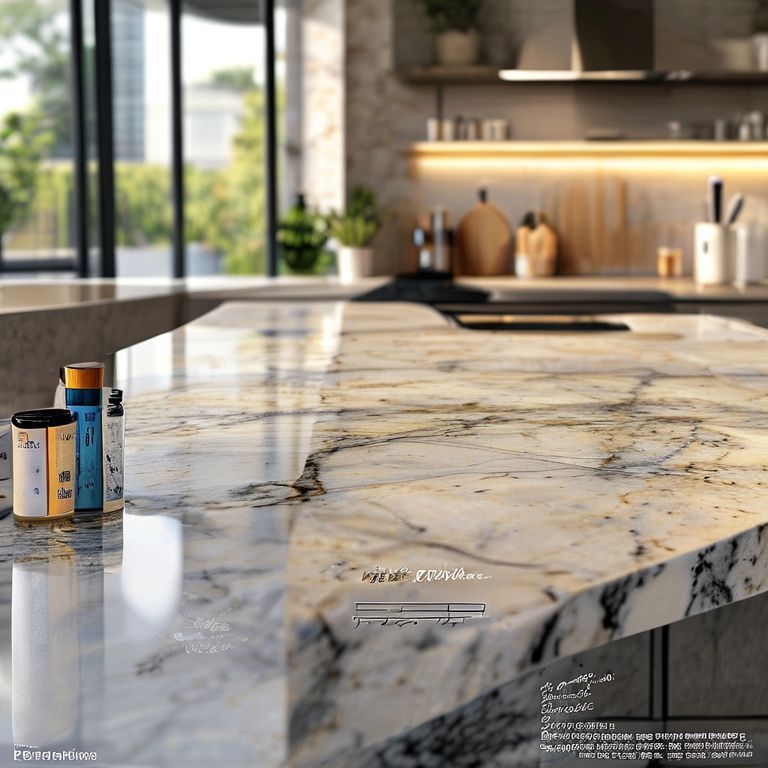
Unveiling the Intricacies of Dry-Glued Marble Material Price Composition
When it comes to high-end flooring and decorative materials, dry-glued marble stands out as a premium choice. This sophisticated material combines the aesthetic appeal of marble with the practical advantages of dry-gluing technology. However, understanding the price composition of dry-glued marble materials can be complex due to various influencing factors. Let’s dive into the world of dry-glued marble to unravel its cost structure.
Understanding Dry-Glued Marble
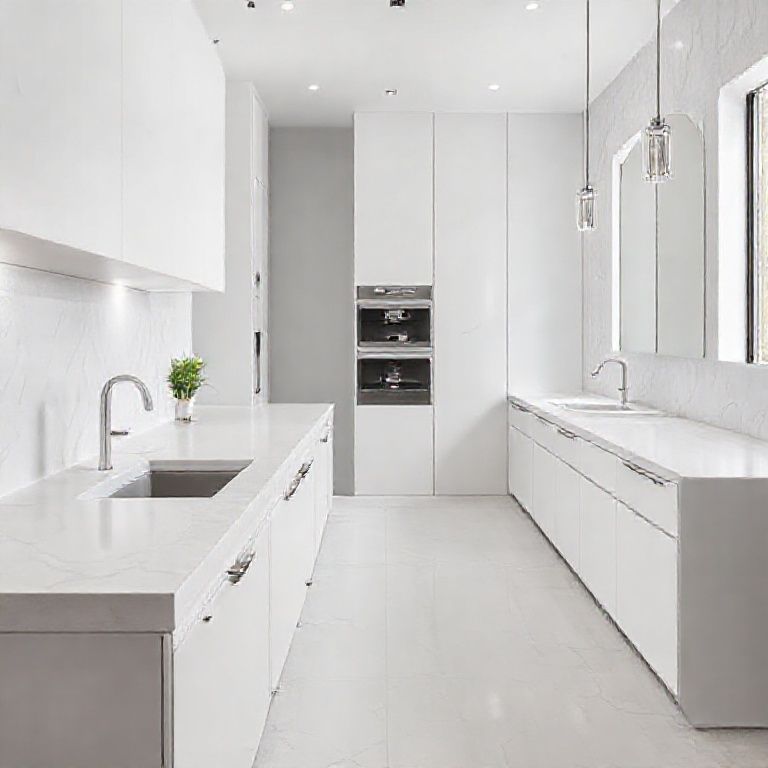
Dry-glued marble is a modern flooring solution that utilizes advanced adhesive technology to secure marble tiles directly to the subfloor without the need for mortar. This technique ensures a seamless and durable installation, enhancing the longevity and aesthetic value of the marble.
Primary Components of Dry-Glued Marble Material
The cost of dry-glued marble materials is influenced by several key components:
Marble Slabs and Tiles The base material, marble, is a significant factor in determining the overall price. Marble slabs and tiles vary in quality, with different grades and colors available. High-quality marble such as Carrara, Bianco, and Emperador typically command higher prices due to their rarity and superior aesthetic qualities.
Adhesives The adhesive used in the dry-gluing process is another crucial component. High-performance, high-strength adhesives are essential for ensuring the durability and longevity of the installation. These adhesives are specifically formulated to withstand heavy foot traffic and environmental conditions.
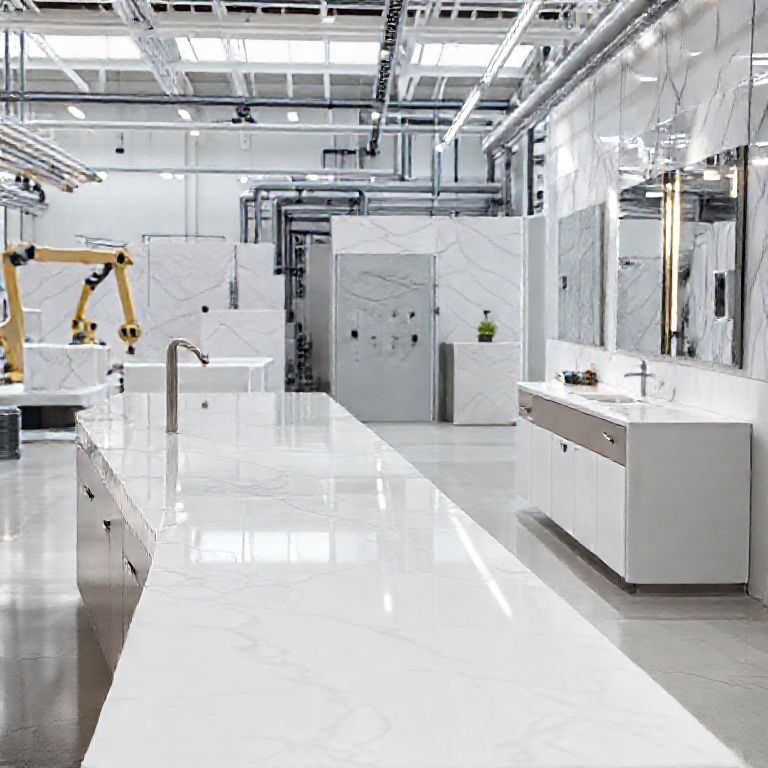
Installation Equipment and Tools Professional installation is vital for achieving the best results with dry-glued marble. The equipment and tools used in the installation process, including specialized adhesive applicators, leveling systems, and other machinery, add to the overall cost.
Labor Costs Skilled labor is a key determinant in the pricing of dry-glued marble installations. Professional installers with expertise in marble flooring ensure that the tiles are correctly aligned, adhered, and polished, contributing to the overall quality and cost.
Finishing and Polishing The finishing and polishing of marble tiles can also impact the cost. Polished marble offers a sleek, mirror-like finish, while honed or brushed finishes provide a more matte and textured look. The level of finishing required can vary based on the desired aesthetic and durability needs.
Factors Influencing Dry-Glued Marble Prices
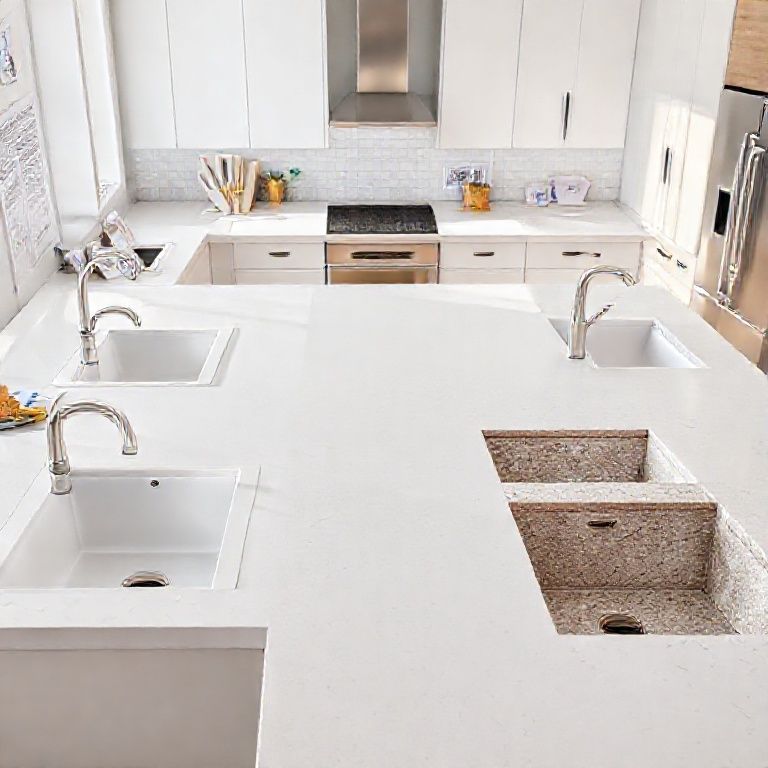
Several factors influence the price composition of dry-glued marble materials:
Quality of Marble The quality of the marble used directly affects the cost. Higher-quality marble, known for its beauty and durability, will naturally cost more. Marble sourced from renowned quarries often fetches premium prices.
Type of Adhesive The type and brand of adhesive used in the installation process can vary significantly in price. High-performance adhesives that offer superior bonding strength and resistance to wear and tear will increase overall costs.
Design and Customization Custom designs and bespoke installations can add to the cost. Tailored solutions that require unique cuts, shapes, or specific finishes will incur additional charges.
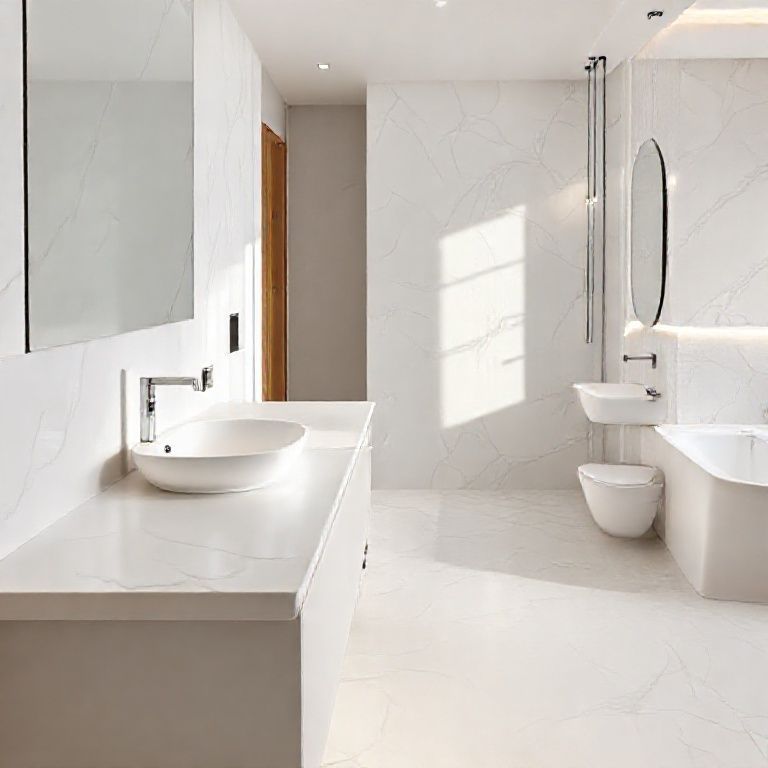
Market Demand The market demand for specific types of marble can also affect pricing. Seasonal trends and regional preferences can cause fluctuations in the price of marble slabs and tiles.
Geographical Location The geographical location of both the supplier and the installation site can impact costs. Transportation, import duties, and local market conditions can all play a role in determining the final price.
Benefits of Dry-Glued Marble
While the cost of dry-glued marble materials might be higher than traditional installations, the benefits often justify the investment:
Durability and Longevity Dry-glued marble installations are known for their durability and long-lasting performance. The strong adhesive bonds ensure that tiles remain securely in place, reducing the need for frequent replacements.
Aesthetic Appeal Marble’s natural beauty and timeless elegance make it a highly desirable material for flooring and decorative purposes. The variety of colors and textures available allows for a wide range of design possibilities.
Ease of Installation The dry-gluing process simplifies the installation process, reducing the need for complex mortar layers and minimizing the risk of uneven surfaces. This leads to a smoother, more professional finish.
Low Maintenance Once installed, dry-glued marble requires minimal maintenance. Regular cleaning with appropriate products can keep the surface looking pristine and prolong its lifespan.
Conclusion
Dry-glued marble materials offer a blend of superior quality, durability, and aesthetic appeal. Understanding the cost composition of dry-glued marble involves considering various components, including the marble itself, adhesives, installation equipment, labor, and finishing processes. By evaluating these factors, one can make informed decisions to achieve both functional and decorative excellence in their flooring projects.
Exploring the Detailed Cost Composition of Dry-Glued Marble Materials
In the previous part, we delved into the fundamental components and factors influencing the cost of dry-glued marble materials. Now, let’s take a deeper look into the detailed cost composition, providing a more nuanced understanding of what drives the pricing of dry-glued marble.
Detailed Breakdown of Dry-Glued Marble Material Costs
To gain a comprehensive understanding of dry-glued marble material pricing, it’s essential to break down each component in detail:
Marble Slabs and Tiles The cost of marble slabs and tiles is primarily determined by their quality, size, and origin. High-grade marble such as:
Carrara Marble: Renowned for its pure white color and fine grain, Carrara marble is a favorite for high-end projects. Its rarity and demand make it one of the most expensive marbles.
Bianco Antico: This marble offers a striking creamy white with gray veins, and its unique appearance commands a premium price.
Emperador Marble: Known for its dark, rich colors and high durability, Emperador marble is popular for both residential and commercial spaces.
The size of the slabs and tiles also plays a role. Larger slabs may be more cost-effective per square foot due to economies of scale, whereas smaller, custom-cut pieces may incur additional costs.
Adhesives The choice of adhesive significantly impacts the cost. High-quality adhesives are formulated to provide strong, long-lasting bonds that withstand heavy use and environmental conditions. Key considerations include:
Type of Adhesive: Polymer-modified thin-set mortars, polyurethane adhesives, and epoxy resins are commonly used. Each type has its advantages and cost implications.
Brand and Quality: Well-known brands often offer higher performance and reliability, but at a higher price point.
Quantity Needed: The amount of adhesive required will vary based on the size and complexity of the installation. Bulk purchases often come with discounts, influencing the overall cost.
Installation Equipment and Tools The tools and equipment used in the installation process contribute to the overall cost. Some essential tools include:
Adhesive Applicators: Devices like notched trowels and adhesive spreaders ensure precise application of the adhesive.
Leveling Systems: These systems help achieve a perfectly level surface, which is critical for a smooth, professional finish. Advanced tools like laser levels and self-leveling compounds add to the cost.
Tile Cutters and Grinders: High-quality tile cutters and grinders are essential for cutting marble tiles to size and achieving precise edges.
Labor Costs Skilled labor is a significant component of the cost for dry-glued marble installations. Professional installers bring expertise that ensures optimal results. Factors influencing labor costs include:
Experience and Expertise: Experienced, highly skilled installers often charge more due to their proficiency and the quality of work they deliver.
Hourly Rates: Rates can vary based on the installer’s reputation, location, and the complexity of the project.
Project Scope: Larger, more complex installations will require more labor hours, thereby increasing the overall cost.
Finishing and Polishing The finishing and polishing of marble tiles add to the overall cost. High-quality finishes enhance the appearance and durability of the marble. Key aspects include:
Polishing Techniques: Techniques such as mechanical polishing and diamond polishing can affect the cost. Polishing enhances the shine and protects the surface from scratches and stains.
Sealants: Applying sealants to the polished surface provides additional protection and can prolong the life of the marble. Quality sealants are often priced higher.
Additional Cost Factors
Beyond the primary components, several additional factors can influence the cost of dry-glued marble materials:
干挂大理石(dry-glued marble)技术在现代建筑和装修中越来越受到欢迎,因为它不仅提供了美观的外观,还具有许多实用的优点。
2. 干挂大理石技术的优势
安装速度快 干挂大理石技术通过使用高强度粘合剂直接粘贴瓷砖,而不是传统的砂浆粘合,显著缩短了施工时间。这对于需要快速完成施工的项目非常有利。
减少水分损害 干挂技术避免了使用砂浆,这意味着水分对施工区域的渗透风险大大降低,从而减少了瓷砖脱落和粘合剂失效的可能性。
更好的耐久性 干挂大理石的粘合剂通常具有高耐久性和高强度,这使得大理石地板和墙面能够长时间保持其美观和功能性。
易于维护 干挂大理石表面光滑,清洁和维护相对简单。它通常需要的清洁工具只是一般的地板清洁剂和抹布。
减少空间浪费 干挂大理石技术允许更精确的切割和铺设,减少了材料的浪费,从而节省成本。
3. 干挂大理石的应用
地板 干挂大理石地板在高端住宅、商业办公楼、酒店和餐厅等场所广泛应用。它不仅提供了美观的外观,还具有耐用性和易于维护的特点。
墙面 干挂大理石也常用于墙面装饰,尤其是在浴室和厨房等潮湿区域。其高强度和耐水性使其成为理想的选择。
台面 干挂大理石台面常用于厨房、浴室和洗手池等区域。大理石的耐刮擦和易清洁特性使其成为厨房台面的一个流行选择。
浴室和淋浴区 干挂大理石在浴室和淋浴区的应用也非常常见。其耐水、耐刮擦和美观的特性使其成为这些区域的理想材料。
4. 选择和安装干挂大理石的注意事项
选择优质材料 选择高质量的大理石材料和粘合剂至关重要。优质的大理石具有更好的耐久性和美观性。
专业安装 干挂大理石的安装需要专业技能和经验。不正确的安装方法可能导致瓷砖脱落或粘合剂失效。
适当的环境 确保施工环境的干燥和温度适中。湿度过高或温度过低可能影响粘合剂的粘结效果。
定期维护 定期清洁和维护干挂大理石表面,使用适当的清洁剂和保养产品,可以延长其使用寿命。
5. 未来趋势
随着建筑和装修技术的不断发展,干挂大理石技术也在不断进步。未来,我们可能会看到更多环保型、高强度、耐用性更强的粘合剂和大理石材料的出现,以满足更多人们对高品质和可持续性的需求。
干挂大理石技术以其优异的性能和美观的外观在现代建筑和装修中占据了重要位置。了解其成本构成和应用方法,可以帮助我们更好地利用这种优质材料,提升整体装饰效果。