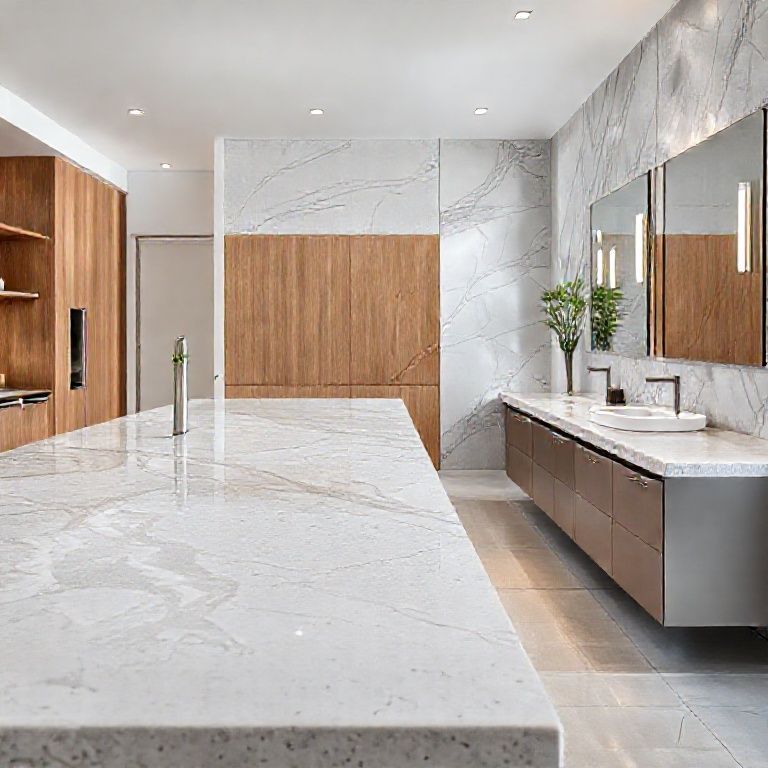
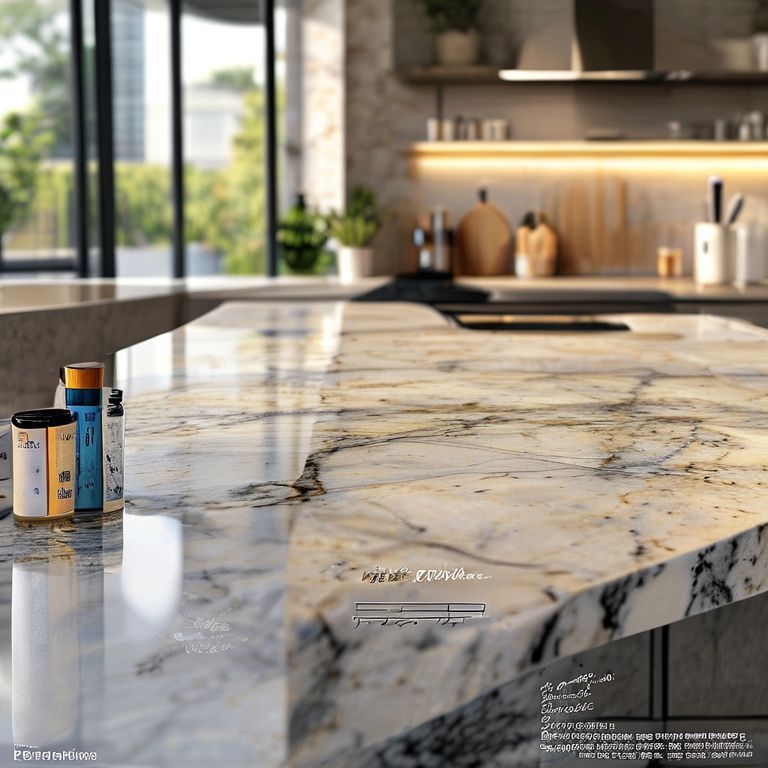
Understanding Marble Pricing Dynamics
Introduction to Marble Pricing
When it comes to selecting high-end materials for your construction or interior design projects, marble stands out as an epitome of luxury and elegance. Renowned for its timeless appeal and exquisite beauty, marble is a preferred choice for a variety of applications, from countertops and flooring to walls and fountains. However, understanding the intricacies of marble pricing can be a complex task due to various influencing factors. This first part of our series delves into these factors to provide a clear understanding of “Marble Price per Square Meter” and “Marble Price per Tonne.”
Factors Influencing Marble Pricing
Type of Marble
The first and most crucial factor influencing marble pricing is the type of marble. Marble comes in numerous varieties, each with distinct characteristics, color patterns, and price points. Some of the most popular types include:
Italian Marble: Known for its refined quality and aesthetic appeal, Italian marble such as Carrara and Botticino commands a higher price due to its superior craftsmanship and traditional techniques.
Indian Marble: With varieties like Rajasthan and Makrana, Indian marble is celebrated for its rich color palette and affordability. It’s a favorite among those seeking high-quality marble at competitive prices.
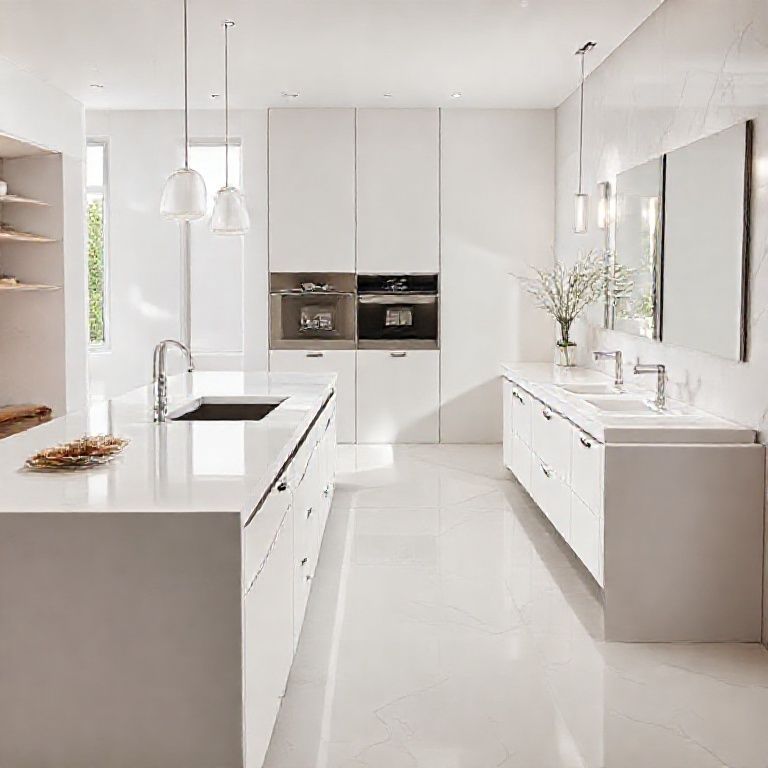
Turkish Marble: Varieties like Sivas and Beypazari marble are renowned for their durability and intricate patterns, making them a popular choice for both residential and commercial projects.
Brazilian Marble: Famous for its stunning colors and patterns, Brazilian marble, such as São Gabriel and Catalão, offers a luxurious yet cost-effective option.
Quality and Grade
Marble quality significantly impacts its price. Marbles are graded based on their color, texture, and veining. Higher grades, which feature less veining and more uniform color, are more expensive. Quality marble undergoes rigorous testing to ensure it meets specific standards of durability and aesthetic appeal.
Color and Pattern
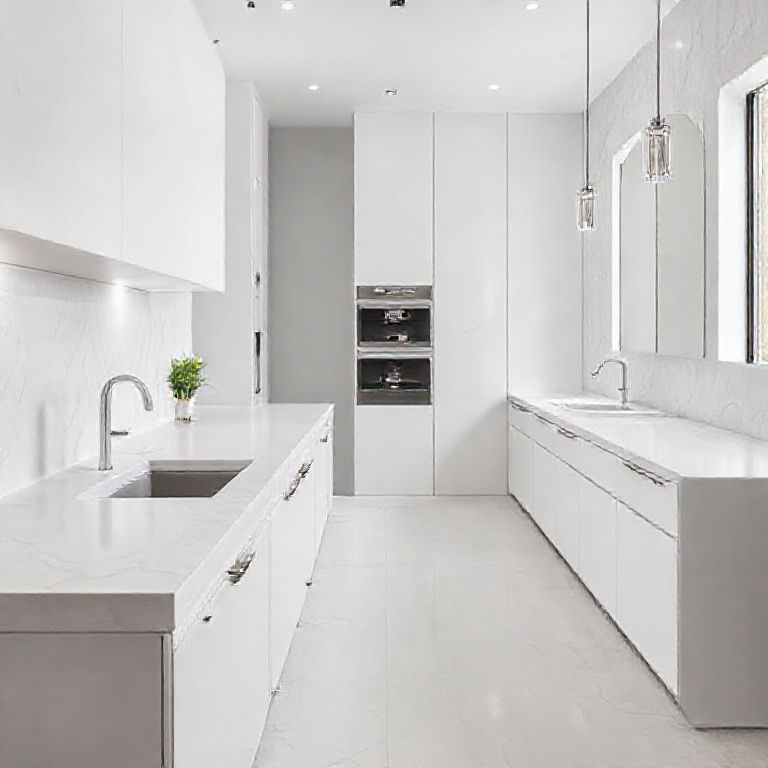
The color and pattern of marble also dictate its pricing. Marbles with rare and unique color patterns or those that are rare in nature tend to be more expensive. For instance, marbles with intricate veining and rare hues like the black marble or the rare imperial red are more costly.
Cut and Finish
The method of cutting and finishing marble affects its price. Polished marble, which has a smooth and glossy finish, tends to be more expensive compared to honed or brushed finishes. Additionally, custom cuts and intricate designs will also increase the cost.
Market Trends
Like any commodity, marble prices fluctuate based on market trends. Supply and demand dynamics, economic factors, and global trade conditions play significant roles in determining the cost of marble. It’s important to stay updated with market trends to make informed purchasing decisions.
Transportation and Handling
The cost of transporting marble from the quarry to the construction site can influence the final price. Marble is a heavy material, and long-distance transport incurs additional costs. Local sourcing can often result in cost savings.
Marble Price Per Square Meter
The price of marble per square meter can vary widely depending on the factors mentioned above. Generally, the cost ranges from $50 to $500 per square meter. Here’s a more detailed breakdown:
Low-end Marble: Basic marble types like some Indian and Chinese marbles can cost as little as $50 per square meter. Mid-range Marble: Italian marbles such as Carrara, which are moderately priced, typically range between $150 and $250 per square meter. High-end Marble: Premium marbles, such as rare Brazilian varieties or custom designs, can exceed $500 per square meter.
Conclusion
Understanding the diverse factors that influence marble pricing is essential for making informed decisions, whether you’re a homeowner or a contractor. The type of marble, its quality, color, finish, and market trends all play significant roles. In the next part of our series, we will explore more in-depth the pricing per tonne and how to calculate the cost for large-scale projects, ensuring you have all the necessary information to navigate the complexities of marble purchasing.
Marble Pricing Per Tonne and Large-Scale Project Calculation
Introduction
In the previous part, we explored the various factors that influence marble pricing per square meter. In this second part, we will delve into the intricacies of “Marble Price per Tonne” and how to calculate costs for large-scale projects. Understanding these aspects is crucial for anyone involved in extensive marble installations, ensuring accurate budgeting and informed decision-making.
Marble Pricing Per Tonne
Marble pricing per tonne is another critical metric, especially for large-scale projects. The price per tonne can vary significantly depending on the type and quality of marble, as well as regional market conditions. Here’s a comprehensive look at the factors that affect marble pricing per tonne:
Type of Marble
As with the per square meter pricing, the type of marble has a substantial impact on the price per tonne. Premium marbles, such as Italian or Brazilian varieties, will generally cost more per tonne compared to more common types like Indian or Chinese marbles.
Quality and Grade
The quality and grade of marble also influence its price per tonne. Higher-quality marbles, characterized by their uniformity, color consistency, and minimal veining, will command a higher price. For instance, marbles that are certified for high durability and aesthetic appeal will cost more.
Color and Pattern
The color and pattern of the marble play a significant role in determining its price per tonne. Marbles with unique and rare color patterns or those that exhibit exceptional veining are more expensive. For example, marbles with rare hues like imperial red or unique veining patterns are typically priced higher.
Geographical Location
The geographical location where the marble is sourced from can affect its price per tonne. Marble transported over long distances incurs higher costs, which can influence the overall pricing. Sourcing locally can often result in cost savings.
Market Demand and Supply
Market demand and supply dynamics significantly impact the price per tonne of marble. High demand for specific types of marble can drive up prices, while an oversupply can lead to lower prices. Economic factors, global trade conditions, and seasonal variations also play a role.
Customization and Additional Costs
For large-scale projects, customization and additional processing costs can influence the price per tonne. Custom cuts, intricate designs, and special finishes will add to the overall cost. Additionally, any special handling or transportation requirements will also be factored into the pricing.
Calculating Marble Cost for Large-Scale Projects
To calculate the cost of marble for large-scale projects, it’s essential to consider both the square footage and the total weight of the marble required. Here’s a step-by-step guide to help you with the calculation:
Determine the Total Area in Square Meters
First, measure the total area in square meters that will require marble installation. This could be for flooring, countertops, walls, or any other surface.
Calculate the Total Weight in Tonnes
Next, you need to determine the total weight of the marble required. This involves knowing the thickness of the marble slabs or tiles you’re using. Typically, marble slabs are around 2 to 3 cm thick, and tiles range from 1 to 2 cm thick.
For slabs: If you have a slab thickness of 2 cm (0.02 meters), you can use the formula:
[ \text{Weight (tonnes)} = \text{Area (sq. meters)} \times \text{Thickness (meters)} ]
For tiles: If you have a tile thickness of 1 cm (0.01 meters), use the same formula.
Determine the Unit Price per Square Meter
Use the average price per square meter for the type of marble you’re considering. From the previous section, we know that prices can range widely.
Calculate the Total Cost
Multiply the total area in square meters by the unit price per square meter to get the cost for the area. Then, multiply the total weight in tonnes by the unit price per tonne to get the cost for the weight.
Example Calculation:
Suppose you’re installing 100 square meters of 2 cm thick marble slabs:
[ \text{Weight} = 100 \text{ sq. meters} \times 0.02 \text{ meters} = 2 \text{ tonnes} ]
If the price per square meter is $200, the cost for the area is:
[ \text{Cost (area)} = 100 \text{ sq. meters} \times $200 = $20,000 ]
假设你已经知道了总面积和总重量,并且有了每平方米和每吨的价格。我们可以详细计算总成本。
总成本计算步骤
面积成本:
乘以每平方米的价格。 [ \text{面积成本} = \text{总面积 (平方米)} \times \text{每平方米价格} ]
重量成本:
乘以每吨的价格。 [ \text{重量成本} = \text{总重量 (吨)} \times \text{每吨价格} ]
总成本:
将面积成本和重量成本相加。 [ \text{总成本} = \text{面积成本} + \text{重量成本} ]
示例
假设你有一个100平方米的大理石地板项目,厚度为2厘米,每平方米的价格是$200,每吨的价格是$1,500。
总面积: [ 100 \text{平方米} ]
总重量: [ 100 \text{平方米} \times 0.02 \text{米} = 2 \text{吨} ]
面积成本: [ 100 \text{平方米} \times $200/\text{平方米} = $20,000 ]
重量成本: [ 2 \text{吨} \times $1,500/\text{吨} = $3,000 ]
总成本: [ $20,000 + $3,000 = $23,000 ]
所以,这个100平方米的大理石地板项目的总成本将是$23,000。
其他考虑因素
在实际项目中,还有一些其他因素需要考虑:
运输和安装费用: 这些费用会根据项目的规模和地理位置有所不同。 税费和其他增值费用: 不同地区的税率不同,可能需要额外的增值税。 废料和浪费: 在切割和安装过程中可能会有一些废料,这需要在预算中加以考虑。