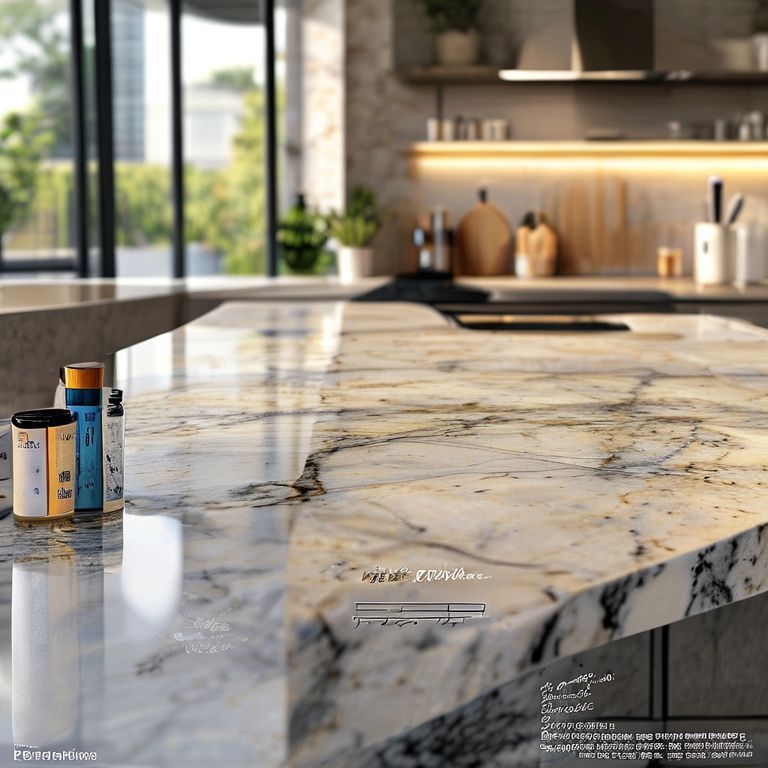
Unveiling the Limitations: The Drawbacks of Artificial Marble
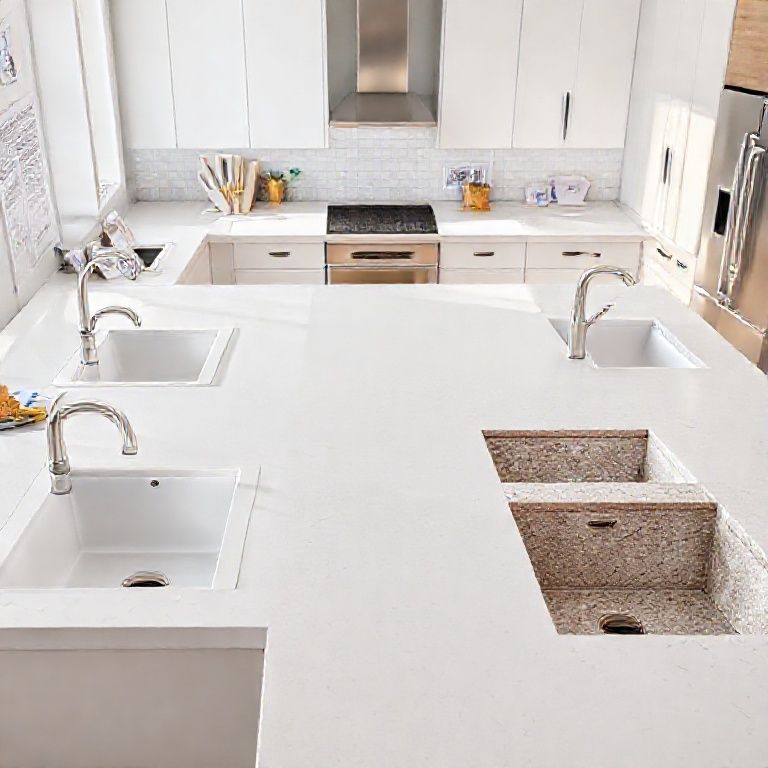
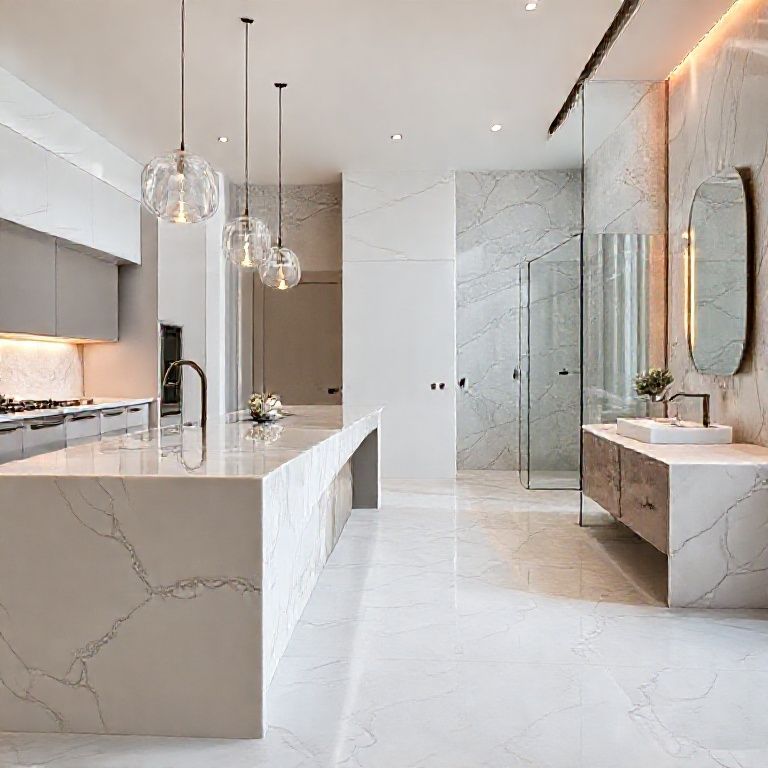
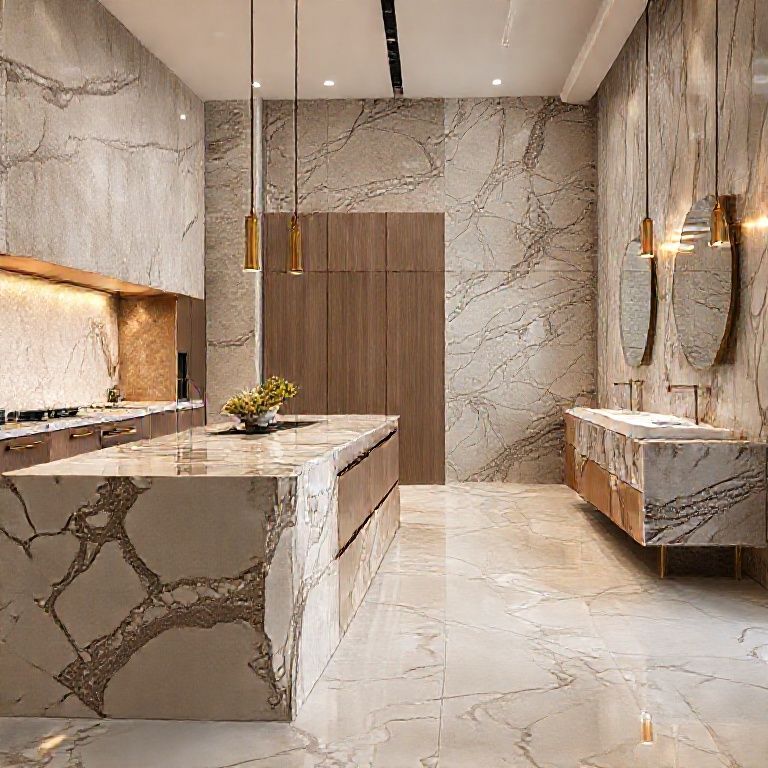
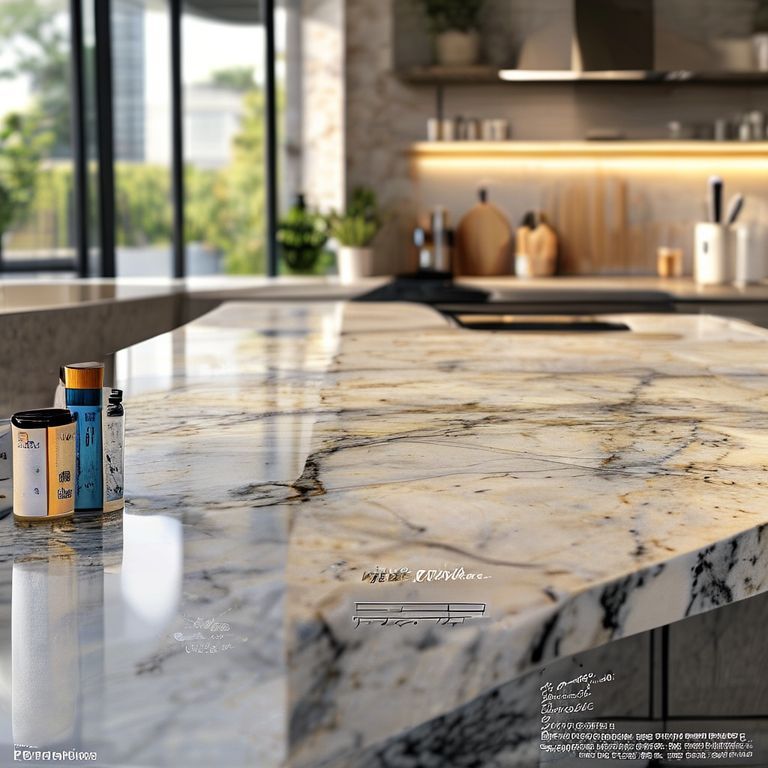
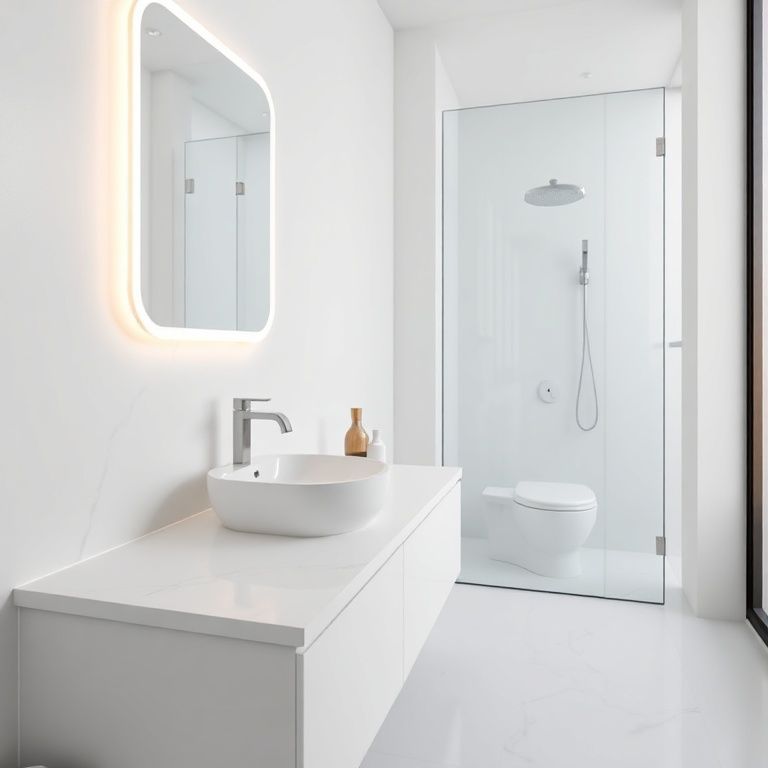
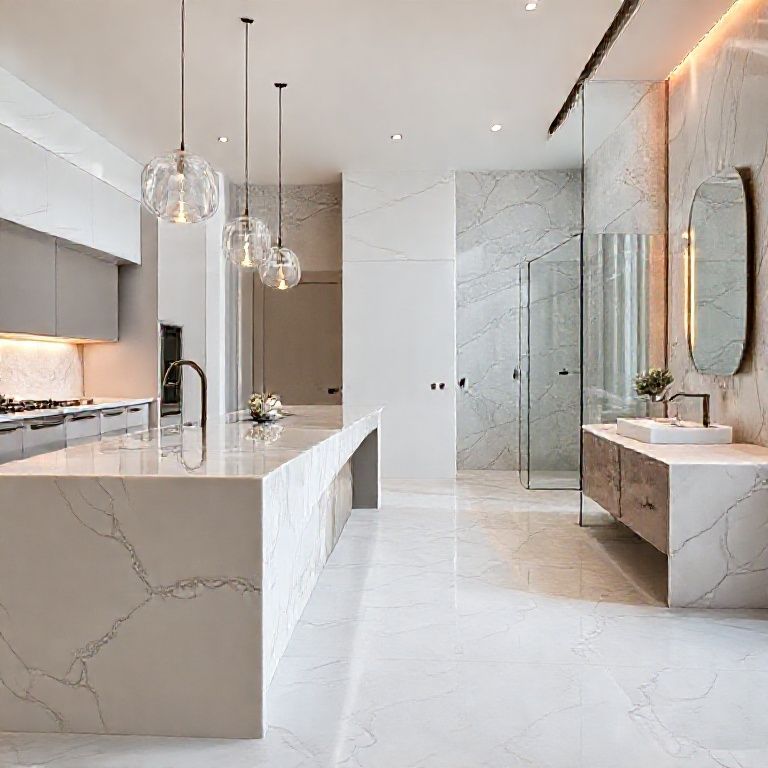
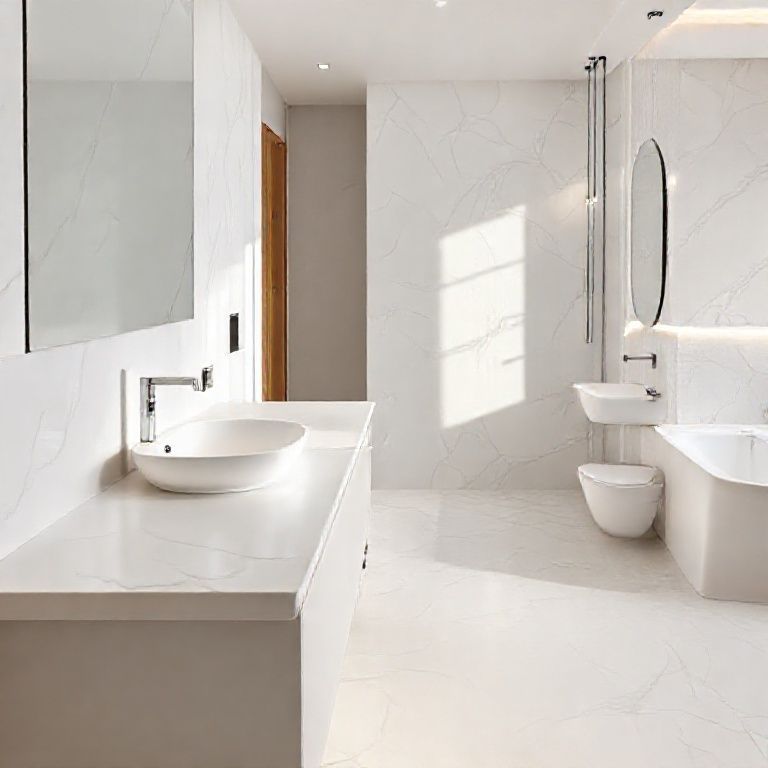
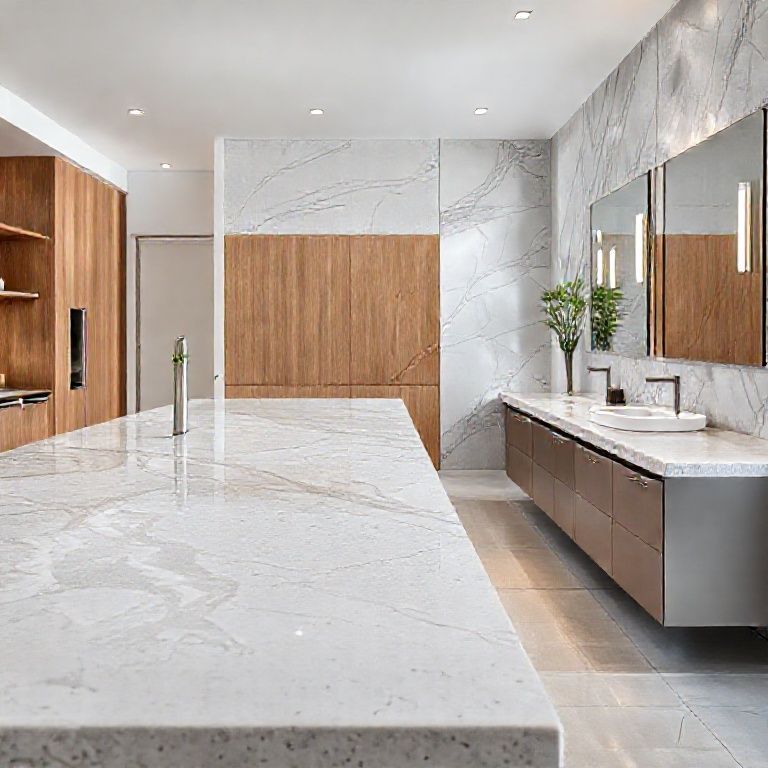
Artificial marble, also known as cultured marble, has surged in popularity due to its striking appearance and perceived durability. This luxurious material offers a stunning aesthetic that mimics the elegance of natural marble at a fraction of the cost. However, beneath its appealing facade lie several critical limitations that are often overlooked.
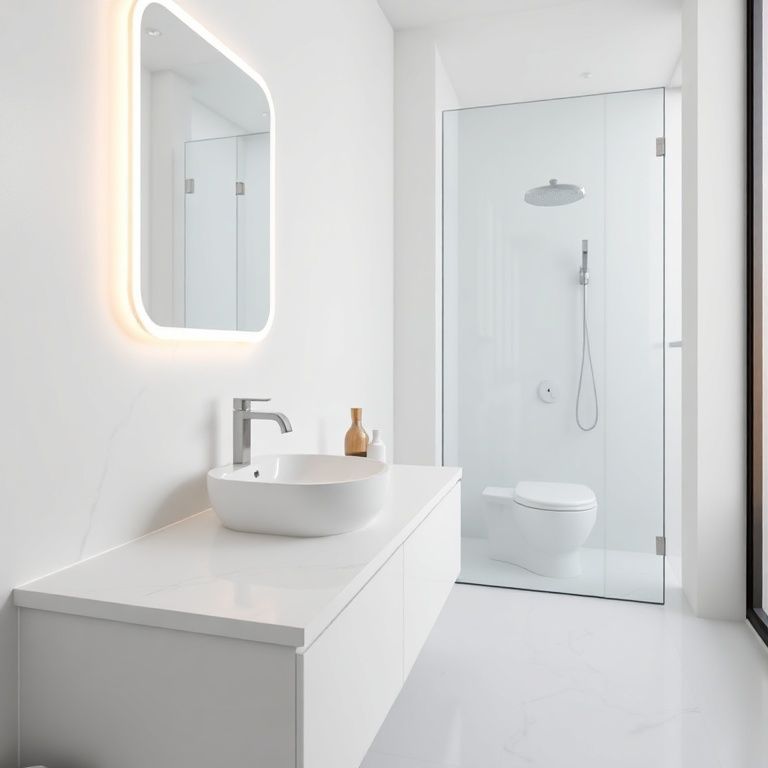
1. Composition and Quality Concerns
Artificial marble is a composite material primarily composed of alabaster, resin, and pigments. While this combination results in a visually appealing product, it also introduces certain quality concerns. The resin used in artificial marble is synthetic and, despite being strong, it is not as resilient as natural stone. This synthetic foundation can lead to issues such as:
Stain Resistance: Artificial marble is prone to staining, especially from acidic substances like lemon juice, vinegar, and other cleaning agents. Unlike natural marble, which can often be sealed to improve stain resistance, artificial marble requires frequent cleaning and maintenance to prevent discoloration.
Aging and Yellowing: Over time, the resin can degrade, leading to the yellowing of the surface. This effect is particularly noticeable in high-traffic areas, where the material is exposed to frequent cleaning and wear.
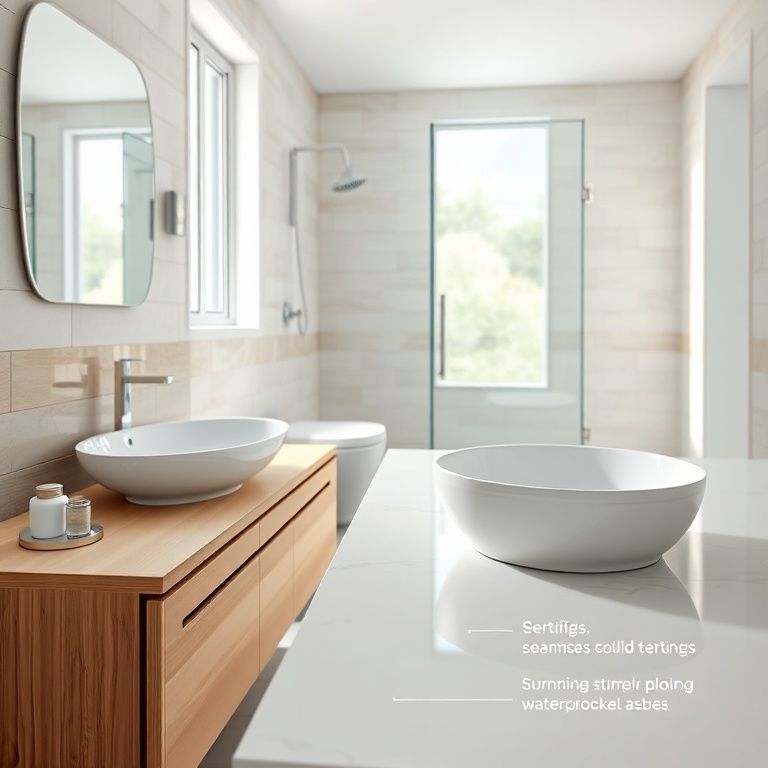
2. Durability Issues
The durability of artificial marble is often overstated. While it may appear robust, it is not as enduring as natural stone. Here are some critical points to consider:
Chipping and Scratching: Despite its hard exterior, artificial marble is susceptible to chipping and scratching, especially when exposed to sharp objects or abrasive cleaning tools. This can mar the surface and lead to uneven wear over time.
Thermal Damage: Artificial marble is not as heat-resistant as natural stone. Hot liquids can cause thermal shock, leading to cracking or warping of the material. This issue is particularly relevant for kitchen countertops where hot pots and pans are commonplace.
3. Maintenance Requirements
Maintaining artificial marble requires a careful and consistent routine. Here’s why:
Cleaning Protocols: Artificial marble needs to be cleaned with specialized products to prevent staining and discoloration. Regular cleaning with harsh chemicals is discouraged as it can strip away the surface layer and dull the color.
Sealing Needs: Unlike natural marble, which can be sealed to improve stain resistance, artificial marble often requires periodic re-sealing to maintain its appearance. This process can be labor-intensive and may not always provide the desired level of protection.
4. Environmental and Ethical Concerns
The production of artificial marble involves synthetic resins and pigments, which can pose environmental concerns. The manufacturing process often results in:
Chemical Emissions: The production of resins and pigments can release volatile organic compounds (VOCs) that contribute to indoor air pollution. This is a critical consideration for environmentally-conscious consumers.
Waste Generation: The disposal of artificial marble, once it becomes damaged or unusable, can contribute to waste. Unlike natural stone, which can often be recycled or repurposed, artificial marble does not have a straightforward disposal method.
5. Cost Implications
While artificial marble is often marketed as a cost-effective alternative to natural stone, there are several cost considerations that need to be factored in:
Initial Costs vs. Long-Term Expenses: The initial cost of artificial marble may be lower, but the long-term expenses related to maintenance, re-sealing, and potential repairs can add up over time. Homeowners must weigh these ongoing costs against the upfront savings.
Installation Costs: Depending on the complexity of the installation, the labor costs for artificial marble can be comparable to, or even exceed, those for natural stone. Skilled labor is often required to ensure proper installation and finishing.
Conclusion
In conclusion, while artificial marble offers an alluring alternative to natural stone with its beauty and affordability, it comes with a host of limitations that cannot be ignored. From quality and durability concerns to maintenance needs and environmental impacts, understanding these drawbacks is crucial for making an informed decision. In the next part, we will further explore the specific scenarios where the limitations of artificial marble become most apparent and discuss some potential alternatives to consider.
Unveiling the Limitations: The Drawbacks of Artificial Marble (Continued)
Building on the previous discussion, this part delves deeper into the specific scenarios where the limitations of artificial marble become most apparent. We will also explore alternative materials that may offer a better balance between aesthetics, durability, and sustainability.
1. High-Traffic Areas
Artificial marble is often chosen for high-traffic areas such as kitchen countertops and bathroom vanities due to its perceived durability. However, its limitations become glaring in these environments:
Surface Wear: In areas where items are frequently placed and moved, the surface of artificial marble can suffer from wear and tear. The resin layer can chip or scratch easily, leading to an uneven and unsightly appearance.
Heat and Moisture Exposure: Kitchen countertops, in particular, are exposed to hot liquids and frequent cleaning, which can cause thermal shock and water damage. This often results in cracks or warped surfaces that are difficult to repair.
2. Kitchen Countertops
The kitchen is a prime area where the drawbacks of artificial marble are most noticeable:
Staining Issues: As previously mentioned, artificial marble is prone to staining from acidic and alkaline substances. This can lead to persistent marks that are hard to clean and may require professional intervention.
Heat Damage: The synthetic composition of artificial marble makes it susceptible to damage from hot pots, pans, and oven mitts. This can lead to unsightly cracks and warping, which are particularly detrimental in a high-visibility area like a kitchen countertop.
3. Bathroom Vanities
Bathrooms are another critical area where the limitations of artificial marble come to light:
Water Exposure: Despite being marketed as a water-resistant material, artificial marble can still absorb water, leading to warping and discoloration over time. The resin used in its composition is not as waterproof as natural stone.
Cleaning Challenges: The smooth surface of artificial marble can trap soap scum and other residues, making it harder to clean effectively. This often requires the use of specialized cleaning products and frequent maintenance.
4. Alternative Materials
Given the limitations of artificial marble, exploring alternative materials can be beneficial:
Natural Stone: Materials like granite, quartzite, and travertine offer superior durability, stain resistance, and aesthetic appeal. While they come at a higher cost, their longevity and low maintenance requirements often make them a worthwhile investment.
Engineered Stone: Engineered stone combines the best qualities of natural stone with modern technology to create a durable, low-maintenance material. It offers a wide range of colors and finishes while maintaining a lower cost than high-end natural stones.
5. Sustainable Options
For environmentally-conscious consumers, sustainable options are becoming increasingly available:
Recycled Composites: Some manufacturers are creating artificial marble from recycled materials, reducing environmental impact while still offering the aesthetic benefits of traditional artificial marble.
Natural Stone Alternatives: Materials like reclaimed stone or stone veneer provide the visual appeal of natural stone with a lower environmental footprint. These options often require less processing and are more sustainable.
Conclusion
In summary, while artificial marble offers an appealing and cost-effective alternative to natural stone, its limitations in terms of quality, durability, maintenance, and environmental impact are significant. High-traffic areas such as kitchens and bathrooms are particularly affected by its drawbacks, including susceptibility to staining, chipping, and thermal damage. For those looking for a more durable, low-maintenance, and sustainable option, exploring natural stone alternatives or engineered stone may provide a better long-term solution. By understanding these limitations, consumers can make more informed decisions that align with their aesthetic, functional, and environmental goals.
By comprehensively addressing the drawbacks of artificial marble, this article aims to provide valuable insights for anyone considering this material for their next renovation or construction project.