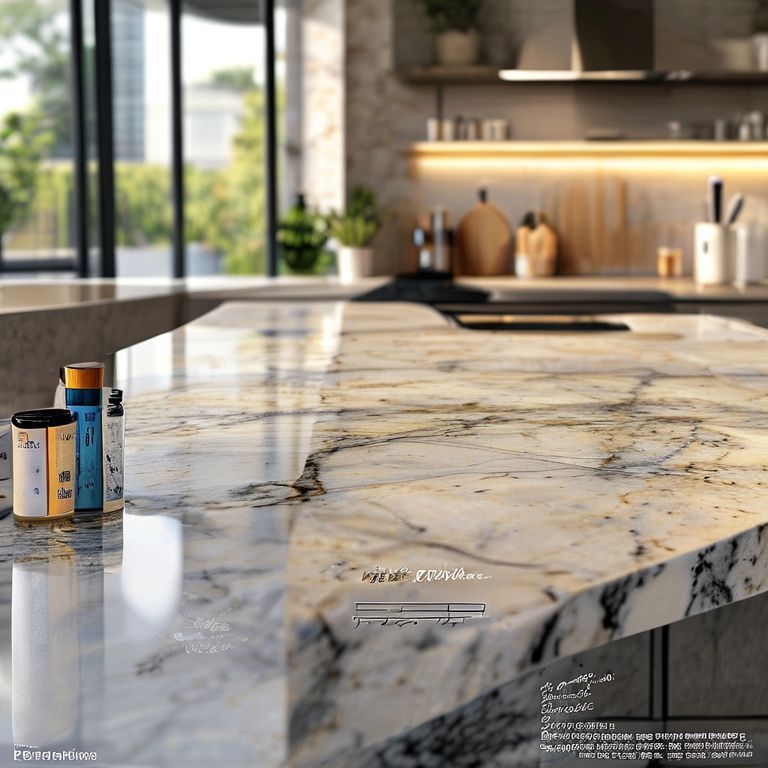
1.5公分石英石容易坏吗为什么不能用呢,1.5的石英石多少钱
The kitchen is the undisputed heart of the home, a sanctuary of culinary creativity and the stage for countless morning coffees and late-night snacks. When we embark on the journey of a kitchen renovation, we are often blinded by the sheer aesthetic brilliance of the materials on display. We fall in love with the veining of a marble-look slab, the matte finish of a concrete-style surface, or the shimmering flecks of premium quartz. In this pursuit of visual perfection, homeowners frequently find themselves at a crossroads regarding a technical detail that seems minor but dictates the longevity of the entire project: thickness. Specifically, the debate surrounds the 1.5cm (15mm) quartz slab. On paper, it looks sleek, modern, and—perhaps most enticingly—budget-friendly. But is 1.5cm quartz stone actually “easy to break,” and why do so many seasoned fabricators steer clients away from it for kitchen applications?

To understand the vulnerability of 1.5cm quartz, we first have to look at the physics of the material. Quartz countertops are engineered stone, a composite of crushed natural quartz (usually around 90-93%) and polymer resins. This blend creates a surface that is incredibly hard and non-porous. However, hardness does not equal flexibility. While quartz is much tougher than natural marble, it is still a rigid material. In the world of structural integrity, thickness is the primary defense against “flexural stress.” When you opt for a 1.5cm slab, you are essentially choosing a surface that has significantly less internal structural support than the industry-standard 2cm (20mm) or 3cm (30mm) options.
Think of it like a bridge. A bridge made of a thin plank of wood might hold your weight if you stand perfectly still in the center, but as soon as you start jumping, or if the wind begins to howl, that thinness becomes a liability. In a kitchen, the “wind and jumping” translate to the weight of a heavy cast-iron Le Creuset pot, the vibration of a high-powered blender, or someone inadvertently leaning their full body weight against the edge of the counter while chatting. A 1.5cm slab lacks the “heft” to absorb these daily shocks. It doesn’t have the cross-sectional density to distribute weight effectively across its surface. This is why many professionals refer to 1.5cm quartz as “fragile”—not because the material itself is weak, but because the dimensions are insufficient for the demands of a modern kitchen.
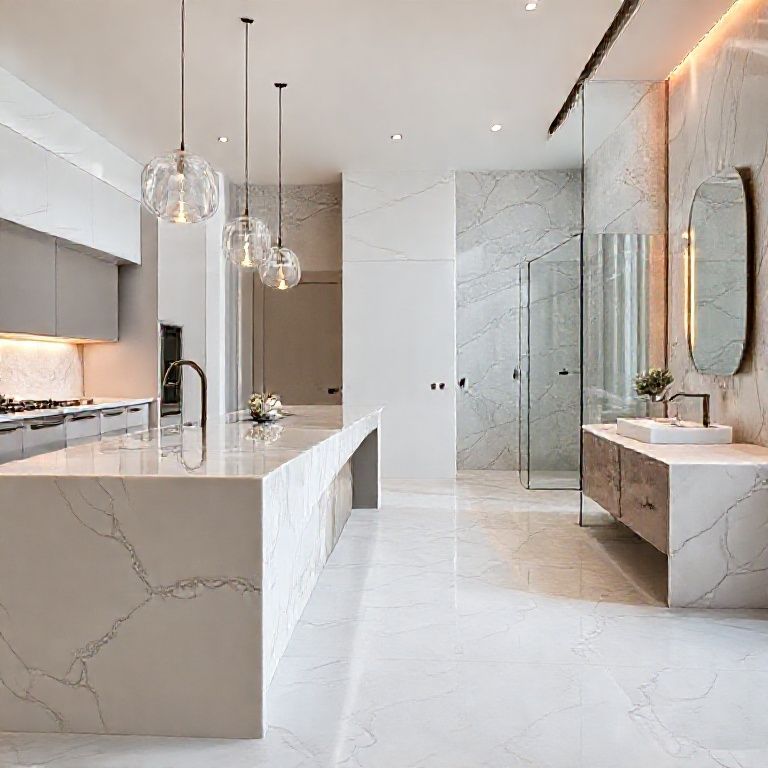
One of the most common reasons people are drawn to 1.5cm quartz is the “ultra-thin” minimalist aesthetic that has dominated European design magazines for the last few years. It looks sharp, surgical, and incredibly sophisticated. However, what the magazines often fail to mention is that those thin European counters are frequently supported by complex, hidden sub-structures or are made from ultra-compact sintered stones (like Dekton), which have different physical properties than standard quartz. When a homeowner tries to replicate that look using 1.5cm quartz on standard cabinetry, they are often skipping the necessary reinforcement. Without a solid plywood sub-top—which adds cost and labor—the 1.5cm quartz is essentially “floating” over the empty voids of your cabinets. Any concentrated pressure on those unsupported areas is a recipe for a hairline fracture that can spider-web across your expensive investment in seconds.
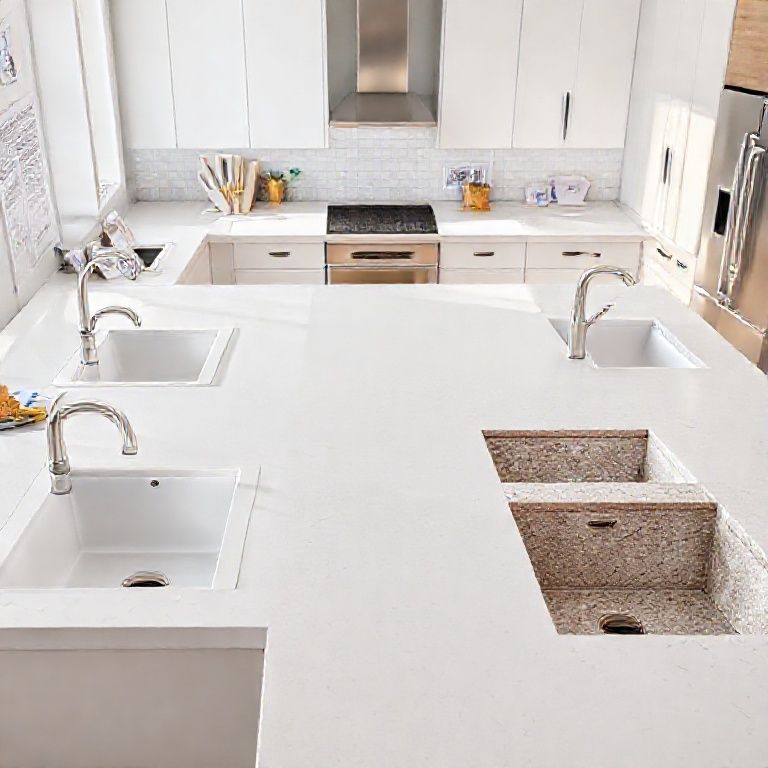
The most dangerous zones for a 1.5cm slab are the “cutouts.” Your sink and your cooktop require large holes to be carved out of the stone. These cutouts are inherently the weakest points of any countertop because they break the continuous integrity of the slab. In a 2cm or 3cm slab, there is enough “meat” around the edges of the sink to maintain strength. In a 1.5cm slab, the remaining strips of stone in front of and behind the sink become incredibly spindly. During the fabrication process, shipping, or installation, these thin strips are prone to snapping. Even if they survive the installation, the thermal expansion from a hot dishwasher running underneath a thin quartz countertop, or the vibration of a garbage disposal, can put enough stress on those narrow sections to cause a crack. Once quartz cracks, while it can be “repaired” with resin, it will never truly look the same, and the structural integrity is permanently compromised.
Then there is the issue of the “overhang.” Many modern kitchens feature an island with a seating area where guests can tuck their legs under the counter. For a standard 2cm or 3cm slab, you can usually have a reasonable overhang without needing extra support brackets. With a 1.5cm slab, the rules change entirely. Because the stone is so thin, its ability to support its own weight—let alone the weight of a person leaning on it—is drastically reduced. To make a 1.5cm overhang safe, you would need an extensive network of steel supports or a thick plywood base. By the time you’ve paid for the extra labor and materials to make the 1.5cm stone “safe,” you’ve likely spent more than you would have if you had just started with a sturdier 2cm slab.
So, when people ask, “Is 1.5cm quartz easy to break?” the honest answer is: in the context of a kitchen countertop, yes. It is significantly more susceptible to the realities of a busy home. It isn’t just about the stone “snapping” in half; it’s about the accumulation of micro-stresses. Quartz expands and contracts with temperature changes. A thin slab undergoes these changes more rapidly and with less internal resistance than a thick slab. Over a year of hot summers and cold winters, those tiny movements can lead to fatigue in the resin binder, eventually manifesting as a crack that seemingly appears out of nowhere. If you want a kitchen that lasts twenty years rather than five, the “discount” offered by a 1.5cm slab starts to look like a very expensive gamble.
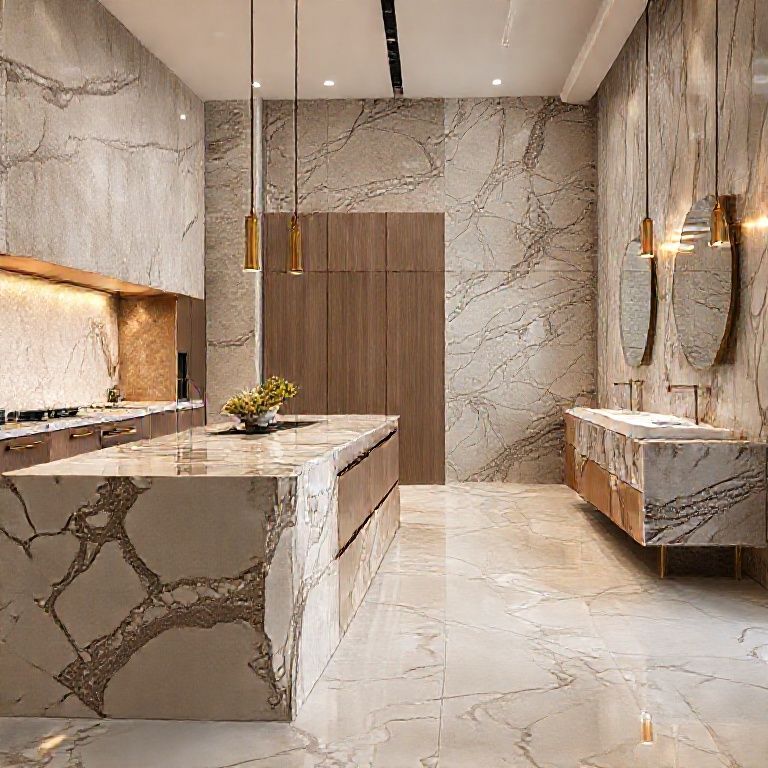
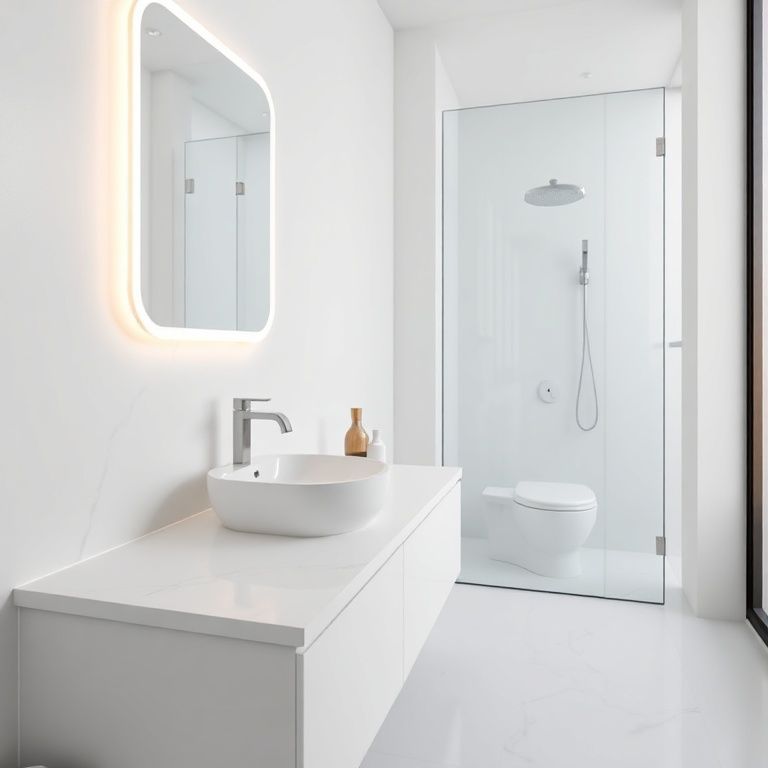
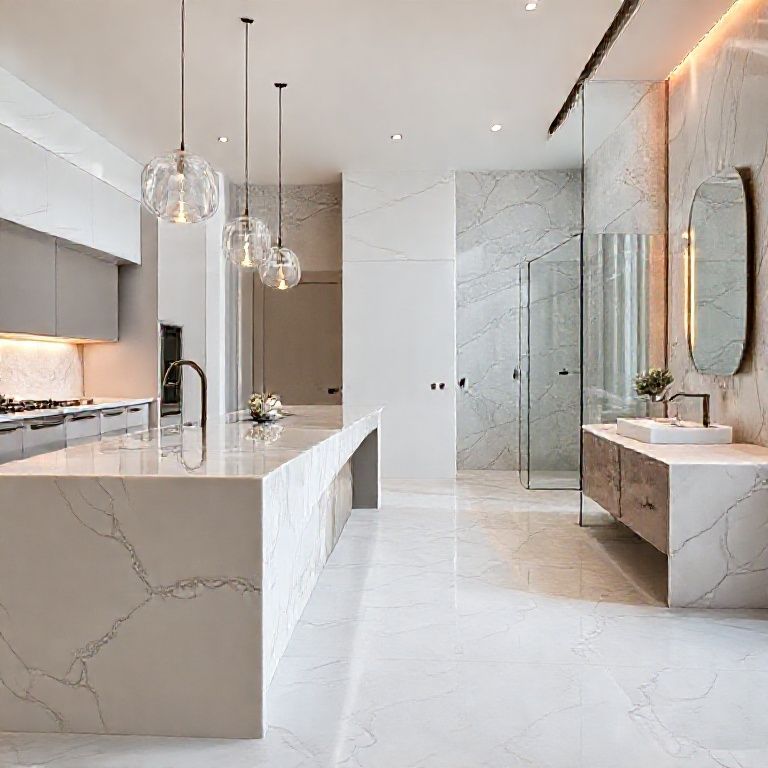
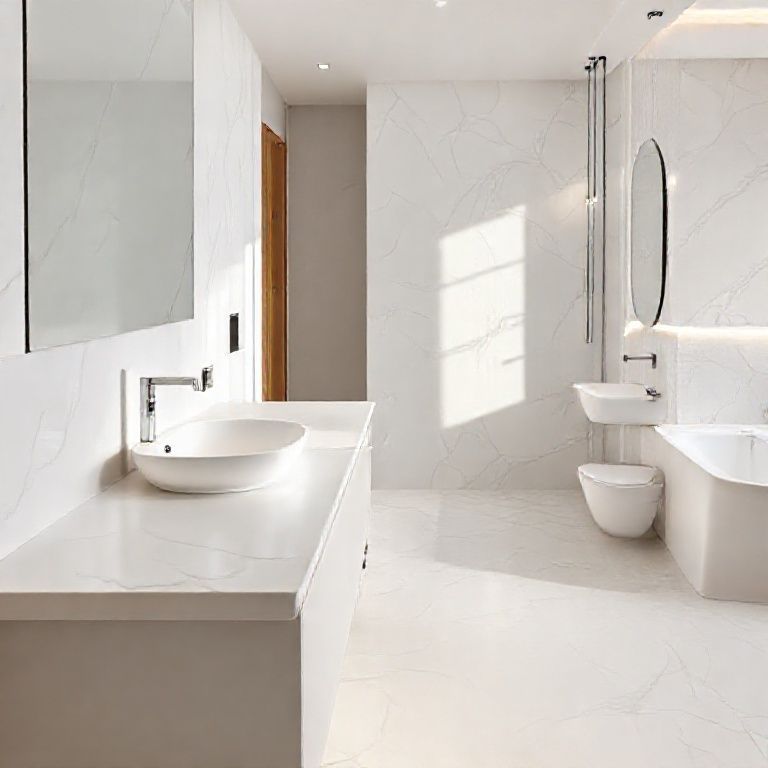
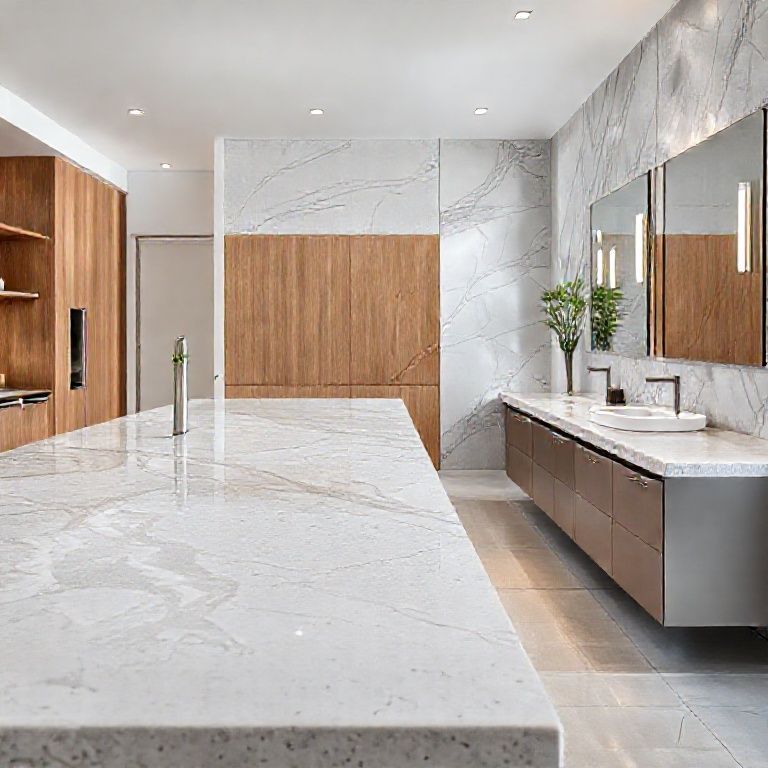
If 1.5cm quartz is so fraught with peril, you might wonder why it exists in the market at all. The truth is, 1.5cm quartz is a fantastic material—when used for its intended purposes. The problem isn’t the material; it’s the application. In the world of interior design, 1.5cm slabs are the “golden child” for vertical surfaces. If you are looking to create a full-height backsplash that runs from your counter to your ceiling, 1.5cm is actually superior to thicker slabs. It’s lighter, which makes it easier to adhere to a wall without worrying about it pulling the drywall down, and its thinner profile means it doesn’t eat into your counter space or look clunky around electrical outlets. It’s also perfect for bathroom wall cladding, fireplace surrounds, or even as decorative furniture inlays.
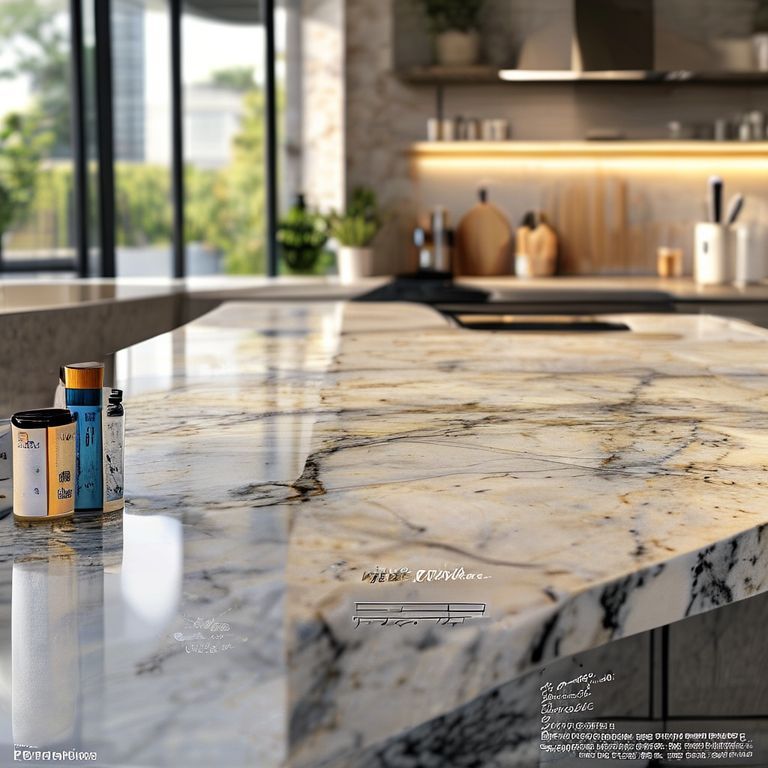
However, the transition from “decorative wall piece” to “functional work surface” is where the 1.5cm slab fails the test. Another reason why experts advise against it for countertops is the “visual depth” and the edge profile. A 1.5cm edge looks undeniably thin. While this works for a hyper-modern aesthetic, it often lacks the “luxury feel” that homeowners expect when they spend thousands of dollars on stone. To combat this, some people try to do a “mitered edge,” where a small strip of stone is glued to the edge at a 45-degree angle to make the counter look thicker (e.g., making a 1.5cm slab look like a 5cm slab). This is a common practice, but it is much harder to execute perfectly on a 1.5cm slab. The “glue line” or the seam is under more tension because there is less surface area for the adhesive to grab onto. One accidental bump with a heavy grocery bag, and that beautiful mitered edge can chip or delaminate.
Let’s talk about the “thermal shock” factor in more detail. Kitchens are environments of extreme temperature swings. You pull a tray of roasted vegetables out of a 400-degree oven; you set a frozen bag of peas down to thaw. While quartz is generally heat-resistant (up to a point), it is not heat-proof. The resin in the quartz can be damaged by sudden, intense heat. In a 3cm slab, the sheer mass of the stone acts as a heat sink, absorbing and dissipating that thermal energy slowly. In a 1.5cm slab, the heat penetrates the entire thickness of the stone almost instantly. This rapid heating causes localized expansion. If the rest of the slab is cool, that tension has nowhere to go but “out,” resulting in a crack. This is why manufacturers of thinner quartz slabs are much stricter with their warranties, often voiding them if you don’t use trivets for every single warm item.
Furthermore, there is the “fabrication tax.” You might think that because a 1.5cm slab uses less raw material, the price will be significantly lower. While the material cost is indeed lower, the labor often isn’t. Because 1.5cm quartz is more “fussy” and prone to breaking during the cutting and polishing phase, fabricators have to move much more slowly. They have to use specialized blades, more water for cooling, and be extremely delicate during transportation. Many high-end stone shops actually charge more for the labor of handling thin stone because the risk of the slab breaking in their shop is so high. If they break a 1.5cm slab while cutting your sink hole, they are the ones who lose money. To cover that risk, they bake a “difficulty premium” into your quote.
From a long-term value perspective, choosing 1.5cm quartz for a kitchen is a decision that rarely pays off. If you ever decide to sell your home, a savvy buyer or a home inspector will notice the thinness of the counters. In the luxury real estate market, 3cm is the standard, and 2cm is the acceptable minimum. Anything thinner can be perceived as “cheap” or a “developer’s special,” potentially dragging down the perceived value of your kitchen renovation. You are essentially paying for a premium material but presenting it in a way that looks like a budget compromise.
So, what is the “Sweet Spot”? If you are looking for the best balance of durability, price, and aesthetics, 2cm (20mm) quartz is generally the minimum recommended thickness for a kitchen. It offers enough structural integrity to handle most cutouts without an excessive failure rate, and it provides a more substantial look. If you have the budget and want the “indestructible” feel, 3cm (30mm) is the undisputed king. It requires no plywood sub-top, can handle larger overhangs with ease, and has the massive, “old-world” stone feel that defines high-end kitchens.
In conclusion, the reason you “can’t use” (or shouldn’t use) 1.5cm quartz for your main countertops isn’t based on a conspiracy to make you spend more money. It’s based on the collective scars of thousands of fabricators and homeowners who have seen these thin slabs fail. It is a material that demands perfection in its environment—perfectly level cabinets, perfect sub-top support, and a perfect, low-impact lifestyle. But real kitchens aren’t perfect. They are messy, heavy, hot, and loud. They are places where things get dropped, where kids climb on counters to reach the cookie jar, and where we rush through meal prep. Your countertop should be the sturdy foundation that supports your life, not a delicate piece of art that you have to tip-toe around. Save the 1.5cm quartz for your backsplash or your powder room wall, where its beauty can be admired without being tested. For your kitchen, give yourself the peace of mind that only comes with a thicker, more resilient slab. You’ll thank yourself the first time you drop that heavy skillet and hear a dull “thud” instead of a terrifying “crack.”