Identifying Stains and Preparing for Cleaning
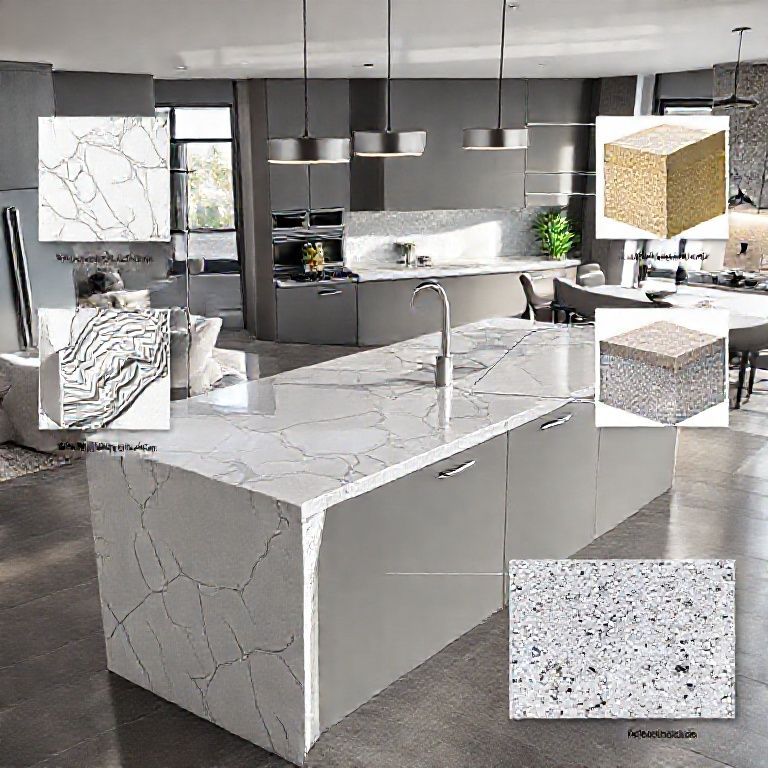
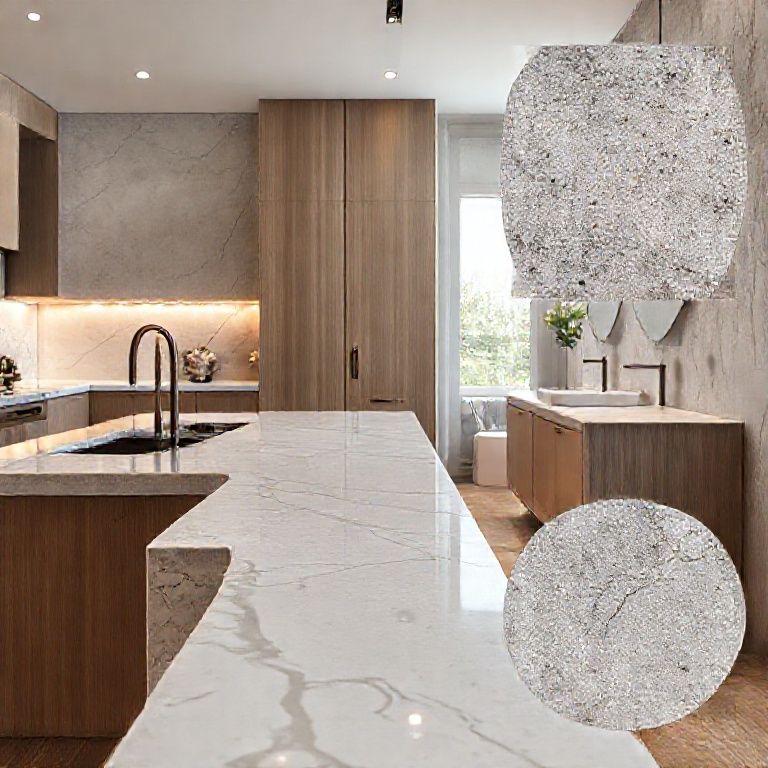
When it comes to maintaining the beauty and longevity of your artificial granite countertops, understanding how to effectively clean stains is essential. Artificial granite, despite its name, is a man-made material that combines minerals, resins, and pigments to create a surface that mimics the appearance of natural granite. Although it is highly durable, it can still develop stains from various sources. Here’s how to identify and prepare to clean these stains effectively.
Understanding Common Stains
Artificial granite countertops are prone to different types of stains, each requiring specific cleaning methods:
Food and Beverage Stains: These are some of the most common. Juices, coffee, tea, and even oil can leave unsightly marks on your countertop.
Soap and Lotion Marks: Daily use of soaps, lotions, and other personal care products can leave behind soap scum and residue.
Hard Water Stains: If you live in an area with hard water, mineral deposits can accumulate and create white or cloudy spots.
Acidic Stains: Foods and drinks like tomato sauce, vinegar, and citrus can cause discoloration.
Tools and Materials Needed
Before diving into the cleaning process, gather the necessary tools and materials:
Soft microfiber cloths Mild dish soap White vinegar Baking soda Hydrogen peroxide Soft-bristled brush pH-neutral cleaner
Cleaning Preparation
To ensure the longevity and appearance of your artificial granite, it’s essential to prepare properly:

Turn off Appliances: Make sure any cooking or food preparation appliances are turned off to avoid accidental spills during cleaning.
Clear the Surface: Remove all items from the countertop to ensure you can clean every nook and cranny.
Test Cleaners: Always test any cleaning solution on a small, inconspicuous area first to ensure it won’t damage the surface.

Cleaning Techniques
1. Mild Dish Soap and Water
For most everyday stains, a simple solution of mild dish soap and water works wonders:
Mix a few drops of dish soap with warm water in a spray bottle.
Spray the solution onto the stained area.
Use a soft microfiber cloth to gently scrub the stain in a circular motion.
Wipe the area with a clean, damp cloth to remove any soap residue.
Dry the surface with a dry microfiber cloth.
2. White Vinegar
White vinegar is a natural, non-toxic cleaner that can tackle a variety of stains:
Pour a small amount of white vinegar onto a soft cloth.
Gently rub the stained area in a circular motion.
Wipe with a clean, damp cloth and dry with a microfiber cloth.
3. Baking Soda and Hydrogen Peroxide
For tougher stains, a paste made from baking soda and hydrogen peroxide can do the trick:
Mix one tablespoon of baking soda with a few drops of hydrogen peroxide to form a paste.
Apply the paste to the stain and let it sit for 10-15 minutes.
Use a soft-bristled brush to gently scrub the area.
Wipe clean with a damp cloth and dry thoroughly.
By following these steps, you can effectively tackle most common stains on your artificial granite countertops, ensuring they remain beautiful and functional for years to come.
Advanced Stain Removal Techniques and Maintenance Tips
While the basic cleaning methods mentioned in Part 1 are effective for many stains, some can be more stubborn. For these, advanced techniques and regular maintenance are key to keeping your artificial granite countertops looking pristine. Here’s how to handle those tough stains and maintain your countertop for long-term beauty and durability.
Advanced Stain Removal Techniques
1. Acidic Stains
Acidic stains, such as those from tomato sauce or citrus, can be particularly challenging:
Baking Soda and Water Paste: Mix baking soda with water to create a paste. Apply it to the stain and let it sit for 15-30 minutes before scrubbing gently with a soft-bristled brush.
Hydrogen Peroxide: For persistent stains, apply hydrogen peroxide directly to the stain and let it sit for a few minutes before scrubbing.
2. Oil and Grease Stains
Oil and grease stains can be stubborn but are manageable with the right approach:
Boiling Water: Pour boiling water over the stain to break down the grease. Blot with a clean cloth.
Dish Soap and Baking Soda: Mix dish soap with baking soda to create a paste. Apply it to the stain and let it sit for a few minutes before scrubbing gently.
3. Hard Water Stains
Hard water leaves mineral deposits that can be unsightly:
White Vinegar and Baking Soda: Mix equal parts white vinegar and baking soda to create a paste. Apply it to the stain and let it sit for 15-20 minutes before scrubbing gently.
Lemon Juice: For a natural alternative, apply fresh lemon juice to the stain and let it sit for a few hours before wiping clean.
Regular Maintenance Tips
To prevent stains and extend the life of your artificial granite countertops, follow these maintenance tips:
Use Coasters and Trivets: Always use coasters and trivets to protect your countertop from hot drinks and dishes.
Immediate Cleanup: Wipe up spills immediately to prevent stains from setting in.
Avoid Abrasive Cleaners: Use only non-abrasive cleaners to avoid scratching the surface.
Seal the Countertop: Although artificial granite doesn’t require sealing like natural granite, applying a high-quality countertop protector can provide additional protection against stains and scratches.
Regular Cleaning: Establish a regular cleaning routine using mild dish soap and water to keep your countertop looking its best.
Expert Tips
Spot Testing: Always spot test any cleaning solution on a small, inconspicuous area before using it on the entire countertop.
Proper Storage: Store cleaning supplies and chemicals properly to avoid accidental spills.
Avoid Harsh Chemicals: Avoid using bleach, ammonia, or other harsh chemicals, as they can damage the surface.
Final Thoughts
Maintaining the beauty of your artificial granite countertops is all about understanding the types of stains that can affect them and using the right cleaning techniques. By following the steps outlined in this guide, you can ensure your countertop remains pristine and beautiful, reflecting the elegance and sophistication of your kitchen or workspace. Regular maintenance and proper cleaning will not only enhance the appearance of your countertops but also extend their lifespan, providing you with a durable and stylish surface for years to come.
So, next time you encounter a stain, don’t panic—just follow these proven methods and techniques to keep your artificial granite countertop looking like new.