${part1} Are synthetic stone countertops your go-to choice for durability and aesthetics? These surfaces have gained immense popularity due to their robustness and easy maintenance. However, even the best materials can encounter issues like cracks. If you’ve noticed a crack in your synthetic stone countertop, it’s essential to act promptly to prevent further damage. In this first part of our comprehensive guide, we will explore the reasons behind cracks in synthetic stone countertops, how to identify them accurately, and some preliminary steps you can take before diving into the repair process.
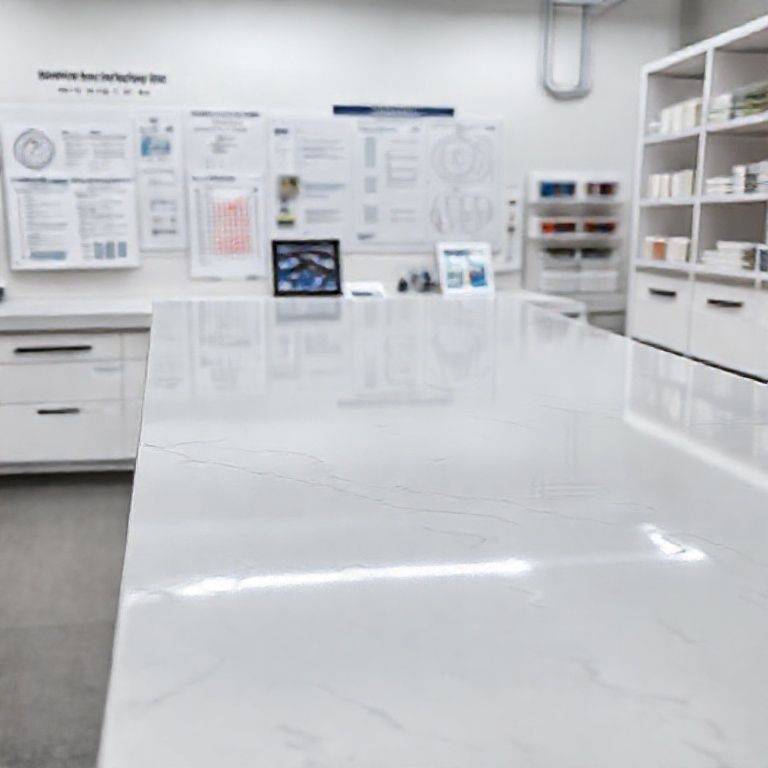
Understanding the Causes of Cracks in Synthetic Stone Countertops
Synthetic stone countertops are known for their resilience; however, they are not invulnerable. Cracks can occur due to various factors, including:
Impact Damage: A heavy object falling onto the surface can cause immediate cracks. Thermal Stress: Rapid temperature changes can lead to cracks in the synthetic stone. Manufacturing Flaws: Although rare, some pieces might have manufacturing imperfections. Improper Installation: Poor installation techniques can weaken the structure of the countertop. Daily Wear and Tear: Routine activities, such as placing hot pots or pans directly on the surface, can cause gradual damage.
Identifying the Crack
Accurately identifying the crack is crucial for an effective repair. Here’s how to determine the extent and nature of the damage:

Visual Inspection: Examine the countertop thoroughly for any visible cracks. Look for jagged lines, chips, or any unusual fissures. Feel for Weak Spots: Gently run your fingers over the surface to detect any soft or weak spots that might indicate hidden cracks. Test with Pressure: Apply light pressure on the suspected area to see if it yields or feels unstable. Check for Leaks: If the countertop is under a sink, check for any water leakage, which might indicate a crack in the synthetic stone.
Preliminary Steps Before Repair
Before you begin the repair process, it’s essential to prepare properly:
Clean the Area: Thoroughly clean the area around the crack with a mild detergent and water. Remove any debris or residue to ensure a clean surface for the repair. Assess the Extent of Damage: Determine if the crack is superficial or if it extends deeply into the material. This will guide your repair strategy. Gather Necessary Tools: Depending on the severity of the crack, you might need tools such as a utility knife, a drill, epoxy resin, or a filling compound. Having the right tools on hand will make the process smoother.
In the next part of this guide, we will dive into the repair techniques for different types of cracks in synthetic stone countertops, providing step-by-step instructions and expert tips to ensure a successful restoration.

Conclusion
Cracks in synthetic stone countertops can be a daunting issue, but with the right knowledge and approach, you can restore your countertop to its former glory. By understanding the causes, accurately identifying the crack, and preparing properly, you set the stage for a successful repair. Stay tuned for part two, where we will explore detailed repair techniques to bring your countertop back to life.
${part2} Welcome back to our detailed guide on fixing a crack in a synthetic stone countertop. In part one, we explored the causes of cracks, how to identify them, and some preliminary steps before repair. Now, let’s dive into the repair techniques for different types of cracks in synthetic stone countertops. Whether your crack is minor or extensive, we’ve got you covered with expert tips and step-by-step instructions to ensure a successful restoration.
Repairing Minor Cracks
For minor cracks, a simple epoxy resin or filling compound can work wonders. Here’s how to proceed:
Mix the Epoxy Resin: Follow the manufacturer’s instructions to mix the epoxy resin. Typically, you will need a two-part resin: a resin and a hardener. Prepare the Crack: Clean the crack thoroughly to remove any dust or debris. Use a utility knife to widen the crack slightly, which will help the resin adhere better. Apply the Epoxy Resin: Using a small applicator or a brush, apply the epoxy resin into the crack. Ensure that the resin fills the crack completely. Smooth the Surface: Once the epoxy has been applied, use a clean cloth or a spatula to smooth the surface of the resin, ensuring an even finish. Cure the Resin: Allow the resin to cure according to the manufacturer’s instructions, which usually involves letting it sit for several hours or overnight.

Repairing Deeper Cracks
For deeper or more extensive cracks, a more robust approach is required. Here’s what you need to do:
Drill Out the Crack: Using a small drill bit, carefully drill out the crack to remove any loose material and create a clean edge. This will ensure that the repair material adheres properly. Prepare the Surface: Clean the area thoroughly again to remove any dust or debris. You might want to use a vacuum with a brush attachment to ensure the area is free of particles. Apply a Filling Compound: For deeper cracks, a filling compound or a polyester resin might be more appropriate. Mix the compound according to the manufacturer’s instructions. Fill the Crack: Using a spatula or a small applicator, fill the crack with the compound. Ensure that it fills the crack completely and extends slightly beyond the edges. Smooth the Surface: Once the compound is applied, smooth it out with a spatula or a cloth to create a seamless surface. Cure the Compound: Allow the compound to cure completely. This might take several hours, depending on the product used.
Specialized Repair Techniques
In some cases, professional repair techniques are necessary. Here’s what to consider:
Professional Epoxy Repair Kits: For more severe cracks, consider using a professional-grade epoxy repair kit. These kits are specifically designed for synthetic stone and provide a more durable repair. Laminate Patching: In cases where the crack is extensive and affects the structural integrity, a laminate patch might be required. This involves cutting out a section of the countertop and replacing it with a new piece of synthetic stone. Consult a Professional: If you’re unsure about the repair process or the extent of the damage, it’s always best to consult a professional. They have the expertise and tools to ensure a flawless repair.
Maintaining Your Synthetic Stone Countertop
Preventing future cracks is always better than repairing them. Here are some maintenance tips to keep your synthetic stone countertop in top condition:
Use Protective Pads: Always place hot pots and pans on protective pads to prevent direct heat from causing cracks. Avoid Sharp Objects: Do not use sharp objects to scratch the surface, as this can cause chips and cracks. Regular Cleaning: Clean the countertop regularly with a mild detergent and water. Avoid harsh chemicals that can damage the surface. Inspect Regularly: Regularly inspect your countertop for any signs of damage. Early detection can prevent small cracks from becoming larger issues.
Conclusion
Fixing a crack in a synthetic stone countertop doesn’t have to be a daunting task. With the right tools, techniques, and a bit of patience, you can restore your countertop to its pristine condition. Whether you opt for a simple epoxy repair or a more extensive filling compound, following the steps outlined in this guide will ensure a successful restoration. Remember, regular maintenance is key to preventing future damage and keeping your countertop looking great for years to come.
Thank you for joining us in this comprehensive guide. If you found this information helpful, don’t forget to share it with friends and family who might benefit from it. Stay tuned for more expert tips and guides on home improvement and countertop repair.