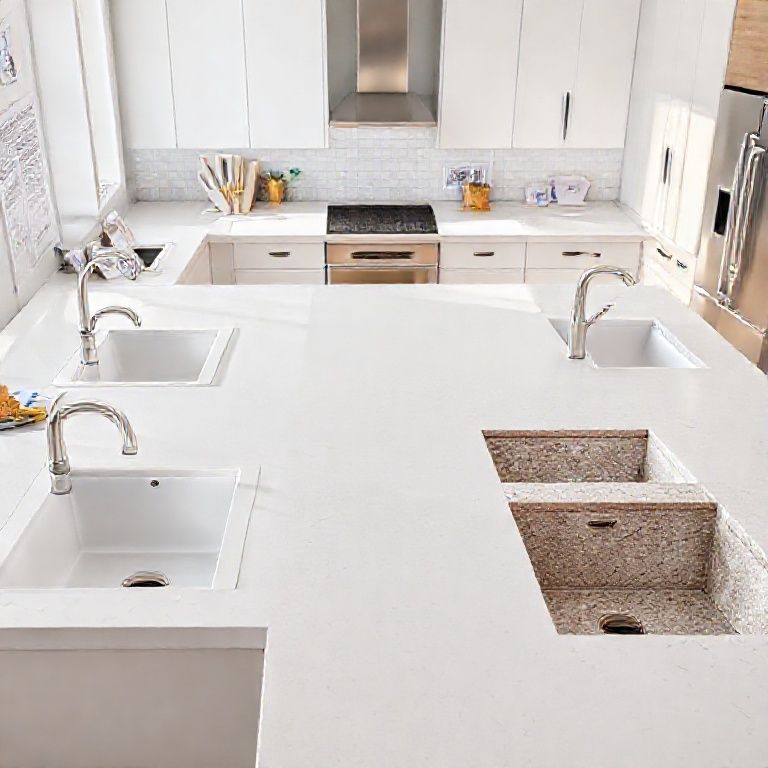
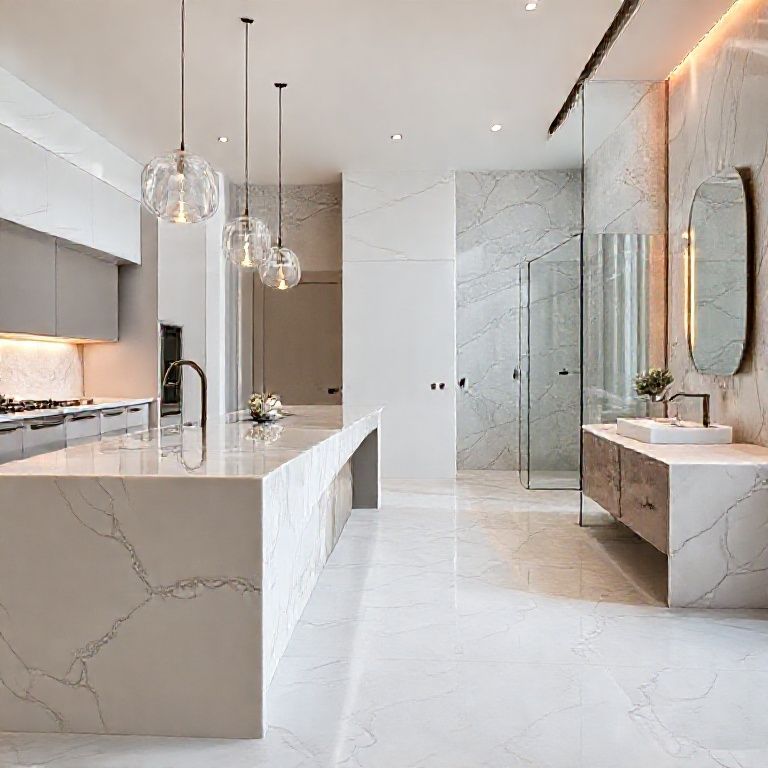
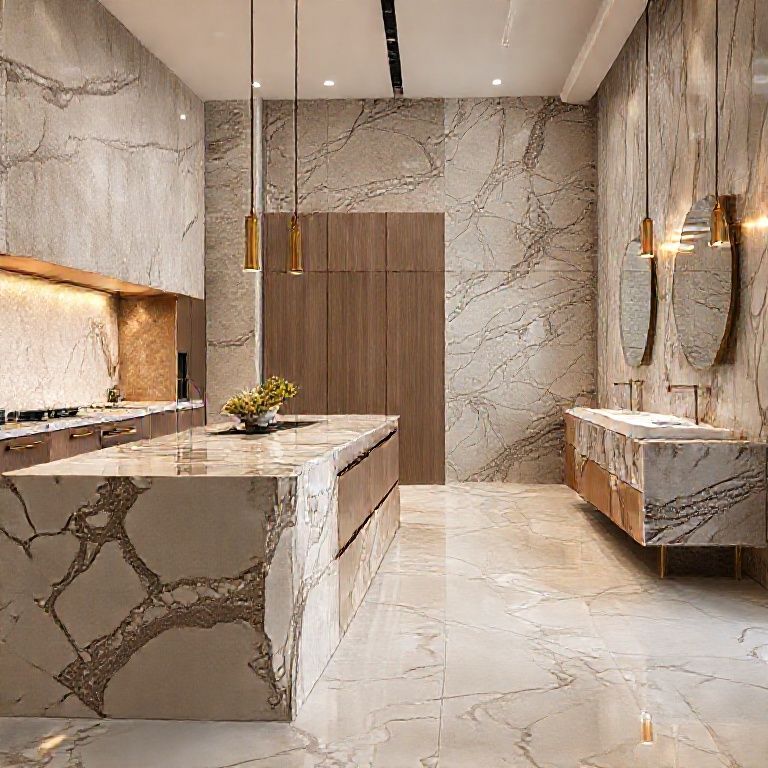
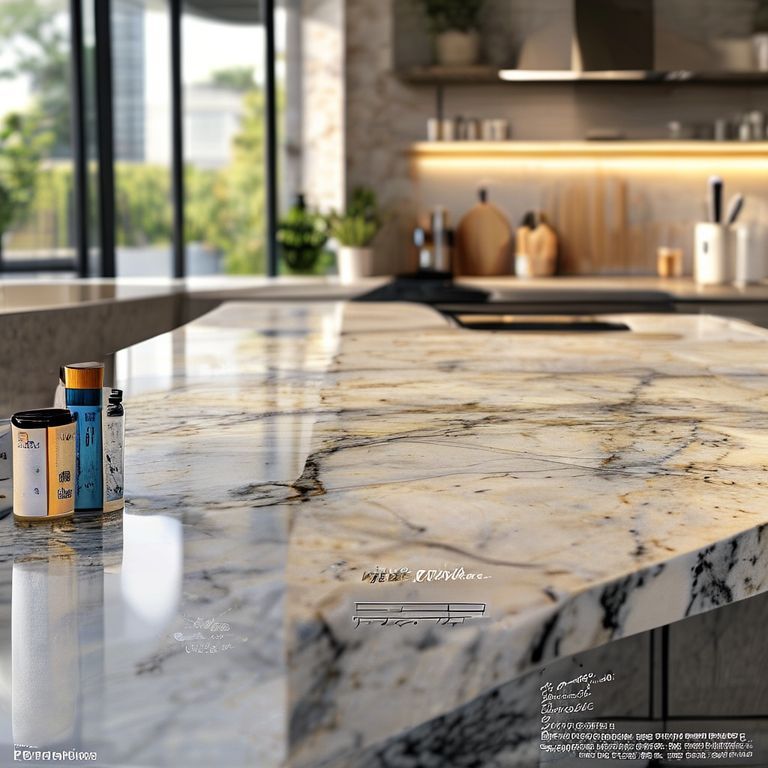
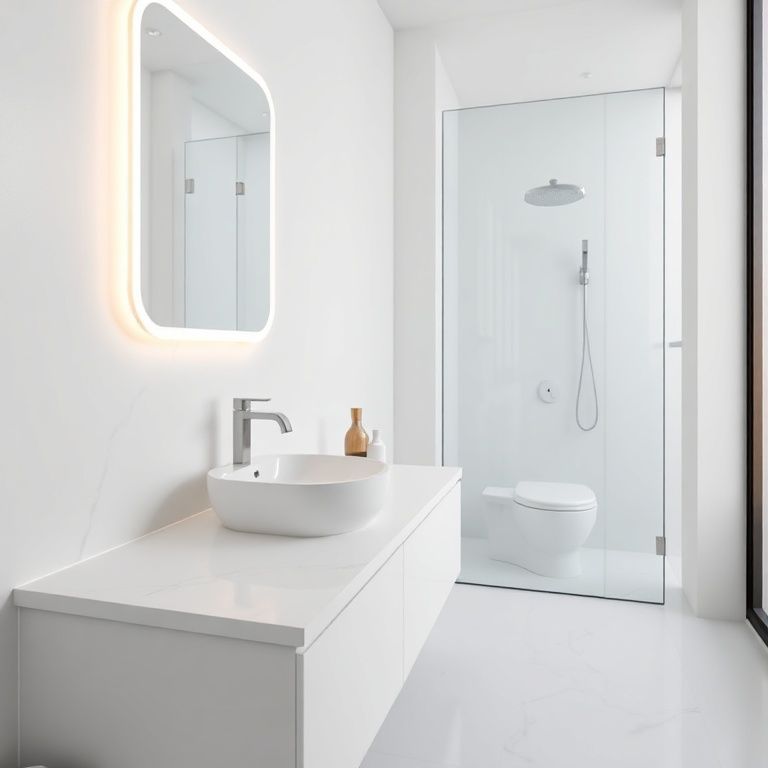
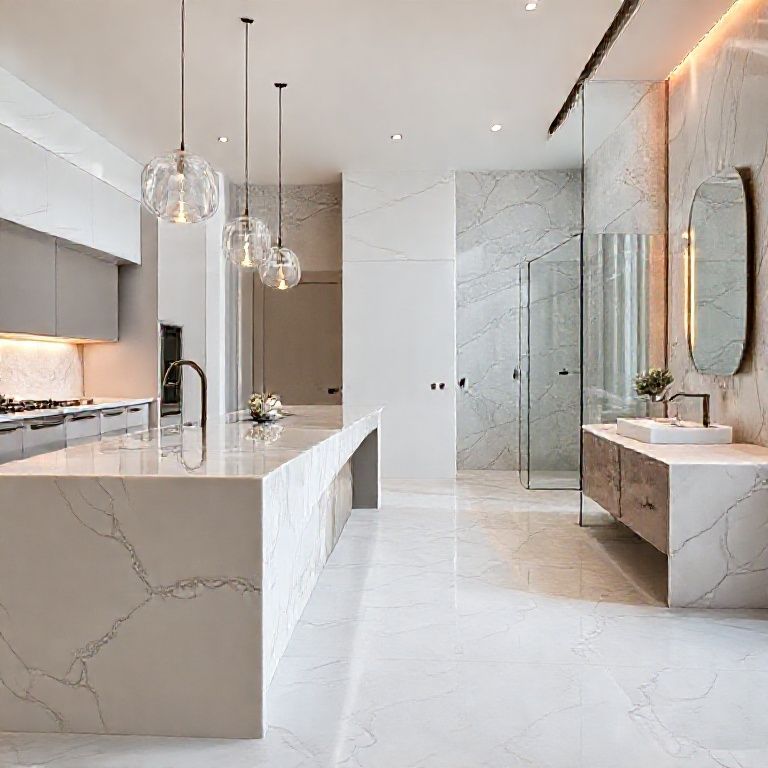
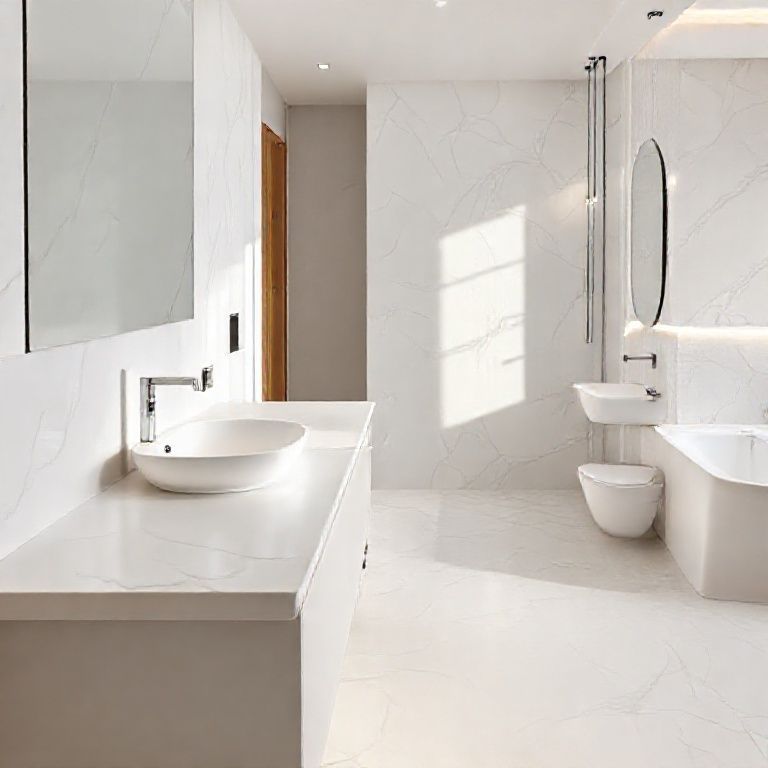
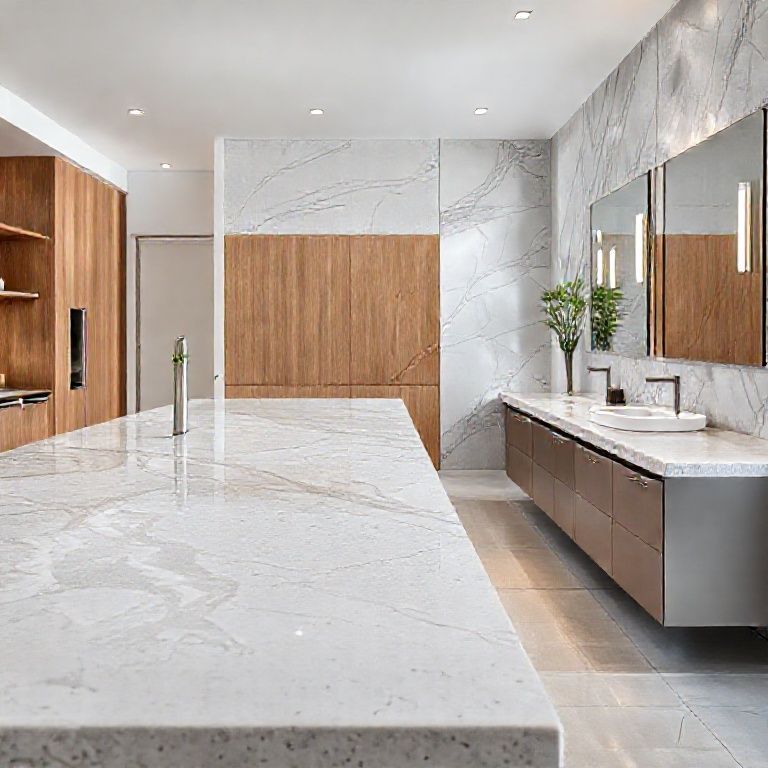
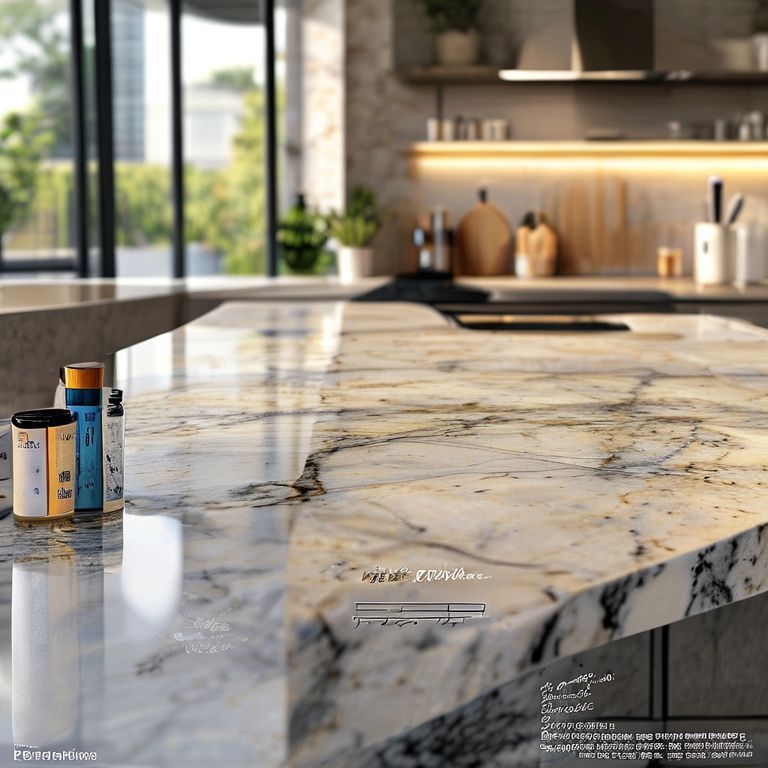
The kitchen is no longer just a utility room where meals are prepared in haste; it has evolved into the social epicenter of the modern home. It is the stage for morning espressos, the laboratory for experimental Sunday roasts, and the sanctuary for late-night heart-to-hearts. When you’re designing a space that carries so much emotional and functional weight, every detail matters. Among these details, the countertop stands as the most prominent feature—both a workhorse and a centerpiece. If you’ve been browsing stone yards or scrolling through design portfolios lately, you’ve likely encountered the industry’s most persistent debate: Quartz 1.5 vs. Quartz 2.0.

To the uninitiated, the difference between 1.5 centimeters and 2.0 centimeters might seem negligible—a mere five millimeters. However, in the world of high-end interior design and structural integrity, those five millimeters represent a world of difference in terms of visual weight, installation requirements, and long-term resilience. If you are standing at the crossroads of a kitchen renovation, wondering which path to take, it’s time to peel back the layers of these two standards and see which one truly aligns with your vision.
Let’s start with the “1.5” standard. For years, the 1.5cm quartz slab was the undisputed king of the market, particularly in urban apartments and modern minimalist builds. Why? Because it embodies a certain “sleekness” that defines contemporary aesthetics. A 1.5cm slab offers a low-profile, lean look that integrates seamlessly with handleless cabinets and ultra-modern fixtures. It feels light, airy, and unobtrusive. From a practical standpoint, 1.5cm quartz is significantly lighter than its thicker counterpart. This makes transportation and installation less labor-intensive, which often translates to a more palatable price tag for the budget-conscious homeowner.
However, “thinner” doesn’t necessarily mean “weaker” in the context of high-quality engineered stone, but it does mean your support system needs to be impeccable. When you opt for 1.5cm, you are often looking at a countertop that requires a plywood sub-top or a very specific cabinet frame to ensure it doesn’t crack under localized pressure or during a particularly vigorous session with a meat mallet. The 1.5cm option is the choice of the pragmatist who loves a crisp, clean line and wants to allocate more of their budget toward high-end appliances or custom cabinetry. It’s the “slim-fit suit” of the kitchen world—stylish, sharp, and perfectly adequate for daily wear, provided you don’t push it to its absolute physical limits.
Then, we have the “2.0” standard. In the luxury segment of the market, 2.0cm quartz has become the gold standard. There is an undeniable sense of “heft” and “permanence” that comes with a 2cm slab. When you walk into a kitchen featuring 2.0cm quartz, your eyes immediately register a sense of luxury. It looks substantial. It looks expensive. It feels like a piece of architecture rather than just a covering for a cabinet.
The beauty of 2.0cm quartz lies in its “naked” strength. Because of its inherent thickness, it rarely requires the additional plywood support that a 1.5cm slab might need. This allows for a cleaner look when you open your drawers or look under the overhang of an island. Speaking of overhangs, 2.0cm is the superior choice for those dreaming of a breakfast bar or a waterfall edge. Its structural integrity allows for larger spans without the need for unsightly brackets or supports. If you’re the type of host who envisions friends leaning against the island for hours or kids doing their homework on the counter, the 2.0cm slab offers a peace of mind that is hard to quantify.
Beyond the structural, there is the tactile experience. There is a specific acoustic quality to 2.0cm quartz. When you set down a heavy ceramic mug or a cast-iron skillet, the sound is a dull, solid “thud” rather than a hollow “clink.” This subtle sensory detail contributes to the overall “expensive” feel of a home. It’s about the vibration of the room and the confidence you have when you’re working on the surface. For many, the choice between 1.5 and 2.0 isn’t just about the math; it’s about the “vibe” of the home. Are you building a light, agile space, or are you building a fortress of culinary creativity?
In the current market, the “2.0” is winning hearts not just for its durability, but for the design flexibility it affords. With a 2cm base, edge profiling becomes an art form. You can achieve deep bullnose edges, intricate Roman ogees, or a simple, bold mitered edge that makes the countertop look like a six-inch thick block of solid stone. While you can certainly miter the edges of a 1.5cm slab to make it look thicker, there is a limit to how much “faking” you can do before the proportions look off. With 2.0, you are starting from a place of strength.
As we dive deeper into the technical and logistical nuances, the 2.0cm vs. 1.5cm debate moves from the showroom floor into the heart of the home’s mechanical soul. One of the most overlooked aspects of choosing your quartz thickness is how it interacts with your sink and cooktop installations. In a 2.0cm world, under-mount sinks sit with a more profound, more secure lip. The extra thickness provides more “meat” for the mounting hardware to bite into, ensuring that your heavy granite-composite sink or cast-iron basin stays exactly where it belongs for the next twenty years.
Furthermore, consider the thermal mass. While quartz is an engineered product consisting of roughly 90-94% natural quartz aggregates bound with resins, it still behaves according to the laws of physics. A 2.0cm slab has a higher thermal mass than a 1.5cm slab. This means it is slightly more forgiving when it comes to the occasional accidental placement of a warm (not scorching) pot. While you should always use a trivet regardless of thickness, the 2.0cm slab dissipates heat differently, offering a slim extra margin of safety against thermal shock—the phenomenon where rapid temperature changes cause the stone to crack.
Let’s talk about the “Investment Perspective.” If you view your home as a financial asset—which most of us do—you have to look at what future buyers are looking for. In the current real estate climate, “thick stone” is a keyword that triggers a higher valuation. Buyers are savvy; they can tell the difference between a builder-grade 1.5cm top and a premium 2.0cm installation. The 2.0cm slab signals that no corners were cut during the renovation. It suggests a level of quality that permeates the rest of the house. If you are planning to live in your home for a decade or more, the cost difference—which, when spread over ten years, is negligible—becomes a non-factor compared to the daily joy and eventual resale value the 2.0cm slab provides.
However, it would be a mistake to dismiss the 1.5cm option entirely. There are specific scenarios where the 1.5cm slab is actually the superior choice. If you are renovating an older home with original cabinetry that might not be structurally reinforced to handle the immense weight of 2.0cm quartz (which can weigh significantly more per square foot), the 1.5cm option is a lifesaver. It allows you to upgrade your aesthetics without having to tear out and replace perfectly good cabinet boxes. Similarly, in vertical applications—such as a full-height backsplashes or wall cladding—1.5cm is often preferred. It’s easier to mount on a wall, puts less stress on the studs, and takes up less depth, leaving more room for your faucets and countertop appliances.
The “Perfect Middle Ground” often comes down to the edge treatment. Many designers will use 1.5cm slabs for the main runs of the kitchen but then use a mitered edge to give the appearance of a 4cm or 6cm thick surface on the central island. This is a clever way to manage weight and cost while still achieving that high-end “chunky” look where it matters most. But even in this scenario, starting with a 2.0cm slab makes the fabrication process cleaner and the finished product more robust.
When we look at the global trend, the shift toward 2.0cm (and even 3.0cm in North American markets) is undeniable. People are moving away from the “disposable” culture of the past decades. They want materials that feel like they will outlast the mortgage. They want surfaces that can handle a dropped wine bottle, a heavy grocery bag, and the general chaos of a busy family life without flinching. Quartz 2.0 is the physical embodiment of that desire for longevity. It is the “buy once, cry once” philosophy in action. You pay a bit more upfront, you navigate a slightly more complex installation, but you never have to think about your countertops again.
So, which one is better? If you are looking for the absolute peak of durability, the most prestigious aesthetic, and the greatest flexibility in edge design, Quartz 2.0 is the winner. It is the choice for the “forever home.” It is the choice for the gourmet kitchen. It is the choice for anyone who values the tactile sensation of solid, unyielding quality.
On the other hand, if you are working within a strict budget, or if you are designing a high-concept, ultra-slim minimalist space where every line must be as thin as possible, Quartz 1.5 is a fantastic, high-performing material that will serve you well. It is particularly effective in bathrooms, laundry rooms, or as a wall feature where the sheer weight of 2.0 might be overkill.
In the end, your kitchen is a reflection of your personal narrative. Do you want a space that feels light and nimble, or one that feels grounded and monumental? The 0.5cm difference is small on a ruler, but in the context of your daily life, it’s the difference between a surface that just “works” and a surface that “inspires.” Take a moment to visit a stone yard, run your hands over both thicknesses, and listen to the sound they make. Your hands will usually tell you what your heart already knows. Whether you choose the sleek 1.5 or the robust 2.0, choosing quartz is already a step toward a more beautiful, functional home. Now, go forth and build the kitchen you deserve.