Understanding Quartz Countertops and Slabs
When it comes to kitchen countertops, quartz is one of the most popular choices among homeowners and designers alike. Known for its durability, low maintenance, and aesthetic versatility, quartz has become a top contender in the world of kitchen renovations. Here’s a detailed guide to help you understand the different aspects of selecting the perfect quartz countertop and slab for your kitchen.
1. The Basics of Quartz Countertops
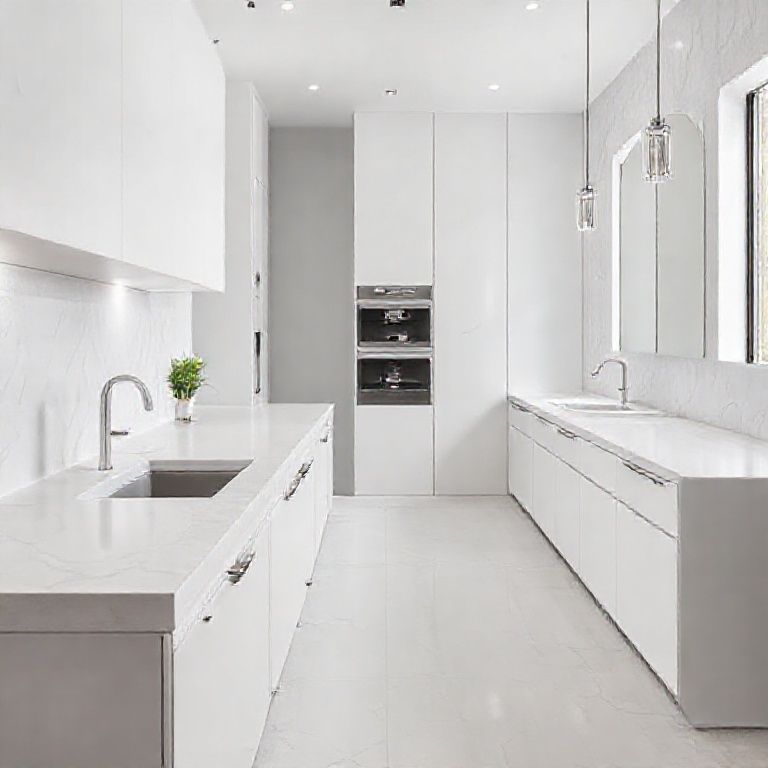
Quartz is a composite material made from 90% natural quartz aggregate and 10% resin. This unique composition offers several benefits that make it an excellent choice for kitchen countertops:
Durability: Quartz is highly resistant to scratches, stains, and heat, making it a long-lasting option. It can withstand high temperatures without warping or cracking, which is ideal for a kitchen environment where pans and pots are frequently used. Low Maintenance: Unlike granite, which requires sealing every few months, quartz does not need frequent maintenance. A simple wipe-down with a damp cloth and a mild soap is usually sufficient to keep it looking pristine. Aesthetic Versatility: Quartz is available in a vast array of colors and patterns, allowing for a wide range of design possibilities. From sleek, modern designs to classic, natural stone looks, quartz can complement any kitchen style.
2. Types of Quartz Countertops
There are several types of quartz countertops available, each with its unique features and benefits:
Solid Surface Quartz: This is the most common type of quartz countertop. It is made by mixing natural quartz with resin and then molding it into the desired shape. Solid surface quartz offers a seamless, uninterrupted surface that is perfect for any kitchen design. Pre-Formed Quartz Slabs: These are large, pre-cut slabs of quartz that are installed directly onto the countertop surface. They are often used for island or peninsula installations and provide a unique, one-piece look. Quartz Veneers: Thin slices of quartz that are applied to an existing countertop surface. This option is ideal for those who want to update an old countertop without a complete replacement.
3. Choosing the Right Color and Pattern
Selecting the right color and pattern for your quartz countertop is crucial for achieving the desired aesthetic in your kitchen. Here are some tips to help you make the best choice:
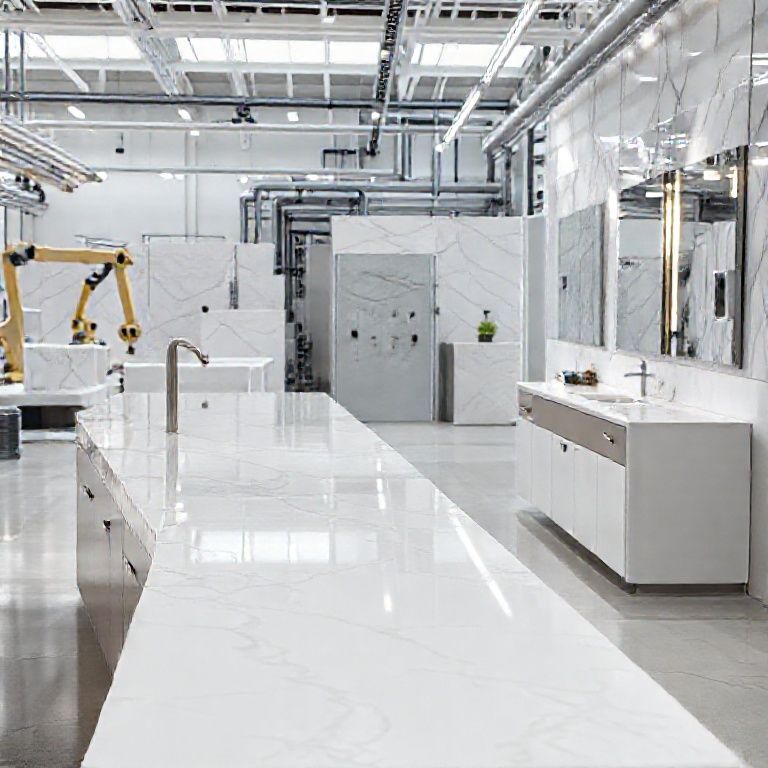
Color Palette: Consider the colors that complement your kitchen’s existing decor. Lighter colors can make a kitchen feel larger and more open, while darker colors can add warmth and depth. Pattern Options: Quartz comes in a variety of patterns, from natural stone looks to modern, abstract designs. Choose a pattern that aligns with your kitchen style and complements other elements like cabinetry, backsplash, and flooring. Custom Colors: For a truly unique look, consider custom colors or patterns. Many quartz manufacturers offer custom formulations that can be designed to match specific color schemes or artistic designs.
4. Installation Considerations
Proper installation is key to ensuring the longevity and performance of your quartz countertop. Here are some important considerations for installation:
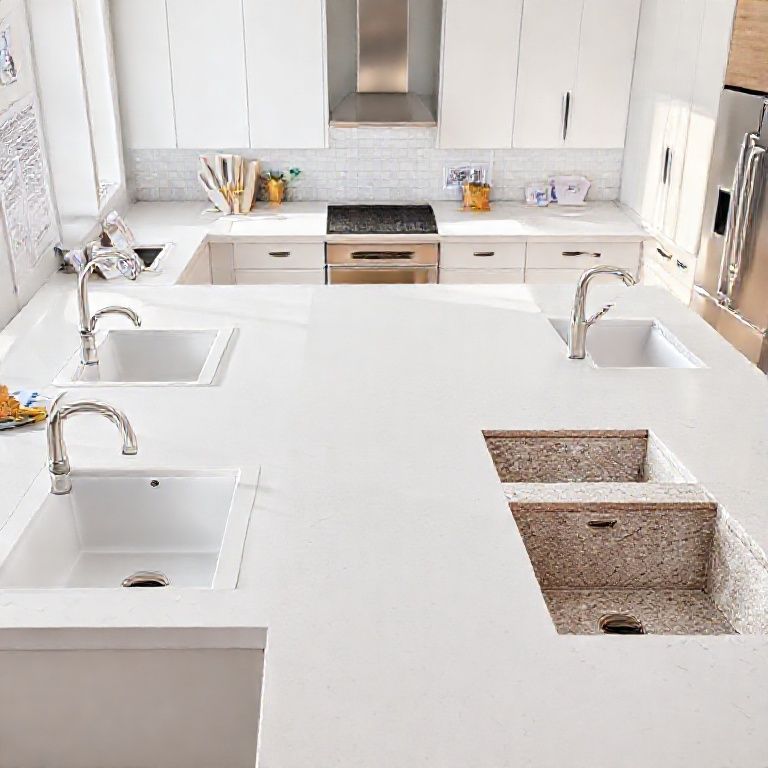
Professional Installation: While DIY installation is an option, it’s highly recommended to hire a professional installer. This ensures that the countertop is installed correctly and can help avoid costly mistakes. Underlayment: Use a high-quality underlayment to provide a stable base for the quartz countertop. This can help prevent issues like warping and shifting over time. Sealing: Although quartz does not require frequent sealing, it’s a good idea to apply a clear sealant during installation to provide an extra layer of protection against stains and scratches.
5. Budgeting for Quartz Countertops
When budgeting for a quartz countertop, it’s important to consider several factors that can affect the overall cost:
Material Cost: The cost of quartz can vary based on the type, color, and pattern. Custom colors and unique patterns can significantly increase the cost. Installation Cost: Professional installation can add to the overall cost, but it is often worth it for the quality and durability of the finished product. Labor Costs: If you’re installing the countertop yourself, factor in the time and effort required for preparation, installation, and cleanup.
Making the Final Decision
Selecting the perfect quartz countertop and slab for your kitchen is a significant decision that can impact the overall look and feel of your space. Here’s how to finalize your choice and ensure a successful kitchen renovation.
1. Evaluating Your Kitchen Design
When choosing a quartz countertop, it’s important to consider how it will fit into your kitchen design. Here are some key factors to evaluate:
Kitchen Style: Whether you have a modern, traditional, or eclectic kitchen, choose a quartz countertop that complements the overall style. Consider the materials and finishes used in your cabinets, backsplash, and flooring. Lighting: The way light interacts with your quartz countertop can affect its appearance. Natural light and artificial lighting can highlight different aspects of the countertop, so consider how your kitchen is lit when making your choice. Space Functionality: Think about the functionality of your kitchen. If you have a large island or a peninsula, a pre-formed slab might be the best option. For smaller spaces, solid surface quartz might offer more flexibility in design.
2. Assessing Long-Term Value
While the upfront cost of quartz countertops is often higher than other materials, the long-term value is undeniable. Here’s why:
Durability: Quartz’s resistance to scratches, stains, and heat means it will retain its appearance and functionality for many years. This makes it a wise investment for a kitchen that will be used for decades. Low Maintenance: The low maintenance required for quartz means that you won’t need to spend significant time or money on upkeep. This is a significant advantage in a busy kitchen environment. Resale Value: Homes with high-quality, durable quartz countertops often have higher resale values. The longevity and aesthetic appeal of quartz can make your kitchen a standout feature for potential buyers.
3. Customization Options
One of the greatest advantages of quartz is the ability to customize it to fit your specific needs and preferences. Here are some ways to customize your quartz countertop:
Custom Colors: Work with your countertop manufacturer to create custom colors that match your kitchen’s exact color scheme. This can provide a unique and personalized look that stands out. Custom Patterns: Whether you want a specific natural stone look or an abstract design, custom patterns can be created to fit your vision. This allows for a truly one-of-a-kind countertop. Edge Finishes: Choose from a variety of edge finishes, such as beveled, bullnose, or chamfered, to complement your kitchen design and enhance the overall aesthetic.
4. Finalizing Your Choice
Once you’ve considered all the factors, it’s time to finalize your choice. Here are some steps to ensure a smooth process:
Consult with Professionals: Work with a professional countertop installer or a design consultant who can provide expert advice and help you make the best choice. Request Samples: Before making a final decision, request samples of the quartz countertop you’re considering. This will give you a better sense of the color, pattern, and texture. Compare Options: Compare different options side by side to see how they look in your kitchen. This can help you make a more informed decision.
5. Maintenance Tips
To keep your quartz countertop looking its best, follow these maintenance tips:
Regular Cleaning: Wipe down your quartz countertop with a damp cloth and mild soap regularly to remove dirt and spills. Avoid Abrasive Cleaners: Use non-abrasive cleaners to avoid scratching the surface of the quartz. Immediate Spill Management: Address spills immediately to prevent stains and damage. For acidic spills, use a mild, non-abrasive cleaner to neutralize the substance. Professional Cleaning: Occasionally, hire a professional to deep clean your quartz countertop to ensure it remains pristine.
Conclusion
Choosing the perfect quartz countertop and slab for your kitchen involves careful consideration of various factors, including durability, aesthetics, functionality, and budget. By understanding the different types of quartz, evaluating your kitchen design, and assessing long-term value, you can make an informed decision that enhances your kitchen’s beauty and performance for years to come. With customization options and professional installation, quartz offers a versatile and durable solution for any kitchen renovation project.