Engineered Marble vs. Natural Marble: An Exquisite Exploration
When it comes to selecting materials for your home or commercial space, the choice between engineered marble and natural marble can be daunting. Both materials boast a timeless elegance and an array of aesthetic possibilities, yet they offer different qualities and advantages. In this first part of our deep dive, we will explore the fundamental characteristics, composition, and unique benefits of engineered marble, setting the stage for a detailed comparison in the subsequent section.

Understanding Engineered Marble
Engineered marble is a composite material created by bonding a layer of marble slurry to the surface of a plywood or other substrate. This process results in a stone that retains the visual appeal of natural marble while offering enhanced durability and flexibility. Engineered marble is typically manufactured in factories, where precise control over the quality and uniformity of the final product can be achieved.
Key Features of Engineered Marble:
Durability and Strength: Engineered marble is known for its exceptional strength. The process of layering marble slurry over a sturdy substrate enhances its resistance to scratches, chips, and dents, making it a suitable choice for high-traffic areas.
Water Resistance: One of the most significant advantages of engineered marble is its superior water resistance. Unlike natural marble, which can absorb water and develop stains, engineered marble is treated to repel water, ensuring longevity and ease of maintenance.
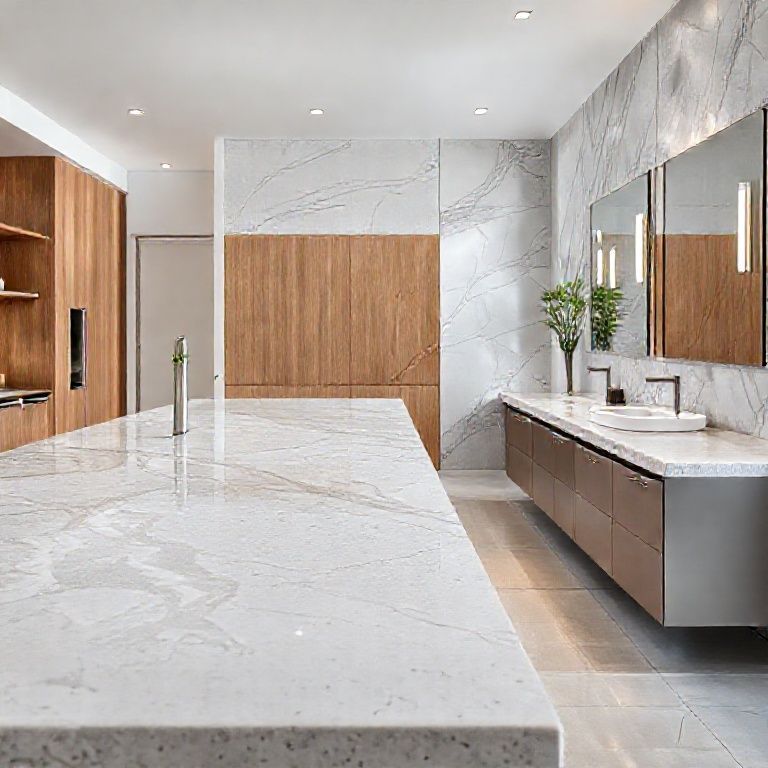
Customization: The manufacturing process allows for a high degree of customization. From color and pattern to thickness and size, engineered marble can be tailored to meet specific design requirements, making it a versatile option for various applications.
Cost-Effectiveness: Engineered marble offers a cost-effective alternative to natural marble. Its durability and resistance to damage reduce the need for frequent replacement, providing long-term savings for homeowners and businesses.
Installation Flexibility: Engineered marble slabs can be easily cut and shaped to fit any space. Its lightweight nature simplifies installation, often requiring less specialized tools and labor.
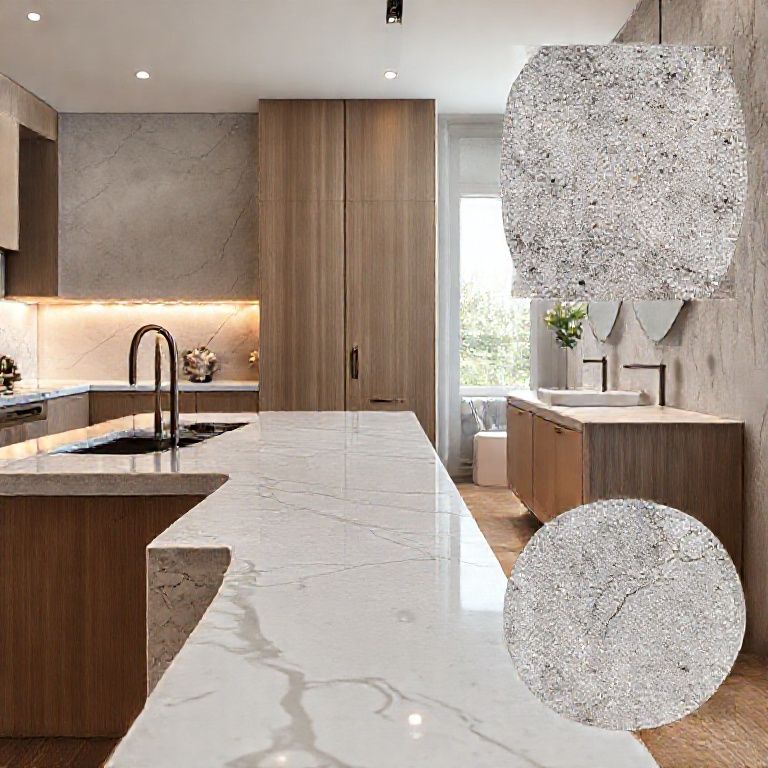
The Natural Beauty of Natural Marble
In contrast, natural marble is a true geological marvel. Formed over millions of years, natural marble is a metamorphic rock that has undergone significant geological processes. Its unique beauty lies in its natural veining, coloration, and texture, which make each piece one-of-a-kind.
Key Features of Natural Marble:
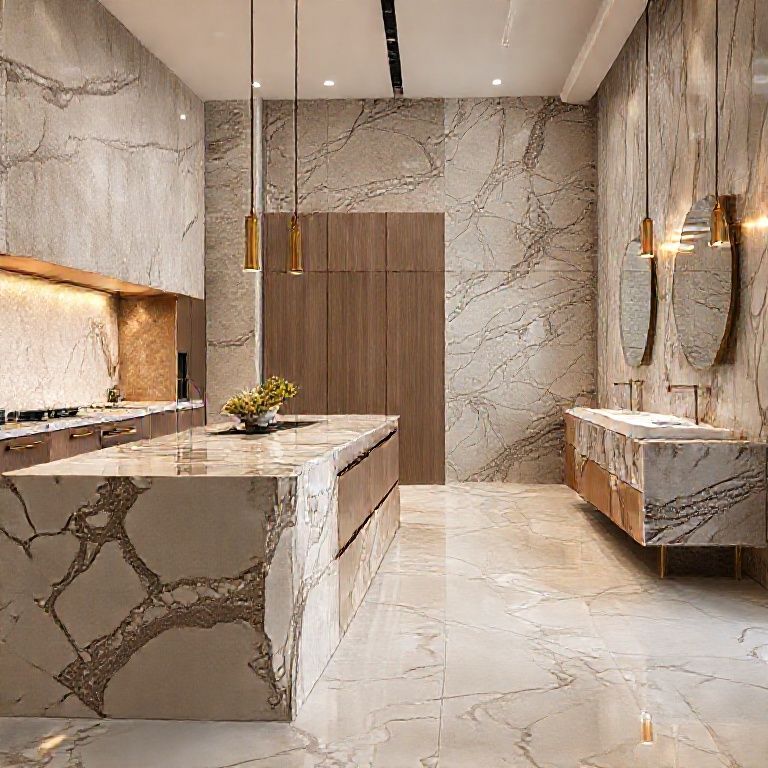
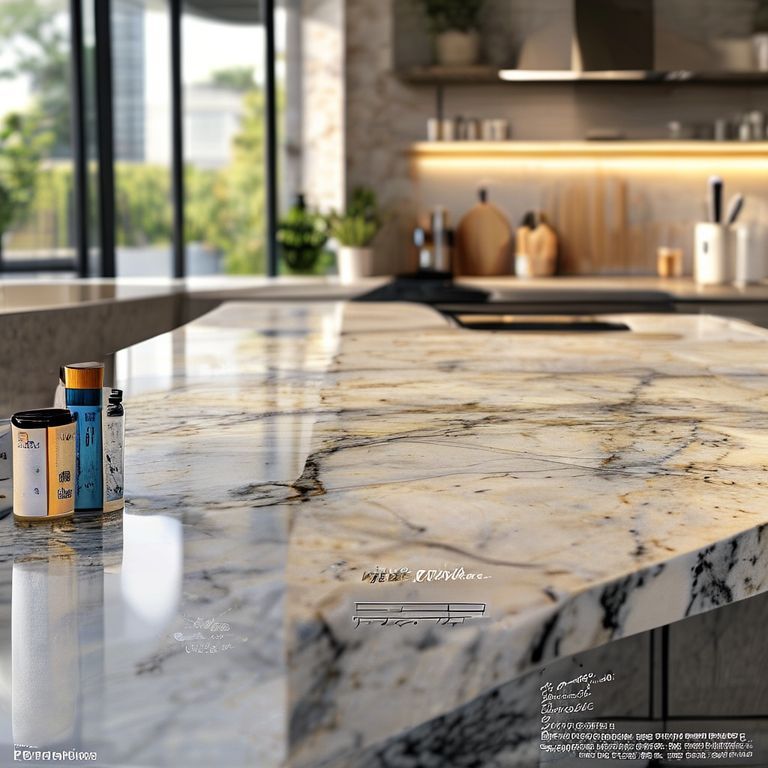
Unparalleled Aesthetic Appeal: The natural veining and unique patterns of natural marble create a breathtaking visual experience. Each slab is distinct, offering a sense of authenticity and luxury that engineered alternatives often cannot match.
Timeless Elegance: Natural marble has been a staple in architecture and interior design for centuries. Its timeless elegance is why it continues to be a favorite for high-end projects and historic renovations.
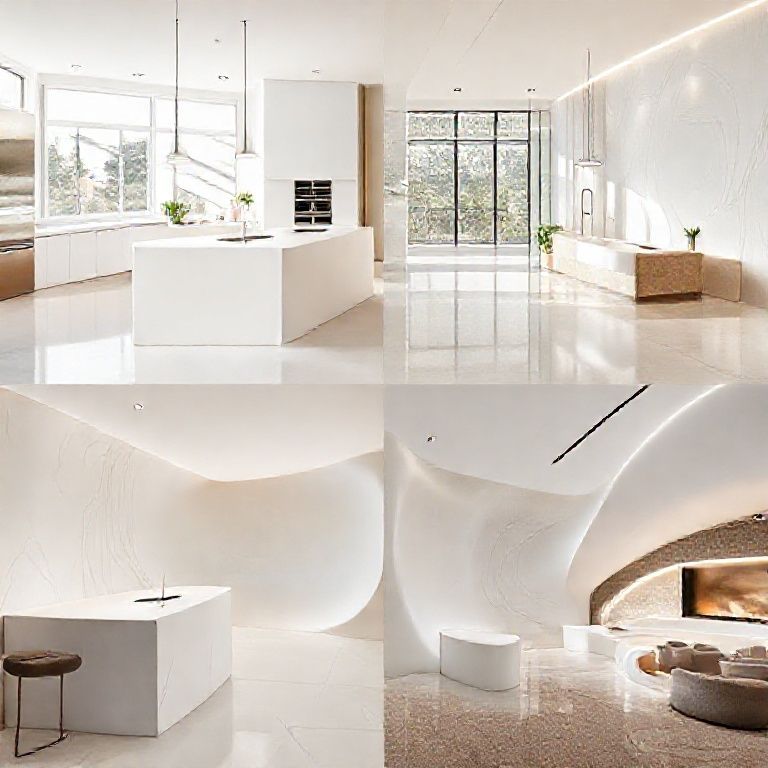
Rich History and Tradition: Natural marble is deeply rooted in history, often used in iconic structures and monuments around the world. Its use in classical architecture reflects a commitment to tradition and heritage.
Durability and Resilience: While natural marble can be prone to staining and etching, high-quality natural marble often possesses impressive durability. When properly maintained, it can withstand significant wear and tear.
Maintenance: Although natural marble requires careful maintenance to preserve its beauty, it offers a unique opportunity to showcase your dedication to preserving natural beauty. Regular cleaning and sealing can help maintain its pristine appearance.
Conclusion of Part 1
In the world of marble, engineered and natural varieties each bring their unique strengths to the table. Engineered marble offers unmatched durability, customization, and cost-effectiveness, making it an ideal choice for modern applications. Meanwhile, natural marble’s unparalleled aesthetic appeal and rich history make it a timeless choice for those who value authenticity and tradition. Understanding these differences allows you to make informed decisions based on your specific needs and preferences.
The Subtle Nuances: Engineered Marble vs. Natural Marble
Having delved into the fundamental characteristics and key features of both engineered and natural marble, we now turn our attention to the subtle nuances that further distinguish these two materials. This second part will explore the intricate details that affect their usage, maintenance, and impact on your living spaces, providing a comprehensive understanding to help you make the best choice for your project.
Usage and Application
Engineered Marble:
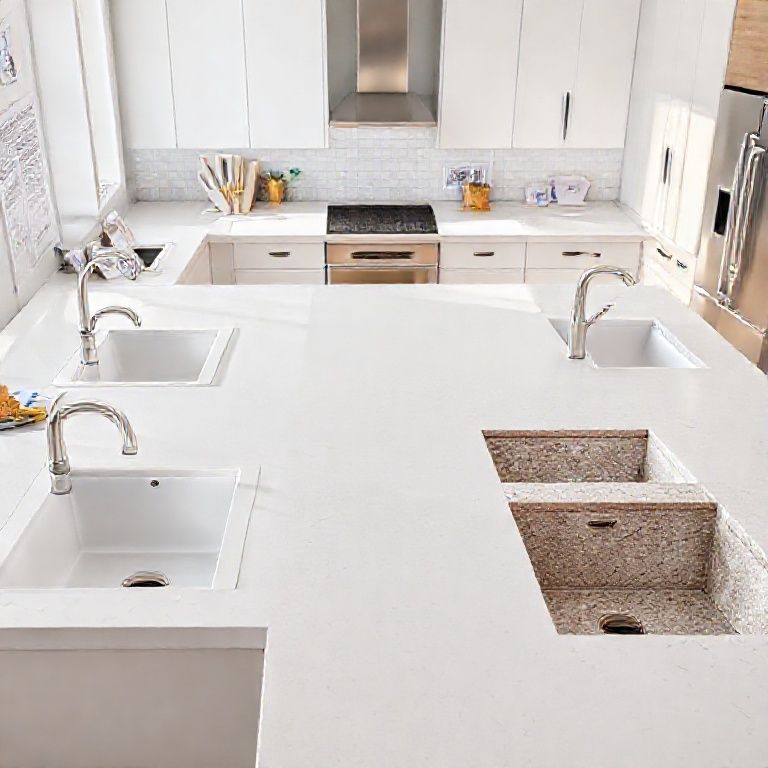
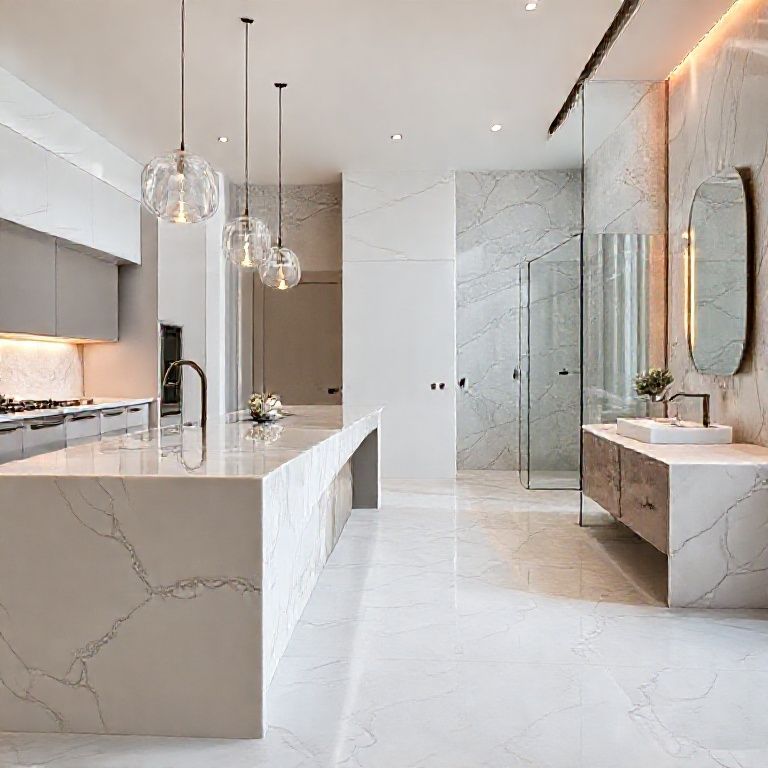
Countertops: Engineered marble is a popular choice for kitchen and bathroom countertops. Its durability and resistance to water make it an excellent option for areas where spills and moisture are common.
Flooring: While natural marble is often used for flooring, engineered marble offers a cost-effective alternative that can withstand the rigors of daily use without compromising on style.
Backsplashes: The versatility of engineered marble makes it ideal for backsplashes, where its resistance to stains and scratches ensures long-lasting beauty.
Decorative Elements: Engineered marble can be used in various decorative elements, such as tabletops, vanities, and wall cladding, offering a luxurious touch without the high cost of natural marble.
Natural Marble:
Flooring: Natural marble is frequently used for flooring due to its classic beauty and durability. High-quality natural marble can withstand significant foot traffic while maintaining its elegant appearance.
Wall Cladding: The unique patterns and colors of natural marble make it an excellent choice for wall cladding, adding a touch of sophistication and timeless elegance to interior spaces.
Sculptures and Monuments: Natural marble’s historical significance and aesthetic appeal make it a preferred material for sculptures, monuments, and other artistic endeavors.
Architectural Features: Natural marble is often used in architectural features such as columns, arches, and facades, where its natural beauty and durability complement the grandeur of the structure.
Maintenance and Care
Engineered Marble:
Low Maintenance: One of the primary advantages of engineered marble is its low maintenance requirements. Its water-resistant properties mean that it can withstand spills and stains without significant damage, reducing the need for frequent cleaning and sealing.
Sealing: While engineered marble is generally low maintenance, it still benefits from occasional sealing to maintain its appearance and protect against scratches and stains. The frequency of sealing depends on the level of usage and exposure to harsh chemicals.
Cleaning: Regular cleaning with mild soap and water is sufficient for maintaining engineered marble. Avoiding abrasive cleaners and harsh chemicals helps preserve its surface and color.
Natural Marble:
High Maintenance: Natural marble requires more careful maintenance to preserve its beauty and longevity. Regular cleaning with mild soap and water is essential to prevent stains and etching.
Sealing: To protect natural marble from water damage, staining, and etching, it is often sealed with specialized marble protectors. Regular sealing is recommended, especially for high-traffic areas, to maintain its appearance and prevent deterioration.
Polishing: Periodic polishing can help restore the natural luster of natural marble, ensuring it remains vibrant and attractive over time.
Environmental and Ethical Considerations
Engineered Marble:
Sustainability: Engineered marble is considered a more sustainable option compared to natural marble. Its manufacturing process does not involve the extensive geological processes and time required to form natural marble. Additionally, it can be produced using recycled materials, reducing environmental impact.
Ethical Production: The production of engineered marble typically involves fewer ethical concerns compared to the extraction of natural marble. Its manufacturing process does not involve the same level of environmental disruption and resource depletion associated with natural marble quarrying.
Natural Marble:
Environmental Impact: The extraction of natural marble has significant environmental implications, including habitat disruption, water consumption, and the release of dust and other pollutants. Sustainable quarrying practices are essential to minimize these impacts.
Ethical Sourcing: Ensuring the ethical sourcing of natural marble involves supporting responsible quarrying practices and avoiding materials from sources with poor labor practices. Consumers can seek certifications and labels that indicate responsible sourcing.
Conclusion of Part 2
The subtle nuances between engineered and natural marble extend beyond their basic characteristics, affecting their usage, maintenance, and environmental impact. Engineered marble’s durability, low maintenance, and sustainability make it a practical choice for modern applications. In contrast, natural marble’s unique beauty, rich history, and timeless elegance offer an unparalleled aesthetic experience, albeit with higher maintenance requirements and environmental considerations.
By understanding these intricate details, you can make an informed decision that aligns with your design goals, budget, and values. Whether you choose the durability and versatility of engineered marble or the timeless beauty and authenticity of natural marble, both materials have the potential to elevate your space to new heights of elegance and sophistication.