${part1}
When planning a kitchen renovation, choosing the right material for your countertops is a crucial decision that can significantly impact both the aesthetics and functionality of your space. Granite slabs and quartz are two of the most sought-after choices due to their impressive durability, unique beauty, and versatile appeal. Let’s explore these materials in more detail to understand why they are popular and how they compare in terms of quality, maintenance, and suitability for various kitchen designs.
The Allure of Granite Slabs
Durability and Strength
Granite is a naturally occurring stone that has been used for centuries due to its remarkable strength and durability. It is composed of various minerals, primarily quartz, feldspar, and mica, which contribute to its hardness and resistance to scratches and impacts. This makes granite an excellent choice for high-traffic areas like kitchens where it can withstand daily wear and tear.
Natural Beauty
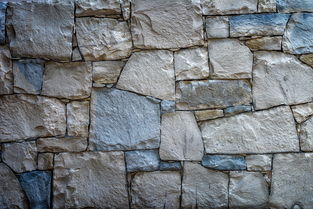
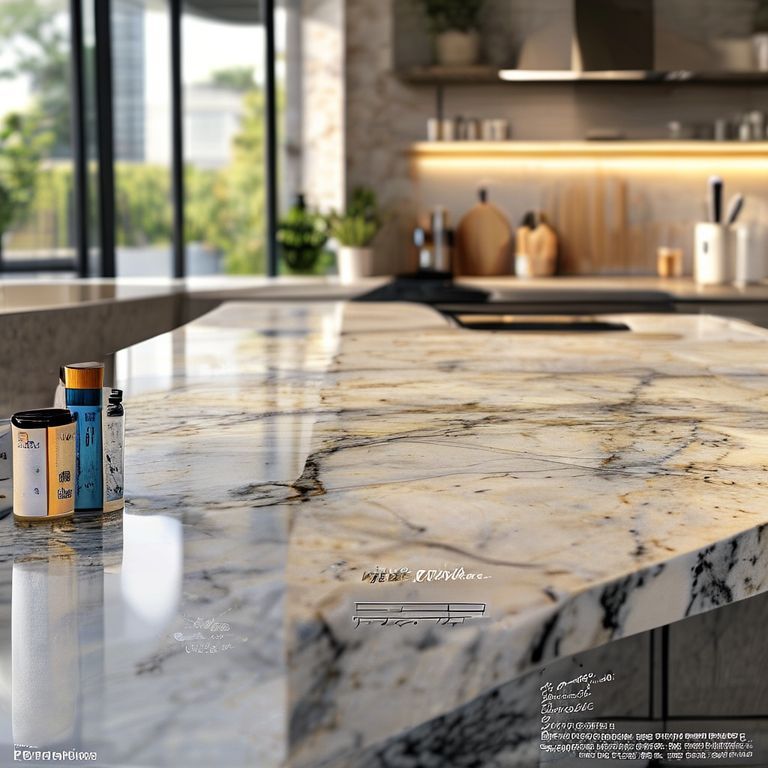
One of the most appealing aspects of granite is its natural beauty. Granite comes in a vast array of colors and patterns, ranging from classic whites and grays to vibrant reds, blacks, and greens. Each piece of granite is unique, offering a one-of-a-kind appearance that can add a touch of elegance and sophistication to any kitchen. Custom cuts and shapes can be made to fit specific design needs, allowing for a personalized touch.
Installation and Versatility
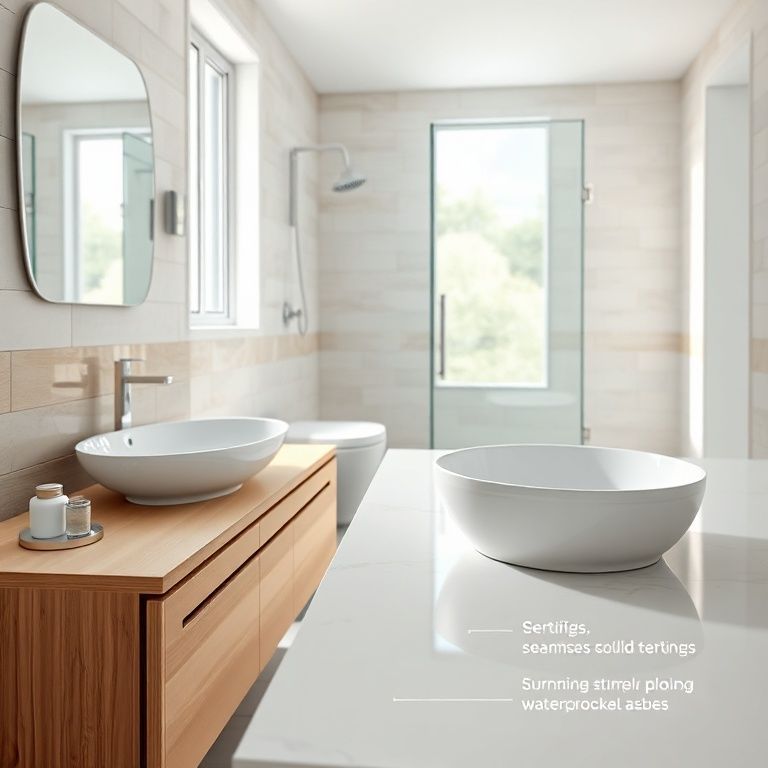
Granite countertops are relatively easy to install and can be cut to fit various kitchen layouts. Whether you prefer a sleek, modern design or a rustic, traditional look, granite can be polished or honed to achieve the desired finish. Additionally, granite slabs can be used for other surfaces such as dining tables and vanities, offering versatility beyond just kitchen countertops.
Maintenance
While granite is incredibly durable, it does require some maintenance to keep its beauty intact. Granite surfaces are naturally porous, meaning that they can stain if liquids are allowed to sit on them. To prevent staining, it’s essential to wipe up spills immediately and use a granite-specific sealant to create a protective barrier. Regular cleaning with mild soap and water is recommended to maintain the surface.
Cost
Granite countertops are typically on the higher end of the price spectrum. The cost varies depending on the type of granite, its pattern, and the complexity of the design. However, the durability and long-lasting nature of granite often justify the initial investment.
The Rise of Quartz Countertops
Unmatched Durability
Quartz, a man-made composite material made from 93% quartz crystals and bonded together with resin, offers exceptional durability. It is nearly impervious to scratches, stains, and heat, making it an ideal choice for kitchens. Unlike granite, quartz does not have pores, meaning it is completely non-porous and does not absorb liquids. This makes cleaning and maintenance incredibly simple compared to granite.
Variety and Design Flexibility
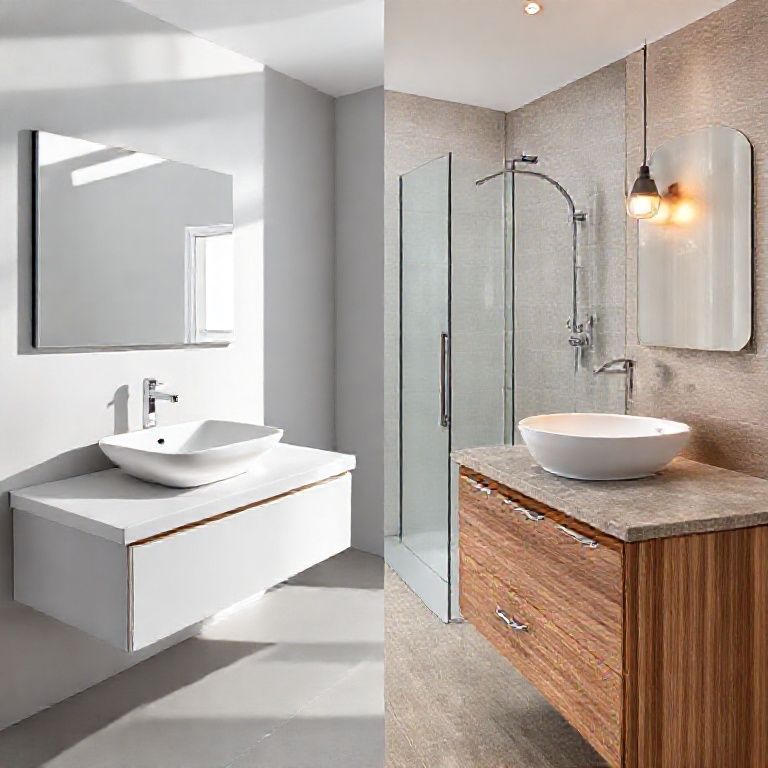
Quartz is available in an astonishing array of colors, patterns, and textures, allowing for limitless design possibilities. It can mimic the look of various natural stones, wood, and even metal, providing a versatile option for any kitchen style. Custom colors and patterns can be created, allowing for a truly unique and personalized countertop design.
Ease of Maintenance
One of the biggest advantages of quartz is its low maintenance requirements. Because quartz is non-porous, it does not stain from liquids, and there is no need to seal it to prevent staining. Regular cleaning with a mild soap and water solution is sufficient to keep the surface looking pristine. Quartz countertops are also heat-resistant and can withstand the heat from pots and pans, making them a practical choice for busy kitchens.
Installation
Quartz countertops are relatively easy to install, and they can be cut to fit various kitchen layouts. They can also be used in conjunction with other materials to create a hybrid look that combines the best features of different materials.
Cost
While quartz countertops are generally more affordable than granite, they still offer a high level of durability and design flexibility. The cost can vary depending on the specific type of quartz and the complexity of the design, but it typically falls within a more accessible price range for most homeowners.
Comparing Granite and Quartz: Key Considerations
When deciding between granite slabs and quartz countertops, several key factors should be considered:
1. Durability
Granite is renowned for its strength and durability, making it an excellent choice for high-traffic areas where it can withstand daily use. Quartz, on the other hand, offers unmatched durability due to its non-porous nature and resistance to scratches, stains, and heat. Both materials are excellent choices, but quartz’s resistance to staining is particularly advantageous.
2. Maintenance
Granite requires regular sealing and cleaning to maintain its appearance and prevent staining. Quartz, however, requires minimal maintenance, needing only a simple wipe down with mild soap and water. This makes quartz a more convenient option for those who prefer low-maintenance surfaces.
3. Cost
Granite typically costs more than quartz due to its natural origin and the need for sealing. Quartz offers a more affordable option while still providing excellent durability and design flexibility.
4. Aesthetics
Both granite and quartz offer stunning visual appeal, but they cater to different design preferences. Granite’s unique and natural patterns can add a touch of elegance and individuality to a kitchen, while quartz’s versatility allows for a wide range of designs, from classic to modern.
5. Installation
Both materials are relatively easy to install and can be customized to fit specific kitchen layouts. However, granite’s natural variations might require additional effort in cutting and shaping to achieve a seamless look.
Conclusion
Choosing between granite slabs and quartz countertops ultimately comes down to your specific needs, preferences, and budget. Granite offers unparalleled durability, natural beauty, and a unique aesthetic that can add elegance and character to any kitchen. On the other hand, quartz provides unmatched durability, ease of maintenance, and versatile design options at a more accessible price point. Both materials are excellent choices for a kitchen renovation, but understanding their unique benefits and drawbacks will help you make an informed decision that best suits your kitchen’s style and functionality.
In the next part of our comprehensive comparison, we will delve deeper into specific use cases, design trends, and expert recommendations to further assist you in choosing the perfect material for your kitchen countertops.
${part2}
In our continued exploration of granite slabs versus quartz countertops, we’ll dive deeper into specific use cases, design trends, and expert recommendations to provide you with a more nuanced understanding of these two popular materials. Whether you’re drawn to the natural beauty of granite or the modern elegance of quartz, this detailed analysis will help you make an informed decision that aligns with your kitchen renovation goals.
Specific Use Cases and Practical Considerations
1. High-Traffic Areas
For kitchens that experience heavy use, both granite and quartz are excellent choices due to their durability. Granite’s strength makes it a reliable option for areas where it will be subject to frequent impacts and scratches. Quartz’s non-porous nature ensures that it remains stain-free even with regular use, making it an ideal choice for kitchens where spills and stains are common.
2. Kitchen Islands and Dining Tables
Both granite and quartz can be used for kitchen islands and dining tables, offering durability and aesthetic appeal. Granite’s natural patterns and colors can add a touch of elegance and sophistication to a dining area, while quartz’s versatility allows for a range of design options that can complement various kitchen styles.
3. Modern and Minimalist Designs
Quartz is particularly popular for modern and minimalist kitchen designs due to its sleek, uniform appearance and ease of maintenance. Quartz’s ability to mimic various textures and colors makes it an excellent choice for creating a cohesive and contemporary look. Granite, with its natural patterns and unique colors, can add character and warmth to more traditional or rustic kitchen designs.
Design Trends and Aesthetic Appeal
1. Natural Stone Aesthetics
Granite’s natural beauty and unique patterns are particularly appealing in kitchens that emphasize natural stone aesthetics. Its colors and textures can create a warm and inviting atmosphere, perfect for traditional or rustic designs. Custom cuts and shapes can be made to create a personalized look that fits seamlessly into your kitchen decor.
2. Modern and Sleek Designs
Quartz’s versatility makes it a favorite for modern and sleek kitchen designs. Its ability to mimic various materials, from marble to wood to metal, allows for endless design possibilities. Quartz’s uniform appearance can create a clean and minimalist look that is ideal for contemporary kitchens. Custom colors and patterns can be created to match specific design themes, offering a level of customization that is difficult to achieve with natural stone.
3. Hybrid Designs
Many modern kitchens feature hybrid designs that combine the best features of different materials. Granite and quartz can be used together to create a countertop that combines the durability and beauty of natural stone with the ease of maintenance of a composite material. For example, a granite base with quartz edges can create a striking and functional design that caters to both aesthetics and practicality.
Expert Recommendations and InstallationExpert Recommendations and Installation
When it comes to selecting the perfect material for your kitchen countertops, expert recommendations can provide valuable insights to help you make an informed decision. Here’s what professionals suggest regarding granite slabs and quartz countertops:
Expert Recommendations
1. Durability and Maintenance
Granite:
Durability: Granite is highly durable and can withstand significant wear and tear, making it suitable for high-traffic areas. Maintenance: While granite is durable, it requires regular sealing and cleaning to maintain its appearance and prevent staining. Professionals recommend using a granite-specific sealant and following a regular maintenance routine.
Quartz:
Durability: Quartz is incredibly durable due to its non-porous nature and resistance to scratches, stains, and heat. Maintenance: Quartz countertops require minimal maintenance. A simple wipe down with mild soap and water is usually sufficient to keep them looking pristine.
2. Aesthetic Appeal
Granite:
Natural Patterns: Granite’s unique and natural patterns can add character and warmth to your kitchen, making it an excellent choice for traditional or rustic designs. Customization: Custom cuts and shapes can be made to fit specific design needs, allowing for a personalized touch.
Quartz:
Versatility: Quartz’s versatility allows for a wide range of design options, from classic to modern. It can mimic various materials, providing endless design possibilities. Custom Colors and Patterns: Custom colors and patterns can be created to match specific design themes, offering a level of customization that is difficult to achieve with natural stone.
Installation Considerations
1. Ease of Installation
Both granite and quartz are relatively easy to install and can be cut to fit various kitchen layouts. However, there are some differences to consider:
Granite:
Custom Cuts: Granite slabs can be custom cut and shaped to fit specific designs, but this can require additional effort and expertise. Weight: Granite slabs are heavier than quartz, which can make installation more challenging, especially for those without professional help.
Quartz:
Lightweight: Quartz countertops are lighter than granite, making them easier to handle during installation. Customization: Quartz can be cut to fit various designs with relative ease, and it can also be used in conjunction with other materials to create a hybrid look.
2. Professional Installation
For both granite and quartz, it’s highly recommended to hire a professional installer. This ensures that the countertops are installed correctly, reducing the risk of damage and ensuring a seamless look. Professionals are also more likely to have experience with the specific maintenance requirements for each material.
Budget Considerations
When budgeting for your kitchen renovation, it’s important to consider the cost differences between granite and quartz:
Granite:
Higher Cost: Granite typically costs more than quartz due to its natural origin and the need for sealing. Long-Term Value: Despite the higher initial cost, granite’s durability and long-lasting nature often justify the investment.
Quartz:
Affordable: Quartz offers a more affordable option while still providing excellent durability and design flexibility. Maintenance Savings: The low maintenance requirements of quartz can save money on cleaning products and professional maintenance services.
Conclusion
Choosing between granite slabs and quartz countertops ultimately depends on your specific needs, preferences, and budget. Granite offers unparalleled durability, natural beauty, and a unique aesthetic that can add character and sophistication to your kitchen. Quartz provides unmatched durability, ease of maintenance, and versatile design options at a more accessible price point.
By considering factors such as durability, maintenance, aesthetic appeal, installation, and budget, you can make an informed decision that best suits your kitchen renovation goals. Whether you opt for the timeless elegance of granite or the modern versatility of quartz, both materials offer exceptional quality and performance that will enhance your kitchen for years to come.
In the end, the right choice will depend on what you value most in your kitchen design and how you plan to use your space. With the insights provided in this comprehensive comparison, you are well-equipped to make a decision that will bring your kitchen renovation dreams to life.