Choosing Between Quartz and Engineered Stone Countertops: Which One Is More Expensive?
In today’s fast-paced world, the kitchen and bathroom countertops often stand out as the most prominent and frequently used areas in any home. The quest for the perfect blend of style, durability, and cost-efficiency leads many homeowners to a pivotal decision: should they opt for quartz or engineered stone countertops? Both materials offer remarkable aesthetics and impressive resilience, but the question remains—which one is more expensive? Let’s delve into the nuances of these materials to understand their cost implications, durability, and overall value.
Understanding Quartz Countertops
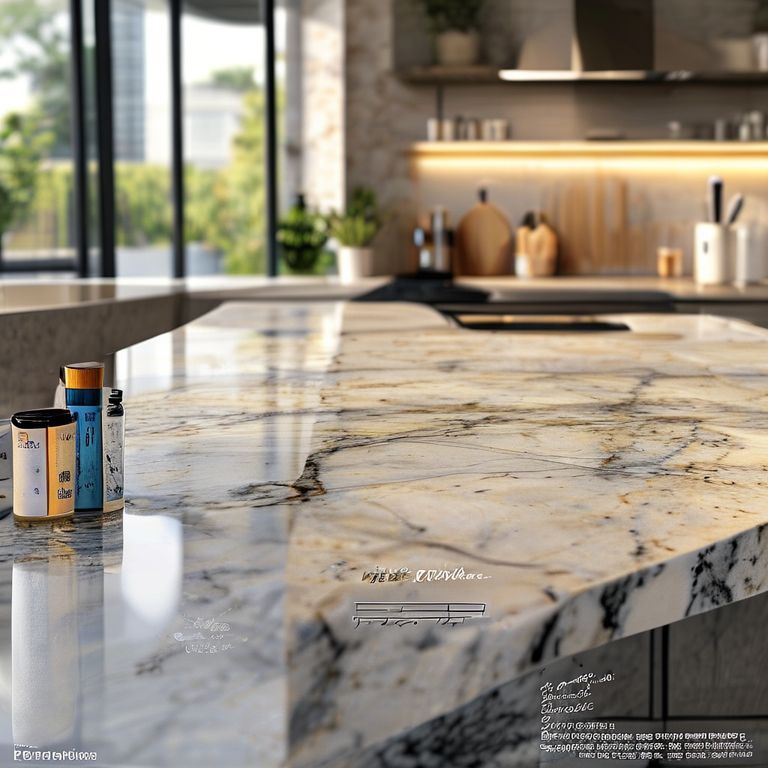
Quartz, a modern marvel in the realm of countertop materials, is essentially a man-made stone that is 93% pure silica. Manufactured by Silestone, quartz has revolutionized kitchen and bathroom design with its seamless look and versatile color palette. The process of creating quartz involves combining silica sand with polymers and bonding agents, which are then heated and pressed under high pressure to form a dense, monolithic surface.
Cost of Quartz Countertops
The cost of quartz countertops can vary widely depending on several factors:
Design and Color: Quartz offers a vast array of colors and designs, from natural stone-like patterns to bold, abstract designs. The complexity of the design significantly influences the cost. Custom-colored quartz pieces tend to be more expensive than standard colors.
Labor Costs: Since quartz is relatively easy to install, labor costs tend to be moderate. However, the need for specialized tools like diamond-tipped saws and grinders can slightly elevate the overall cost.
Customization: Quartz countertops can be cut and shaped to fit any space, providing endless customization options. Custom pieces or intricate designs can drive up the price.
Durability and Maintenance
One of the primary selling points of quartz is its exceptional durability. Being a solid surface material, quartz is highly resistant to scratches, stains, and heat. It doesn’t require sealing, unlike natural stone, which means less maintenance and longer-lasting beauty.
Understanding Engineered Stone Countertops
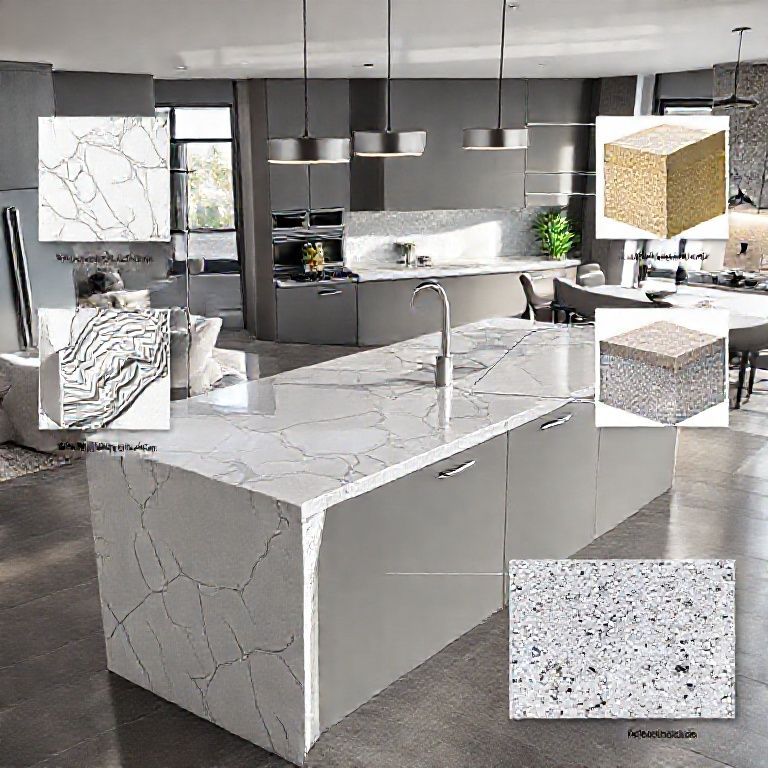
Engineered stone, often referred to as artificial stone, is another popular choice for modern countertops. Unlike natural stone, engineered stone is made by layering natural stone with resins and pressing them together under high heat and pressure. This process creates a composite material that mimics the appearance of natural stone while offering enhanced durability and flexibility.
Cost of Engineered Stone Countertops
The cost of engineered stone countertops can also vary based on several factors:
Material Composition: The quality of the natural stone used and the type of resins involved can significantly affect the price. High-quality natural stones and advanced resins result in a more expensive product.
Design and Finish: Engineered stone can replicate the appearance of various types of natural stone, including marble, granite, and quartz. Custom designs or unique finishes can increase the cost.
Labor Costs: Installation of engineered stone is generally straightforward, but specialized tools might be required for cutting and shaping. Labor costs tend to be moderate, similar to quartz.
Durability and Maintenance
Engineered stone is known for its robustness. It is resistant to scratches, stains, and heat, making it an excellent choice for high-traffic areas. However, it may not be as durable as quartz in extreme conditions. Regular maintenance, such as cleaning and sealing (if required), is essential to maintain its appearance and longevity.
Comparative Analysis: Cost and Value
When comparing the cost of quartz and engineered stone countertops, it’s crucial to consider both the material and installation costs. While quartz generally offers a more extensive range of colors and designs, engineered stone provides a cost-effective alternative with impressive durability.
Material Cost:
Quartz: Typically ranges from $40 to $60 per square foot. Higher-end designs and custom colors can push this range higher. Engineered Stone: Usually falls between $30 to $50 per square foot. The cost can escalate with high-quality natural stone layers and complex designs.
Installation Cost:
Quartz: Installation is relatively straightforward, with labor costs typically ranging from $5 to $10 per square foot. Engineered Stone: Installation is also manageable, with labor costs generally between $4 to $8 per square foot.
Total Cost:
When combining material and labor costs, quartz countertops generally range from $45 to $70 per square foot, while engineered stone falls between $34 to $58 per square foot.
Conclusion: Which Is More Expensive?
Both quartz and engineered stone offer exceptional value, but when it comes to cost, engineered stone often edges out as the more budget-friendly option. Quartz, with its extensive design flexibility and superior durability, tends to be on the higher end of the price spectrum. However, the final cost will largely depend on your specific design preferences, material choices, and any customization requirements.
In the next part of this series, we will explore more in-depth the long-term benefits, maintenance requirements, and overall impact on your home’s aesthetics and value. Stay tuned to make the most informed decision for your kitchen or bathroom transformation!
Choosing Between Quartz and Engineered Stone Countertops: Long-Term Benefits and Aesthetic Appeal
Having examined the cost differences between quartz and engineered stone countertops, it’s time to delve deeper into the long-term benefits, maintenance requirements, and overall aesthetic appeal of these materials. Understanding these aspects will help you make an informed decision that aligns with your lifestyle and design aspirations.
Long-Term Benefits
Durability and Resistance:
Both quartz and engineered stone are renowned for their durability and resistance to everyday wear and tear. Here’s a closer look at the long-term benefits of each:
Quartz:
Scratch and Stain Resistance: Quartz is known for its superior resistance to scratches and stains. This makes it an ideal choice for families with children and pets, as it remains looking pristine despite frequent use.
Heat Resistance: Quartz countertops can withstand high temperatures without warping or cracking, making them perfect for areas where cooking occurs frequently.
Low Maintenance: Unlike natural stone, quartz does not require sealing or additional treatments. This low-maintenance feature translates into significant savings over time, as you won’t need to worry about regular maintenance routines.
Engineered Stone:
Durability: Engineered stone is also highly durable and resistant to scratches and stains. It’s an excellent choice for kitchens and bathrooms where high traffic and frequent use are the norm.
Heat Resistance: While engineered stone is heat-resistant, it may not match the durability of quartz in extreme conditions. However, for everyday use, it performs remarkably well.
Maintenance: Some engineered stone countertops may require periodic sealing to maintain their appearance and protect against stains. However, this is generally less frequent than natural stone, making it relatively low-maintenance.
Weight and Installation:
Quartz: Quartz countertops are lightweight, which simplifies installation and reduces the load on cabinets and other fixtures. This makes it easier to work with during installation and remodeling projects.
Engineered Stone: Engineered stone is also relatively lightweight, but the density can vary depending on the material composition. This can affect the installation process, especially in areas where heavy-duty support is required.
Environmental Impact:
Both quartz and engineered stone are environmentally friendly compared to traditional natural stone. They are manufactured in controlled environments, reducing the need for extensive mining and transportation. However, the production of engineered stone often involves the use of resins and other synthetic materials, which can have environmental implications. Quartz, on the other hand, is made primarily from silica sand and polymers, which are more readily available and less environmentally taxing.
Aesthetic Appeal
Design Versatility:
Both quartz and engineered stone offer a wide range of design possibilities, but they cater to slightly different aesthetic preferences:
Quartz:
Custom Colors: Quartz provides a vast array of colors and patterns, from natural stone-like designs to unique, bold colors. This versatility allows for highly customized designs that can match or even exceed the appearance of natural stone.
Seamless Look: The monolithic nature of quartz gives it a seamless, uninterrupted look that is both modern and elegant. This makes it ideal for minimalist and contemporary designs.
Engineered Stone:
Natural Stone Mimicry: Engineered stone can closely mimic the appearance of various natural stones like marble, granite, and quartz. This allows for a wide range of traditional and classic designs.
Customization: While engineered stone is versatile, it may not offer the same level of custom color options as quartz. However, it can still provide unique designs and patterns that appeal to a broad range of tastes.
Installation and Compatibility:
Quartz: Quartz countertops are compatible with a variety of installation methods, making them suitable for almost any kitchen or bathroom design.Aesthetic Appeal
Design Versatility:
Both quartz and engineered stone offer a wide range of design possibilities, but they cater to slightly different aesthetic preferences:
Quartz:
Custom Colors: Quartz provides a vast array of colors and patterns, from natural stone-like designs to unique, bold colors. This versatility allows for highly customized designs that can match or even exceed the appearance of natural stone.
Seamless Look: The monolithic nature of quartz gives it a seamless, uninterrupted look that is both modern and elegant. This makes it ideal for minimalist and contemporary designs.
Engineered Stone:
Natural Stone Mimicry: Engineered stone can closely mimic the appearance of various natural stones like marble, granite, and quartz. This allows for a wide range of traditional and classic designs.
Customization: While engineered stone is versatile, it may not offer the same level of custom color options as quartz. However, it can still provide unique designs and patterns that appeal to a broad range of tastes.
Installation and Compatibility:
Quartz: Quartz countertops are compatible with a variety of installation methods, making them suitable for almost any kitchen or bathroom design.
Engineered Stone: Engineered stone can also be installed using various methods, but its compatibility with different fixtures and cabinetry can sometimes be more challenging due to its layered construction.
Sustainability and Environmental Impact:
When considering the environmental impact, both quartz and engineered stone offer advantages over traditional natural stone:
Quartz:
Manufacturing Process: Quartz is manufactured in controlled environments, reducing the need for extensive mining. The process involves combining silica sand with polymers, which is less environmentally taxing compared to natural stone mining.
Recyclability: Quartz countertops are made from recyclable materials, and the manufacturing process produces minimal waste.
Engineered Stone:
Resource Efficiency: Engineered stone is made by layering natural stone with resins and pressing them together. This process is resource-efficient and can use waste materials from natural stone quarries.
Synthetic Materials: The use of synthetic resins and other materials in engineered stone can have environmental implications. However, advancements in manufacturing processes are continually improving sustainability.
Conclusion: Long-Term Value
When evaluating the long-term value of quartz versus engineered stone, several factors come into play:
Durability: Both materials are highly durable and resistant to everyday wear and tear, but quartz often edges out in terms of overall durability and heat resistance.
Maintenance: Quartz’s low-maintenance nature offers significant long-term savings, as it does not require regular sealing or other treatments.
Aesthetic Versatility: Quartz provides unparalleled design versatility, offering a wide range of custom colors and patterns that can match or exceed natural stone.
Cost: While quartz generally has a higher upfront cost, its low maintenance and durability can translate into significant savings over time.
Environmental Impact: Both materials offer advantages over natural stone in terms of sustainability, but quartz has a slightly lower environmental impact due to its manufacturing process.
Final Decision: Which Is Right for You?
Choosing between quartz and engineered stone countertops ultimately depends on your specific needs, preferences, and budget. Here are some guidelines to help you decide:
If you prioritize design versatility and want a wide range of custom colors and patterns: Quartz is the superior choice.
If you are looking for a cost-effective, durable option with a natural stone appearance: Engineered stone is a great alternative.
If long-term maintenance and durability are your top concerns: Quartz offers superior low maintenance and durability, making it a more cost-effective choice over time.
If environmental sustainability is a key factor: Both materials offer benefits, but quartz may have a slightly lower environmental impact.
In the end, both quartz and engineered stone are excellent choices for modern kitchen and bathroom designs. By understanding their unique benefits and costs, you can make an informed decision that enhances your home’s beauty and functionality.
Stay tuned for more insights into making the perfect choice for your home’s countertops!