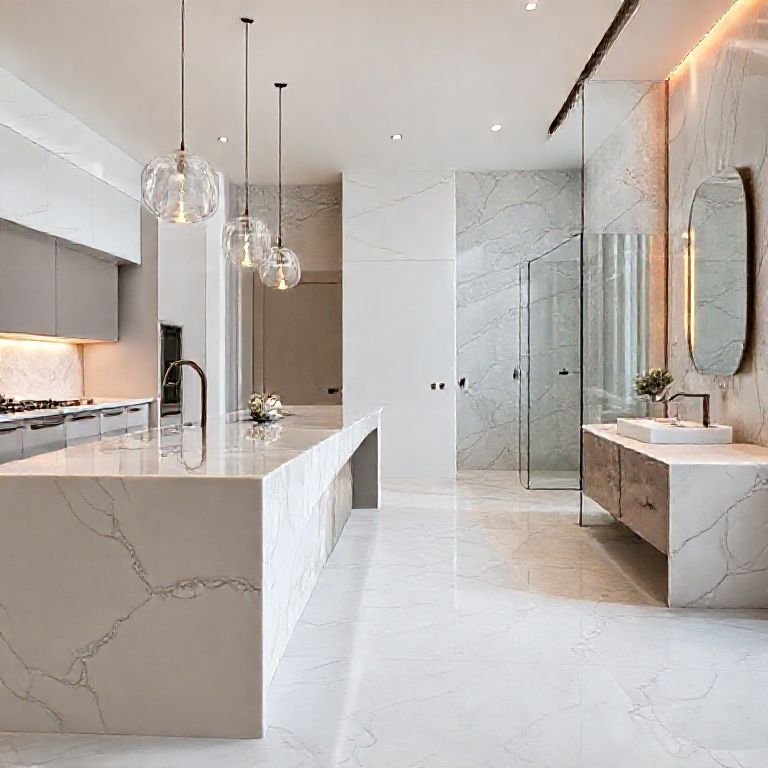
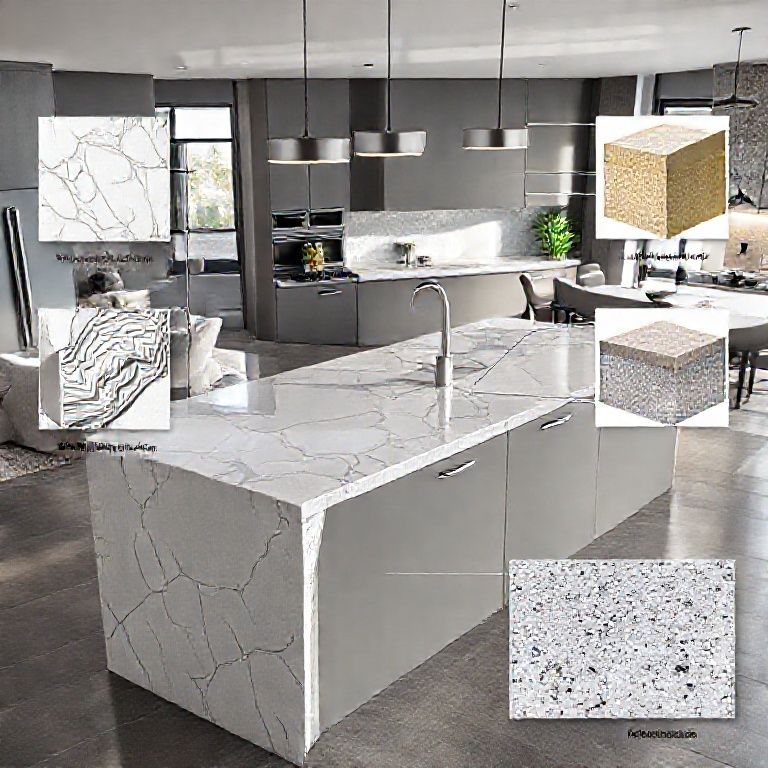
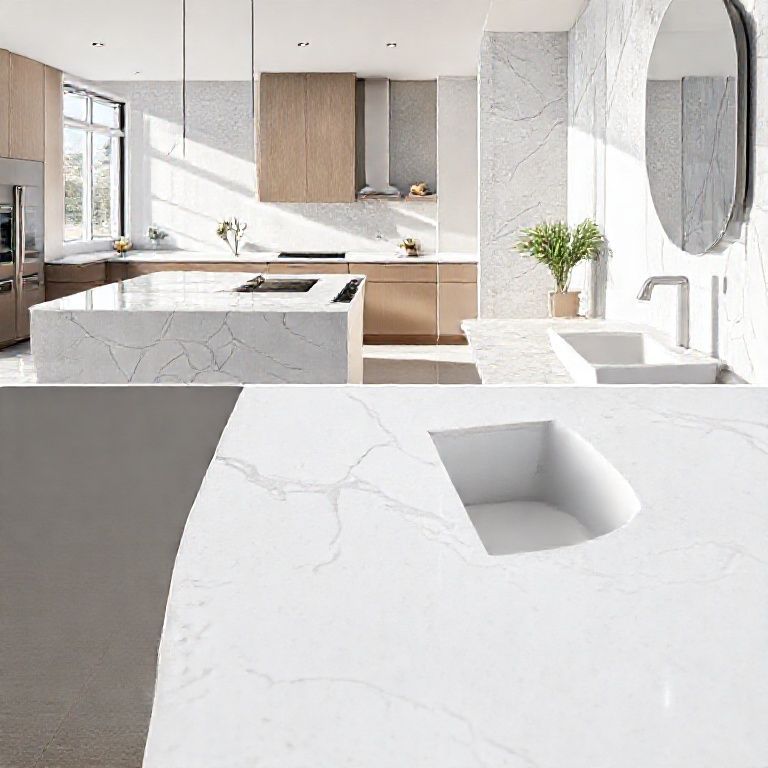
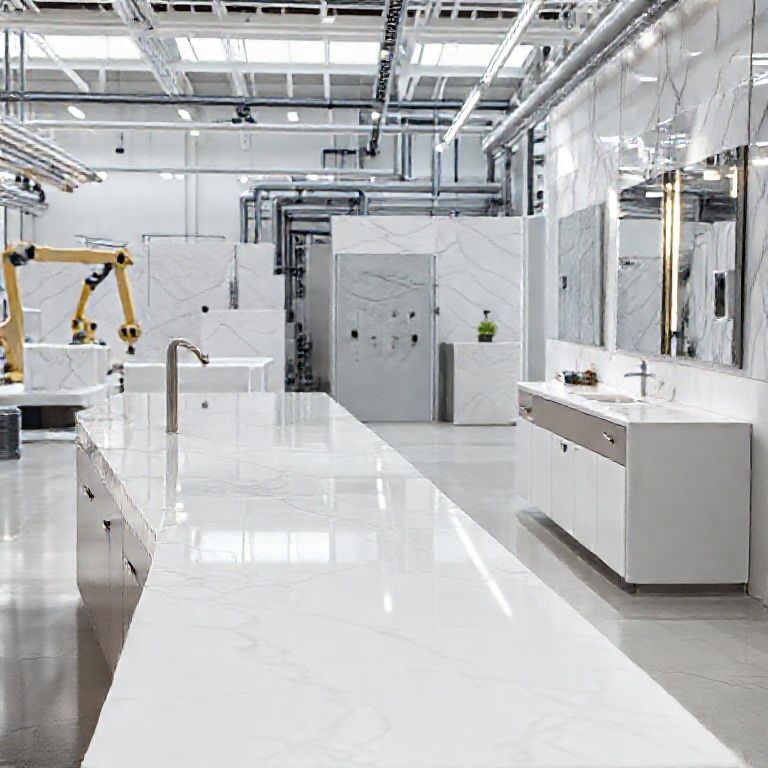
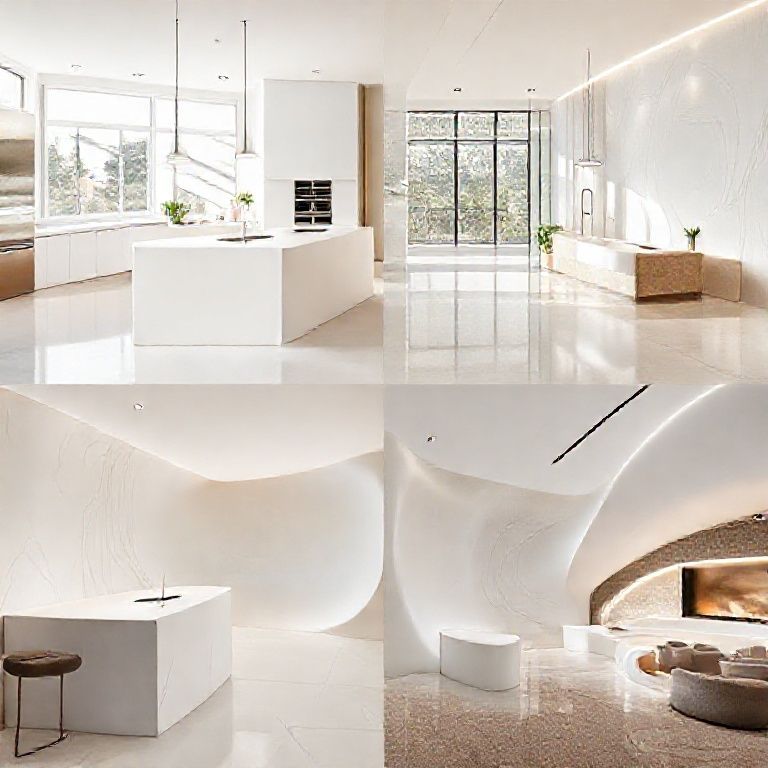
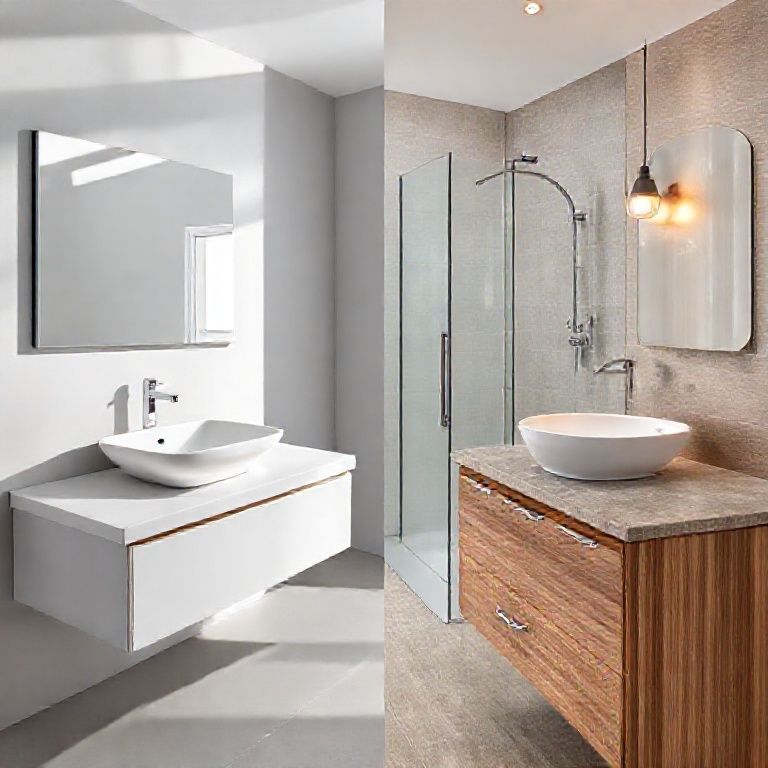
In the realm of luxury interior design, marble stands as a timeless symbol of elegance and sophistication. However, the pristine beauty of marble can fade over time due to wear, aging, and environmental factors. To restore its original splendor, a meticulous marble renovation and restoration process is essential. This first part delves into the fundamental steps and critical considerations involved in revitalizing your marble surfaces to their former glory.
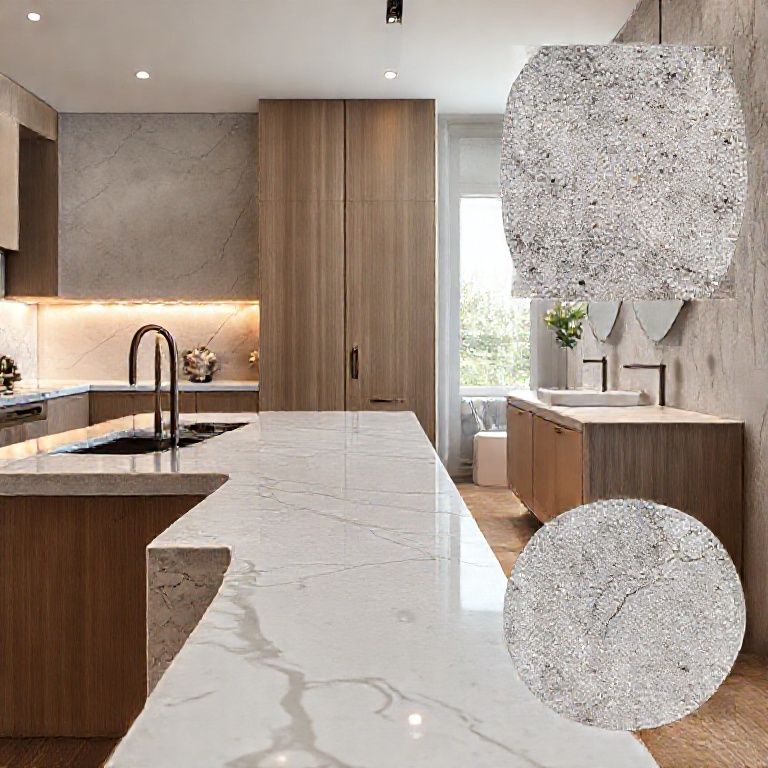
1. Assessment and Planning
Before diving into the restoration process, a thorough assessment of the marble’s condition is crucial. This involves identifying the specific issues such as stains, scratches, etching, or surface discoloration. Depending on the extent of the damage, a professional assessment might be required to determine the best course of action.
Once the assessment is complete, planning the restoration process becomes the next critical step. This involves choosing the right restoration techniques and materials, setting realistic expectations, and budgeting for the project. Understanding the type of marble and its specific needs is essential in this phase to ensure a tailored approach.
2. Cleaning and Preparing the Surface
The initial step in marble renovation is cleaning the surface to remove any dirt, grime, and old polish residue. This can be done using a mild detergent and a soft cloth. For more stubborn stains, specialized marble cleaners that are pH-neutral are recommended to avoid damaging the marble.
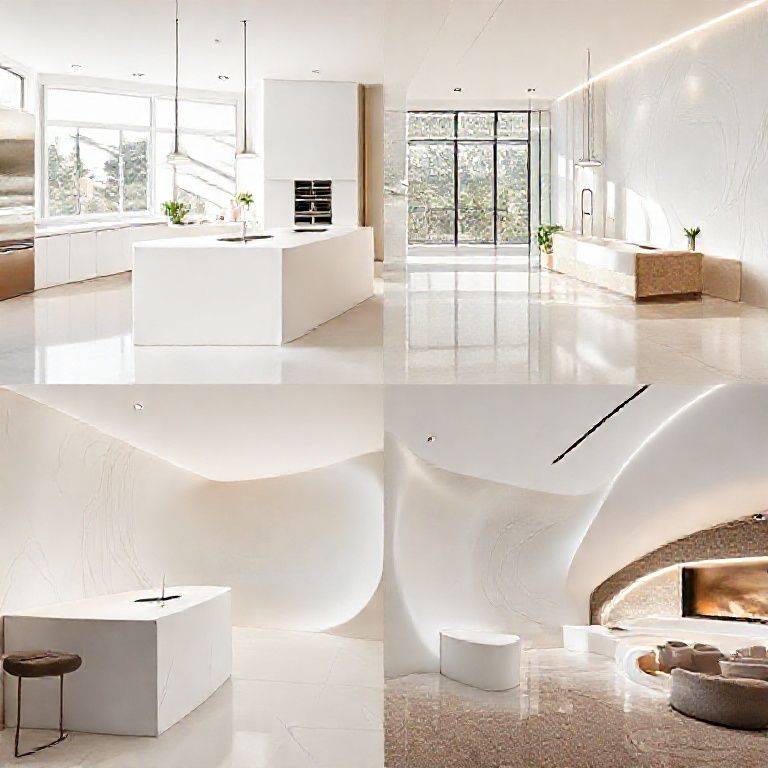
After cleaning, it’s important to prepare the surface for the restoration process. This involves smoothing out any rough or uneven areas, which might require the use of a marble leveling compound. Proper preparation ensures that the restoration process is effective and that the final result is smooth and uniform.
3. Polishing and Surface Treatment
Marble restoration often involves polishing to restore its shine and smoothness. Depending on the condition of the marble, this might involve different levels of polishing. Light polishing can revive the surface without removing too much material, while heavy polishing might be necessary for heavily damaged marble.
Using the right polishing techniques and tools is crucial. A professional marble polisher and the appropriate polishing compounds should be used to achieve the best results. The polishing process not only enhances the appearance of the marble but also restores its protective layer, making it more resistant to future damage.

4. Repair and Resurfacing
In cases where the marble has significant damage, such as deep scratches or chips, repair and resurfacing techniques might be required. This involves filling in the damaged areas with a matching marble compound and smoothing it out to blend seamlessly with the surrounding surface. For extensive damage, professional marble resurfacing might be necessary to ensure a flawless finish.
Key Considerations in Marble Restoration
Restoring marble is an art that requires precision and expertise. Here are some key considerations to keep in mind during the restoration process:
a. Material Selection: Choosing the right materials is crucial for the success of the restoration. Using high-quality marble polishing compounds and repair materials ensures that the final result is durable and long-lasting.
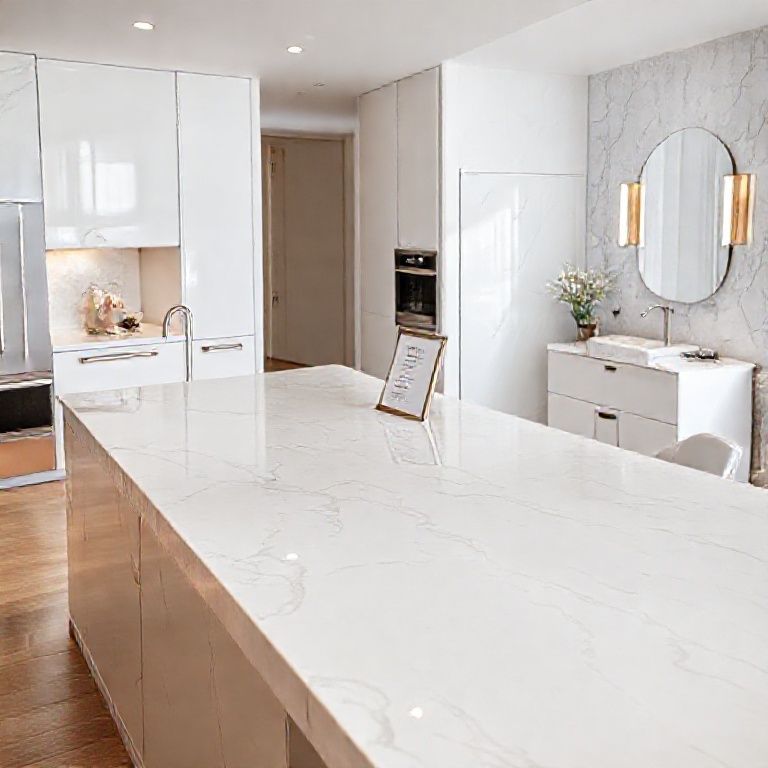
b. pH Neutrality: Always use pH-neutral cleaning and polishing products to avoid damaging the marble. Marble is susceptible to acid etching, so it’s vital to use products that are safe for marble surfaces.
c. Professional Expertise: While some restoration techniques can be done at home, more extensive repairs and polishing might require professional expertise. Hiring a qualified marble restoration specialist can ensure the best results and prevent further damage.
d. Regular Maintenance: After restoration, regular maintenance is essential to keep the marble looking its best. This includes using pH-neutral cleaners and avoiding abrasive materials that could scratch the surface.
By understanding these fundamental steps and considerations, you can effectively restore the beauty and durability of your marble surfaces, ensuring they remain a stunning feature in your home for years to come.
Building on the foundational steps covered in Part 1, this second part of our detailed guide on marble renovation and restoration focuses on advanced techniques and additional considerations. These insights will help you achieve superior results and maintain the beauty and integrity of your marble surfaces for years to come.
1. Advanced Polishing Techniques
While light polishing can often suffice for minor restorations, advanced polishing techniques are necessary for more significant damage. Techniques such as triple-polishing can provide a high-gloss finish that not only restores the marble’s shine but also enhances its durability.
a. Triple-Polishing: This technique involves three distinct polishing stages. The first stage uses a coarse polishing compound to remove scratches and surface imperfections. The second stage employs a finer compound to smooth the surface. The final stage uses an ultra-fine polish to achieve a high-gloss finish. Each stage is followed by thorough rinsing and buffing to ensure no residue remains.
b. Diamond Polishing: For heavily damaged marble, diamond polishing might be required. This process uses diamond abrasives to remove layers of material and restore the surface. It’s a meticulous process that requires expert handling to avoid uneven finishes.
2. Specialized Repair Techniques
When marble surfaces have deep scratches, chips, or other significant damage, specialized repair techniques are essential to restore their appearance and integrity.
a. Micro-Filling: For minor scratches and surface imperfections, micro-filling can be an effective solution. This technique involves filling the imperfections with a matching marble compound and smoothing it out to blend seamlessly with the surrounding surface.
b. Marble Patching: For larger chips or cracks, marble patching involves using a specially formulated marble compound to fill and blend with the existing marble. This compound is then polished to match the surrounding surface, ensuring a seamless finish.
c. Resurfacing: In cases of extensive damage, resurfacing might be necessary. This involves removing a thin layer of the marble surface and replacing it with a new layer of marble. This technique requires precision and expertise to ensure a flawless finish.
3. Protective Coatings
To enhance the durability and longevity of restored marble, applying protective coatings can be highly beneficial. These coatings provide an additional layer of protection against future damage, making the marble more resistant to stains, scratches, and etching.
a. Sealants: Marble sealants form a protective barrier on the surface, preventing stains and spills from penetrating the marble. They are available in various finishes, including matte, satin, and high gloss, allowing for customization based on the desired aesthetic.
b. Coatings: Advanced coatings, such as nano-coatings, provide an ultra-protective layer that repels water, stains, and acids. These coatings are applied in a thin, transparent layer and require professional application for optimal results.
4. Regular Maintenance
Maintaining the beauty and integrity of restored marble requires regular care and maintenance. Here are some tips for keeping your marble surfaces looking their best:
a. Use pH-Neutral Cleaners: Always use pH-neutral cleaners and avoid abrasive materials that could scratch the surface. Regular cleaning with a mild detergent and soft cloth is sufficient for most marble surfaces.
b. Avoid Heat and Direct Sunlight: Prolonged exposure to heat and direct sunlight can cause marble to fade and develop surface discoloration. It’s important to protect marble surfaces from direct heat sources and excessive sunlight.
c. Immediate Cleanup: Spills and stains should be cleaned immediately to prevent them from penetrating the marble surface. Use a damp cloth to wipe up spills and avoid using acidic or abrasive cleaners.
d. Professional Maintenance: For high-traffic areas or significant damage, periodic professional maintenance might be necessary to keep the marble looking pristine. This can include deep cleaning, polishing, and re-application of protective coatings.
5. Environmental Considerations
The environment plays a crucial role in the longevity of marble surfaces. Here are some environmental considerations to keep in mind:
a. Humidity Control: High humidity can cause marble to absorb moisture, leading to surface discoloration and potential damage. Maintaining a balanced indoor humidity level can help prevent these issues.
b. Temperature Control: Extreme temperatures can cause marble to expand or contract, leading to cracks or surface damage. It’s important to control indoor temperatures to prevent such issues.
c. Air Quality: Poor air quality can lead to the accumulation of pollutants on marble surfaces, causing discoloration and damage. Regular cleaning and maintaining good air quality can help keep marble surfaces clean and pristine.
Conclusion
Marble renovation and restoration is a meticulous process that requires expertise, precision, and the right materials to achieve the best results. By understanding the advanced techniques and key considerations covered in this guide, you can effectively restore and maintain the beauty and integrity of your marble surfaces.
Whether you’re dealing with minor imperfections or extensive damage, following these detailed steps and considerations will ensure that your marble surfaces remain a stunning feature in your home for years to come. Regular maintenance and professional expertise are key to preserving the elegance and durability of marble, making it a timeless choice for luxury interior design.