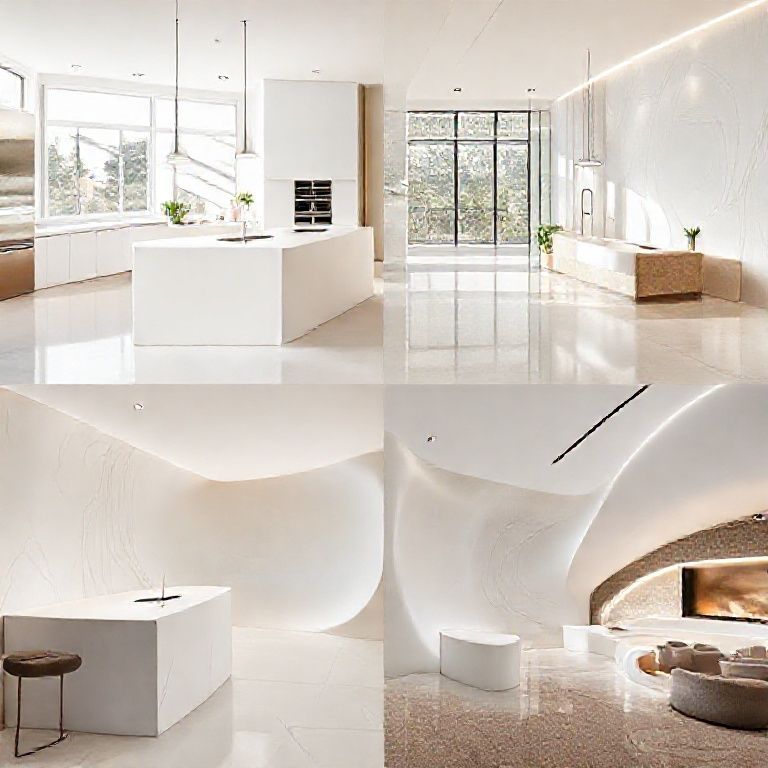
The Allure and Versatility of Marble
Introduction:
When it comes to luxury and elegance in interior design, few materials capture the imagination quite like marble. The question “大理石不好吗” (Is marble not good?) often arises, especially among those who are unfamiliar with its vast benefits. Marble has long been a symbol of opulence, and its timeless beauty continues to enchant and inspire. This article delves into the multifaceted allure and versatility of marble, uncovering why it remains a preferred choice for architects, designers, and homeowners alike.

The Timeless Beauty of Marble
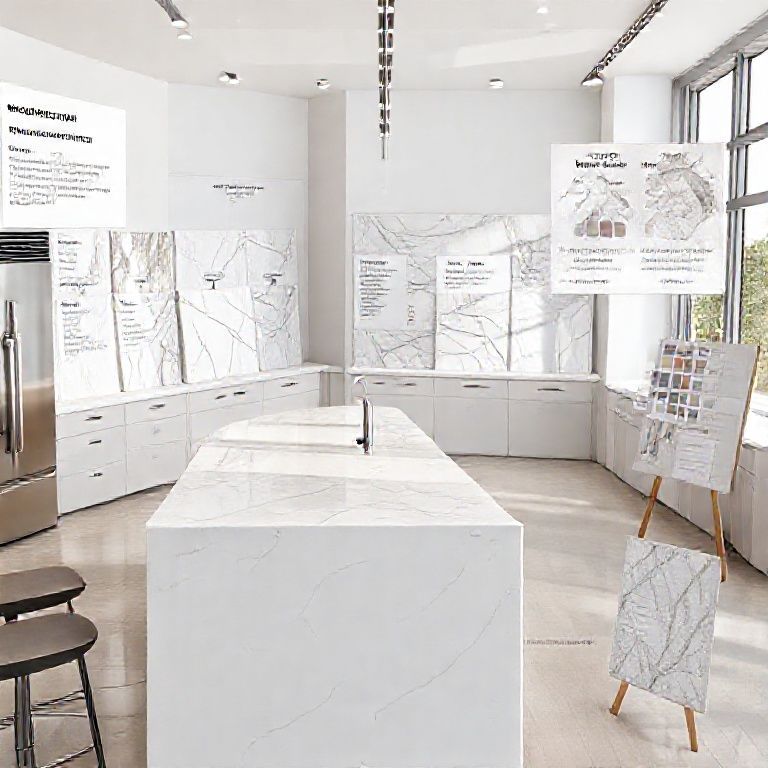
Marble’s allure lies in its unique and varied patterns, which are a result of its natural composition. Unlike man-made materials, marble is a natural stone that showcases intricate veins, swirls, and colors unique to each piece. These natural patterns create a sense of authenticity and sophistication, making marble an ideal choice for high-end interior design.
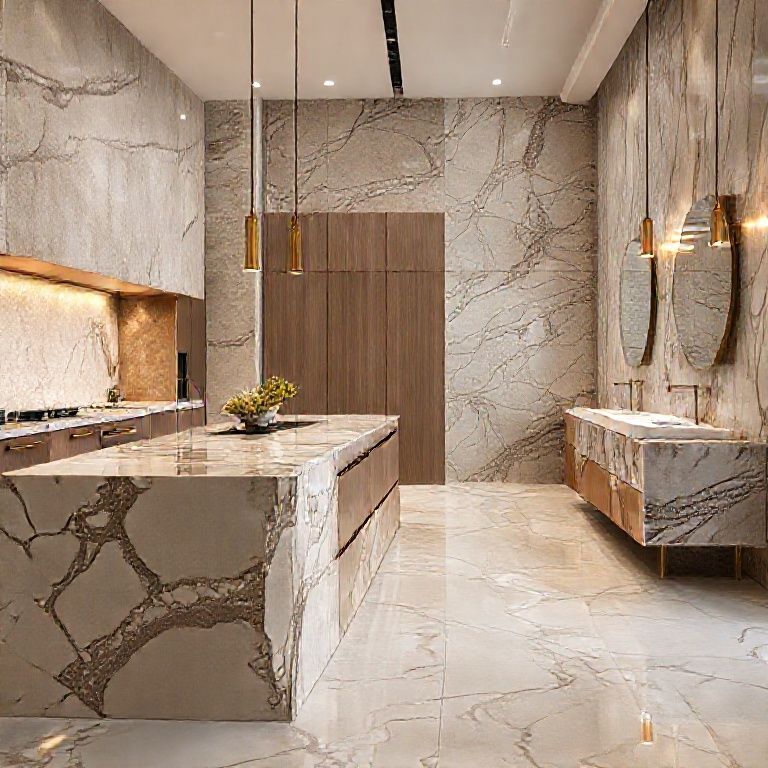
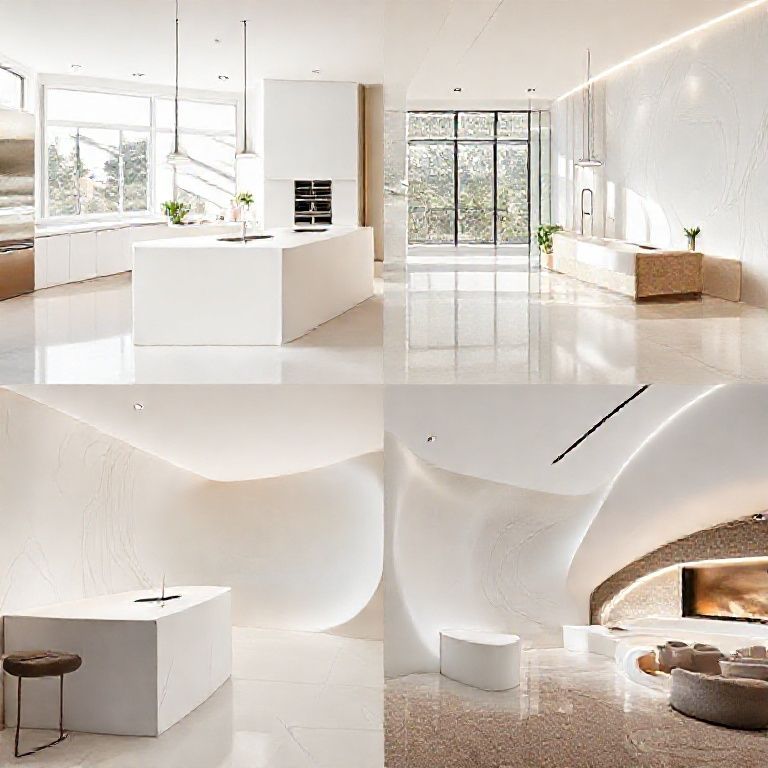
Marble’s texture and sheen add a touch of luxury to any space. Whether used in countertops, flooring, or wall cladding, marble’s polished finish exudes elegance and refinement. Its ability to reflect light beautifully enhances the natural ambiance of a room, creating a serene and inviting atmosphere. Marble’s versatility allows it to be used in a variety of settings, from grand palaces and cathedrals to modern homes and commercial spaces.
Versatility in Design
One of the most remarkable aspects of marble is its versatility in design. Marble can be carved, polished, and honed to fit any architectural vision, whether it is a classic, contemporary, or eclectic style. The material’s adaptability means it can be used for various applications, including:
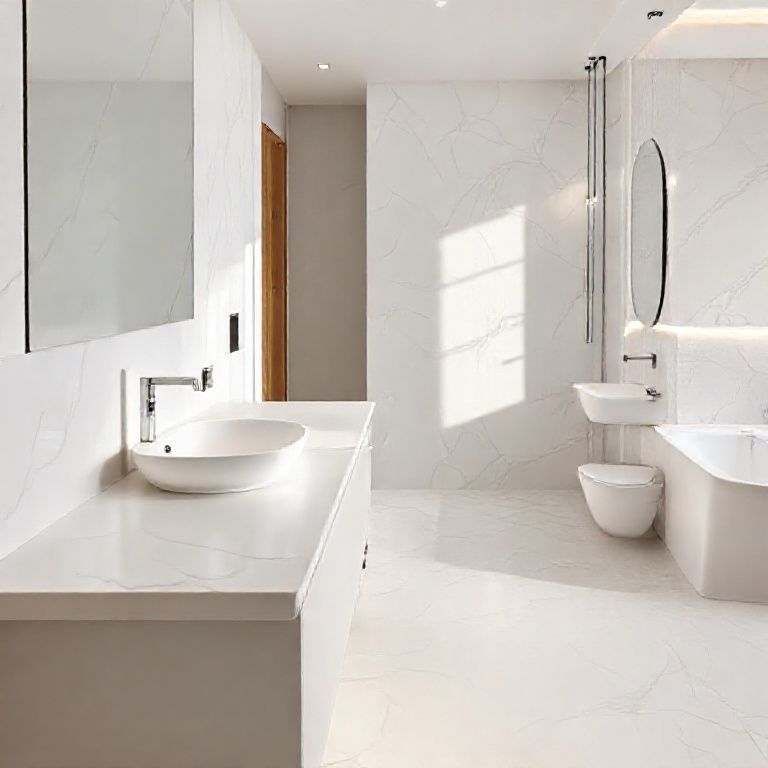
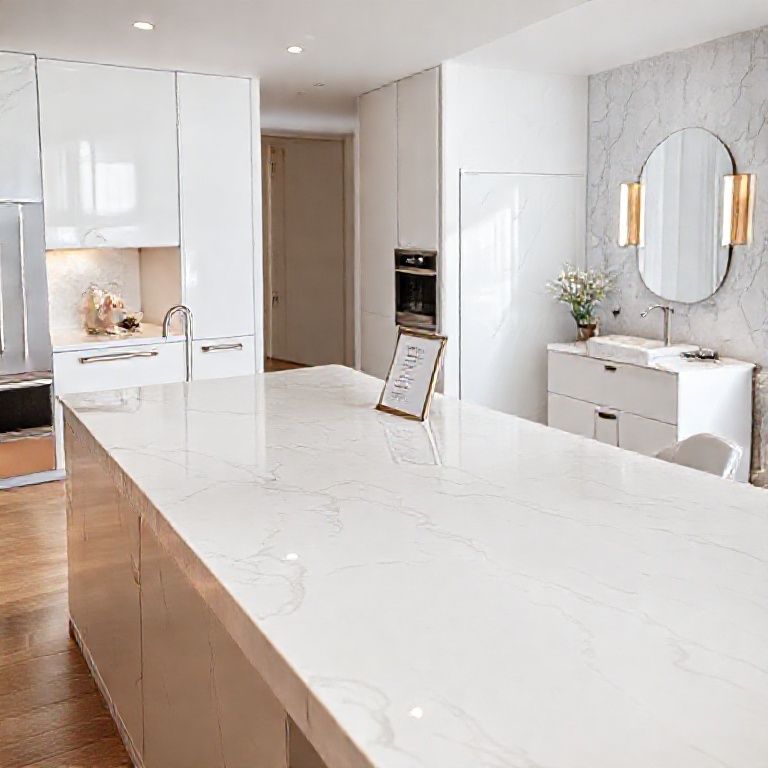
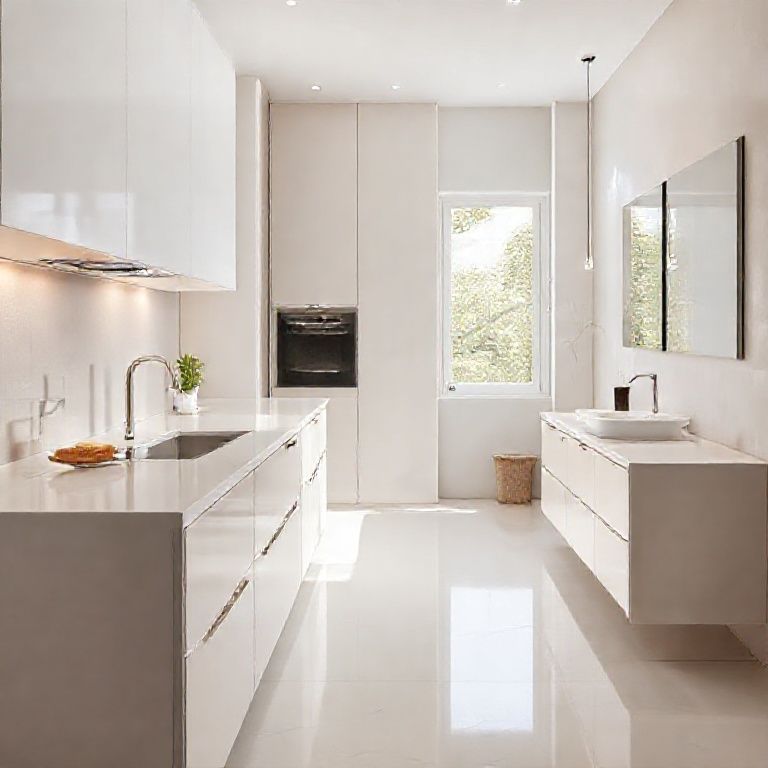
Countertops and Kitchens: Marble countertops offer a blend of durability and aesthetic appeal. While they require regular maintenance, their timeless beauty and strength make them a popular choice for kitchen designs.
Flooring: Marble flooring adds a touch of grandeur to any space. Its durability and ability to withstand heavy foot traffic make it suitable for both residential and commercial applications. The natural patterns and colors of marble create a unique floor design that enhances the overall aesthetic of a room.
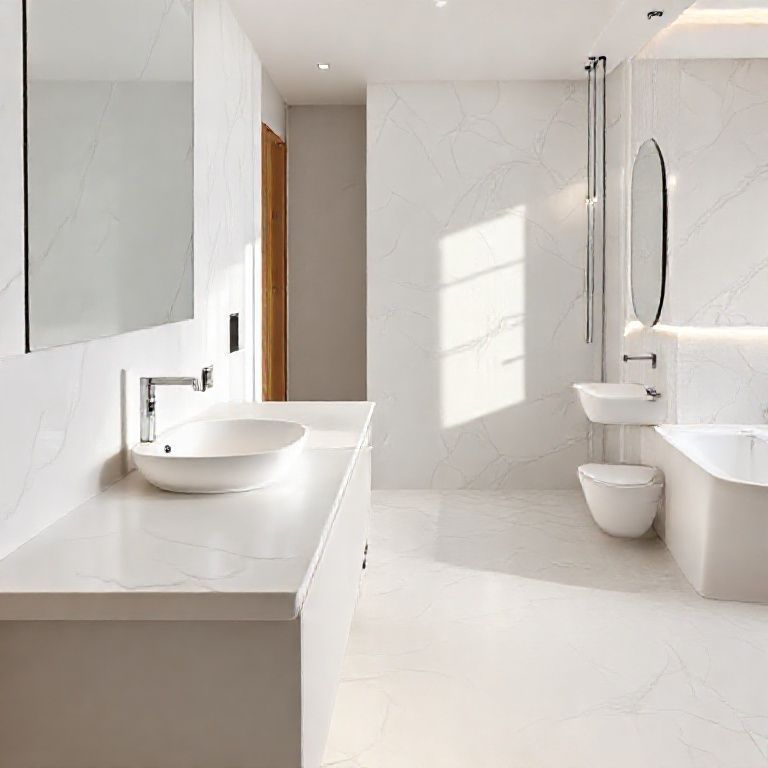
Bathrooms: Marble is a quintessential material for bathroom design. Its elegant appearance and resistance to moisture make it an ideal choice for bathtubs, vanities, and tiles. Marble bathrooms exude a sense of luxury and tranquility, perfect for relaxation and rejuvenation.
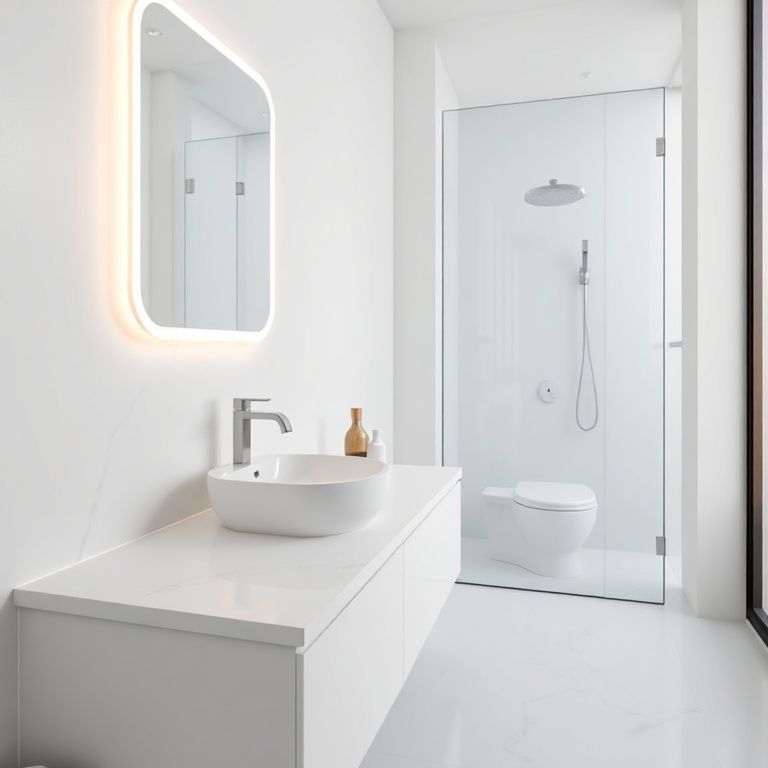
Wall Cladding: Marble wall cladding provides a sophisticated backdrop for any interior space. Whether used in living rooms, dining areas, or offices, marble adds a touch of elegance and timeless charm.
Furniture: Marble can be used in the creation of exquisite furniture pieces such as tables, benches, and cabinets. The material’s natural beauty and durability make it a preferred choice for high-end furniture designs.
Historical Significance and Cultural Impact
Marble has a rich history that spans thousands of years and numerous cultures. From the ancient Greeks and Romans who used it to construct their temples and statues to the Renaissance artists who sculpted masterpieces from it, marble has always been a symbol of beauty and craftsmanship.
In many cultures, marble has been associated with immortality and eternal beauty. This association has made it a favored material for sculptures, monuments, and mausoleums. The enduring legacy of marble is evident in the iconic structures and artworks that continue to inspire awe and admiration.
Modern Uses and Innovations
In contemporary design, marble remains a preferred choice due to its enduring appeal and practical benefits. Innovations in marble processing and installation techniques have expanded its applications even further. For instance, synthetic marble has been developed to offer a more affordable and low-maintenance alternative, while still capturing the essence of natural marble.
Moreover, advancements in color treatments and finishes have allowed marble to be used in more creative and diverse ways. Designers can now achieve unique color variations and textures that cater to specific design trends and preferences.
Conclusion:
The question “大理石不好吗” often overlooks the multifaceted beauty and versatility of marble. Its natural elegance, adaptability, and enduring legacy make it a timeless choice for luxury and design. From its use in historical monuments to its modern-day applications, marble continues to captivate and inspire. In Part 2, we will delve deeper into the maintenance, sustainability, and long-term benefits of using marble in your interior design projects.
Maintenance, Sustainability, and Enduring Legacy of Marble
Introduction:
While marble is undeniably a symbol of luxury and elegance, it is often misunderstood in terms of its maintenance and sustainability. The question “大理石不好吗” often stems from concerns about the care and upkeep required for this exquisite material. In this second part of our exploration, we will address these concerns head-on, highlighting the practical aspects of maintaining marble, its sustainability, and its enduring legacy in interior design.
Maintenance of Marble:
Marble, despite its beauty, requires regular care to maintain its pristine appearance and longevity. Proper maintenance ensures that marble retains its luster and resists damage from everyday use. Here are some key points to consider for the effective maintenance of marble:
Regular Cleaning: Marble surfaces should be cleaned regularly with a soft, damp cloth and a mild soap solution. Avoid using harsh chemicals or abrasive cleaners that can damage the stone’s surface. For tougher stains, specialized marble cleaners or professional cleaning services are recommended.
Sealing: To protect marble from spills and stains, it is advisable to seal the surface periodically. Sealants create a protective barrier that helps prevent moisture and acidic substances from penetrating the stone. Follow the manufacturer’s instructions for the best results and ensure the sealant is suitable for the specific type of marble being used.
Avoiding Heat and Direct Sunlight: Marble can be affected by heat and direct sunlight, which may cause discoloration and thermal damage. To prevent these issues, use trivets or heat-resistant pads under cooking appliances and avoid placing marble surfaces in direct sunlight for extended periods.
Immediate Spill Management: Any liquid spills should be wiped up immediately to prevent stains. Acidic substances, such as fruit juices and vinegar, can etch the marble surface, so it is essential to neutralize and clean these spills promptly.
Sustainability of Marble:
The sustainability of marble is a topic of growing importance in the context of modern environmental concerns. Marble is a natural stone that is formed over millions of years, and its extraction and processing can have environmental impacts. However, responsible quarrying and processing practices can mitigate these effects. Here are some aspects to consider regarding the sustainability of marble:
Responsible Quarrying: Sustainable marble quarrying involves adhering to strict environmental and safety standards to minimize the ecological footprint. Quarrying operations should implement measures to reduce waste, conserve water, and protect local ecosystems.
Recycled Marble: Recycled marble, also known as recycled stone, is created from reclaimed marble from demolition sites or construction projects. Using recycled marble helps reduce the demand for new quarrying and contributes to the circular economy by repurposing existing materials.
Durability: Marble’s remarkable durability means that it can last for many decades with proper maintenance. Its longevity reduces the need for frequent replacement, thereby minimizing waste and the environmental impact associated with new material production.
Enduring Legacy in Interior Design:
The enduring legacy of marble in interior design is a testament to its timeless appeal and versatility. Marble has been used in some of the most iconic and influential architectural and design projects throughout history. Its ability to convey a sense of luxury, sophistication, and historical significance makes it a favored choice for both contemporary and traditional designs.
Historical Monuments: Marble has played a crucial role in the construction of historical monuments, sculptures, and buildings. The enduring legacy of marble is evident in the Parthenon, the Roman Colosseum, and Michelangelo’s David, among many other masterpieces.
Modern Architecture: In modern architecture, marble continues to be a preferred material for its aesthetic and functional qualities. Its natural beauty and durability make it suitable for a wide range of applications, from high-end residential spaces to commercial buildings.
Innovative Design Trends: Marble’s versatility allows it to be incorporated into various innovative design trends. From minimalist and modern designs to rustic and traditional styles, marble can be customized to fit a wide array of aesthetic preferences.
Conclusion:
The question “大理石不好吗” often overlooks the practical benefits and enduring appeal of marble when it comes to maintenance, sustainability, and its legacy in interior design. While marble requires regular care, its durability and low maintenance needs make it a practical choice for luxury spaces. Moreover, responsible quarrying practices and the use of recycled marble contribute to its sustainability. Marble’s enduring legacy in architecture and design highlights its timeless appeal and versatility. As we continue to explore the world of marble, it is clear that its beauty and elegance remain unparalleled, making it a cherished material for generations to come.