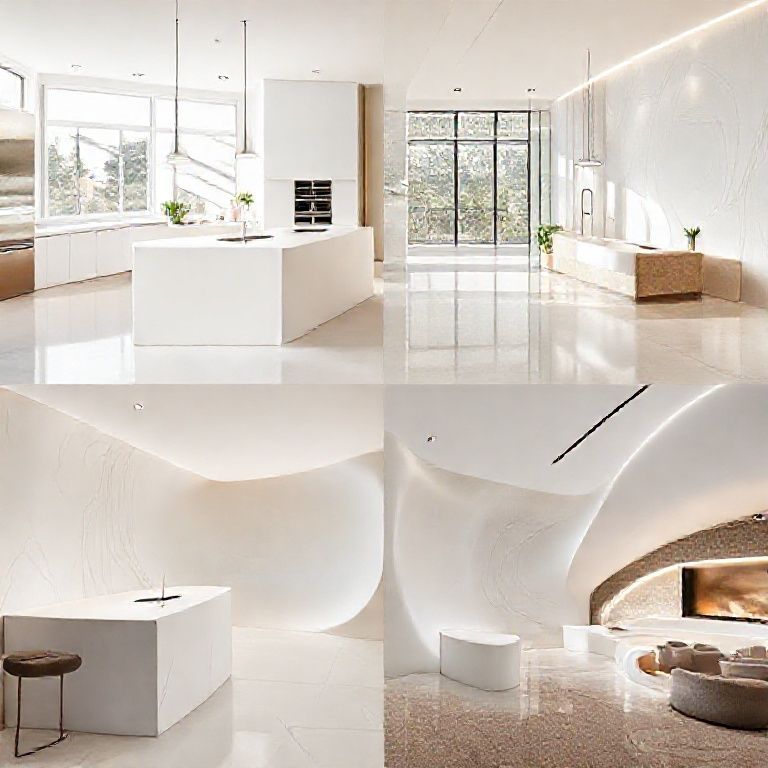
The Ultimate Showdown: Ke Li Nai vs Quartzite – Which Is the Superior Choice for Your Home?
When it comes to choosing the perfect material for your kitchen countertops, the options can feel overwhelming. Among the most sought-after choices are Ke Li Nai and Quartzite. Both materials offer incredible durability, aesthetic appeal, and practical benefits. But which one stands out as the superior choice for your home? In this comprehensive guide, we will delve deep into the characteristics, advantages, and potential drawbacks of Ke Li Nai and Quartzite to help you make an informed decision.

Understanding Ke Li Nai: The Modern Marvel
Ke Li Nai, often celebrated for its innovative design and cutting-edge technology, has emerged as a leading choice for modern kitchens. This material is a composite made from natural stone and resin, which is then polished to a brilliant finish. Its composition results in a surface that is both strong and incredibly resistant to scratches, stains, and heat.
Key Features of Ke Li Nai:
Durability: Ke Li Nai is known for its exceptional hardness, ranking a 9 on the Mohs scale, which makes it extremely resistant to scratches and dents. This durability ensures that your countertop will maintain its pristine appearance for years to come.
Aesthetic Versatility: Available in a wide range of colors and patterns, Ke Li Nai offers unparalleled versatility in design. Whether you’re aiming for a sleek, modern look or a more traditional aesthetic, Ke Li Nai can be customized to fit your vision perfectly.
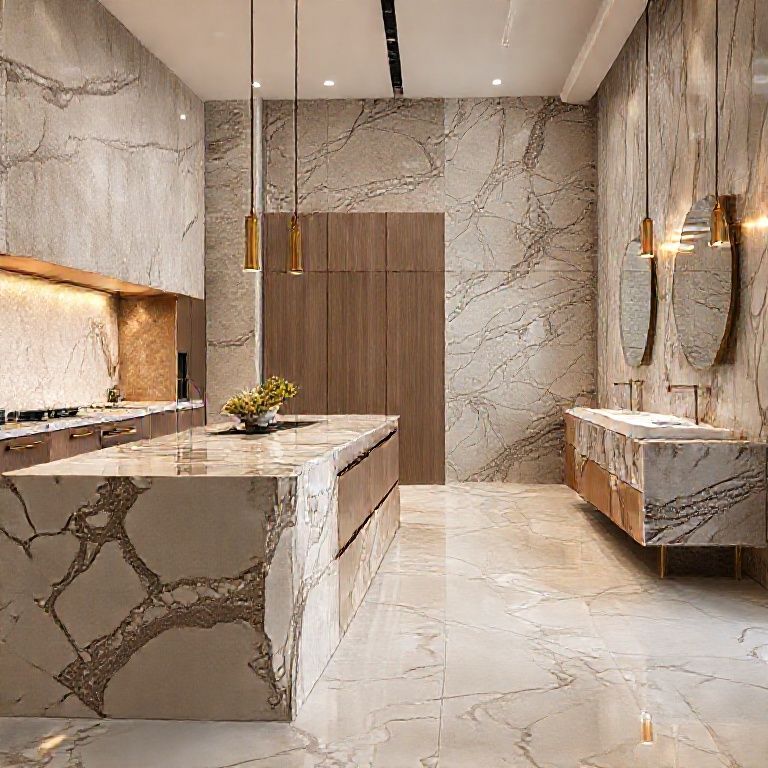
Low Maintenance: Unlike natural stone, Ke Li Nai does not require sealing or regular maintenance. It can withstand everyday wear and tear without needing special care, making it an ideal choice for busy households.
Water Resistance: Being a composite material, Ke Li Nai is highly resistant to water and moisture. This makes it an excellent option for kitchens where spills and splashes are common.
Eco-Friendly: Produced with sustainable methods, Ke Li Nai minimizes the environmental footprint compared to traditional materials.
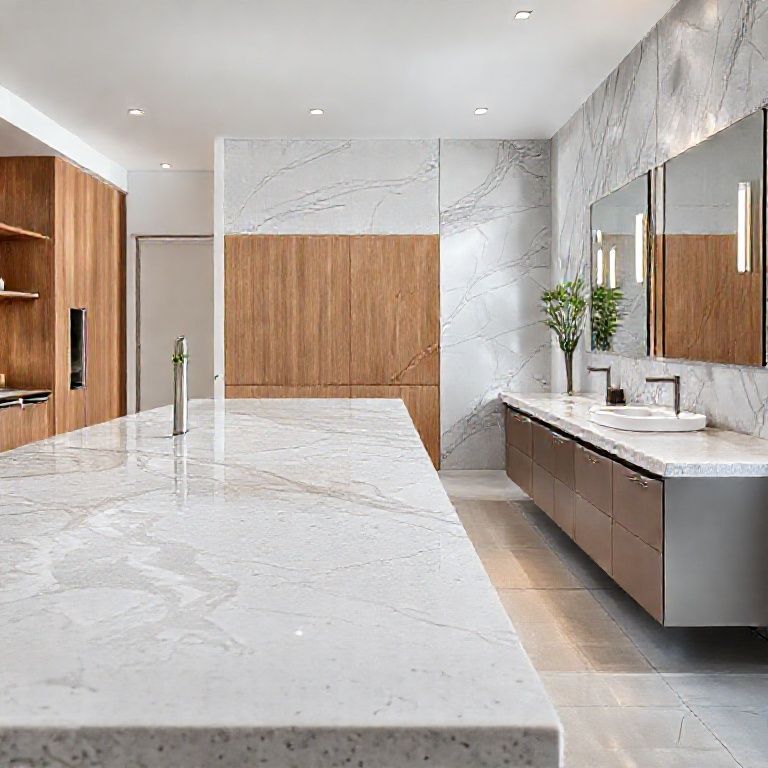
Exploring Quartzite: The Natural Beauty
Quartzite, a metamorphic rock formed from quartz-rich sandstone, has been a staple in luxury kitchens for decades. Known for its natural beauty and timeless elegance, Quartzite offers a unique look that is both sophisticated and versatile.
Key Features of Quartzite:
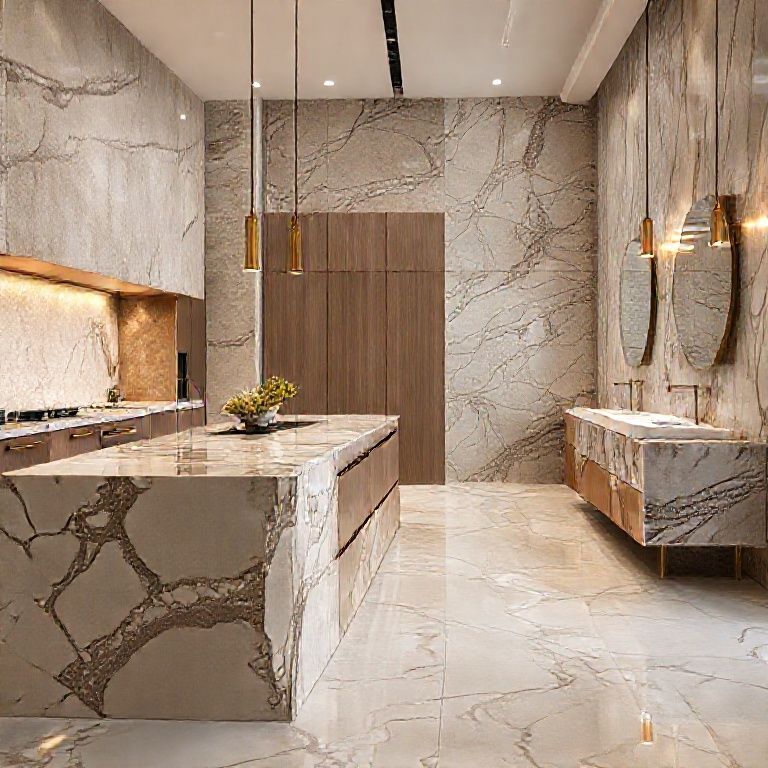
Natural Beauty: Quartzite countertops boast a stunning, natural appearance that is truly one-of-a-kind. The veins and patterns that occur naturally in Quartzite add a unique character to each piece, making it perfect for those who appreciate natural aesthetics.
Durability: While Quartzite is not as hard as Ke Li Nai, it still offers remarkable durability. It ranks an 7 on the Mohs scale, making it resistant to scratches and some forms of damage. However, it is more prone to staining compared to composite materials like Ke Li Nai.
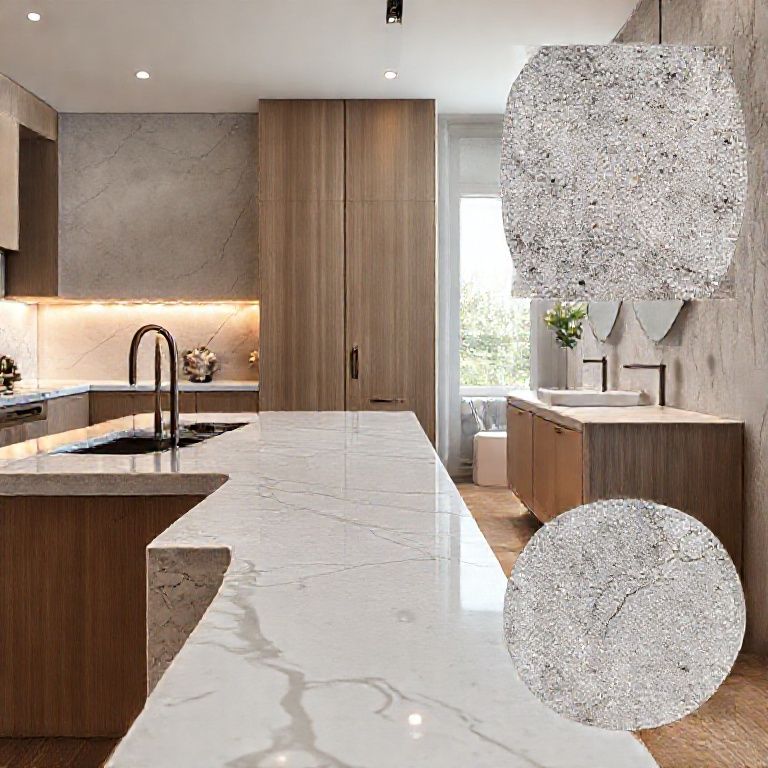
Warmth and Texture: The tactile feel of Quartzite provides a warm and inviting touch to any kitchen. Its natural texture adds a sense of authenticity and richness that synthetic materials often lack.
Maintenance Requirements: Unlike Ke Li Nai, Quartzite requires some level of maintenance. It is recommended to seal Quartzite countertops periodically to protect against stains and discoloration.
Cost: Generally, Quartzite is more expensive than Ke Li Nai due to its natural origin and the intricate process required to transform sandstone into a polished countertop.
Conclusion: Weighing the Pros and Cons
Choosing between Ke Li Nai and Quartzite boils down to personal preference, lifestyle, and budget. If durability, low maintenance, and versatility are your top priorities, Ke Li Nai is likely the superior choice. Its resistance to scratches, stains, and water makes it a practical and long-lasting option for most households.
On the other hand, if you value natural beauty and the unique, handcrafted aesthetic of a natural stone, Quartzite may be the better choice. Its natural patterns and textures offer a timeless elegance that is difficult to replicate.
In the next part of our series, we will delve deeper into the installation process, maintenance tips, and real-world comparisons between Ke Li Nai and Quartzite, providing you with all the information you need to make the best choice for your kitchen renovation.
The Ultimate Showdown: Ke Li Nai vs Quartzite – Which Is the Superior Choice for Your Home?
Installation Process: Ease and Expertise
When it comes to the installation process, both Ke Li Nai and Quartzite have their unique considerations. Understanding these will help you better appreciate the materials and plan accordingly for your kitchen renovation.
Ke Li Nai Installation:
Ke Li Nai’s installation process is relatively straightforward due to its composite nature. It can be installed by a professional using conventional methods similar to those used for other composite materials. The key steps include:
Preparation: The surface where the Ke Li Nai countertop will be installed must be clean, level, and free from any obstructions.
Cutting: Ke Li Nai can be cut using standard tools like tile cutters or wet saws. Custom shapes and sizes can be easily achieved without significant difficulty.
Installation: Adhesives or mechanical fasteners can be used to secure the Ke Li Nai countertop. Given its lightweight nature, professional assistance is often recommended to ensure a perfect fit.
Finishing: Once installed, the countertop can be polished to achieve the desired finish. This step is relatively quick and straightforward.
Quartzite Installation:
The installation of Quartzite countertops requires more expertise due to its natural stone nature. The process involves several key steps:
Preparation: Similar to Ke Li Nai, the surface must be clean, level, and free from obstructions. However, Quartzite’s natural veining can affect the fit, so precise measurements are crucial.
Cutting: Quartzite requires careful cutting to ensure the natural veining aligns perfectly. Professionals often use specialized saws to achieve precise cuts.
Installation: Quartzite’s weight and hardness make it more challenging to install. Professionals typically use specialized adhesives and sometimes mechanical fasteners to secure the countertop properly.
Sealing: After installation, Quartzite countertops must be sealed to protect against stains and moisture. This step requires patience and expertise to ensure an even application.
Maintenance Tips: Keeping Your Countertops in Pristine Condition
Maintenance is a crucial factor in the longevity and appearance of your kitchen countertops. Both Ke Li Nai and Quartzite require different care routines to maintain their beauty and functionality.
Ke Li Nai Maintenance:
Ke Li Nai’s low maintenance nature is one of its biggest selling points. Here are some tips to keep your Ke Li Nai countertop looking great:
Daily Cleaning: Use a mild soap and warm water to clean your countertop daily. Avoid abrasive cleaners that can scratch the surface.
Spills: For spills, wipe them up immediately to prevent stains. Use a gentle cleaner for any stubborn spots.
Heat: Avoid placing hot pots or pans directly on the countertop. Use pot holders and trivets to protect it from heat damage.
Avoiding Damage: While Ke Li Nai is highly scratch-resistant, it’s still best to avoid placing heavy objects directly on the surface to prevent any potential damage.
Quartzite Maintenance:
Quartzite requires a bit more care to maintain its natural beauty and durability. Here’s how to keep your Quartzite countertop in top shape:
Daily Cleaning: Use a mild soap and warm water for daily cleaning. Avoid using acidic or alkaline cleaners that can damage the stone.
Stains: For spills and stains, blot them up immediately and clean with a gentle cleaner. Some stains may require professional cleaning to remove.
Sealing: Quartzite countertops need to be sealed periodically to protect against stains and discoloration. Follow the manufacturer’s instructions for the best results.
Heat: As with Ke Li Nai, avoid placing hot objects directly on the Quartzite surface to prevent heat damage.
Real-World Comparisons: Durability and Aesthetic Appeal
To truly understand the merits of Ke Li Nai vs Quartzite, let’s explore some real-world comparisons in terms of durability and aesthetic appeal.
Durability:
In terms of durability, Ke Li Nai takes the lead. Its composite nature provides unmatched resistance to scratches, stains, and water. This makes it ideal for high-traffic areas where durability is a top concern. Ke Li Nai’s hardness on the Mohs scale ensures that it will maintain its appearance for years without significant damage.
Quartzite, while durable, is more prone to staining compared to Ke Li Nai. Its natural stone composition means that it can absorb some stains over time, although regular sealing can help mitigate this issue. Quartzite’s hardness, while good, is not as high as Ke Li Nai’s, meaning it may require more frequent maintenance to avoid scratches and dents.
Aesthetic Appeal:
When it comes to aesthetic appeal, Quartzite often wins the hearts of those who appreciate natural stone. Its unique, veined patterns and natural texture offer a warmth and character that composite materials like Ke Li Nai can’t replicate. Quartzite countertops come in a range of colors and finishes, from sleek and modern to rich and traditional, allowing for highly personalized designs.
Ke Li Nai, while not natural stone, can mimic the look of various natural materials with its versatile color and pattern options. The composite nature of Ke Li Nai allows for consistent and precise finishes, which can be tailored to any design vision. However, some purists might argue that the aesthetic of Ke Li Nai lacks the organic beauty of natural stone.
Budget Considerations
The cost of your countertop is another important factor in your decision. Generally, Quartzite tends to be more expensive due to its natural origin and the intricate process required to transform sandstone into a polished countertop. High-quality Quartzite can easily cost several thousand dollars per square meter.
Ke Li Nai, being a composite material, is typically more affordable. The cost varies depending on the design and customization, but it generally falls within a more accessible price range. This makes Ke Li Nai a great choice for those looking for high-quality material without breaking the bank.
Conclusion: Which Is the Superior Choice?
Deciding between Ke Li Nai and Quartzite ultimately boils down to your personal preferences, lifestyle, and budget.
If durability, low maintenance, and affordability are your top priorities, Ke Li Nai is likely the superior choice. Its resistance to scratches, stains, and water, combined with its ease of installation and low maintenance requirements, make it a practical and long-lasting option for most households.
If natural beauty, unique aesthetics, and a bit of a higher budget are your priorities, Quartzite is the way to go. Its natural veining and texture offer a timeless elegance that can elevate the look of any kitchen, though it does require some level of maintenance and periodic sealing.
In the end, both materials offer incredible benefits and can transform your kitchen into a stunning space. By understanding their unique strengths and weaknesses, you can make an informed decision that best suits your needs and enhances your home.