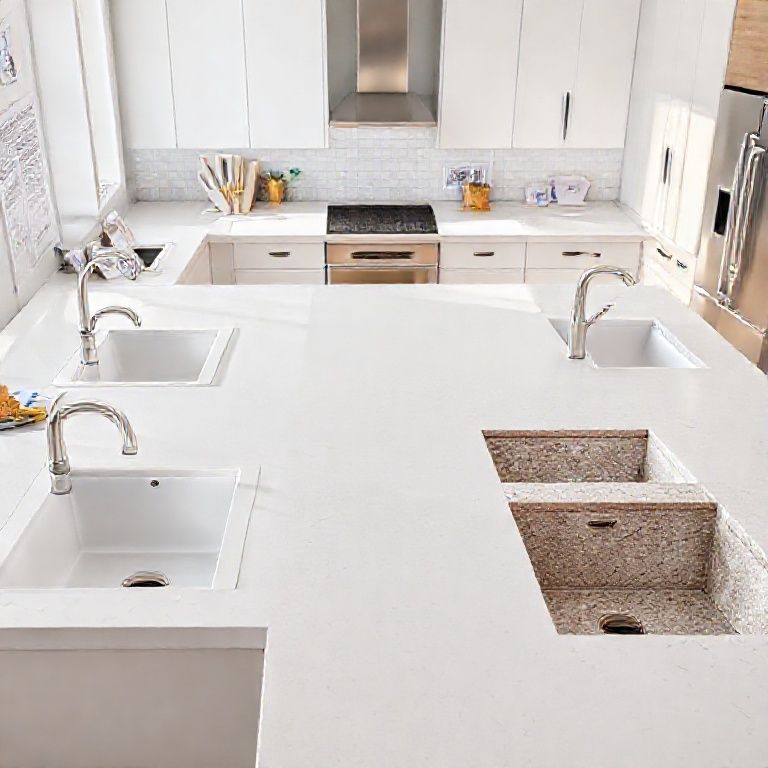
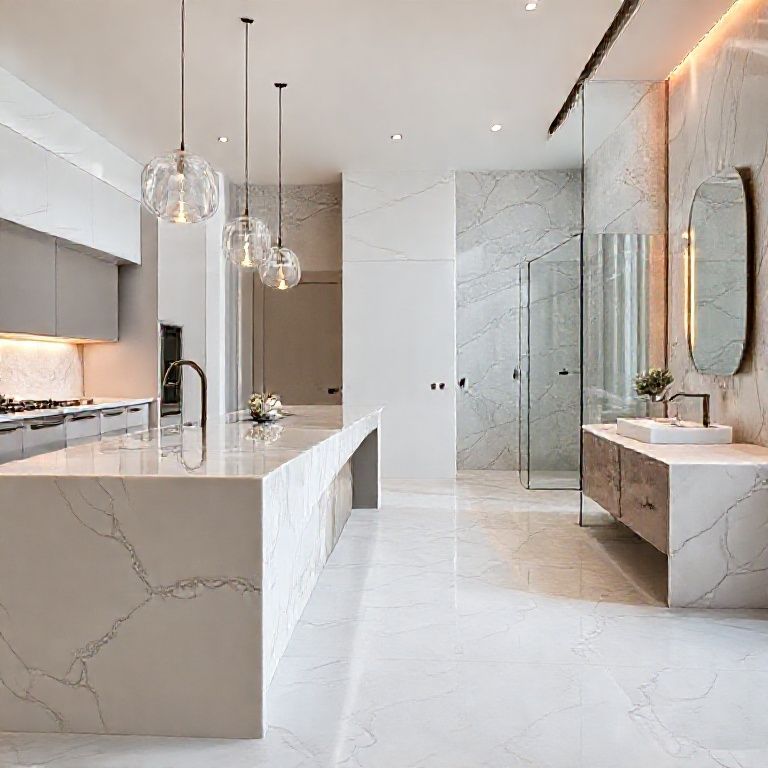
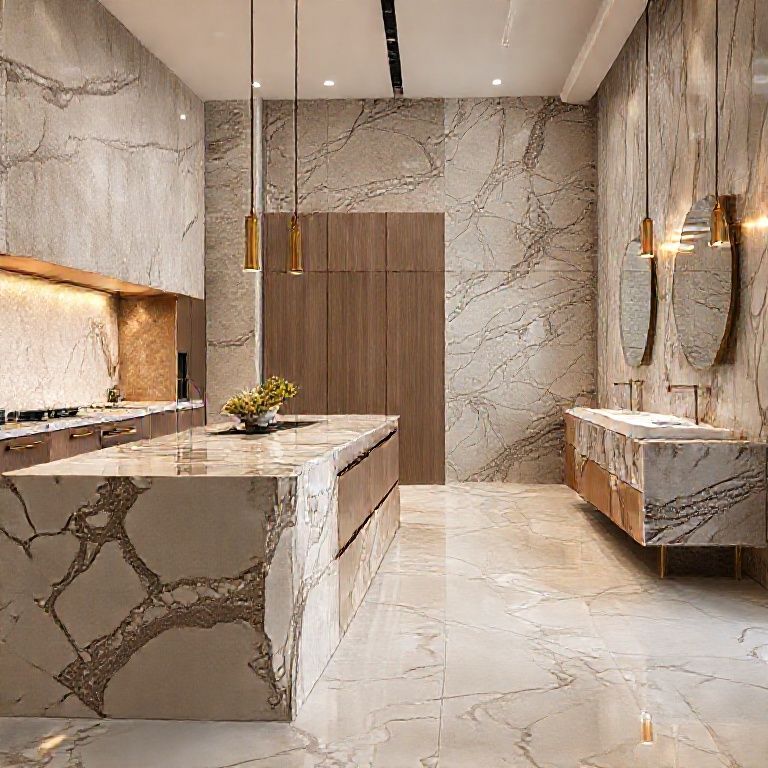
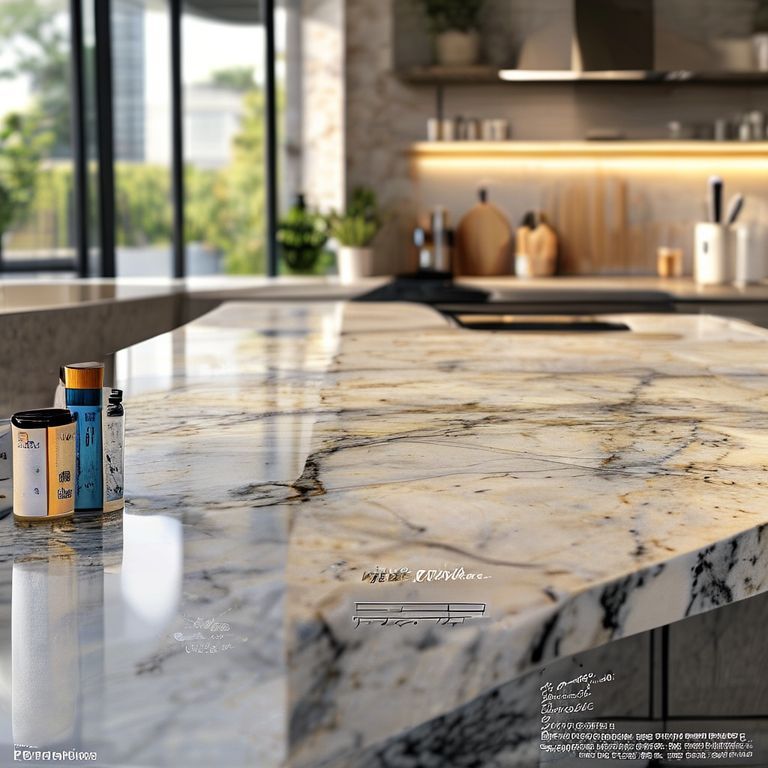
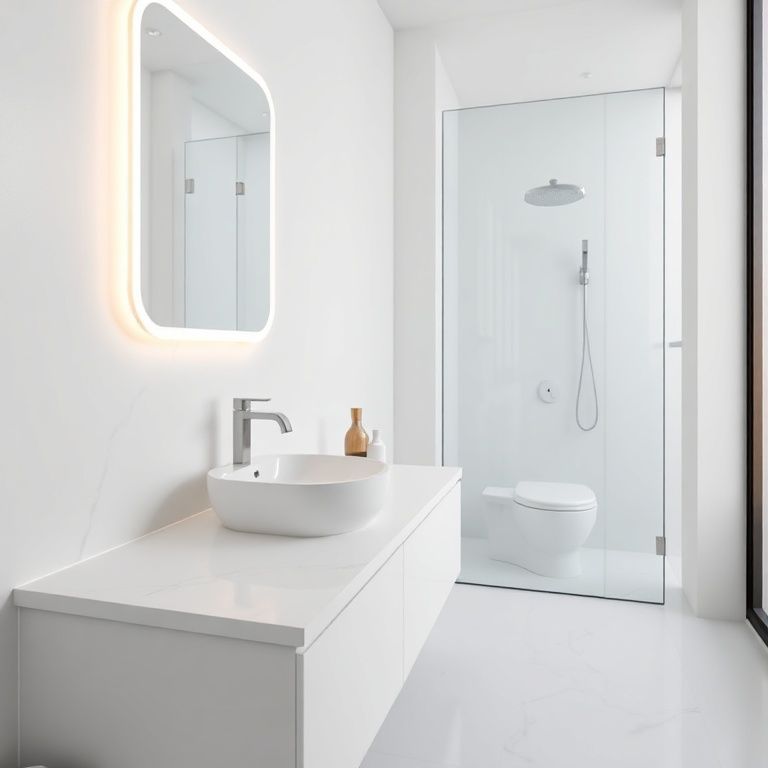
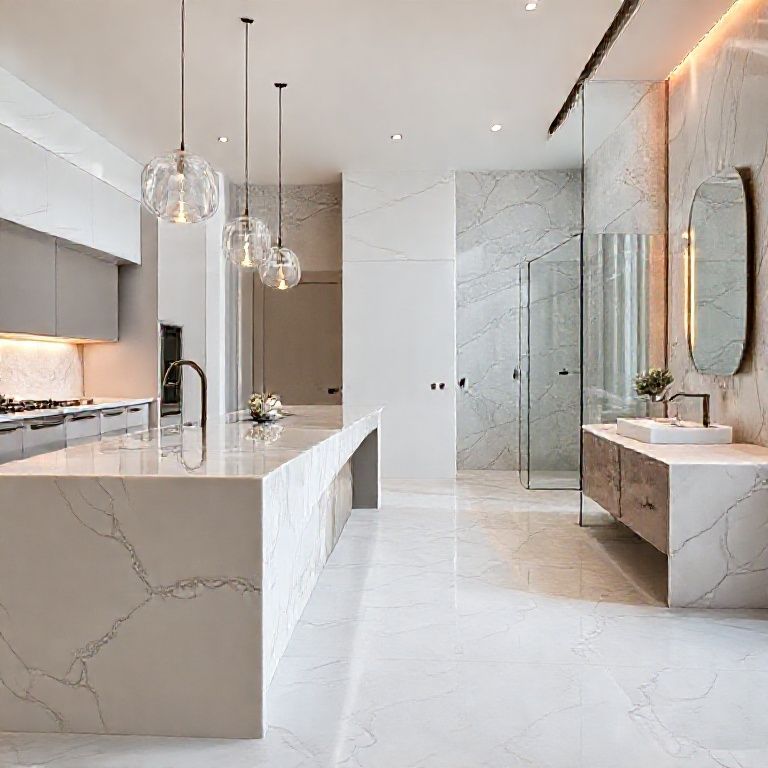
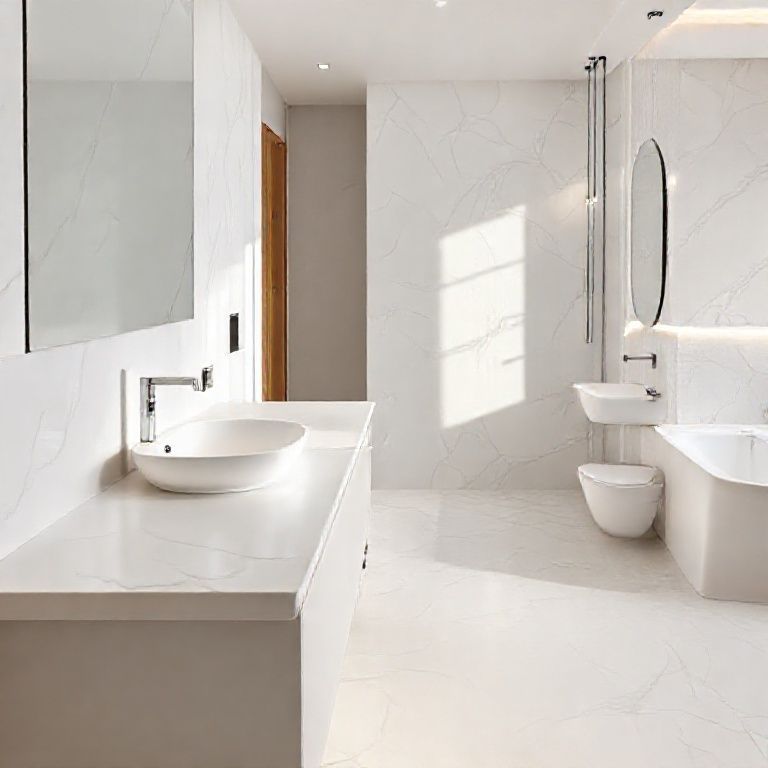
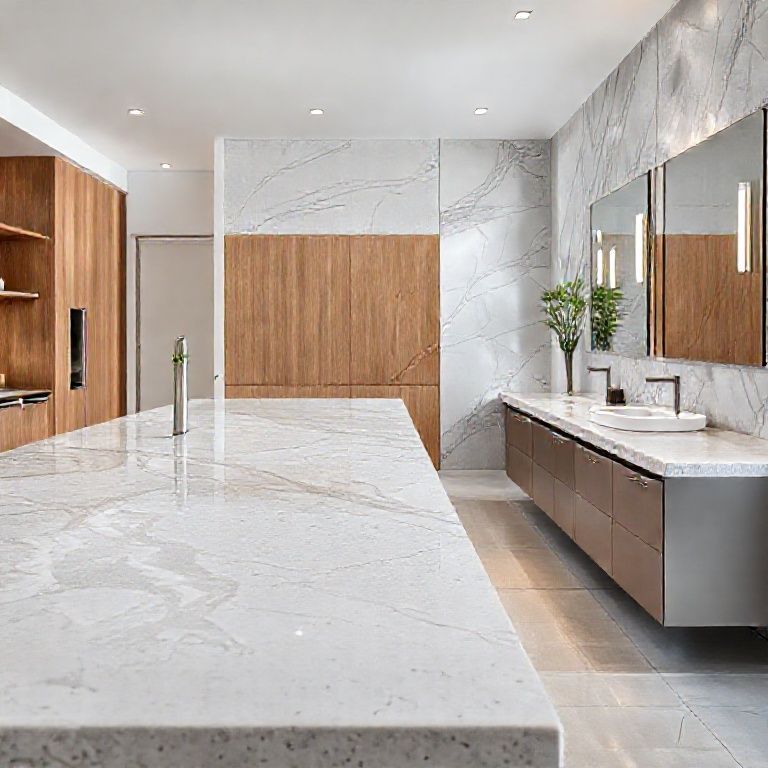
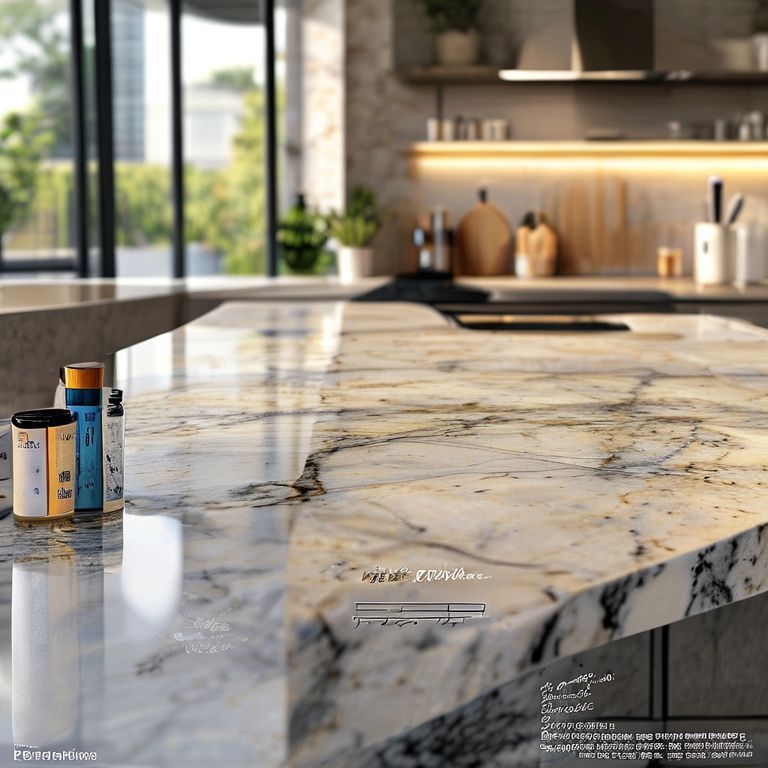
When it comes to the world of high-end interior design, few materials compare to the elegance and versatility of engineered marble. This luxurious substance has revolutionized the way we approach countertops, flooring, and even wall cladding, bringing a touch of sophistication to both residential and commercial spaces. But what exactly goes into making engineered marble? Let’s embark on a detailed exploration of the materials that make this stunning material possible.
The Essence of Engineered Marble
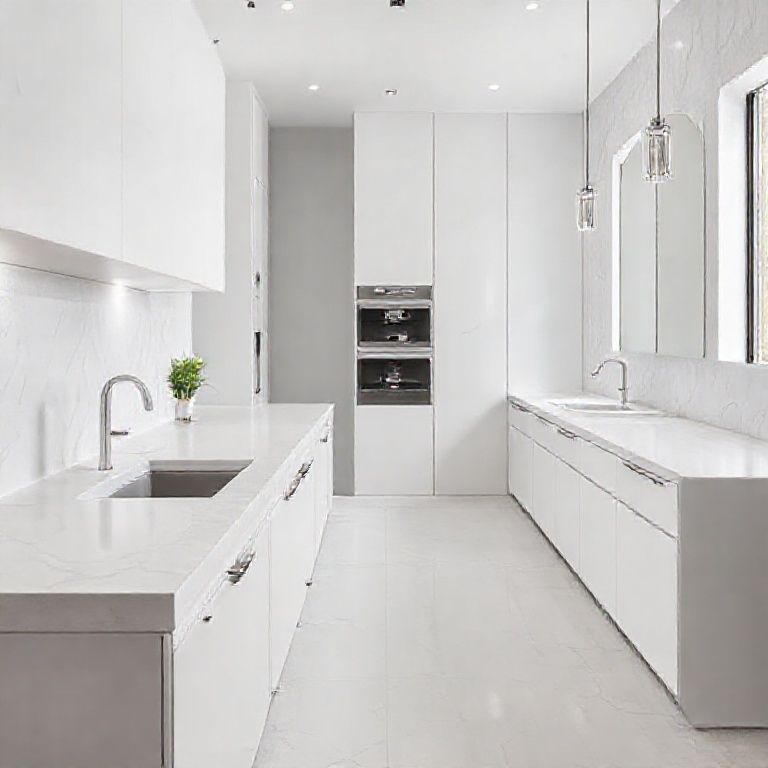
Engineered marble, often referred to as synthetic or composite marble, is not a single material but rather a combination of various substances designed to mimic the beauty and durability of natural marble. Unlike natural marble, which is quarried from the earth, engineered marble is manufactured in a controlled environment, allowing designers and manufacturers to create custom colors, patterns, and finishes.
Core Components of Engineered Marble
1. Resin Base
The backbone of engineered marble is its resin base. This foundational material is typically made from melamine resin, which provides the strength and durability necessary to withstand everyday wear and tear. Melamine resin is known for its high resistance to scratches, stains, and heat, making it an ideal choice for high-traffic areas.
2. Pigments and Dyes
To achieve the rich, varied colors and intricate patterns that characterize marble, pigments and dyes are blended into the resin base. These pigments can be organic or inorganic, and they are carefully selected to ensure that the final product maintains its vibrant appearance over time. Advanced technology allows for the creation of stunning gradients and veining that mimic the natural beauty of marble veins.
3. Fillers and Aggregates
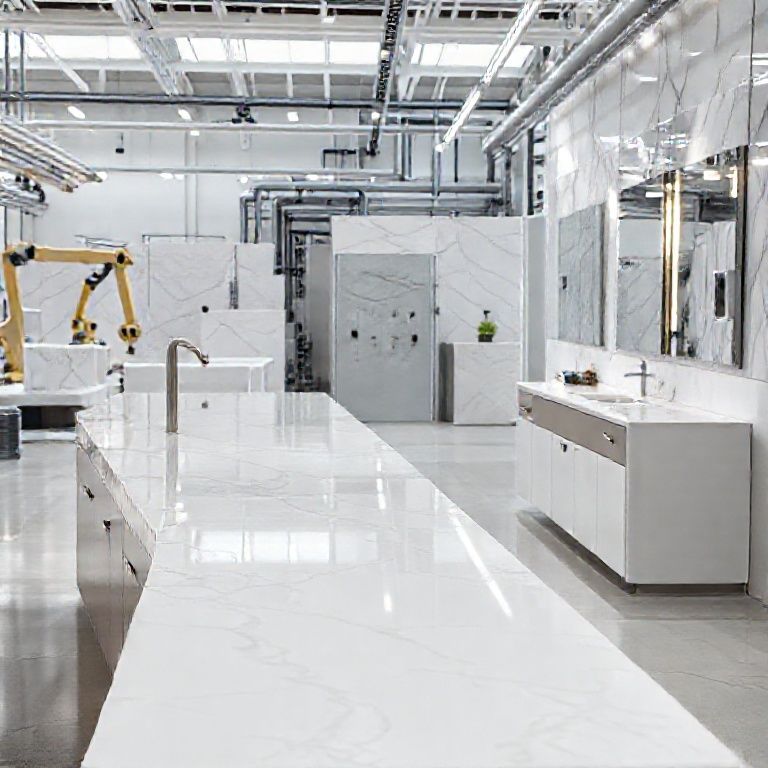
To further enhance the texture and appearance of engineered marble, fillers and aggregates are added to the resin mixture. Common fillers include calcium carbonate, quartz, and silica. These materials not only contribute to the aesthetic appeal but also improve the overall strength and stability of the composite. The precise composition can be tailored to meet specific design requirements, allowing for endless creative possibilities.
4. Catalysts and Hardeners
Catalysts and hardeners play a crucial role in the manufacturing process, ensuring that the resin base cures properly and achieves the desired hardness and durability. These chemicals initiate the polymerization process, transforming the liquid resin into a solid, stone-like material. The careful selection and proportioning of these additives are vital to the final quality of the engineered marble.
Advantages of Engineered Marble
The materials used in engineered marble offer several significant advantages over natural stone:
Customization: Engineered marble can be manufactured to order, allowing for custom colors, patterns, and sizes that perfectly match design specifications. Durability: The high-quality resin base and advanced manufacturing processes ensure that engineered marble is resistant to scratches, stains, and thermal damage, making it an excellent choice for high-traffic areas. Cost-Effectiveness: While the initial cost of engineered marble may be higher than some alternatives, its durability and low maintenance requirements often result in long-term savings. Sustainability: The controlled manufacturing process of engineered marble reduces waste and can be more environmentally friendly than quarrying natural stone.
Applications of Engineered Marble
Engineered marble is a versatile material that finds applications in various sectors:
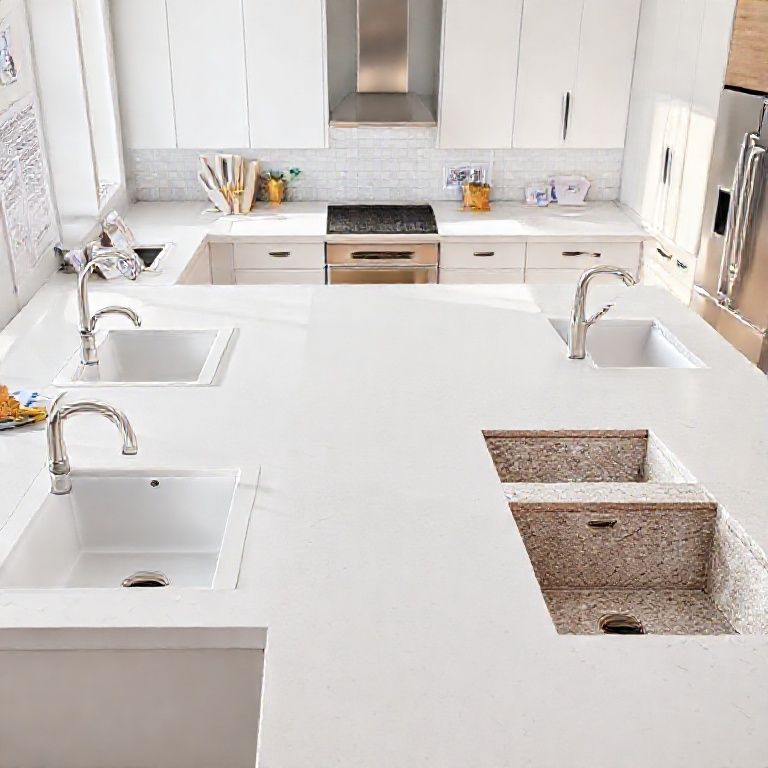
Commercial Spaces: From office buildings to retail stores, engineered marble is prized for its durability and aesthetic appeal. It’s often used for countertops, flooring, and facade cladding. Residential Interiors: In homes, engineered marble is a popular choice for kitchen and bathroom countertops, providing a luxurious yet low-maintenance surface. Public Spaces: Hospitals, hotels, and airports often use engineered marble for its impressive durability and ease of cleaning, ensuring that high-traffic areas remain pristine.
Conclusion
The materials that go into engineered marble are a testament to modern innovation and craftsmanship. By combining high-quality resin, pigments, fillers, and advanced manufacturing techniques, engineers have created a material that not only rivals but often surpasses the beauty and functionality of natural marble. As we delve deeper into the world of engineered marble in the next part of our exploration, we will uncover even more about how these materials come together to create stunning, long-lasting designs.
As we continue our exploration of engineered marble, we’ll dive into the sophisticated materials and advanced techniques that bring this luxurious material to life. Understanding these components not only highlights the craftsmanship involved but also underscores the versatility and innovation that make engineered marble a preferred choice for modern design.
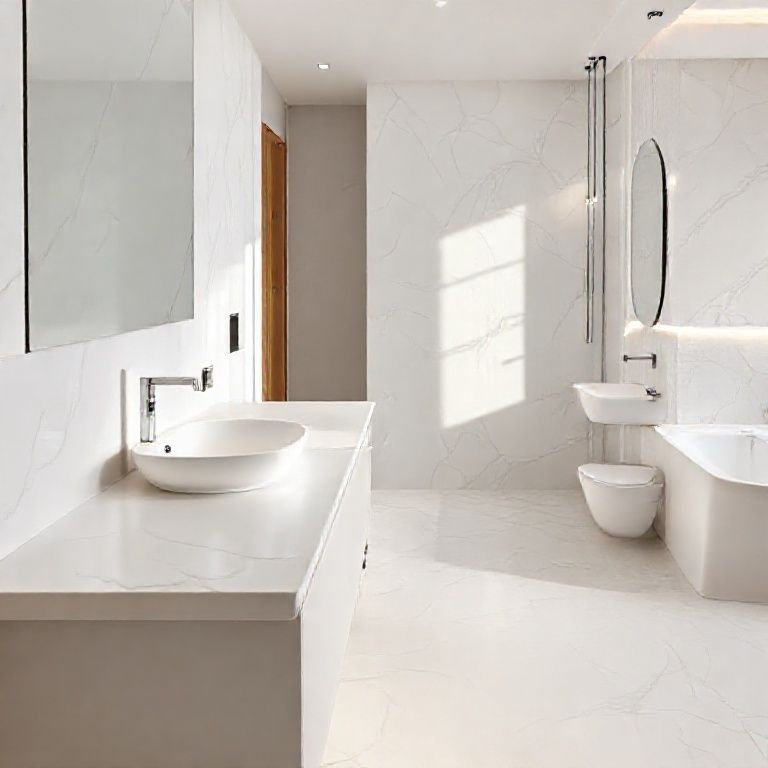
Advanced Materials in Engineered Marble
1. Polymer Matrix
At the core of engineered marble is a polymer matrix, which is typically made from a combination of resins such as polyester, epoxy, or polyurethane. These polymers provide the structural integrity and flexibility needed to create a durable, stone-like material. The choice of polymer matrix can significantly affect the final product’s properties, including its hardness, resistance to chemicals, and overall durability.
2. Colorants and Additives
The color and pattern of engineered marble are achieved through the meticulous blending of colorants and additives into the polymer matrix. Modern colorants are often nano-sized particles that offer precise control over the final appearance. Additives such as opacifiers, stabilizers, and UV protectants are also included to enhance the material’s aesthetic and functional qualities. These additives ensure that the engineered marble maintains its vibrant colors and resists fading over time.
3. Microfillers
Microfillers such as calcium carbonate, talc, and glass fibers are incorporated into the polymer matrix to improve the material’s texture and mechanical properties. These fillers provide additional strength and help to create the nuanced surface characteristics that mimic natural marble. The use of microfillers also allows for the creation of unique textures, from smooth and polished to textured and veined.
Manufacturing Processes
The production of engineered marble involves several sophisticated manufacturing processes that ensure the final product meets the highest standards of quality and durability.
1. Mold Pressing
One of the primary manufacturing processes for engineered marble is mold pressing. In this method, the resin mixture, along with pigments and fillers, is poured into a mold and subjected to high pressure and temperature. The mold is designed to create the desired shape and surface texture, and the pressure helps to eliminate air bubbles and ensure an even distribution of materials. This process results in a uniform and high-quality product.
2. Cutting and Finishing
Once the engineered marble has been pressed and cured, it is cut to the required dimensions and then polished to achieve the desired surface finish. The cutting process involves precision saws and routers, while polishing is often done using diamond abrasives. The final finish can range from a smooth, glossy surface to a matte or textured finish, depending on the design specifications.
3. Lamination
In some cases, engineered marble slabs may undergo a lamination process to create thicker and more durable panels. This involves bonding multiple layers of material together under high pressure and heat, resulting in a stronger and more robust final product. Lamination is particularly useful for applications that require greater thickness, such as large countertops or flooring.
Innovations in Engineered Marble
The field of engineered marble is continuously evolving, with new innovations and technologies enhancing its capabilities and applications.
1. Smart Marble
One of the most exciting developments in engineered marble is the concept of “smart marble.” This innovative material incorporates electronic components and sensors into the marble structure, allowing it to perform various functions such as lighting, heating, and even interactive displays. Smart marble is revolutionizing the way we think about design and functionality, offering endless possibilities for modern interiors.
2. Eco-Friendly Materials
Sustainability is becoming increasingly important in the manufacturing of engineered marble. Researchers and manufacturers are exploring the use of eco-friendly materials and processes to reduce the environmental impact. This includes the development of biodegradable resins, the use of recycled fillers, and the implementation of energy-efficient manufacturing techniques.
3. 3D Printing
The advent of 3D printing technology is opening new frontiers in the production of engineered marble. By using 3D printers, manufacturers can create complex and custom shapes that would be difficult or impossible to achieve with traditional methods. This technology allows for greater design freedom and can significantly reduce production time and costs.
Applications and Trends
Engineered marble continues to find new applications across various industries, driven by its versatility and innovative materials.
1. Luxury Interiors
In high-end residential and commercial interiors, engineered marble is often used for countertops, flooring, and wall cladding. Its customizable nature allows designers to create unique### Applications and Trends
Engineered marble continues to find new applications across various industries, driven by its versatility and innovative materials.
1. Luxury Interiors
In high-end residential and commercial interiors, engineered marble is often used for countertops, flooring, and wall cladding. Its customizable nature allows designers to create unique designs that perfectly match the aesthetic of the space. From sleek, modern kitchens to elegant bathrooms, engineered marble brings a touch of luxury and durability.
2. Commercial Spaces
In commercial settings such as hotels, offices, and retail stores, engineered marble is prized for its durability and ease of maintenance. Its ability to withstand heavy foot traffic and resist stains makes it an ideal choice for high-traffic areas. Additionally, its customizable properties allow for unique designs that can enhance the overall branding and aesthetic of the space.
3. Public Spaces
Public spaces like hospitals, airports, and government buildings benefit greatly from the use of engineered marble. Its durability and resistance to chemicals make it perfect for areas that require frequent cleaning and high sanitation standards. Moreover, its versatile appearance allows for the creation of visually appealing environments that can reduce stress and enhance the overall experience for visitors and employees.
4. Artistic Installations
Engineered marble is also used in artistic installations and sculptures. Its ability to mimic the intricate patterns of natural marble allows artists to create stunning works that can be displayed in galleries, parks, and other public spaces. The material’s durability ensures that these installations can withstand the elements and last for many years.
Future Trends in Engineered Marble
The future of engineered marble looks promising, with ongoing research and development aimed at enhancing its properties and expanding its applications.
1. Advanced Composites
Researchers are continually exploring new types of composites that can enhance the strength, durability, and aesthetic appeal of engineered marble. Advanced composites made from high-performance resins and nanomaterials could lead to the creation of marble that is even more resistant to scratches, stains, and thermal damage.
2. Smart Technologies
The integration of smart technologies into engineered marble is likely to become more prevalent. Future developments may include marble that can change color, provide heating, or even interact with users through integrated sensors. These innovations could transform engineered marble into a multi-functional material that enhances the functionality of modern interiors.
3. Sustainability
As sustainability becomes a more pressing concern, the focus on eco-friendly materials and processes in engineered marble manufacturing will likely increase. This includes the development of biodegradable resins, the use of recycled materials, and the implementation of energy-efficient manufacturing techniques. Sustainable engineered marble could play a significant role in reducing the environmental impact of the construction and design industries.
Conclusion
Engineered marble is a testament to the fusion of nature and innovation. The materials and processes involved in its creation are sophisticated and continually evolving, allowing for endless possibilities in design and application. From luxury interiors to public spaces, engineered marble brings elegance, durability, and versatility to a wide range of settings. As advancements in materials science and technology continue to emerge, the future of engineered marble looks bright and full of potential, promising to redefine the way we think about design and functionality in the years to come.
Engineered marble is not just a material; it’s a bridge between the beauty of nature and the innovation of modern science, offering a luxurious yet practical solution for contemporary design needs. Whether for residential, commercial, or public spaces, the enduring appeal of engineered marble lies in its ability to combine the timeless beauty of marble with the practical benefits of modern engineering.