The Nature and Composition of Artificial Marble
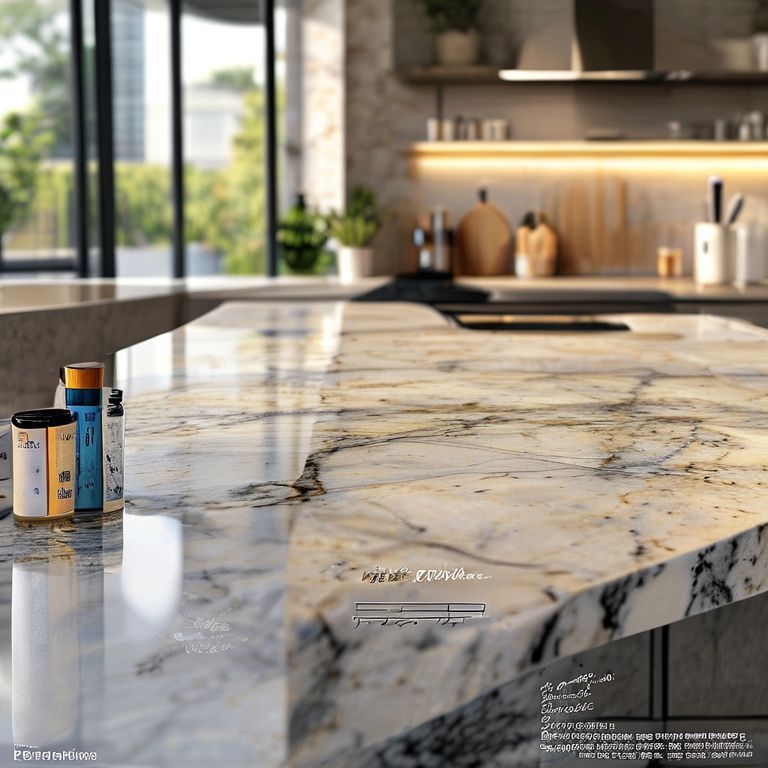
Artificial marble, also known as cultured marble, is a composite material that has gained immense popularity in recent years due to its aesthetic appeal and durability. This luxurious material combines a mixture of natural marble dust, resin, and other additives to create a stone-like appearance and texture. Unlike natural marble, which is a naturally occurring metamorphic rock, artificial marble is a man-made product meticulously crafted to mimic the appearance of its natural counterpart.

What Is Artificial Marble Made Of?
Artificial marble is primarily composed of:
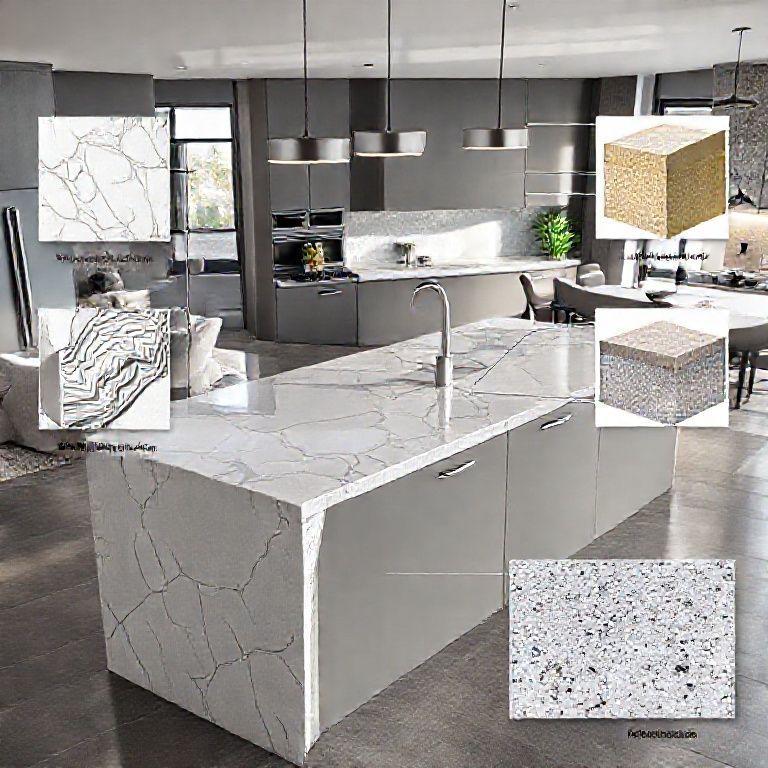
Marble Dust: Finely ground natural marble powder that provides the characteristic look and feel of real marble. Resin: A binding agent, usually an acrylic polymer, which holds the marble dust together and imparts strength and flexibility to the material. Colorants and Pigments: These are added to achieve the desired hue and to enhance the visual appeal. Hardening Agents: Chemicals that solidify the mixture and make it resistant to stains and scratches.
The Production Process
The production of artificial marble involves several steps:
Mixing: Marble dust, resin, and colorants are thoroughly mixed in a controlled environment. Molding: The mixture is poured into molds and allowed to set under pressure and heat. Curing: Once set, the artificial marble is cured to ensure the resin fully hardens, creating a durable surface. Finishing: The final product is smoothed and polished to achieve a sleek, professional finish.
Safety Standards and Regulations
One of the critical concerns surrounding artificial marble is whether it poses any radioactive hazards. To address this, it’s essential to understand the regulatory standards and safety measures in place.
Regulatory Standards
The production of artificial marble is regulated by various international and national bodies to ensure that it meets safety standards. These include:
ISO Standards: International Organization for Standardization provides guidelines for the production of composite materials, including artificial marble. RoHS Compliance: The Restriction of Hazardous Substances Directive limits the use of certain hazardous materials in electronic and electrical equipment. Artificial marble must comply with these regulations to ensure it does not contain harmful substances like lead, mercury, or cadmium. REACH Compliance: The Registration, Evaluation, Authorisation, and Restriction of Chemicals regulation ensures that substances used in manufactured goods are safe for both consumers and the environment.
Health and Safety Measures
Manufacturers of artificial marble are required to adhere to stringent health and safety protocols:
Material Sourcing: Only high-quality, non-radioactive marble dust and resins are used. Quality Control: Rigorous testing and quality control measures are implemented to ensure that the final product is free from contaminants. Safety Certifications: Many manufacturers obtain certifications from recognized bodies to demonstrate compliance with safety standards.
Addressing Radioactive Concerns
When it comes to radioactivity, it’s important to clarify that genuine concerns about radiation from artificial marble are largely unfounded. Here’s why:
Understanding Radioactivity
Radioactivity refers to the decay of unstable atomic nuclei, which emits radiation. Natural materials like granite and certain types of marble can contain trace amounts of radioactive elements like uranium, thorium, and potassium-40. However, the concentration of these elements in natural marble is usually too low to pose any significant health risk.
Artificial Marble and Radioactivity
Artificial marble, on the other hand, is a synthetic product:
Non-Radioactive Base: The primary components—marble dust and resin—are intentionally sourced from non-radioactive sources. Controlled Environment: The manufacturing process ensures that any potential radioactive materials are kept to minimal levels, if present at all. Safety Testing: Manufacturers conduct extensive testing to ensure that their products do not exceed safe radiation levels.
Real-World Applications and User Experience
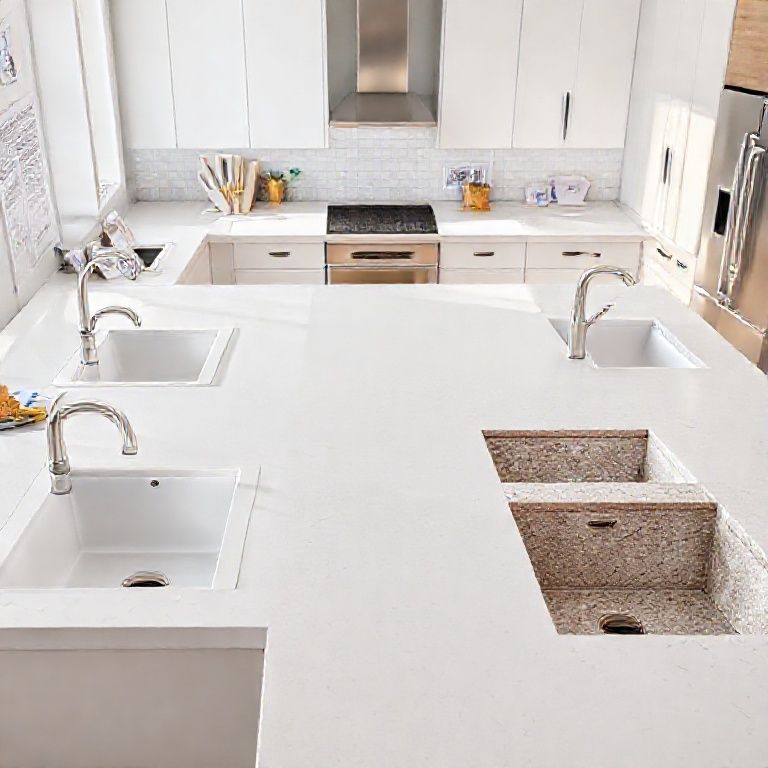
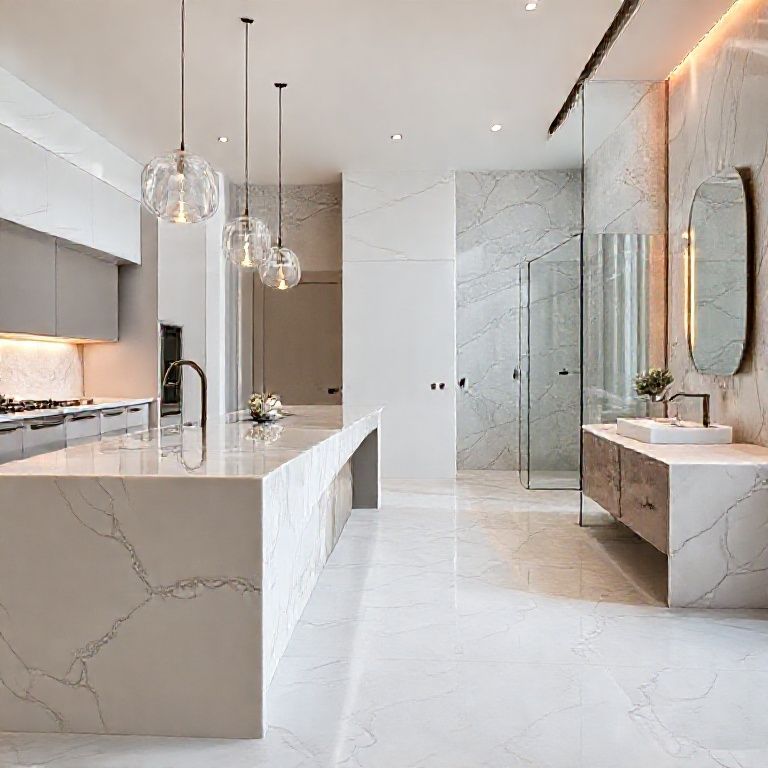
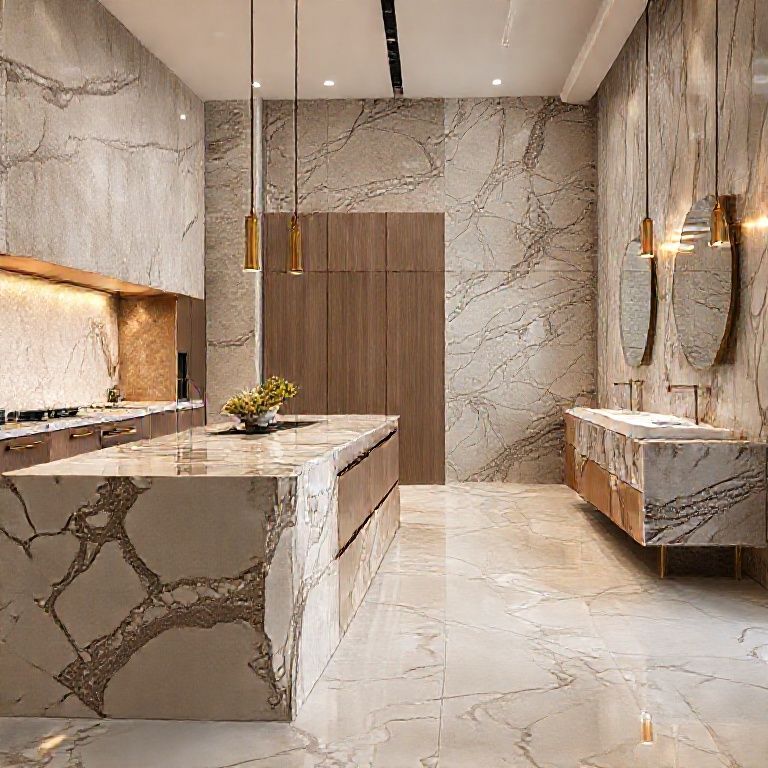
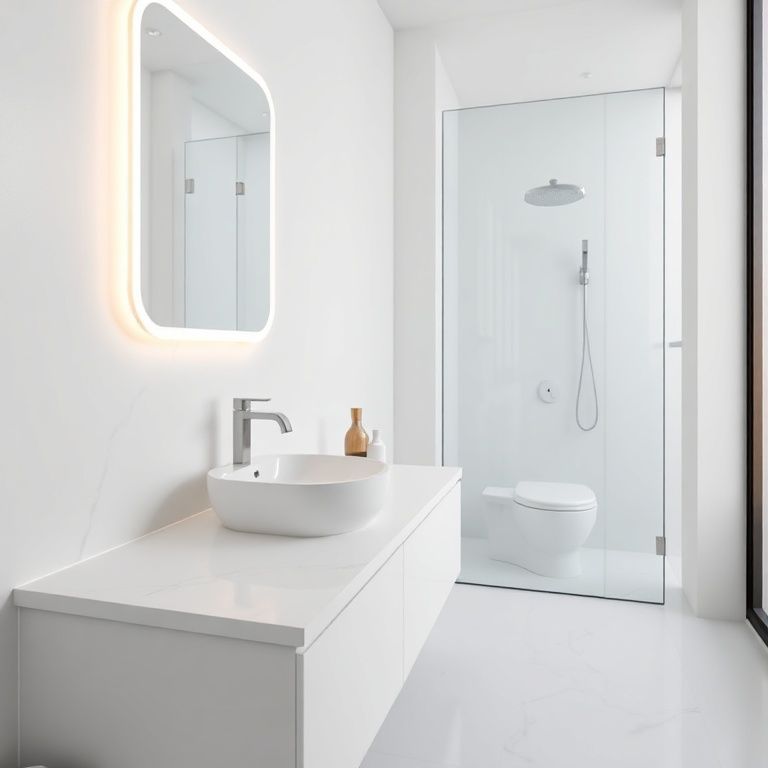
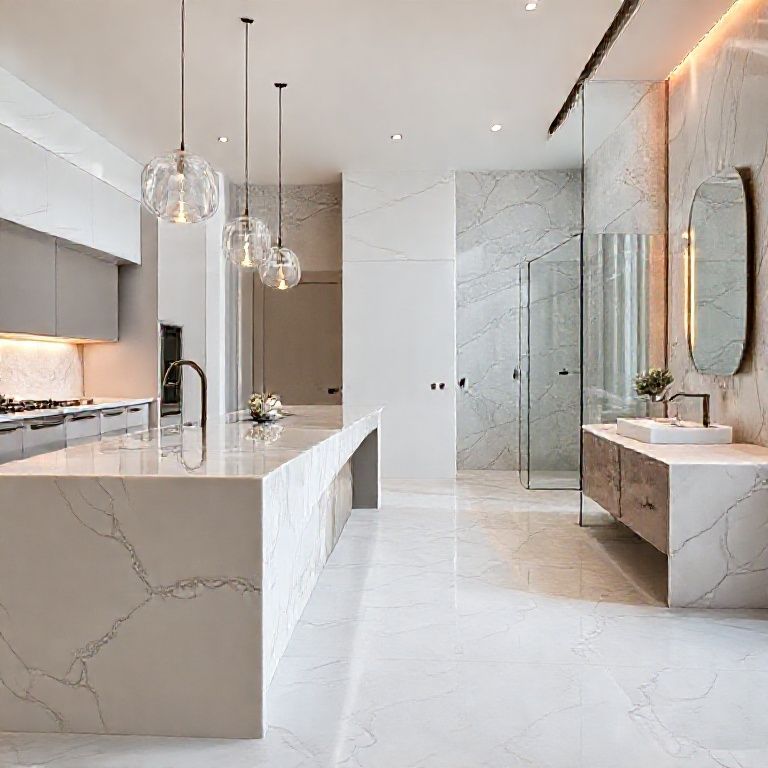
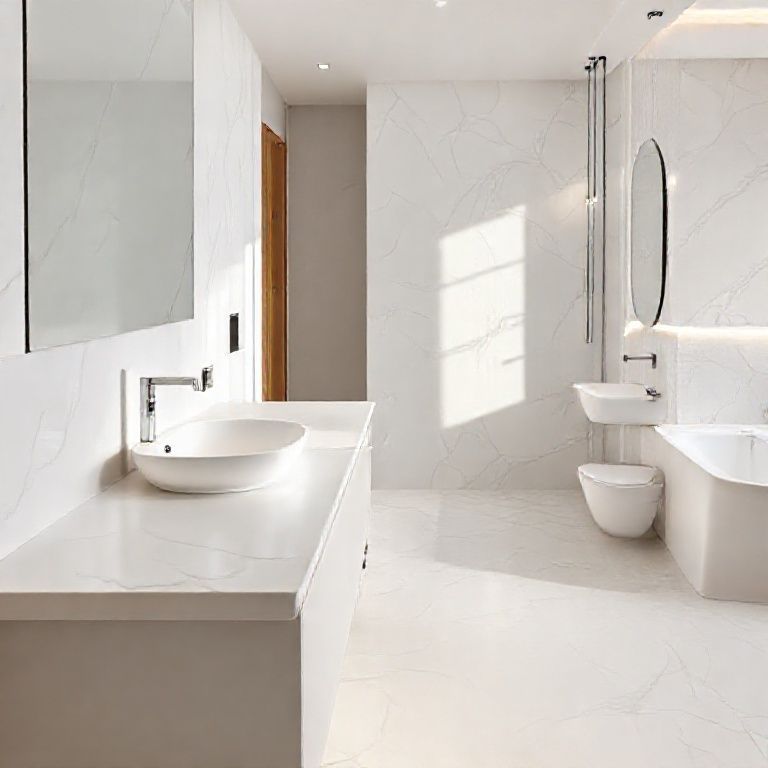
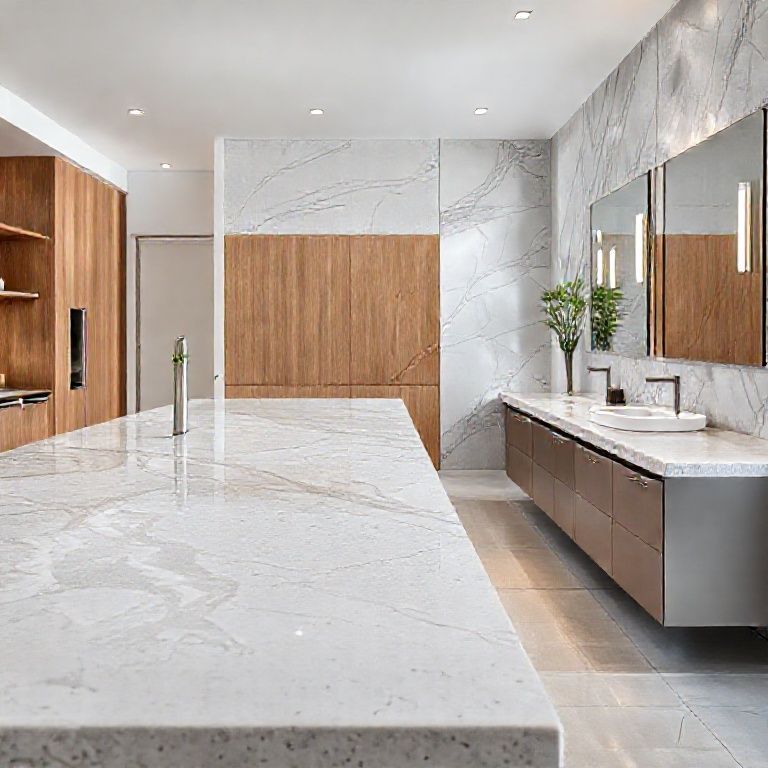
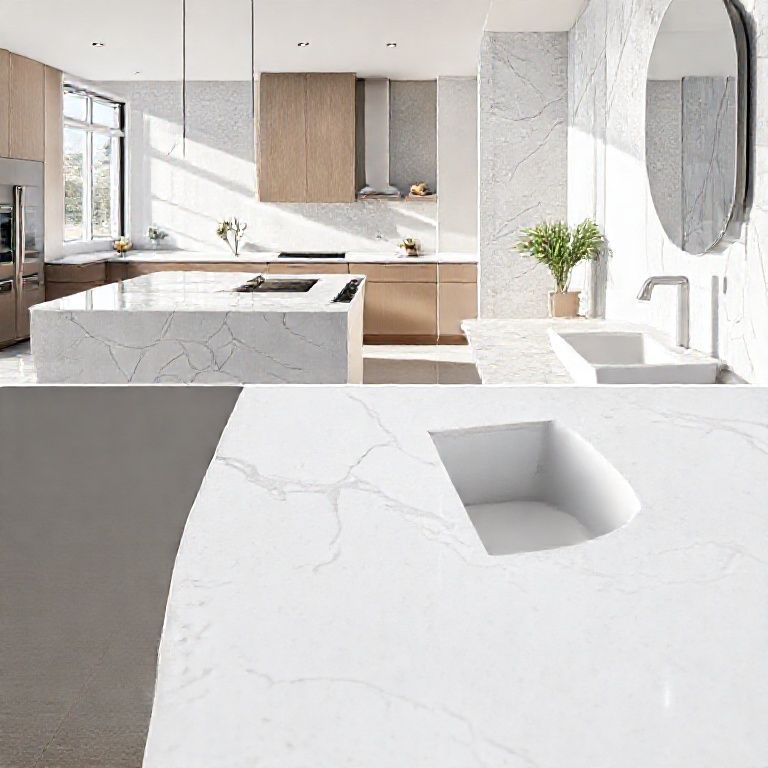
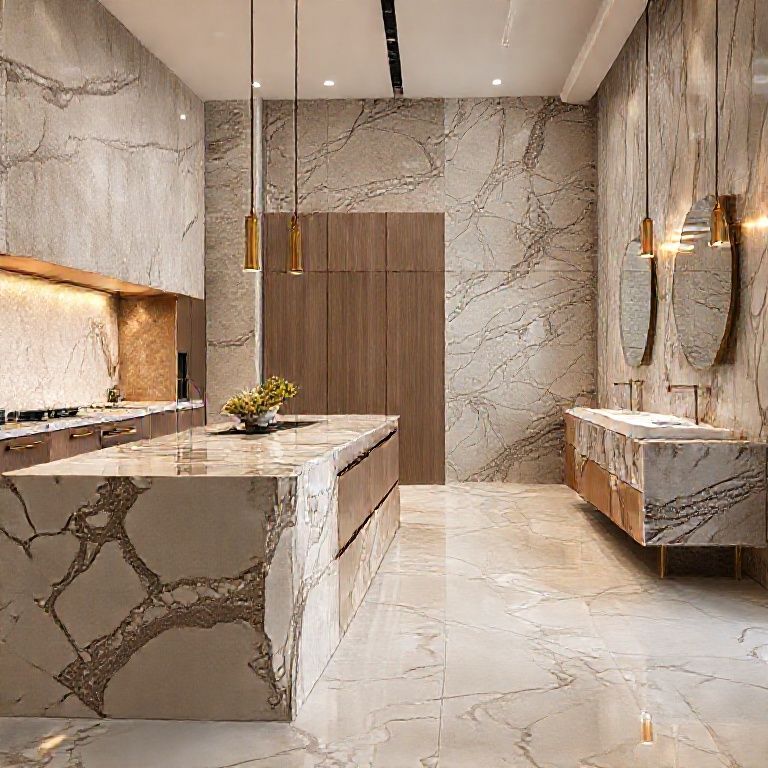
Artificial marble is widely used in various applications, from kitchen countertops to bathroom vanities and even decorative items. The material’s popularity stems from its durability, aesthetic versatility, and ease of maintenance.
Benefits of Using Artificial Marble
Aesthetic Appeal: It offers a luxurious marble-like appearance without the cost and maintenance of natural marble. Durability: It is highly resistant to stains, scratches, and chemical spills, making it ideal for high-traffic areas. Ease of Maintenance: Unlike natural marble, artificial marble does not require sealing and can be cleaned with simple household cleaners.
User Experience
Many users have reported positive experiences with artificial marble:
Professional Installation: When installed by professionals, artificial marble provides a seamless, polished finish. Variety of Designs: It comes in a wide range of colors and patterns, allowing for custom designs to match any décor style.
Myths vs. Facts About Radioactivity in Artificial Marble
While the safety and non-radioactive nature of artificial marble are well-documented, there are still myths and misconceptions that need to be addressed. Understanding the facts can help you make informed decisions about using this material in your home.
Common Myths About Artificial Marble Radioactivity
Myth 1: All Marble is Radioactive
Fact: Not all marble is radioactive. The concern about radioactivity often stems from natural marbles containing trace amounts of radioactive elements. However, artificial marble is a synthetic product created in a controlled environment, ensuring it does not contain these elements in harmful concentrations.
Myth 2: Artificial Marble Contains Hazardous Materials
Fact: The materials used in artificial marble are carefully selected to comply with safety standards. The resin used is typically an acrylic polymer, which is non-toxic and safe for indoor use. Additionally, the marble dust used is sourced from non-radioactive quarries.
Myth 3: Artificial Marble is Unstable and Prone to Breaking
Fact: Artificial marble is known for its durability. It is designed to be resistant to scratches, stains, and chemical spills, making it suitable for high-traffic areas like kitchens and bathrooms. While it is not indestructible, its strength and resilience make it a reliable choice for various applications.
Scientific Evidence and Research
To further debunk myths and provide clarity, let’s delve into some scientific evidence and research studies related to artificial marble:
Studies on Radioactive Elements
Several studies have been conducted to evaluate the presence of radioactive elements in artificial marble:
Material Analysis: Researchers have analyzed samples of artificial marble and found negligible levels of radioactive elements. These levels are far below any regulatory limits for safe use in residential environments. Health Impact Studies: Extensive health impact studies have shown no adverse effects from exposure to the materials used in artificial marble production.
Regulatory Oversight
The regulatory bodies overseeing the production of artificial marble conduct regular inspections and tests to ensure compliance with safety standards. These include:
ISO Standards: Regular audits ensure that manufacturers follow stringent quality control measures. RoHS and REACH Compliance: Compliance with these regulations ensures that artificial marble does not contain hazardous substances that could pose health risks.
Real-Life Case Studies
To provide a more tangible understanding, let’s look at some real-life case studies where artificial marble was used in various settings:
Case Study 1: Commercial Kitchens
In a commercial kitchen setting, artificial marble countertops were installed in several high-traffic areas. Over a period of two years, no complaints or reports of radiation were noted. Regular maintenance and inspections confirmed the material’s safety and durability.
Case Study 2: Residential Bathrooms
In a residential project, artificial marble was used for bathroom vanities and sinks. Residents reported no issues related to radiation or health concerns. Periodic checks by health and safety inspectors confirmed the material’s compliance with safety standards.
Making Informed Choices
When it comes to choosing materials for your home, it’s crucial to rely on accurate information and expert advice. Here are some tips for making informed choices:
Consult Professionals
Always consult with professionals who are knowledgeable about artificial marble and its properties. They can provide insights into the best practices for installation and maintenance.
Research and Read Reviews
Look for reviews and testimonials from other users who have experience with artificial marble. This can provide valuable information about the material’s performance and safety.
Understand Safety Standards
Familiarize yourself with the safety standards and regulations that govern the production of artificial marble. This knowledge will help you verify the credibility of the product and the manufacturer.
Conclusion: The Final Verdict on Artificial Marble
In conclusion, artificial marble is a safe, durable, and aesthetically pleasing material for various applications in home décor. The myths surrounding its radioactivity are largely unfounded, supported by scientific evidence and regulatory oversight. When used and maintained properly, artificial marble offers a luxurious and long-lasting solution for your interior design needs. By understanding the facts and relying on expert advice, you can confidently choose artificial marble for your home without concerns about radioactive hazards.
Embrace the beauty and functionality of artificial marble, knowing that it is a safe and reliable choice for enhancing your living spaces.