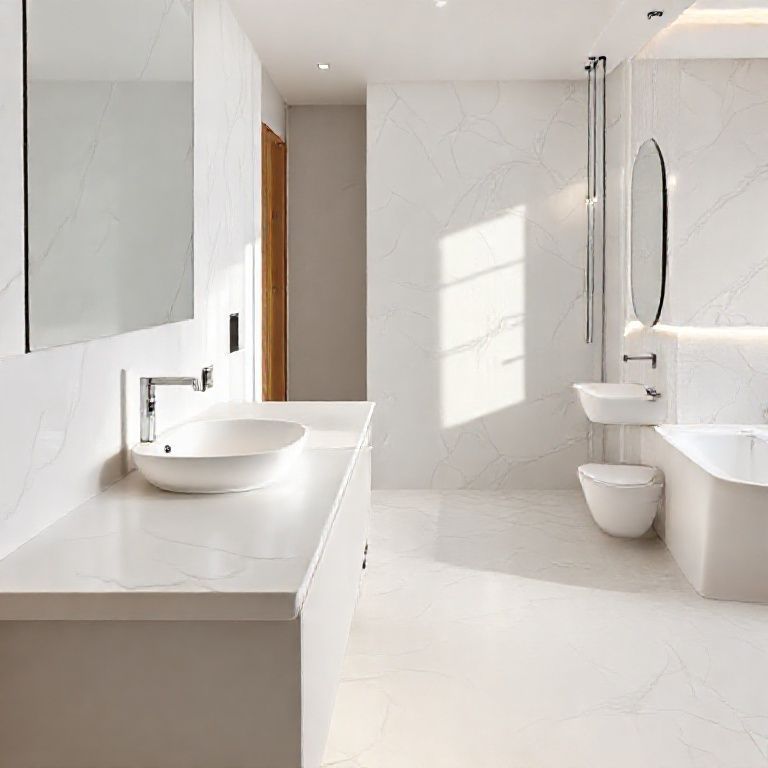
Unveiling the Advantages of Artificial Marble
${part1}
Artificial marble, also known as engineered stone, has revolutionized the way we approach interior design and construction. This innovative material boasts a range of advantages that make it an attractive choice for various applications. In this first part, we will delve into the myriad benefits of artificial marble, examining why it stands out in the market.
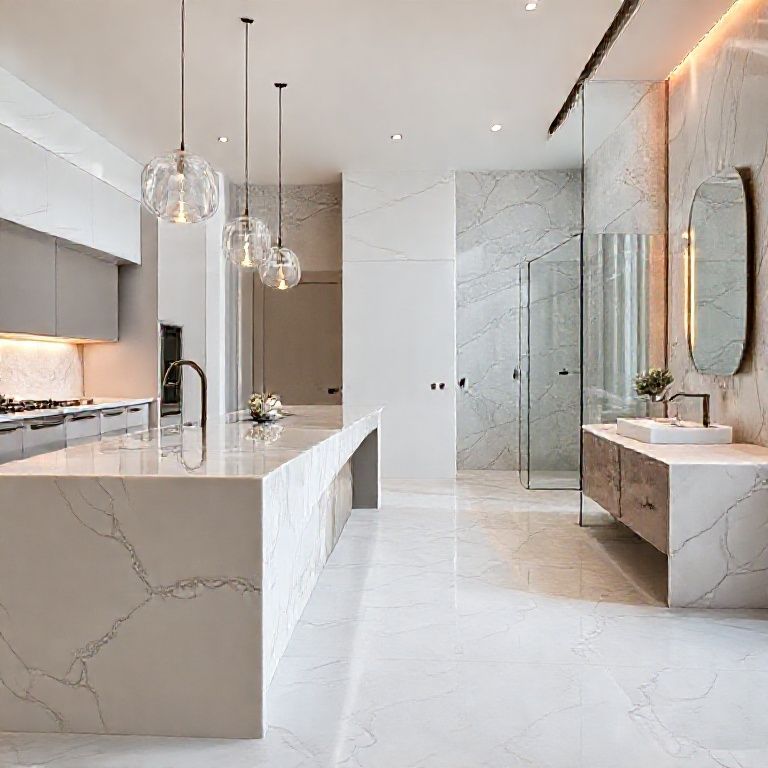
1. Superior Durability and Strength
One of the most compelling advantages of artificial marble is its exceptional durability. Unlike natural marble, which can be prone to scratching, chipping, and staining, artificial marble is crafted to withstand significant wear and tear. It is made from a mixture of natural stone powders, resins, and pigments, which results in a stone that is far more resilient. This durability makes artificial marble an ideal choice for high-traffic areas such as kitchens and bathrooms.
2. Cost-Effectiveness
Artificial marble offers a more economical alternative to natural stone. The production process of artificial marble is controlled, which allows manufacturers to offer products at a lower cost. This affordability does not compromise quality; instead, it provides a cost-effective solution that can be used in both commercial and residential projects. The lower cost is particularly beneficial for large-scale installations, where the savings can be significant.
3. Variety of Designs and Colors
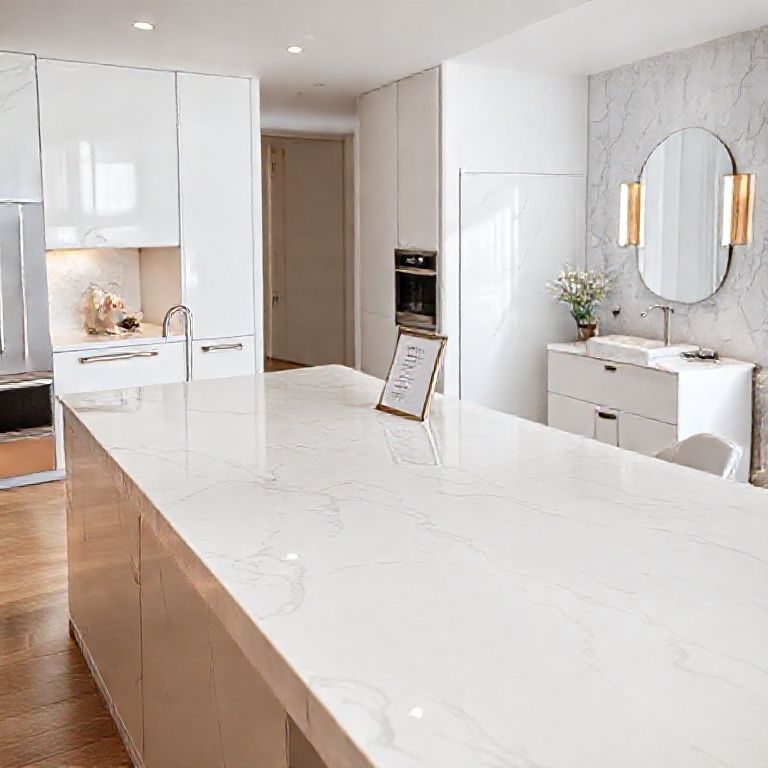
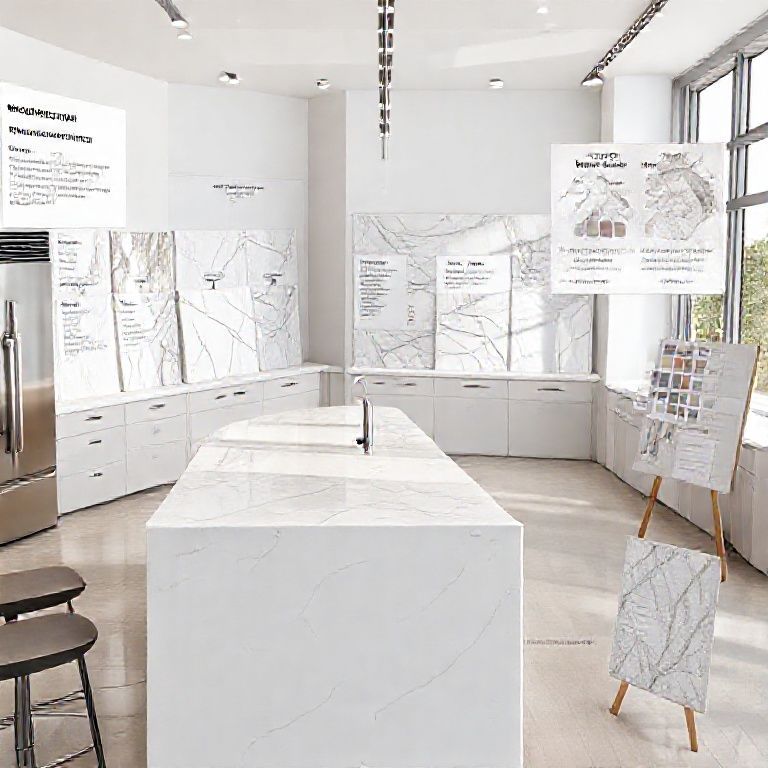
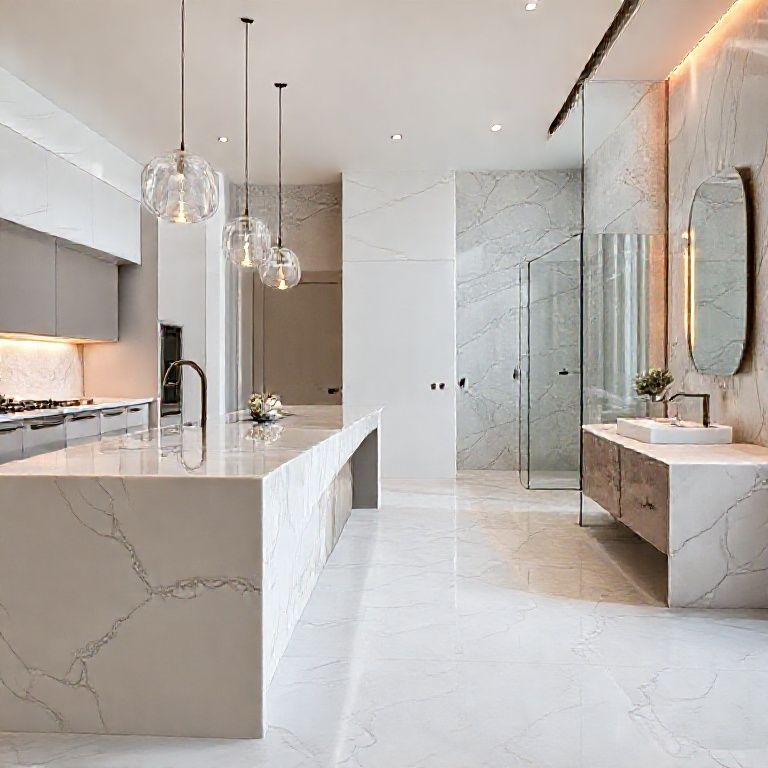
One of the standout features of artificial marble is its versatility in design and color. Manufacturers can create an almost limitless array of patterns and hues, allowing for a high degree of customization. This flexibility makes it possible to mimic the look of natural marble while offering unique designs that stand out. Whether you are looking to replicate the classic beauty of traditional marble or create a completely new aesthetic, artificial marble can be tailored to meet your specific needs.
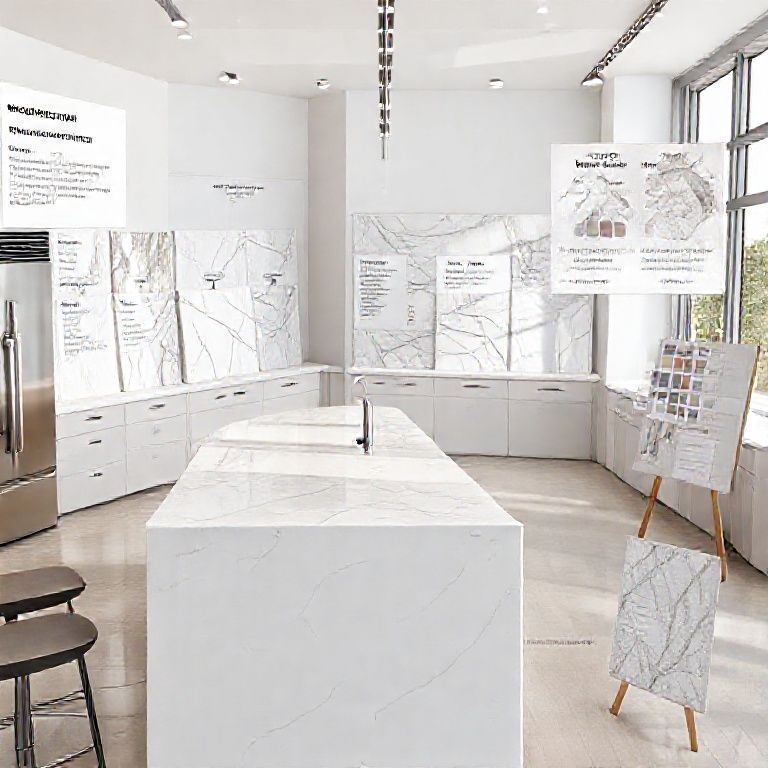
4. Environmentally Friendly Production
The production process of artificial marble is more environmentally friendly compared to that of natural stone. The use of stone powders and resins in the manufacturing process reduces waste and the need for quarrying, which can have significant environmental impacts. Additionally, artificial marble does not require the extensive use of water and other resources that are typically needed in the extraction and processing of natural stone. This eco-friendly aspect makes it a responsible choice for environmentally conscious consumers.
5. Easy Maintenance
Artificial marble is renowned for its low maintenance requirements. Unlike natural stone, which can be susceptible to staining and etching from acidic foods and beverages, artificial marble offers a non-porous surface that resists stains and spills. This makes cleaning and upkeep straightforward, requiring only a simple wipe-down with a mild soap and water solution. The low maintenance nature of artificial marble ensures that it remains pristine and beautiful for years to come.
6. Versatility in Applications
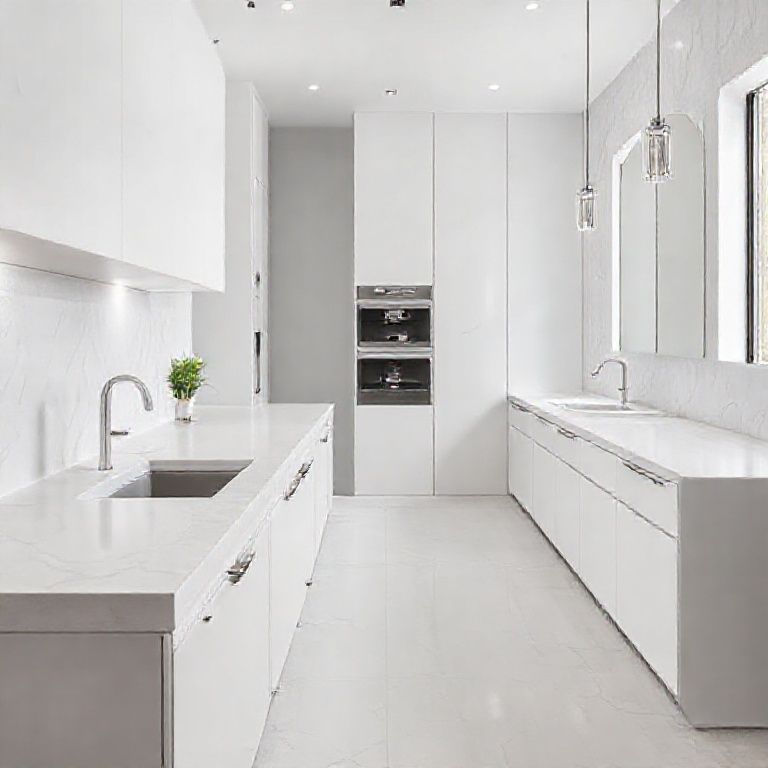
Artificial marble’s adaptability makes it suitable for a wide range of applications. It can be used for countertops, backsplashes, facades, and even decorative elements in interior and exterior spaces. Its versatility allows designers and builders to use it in both functional and aesthetic roles, providing endless possibilities for creative projects.
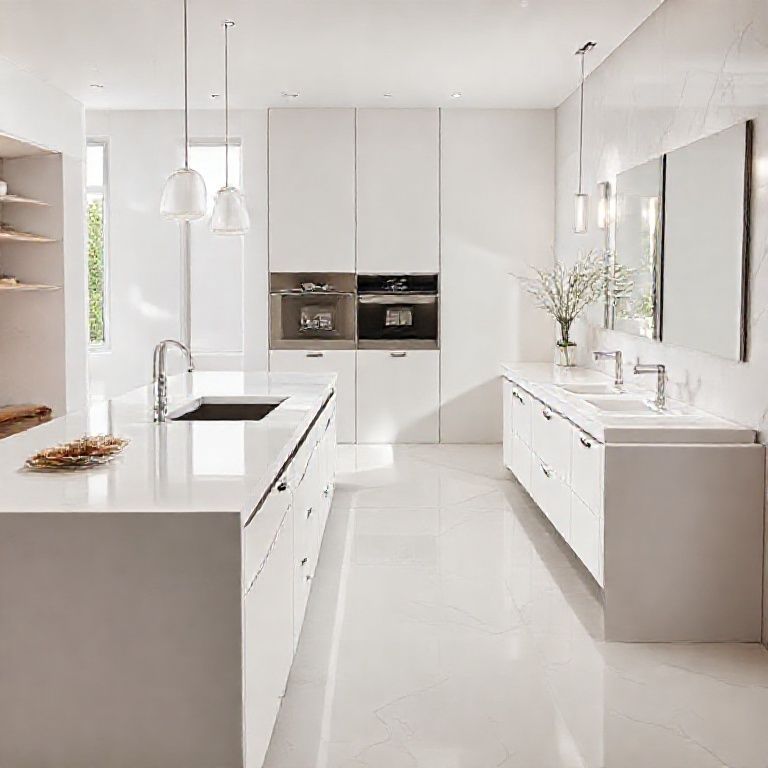
7. Consistent Quality
The controlled manufacturing process of artificial marble ensures a consistent quality across all pieces. This consistency is particularly important for large projects where uniformity is crucial. Unlike natural stone, where variations can occur naturally, artificial marble provides a standardized product that meets precise specifications.
Conclusion
The advantages of artificial marble are numerous and compelling. From its superior durability and cost-effectiveness to its versatility in design and applications, artificial marble offers a practical and aesthetically pleasing solution for various design needs. In the next part of this article, we will explore the potential drawbacks of artificial marble and provide a balanced perspective to help you make an informed decision.
Exploring the Disadvantages of Artificial Marble
${part2}
While artificial marble offers a plethora of benefits, it is also important to consider its potential drawbacks. This second part of our article will examine the various disadvantages of artificial marble, providing a balanced perspective to help you understand its limitations.
1. Limited Lifespan Compared to Natural Marble
Although artificial marble is durable, its lifespan may not match that of high-quality natural marble. Natural marble has been used for centuries and is known for its timeless beauty and longevity. Artificial marble, while designed to be long-lasting, may not have the same extended lifespan due to the synthetic nature of its components. This is particularly relevant for high-end or long-term projects where durability over centuries is a consideration.
2. Potential Health Concerns
The production of artificial marble involves the use of resins and other synthetic materials, which can raise concerns about potential health impacts. Some people may worry about the release of volatile organic compounds (VOCs) during the manufacturing process or even after installation. While manufacturers often claim that their products are low in VOCs, it is still a consideration for those who are particularly sensitive to chemical emissions.
3. Installation Challenges
Artificial marble can pose certain challenges during installation. Unlike natural stone, which can often be cut and shaped on-site, artificial marble requires pre-fabrication. This means that the pieces must be manufactured off-site and then installed, which can complicate the process, especially for large or complex installations. Additionally, the weight and size of artificial marble pieces can make transportation and installation more labor-intensive.
4. Limited Natural Aesthetic
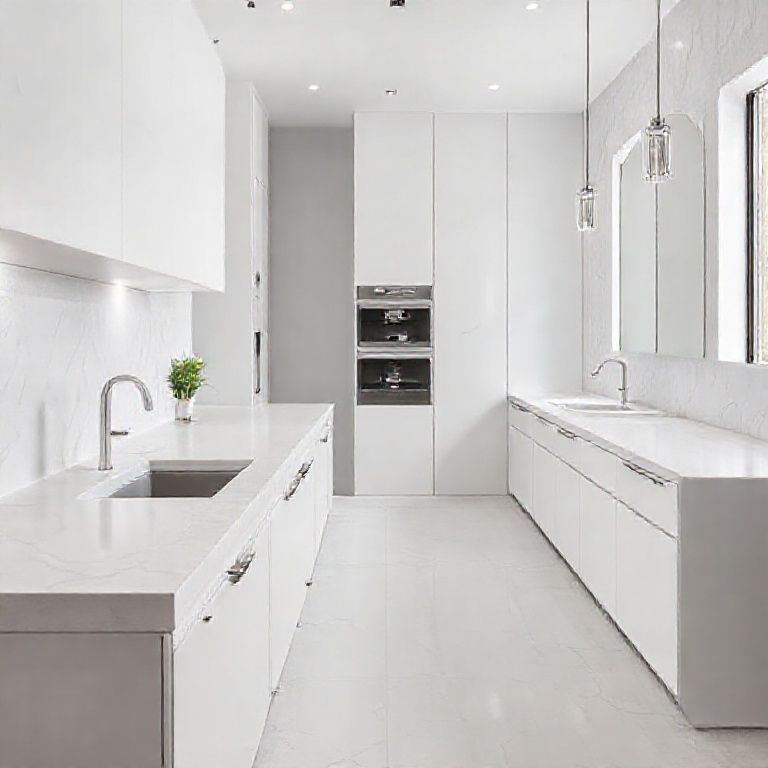
While artificial marble can closely mimic the look of natural marble, it lacks the unique and natural aesthetic that some people prefer. The imperfections and natural variations found in genuine marble can add character and uniqueness to a space. Artificial marble, with its uniformity and consistency, may not offer the same level of natural beauty and character that natural stone does.
5. Higher Initial Cost for Custom Designs
Although artificial marble is generally more affordable than natural stone, custom designs can sometimes come at a higher price. The complexity of certain designs and the need for specialized manufacturing processes can increase the cost. While it is still typically more cost-effective than natural marble, the price for highly customized pieces may approach that of natural stone.
6. Thermal Conductivity
Artificial marble is a poor conductor of heat compared to natural stone. This means that surfaces made from artificial marble will not become as hot as natural stone surfaces when exposed to heat sources like ovens or stovetops. While this can be seen as a safety advantage, it also means that artificial marble may not provide the same comforting, warm feel that natural stone does.
7. Susceptibility to Damage from Certain Chemicals
Despite its non-porous nature, artificial marble is not completely immune to damage from all chemicals. Strong acids and alkalis can still affect the surface of artificial marble, causing etching or discoloration. This requires careful consideration of the materials that will come into contact with artificial marble surfaces to avoid potential damage.
Conclusion
While artificial marble offers many benefits, it is essential to weigh its limitations carefully. From potential health concerns to installation challenges and the limited natural aesthetic, there are several factors to consider. By understanding both the advantages and disadvantages, you can make a well-informed decision that aligns with your specific needs and preferences. Whether you choose artificial marble for its cost-effectiveness and durability or opt for natural stone for its timeless beauty and character, the right choice depends on your unique requirements and priorities.
By examining both sides of the equation, you can determine which material best suits your project and lifestyle.