Unveiling the Visual and Physical Differences
${part1}
When it comes to choosing the right material for your home or commercial space, the decision between artificial and natural marble can be daunting. Both have their unique beauty and practical advantages, but understanding the differences can help you make an informed choice. Here’s a detailed look at the visual and physical distinctions between artificial and natural marble.
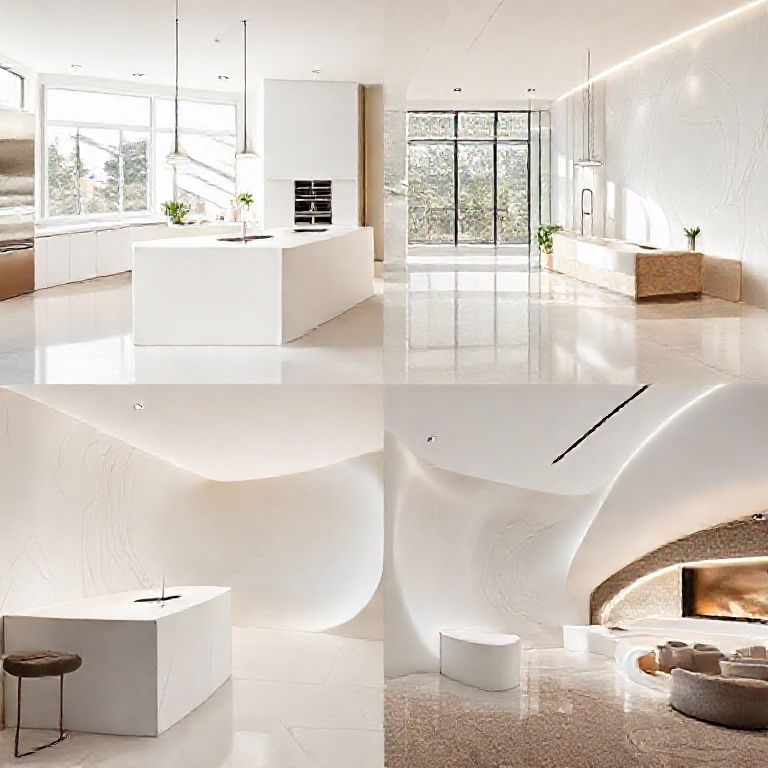
Visual Differences
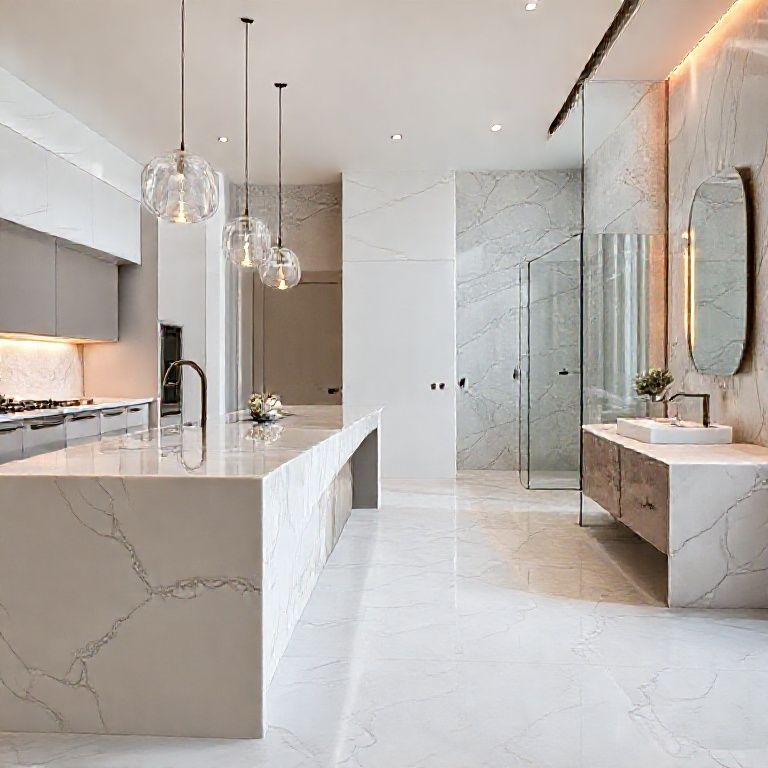
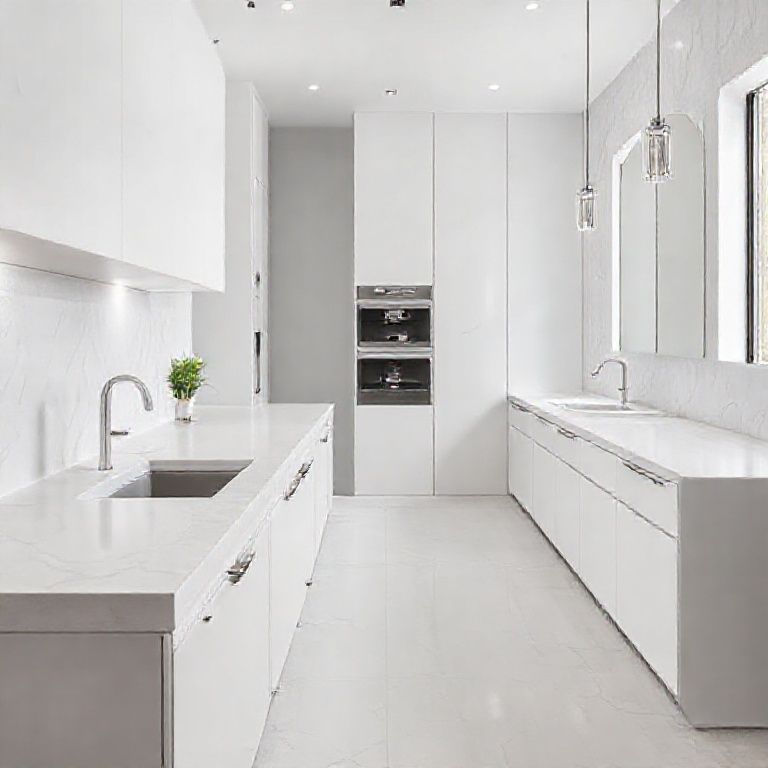
One of the most immediate ways to distinguish between artificial and natural marble is through visual inspection. Natural marble is known for its intricate and unique veining and patterns, which are a result of millions of years of geological processes. These patterns are often rich, complex, and varied, making each piece of natural marble unique. In contrast, artificial marble tends to have more uniform patterns and colors because it is manufactured rather than naturally formed.
Artificial Marble
Artificial marble, also known as engineered marble, is created by combining minerals such as calcite, alumina trihydrate, and other synthetic materials. The result is a material that mimics the appearance of natural marble. While it can replicate the aesthetic of natural marble, it lacks the natural variations and imperfections that make real marble so distinctive.
Image Comparison:
Left: Artificial Marble Right: Natural Marble
Natural Marble
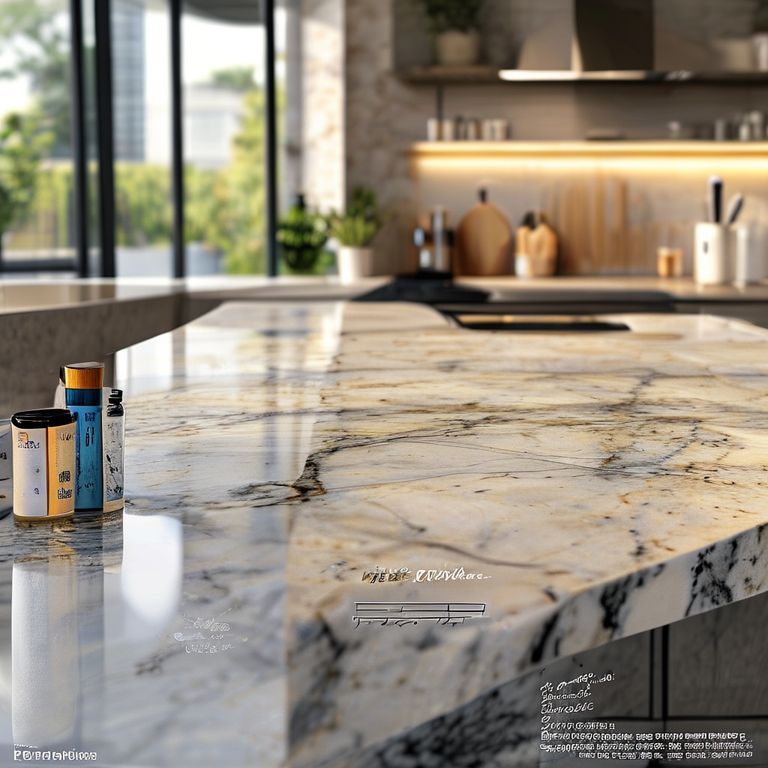
Natural marble, on the other hand, showcases the beauty of the natural world. The veins and patterns in natural marble are a result of natural processes such as the deposition of minerals and the influence of pressure and temperature over millions of years. This gives natural marble a unique character that cannot be replicated exactly.
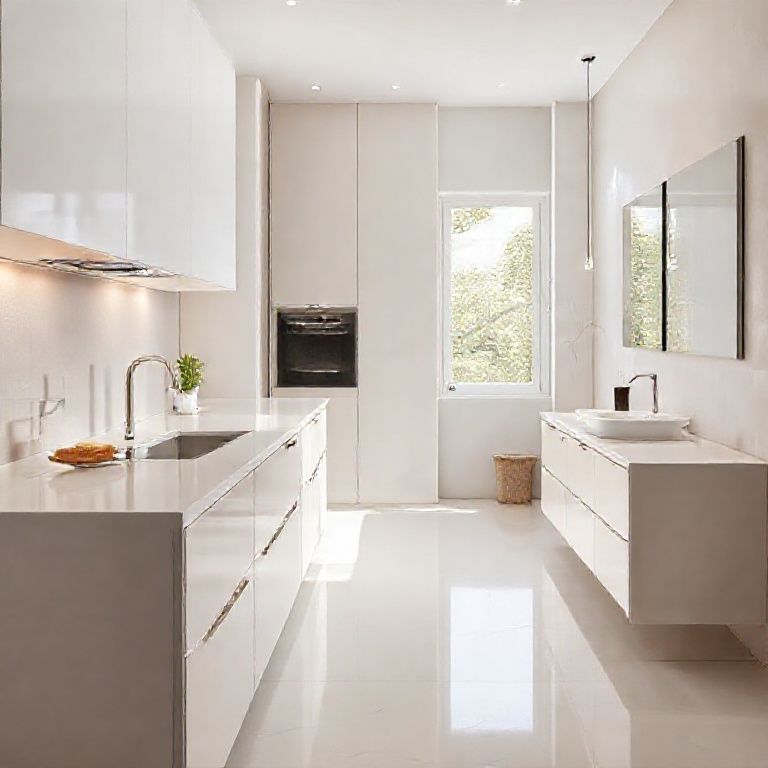
Image Comparison:
Left: Natural Marble Right: Artificial Marble
Physical Differences
In addition to visual differences, there are several physical distinctions between artificial and natural marble:
Weight
Natural marble is significantly heavier than artificial marble due to its dense composition. The minerals and natural formations give natural marble a substantial weight, while artificial marble, made from synthetic materials, is lighter.
Porosity
Porosity is a critical factor in determining how a marble material will react to stains and maintenance. Natural marble is more porous compared to artificial marble, which means it can absorb liquids more easily, making it more susceptible to stains. Artificial marble has a much lower porosity level, offering better resistance to stains and easier maintenance.
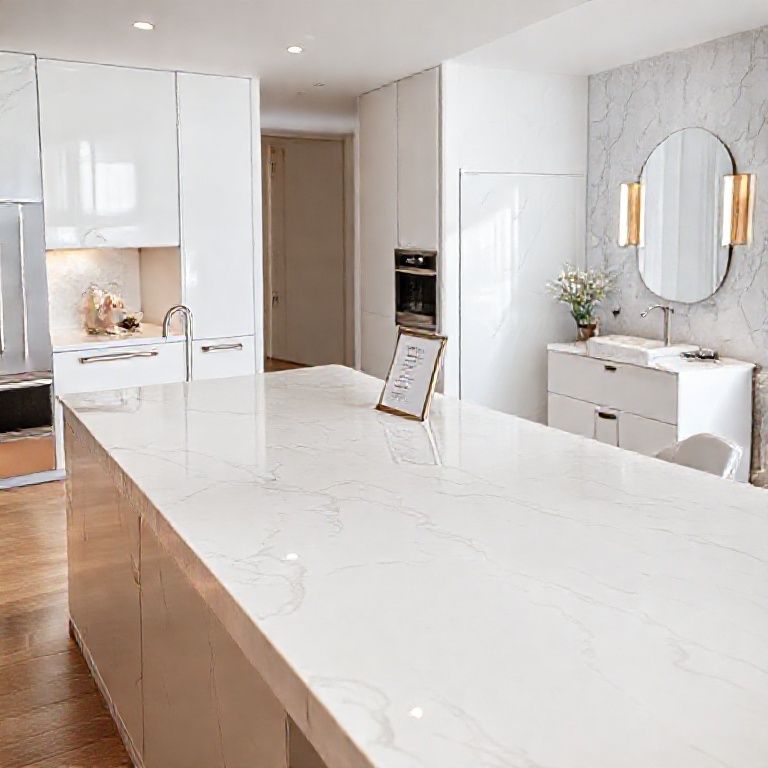
Hardness
Both natural and artificial marbles have high levels of hardness, but natural marble tends to be harder due to the natural minerals present in its composition. Artificial marble’s hardness depends on the manufacturing process and the specific formulation used, which can sometimes result in a slightly lower hardness than natural marble.
Thermal Conductivity
Artificial marble has higher thermal conductivity compared to natural marble. This means that artificial marble can transfer heat more quickly, which is why it might feel warmer to the touch compared to natural marble.
Aesthetic Differences
The aesthetic appeal of marble is another important consideration when choosing between artificial and natural marble:
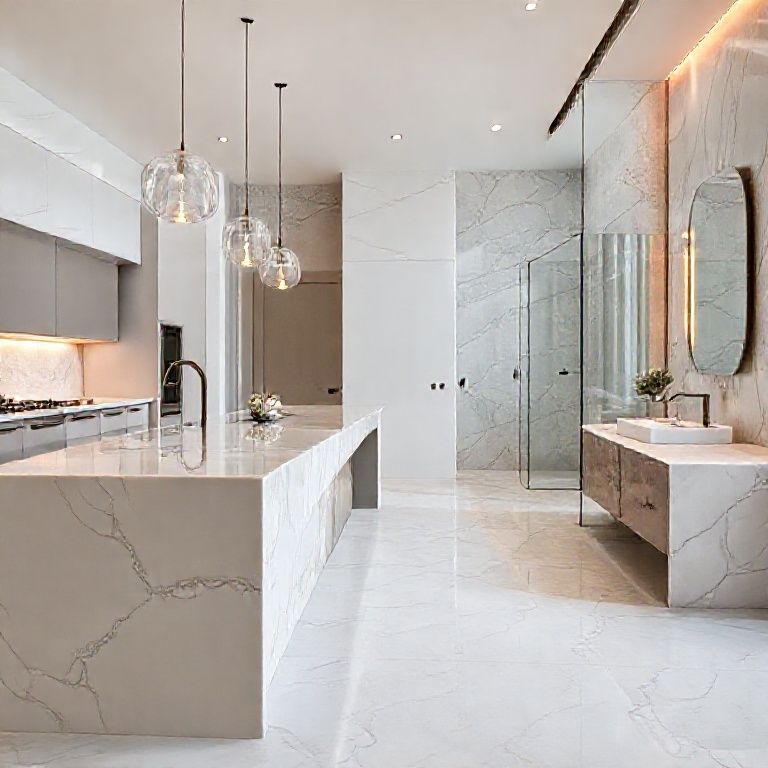
Color Variations
Natural marble features a wide range of colors and patterns due to its natural formation. These colors and patterns are unique to each piece, providing a one-of-a-kind aesthetic. Artificial marble, while it can mimic the colors and patterns of natural marble, often has a more consistent appearance across different pieces.
Finish
The finish of natural marble is usually more irregular due to its natural formation, resulting in a unique texture that adds to its aesthetic appeal. Artificial marble can be manufactured to have a variety of finishes, from perfectly smooth to textured, allowing for a wide range of aesthetic choices.
Durability and Maintenance
Natural marble, while beautiful, requires careful maintenance to prevent stains and scratches. Artificial marble, on the other hand, is often more durable and easier to maintain due to its lower porosity and resistance to stains.
${part1}
Aesthetic Appeal, Durability, and Practical Considerations
${part2}
Continuing our deep dive into the world of artificial and natural marble, this part focuses on the aesthetic appeal, durability, and practical considerations that will help you make a well-informed decision. Let’s explore these aspects in detail.
Aesthetic Appeal
When it comes to aesthetics, both artificial and natural marble offer unique and beautiful options. However, the appeal often depends on personal preference and specific design needs.
Uniqueness and Customization
Natural marble’s unique veining and patterns make it a popular choice for those seeking a one-of-a-kind, natural beauty. Each piece of natural marble is different, providing a unique aesthetic that can be a centerpiece in any design.
Image Example:
Left: Custom Natural Marble Design Right: Standard Artificial Marble Design
Artificial marble offers a degree of customization as well. While it cannot replicate the exact uniqueness of natural marble, it can be designed to mimic various styles and patterns. This makes it a versatile option for those who want to achieve a specific aesthetic without the unpredictability of natural stone.
Durability
Durability is a crucial factor when selecting a material for both residential and commercial spaces. Let’s delve into how artificial and natural marble stack up in this area.
Natural Marble
Natural marble is a durable material but requires careful maintenance to ensure its longevity. It is susceptible to staining and etching, which can be mitigated through regular cleaning and sealing. While natural marble is resistant to scratching, it can still be prone to damage if not properly cared for.
Image Example:
Left: Stained Natural Marble Right: Properly Maintained Natural Marble
Artificial Marble
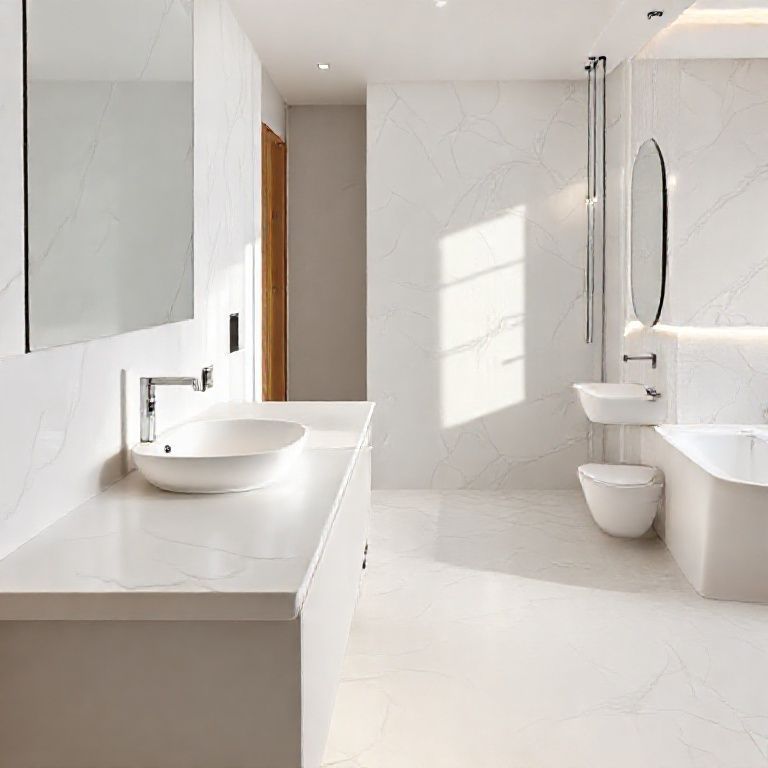
Artificial marble offers superior durability compared to natural marble. It is highly resistant to stains, etching, and scratches, making it easier to maintain and ideal for high-traffic areas. Its lower porosity means it is less likely to absorb liquids, reducing the risk of stains and making it more suitable for kitchens and bathrooms.
Image Example:
Left: Artificial Marble in High Traffic Area Right: Artificial Marble Kitchen Counter
Practical Considerations
When choosing between artificial and natural marble, practical considerations such as cost, installation, and environmental impact play a significant role.
Cost
Natural marble is generally more expensive than artificial marble due to its natural formation and the costs associated with quarrying, processing, and transportation. Artificial marble, being a manufactured product, tends to be more affordable. This makes artificial marble a cost-effective alternative for those who want a marble-like appearance without the premium price tag.
Image Example:
Left: Natural Marble Price Right: Artificial Marble Price
Installation
Both artificial and natural marble can be installed by professional contractors, but there are differences in the installation process. Natural marble requires more precise cutting and fitting due to its irregular shapes and sizes, which can make installation more complex and time-consuming. Artificial marble’s uniform pieces make it easier to cut and install, often resulting in faster and more straightforward installation processes.
Image Example:
Left: Natural Marble Installation Right: Artificial Marble Installation
Environmental Impact
The environmental impact of selecting either artificial or natural marble is another important consideration. Natural marble extraction involves significant environmental disruption, including land degradation and water pollution. Artificial marble, on the other hand, is produced through a manufacturing process that can be designed to minimize environmental impact, although it does involve energy consumption and waste production.
Image Example:
Left: Natural Marble Mining Impact Right: Artificial Marble Manufacturing Process
Maintenance
Maintenance is an essential aspect to consider when choosing between artificial and natural marble. Here’s a closer look at how each type fares in this area.
Natural Marble
Natural marble requires regular maintenance to keep it looking its best. It is prone to staining and etching, so it must be cleaned and sealed regularly. Using products that are safe for natural marble is crucial to avoid damaging its surface.
Image Example:
Left: Unmaintained Natural Marble Right: Properly Maintained Natural Marble
Artificial Marble
Artificial marble is much easier to maintain than natural marble. Its low porosity means it is resistant to stains and etching, so it requires less frequent cleaning and sealing. Using mild cleaning agents is usually sufficient to keep artificial marble looking pristine.
Image Example: